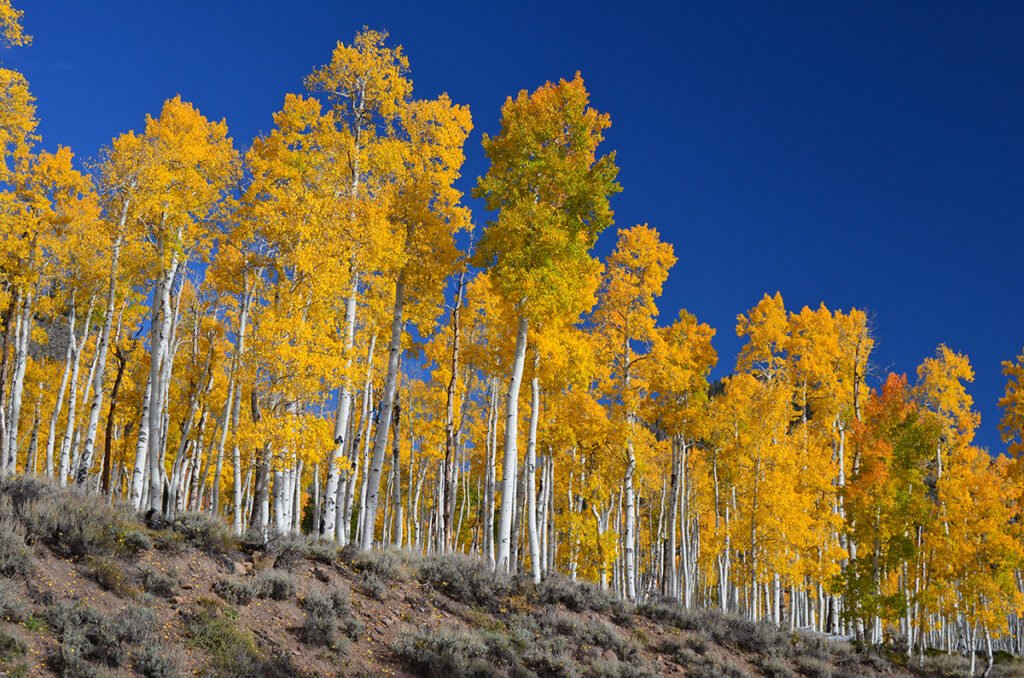

You walk through what appears to be an ordinary forest, towering trees swaying gently in the breeze. The peaceful scene conceals one of nature’s most extraordinary secrets. These aren’t individual trees at all. Instead, you’re standing within a single living organism that has been quietly cloning , possibly predating entire human civilizations.
This phenomenon isn’t science fiction or fantasy. It’s the remarkable world of clonal reproduction, where trees have mastered the art of immortality through an endless cycle of self-replication. They’ve discovered something humans have long sought: a way to cheat death and persist across millennia. Let’s dive into the fascinating world where biology meets eternity.
What Makes a Tree Clone Itself
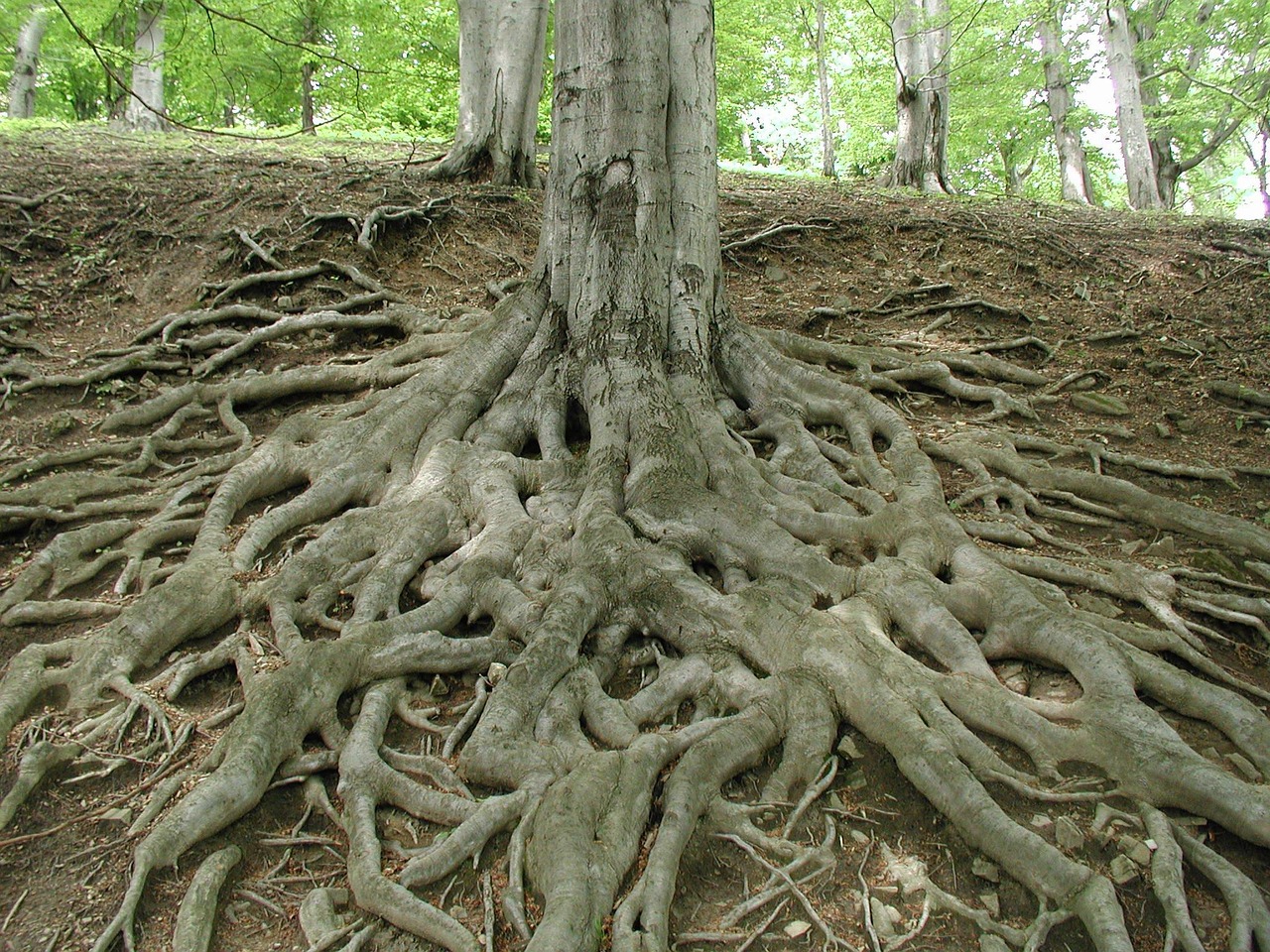
Clonal reproduction represents one of nature’s most ingenious survival strategies. Instead of relying solely on sexual reproduction through seeds, certain trees produce genetically identical offspring through vegetative methods. These trees create new stems, trunks, or shoots directly from their existing root systems, essentially photocopying themselves underground.
The process begins when established root systems send up new growth points called suckers or shoots. These emerge from the soil as what appear to be separate trees, but they share the same DNA as their parent and remain physically connected through the root network. Above ground, these plants most often appear to be distinct individuals, but underground they remain interconnected and are all clones of the same plant.
This method of reproduction offers remarkable advantages over traditional seed-based propagation. While sexual reproduction requires favorable conditions for germination, pollination, and seedling survival, clonal reproduction bypasses these vulnerabilities entirely. The established root system provides nutrients, water, and stability to new shoots, dramatically improving their chances of survival.
Pando: The World’s Largest Living Organism
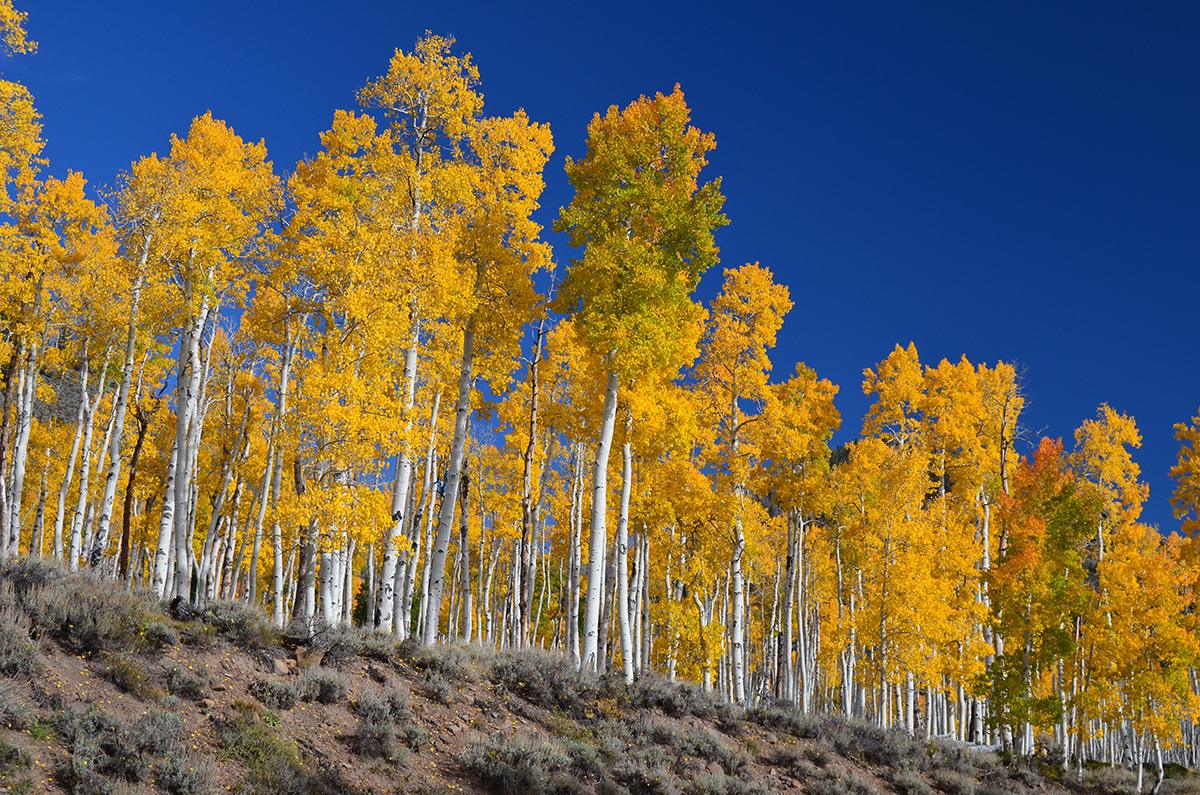
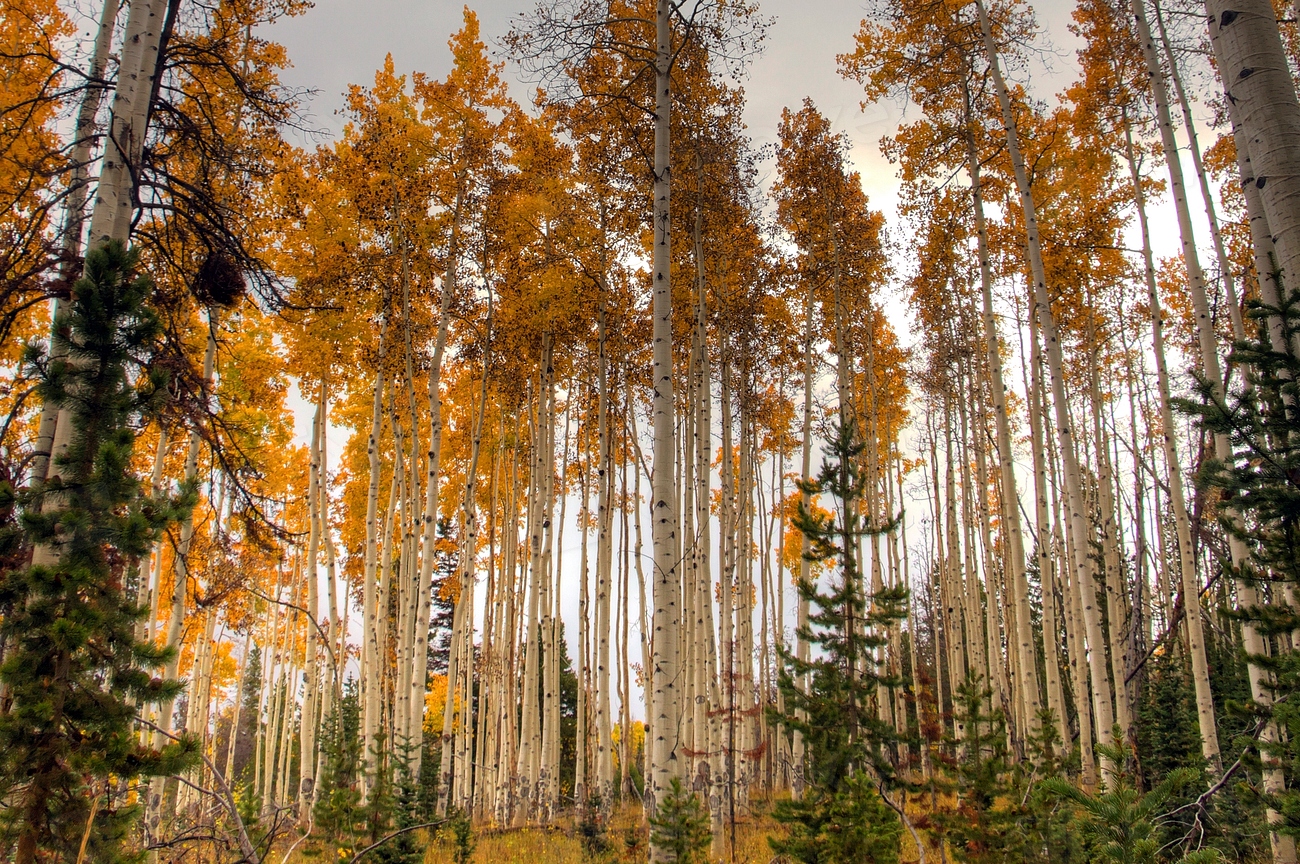
In Utah’s Fishlake National Forest stands perhaps the most famous example of clonal reproduction: a massive grove called Pando. The forest, whose Latin name means “I spread,” is actually a single living thing: one tree that has cloned itself tens of thousands of times. Spanning 42.6 hectares of Utah’s Fishlake National Forest, Pando consists of approximately 40,000 individual stems all connected by a single, vast root system.
In addition to being one of the oldest living organisms in the world, Pando is the most massive known living organism on Earth (spanning over 106 acres and weighing more than 13 million pounds). When you visit this grove, it looks like a typical aspen forest with thousands of individual trees. However, genetic analysis has confirmed that every single trunk shares identical DNA.
What makes Pando even more remarkable is its unusual chromosomal structure. The tree is triploid, meaning its cells contain three copies of each chromosome instead of the usual two. This unusual characteristic prevents Pando from reproducing sexually with other trees, leading it to create perfect copies of itself instead.
The Ancient History of Clonal Trees
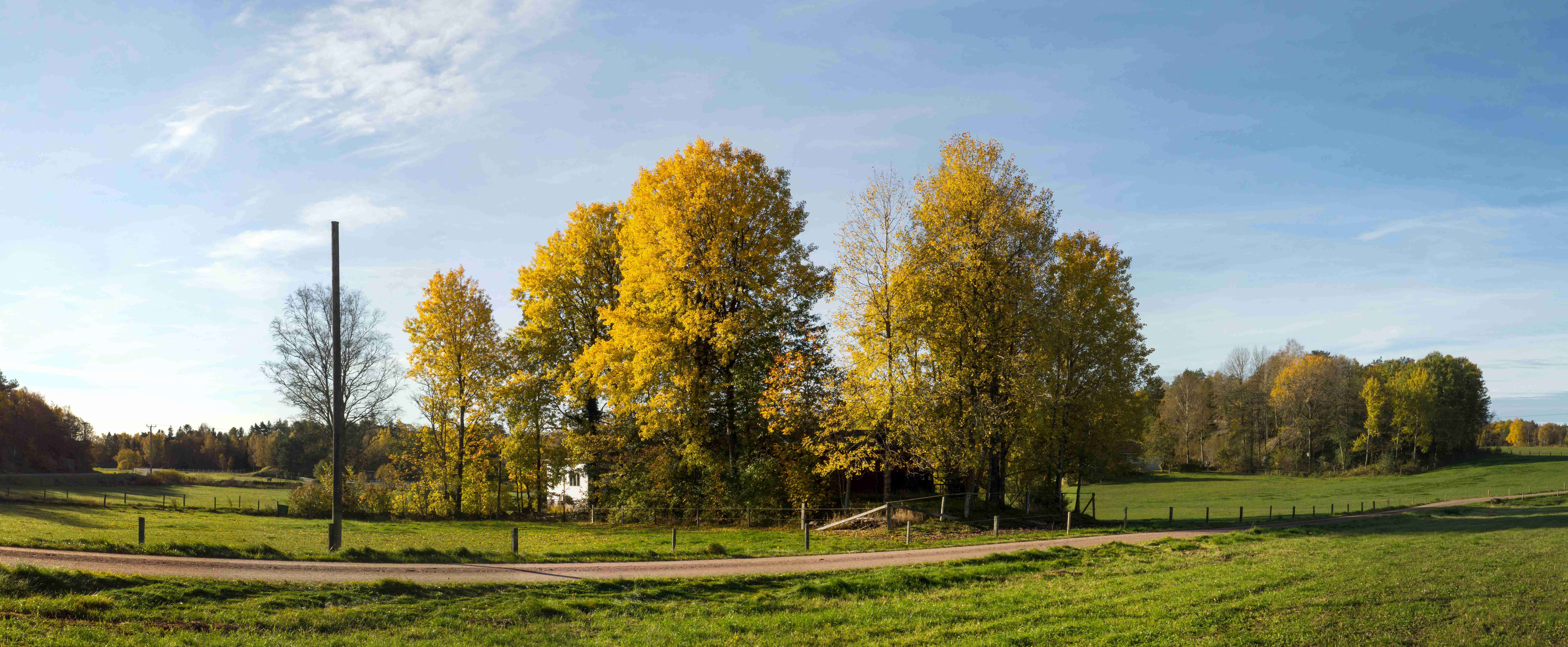
Scientists have confirmed that one of Earth’s most remarkable living beings – a massive forest of quaking aspen trees in Utah known as Pando – is between 16,000 and 80,000 years old, solidifying its place among the planet’s most ancient organisms. This staggering age means Pando could have been growing when woolly mammoths roamed the earth and early human societies were just beginning to form.
The longevity of clonal trees surpasses even the oldest individual specimens. While ancient bristlecone pines might live for several thousand years as individual trees, clonal organisms persist through an entirely different mechanism. Aspen trees usually do not live more than 150 years, though they may persist more than 200 years. Yet through continuous regeneration, the clone itself achieves virtual immortality.
Recent genetic research has provided fascinating insights into how these ancient organisms maintain their longevity. As cells divide, they can accumulate genetic mutations, creating slight variations that provide scientists with valuable information about the tree’s evolutionary history. By analyzing DNA samples in a painstaking yearslong research mission, the team collected from roots, bark, leaves, and branches throughout the forest, identifying nearly 4,000 genetic variants that had emerged over millennia of cloning.
How Clonal Root Systems Actually Work
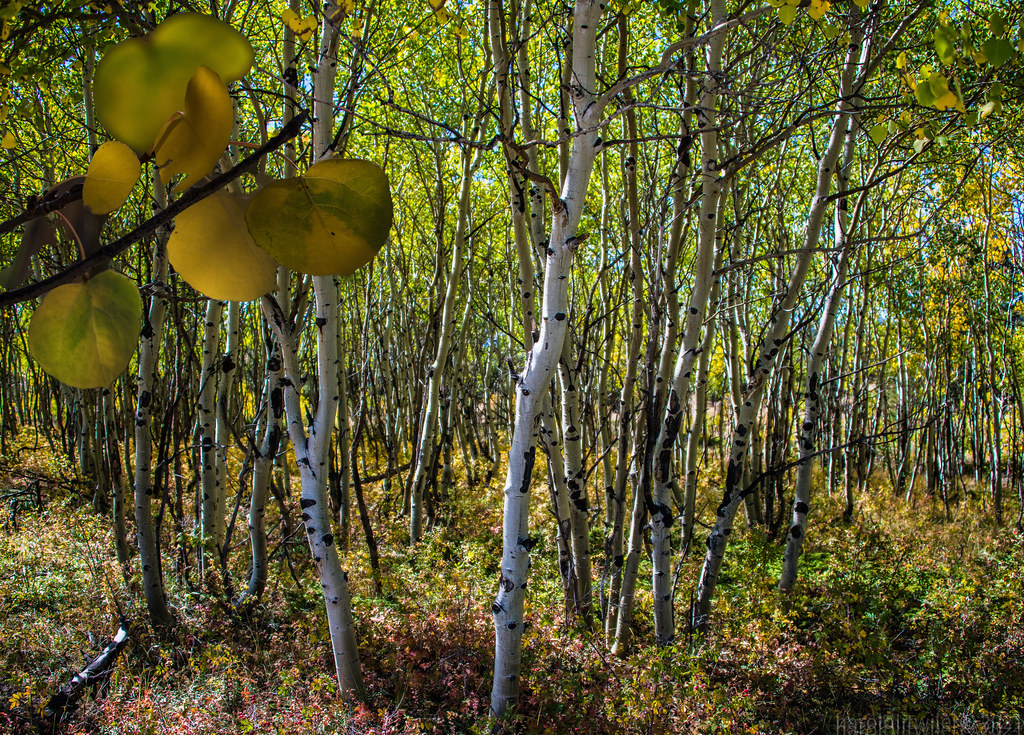
With most woody plants, clonal colonies arise by wide-ranging roots that at intervals send up new shoots, termed suckers. This underground network functions like a biological internet, connecting every tree in the colony and allowing them to share resources. Water absorbed by trees in well-watered areas can travel through the root system to support trees experiencing drought stress.
The root system serves as both communication network and resource distribution system. Like those in Pando, clonal trees are genetically identical trees that remain connected through a single root system, sharing water, minerals, and other essential nutrients. When one part of the colony encounters favorable growing conditions, it can support growth throughout the entire network.
This interconnected system creates remarkable coordination among the individual stems. The clonal system is genetically uniform and acts as a single organism, with all the component trees (part of the willow family) changing colour or shedding leaves in unison. This synchronized behavior demonstrates the fundamental unity underlying what appears to be a forest of separate trees.
Other Trees That Master Clonal Reproduction
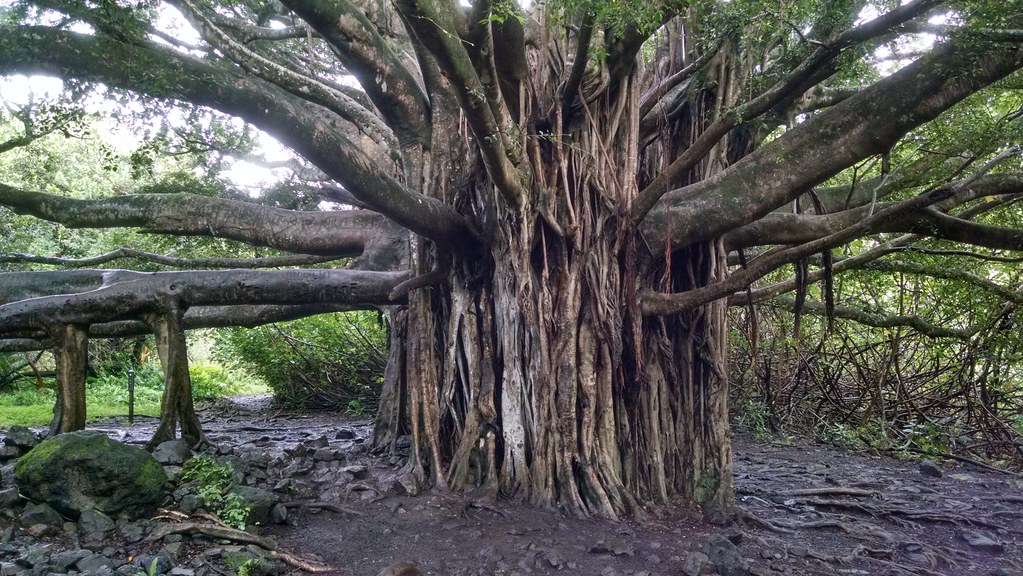
Pando isn’t the only tree species capable of clonal reproduction. Other examples include trees and shrubs such as the willow, blackberry, fig, and banyan; vines such as wisteria; ferns such as goldenrod; herbaceous flower plants like the strawberry, and non-woody plants like Narcissus and Crocus. Each species has developed its own approach to creating clonal colonies.
Banyan trees: A banyan colony can form what looks like to be a massive forest. One, dubbed the Great Banyan Tree and found in Howrah, India, has been growing for over 250 years and has withstood several natural disasters. Technically one tree with many trunks, this species spreads over 14,400 square meters and has over 3,300 roots that descend to the ground but appear like individual trees.
Willow trees demonstrate yet another variation of clonal reproduction. Willows: Willows regenerate asexually, developing dense clonal thickets from root sprouts and forming extensive clonal groves. They dominate riparian habitats and are a common fixture in residential landscaping due in part to the ease with which they can be propagated from roots.
The Desert’s Ancient Survivors
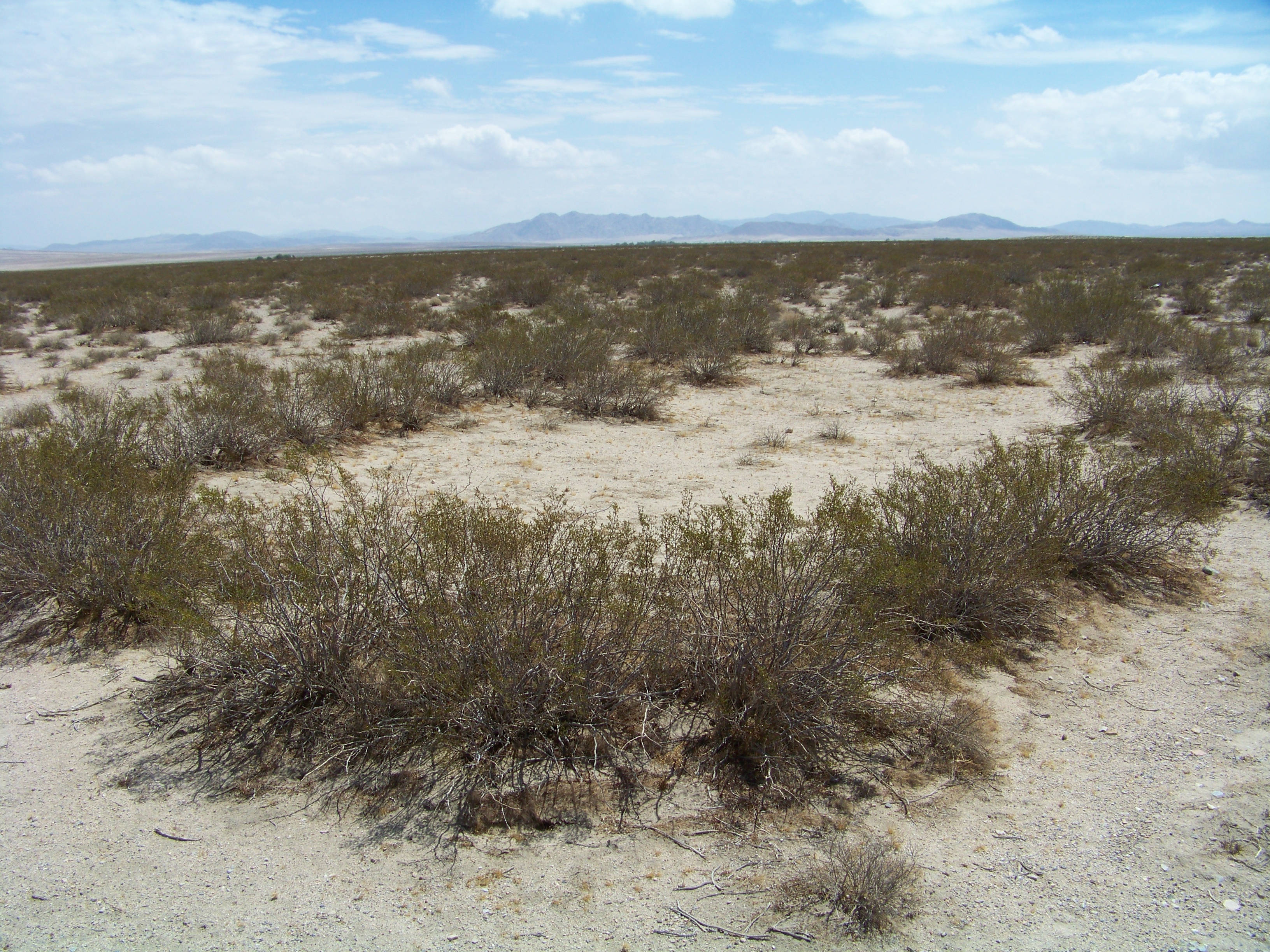
In California’s harsh Mojave Desert, another ancient clonal organism has been quietly surviving for millennia. King Clone is thought to be the oldest creosote bush ring in the Mojave Desert. The ring is estimated to be 11,700 years old, making it one of the oldest living organisms on Earth. This single clonal colony plant of Larrea tridentata reaches up to 67 feet (20 metres) in diameter, with an average diameter of 45 feet (14 m).
Creosote bushes demonstrate remarkable adaptation to extreme environments. Most plants have one root system, but the creosote has two: a deep taproot plus a fan of roots encircling the plant just beneath the surface. Schoenherr calls creosote “the champion of desert plants. It’s probably the most drought-tolerant shrub in America.”
The oldest creosotes form circles as they age. When the first generation dies, it sends up new shoots at its perimeter, and these clones of the original plant always grow from the same roots. Now, the oldest plants appear as rings 70 feet in diameter. This circular growth pattern creates distinctive rings that mark the passage of thousands of years.
The Science Behind Genetic Mutation in Clones
Despite being genetically identical, clonal organisms aren’t completely static over time. However, these clones aren’t entirely identical. As cells divide, they can accumulate genetic mutations, creating slight variations that provide scientists with valuable information about the tree’s evolutionary history. These small changes serve as a biological clock, helping researchers understand the age and history of ancient clones.
Recent research on Pando has revealed surprising patterns in how genetic variations spread through clonal colonies. Ratcliff added, “This result was so surprising. At a large scale, Pando is very well mixed.” The findings show that if you pick two trees far apart in the forest, they’re as likely to be genetically similar as two close together – a pattern that holds until you look at scales under 15 meters or so.
This genetic mixing suggests sophisticated mechanisms within clonal colonies that prevent the accumulation of harmful mutations. The researchers suggest that its triploidy might contribute to “bigger cells, bigger organisms, better fitness,” according to Pineau. The findings hint at the existence of protective mechanisms that help plants and trees prevent the accumulation of harmful genetic mutations.
Threats to Ancient Clonal Forests
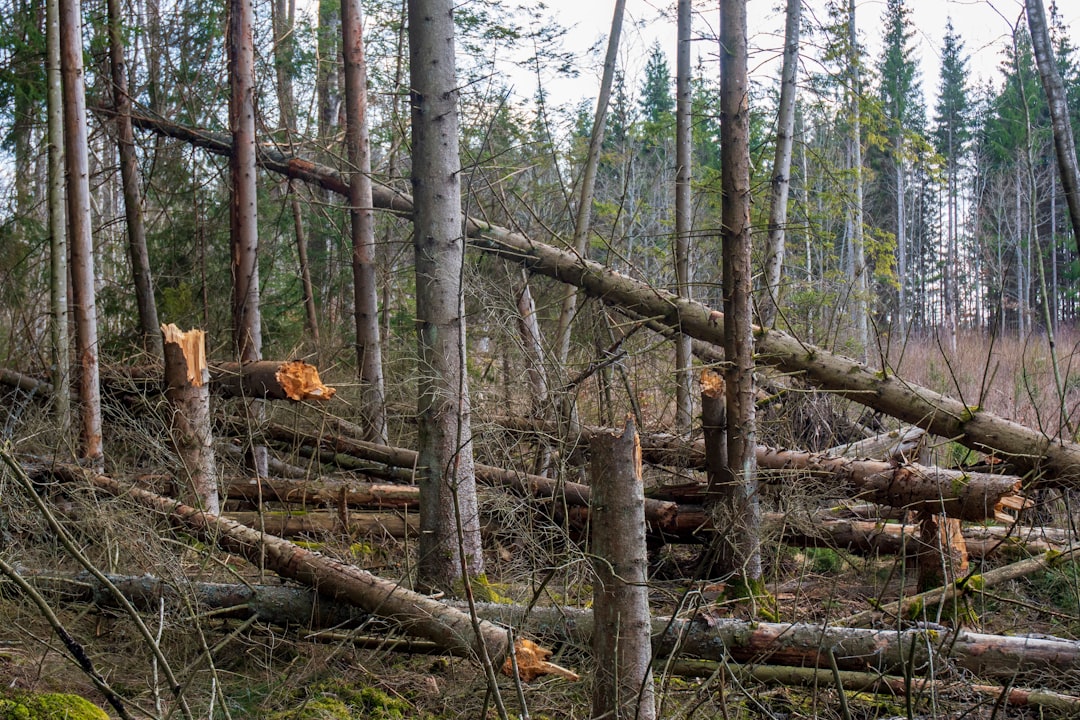
Despite surviving for thousands of years, many ancient clonal forests now face unprecedented challenges. But according to a 2018 study, aerial images taken of Pando over a period of 72 years show stark signs of decline, including larger gaps in the canopy and aging stems that aren’t being replaced by younger ones. Human activities and environmental changes pose new threats to these ancient survivors.
Mule deer and cattle that graze in Utah’s Fishlake National Forest are chomping off the tops of saplings and killing new growth quicker than the plant can compensate for. Wolves, bears and cougars used to keep the deer population in check, but humans have now eliminated most of these predators. This disruption of natural predator-prey relationships has created an ecological imbalance affecting ancient trees.
Climate change adds another layer of stress to these ancient organisms. Researchers are considering a variety of causes for the decline, including fire-suppression techniques and recent droughts that weakened the aspen, making it prone to disease and insect damage. Fire suppression, while intended to protect forests, may actually harm species that have evolved to regenerate after periodic fires.
Conservation Efforts for Living Antiquities
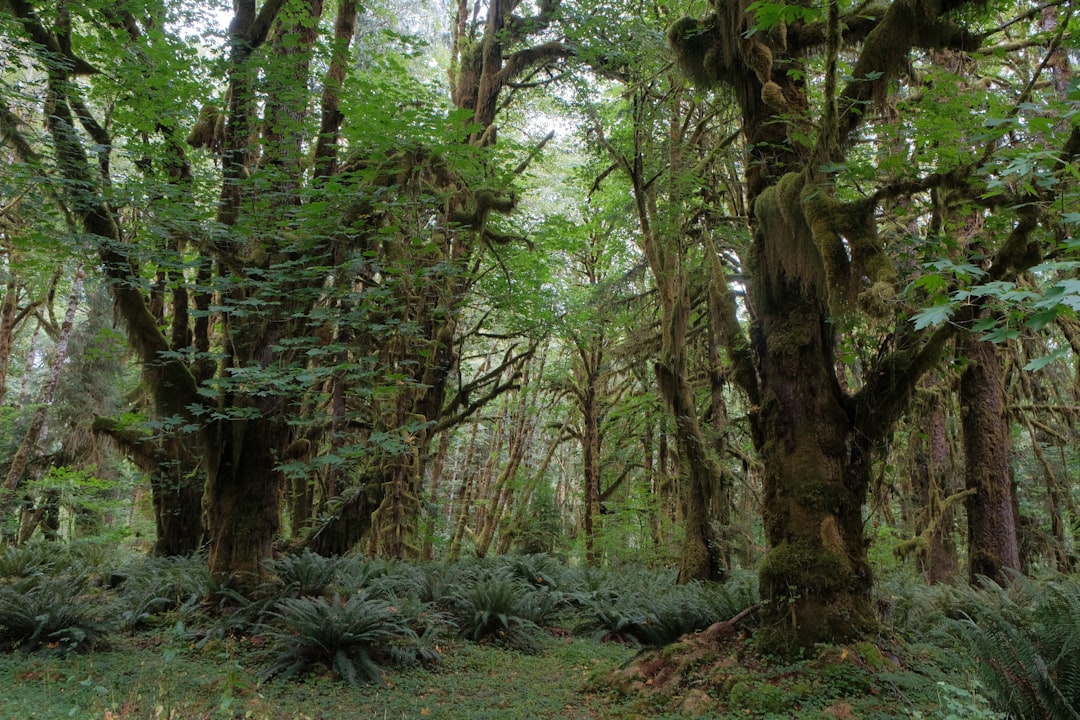
Scientists and land managers are working to protect these irreplaceable biological treasures. Studies that fenced off sections of the grove have seen young trees return, growing 10 feet in just a few years. Simple protective measures can allow natural regeneration processes to resume.
In late 1987, Fishlake National Forest began work to remove diseased trees and promote new growth using coppicing (a form of mechanical stimulation), which works by simultaneously removing diseased stems, and in the process, stimulating the hormone response that spurs new growth. In 1993, Fishlake National Forest began work on the “Aspen Regeneration Project”, installing fences to help control deer and elk who threatened to destroy the productive results of work to spur and protect new growth.
Conservation efforts extend beyond immediate protective measures to long-term monitoring and research. Understanding the complex biology of these ancient organisms helps scientists develop more effective protection strategies. The goal isn’t just preserving individual trees, but maintaining the ecological processes that have allowed these colonies to survive for millennia.
What Clonal Trees Teach Us About Life

These ancient clonal organisms challenge our fundamental understanding of individuality and mortality. They demonstrate that life can persist far beyond the lifespan of any single organism through continuous renewal and regeneration. In a world where humans struggle with aging and mortality, these trees offer a different model of existence based on collective identity and shared resources.
Clonal colonies of trees have been around since the dawn of civilization, growing larger than any other organism on the planet. Their awe-inspiring size and resilience continue to inspire scientific curiosity and reverence worldwide. They represent a form of biological immortality achieved not through preserving individual organisms, but through creating interconnected communities that can outlast any single member.
The study of clonal reproduction also provides insights into cooperation and resource sharing in nature. These trees demonstrate that survival isn’t always about competition, but can involve sophisticated forms of mutual support and shared prosperity. The success of clonal colonies depends on the health of the entire network, not just individual trees.
These remarkable trees have mastered something that has eluded human science: true longevity achieved through continuous self-renewal. They’ve survived ice ages, droughts, fires, and countless environmental changes by maintaining their ability to regenerate and adapt. As we face our own environmental challenges and search for sustainable ways to live on Earth, perhaps we can learn from these ancient masters of survival. Their quiet persistence across millennia reminds us that sometimes the most profound achievements come not from dramatic individual actions, but from patient, interconnected communities working together across vast spans of time.
What do you think about these living time capsules that have witnessed the rise and fall of entire civilizations? Tell us in the comments.
Hi, I’m Andrew, and I come from India. Experienced content specialist with a passion for writing. My forte includes health and wellness, Travel, Animals, and Nature. A nature nomad, I am obsessed with mountains and love high-altitude trekking. I have been on several Himalayan treks in India including the Everest Base Camp in Nepal, a profound experience.