
Imagine stepping onto a path where every footfall echoes with heartache and hope, a trail that winds through forests and fields, carrying the memories of thousands who walked it under the weight of unimaginable sorrow. The Trail of Tears is not just a line drawn on a map—it’s a living testament to resilience, injustice, and the enduring spirit of a people forced from their ancestral lands. As you picture the rustling leaves and vast skies above this historic route, a question lingers: does its current status as a National Historic Trail truly honor its significance, or does this designation fall short of what it deserves?
What Is the Trail of Tears?

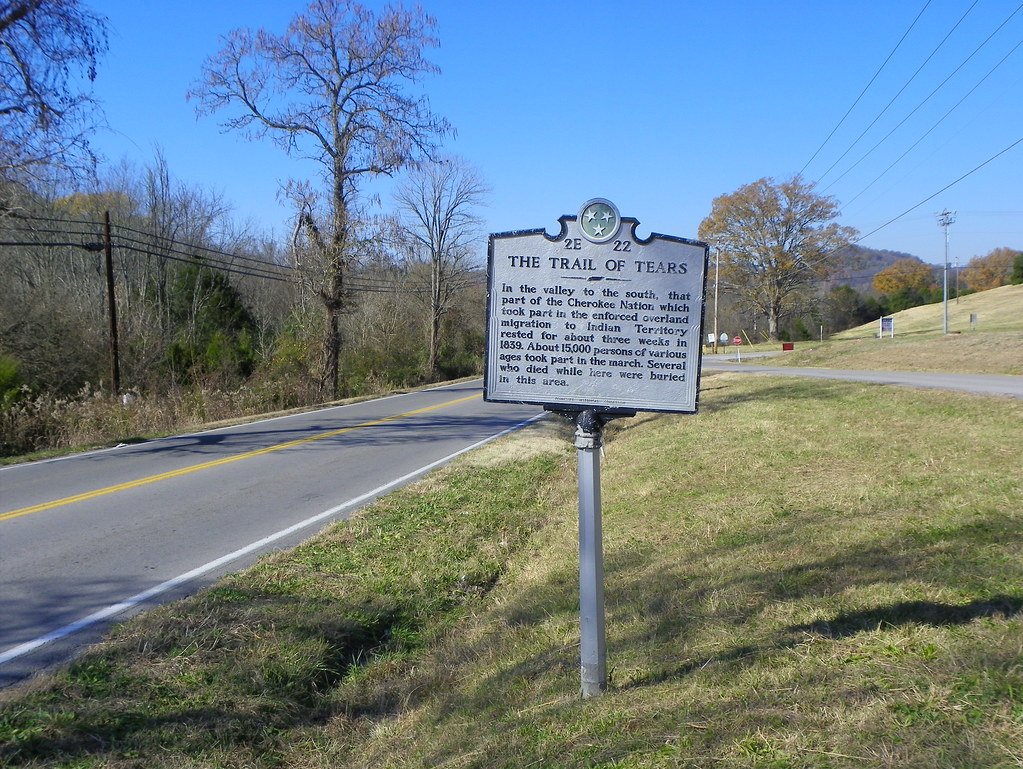
The Trail of Tears refers to a series of forced relocations of Native American nations from their homelands in the southeastern United States to lands west of the Mississippi River during the 1830s. The most well-known of these removals involved the Cherokee, but other tribes such as the Muscogee (Creek), Seminole, Chickasaw, and Choctaw also endured this journey. The U.S. government, driven by expansionist policies, orchestrated these removals through the Indian Removal Act of 1830. The journey was marked by brutal conditions, leading to the deaths of thousands from exposure, disease, and starvation. As a term, “Trail of Tears” conjures images of suffering and loss, but also of survival and strength in the face of overwhelming adversity.
The National Historic Trail Designation

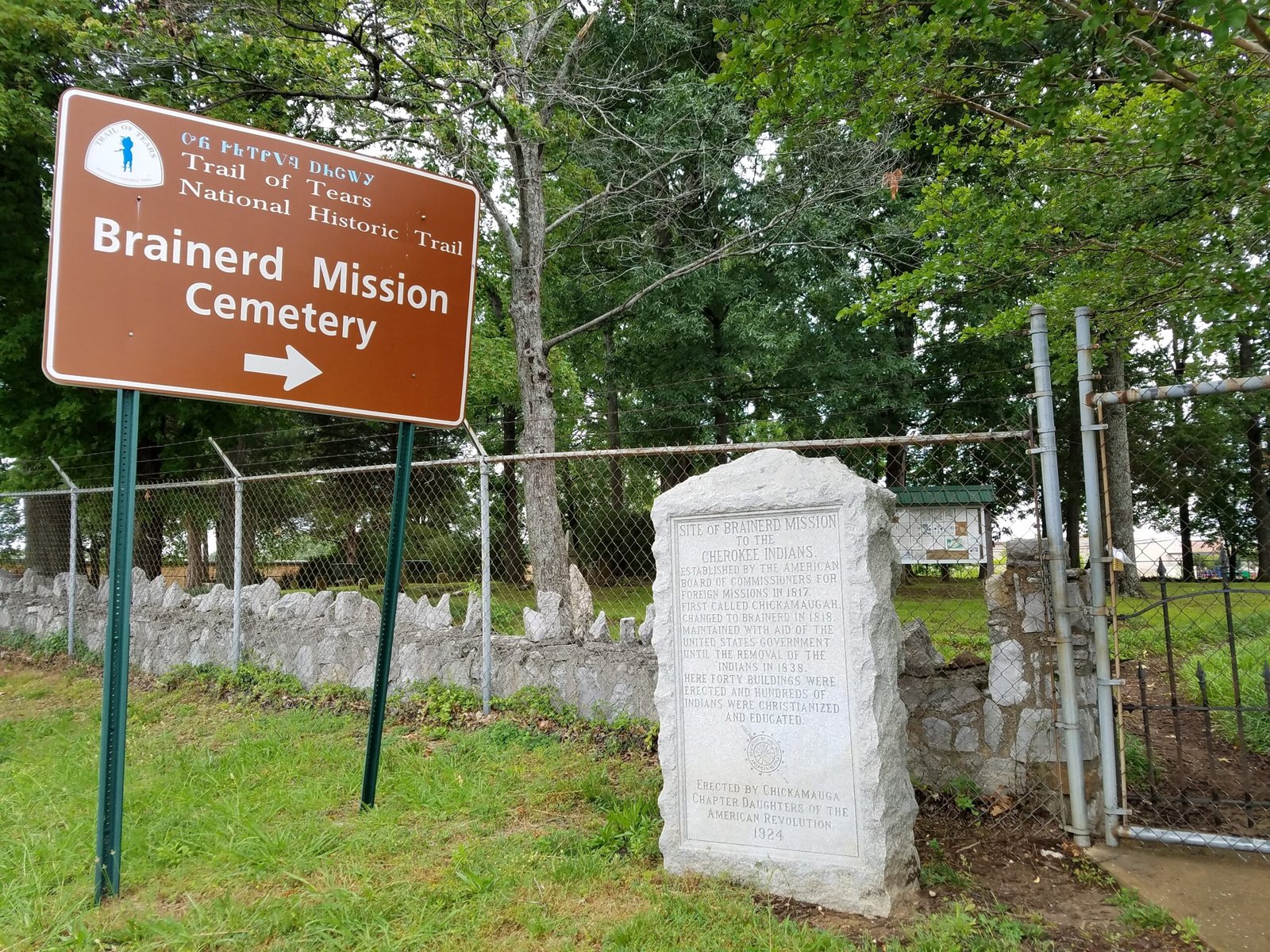
In 1987, Congress designated the Trail of Tears as a National Historic Trail, recognizing its importance in American history. This status brings certain protections and encourages preservation, but it is largely symbolic. Unlike national parks, which receive substantial funding and resources, national historic trails often depend on partnerships with local organizations and volunteers for maintenance and interpretation. While the designation raises awareness, it does not guarantee robust protection or comprehensive education about the events that took place along the trail. Many segments remain unmarked or poorly maintained, making it difficult for visitors to fully grasp their significance.
Experiencing the Trail Today
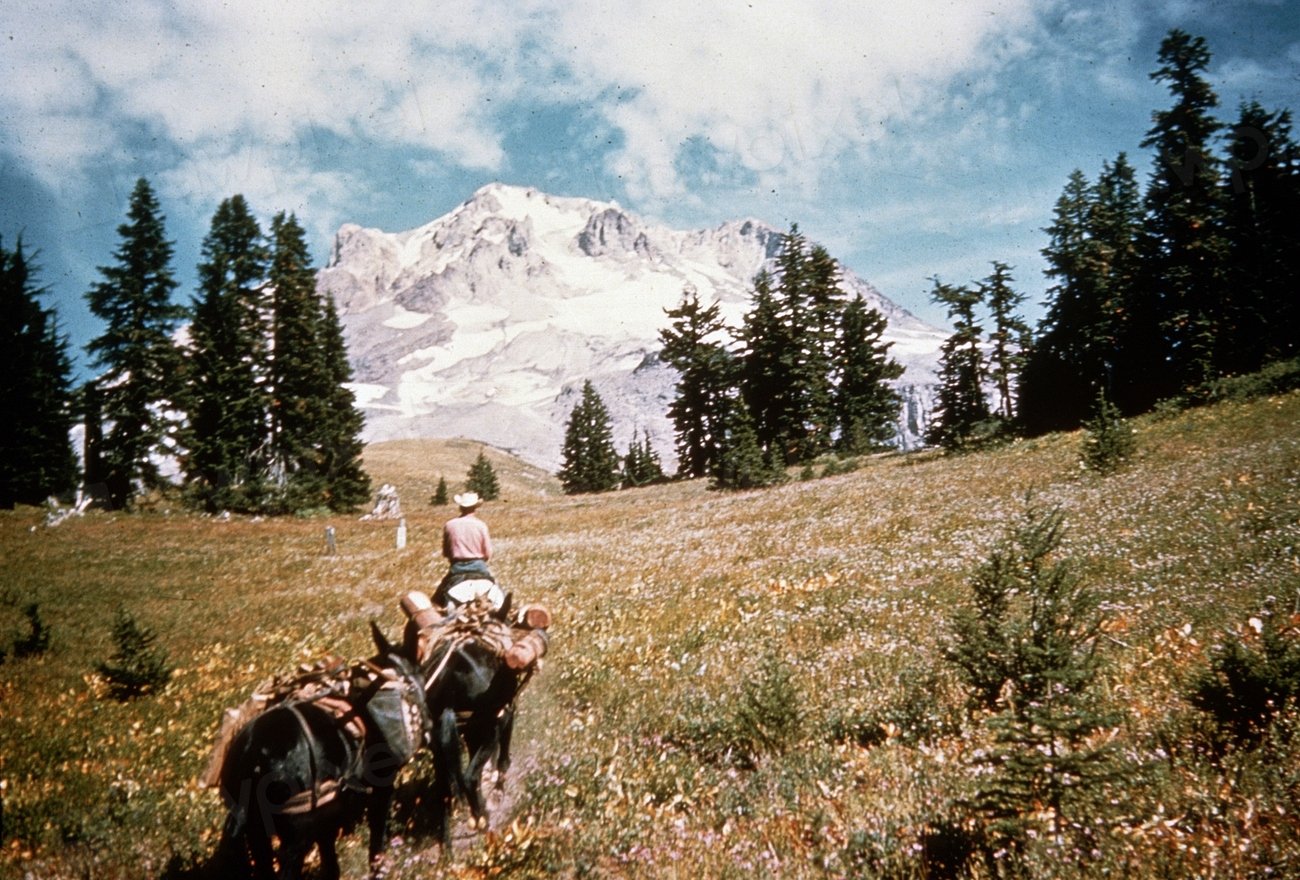
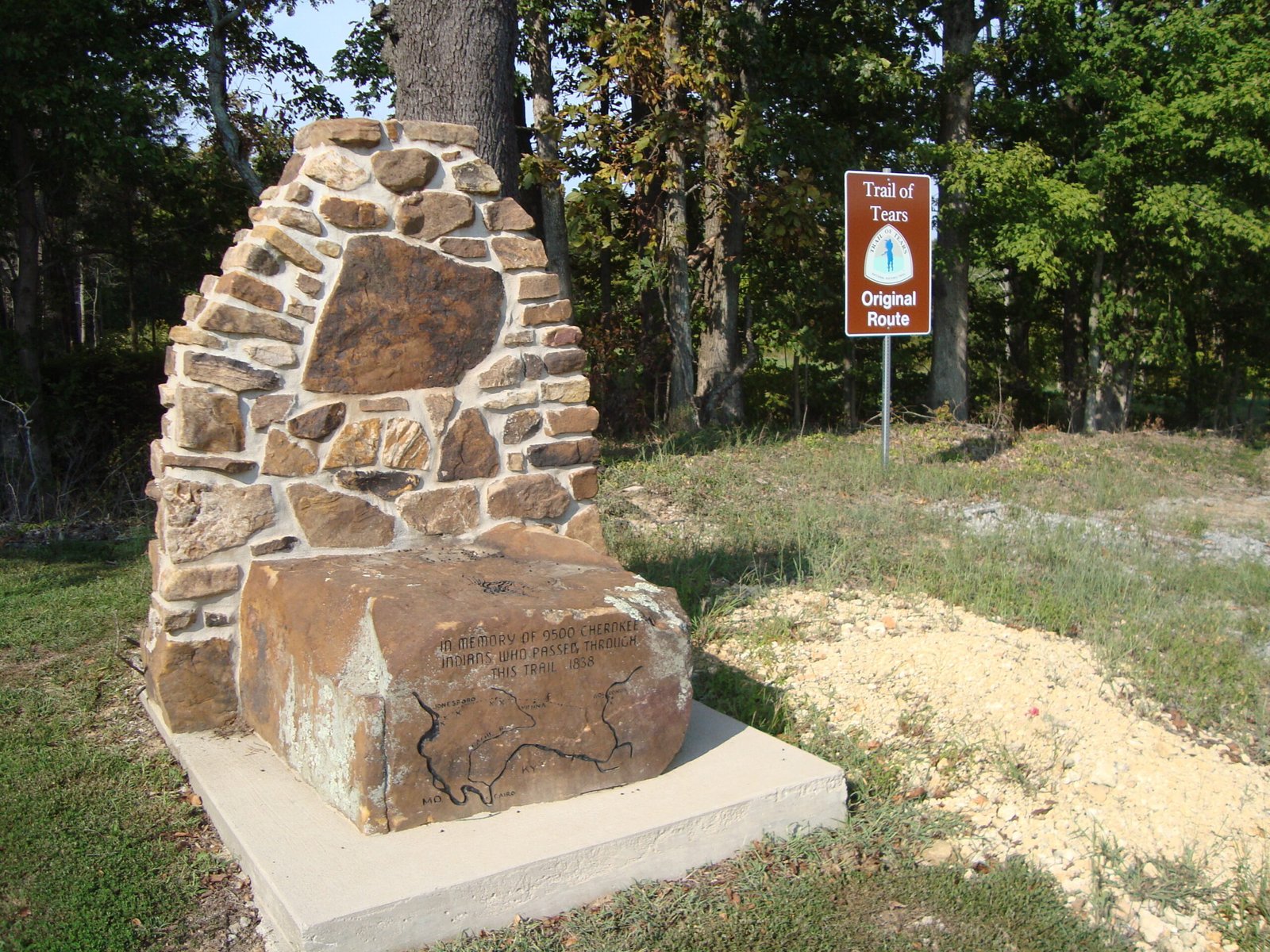
Walking along stretches of the Trail of Tears today, visitors find a patchwork of preserved sites, interpretive centers, and quiet, unassuming landscapes. Some areas are marked with signs and memorials, offering glimpses into the past, while others blend seamlessly into modern surroundings, their history hidden beneath highways and farmland. The experience can be deeply moving—standing in the footsteps of those who came before, feeling the weight of history in the air. Yet, the fragmented nature of the trail means that the full story is not always easy to piece together, leaving many visitors with more questions than answers.
Ecological and Environmental Impact

The Trail of Tears traverses a diverse range of ecosystems, from the lush forests of the Appalachians to the rolling plains of the Midwest. This route not only carries human history but also reflects the changing landscapes that Indigenous peoples once called home. The forced migration disrupted traditional land stewardship, paving the way for new patterns of land use and, often, environmental degradation. By protecting the trail’s remaining stretches, we can also safeguard important habitats and native species, preserving the natural diversity that was integral to Indigenous cultures. Restoration efforts along the trail can serve as a bridge between cultural memory and ecological health.
Stories of Survival and Strength

Despite the immense tragedy of the Trail of Tears, stories of survival shine through the darkness. Families endured unspeakable hardships, yet many managed to hold onto their traditions, languages, and sense of community. Descendants of those who walked the trail continue to honor their ancestors, sharing oral histories and participating in commemorative marches. These stories remind us that the Trail of Tears is not only a tale of loss, but also one of perseverance and hope. The voices of survivors echo through time, urging us to remember not only what was lost but also what endures.
The Role of Science and Archaeology
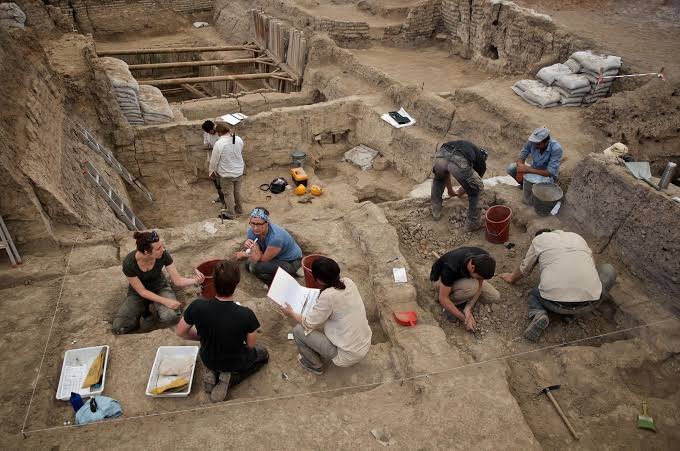
Science and archaeology play a crucial role in uncovering the hidden layers of the Trail of Tears. Researchers use historical records, oral histories, and cutting-edge technologies like ground-penetrating radar to identify campsites and burial grounds along the route. These discoveries help fill in the gaps left by centuries of neglect or erasure. By piecing together artifacts, remnants of shelters, and traces of old roads, scientists can reconstruct the lived experiences of those forced to migrate. This work not only deepens our understanding but also provides tangible connections to the past, grounding history in the landscape itself.
Cultural Importance and Modern Memory
For many Native American communities, the Trail of Tears remains a vital part of their cultural identity. Annual commemorations, educational programs, and artistic expressions keep the memory alive and relevant. The trail represents both a painful chapter and a source of unity—a reminder of what has been endured and overcome. It serves as a call to honor the wisdom, traditions, and resilience of Indigenous peoples. In an era when history is often contested or forgotten, the Trail of Tears stands as a powerful symbol of collective memory and the ongoing struggle for justice and recognition.
Gaps in Education and Public Understanding

Despite its historic designation, the Trail of Tears is not as widely understood as other American landmarks. Many school curriculums touch on the basics but fail to delve into the lived realities of those who endured the journey. A lack of public awareness perpetuates misconceptions and hinders efforts at reconciliation. Museums and educational centers along the trail do important work, but their reach is limited without broader institutional support. Bridging these gaps requires not only better funding but also a commitment to telling the full, unvarnished story—one that acknowledges both suffering and survival.
Calls for Greater Recognition and Protection
There is a growing movement among historians, tribal leaders, and advocates to elevate the status of the Trail of Tears beyond a mere historic trail. Some argue it should be designated as a national memorial or even a UNESCO World Heritage Site, reflecting its global significance as a site of cultural loss and endurance. Such recognition could bring increased funding, better preservation, and a more prominent place in the national consciousness. Others advocate for deeper collaboration with Native communities to ensure their voices shape how the trail is interpreted and managed. The conversation is far from over, but the desire for greater respect and remembrance is clear.
Can the Trail of Tears Teach Us Today?
The lessons of the Trail of Tears are as urgent today as they were nearly two centuries ago. It challenges us to confront the consequences of forced displacement, broken promises, and the struggle for justice. As we grapple with issues of land rights, environmental stewardship, and cultural preservation, the trail serves as a reminder of our shared responsibilities. By learning about its history, we are prompted to ask difficult questions about who we honor, what we remember, and how we move forward as a society.
A Path Forward

The Trail of Tears is more than a line on a map or a chapter in a textbook—it is a living reminder of resilience, loss, and the power of memory. Its designation as a National Historic Trail is an important step, but for many, it is not enough. To truly honor its legacy, we must look for ways to deepen our understanding, protect its landscapes, and amplify the voices of those most affected by its history. As you reflect on this remarkable journey, consider what it means to remember, to heal, and to keep walking—together—toward a more just future.