
Imagine waking up one morning to find that no one in your neighborhood speaks the same language anymore. Panic, confusion, and a sudden longing for connection would sweep over everyone. This is the emotional heart of the ancient Tower of Babel story—a tale that, for centuries, has captured humanity’s imagination and inspired countless questions about why we speak so many different languages. But is there any scientific truth behind the myth? How did our world actually become a mosaic of tongues, each with its own beauty, rhythm, and quirks? Let’s journey deep into the tangled roots of language, exploring real discoveries, mind-bending theories, and the very human urge to communicate.
The Ancient Babel Legend: More Than Just a Myth?
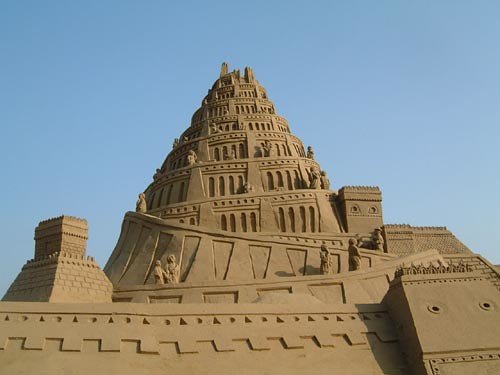
The story of the Tower of Babel sits at the crossroads of faith and curiosity. In the biblical account, people once spoke a single language and built a tower so tall it threatened to reach the heavens. But then, suddenly, their speech was scrambled by a higher power, scattering them across the earth and giving rise to the world’s many languages. While scientists don’t take this story literally, its symbolism is striking. The Babel myth speaks to a deep truth—language has the power to unite and divide us in ways nothing else can. Even today, you can feel the echoes of Babel in every airport, marketplace, and city street, where a thousand voices collide in a symphony of difference.
Language: Humanity’s Most Surprising Tool

Language isn’t just a way to ask for a cup of coffee or tell a story. It’s the most complex tool humans have ever invented. Every word, gesture, and tone carries layers of meaning, shaped by centuries of history and culture. Unlike animal communication—think of a dog’s bark or a bird’s song—human language is infinitely flexible. We can talk about the past, dream about the future, or invent entirely new concepts on the spot. This creative power is part of what makes the mystery of language origins so fascinating—and so difficult to solve.
The First Words: Tracing Our Linguistic Roots

When did humans first start talking? Scientists have puzzled over this question for decades, and the answer isn’t as simple as you might think. Some believe language emerged as early as 100,000 years ago, around the time our ancestors began migrating out of Africa. Others argue it’s even older, woven into the DNA of Neanderthals and other ancient cousins. Fossils can’t capture spoken words, so researchers look for clues in the shape of our skulls, the bones in our throats, and the tools our ancestors used. Even cave paintings, with their mysterious symbols, might hint at early attempts to share complex ideas.
The Birth of Language Families
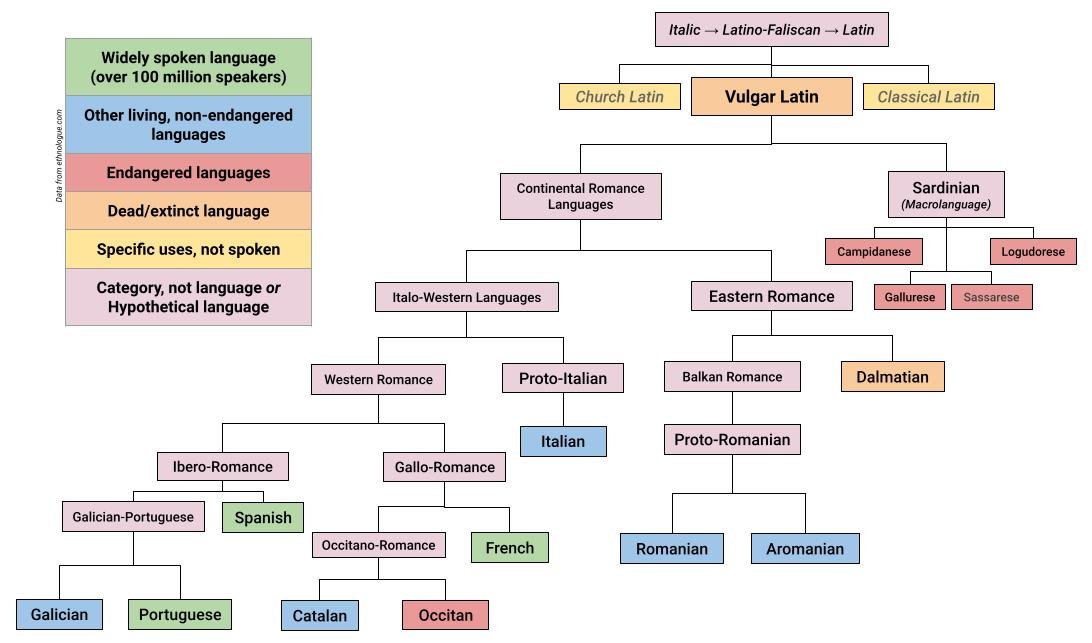
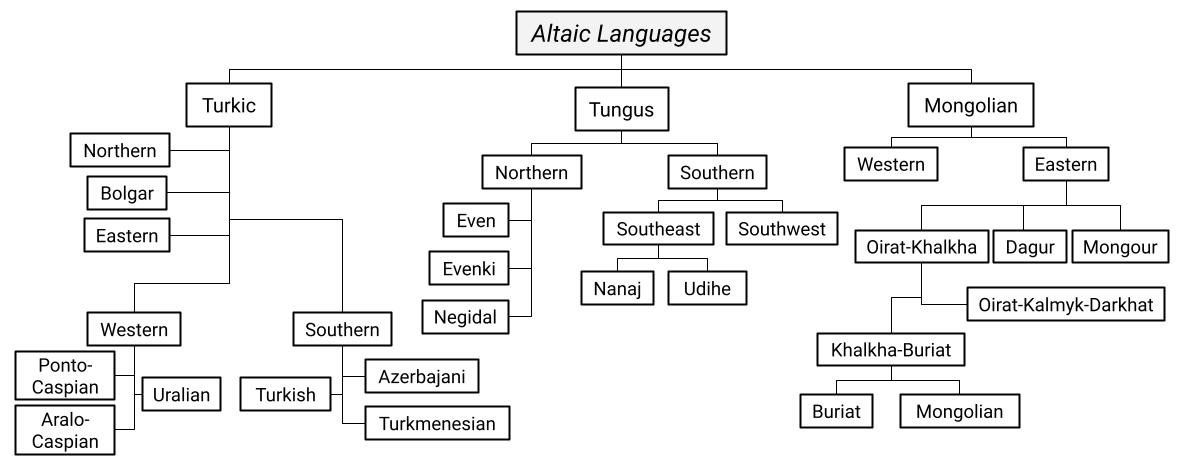
Just as people are grouped into families, so are languages. Linguists use the term “language family” to describe groups of related tongues that share a common ancestor. For example, English, German, and Dutch are all part of the Germanic family, while Spanish, French, and Italian belong to the Romance family. These connections aren’t always obvious—sometimes words change so much over time that their origins are nearly unrecognizable. But by comparing grammar, vocabulary, and pronunciation, experts can trace the family trees of languages back thousands of years.
The Indo-European Explosion: One Family, Many Branches
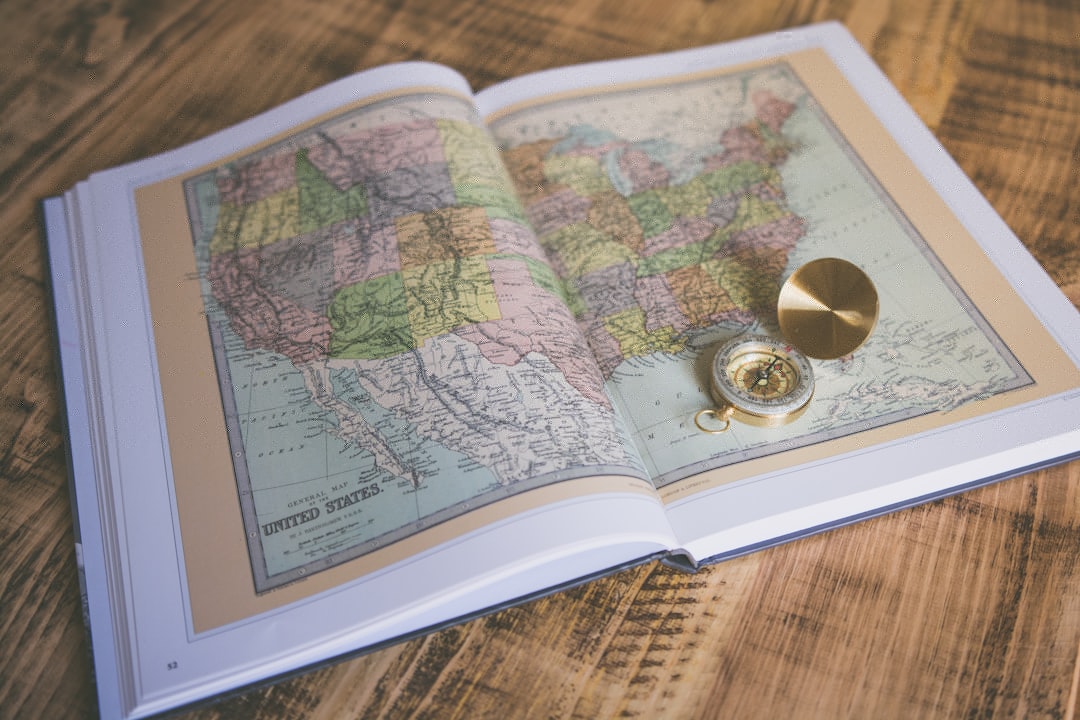
One of the largest and most influential language families is Indo-European, which includes languages spoken by nearly half the world’s population. The roots of Indo-European stretch back to the steppes of what is now southern Russia and Ukraine, around 6,000 years ago. As people migrated, their speech evolved, branching into countless dialects and tongues. Imagine English and Hindi, so different today, once sharing the same ancient parent. This linguistic explosion shaped the history of Europe, South Asia, and beyond, weaving a tapestry of words that still connect us in surprising ways.
Why Do Languages Change?

Languages are like living organisms—they grow, adapt, and sometimes disappear. Change can happen slowly, as new generations invent slang or borrow words from neighbors. Sometimes, though, it strikes like a lightning bolt. Wars, migrations, and trade bring people together, and their languages collide. Even technology plays a role: think of how the internet has spawned new words that spread around the globe in seconds. Every twist and turn leaves a mark, making language both a window into the past and a mirror of the present.
Language Death and Revival
Every two weeks, another language vanishes forever. That’s a startling fact. Thousands of languages, spoken by small communities, are at risk of extinction as younger generations shift to more dominant tongues. Yet, there’s hope. Around the world, people are fighting to save endangered languages, recording stories, teaching children, and finding new ways to keep traditions alive. Revival efforts, like those for Hebrew and Hawaiian, show that lost voices can sometimes be heard again. It’s a powerful reminder that language is more than words—it’s identity, memory, and belonging.
The Science of Linguistics: Decoding the Puzzle

Linguistics is the science dedicated to unraveling the mysteries of language. Linguists study everything from the sounds we make to the rules that govern our sentences. It’s a bit like being a detective, sifting through clues to uncover how and why languages work the way they do. With advances in technology, researchers can now analyze massive databases of speech, track changes in real-time, and even simulate how ancient languages might have sounded. Each discovery brings us a little closer to understanding the true origins of human communication.
The Power of Words: How Language Shapes Thought
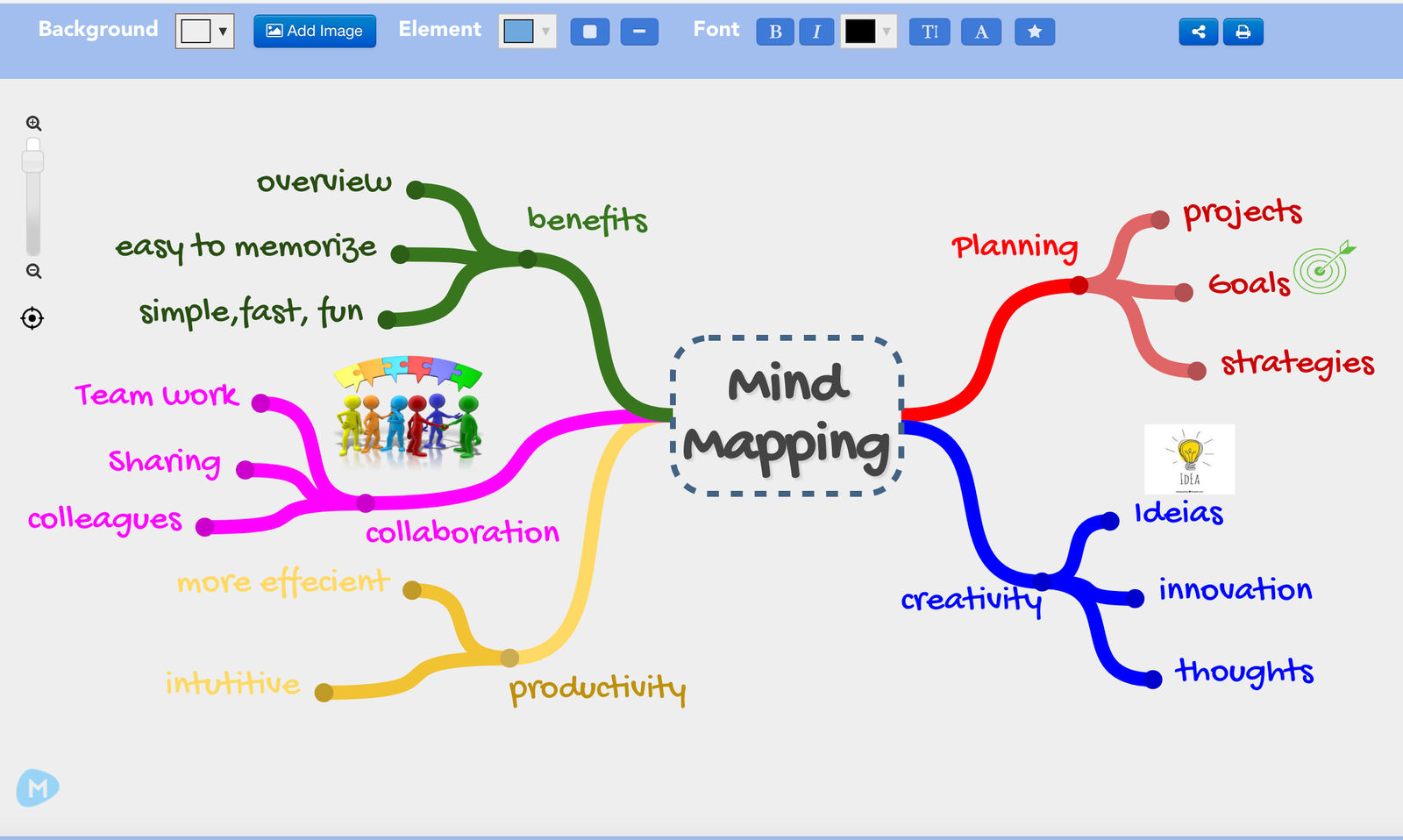
Does the language you speak influence the way you think? According to the theory of linguistic relativity, the answer is yes. Some languages have dozens of words for snow, while others have none. Certain cultures use directions like north and south instead of left and right. These differences aren’t just quirks—they can actually shape how people see the world, remember events, and relate to others. It’s a mind-bending idea: our words might not just describe reality, but help create it.
Languages in Contact: When Worlds Collide
History is full of moments when different languages have come crashing together. Sometimes, this blending produces entirely new tongues, called creoles and pidgins. These languages often emerge in places where people from diverse backgrounds must find a way to communicate—like ports, plantations, or trading hubs. Over generations, creoles can become fully developed languages, rich with their own grammar and culture. The story of Haitian Creole, born from French and African languages, is just one example of how linguistic contact can give rise to something entirely new.
The Mystery of Isolated Languages
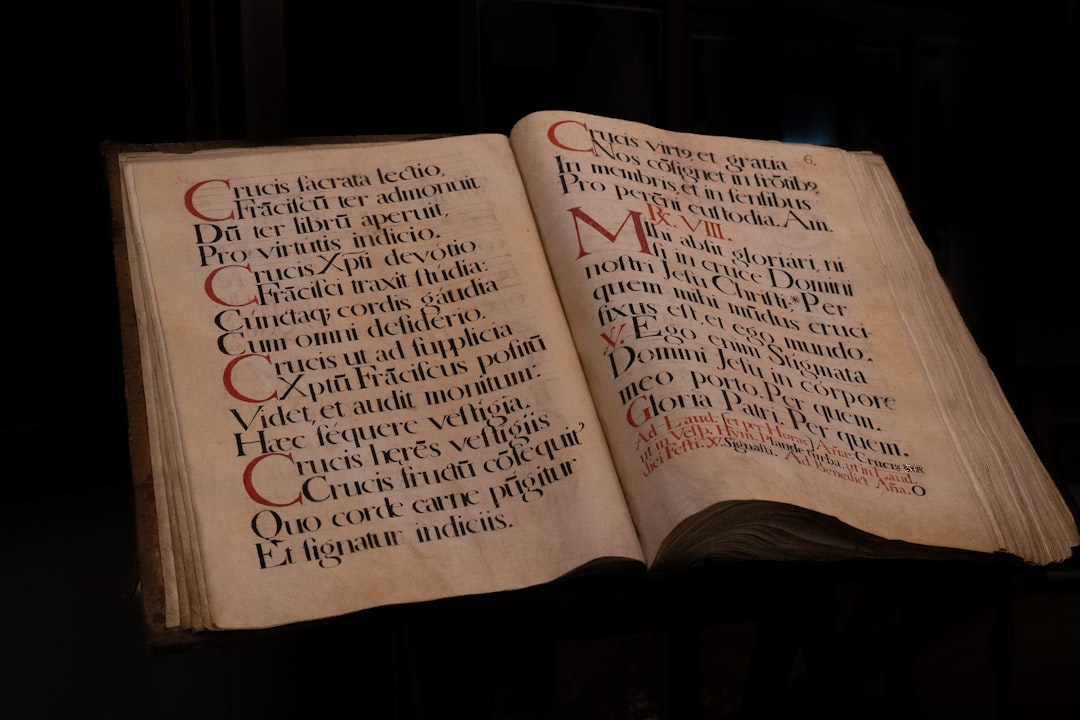
Not all languages fit neatly into families. Some, like Basque in Spain or Ainu in Japan, stand alone, with no known relatives. These “language isolates” are linguistic mysteries, holding secrets that may never be fully uncovered. How did they survive while others vanished? What stories do they tell about ancient migrations, forgotten empires, or lost worlds? Studying isolates is a bit like digging for buried treasure—you never know what you’ll find, but the search itself is thrilling.
The Sound of Change: Accents, Dialects, and Identity
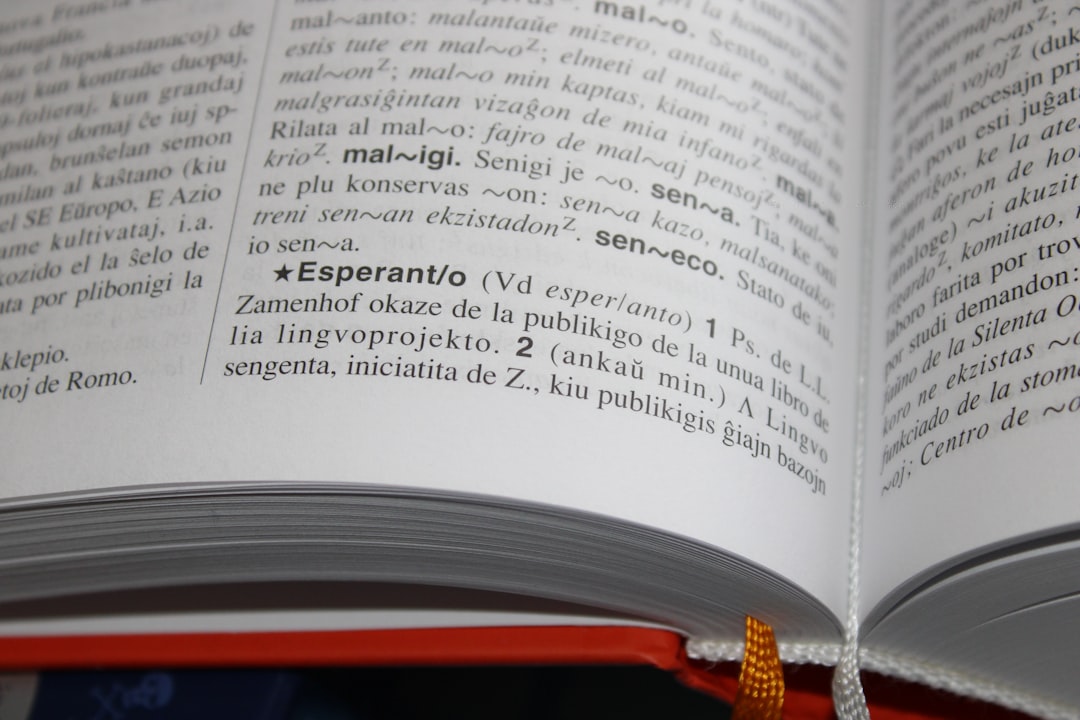
Even within a single language, differences emerge. Accents and dialects can reveal where a person comes from, what community they belong to, or even their social status. In England alone, someone from Liverpool sounds wildly different from someone in London or Newcastle. These variations aren’t just about pronunciation—they can reflect centuries of history, migration, and cultural pride. Sometimes, dialects become so distinct that they split into new languages altogether, proving that linguistic evolution never really stops.
Writing: The Invention That Changed Everything
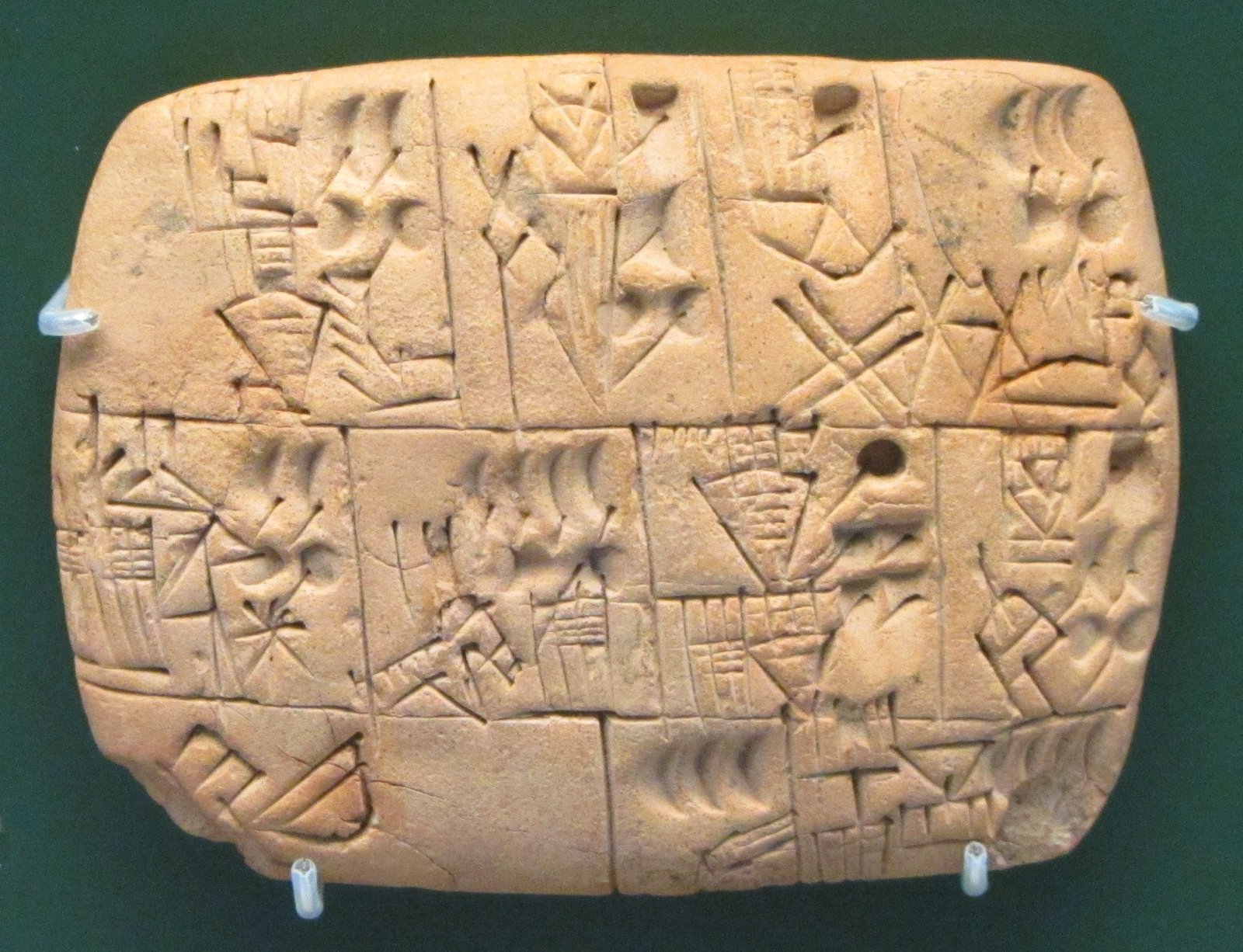
For most of human history, language was spoken, not written. The invention of writing—first in Mesopotamia, then in Egypt, China, and elsewhere—transformed society. Suddenly, knowledge could be recorded, laws could be enforced, and stories could be preserved across generations. Writing systems themselves are marvels of creativity, from the elegant curves of Arabic script to the pictorial beauty of Chinese characters. Each one captures a unique way of seeing and shaping the world.
The Role of Migration in Language Diversity
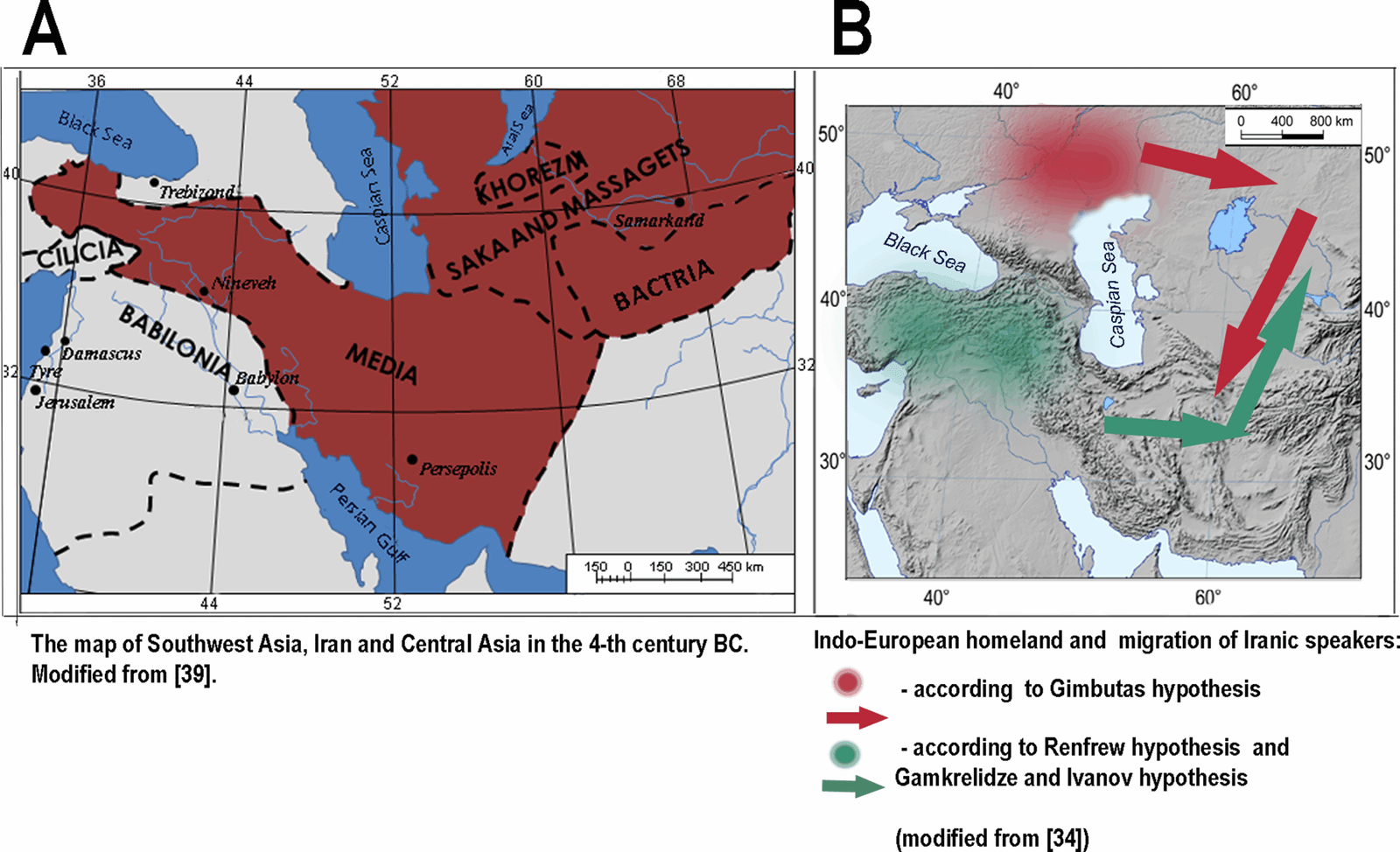
Human migration has been one of the greatest drivers of language change. As people move, they bring their words with them, mixing with local languages and creating new dialects. Sometimes, entire languages are born in the wake of migration, like Afrikaans in South Africa or Chavacano in the Philippines. These journeys are often marked by struggle and adaptation, as newcomers find ways to fit in while holding onto pieces of their identity. Language becomes both a bridge and a shield, connecting people while marking them as different.
Technology and the Future of Language
Today, technology is transforming language at a dizzying pace. Translation apps, texting, and social media are reshaping how we communicate, sometimes blurring the lines between languages. Emojis have become a global “language” of their own, letting people share feelings without words. At the same time, artificial intelligence is helping to preserve endangered languages by recording and analyzing speech. The future is uncertain, but one thing is clear: language will keep evolving, shaped by the tools we invent and the connections we make.
Sign Languages: The Power of the Unspoken Word
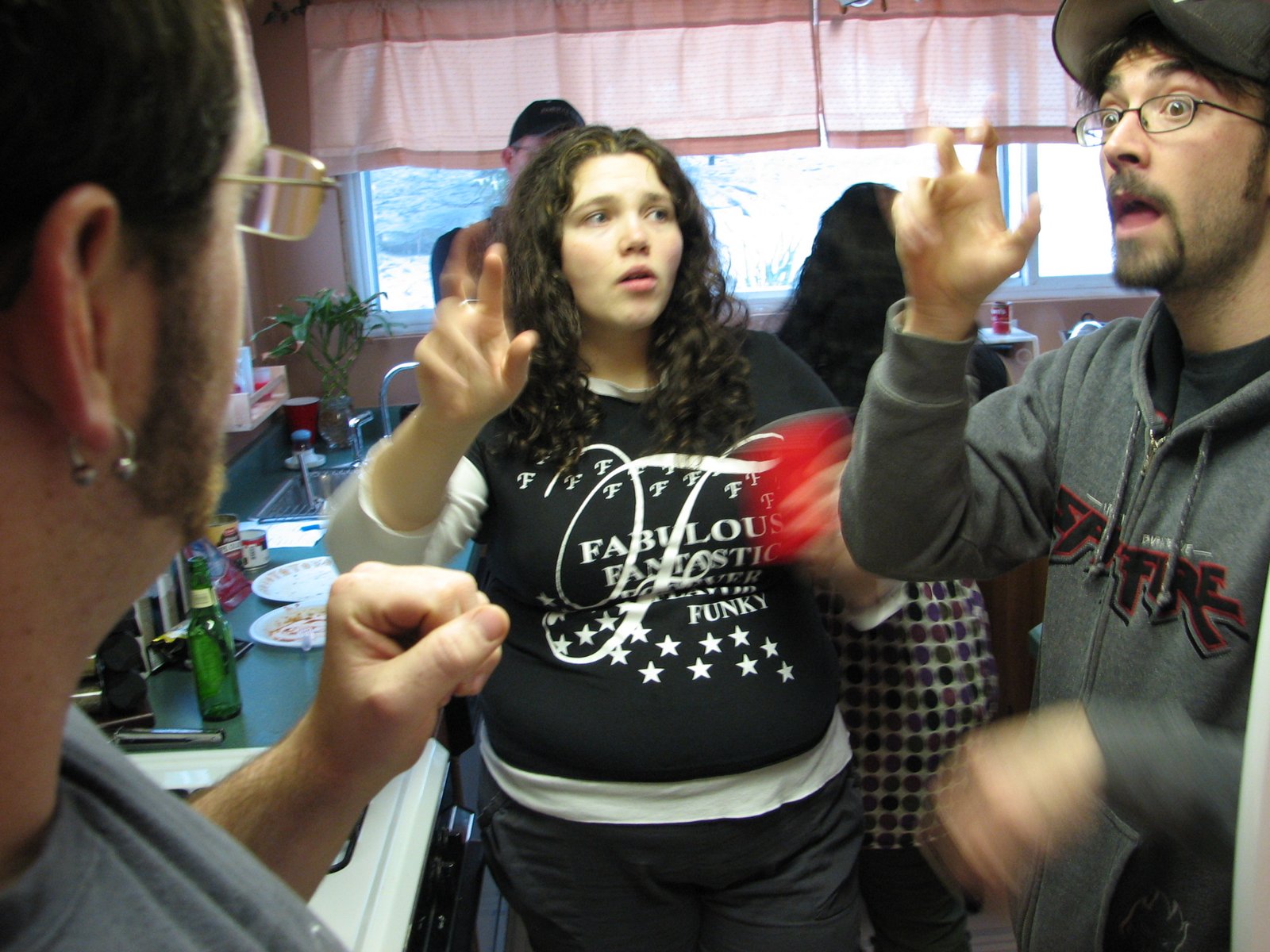
Not all languages are spoken. Sign languages, used by Deaf communities around the world, are fully developed systems with their own grammar and vocabulary. American Sign Language (ASL), British Sign Language (BSL), and dozens of others each have unique histories and cultures. These languages prove that communication is about more than sound—it’s about expression, connection, and creativity. Watching a conversation in sign language is like witnessing a dance, where hands, faces, and bodies tell stories words cannot capture.
Children and the Magic of Language Learning

Every parent knows the wonder of a child’s first words. Children soak up language like sponges, often learning multiple tongues with ease. This ability fades with age, but it’s a powerful reminder of how deeply language is wired into us. Studies show that babies can distinguish between sounds from every language on earth—a skill they gradually lose as they focus on their native tongue. The process is both magical and mysterious, hinting at the ancient roots of our urge to communicate.
Language, Power, and Politics

Language is never just neutral—it’s often wrapped up in questions of power, identity, and politics. Governments have used language policies to unify nations or suppress minorities. In some countries, speaking the “wrong” language can be a form of rebellion or resistance. Yet, the push to protect local languages is growing, as people recognize the importance of linguistic diversity. When a language dies, it’s not just words that are lost, but a whole way of seeing the world.
The Emotional Side of Language

Language is deeply emotional. The words we choose can comfort, inspire, or wound. Certain phrases—like “I love you” or “I’m sorry”—carry enormous weight in every culture. Even the sound of a mother’s voice or a lullaby in your native tongue can stir feelings that words alone can’t explain. This emotional power connects us across time and space, reminding us that language is, at its core, about being human.
What the Tower of Babel Teaches Us Today
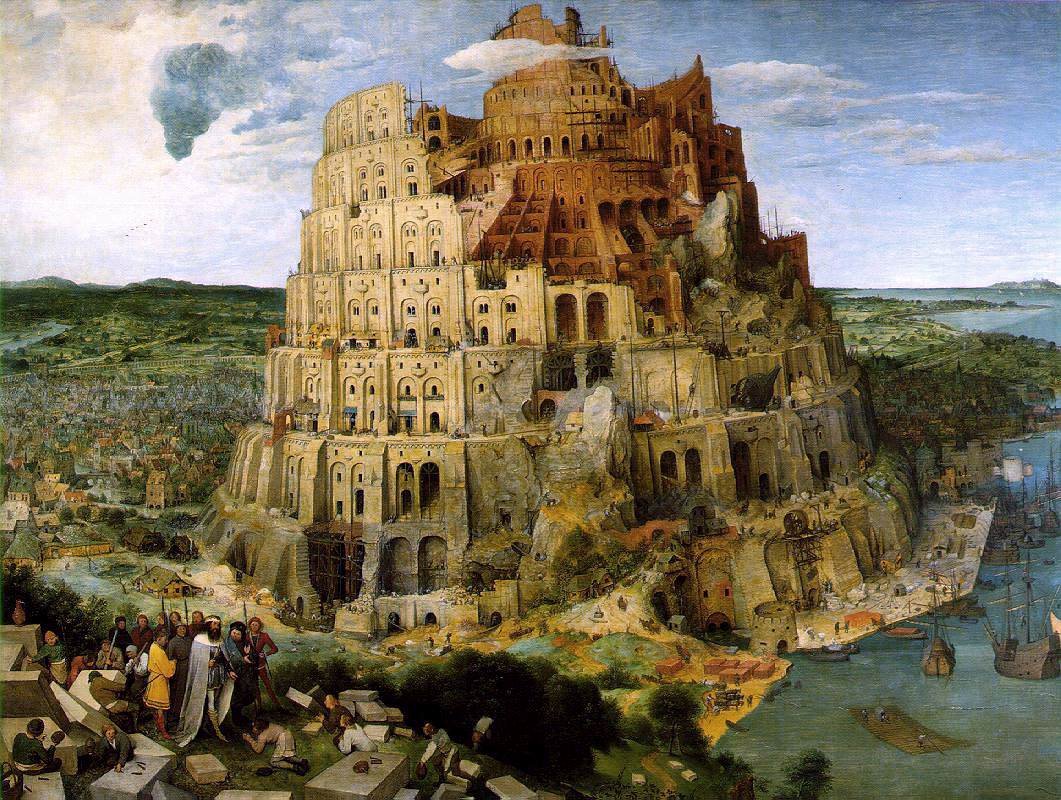
The story of the Tower of Babel may be ancient, but its message is more relevant than ever. Our world is a patchwork of languages, each with its own beauty and wisdom. Studying how languages arise, change, and sometimes vanish helps us appreciate the miracle of communication. It also reminds us that, no matter how different our words may sound, the desire to connect is universal. What language would you choose if you could speak any tongue in history?