

Scroll through today’s feeds and you’ll see it everywhere: people are more connected than ever and yet quietly exhausted, anxious, and unsure what to believe. In an age of algorithms and instant outrage, it can feel almost absurd to look back to thinkers who wrote by candlelight on papyrus or parchment. But a growing number of psychologists, neuroscientists, and social scientists are finding that some of our best tools for navigating digital chaos were first sketched out by philosophers more than two thousand years ago. Far from dusty relics, their ideas map surprisingly well onto issues like online addiction, political polarization, climate grief, and the search for meaning in a gig economy. The old questions have not changed much – only the notifications have.
The Hidden Clues: Ancient Questions in Modern Brains

One of the most striking discoveries of the past few decades is how closely some ancient philosophical practices resemble techniques validated in modern labs. When Stoic philosophers like Epictetus urged people to distinguish what is in their control from what is not, they were essentially describing a cognitive reframing strategy that now sits at the heart of cognitive behavioral therapy. Brain imaging studies show that when people reframe a stressful event, regions linked to emotional reactivity calm down, while areas involved in executive control ramp up. In everyday terms, that means consciously changing the story you tell yourself can literally change how your nervous system responds to a crisis.
Eastern philosophical traditions, especially early Buddhist thought, also left a trail of clues that neuroscience is only now catching up with. Meditation practices aiming at non-attachment and present-moment awareness map surprisingly well onto modern concepts of meta-awareness and attentional control. Clinical trials now routinely show that mindfulness-based interventions can reduce symptoms of anxiety and depression for many participants, and can even alter patterns of brain connectivity after weeks of consistent practice. The philosophers did not have fMRI scanners, but they were obsessively running mental experiments on attention, suffering, and selfhood long before these became lab keywords.
From the Agora to the Algorithm: Ethics in a Hyperconnected World

When Aristotle wrote about ethics as a lifelong practice of building character, he was thinking about small city-states, not global platforms. Yet his central idea – that who we become is shaped by repeated habits, not isolated choices – translates eerily well to life with smartphones. Every time we decide whether to retweet something cruel, doom-scroll late at night, or pause before reacting, we are part of a constant training loop. Social scientists studying digital behavior now find that even short daily patterns, like routinely checking social media before bed, can accumulate into measurable shifts in mood and sleep quality over time.
At the same time, emerging discussions in tech ethics are echoing much older questions from Confucian and African philosophical traditions about relational responsibility. Instead of seeing morality as a list of personal rules, these frameworks emphasize the quality of our relationships and our obligations to communities. That lens is increasingly relevant as we debate the ethics of AI, data surveillance, and online shaming, where individual freedom collides with collective consequences. In a sense, every app update is forcing us back to the agora, the public square, to renegotiate what kind of people we want to become together.
Stoic Calm in an Age of Anxiety

If there is one ancient school having a very modern moment, it is Stoicism. On the surface, Stoic advice can sound harsh: accept what you cannot change, expect hardship, remember your own mortality. But psychologists studying resilience point out that this kind of realism can actually buffer people against shock and disappointment. When you anticipate that setbacks, losses, and randomness are part of the deal, you are less likely to feel personally targeted when life veers off script. This does not remove pain, but it can strip away an extra layer of panic.
Controlled studies on techniques like negative visualization – imagining the loss of something you value to appreciate it more – mirror Stoic exercises almost word for word. These approaches have been linked to increases in reported gratitude and a stronger sense of meaning, even under high stress. In periods marked by climate disasters, political upheaval, and public health crises, that kind of grounded calm is not a luxury; it is a survival skill. The ancient Stoics practiced their philosophy in marketplaces, barracks, and courts, not monasteries, which makes their toolkit oddly well suited for our buzzing, noisy century.
Buddhist Insight and the Science of the Self
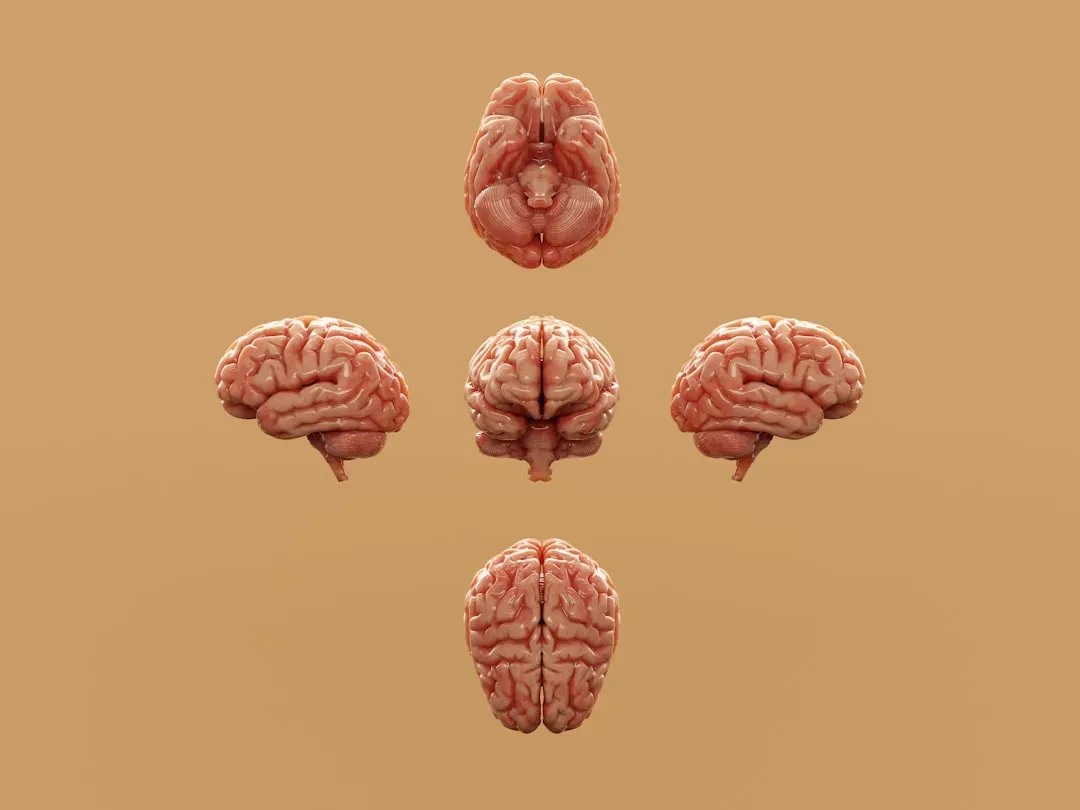
Few ideas feel more radical to a modern audience than the Buddhist claim that the self is not a fixed, solid thing but a constantly changing process. Philosophers in ancient India argued that clinging to a rigid sense of “me” and “mine” fuels much of human suffering, from jealousy to fear of death. Centuries later, neuroscientists examining the brain’s default mode network – the system that lights up when we ruminate about ourselves – are starting to see why this might be more than poetry. Overactivity in this network has been linked to depression and anxiety, while meditation practices that quiet self-focused chatter can shift its dynamics.
Psychological research also backs up the idea that our sense of self is more fluid than we assume. Experiments show that people can be nudged into feeling more connected to their future selves, which in turn makes them more likely to save money, care about long-term health, or support climate policies. That overlaps with Buddhist training in seeing the self as a longer unfolding, not a single frozen identity. For a world grappling with long time horizons – from retirement planning to planetary boundaries – this reimagining of selfhood is not just philosophical decoration, it is a practical tool.
Why It Matters: Old Wisdom vs. Modern Quick Fixes

Modern self-help culture is flooded with hacks, from productivity apps to ten-day challenges, promising rapid transformation. Ancient philosophy moves at a slower, more demanding pace, framing change as a lifelong practice instead of a weekend project. That difference matters, because research in behavioral science consistently shows that deep habit change typically unfolds over months or years, not days. Philosophical traditions that assume you will fail, adjust, and try again are oddly better aligned with this evidence than marketing slogans about overnight reinvention.
There is also a crucial distinction between advice designed to maximize short-term comfort and wisdom aimed at long-term flourishing. Many psychological studies now highlight a tension between immediate mood boosts and actions that build meaning, integrity, or mastery over time. Philosophers from Socrates to Simone de Beauvoir insisted that life’s biggest questions rarely feel comfortable while you are wrestling with them. In that sense, revisiting their work can act as a counterweight to a culture obsessed with constant optimization. Instead of asking how to feel better this minute, they push us to ask what kind of life is worth building, even when it hurts.
Justice, Community, and a Warming Planet

Some of the most urgent debates today – about climate responsibility, inequality, and global migration – echo arguments first staged in ancient courts and councils. The Greek philosopher Plato worried about leaders who prized persuasion over truth, a concern that resonates in an era of viral misinformation and climate denial. Indigenous philosophies across the world, long sidelined in mainstream curricula, have emphasized interdependence with land and future generations in ways that align closely with modern ecological science. When climate scientists warn that current choices will shape conditions centuries from now, they are, in effect, joining a very old moral conversation about obligations to people we will never meet.
Social scientists studying public responses to climate change also find that abstract facts often fail to move people as powerfully as narratives about fairness and shared fate. That is exactly the territory philosophers have been exploring for millennia: who owes what to whom, and why. Ideas from African Ubuntu thought, for example, stress that a person becomes a person through others, making radical individualism seem less like freedom and more like self-harm. Translating those values into policy is messy and political, but the underlying insight is simple. In a tightly coupled world, treating the planet and distant communities as someone else’s problem is a luxury none of us can really afford.
The Future Landscape: Philosophy Meets Neuroscience and AI
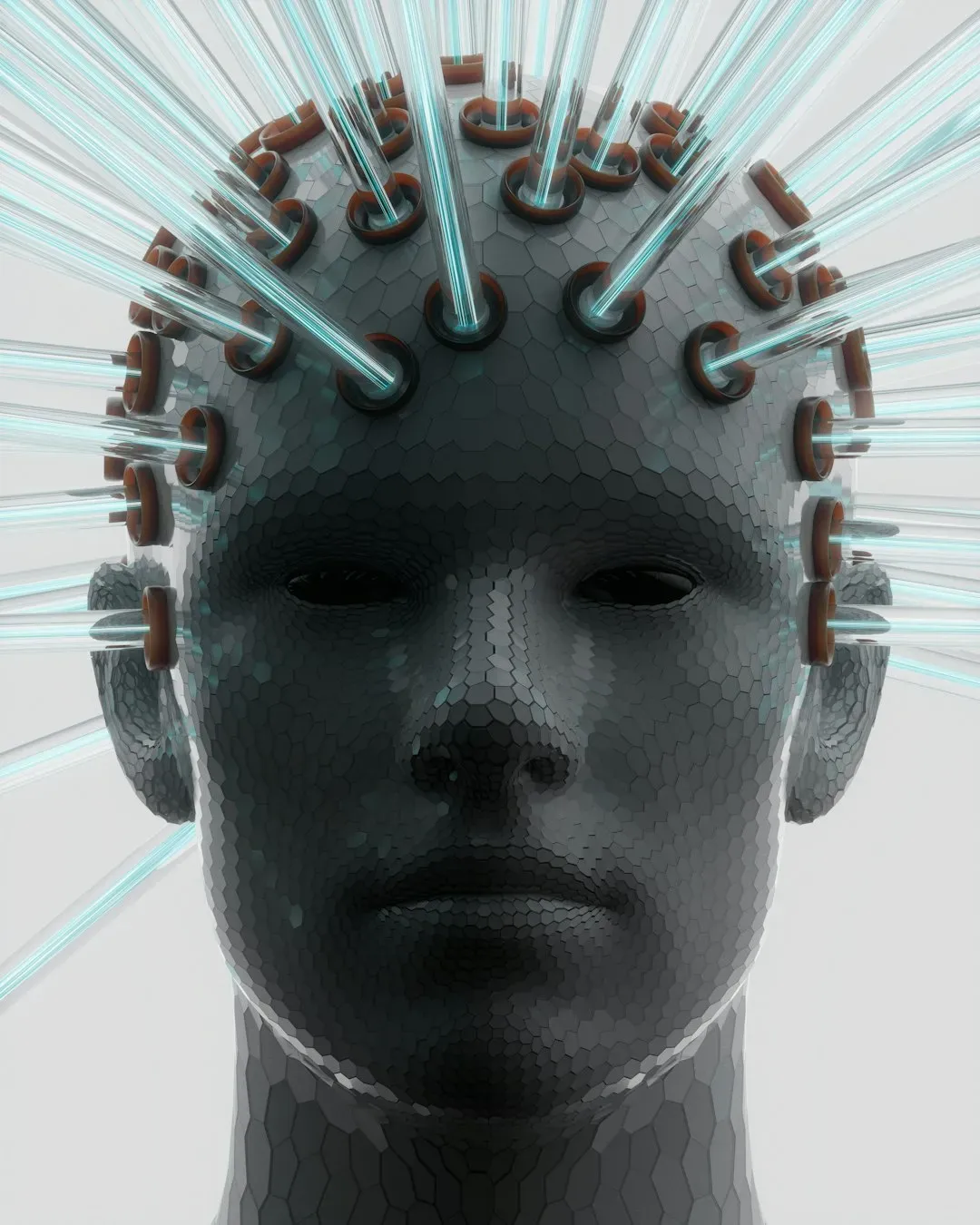
Looking ahead, the conversation between ancient wisdom and modern science is likely to get even more intimate. As neurotechnology develops tools to monitor brain states in real time, researchers are starting to test long-standing philosophical claims with unprecedented precision. For example, they can track how contemplative practices associated with Buddhism or Stoicism alter attention, pain perception, or moral decision-making over weeks and months. Early results suggest that certain mental exercises genuinely reshape patterns of neural activity in ways that support resilience and compassion, not just momentary calm.
At the same time, advances in artificial intelligence are forcing a reexamination of core philosophical questions about mind, agency, and responsibility. Debates about whether machines can be conscious or deserve moral consideration lean heavily on concepts first articulated by thinkers like Descartes and later analytic philosophers of mind. Ethicists designing frameworks for AI governance are drawing on centuries of argument about rights, duties, and the common good. In a paradoxical twist, the more high-tech our world becomes, the more we find ourselves turning back to very old texts for guidance on what kind of intelligence and society we actually want.
Everyday Experiments: How Readers Can Engage

Engaging with philosophical wisdom does not require a library card to an ivory tower; it starts with small, daily experiments. You can borrow a Stoic technique by taking ten seconds each morning to list what you can control today – your effort, your attention, your tone – and what you cannot, like other people’s reactions or the news cycle. From Buddhist practice, you might try a brief breathing exercise before opening your inbox, noticing thoughts as passing events rather than commands. These tiny shifts are less about instant calm and more about training your mind the way you would slowly train a muscle.
There are also tangible ways to support the scientific side of this conversation. Many universities and research hospitals now run studies on mindfulness, resilience, moral decision-making, or digital well-being that welcome public participation. Public philosophy projects, from community reading groups to podcasts produced by academic centers, are working to make complex ideas accessible without diluting them. Supporting these initiatives – by donating, attending, or simply sharing their work – helps keep the dialogue between lab and library alive. In a noisy world, carving out even a few minutes to question, reflect, and experiment with these tools may be one of the most quietly radical acts available.
Suhail Ahmed is a passionate digital professional and nature enthusiast with over 8 years of experience in content strategy, SEO, web development, and digital operations. Alongside his freelance journey, Suhail actively contributes to nature and wildlife platforms like Discover Wildlife, where he channels his curiosity for the planet into engaging, educational storytelling.
With a strong background in managing digital ecosystems — from ecommerce stores and WordPress websites to social media and automation — Suhail merges technical precision with creative insight. His content reflects a rare balance: SEO-friendly yet deeply human, data-informed yet emotionally resonant.
Driven by a love for discovery and storytelling, Suhail believes in using digital platforms to amplify causes that matter — especially those protecting Earth’s biodiversity and inspiring sustainable living. Whether he’s managing online projects or crafting wildlife content, his goal remains the same: to inform, inspire, and leave a positive digital footprint.