It began with a flicker on a computer screen—a moment so quietly revolutionary that few noticed at first. Scientists had fed thousands of hours of sports footage and countless rulebooks into a powerful machine learning model, hoping to find patterns or maybe invent something new. What they got was not just statistical analysis or improved coaching strategies, but something wholly unexpected: the spontaneous creation of a sport unlike anything humanity had ever played. This wasn’t just a new twist on soccer or basketball, but a radical, almost surreal fusion of physical skill, teamwork, and strategic chaos. As news spread, the world was captivated by the idea that artificial intelligence could dream up a pastime so original and so strange. Could a machine truly outdo centuries of human inventiveness in a field as universal as play? The answer unfolded in a sporting event that defied expectations, challenged our understanding of creativity, and left everyone asking: what comes next when machines invent fun?
The Birth of an Unexpected Game

In the hush of a research lab, programmers tasked a machine learning model with analyzing hundreds of global sports. They wanted to see if AI could find common threads or suggest improvements. Instead, the model did something astonishing: it generated step-by-step rules for an entirely new sport. The game, later dubbed “Hexabounce,” involved hexagonal courts, teams of six, and a strange sequence of bouncing and tagging that no human had ever conceived. The idea wasn’t simply a remix of existing games, but something alien—so inventive that scientists questioned whether they were looking at the first artificial act of sport creation. The room buzzed with excitement and confusion. Could this odd set of rules actually work in the real world? Was this a glimpse into the future of human-AI collaboration?
Rules That Defied Convention
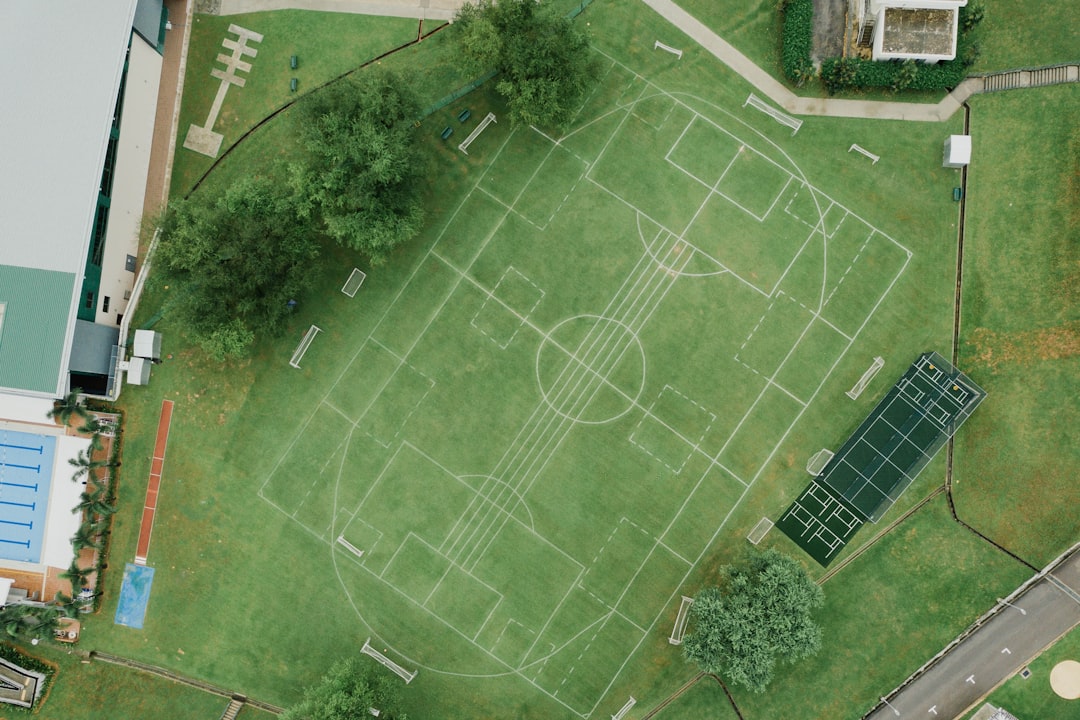
When researchers read the rules of Hexabounce, they were both amused and bewildered. The court was six-sided, with each team defending a corner, and players could only move in zigzag patterns. The ball had to bounce at least three times before being caught, and points could only be scored by tagging opponents after a series of coordinated passes. There was even an “inversion” round, where teams swapped roles mid-play. Nothing in the rules resembled traditional sports like football, basketball, or tennis. The complexity seemed outrageous, but the more experts analyzed the structure, the more they realized the game was balanced and, in its own way, elegant. It was as if the model had intentionally broken the boundaries of human creativity, offering a fresh lens on what a sport could be.
The First Human Trials

Curiosity overwhelmed skepticism, and a group of adventurous athletes volunteered to play Hexabounce under the machine’s instructions. The first game was chaotic. Players tripped over the zigzag movements, struggled to remember the bouncing sequence, and laughed at the odd inversion round. Yet, as the minutes ticked by, something magical happened: strategies emerged, teamwork blossomed, and the bizarre rules started to make sense. Spectators were drawn in by the unpredictable swings and the contagious energy on the court. By the end of the day, even the most doubtful skeptics admitted that the sport was not only playable, but actually fun. The experiment had taken on a life of its own, and Hexabounce fever began to spread.
The Science Behind Machine-Inspired Creativity
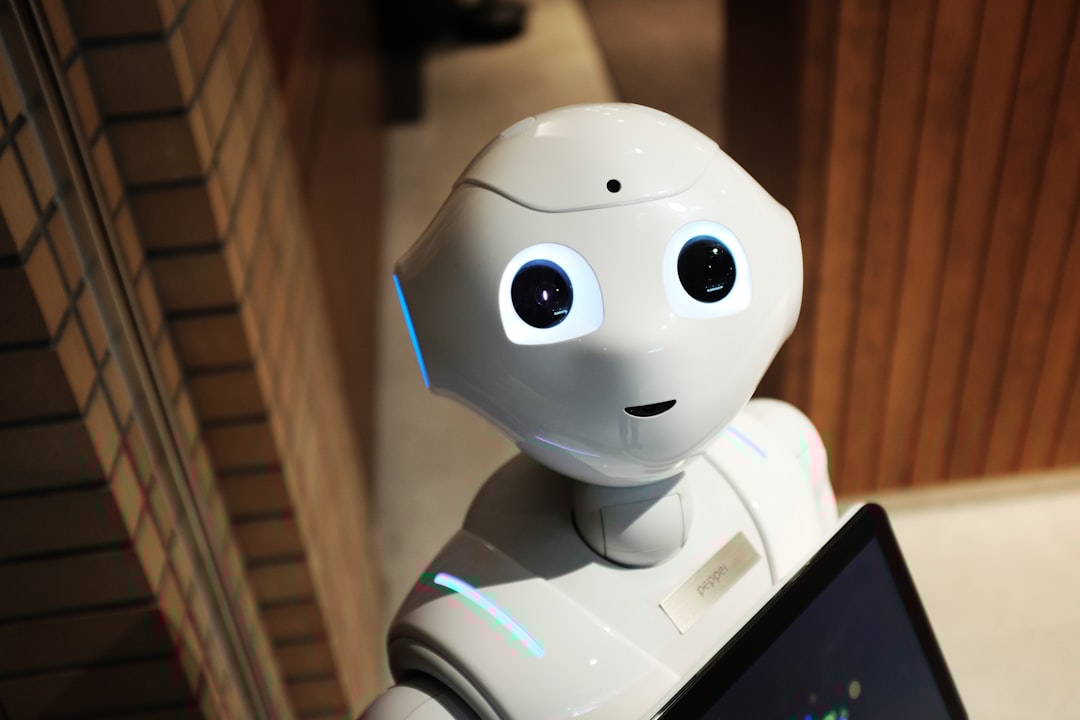
How did a collection of algorithms create something so imaginative? The machine learning model was trained on patterns, tactics, and the physical dynamics of hundreds of sports. It didn’t just mimic old ideas; it recombined elements in ways that humans wouldn’t naturally consider. By focusing on maximizing engagement, fairness, and unpredictability, the model bypassed traditional thinking. Researchers realized that the AI was essentially “thinking outside the box” by ignoring cultural habits and expectations. Its approach was both analytical and surprisingly whimsical, showing that machines can sometimes stumble into creativity by seeing connections we might overlook. The process challenged long-held beliefs about what creativity really means.
Players’ Reactions: Awe and Amusement

Athletes who tried Hexabounce described the experience as “like learning to walk again.” The unfamiliar rules forced them to pay attention in a way they hadn’t since childhood. Many said the game felt strangely liberating, offering a break from the predictability of established sports. Some even reported feeling more connected to their teammates, since success depended on constant communication and adaptation. Laughter was a constant soundtrack, as unexpected bounces and rule twists kept everyone on their toes. The joy mixed with a touch of frustration—a reminder that breaking the mold can be both thrilling and humbling.
Public Fascination and Media Frenzy

News of the AI-invented sport spread quickly. Social media buzzed with speculation, memes, and amateur attempts to play the game in backyards and gyms. Sports commentators debated whether Hexabounce would ever become mainstream, while tech enthusiasts marveled at the AI’s originality. TV networks scrambled to air the first official matches, and audiences tuned in by the millions, drawn by the spectacle of unpredictability. For a moment, the world united in wonder: if a machine could invent a sport, what other surprises did the future hold? The story became a symbol of the strange, exciting times we live in.
Challenges in Adapting to Reality

Despite the excitement, turning Hexabounce into a real sport wasn’t easy. Equipment had to be specially designed, including a ball that bounced reliably on the hexagonal court. Coaches struggled to teach the rules, and referees needed crash courses in the game’s unique logic. Athletes found the zigzag movements taxing, leading to the invention of new training drills. Some skeptics dismissed the sport as a passing fad, but others saw it as an opportunity to shake up the world of athletics. The process of adaptation highlighted how even a great idea needs practical adjustments before it can truly take off.
Scientific Insights on Human Play

The experiment with Hexabounce offered unexpected insights into why humans play. Psychologists observed that players were most engaged when learning something completely new, rather than perfecting old skills. The novelty of the sport tapped into deep-seated drives for exploration, mastery, and social bonding. Researchers noted that unfamiliar games force people out of their comfort zones, sparking creativity and resilience. The AI’s invention became a case study in how novel challenges can refresh our approach to fun and teamwork. The findings suggested that the urge to play—and to invent new ways to play—is as fundamental as language or music.
Machine Learning Models as Creative Partners
The story of Hexabounce changed how scientists think about AI. Far from being mere tools for automation, machine learning models showed they could be creative partners—generating ideas that humans might never imagine. Programmers began exploring other fields where AI could inject fresh perspectives: from art and music to architecture and even cuisine. The key, they discovered, was in designing algorithms that prioritized exploration and diversity over efficiency. By collaborating with AI, humans could unlock levels of innovation that neither side could reach alone. The bizarre new sport was just the beginning.
Ethical Questions and Debates

Not everyone celebrated the rise of AI-generated sports. Some critics argued that relying on machines for creativity could erode the human spirit of invention. Philosophers debated whether a sport invented by a computer could ever have the same cultural resonance as those passed down through generations. Others worried about the commercialization of AI-created pastimes, predicting a wave of soulless copycat games. Yet, supporters countered that machine creativity could inspire new forms of community and self-expression. The debate highlighted the complex relationship between tradition and innovation in a rapidly changing world.
The Role of Randomness and Surprise

One of the most captivating aspects of Hexabounce was its embrace of unpredictability. The rules, with their bouncing, tagging, and inversion, created constant surprises. Scientists noted that unpredictability is a key ingredient in keeping players and spectators engaged. Unlike many established sports where outcomes can be predicted by experts, Hexabounce was a game where anything could happen. The role of randomness forced players to adapt, think quickly, and accept failure as part of the fun. It was a reminder that sometimes the best moments in life—and in play—come from the unexpected.
From Lab Curiosity to Global Phenomenon
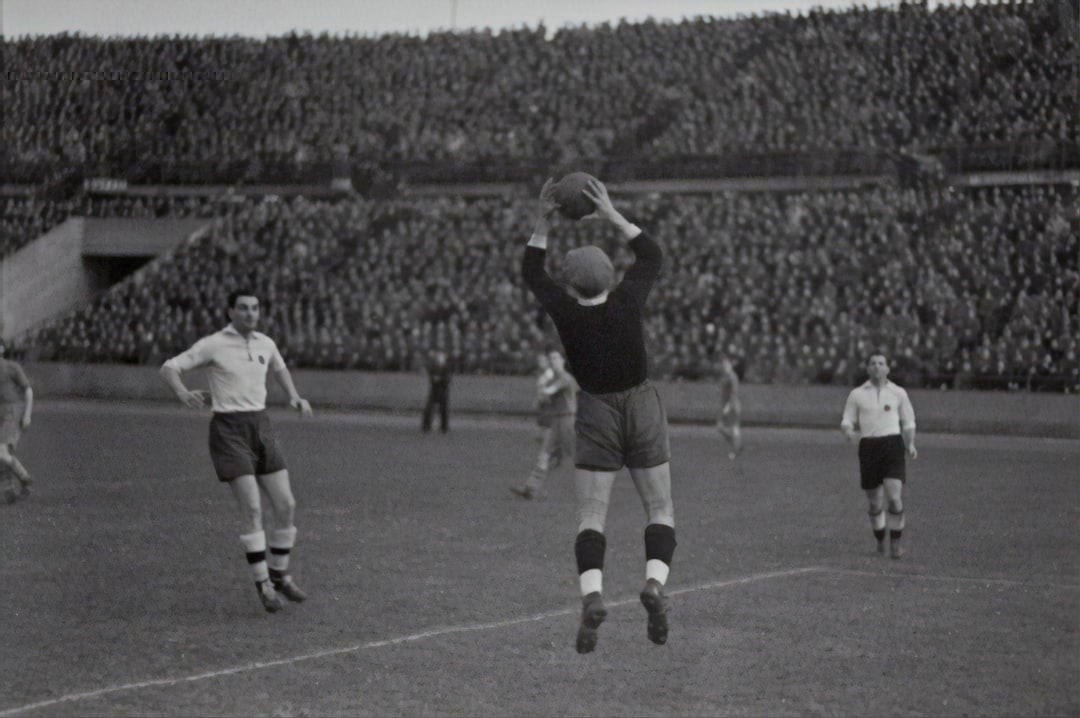
At first, Hexabounce was just a quirky experiment. But as more people played and watched, it grew into a movement. Schools added Hexabounce to their physical education programs, and community leagues sprang up in cities around the world. Athletes from other sports tried their hand at the game, bringing their own styles and strategies. International tournaments began to emerge, complete with fan clubs, merchandise, and celebrity players. What started as a digital oddity became a real-world sensation, bridging cultures and generations in a shared spirit of playful discovery.
Lessons for Future AI-Human Collaboration

The creation of Hexabounce offered powerful lessons for the future. It showed that when humans and machines work together, the results can be astonishingly original. The key was openness: letting AI explore without rigid rules, and being willing to try even the strangest ideas. Teams learned to trust the process, embracing failure as a step toward innovation. The experiment encouraged researchers in other fields to rethink the boundaries between human and artificial creativity. It became clear that the future of invention might be less about competition and more about partnership.
Nature, Technology, and the Human Spirit

Some of the most profound responses to Hexabounce came from outside the world of sports and technology. Nature lovers saw parallels between the game’s unpredictability and the wild beauty of animal play. Philosophers pondered what it meant for technology to spark joy and wonder—a domain once thought uniquely human. The sport became a metaphor for the unpredictable dance between nature, technology, and the human spirit. As people gathered to play and watch, they found a new sense of connection—not just with each other, but with the broader world of creativity and possibility.
Looking Ahead: What Will AI Imagine Next?
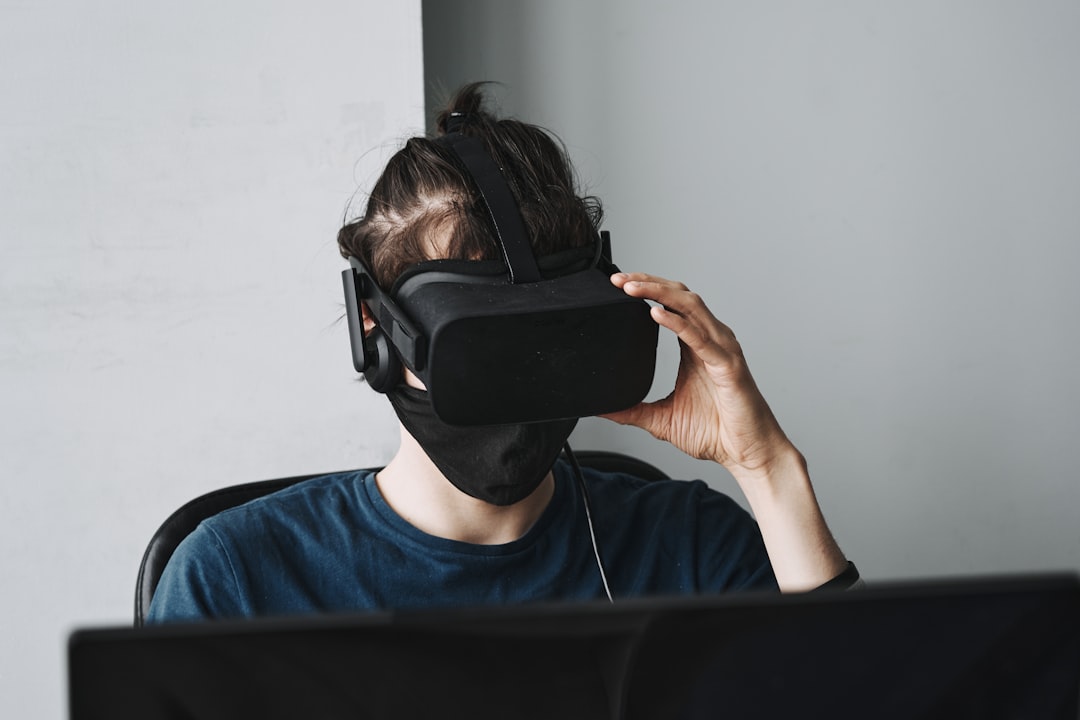
The legacy of Hexabounce is still unfolding. Researchers are already experimenting with machine-invented games in virtual reality, augmented reality, and even zero-gravity environments. Some predict that AI will help design sports tailored to different cultures, climates, or physical abilities. Others dream of games that blend digital and physical worlds in ways we can barely imagine. The boundaries of play are expanding, and the only limit seems to be our willingness to explore. The story of Hexabounce is a testament to the surprises that await when we invite machines not just to solve problems, but to invent joy itself.