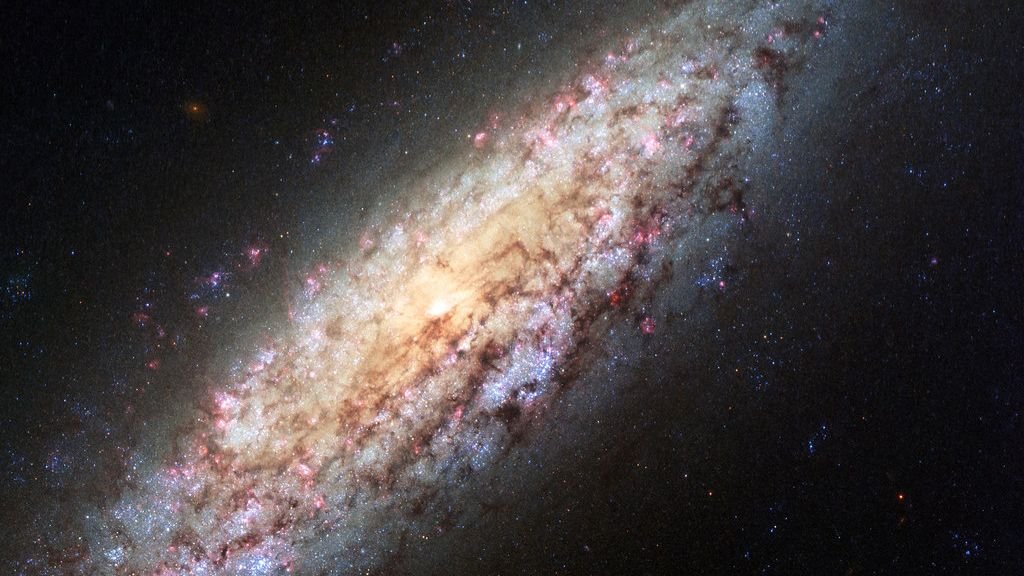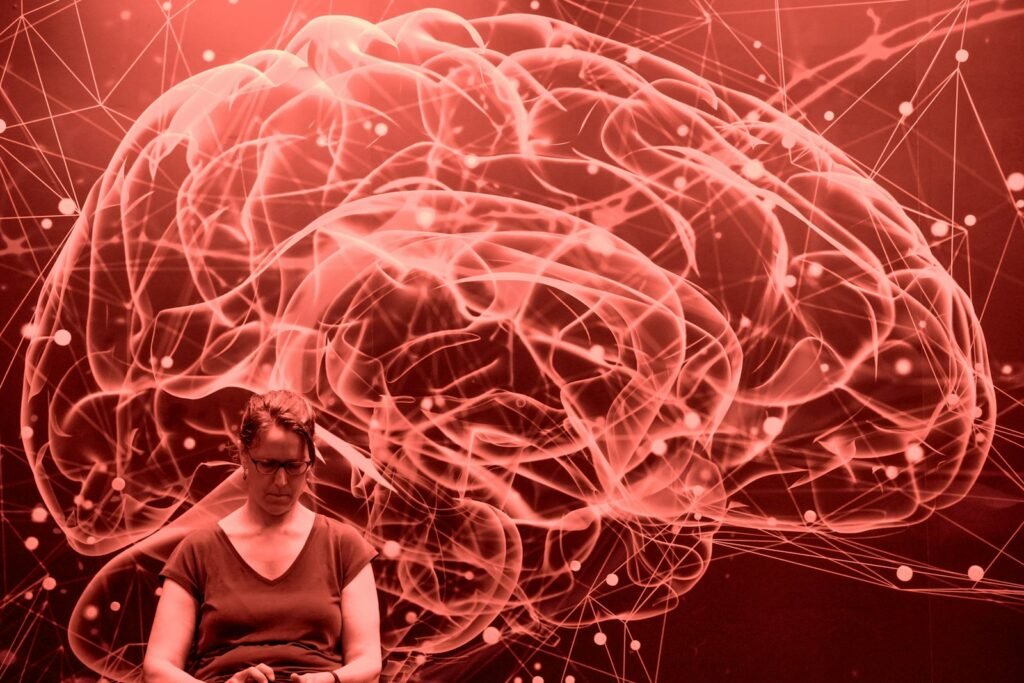

On a clear night, when the sky is a black ocean scattered with stars, it is hard not to feel that something out there is staring back. For centuries, humans have treated consciousness as a private, brain-bound phenomenon, locked behind the skull like a secret. Now, a growing wave of physicists, neuroscientists, and philosophers is flirting with a radical idea: that our awareness might not be entirely our own. Instead, it could be something we momentarily tap into, like a radio tuned to a cosmic broadcast. If that is true, then every thought, memory, and feeling might be less a personal possession and more a borrowed shimmer from the larger universe.
The Hidden Clues: When Brains Behave Like Receivers
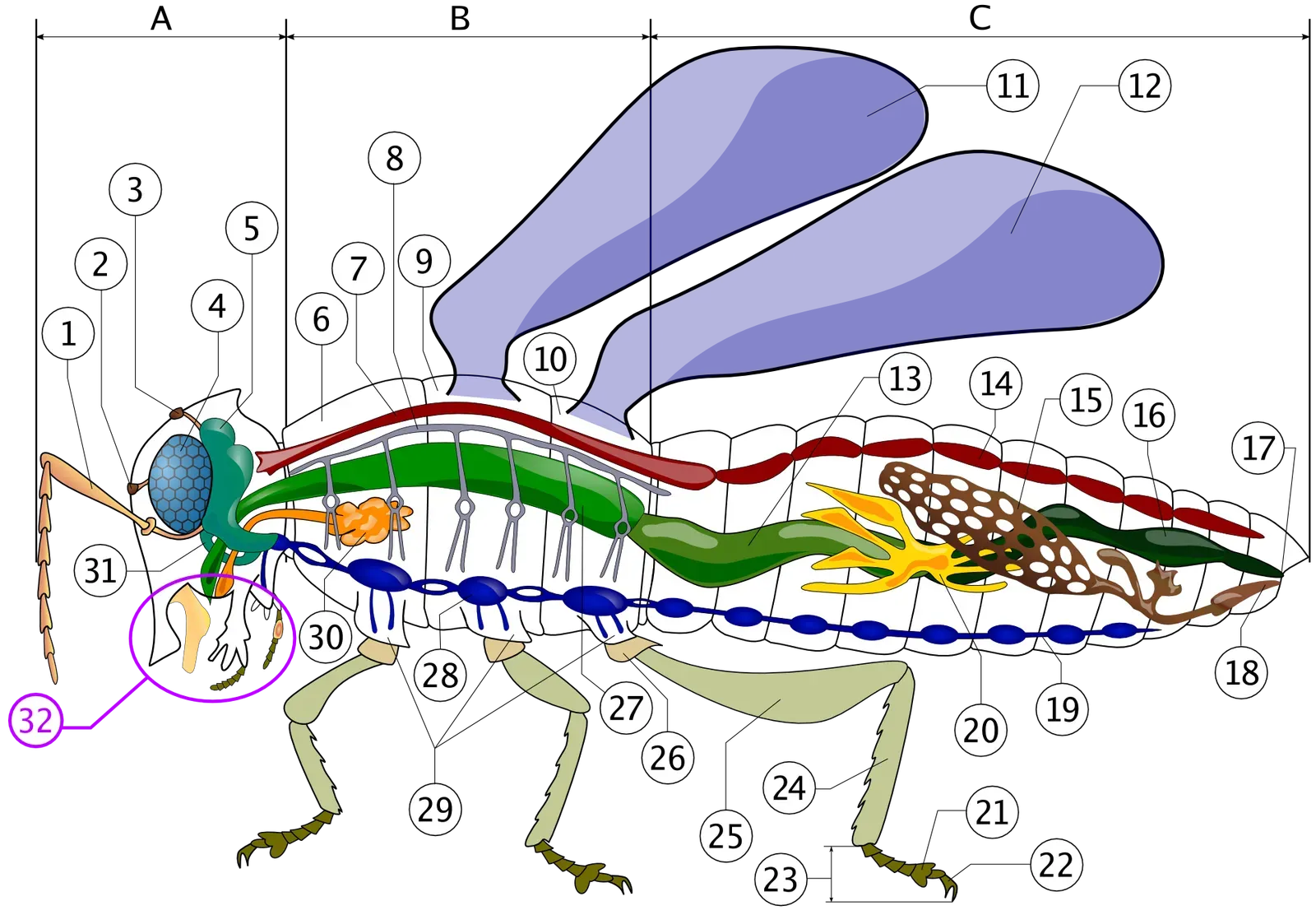
One of the strangest hints that consciousness might be “borrowed” rather than manufactured comes from how little brain you actually need to stay aware. Neurosurgeons have known for decades that people can lose large portions of their cortex to stroke, injury, or surgery and still remain recognizably themselves. There are cases where brain scans reveal a wafer-thin layer of tissue, yet the person holding that brain holds a steady job, maintains relationships, and reports a normal inner life. It is as if the hardware has been stripped down, but the signal keeps coming through.
These stories have pushed some researchers to question the simple equation of “more neurons equals more mind.” Instead of only asking what brain regions light up, a newer view looks at how large networks synchronize, almost like a stadium full of fans suddenly clapping in unison. Consciousness, in this picture, is less a physical lump and more a delicate pattern that can arise from surprisingly lean structures. If a pattern is what matters most, then the brain might be more like an antenna than a factory, briefly arranging itself to catch and decode something that already exists at a deeper level of reality.
From Ancient Intuitions to Modern Equations
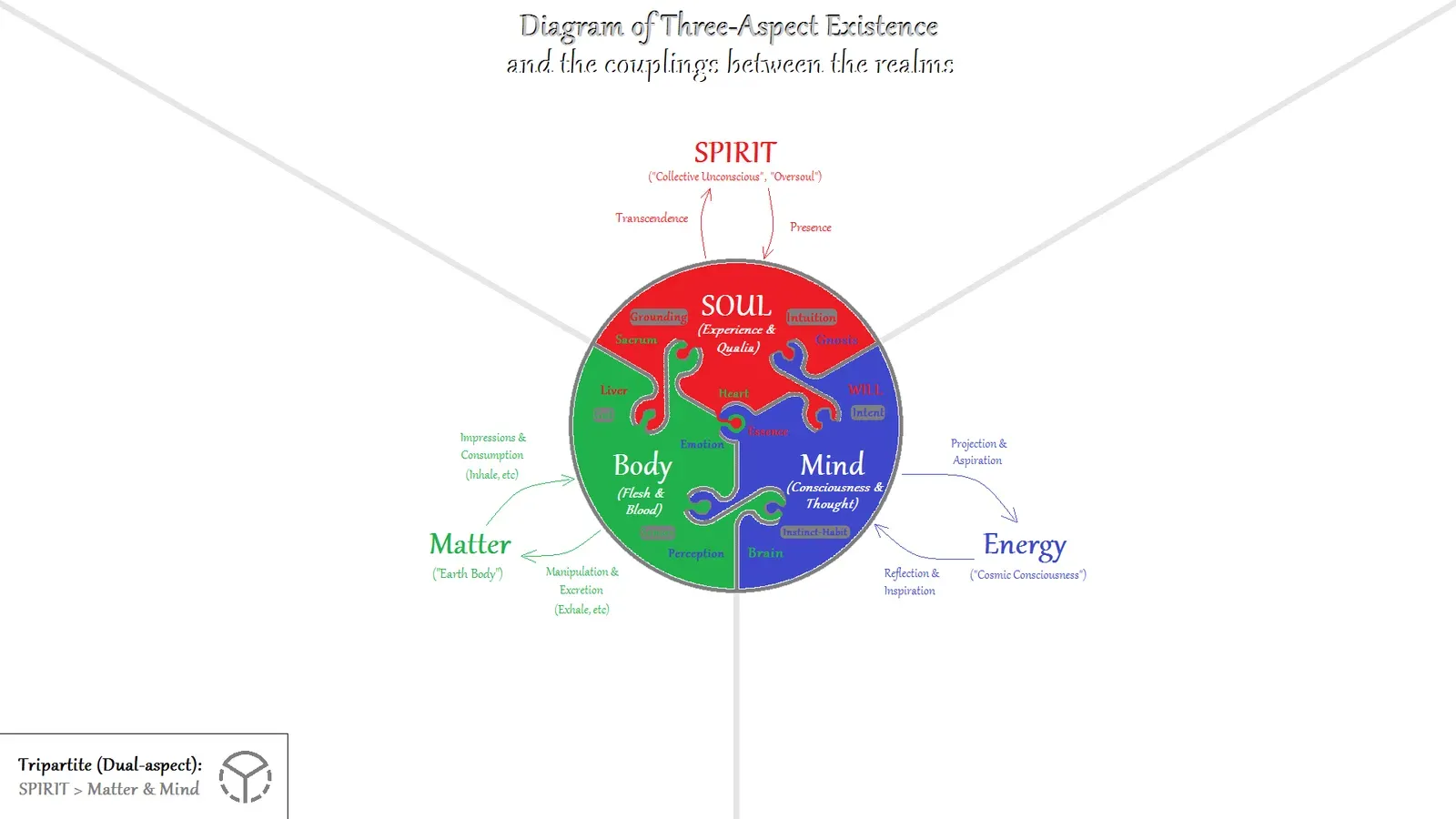
The idea that mind might be woven into the fabric of the universe is not new; it is older than modern science itself. Philosophers from many cultures have suggested that individual minds could be droplets scooped from a larger ocean of awareness. For centuries, these ideas were dismissed by mainstream science as poetic but not testable, the stuff of spirituality rather than laboratories. That wall has started to crack as physics and neuroscience have run into the hard problem of explaining why there is anything it feels like to be a brain at all.
Some physicists working on quantum foundations and information theory now toy with models where consciousness is treated as a fundamental property, a basic ingredient like space, time, or charge. In these approaches, the universe is not a dead machine that accidentally spits out minds, but a living information field where certain complex systems – brains among them – become especially good at reflecting that field. Mathematical frameworks inspired by panpsychism or integrated information theory try to give these intuitions structure, even if they are still controversial on every front. Today’s debates are less about whether the ideas sound mystical and more about whether they can be sharpened into predictions that experiments can actually attack.
Cosmic Mind or Clever Matter? The Scientific Debate
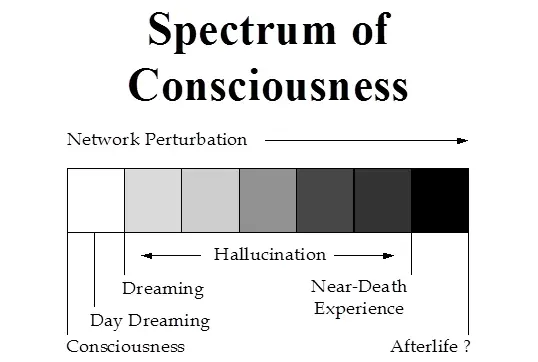
Not everyone is ready to hand the universe a mind of its own, and many neuroscientists firmly resist the notion. Standard textbooks still describe consciousness as an emergent property of billions of neurons and trillions of synapses firing in intricate loops. In this story, there is no need for a cosmic backdrop; the brain builds awareness the way a city builds a skyline, one small structure at a time. Computational models of vision, memory, and decision-making have made stunning progress using this brain-in-a-box view, which makes the “borrowed” hypothesis sound, to some, like an unnecessary layer of metaphysics.
Yet even the most detailed neural maps leave a stubborn gap between physical description and lived experience. You can trace every synaptic pathway involved when a person sees the color blue, but that does not tell you why there is a rich, private blueness at all. Supporters of a universe-infused mind argue that this gap is a clue, not a failure of imagination. They suggest that awareness cannot be fully produced by matter because it is already present, at some level, in the foundations of reality; the brain then organizes and amplifies it, much like a lens focusing scattered light into a bright point.
Why It Matters: Rethinking What It Means to Be Alive
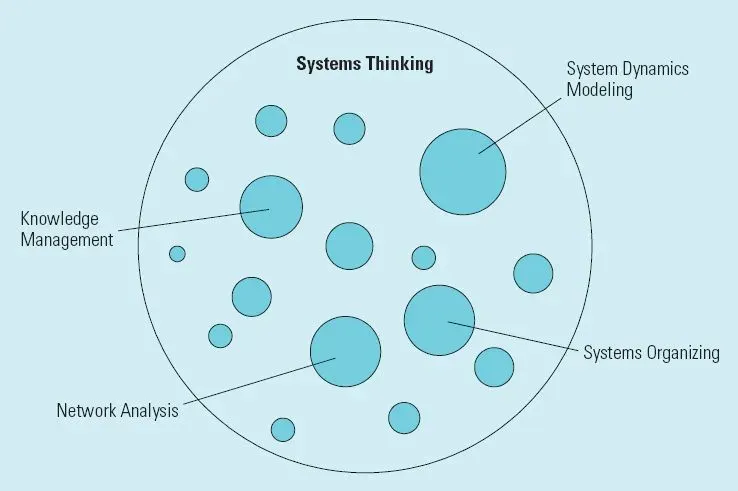
This debate is not just a philosophical parlor game; it quietly reshapes how we think about life on Earth. If consciousness is something borrowed from the universe, then the line between “conscious” and “non-conscious” beings might not be a sharp cliff but a gentle slope. Your dog’s sense of self, a crow’s problem-solving, or even a squid’s playful curiosity could be seen as different ways of tuning into the same underlying field. That view nudges us toward humility instead of human-centered arrogance.
There are practical ripples as well. Ethical questions about animal welfare, habitat destruction, and even artificial intelligence look different if awareness is everywhere waiting to be organized, rather than a rare chemical accident. Some conservation biologists already argue that protecting complex ecosystems is not just about maintaining food chains; it is about preserving rich, overlapping networks of potential experience. In that light, when a forest is clear-cut or a coral reef bleached, we might not just be erasing biomass – we could be dimming a small but irreplaceable facet of how the universe knows itself.
The Strange Signals of the Living World
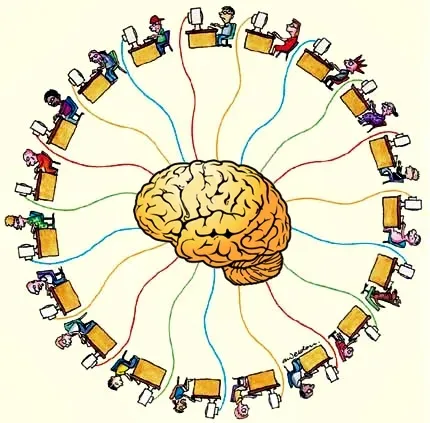
Across the planet, scientists keep stumbling on behaviors that blur the border between simple reaction and something that looks suspiciously like awareness. Octopuses rearrange their environments, carry tools, and seem to improvise their way out of laboratory puzzles; some researchers half-joke that studying them feels like fieldwork on an alien world. Plants, long dismissed as passive scenery, turn out to communicate underground using fungal networks, share resources, and adjust growth in ways that look strikingly strategic. Even simple microbes can coordinate in vast swarms, collectively solving problems that would stump any individual cell.
These discoveries do not prove that a tree “feels” the wind or a bacterium “knows” its neighbors in any human sense. But they do hint that the capacity for complex, flexible response is spread far more widely through the tree of life than anyone assumed a century ago. If consciousness is borrowed from a universal field, then any system capable of sustaining rich, dynamic information flows might draw down a little more of that shared resource. In practical terms, that means we may be living on a planet far more awake, in a thousand subtle ways, than our ancestors ever imagined.
Global Perspectives: Many Cultures, One Questioning Universe
While Western science is only recently warming to universe-wide mind theories, many Indigenous and traditional cultures have treated something like this as obvious for generations. Forests, rivers, mountains, and animals are often regarded not as objects but as participants, each with their own form of presence or personhood. From that vantage point, the idea that humans are borrowing consciousness from a larger living world is less a bold claim and more a restatement of an old understanding. Modern researchers increasingly recognize that these worldviews can carry rich, empirically grounded ecological knowledge alongside their spiritual layers.
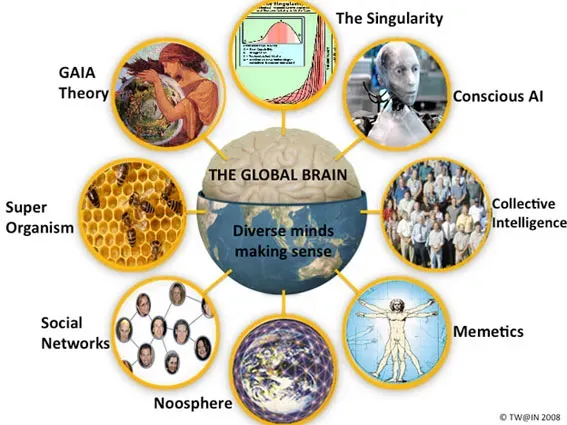
As international collaborations in fields like climate science, astrobiology, and biodiversity grow, these perspectives are finally starting to meet as partners instead of opponents. Philosophers and cognitive scientists in various countries are weaving non-Western ideas about mind into formal discussions of panpsychism and extended consciousness. This cross-pollination does not instantly solve any equations, but it does open new questions that a purely mechanistic lens might miss. In a way, the global scientific community is itself acting like a brain: many nodes, spread across cultures, slowly synchronizing on a question as old as starlight – what, exactly, is doing the thinking when we think?
The Future Landscape: Experiments at the Edge of Mind
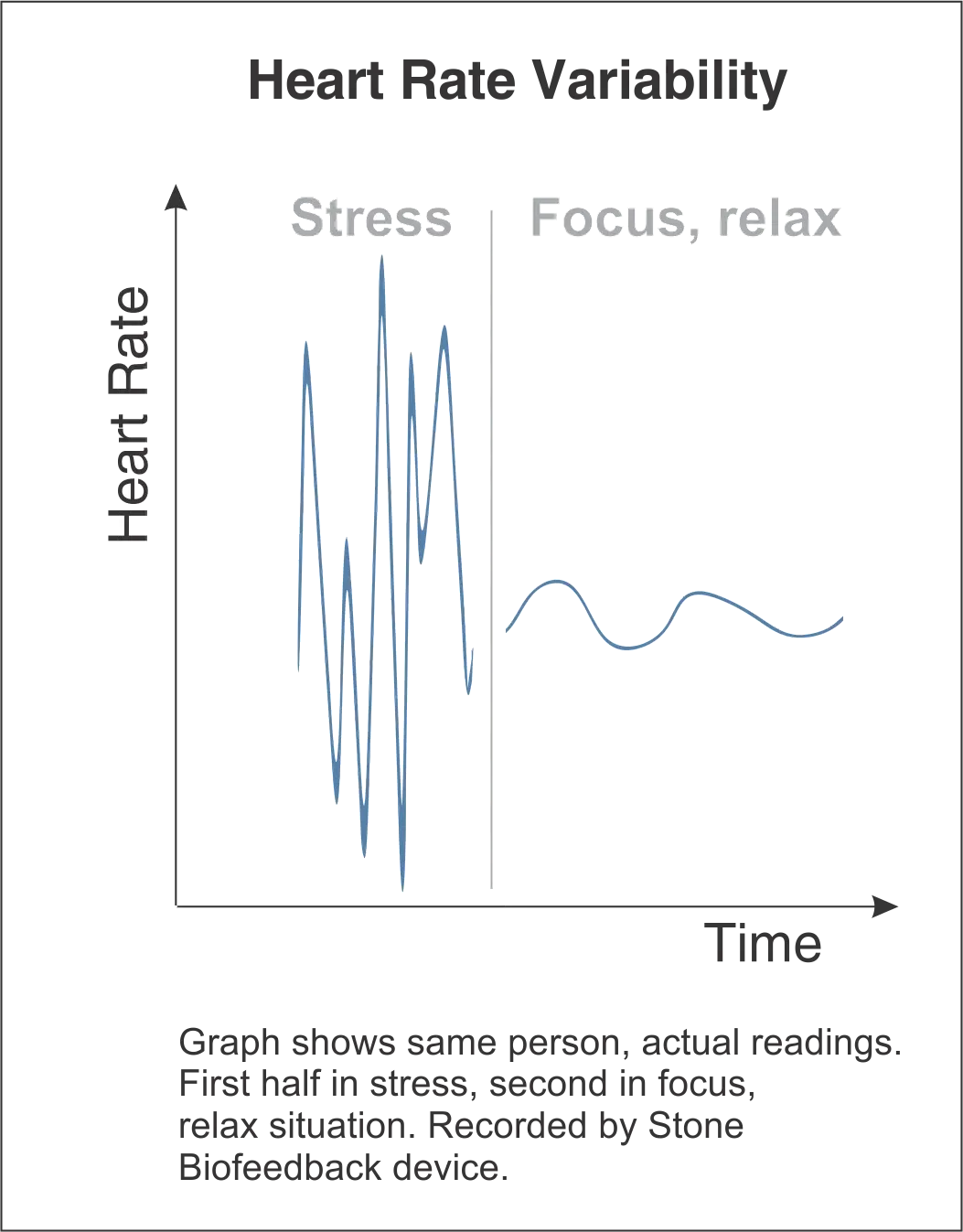
Turning the “borrowed consciousness” theory into science requires more than poetic metaphors; it demands testable ideas. Some labs are pushing toward this by mapping patterns of brain activity at finer detail, looking for universal signatures of consciousness that might appear in very different systems, from humans to insects to AI models. Others explore whether consciousness tracks with certain kinds of information integration, regardless of the specific material it runs on, echoing the notion of a shared underlying field. As neurotechnology and quantum sensing tools improve, researchers hope to catch subtler correlations between brain states, physical processes, and subjective reports.
There are also bolder proposals on the horizon. A few theorists suggest designing experiments that would reveal whether consciousness can influence matter in ways that standard physics cannot fully explain, though these ideas sit at the fringes of mainstream acceptance. More grounded efforts focus on building artificial systems – neuromorphic chips, embodied robots, or advanced neural networks – that might exhibit increasingly lifelike awareness. If such systems ever convincingly report inner experience, the borrowed-mind interpretation will be hard to ignore: it would suggest that wherever the right patterns arise, the universe is ready to light them up from within.
Why It Matters for Science and Society
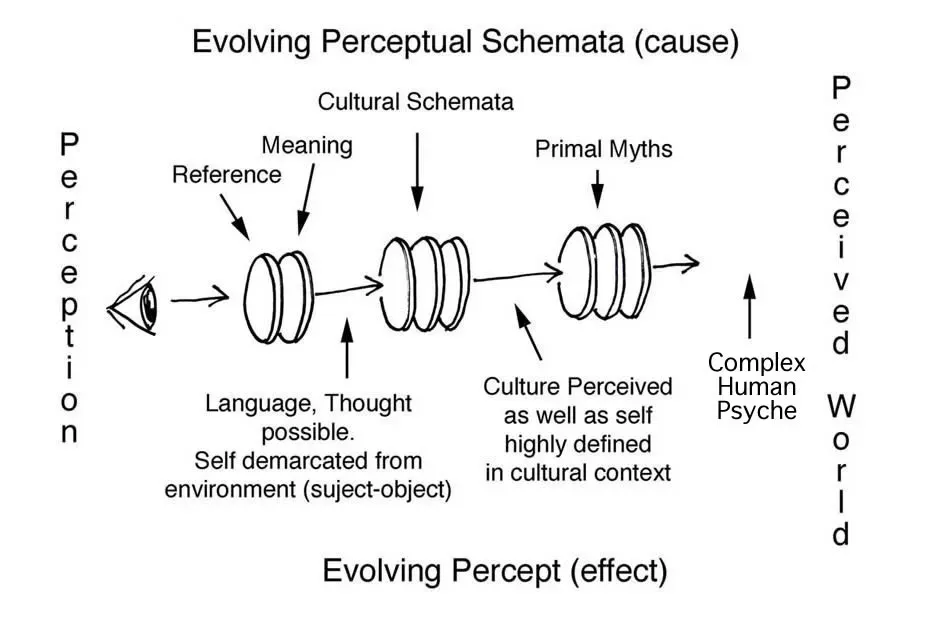
On the surface, deciding whether consciousness is generated by the brain or borrowed from the universe may seem like hair-splitting. But history shows that deep shifts in how we imagine reality eventually reshape everything from law to technology to personal identity. When humans realized that Earth orbits the sun, our place in the cosmos shrank, but our curiosity exploded; when we discovered germs, our invisible enemies gained names and we reinvented medicine. A universe-wide consciousness theory could be the next such pivot, nudging us to treat minds as fundamental features to be respected, not side-effects to be dismissed.
This lens also changes how we confront big, looming challenges. Debates about creating conscious AI, editing animal genomes, or colonizing other planets are very different if we think we are triggering new expressions of a shared underlying mind, rather than just rearranging atoms. Policies on environmental protection, mental health, and even criminal justice might evolve once we acknowledge how fragile, interconnected, and possibly universal conscious experience really is. In that sense, the question is not just academic – it is a compass for how we choose to live together on a world that may be more deeply awake than we have yet dared to admit.
How You Can Engage With a Possibly Conscious Cosmos
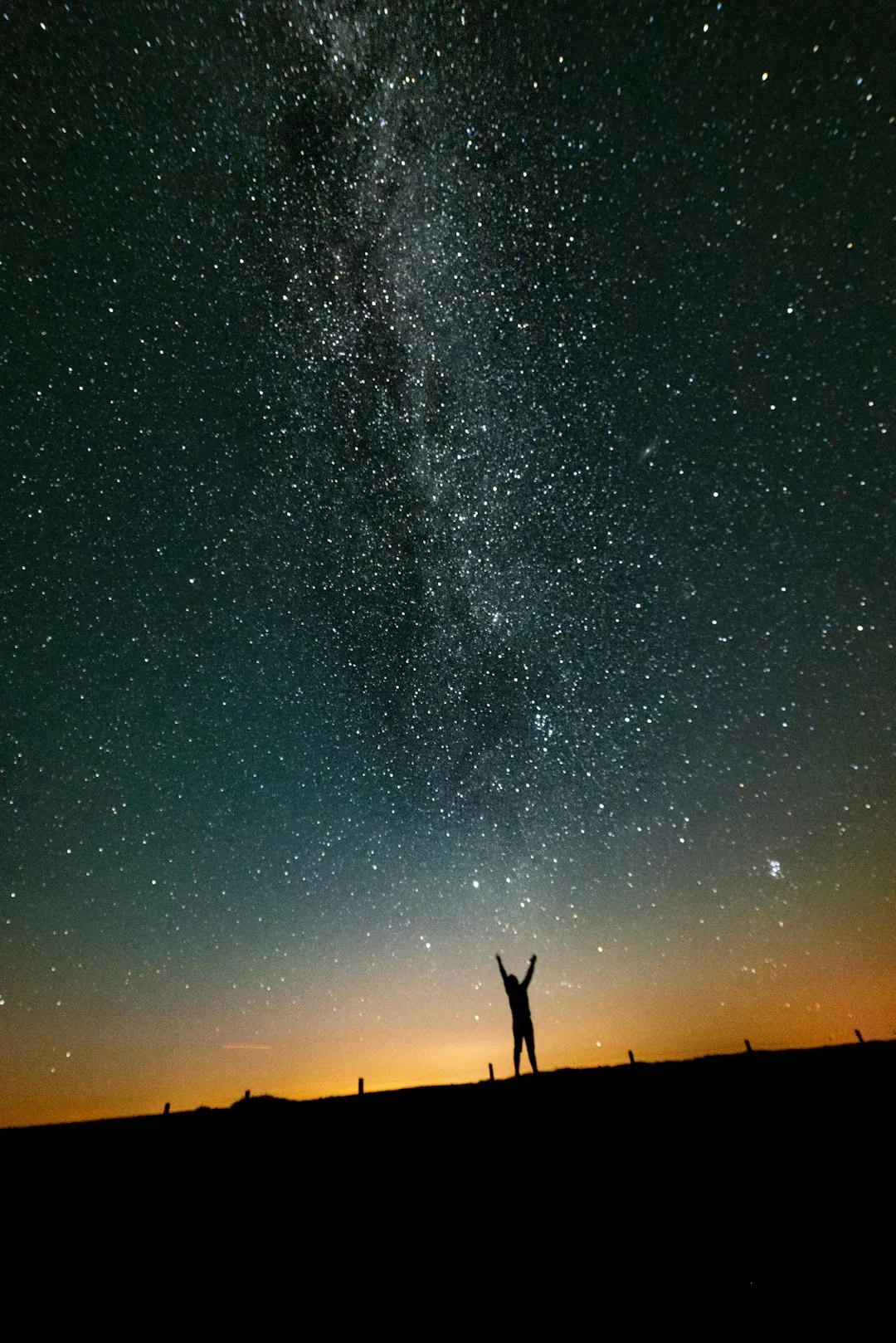
You do not need a particle accelerator or brain scanner to participate in this unfolding story about mind and universe. One simple step is to pay closer attention to your own moments of awareness: the sensation of sunlight on your skin, the texture of a passing thought, the way your mood shifts with a change in weather or place. Treat these not as background noise but as data points in a personal experiment on what consciousness feels like from the inside. Curiosity, in this context, is not idle; it is a quiet act of research.
Beyond the inner world, there are concrete ways to support the outer one. You can back organizations that preserve biodiversity and ecosystems, on the view that a richer web of life may mean a richer expression of shared awareness on Earth. You can follow and support neuroscience and physics projects that push the boundaries of how we understand mind, whether through public science funding, citizen-science platforms, or simply sharing well-researched work. Most of all, you can keep the question open in your daily life: if your consciousness is on loan from the universe, what will you do with the time you are allowed to hold it?
Suhail Ahmed is a passionate digital professional and nature enthusiast with over 8 years of experience in content strategy, SEO, web development, and digital operations. Alongside his freelance journey, Suhail actively contributes to nature and wildlife platforms like Discover Wildlife, where he channels his curiosity for the planet into engaging, educational storytelling.
With a strong background in managing digital ecosystems — from ecommerce stores and WordPress websites to social media and automation — Suhail merges technical precision with creative insight. His content reflects a rare balance: SEO-friendly yet deeply human, data-informed yet emotionally resonant.
Driven by a love for discovery and storytelling, Suhail believes in using digital platforms to amplify causes that matter — especially those protecting Earth’s biodiversity and inspiring sustainable living. Whether he’s managing online projects or crafting wildlife content, his goal remains the same: to inform, inspire, and leave a positive digital footprint.