
Imagine a world where life is not just discovered, but invented—where creatures without any roots in nature pulse and multiply in laboratories. This isn’t the opening of a science fiction novel; it’s a reality that scientists are shaping right now. Synthetic life, organisms created from scratch with no natural ancestor, are breaking every boundary we once thought existed between the living and the artificial. The idea is as fascinating as it is unnerving, conjuring images of both miraculous cures and uncontrollable monsters. The very fabric of what it means to be alive is being rewritten, cell by cell, by human hands. Are we crossing an invisible line, or are we simply fulfilling our ancient urge to play the creator?
What Is Synthetic Life?
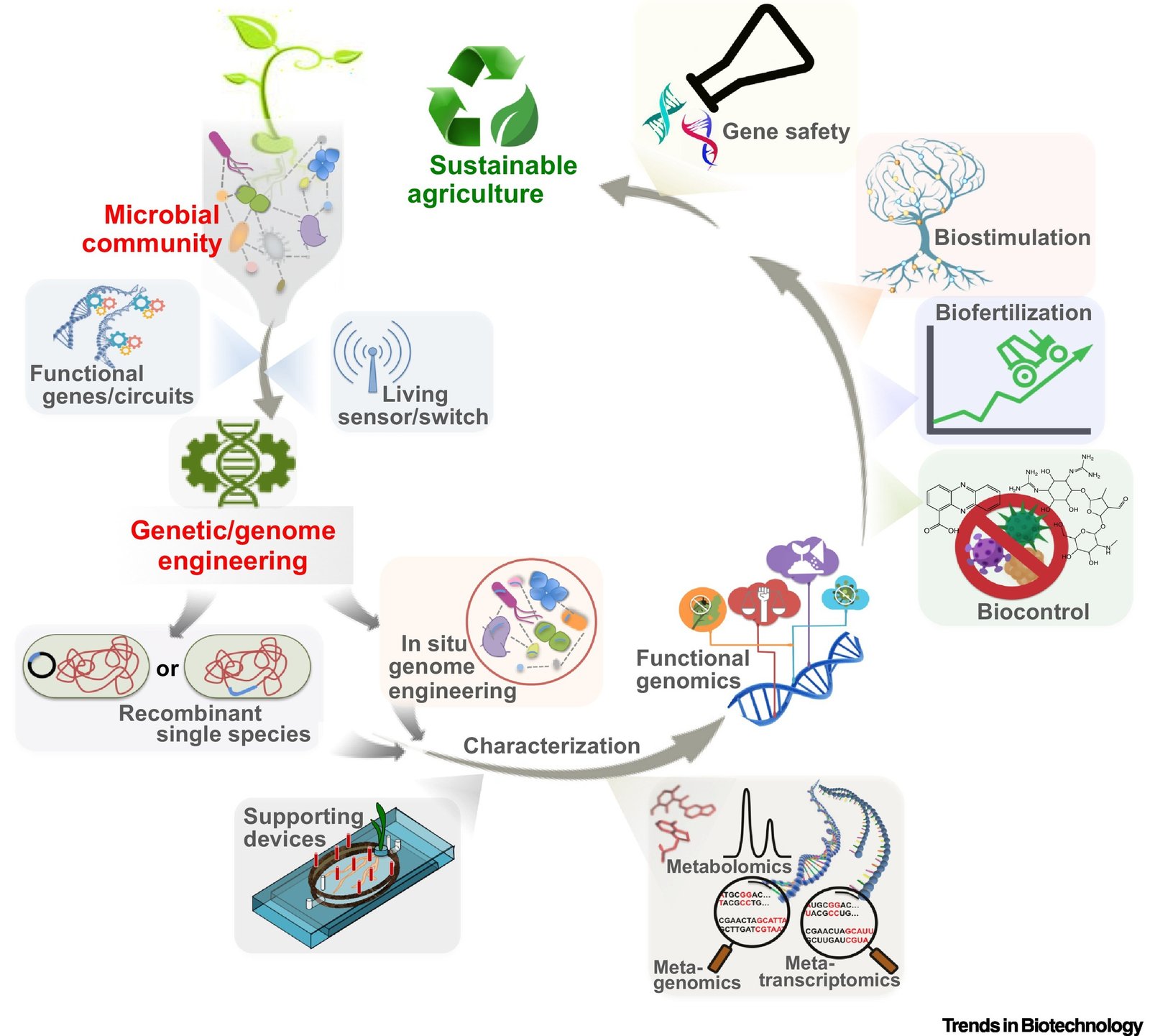
Synthetic life refers to organisms that are built in the lab, designed from raw chemicals and DNA sequences, rather than descended from any pre-existing natural lifeform. Unlike genetically modified organisms, which start with a natural base and tweak it, true synthetic organisms have no parent species—no evolutionary tree to call their own. Think of it like assembling a car from parts in your garage, but the “car” is a breathing, replicating organism. These life forms can be programmed with features never seen in nature, opening doors to endless possibilities and unpredictable consequences. The distinction is crucial, as it means these beings could have properties, behaviors, or impacts that no existing organism exhibits. It’s a radical leap from what Darwin ever imagined.
The First Steps: Building Life from Scratch
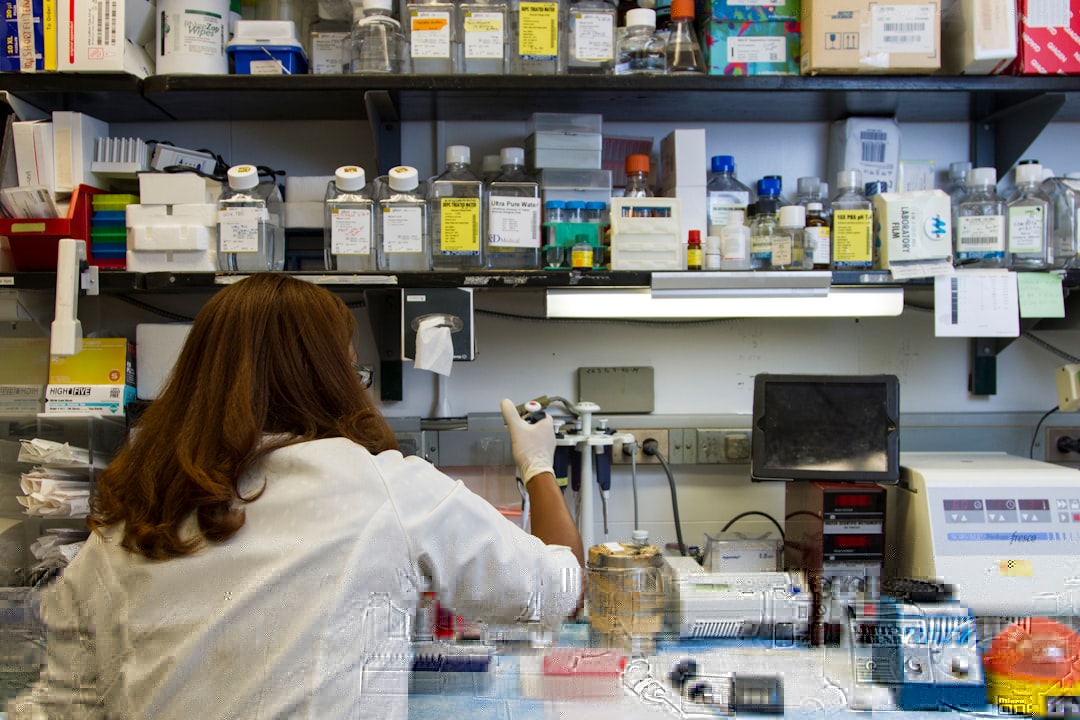
The journey toward creating synthetic life began with the deciphering of DNA, the language of biology. Scientists learned how to read, write, and eventually synthesize entire genomes. In 2010, the world was stunned when a team led by Dr. Craig Venter created the first cell controlled entirely by a synthetic genome. By assembling DNA chemically, inserting it into a host cell, and watching it spring to life, they proved that life could be “booted up” like software. This moment was hailed as a breakthrough equivalent to splitting the atom—a demonstration that life’s code was not only understandable, but writable. Each milestone since then has added more complexity, precision, and ambition to what synthetic biologists can achieve.
How Synthetic Organisms Differ from Natural Life
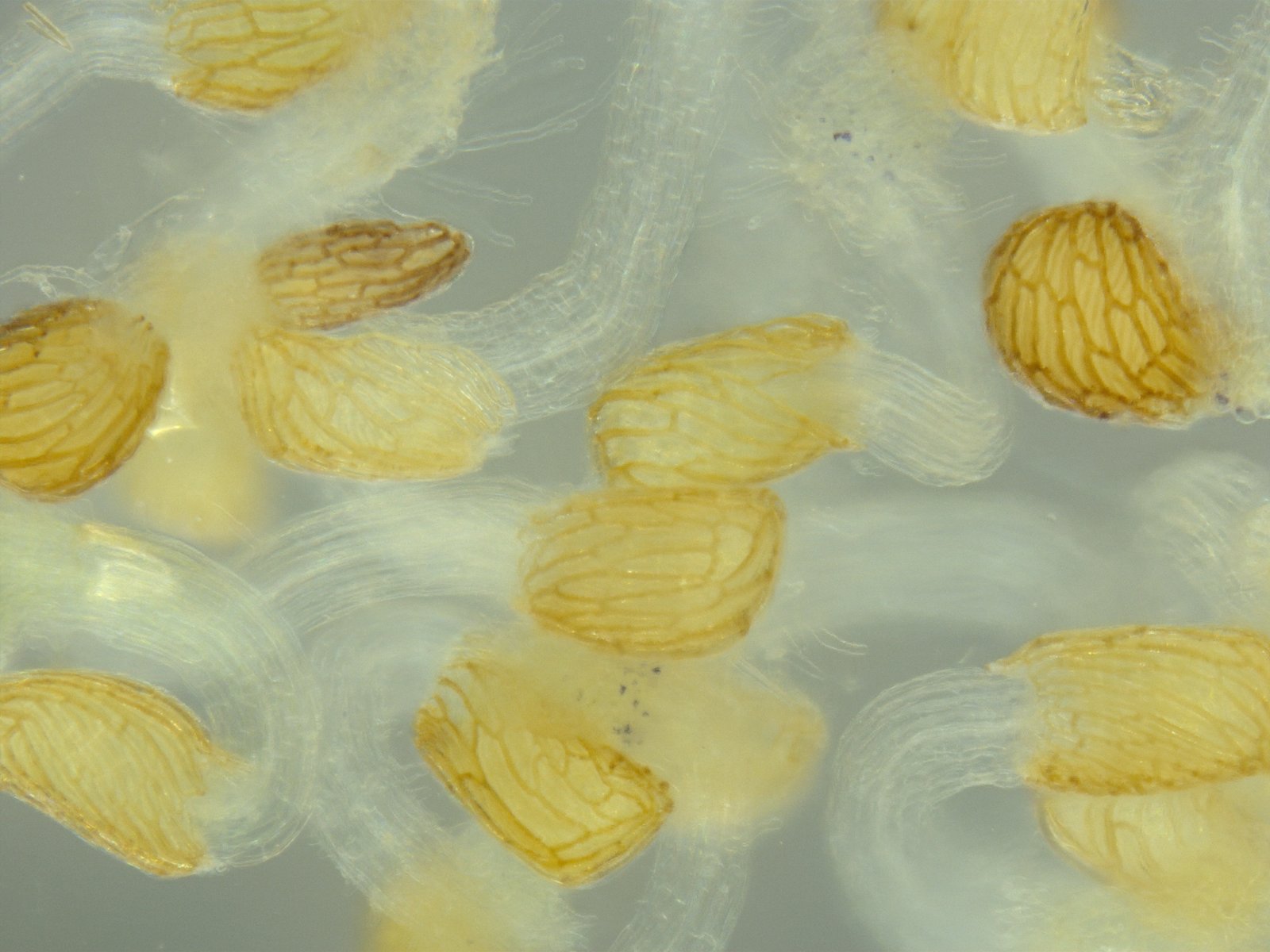
A synthetic organism is fundamentally different from a mutated or engineered natural species. Natural life evolves over billions of years, shaped by survival and chance. Synthetic life, in contrast, is the product of human design, tailored to fit specific needs. These organisms can be made to perform tasks not found in any natural creature—such as breaking down plastics, producing rare medicines, or glowing in the dark. They may even contain “alien” DNA bases or amino acids that are not used by any known living thing. This means they could be more robust, more efficient, or more controllable—but also more unpredictable. The sheer newness of these life forms means we have no evolutionary map to predict how they might behave or evolve.
Motivations: Why Create Life With No Natural Ancestor?
Why would anyone want to create organisms with no natural ancestor? The motivations are as varied as they are profound. Some scientists aim to solve pressing problems, such as producing biofuels that don’t rely on crops, or cleaning up toxic waste with tailor-made bacteria. Others are driven by pure curiosity—to answer fundamental questions about what life is, how it arises, and what its limits are. There’s also the lure of medical miracles, like synthetic cells that can hunt down cancer or deliver drugs precisely where they’re needed. Businesses see vast potential for new materials, chemicals, and food sources. For many, it’s about pushing the boundaries of the possible, but the reasons are as complex as life itself.
The Promise: Medical Miracles and Environmental Solutions
Synthetic life holds enormous promise for medicine and the environment. Imagine bacteria that can manufacture complex drugs cheaper and faster than any factory, or cells that can detect and repair genetic diseases before symptoms appear. In hospitals, synthetic organisms could target antibiotic-resistant infections, acting like “smart bombs” against deadly bacteria. On the environmental front, engineered microbes might clean oil spills, digest plastic waste, or even capture carbon dioxide from the air. The potential for good is breathtaking—a future where life’s machinery is harnessed to heal bodies and the planet. The hope is that these creations will become powerful new allies in humanity’s most urgent battles.
The Risks: What Could Go Wrong?
Yet, every promise casts a shadow. Synthetic organisms could escape the lab and interact with nature in ways we can’t predict. If released, they might outcompete natural species, disrupt ecosystems, or evolve in dangerous directions. There’s also the terrifying possibility of “biological weapons” crafted from synthetic life, tailored for harm rather than help. Even well-intentioned experiments could have unintended consequences, like synthetic bacteria swapping genes with wild microbes or producing unexpected toxins. The lack of evolutionary history means there’s no roadmap for how these organisms might adapt or mutate outside controlled environments. The risks are real, and history teaches us that even the best intentions can go awry.
Ethical Questions: Playing God or Saving the World?
The creation of synthetic life raises some of the thorniest ethical questions of our time. Are we playing God by inventing life forms that nature never intended? Should humans have the right to create, alter, or even destroy entirely new forms of life? Some worry this power will lead to hubris, or a loss of respect for the natural world. Others argue that not using these tools to solve urgent problems would be the greater moral failing. The debate often pits innovation against caution, with passionate voices on both sides. “With great power comes great responsibility,” as one ethicist warned, and the choices we make now could echo for generations.
Real-World Examples: Synthetic Life in Action
Synthetic life is no longer just a concept—it’s already at work in the real world. In recent years, researchers have created bacteria that can synthesize rare drugs, algae that produce biofuels, and yeast that churn out lab-made fragrances. In 2023, a synthetic organism designed to eat plastic waste was deployed in a controlled landfill test, showing promise for tackling pollution. Scientists have also crafted cells with custom “genetic codes” that resist viral infections, offering new hope for pandemic preparedness. Each of these examples is a small revolution, demonstrating the immense potential—both positive and negative—of this new field.
Regulation and Oversight: Who Controls Synthetic Life?

With such power comes a pressing need for regulation. Governments and international bodies are racing to keep up with the fast-moving science of synthetic biology. There are calls for strict containment rules, mandatory safety testing, and global agreements to prevent misuse. Some countries have already banned certain types of synthetic organisms, while others encourage innovation with few restrictions. The challenge is finding a balance—fostering discovery without opening the door to disaster. Scientists, ethicists, and policymakers are locked in a complex dance, trying to anticipate problems before they arise. The stakes are too high for anything less than vigilance.
The Future: Where Do We Go From Here?

The future of synthetic life is wide open, filled with both excitement and uncertainty. As technology advances, we may see entire ecosystems engineered from scratch, or even synthetic life forms sent to terraform distant planets. The line between the natural and the artificial may blur beyond recognition. Some dream of a world where synthetic organisms help humanity thrive; others fear a future where control slips from our grasp. The ultimate outcome depends on choices made today—by scientists, regulators, and all of us. It’s a breathtaking time to be alive, witnessing the dawn of a new era.
Reflections on Humanity’s New Power
The ability to create life with no natural ancestor is both awe-inspiring and terrifying. It invites us to rethink our place in the universe, our relationship with nature, and the limits of our own ingenuity. This power challenges our ethics, our laws, and even our imagination. Whether these synthetic beings become our greatest allies or our gravest mistake will depend on wisdom, humility, and vigilance. The story of synthetic life is still being written—by scientists, by society, and by the unpredictable force of life itself. What would you do if you could create life from scratch?