
Imagine trillions of tiny, invisible performers, each playing a specific note, perfectly timed, never missing a beat. No conductor stands in front of them. No script is handed out. Yet somehow, the performance is flawless, moment to moment, breath to breath. That is what is happening inside your body right now, as you read this sentence. Your cells, those microscopic building blocks of everything you are, are engaged in one of the most breathtaking biological concerts ever staged.
Science has spent centuries trying to decode this performance, and what we’ve uncovered so far is nothing short of extraordinary. There is a deeper story behind every heartbeat, every thought, every healed wound, and even every grey hair. So, let’s dive into the remarkable, often shocking, always fascinating world of what your cells are really doing, and why understanding it might change how you think about life itself.
What Exactly Are Cells, and Why Do They Matter So Much?
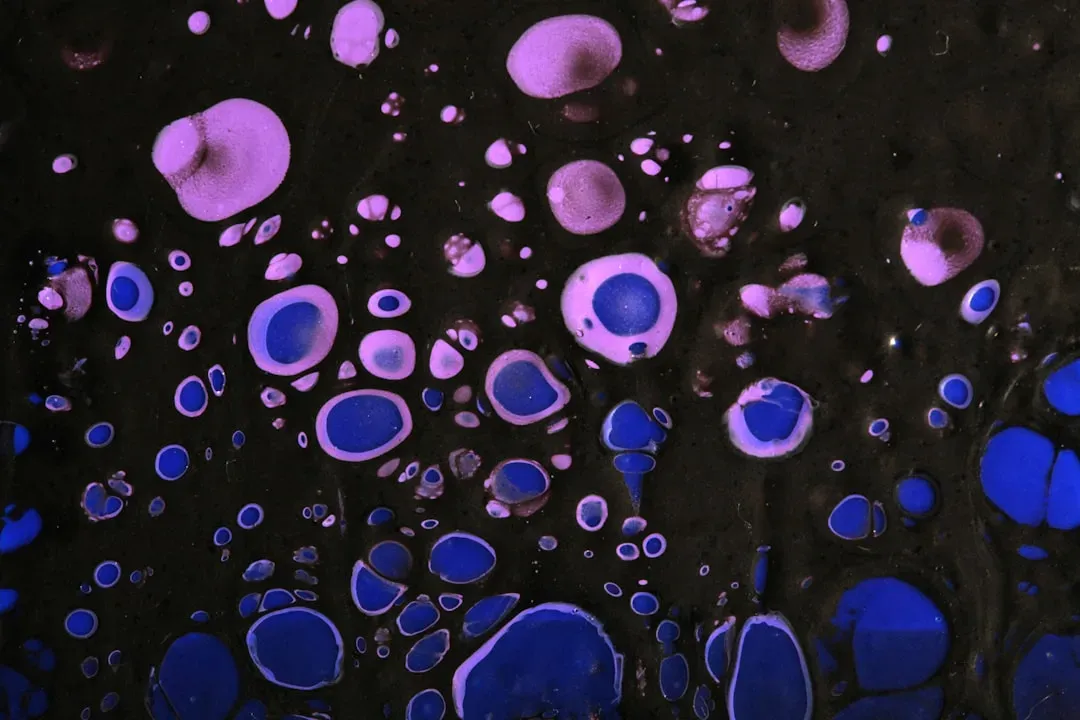
You’ve probably heard it before: cells are the fundamental units of life. Simple enough, right? Well, here’s the thing. That statement barely scratches the surface. Your cells are not isolated, static building blocks. They are part of a kind of microscopic society, constantly adjusting to the environment, sending and receiving millions of signals in the form of chemical molecules. It’s less like a bunch of individual bricks and more like an incredibly coordinated city, with traffic flowing, communication lines buzzing, and cleanup crews always on duty.
Multicellular organisms are composed of diverse cell types that must coordinate their behaviors through communication, and this cell-to-cell interaction is essential for growth, development, differentiation, tissue and organ formation, maintenance, and physiological regulation. Think about that for a moment. Every single organ you have, every function your body performs, comes back to cells cooperating with astonishing precision. If that doesn’t make you appreciate your own biology, honestly, I don’t know what will.
The Language of Cells: How They Talk to Each Other
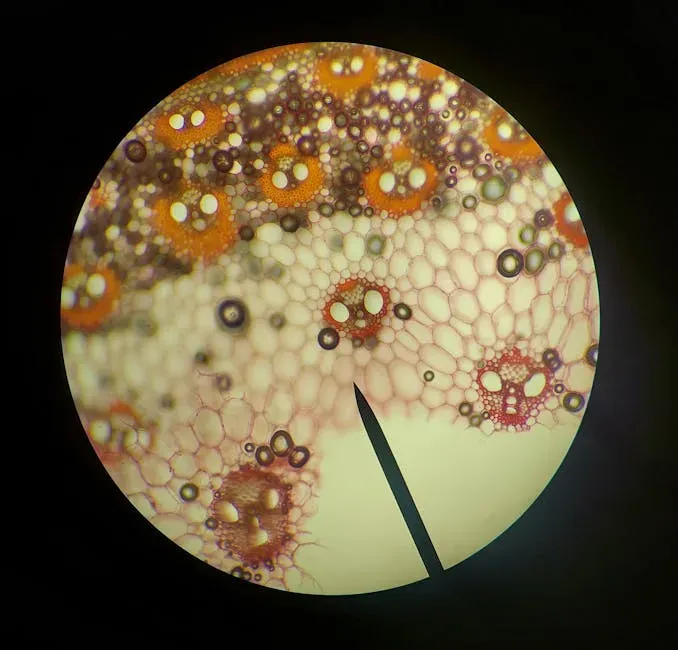
Cells do not live in isolation. Their survival depends on receiving and processing information from the outside environment, whether that information pertains to the availability of nutrients, changes in temperature, or variations in light levels. They can also communicate directly with one another, changing their own internal workings in response, by way of a variety of chemical and mechanical signals. It’s almost like a postal service operating at the speed of light, except the mail is made of proteins, lipids, and hormones.
These signaling molecules, also called ligands, act like a postman bringing a message to its destination. The signaling molecule could be a protein, a lipid, a hormone, a growth factor, or even a neurotransmitter. Cell B needs a receptor so that the signaling molecule can bind to it. Think of the receptor like a mailbox the postman needs to deliver your post safely and successfully. It’s a neat analogy, and it captures something real: without the right mailbox, the message simply cannot be delivered, no matter how loud the postman knocks.
Signal Pathways: The Relay Races Inside You
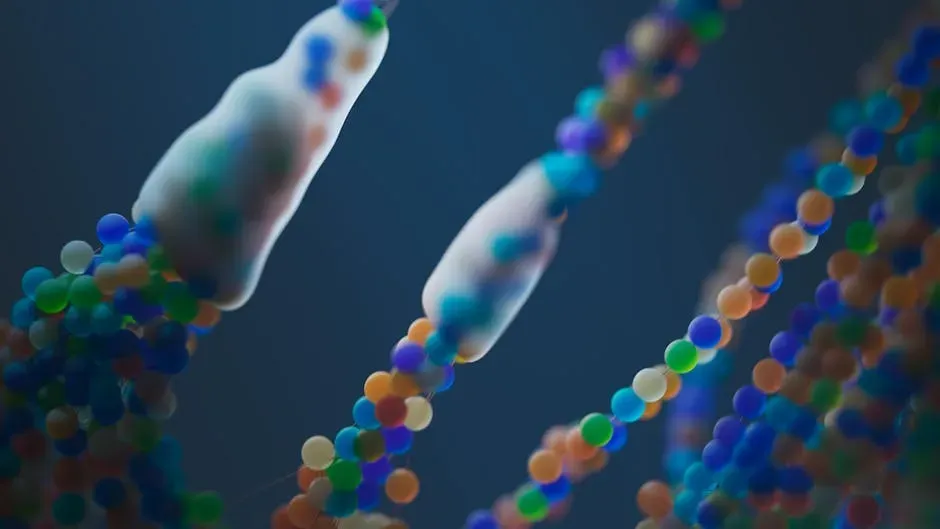
Signals most often move through the cell by passing from protein to protein, each protein modifying the next in some way. Collectively, the proteins that relay a signal to its destination make up a signaling pathway, and a signaling pathway can have few or many steps. Some signaling pathways branch out in different directions, sending signals to more than one place in the cell. It is remarkably similar to a relay race, where runners pass a baton across an entire stadium, except this race happens in the span of milliseconds, inside something too small to see without a microscope.
As a signal is transferred from protein to protein, it can also be amplified. By dividing and amplifying a signal, the cell can convert a small signal into a large response. This amplification is crucial. A single hormone molecule, arriving at the surface of a cell, can trigger thousands of internal reactions in a cascade that reshapes how the entire cell behaves. When cells communicate with each other, extracellular signals typically induce intracellular signal transduction cascades, leading to cellular responses such as changes in the cytoskeleton, metabolism, or gene expression. The sheer scale of it is mind-bending.
Paracrine, Endocrine, and More: The Four Ways Cells Send Messages

Paracrine signaling is a mechanism in which one cell secretes a molecule that acts on a second cell in close proximity, and the signaling molecule may never enter the bloodstream. In contrast, endocrine signaling involves the secretion of a molecule by one cell into the bloodstream, where the signaling molecule can travel in the blood and bind to the receptor on an effector cell far away. So the same body operates both local neighborhood chats and long-distance broadcast signals simultaneously. Let’s be real, that is a communications system more sophisticated than most human infrastructure.
The autocrine pathway functions by the secretion and reception of a messenger molecule by a single cell, while juxtacrine signaling is a form of cell communication by direct contact. There is something poetic about a cell talking to itself, like a brain ticking through a thought. In multicellular organisms, cell signaling allows for specialization of groups of cells. Multiple cell types can then join together to form tissues such as muscle, blood, and brain tissue. This specialization is precisely why you have a liver and not a lump.
The Mitochondria: Far More Than Just a Powerhouse
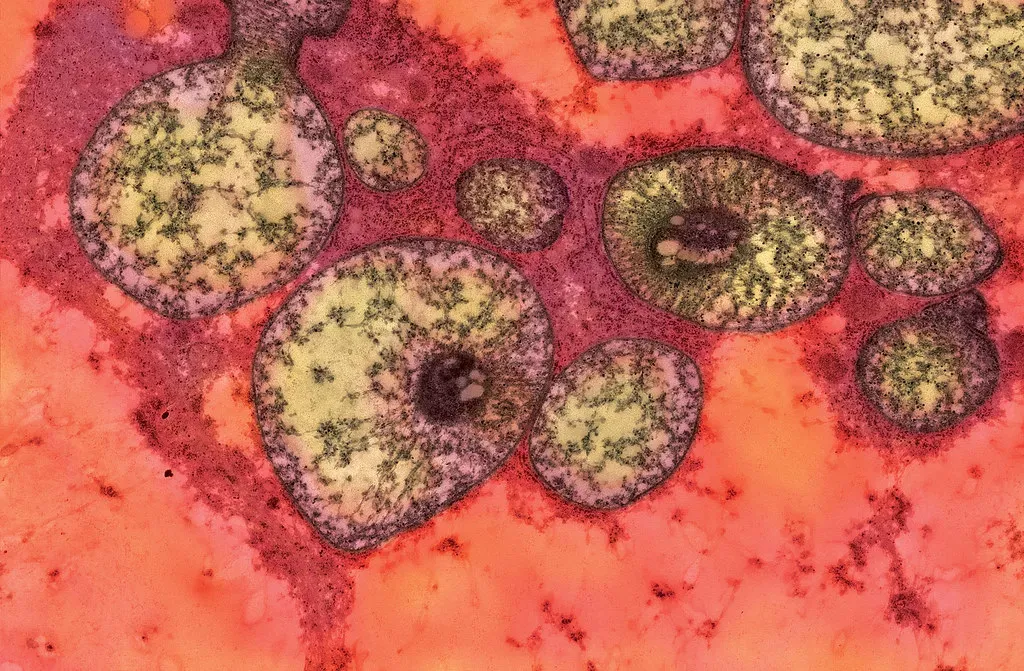
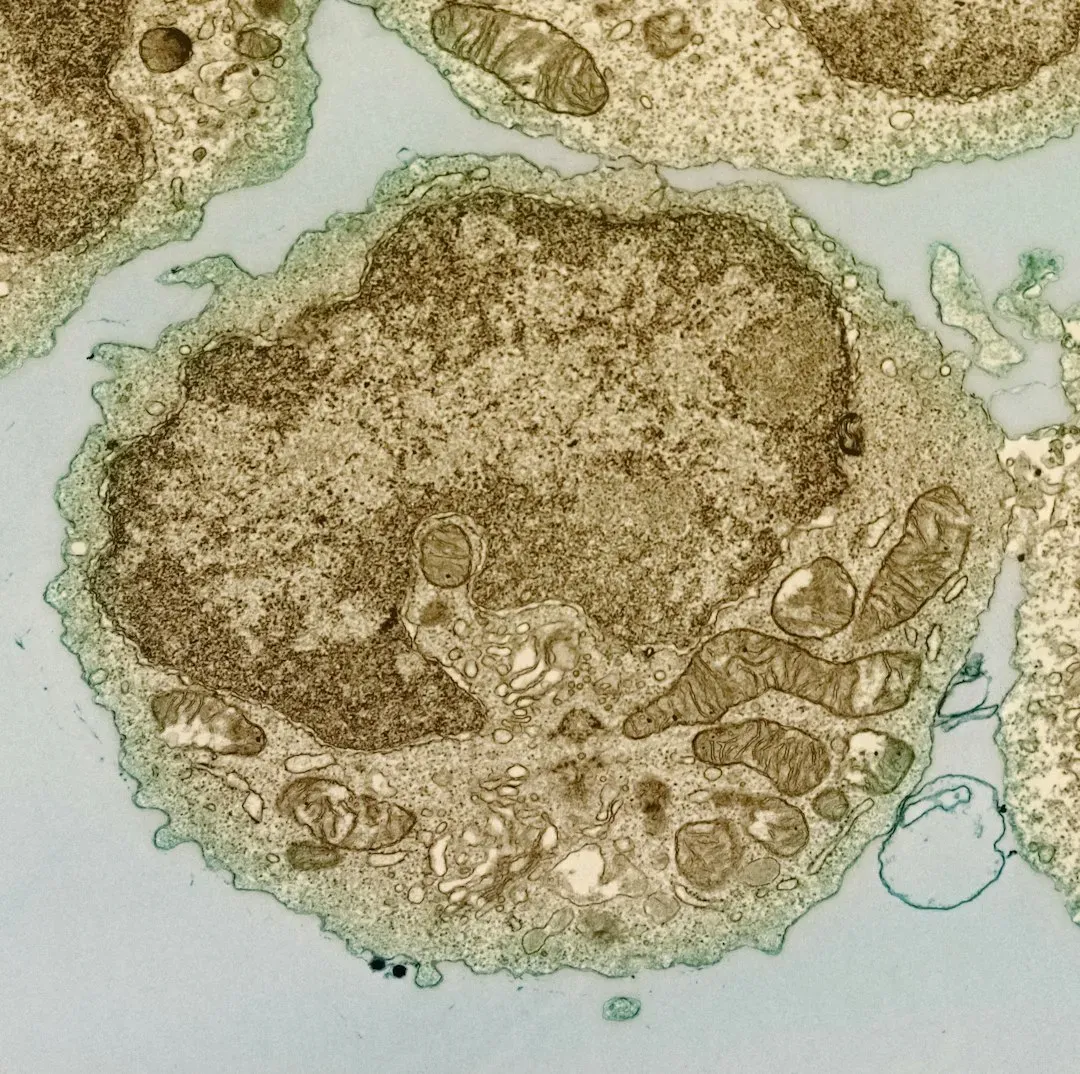
You were probably told in school that the mitochondria is “the powerhouse of the cell.” Fair enough, but it is so much more than that label suggests. Apart from regulating cellular energetics, mitochondria also play an essential role in intracellular calcium signaling, thermogenesis, apoptosis, generation of reactive oxygen species, and regulation of oxidative stress response. It’s like calling a Swiss Army knife “a blade.” Technically accurate, deeply incomplete.
Any defect or deficit in mitochondrial number and function might be responsible for cellular damage. Mitochondrial dysfunction has been reported to be associated with aging and almost all chronic aging-associated diseases through reduced ATP production, alteration in the regulation of apoptosis, increased reactive oxygen species production, and defective calcium signaling. When the powerhouse falters, the entire city goes dark. Nuclear DNA damage accumulates with aging and contributes to aging-associated diseases, and signaling from the nucleus to mitochondria has a crucial role in regulating mitochondrial function and aging. The relationship between your DNA and your mitochondria is essentially a two-way radio constantly broadcasting updates, some good, some very bad.
Apoptosis: The Art of Dying Gracefully
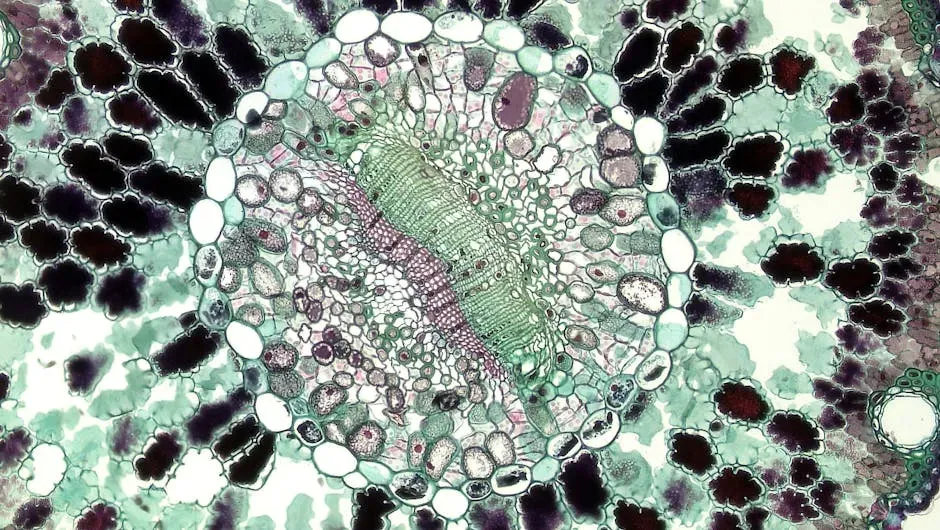
Here is something that sounds counterintuitive. Your cells are built, at least in part, to die. Not randomly, not from failure, but deliberately, as part of a plan. Apoptosis is a homeostatic mechanism essential in controlling cell death, maintaining the average cell turnover, embryonic development, effective immune system functioning, maintaining cellular and tissue homeostasis, maintaining cell growth, differentiation, and tissue repair. Without it, you would not have separate fingers. Seriously.
Apoptosis is also essential for normal embryological development. In vertebrates, for example, early stages of development include the formation of web-like tissue between individual fingers and toes. During the course of normal development, these unneeded cells must be eliminated, enabling fully separated fingers and toes to form. A cell signaling mechanism triggers apoptosis, which destroys the cells between the developing digits. It’s a stunning example of destruction serving creation. Apoptosis allows a cell to die in a controlled manner that prevents the release of potentially damaging molecules from inside the cell, but in some cases, such as a viral infection or uncontrolled cell division due to cancer, the cell’s normal checks and balances fail. When the brakes on this system break, the consequences can be catastrophic.
DNA Damage, Repair, and the Clock of Aging
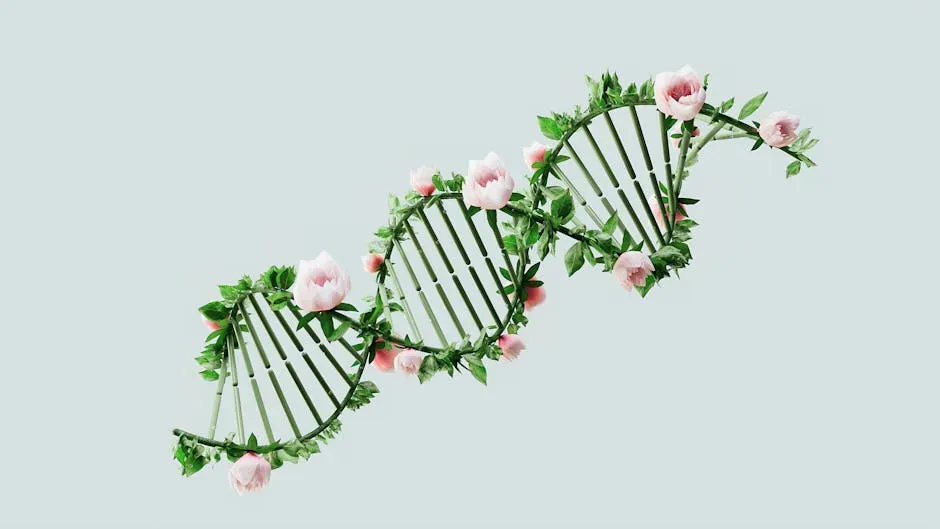
Every day, billions of tiny acts of damage are inflicted on the DNA inside your cells. It’s hard to say for sure exactly how many, but research suggests an enormous number. Every day, over a hundred thousand mutations occur in the genome, and these mutations can be repaired by several mechanisms such as base excision repair, nucleotide excision repair, interstrand crosslink repair, non-homologous end joining, and homologous recombination. Your body is, in this sense, in a constant state of self-repair. The question is how long it can keep up.
To combat threats posed by DNA damage, cells have evolved complex and finely regulated mechanisms collectively referred to as the DNA damage response, which detects DNA lesions, signals their presence, and promotes their repair. However, according to the genome maintenance hypothesis of aging, DNA repair can itself be subject to age-related changes and deterioration, allowing accumulation of damages. DNA damage contributes to aging via cell-autonomous events such as causing apoptosis, which depletes functional cells such as neurons, and via cell non-autonomous mechanisms such as triggering senescence, which can negatively impact the function of neighboring, undamaged cells. In other words, one damaged cell can become a problem for its neighbors, like a small fire spreading through dry grass.
Mapping the Aging Body: The Cellular Atlas That Is Rewriting What We Know
Here is where it gets genuinely jaw-dropping. In February 2026, researchers at The Rockefeller University published what may be the most detailed cellular snapshot of aging ever created. Scientists built a massive cellular atlas showing how aging reshapes the body across 21 organs, and by studying nearly 7 million cells, they found that aging starts earlier than expected and unfolds in a coordinated way throughout the body. That phrase, “coordinated way,” is the part that should stop you in your tracks. Aging is not random drift. It looks more like choreography.
Many aging-related changes are synchronized across organs, suggesting that systemic signals coordinate how the body ages rather than organs aging independently. About 40 percent of aging-associated cellular changes are sex-dependent, with females showing broader immune activation with age, potentially explaining higher rates of autoimmune disease in women. One thousand of those changes were seen across many different cell types, once again pointing toward shared biological programs that drive aging throughout the body. Many shared areas were linked to the immune system, inflammation, or stem cell maintenance. The implications of this research are enormous, potentially pointing toward entirely new approaches for treating age-related disease, not one organ at a time, but across the whole system at once.
Conclusion: Listening Carefully to the Symphony
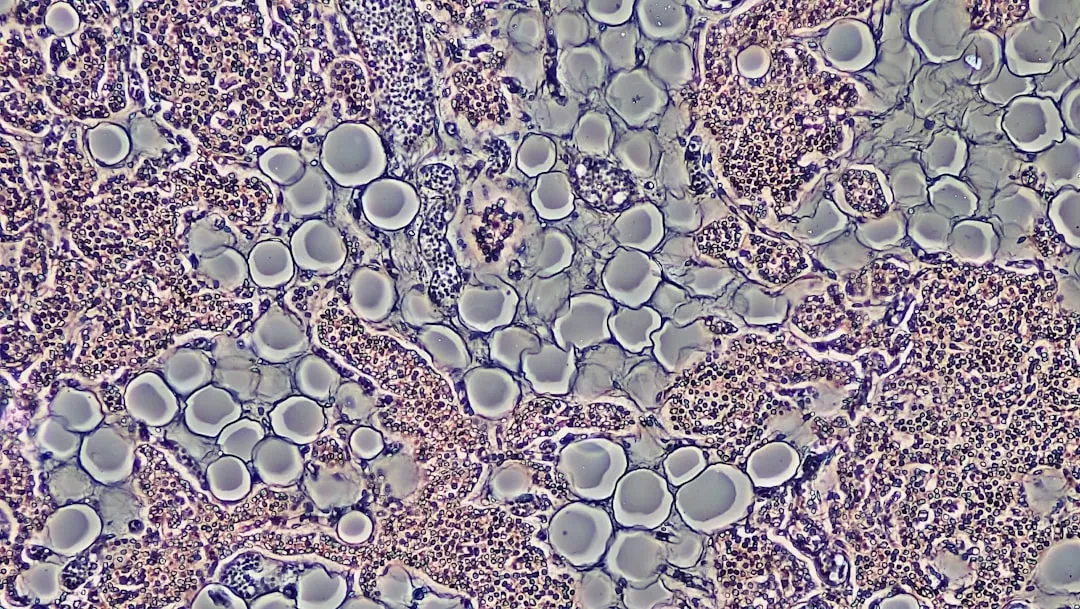
What you’ve just explored is only a fraction of the astonishing complexity operating inside you, right now, without any effort or awareness on your part. Each cell is not just a building block. It is a listening, responding, deciding, and sometimes sacrificing participant in the most elaborate biological symphony ever assembled. The science of cell biology, especially in 2026, is peeling back layer after layer of this performance with ever-finer tools and ever-bolder questions.
From the chemical messages firing between cells, to the precise timing of programmed cell death, to the revelatory discovery that aging across your entire body may be coordinated rather than random, the story of your cells is the story of life itself. The deeper you look, the more extraordinary it becomes. So here’s a thought to leave you with: if your own body operates with this level of breathtaking complexity without you even thinking about it, what else might be happening right under the surface of things you think you already understand? What do you think? Share your thoughts in the comments below.