
In the grand tapestry of Earth’s history, countless species have come and gone, yet some ancient creatures have triumphantly evaded extinction, thriving through epochs that witnessed the rise and fall of empires. Their stories of endurance are remarkable, offering insights into the resilience and adaptability that have allowed them to survive through cataclysmic changes. This article explores these tenacious survivors, examining how their unique adaptations have helped them endure in an ever-changing world.
Introduction to Ancient Species Survival
When we consider evolutionary success, a few remarkable species stand out, having survived multiple mass extinction events that wiped many of their contemporaries from existence. These ancient survivors are living testimonies to the power of adaptation, having demonstrated remarkable resilience over millions of years. Understanding these species can provide not only a window into the past but also clues to enduring future challenges.
Notable Ancient Survivors

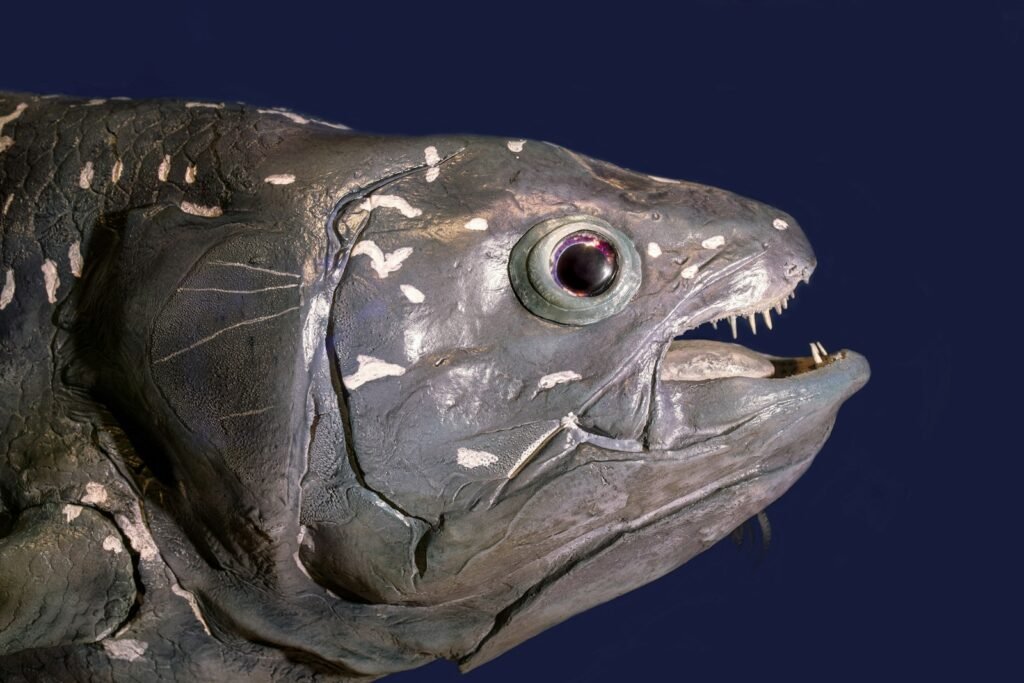
Ancient survivors, such as horseshoe crabs, coelacanths, and the nautilus, have thrived while other species faded. Their existence today offers a glimpse into history’s pages, showcasing the tenacity of life to endure against all odds.
The Role of Adaptation in Survival
Adaptation is a key determinant in a species’ ability to survive. Those that have endured possess unique traits that allowed them to adapt to changes in climate, food availability, and habitat. Their physiological and behavioral flexibility has been crucial for maintaining stable populations through shifting environmental conditions.
Horseshoe Crabs: Ancient Mariners

Often referred to as “living fossils,” horseshoe crabs have persisted for more than 450 million years. Their hard exoskeleton, minimal metabolic requirements, and a unique blood that has medicinal applications exemplify biological success. These characteristics have enabled them to thrive in both marine and coastal environments.
Coelacanths: The Rediscovered Wonders
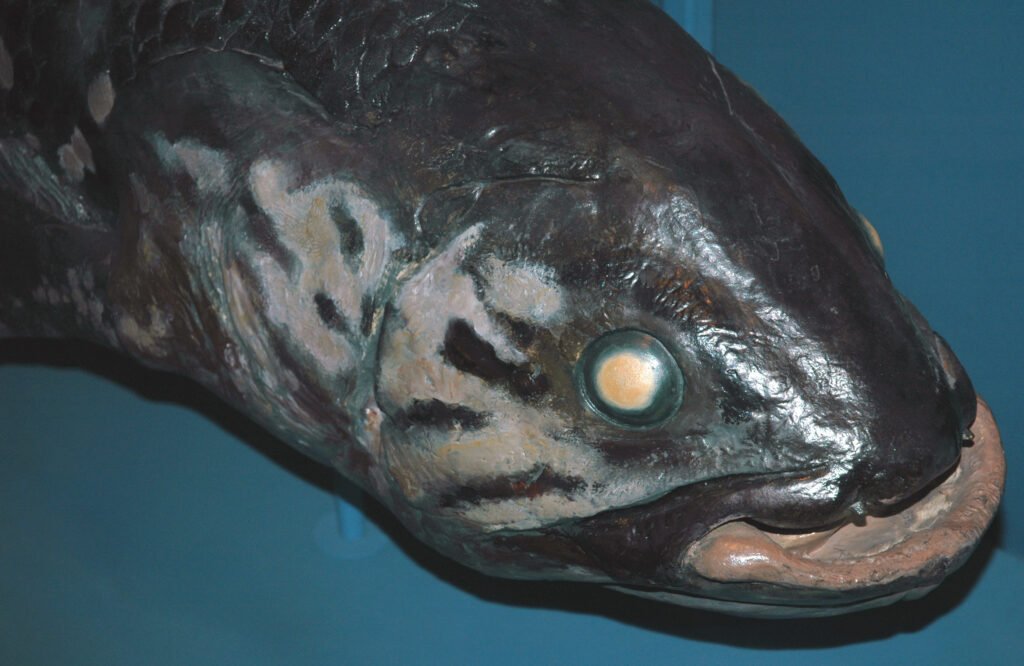
Once thought extinct, coelacanths made headlines with their rediscovery in 1938. These deep-sea dwellers have distinctive limb-like fins that hint at the evolutionary transition from sea to land. Their ability to live in deep, stable ocean habitats has contributed to their survival, keeping them safe from many environmental changes above.
Nautilus: The Last Cephalopod of Its Kind

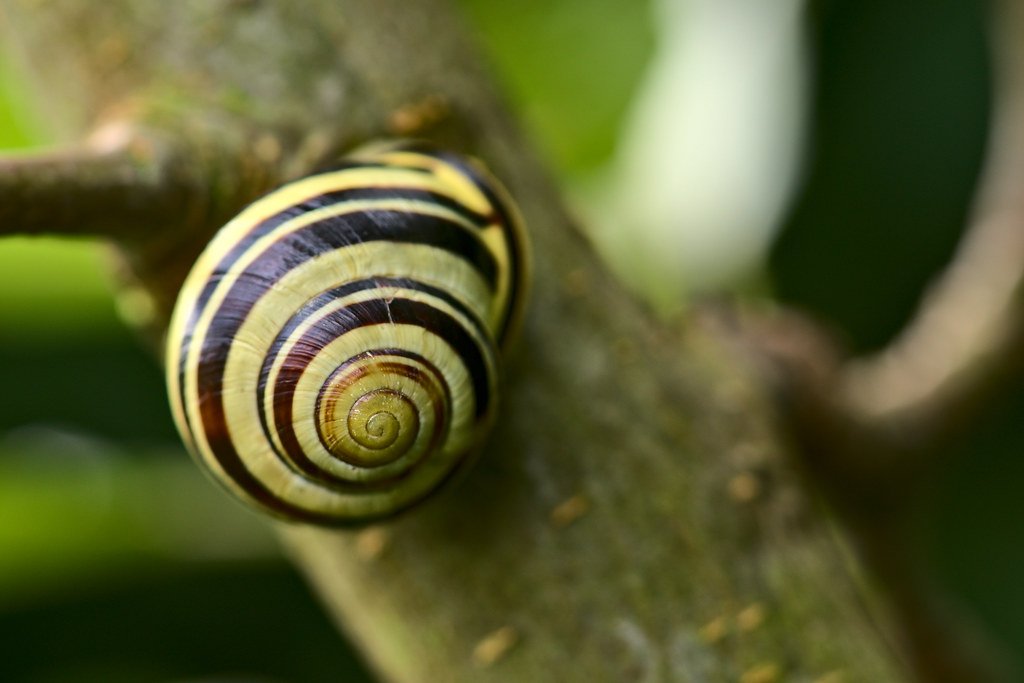
The nautilus, with its spiral shell and buoyancy control, is a master of the deep sea. Able to regulate gas and water within its shell chambers, it can navigate through various depths, avoiding predators and finding food—traits that have kept it alive for over 500 million years.
Shielded Survivors: Crocodilians
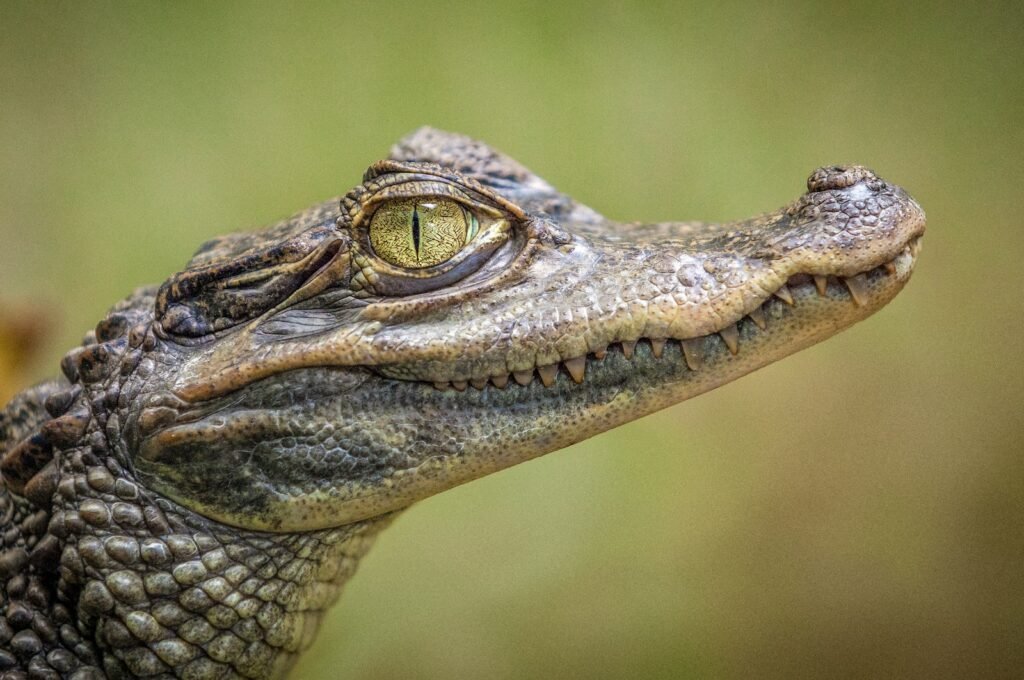
Crocodilians, including alligators and crocodiles, have weathered environmental upheavals due to their armored skin, powerful jaws, and temperature tolerance. These robust reptiles are opportunistic feeders, capable of enduring periods of food scarcity, aiding their persistence since the age of dinosaurs.
Ginkgo Biloba: The Resilient Tree

Bearing the title of ‘living fossil,’ the ginkgo tree is the only remaining member of a group that dates back over 200 million years. Its resilience is attributed to disease resistance, adaptability to diverse climates, and reproductive versatility, ensuring its continued presence from ancient forests to urban landscapes today.
Sturgeon: Relics of the River
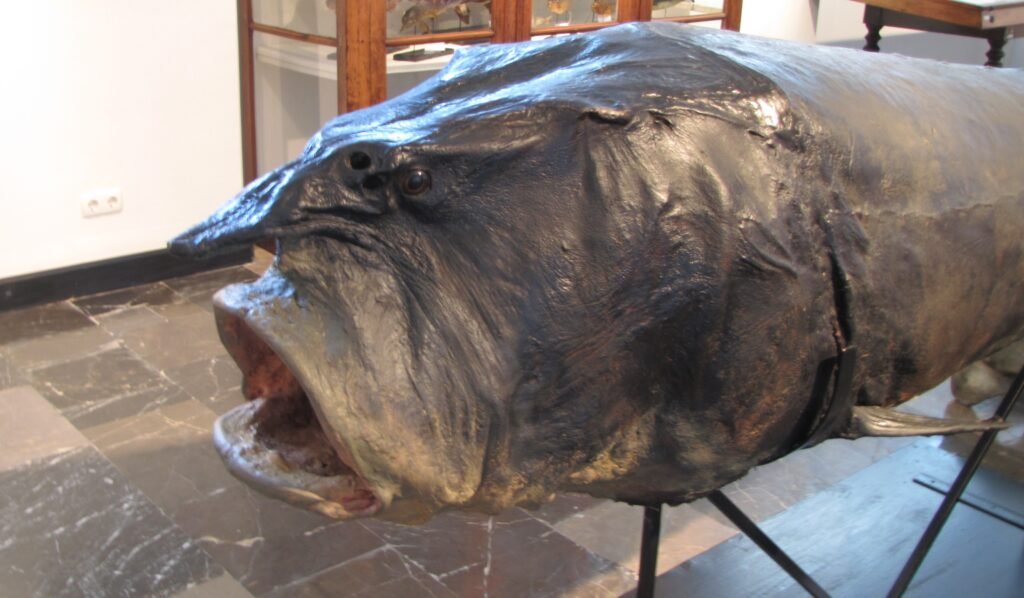
Sturgeons are ancient fish known for their slow growth and long lifespan. Their habitat versatility, spanning from freshwater rivers to coastal areas, along with their ability to adapt their feeding habits, has sustained them through significant ecological changes over 200 million years.
How Environmental Niches Aid Survival

Species that occupy specialized environmental niches, where competition is limited and stability is greater, tend to survive longer. For instance, the extremophiles that thrive in Earth’s most inhospitable conditions—such as hydrothermal vents—demonstrate how exploiting unique habitats can be a winning survival strategy.
The Impact of Human Activity

Unfortunately, current biodiversity is under significant threat from human activity, such as habitat destruction, pollution, and climate change. Those species that have survived natural cataclysms could face unprecedented challenges if conservation efforts are not intensified.
Conservation Efforts and Future Survival

Understanding the survival mechanisms of ancient species emphasizes the importance of conservation. Protecting these living fossils requires global collaboration to ensure that they continue to be part of Earth’s biodiversity. Efforts include habitat protection, pollution reduction, and responsible utilization of natural resources.
Conclusion: Lessons from Earth’s Resilient Veterans

The enduring presence of ancient species in our modern world underscores nature’s resilience and ingenuity. By studying these remarkable survivors, we learn not just about Earth’s history but also about the factors crucial for life’s persistence. As we look to the future, conserving these biological treasures becomes imperative, supporting the continuity of life in the changing dynamics of our planet.