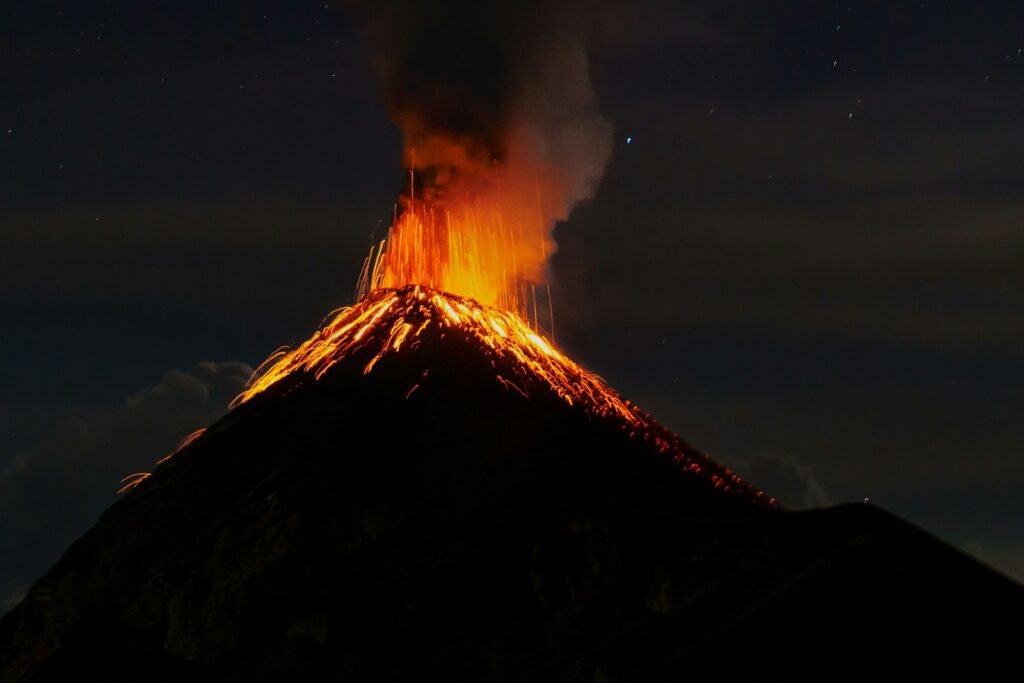

The ground is whispering again on the Bay of Naples, and scientists are leaning in. Supervolcanoes don’t erupt often, but when their systems stir, entire regions pay attention. In 2025, one caldera has moved from background noise to front-page vigilance, pulling together new instruments, new models, and a sobering trove of historical lessons. The mystery is not whether it will explode tomorrow; it’s how to read the signals today, so people living above the magma’s ghost can plan for an ordinary week. That tension between uncertainty and preparedness is where the story sits – alive, data-rich, and very human.
The Hidden Clues
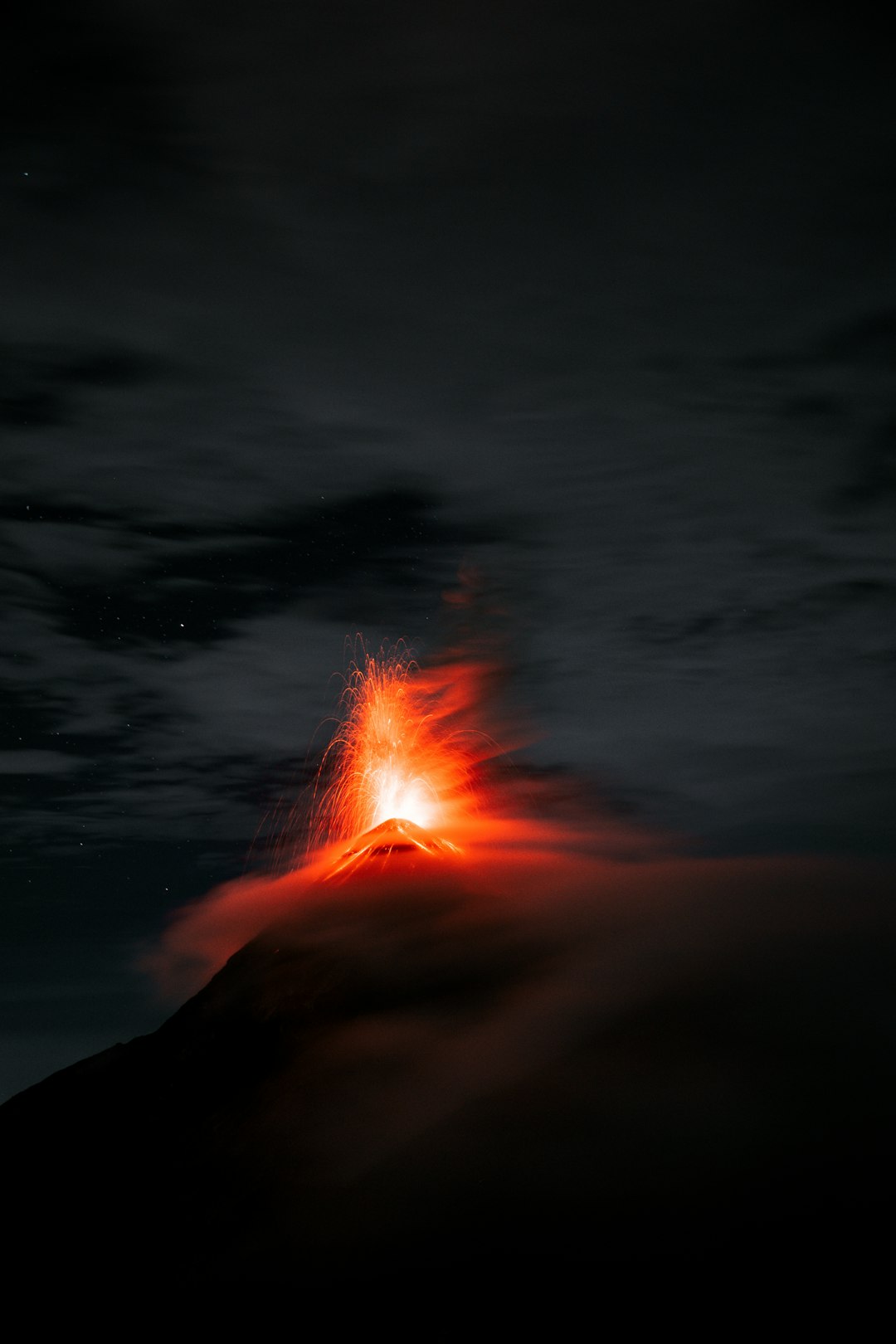
What if the next big volcanic drama isn’t a cinematic blast, but a slow, nerve-prickling rise you can measure in millimeters? Caldera systems like to tug the ground up and down in long, breathlike cycles, producing swarms of tiny quakes and subtle changes in gases that smell like matches and rotten eggs. To a seismometer, those are breadcrumbs; to a city planner, they are calendar entries. I still remember walking over warm pavement near Solfatara years ago and feeling, faintly, as if the earth were idling underfoot. Once you’ve felt that hum, you understand why the instruments never sleep.
Scientists call this long-game behavior unrest, not eruption, and the difference matters. Unrest is the backstage rehearsal: shaking in clusters, land rising or sinking, fumaroles heating, sometimes for months or years. The trick is spotting when rehearsal begins to rewrite the script, and that means tracking many signals at once, over long periods, with eyes that never blink. It is patience, pattern recognition, and a willingness to be surprised.
What Exactly Is a Supervolcano?
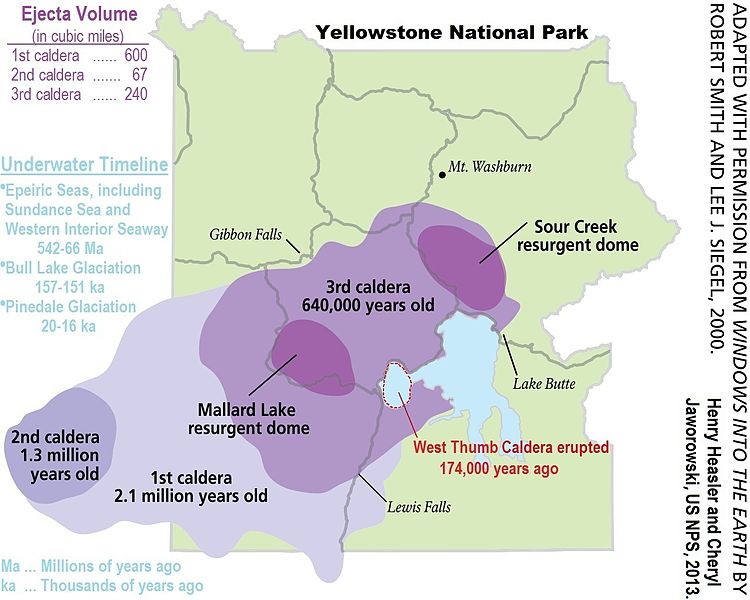
The term “supervolcano” describes a volcanic system capable of truly colossal eruptions – events that eject on the order of a thousand cubic kilometers of material and leave behind a vast, collapsed bowl called a caldera. You can think of it as a pressure cooker that, in rare geologic moments, vents the kitchen and knocks out the walls. Famous examples include Yellowstone in the United States, Toba in Indonesia, Taupō in New Zealand, and Campi Flegrei in Italy. Most days, these places are quiet landscapes of lakes and steam, their worst memories written in buried ash layers and distant rock formations.
What makes them super is not constant drama but capacity. A caldera’s plumbing spans deep, mushy magma bodies, dense fracture networks, and sprawling hydrothermal systems. That complexity is a blessing and a headache: it gives scientists many dials to watch, but it also means no single gauge tells the whole story. So the definition is less a label of imminent danger and more a reminder to measure carefully and communicate clearly.
From Ancient Tools to Modern Science
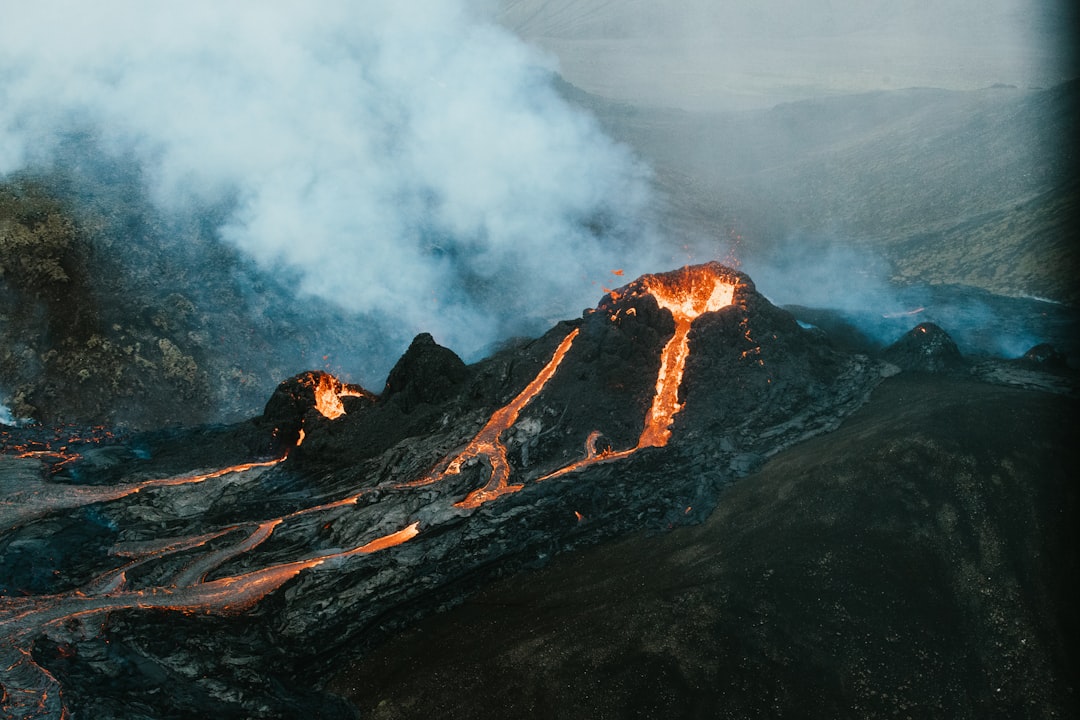
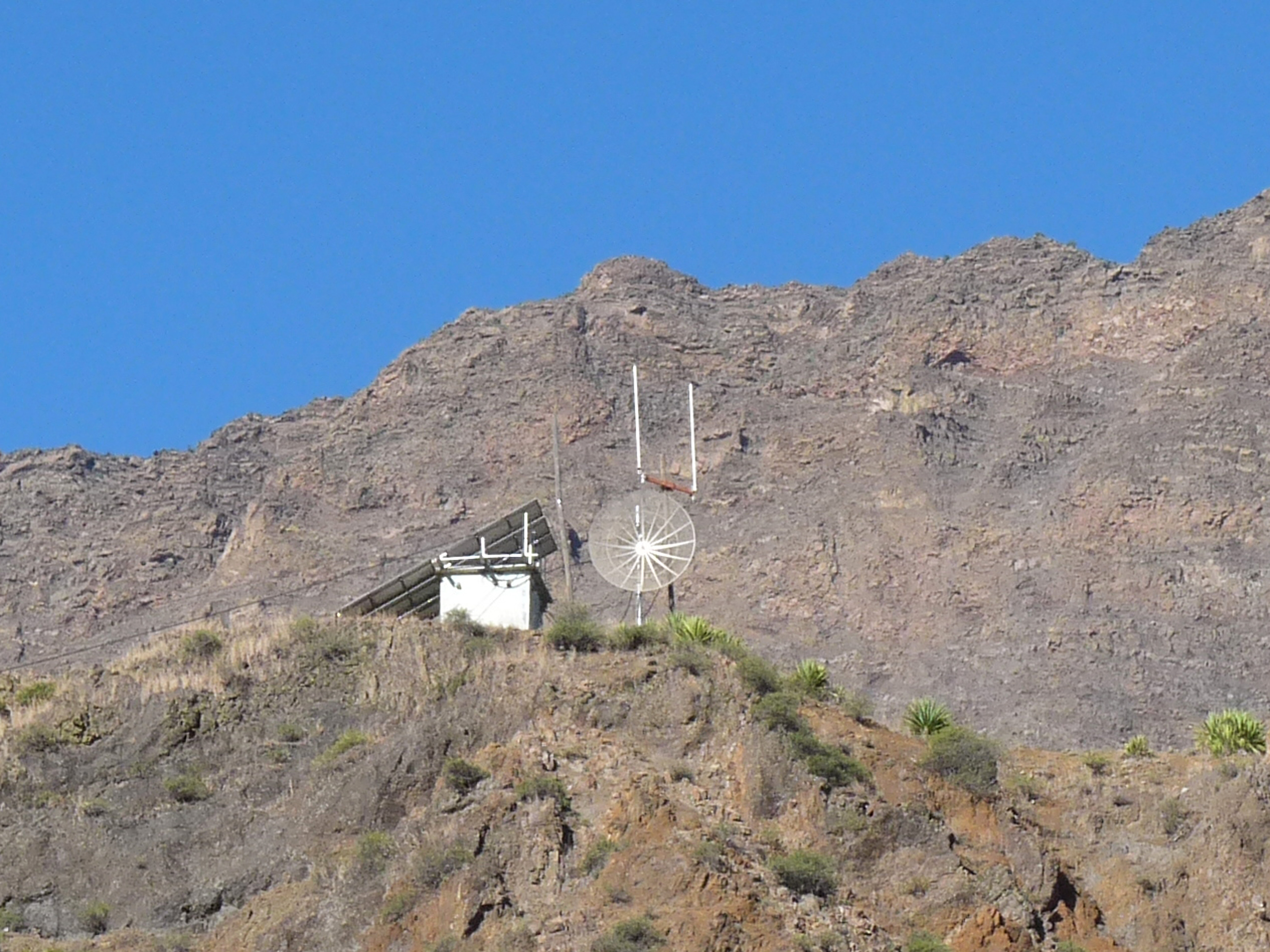
Volcano watching evolved from hand-drawn smoke sketches to a digital web of sensors, satellites, and machine learning models. Global Positioning System stations and satellite radar map ground motion to within centimeters, while seismometers catch even the tiniest cracks reverberating through hot rock. Gas stations sniff out carbon dioxide and sulfur-rich fumes, and thermal cameras watch for fever spikes across fumarole fields. In 2025, observatories publish routine bulletins, and response plans are refreshed to explain how data turns into decisions the public can trust. Yellowstone’s observatory, for instance, updated its operational plan this June to outline how scientists coordinate monitoring and risk communication when hydrothermal systems act up. ([usgs.gov](https://www.usgs.gov/observatories/yvo/news/yvos-plan-responding-future-geological-hazards-yellowstone-national-park?utm_source=openai))
The big shift is not just more data – it’s faster, smarter integration. Algorithms flag anomalies in real time, dashboards fuse different signals, and field teams ground‑truth models with boots, notebooks, and thermocouples. The goal is simple to state and hard to achieve: reduce the gap between a system’s subtle change and the human choices that depend on it.
The Site Under Watch: Campi Flegrei in 2025
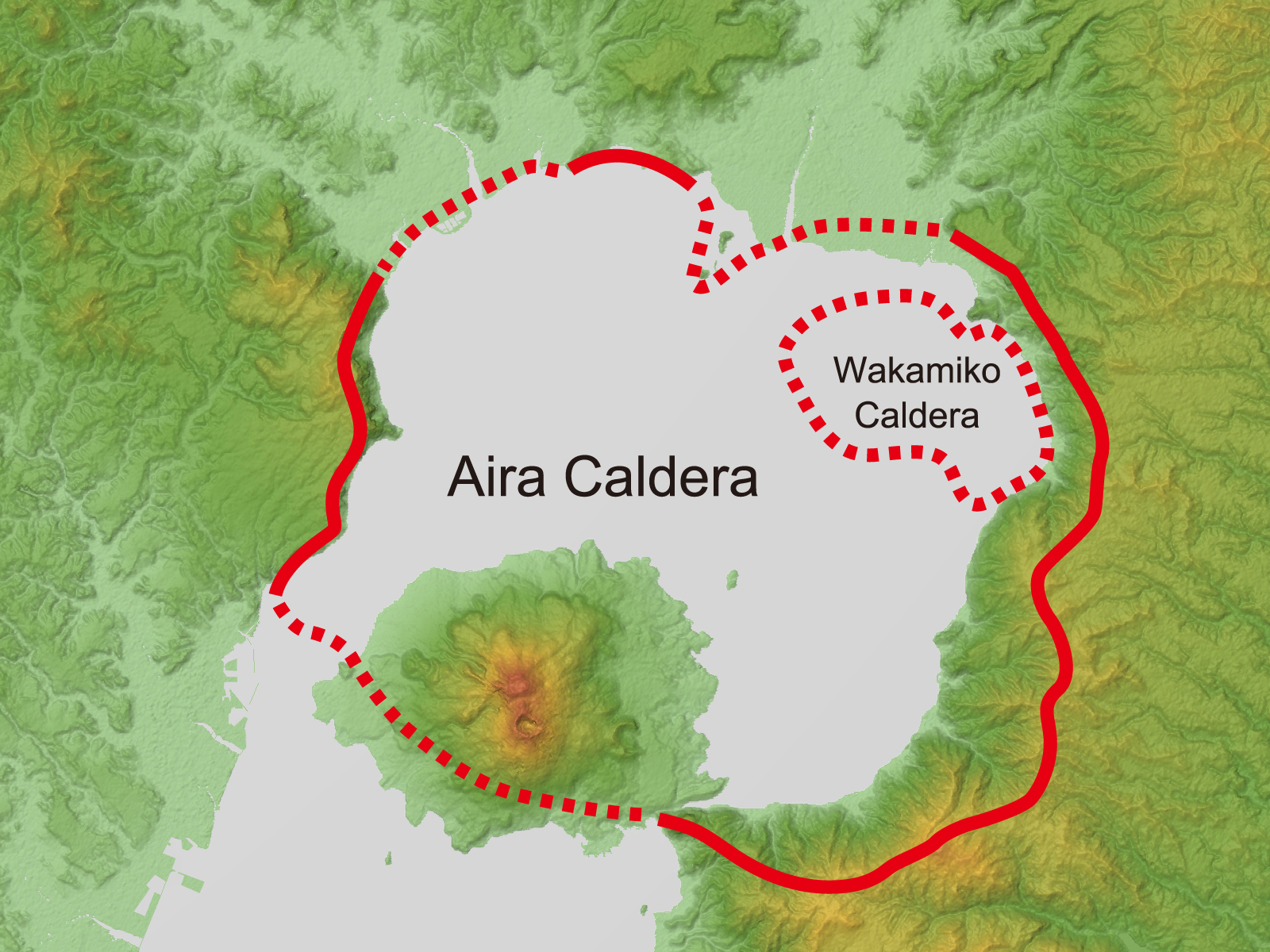
Campi Flegrei, the caldera west of Naples, is the one scientists are watching most closely right now. Weekly bulletins in October reported ongoing seismic swarms – roughly one to two hundred small quakes per week – while land uplift held near roughly one and a half centimeters per month and fumaroles at Pisciarelli hovered near the mid‑90s Celsius. Those are not apocalypse numbers, but they are not trivial either; they say the system remains under pressure. In the last two years, several stronger events rattled the region, including magnitude 4-class quakes in May 2024, and September 2024, reminders that shallow shaking can crack plaster and nerves long before any ash darkens the sky. ([uisjournal.com](https://uisjournal.com/campi-flegrei-a-seismic-swarm-and-135-earthquakes-with-a-magnitude-of-up-to-2-9-the-ingv-bulletin/?utm_source=openai))
October’s week-by-week details feed the risk picture: for the period of October 13–19, instruments logged about 135 quakes with a maximum magnitude around 2.9, following a previous week with about 166 events up to magnitude 2.5. Hypocenters stayed shallow – on the order of one to three kilometers deep – typical of bradyseism, the slow inflation that lifts streets and strains old masonry. In short, the pot is warm and steaming, but not boiling over. That’s precisely when vigilance matters most. ([uisjournal.com](https://uisjournal.com/campi-flegrei-a-seismic-swarm-and-135-earthquakes-with-a-magnitude-of-up-to-2-9-the-ingv-bulletin/?utm_source=openai))
The Warning Signs Scientists Track
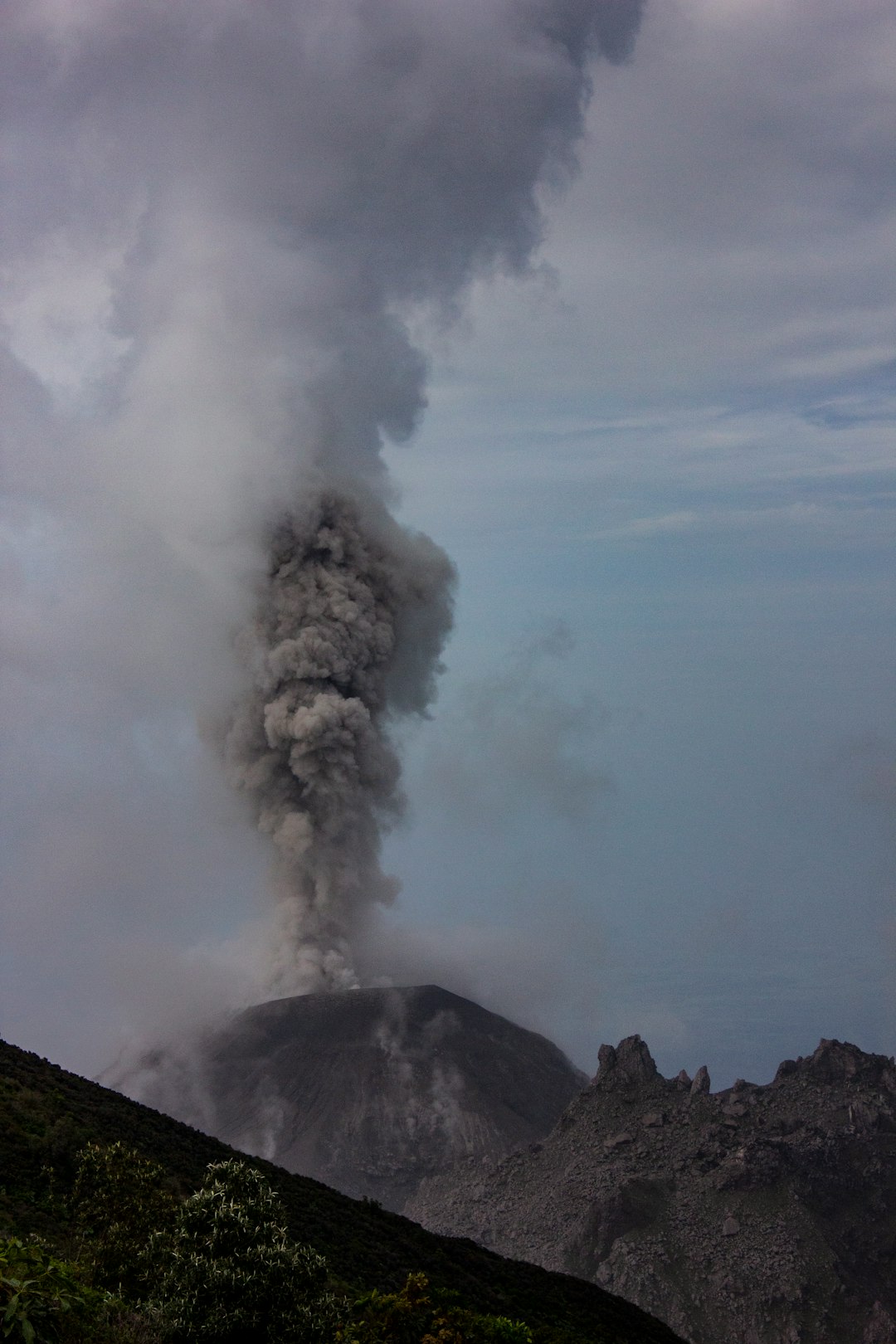
Think of Campi Flegrei as a system of springs and fractures, valves and kettles, where pressure can travel faster than magma. Scientists watch for swarms of small earthquakes, especially if they cluster along known faults or migrate upward. They map ground deformation via GPS and InSAR, looking for accelerating uplift or a change in pattern. They sample gases for shifts in carbon dioxide, sulfur dioxide, and hydrogen sulfide ratios, and they monitor fumarole temperatures for sustained increases. In recent work, researchers also quantified how uplift and earthquake counts rise together over multi‑year spans, helping set context for today’s pace. ([ingv.it](https://www.ingv.it/en/press-and-urp/Press/Press-releases/5660-Phlegraean-Fields-quantified-the-relationship-between-ground-uplift-and-seismic-activity?utm_source=openai))
New tools sharpen those eyes. In September 2024, a Science study using AI on INGV data revealed tens of thousands of previously undetected microquakes since 2022 and highlighted a ring‑shaped fault system beneath Pozzuoli, a structure that could host stronger, shallow shaking even without magma racing upward. That finding doesn’t forecast an eruption; it refines where stress may concentrate and why residents sometimes feel surprisingly sharp jolts. When paired with continuous gas and deformation data, this higher‑definition seismic map helps officials calibrate building checks, transport plans, and communication. ([ingv.it](https://www.ingv.it/en/press-and-urp/Press/Press-releases/5794-Phlegraean-Fields-applied-artificial-intelligence-to-develop-a-high-definition-seismic-catalog?utm_source=openai))
Why It Matters
This isn’t an abstract puzzle; it’s daily life for a densely populated coastal metropolis. Hundreds of thousands of people live across the caldera’s gentle hills and waterfront neighborhoods, and a sustained sequence of shallow quakes can damage fragile structures, interrupt transport, and fray public trust long before any ash cloud appears. The point of close monitoring is not to cry wolf – it’s to keep the city running safely, with targeted inspections and clear advice when swarms spike. Italy’s civil protection plans have evolved alongside the data, precisely because shallow magnitude‑4 shocks can prompt evacuations even when eruption probability remains low. The calculus is as social as it is geological. ([news.stanford.edu](https://news.stanford.edu/stories/2025/09/ai-model-reveals-hidden-earthquake-swarms-and-faults-italys-campi-flegrei?utm_source=openai))
Comparisons help frame expectations. Yellowstone’s recent hydrothermal disturbances, for example, showed how non‑magmatic explosions and small geysering can occur within a well‑monitored park without signaling imminent volcanism. In Naples, the equivalent is recognizing that bradyseism can stress buildings and nerves for months while staying below any eruption threshold. The science turns anxiety into actions: reinforce, retrofit, rehearse, repeat. That is resilience, one instrument readout at a time. ([mrt.com](https://www.mrt.com/news/article/yellowstone-black-diamond-pool-eruption-20358801.php?utm_source=openai))
The Future Landscape
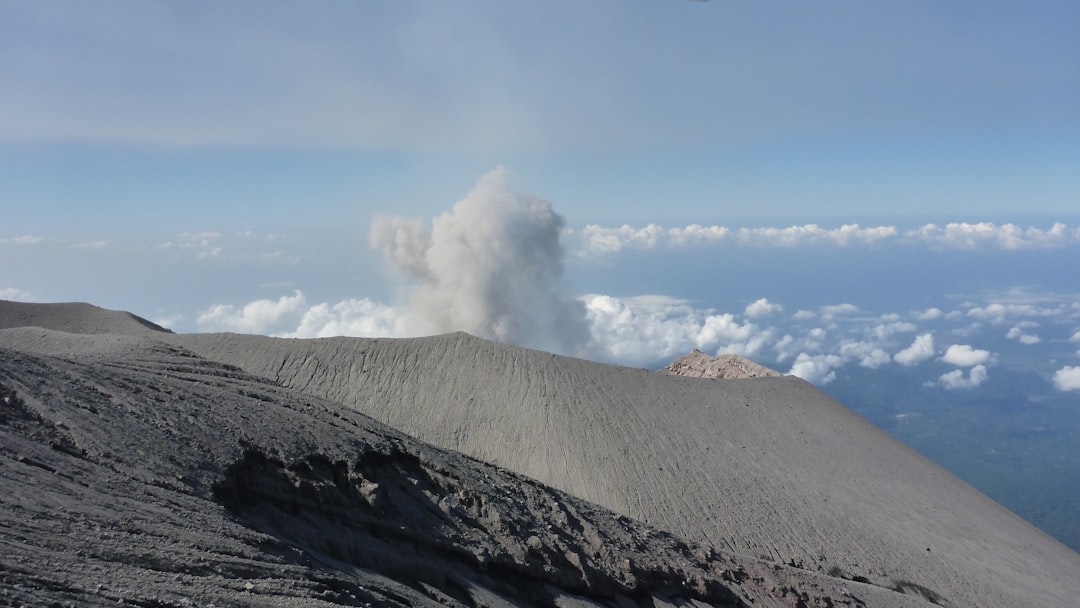
The next wave of volcano watching will be about resolution and speed. Machine learning catalogs microquakes in near real time, while open data pipelines let observatories blend seismic, gas, and deformation streams into unified alerts. Fiber‑optic cables can act like thousands of tiny seismometers; small satellites revisit the same spot every few days; and thermal infrared sensors catch surface heating patterns overnight. At Campi Flegrei, INGV and academic partners are already deploying AI‑aided workflows born from the 2024 Science study, a practical sign that research can harden into operations. These upgrades don’t eliminate uncertainty, but they narrow it. ([news.stanford.edu](https://news.stanford.edu/stories/2025/09/ai-model-reveals-hidden-earthquake-swarms-and-faults-italys-campi-flegrei?utm_source=openai))
Challenges remain. Crowded urban geology complicates interpretations, and false alarms carry real social and economic costs. Planning must account for strong, shallow quakes as much as for volcanism, and for uneven vulnerabilities across neighborhoods. The smart bet is layered defense: better building codes, clear checklists for schools and hospitals, and partnerships that keep scientists, civil authorities, and residents on the same page. The signal is getting clearer; our response needs to keep pace.
Conclusion
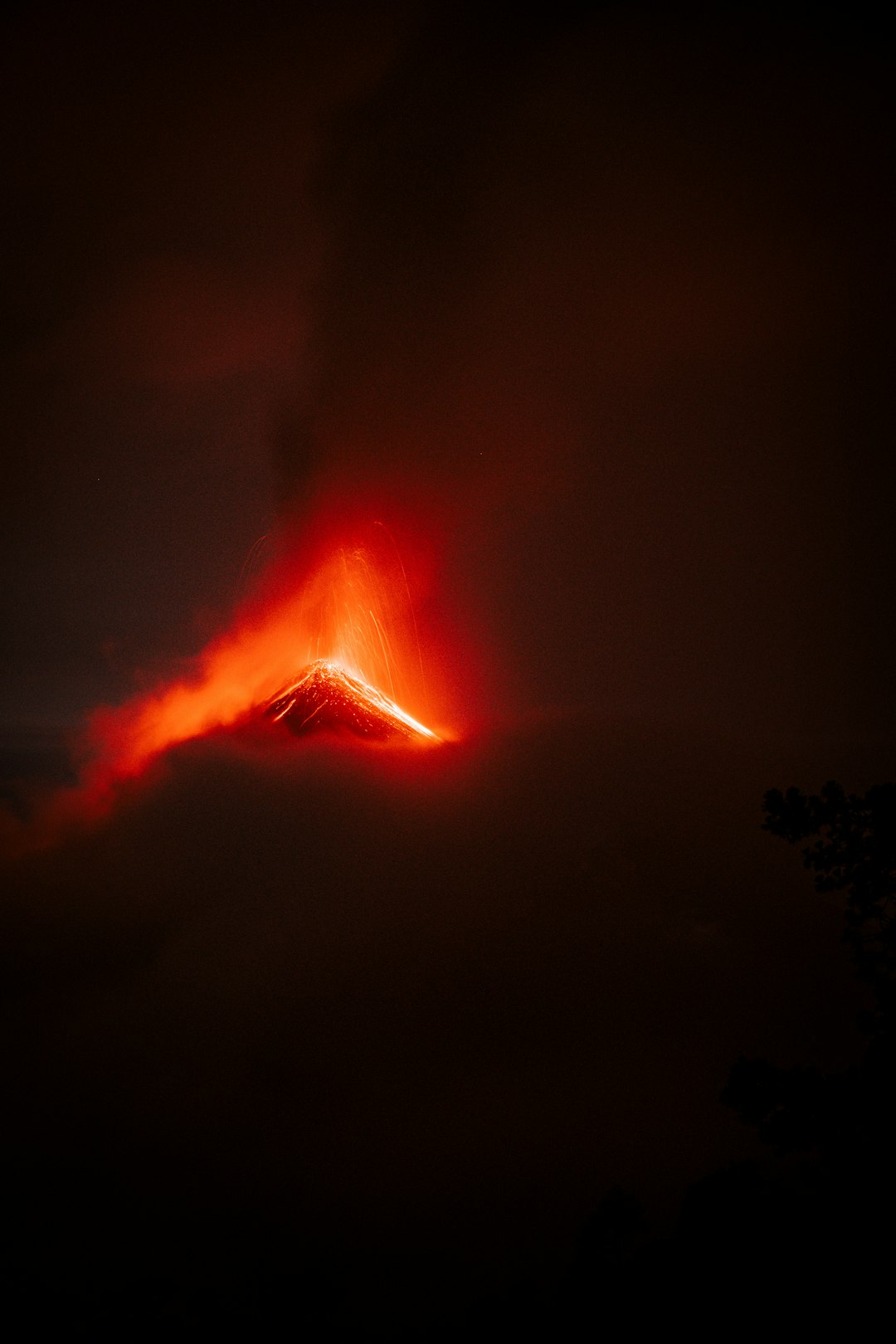
If you live near an active caldera – or simply care about the communities that do – make preparedness boringly routine. Follow your national and local observatories for official bulletins, not rumors; in Italy, that’s the INGV Vesuvian Observatory, and in the United States, the USGS observatories. Support initiatives that fund sensor maintenance, satellite data access, and school‑level preparedness drills; these are the quiet investments that pay off when swarms surge. Learn how to report felt quakes through official apps, and keep a small kit at home with water, a flashlight, copies of documents, and medications. One day of attention now beats one night of uncertainty later.
Engineers, educators, and community leaders can help by translating science into action: schedule building checks after swarms, rehearse evacuation routes without theatrics, and share updates in plain language. The point isn’t to predict the unpredictable; it’s to be ready for the plausible. Did you expect readiness to look this practical?
Suhail Ahmed is a passionate digital professional and nature enthusiast with over 8 years of experience in content strategy, SEO, web development, and digital operations. Alongside his freelance journey, Suhail actively contributes to nature and wildlife platforms like Discover Wildlife, where he channels his curiosity for the planet into engaging, educational storytelling.
With a strong background in managing digital ecosystems — from ecommerce stores and WordPress websites to social media and automation — Suhail merges technical precision with creative insight. His content reflects a rare balance: SEO-friendly yet deeply human, data-informed yet emotionally resonant.
Driven by a love for discovery and storytelling, Suhail believes in using digital platforms to amplify causes that matter — especially those protecting Earth’s biodiversity and inspiring sustainable living. Whether he’s managing online projects or crafting wildlife content, his goal remains the same: to inform, inspire, and leave a positive digital footprint.