
Have you ever stopped to think that the Sun, that constant ball of light in your sky, won’t shine forever? It’s hard to imagine, honestly. Day after day, it rises and sets like clockwork. Yet the star that gives you life is actually on a journey, one that will eventually change everything you know about the solar system.
Your Sun is roughly around four and a half billion years old, placing it comfortably in middle age. Think of it as being at the prime of its life, steadily burning through its fuel supply. What happens next might sound like science fiction, but it’s grounded in solid astrophysics. The transformations ahead are both beautiful and terrifying. Let’s dive in.
The Sun’s Current Phase Won’t Last Forever

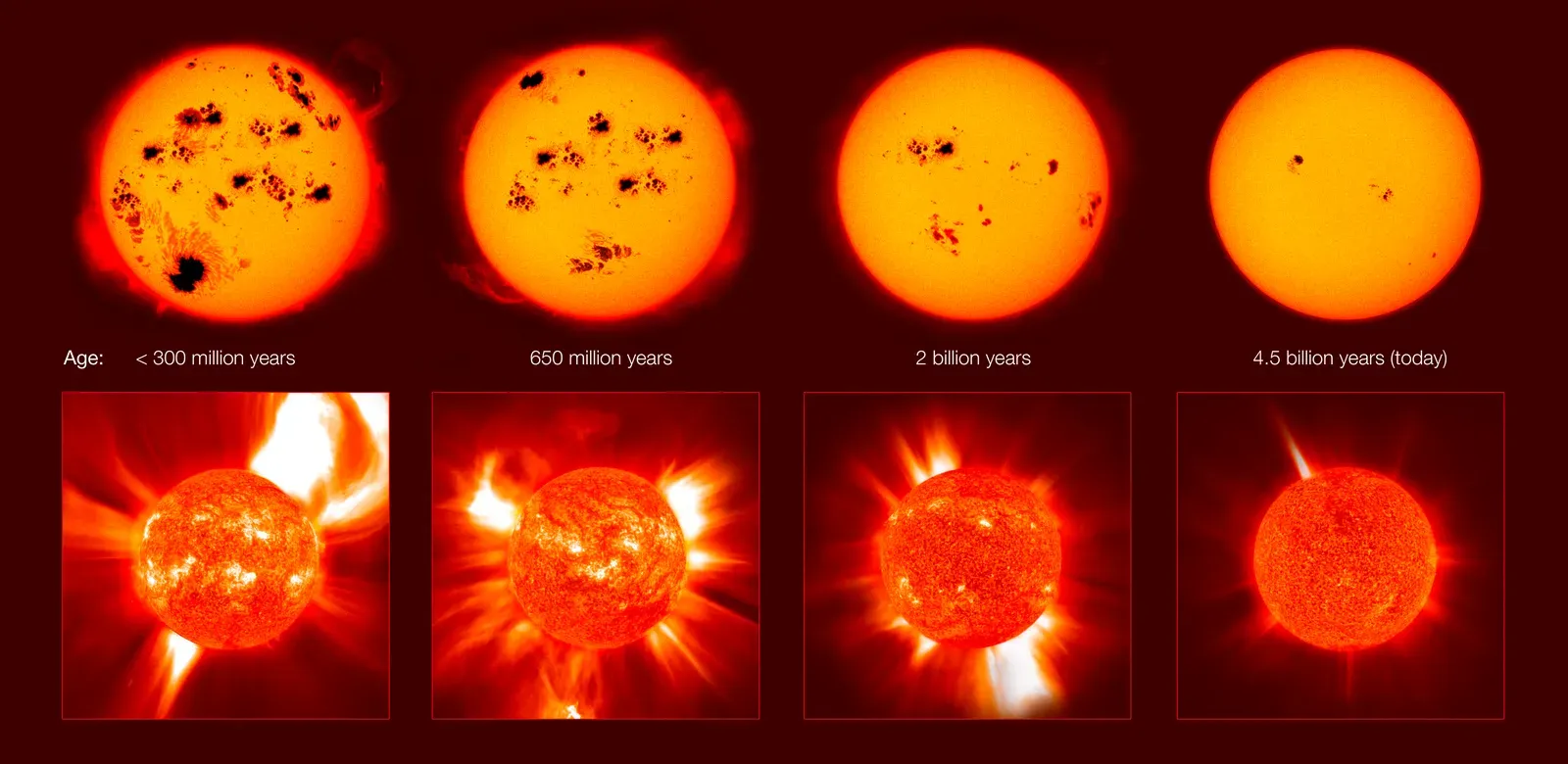
Right now, your Sun is in the most stable phase of its life cycle and has been since the formation of the solar system, roughly four and a half billion years ago. During this main sequence stage, nuclear fusion occurs in the core, converting hydrogen into helium at an astonishing rate. Every single second, the Sun gets through 600 million tonnes of hydrogen, which creates the outward pressure needed to resist gravity’s crushing force. This delicate balance keeps the Sun shining steadily.
Yet this can’t go on indefinitely. In about 5 billion years, the Sun will run out of hydrogen. Once that fuel supply dwindles, the core will lose its ability to support the outer layers. Gravity will start winning the battle, and the Sun will begin its dramatic exit from this comfortable middle age.
Reaching Peak Temperature Before the Big Expansion
Before the Sun swells into something unrecognizable, it will actually get hotter. The Sun will reach a maximum temperature at approximately 8 billion years of age, then it will cool down and increase in size, becoming a red giant star around 10 to 11 billion years of age. This might seem counterintuitive at first, but it makes sense when you think about what’s happening inside.
As hydrogen fusion slows in the core, the core contracts and heats up. The rising temperature kicks off hydrogen fusion in a shell surrounding the core, which generates even more energy than before. This surge of energy pushes the outer layers outward, causing the Sun to expand while paradoxically cooling at the surface. The transformation from a stable yellow star to a bloated red giant will be gradual but inevitable.
The Red Giant Phase Will Devour Inner Planets
Let’s be real: this is where things get apocalyptic. In about 5 billion years the Sun will balloon up into a red giant, consuming Mercury, probably Venus, and maybe even Earth. Picture the Sun expanding to hundreds of times its current size, its outer layers reaching out like grasping fingers into space. By the time the Sun reaches the tip of the red giant branch, it will be about 256 times larger than it is today, with a radius of roughly 1.19 astronomical units.
The Sun will puff up so much that it will melt, evaporate and eat up some of the inner rocky planets, with confidence that Mercury and Venus will be swallowed. Earth’s fate remains uncertain. Some models suggest your planet will be engulfed, while others indicate it might just barely escape. Either way, life as you know it will cease to exist long before then. The intense heat will boil away the oceans and strip the atmosphere into space.
A Brief Window of Habitability for Outer Worlds
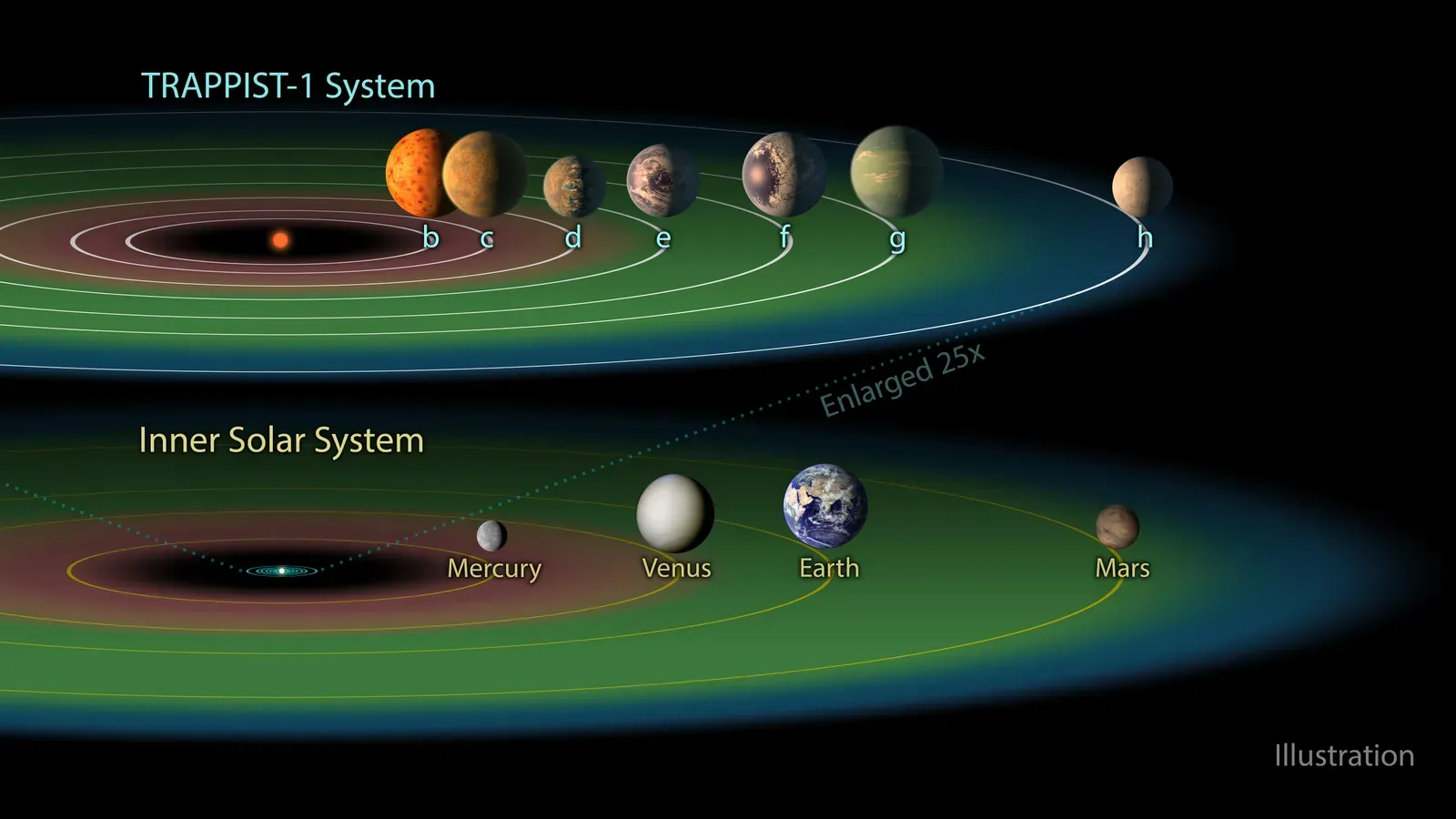
Here’s something fascinating: while the inner solar system faces destruction, the outer reaches might briefly become habitable. When a star morphs into a red giant, it changes its home system’s habitable zone, and because a star remains a red giant for approximately a billion years, it may be possible for life to arise on distantly orbiting planets and moons. Imagine frozen moons like Europa or Enceladus suddenly thawing out.
Saturn’s moon Titan should keep its dense shroud and could enjoy several hundred million years of potentially habitable conditions with liquid oceans of water-ammonia. The temperatures on distant worlds like Pluto could become mild, perhaps resembling tropical climates on present-day Earth. Yet this opportunity for life will be fleeting, lasting only as long as the red giant phase persists before the Sun moves on to its final acts.
The Helium Flash Will Shake the Core
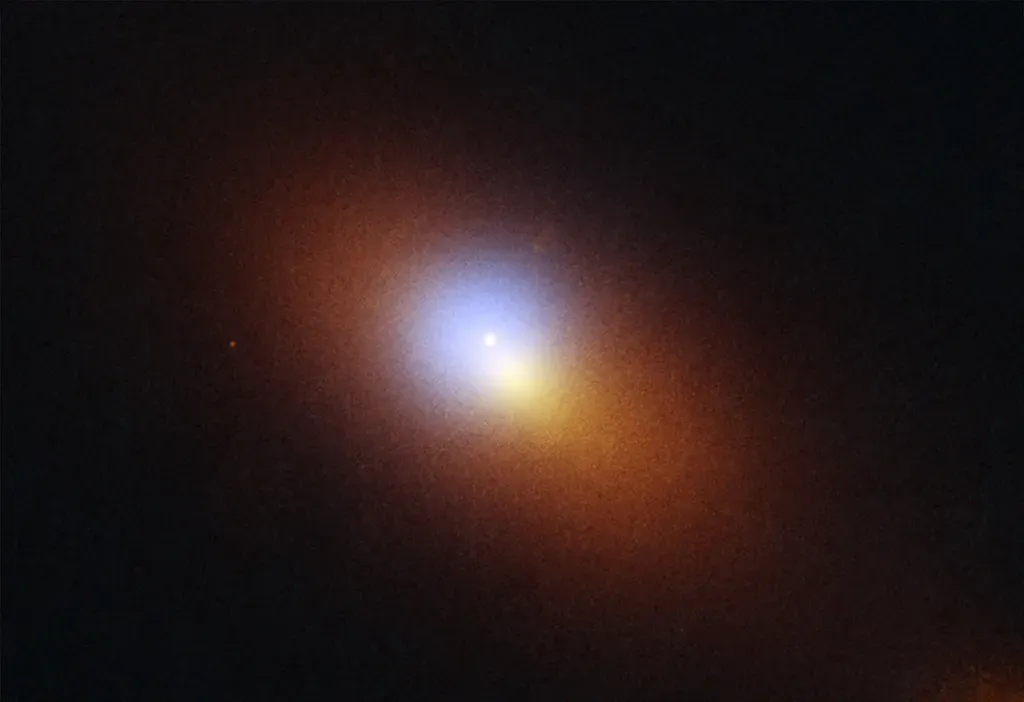
After the red giant phase peaks, something explosive happens deep inside. The core, full of degenerate helium, ignites violently in the helium flash, with an estimated 6 percent of the core – itself 40 percent of the Sun’s mass – converted into carbon within a matter of minutes through the triple-alpha process. Think about that: decades of slow burning suddenly replaced by a flash of intense fusion happening in minutes.
Once the degenerate core reaches a temperature of roughly 100 million Kelvin, hot enough to begin fusing helium to carbon, the entire core will begin helium fusion nearly simultaneously in a so-called helium flash. The Sun then shrinks to around 10 times its current size and 50 times the luminosity, with a temperature a little lower than today. This phase brings temporary stability, but it’s only a pause before the final transformation.
Planetary Orbits Will Drift and Destabilize
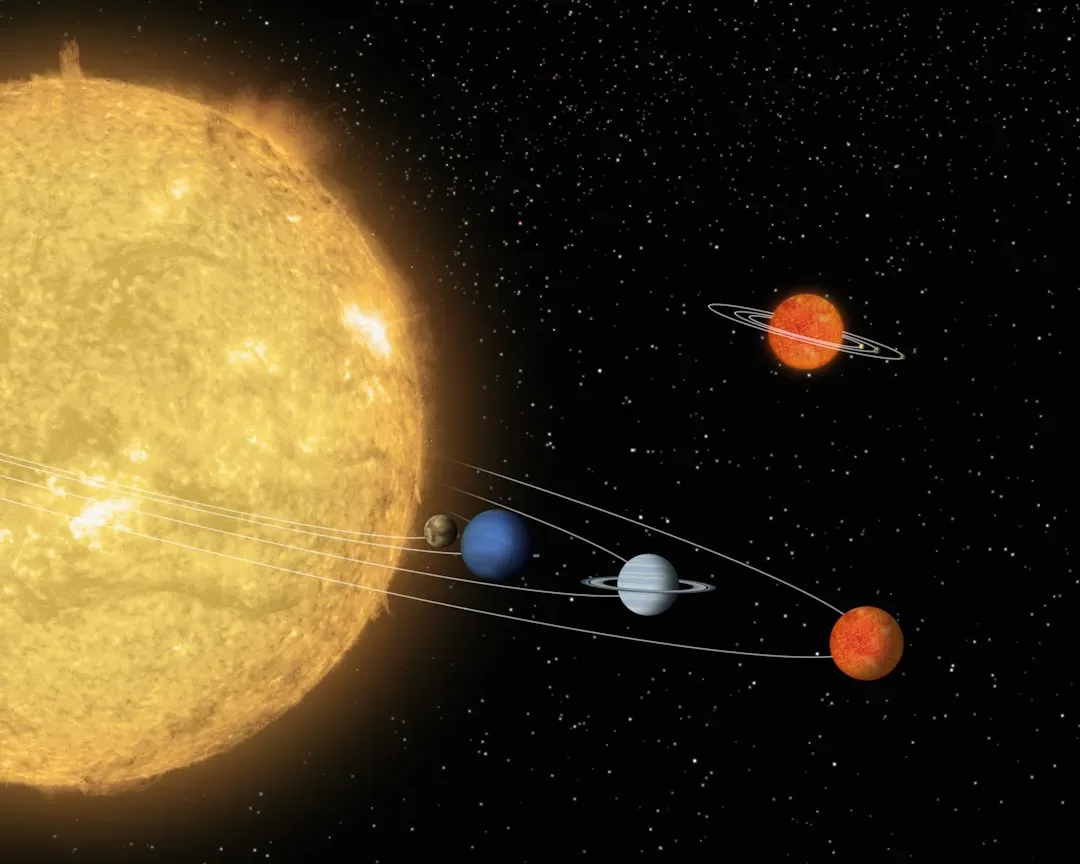
The Sun’s loss of mass will loosen its gravitational grip, potentially causing planets to drift into new orbits or to be ejected from the Solar System entirely. As the Sun sheds material during its red giant phase, roughly half its mass will be expelled into space. This weakening gravitational hold means the remaining planets will feel less pull from the center.
As the red giant loses mass, the star’s gravitational hold on its planets becomes much weaker, so their orbits will expand, with the Sun throwing off about half its mass so the outer planets’ orbits will drift outward, settling twice as far as they are today. Jupiter and Saturn, those gravitational bullies, could wreak havoc on smaller worlds. Some planets might get flung into interstellar space. Others might collide. The orderly solar system you know will become chaotic.
The Birth of a Stunning Planetary Nebula
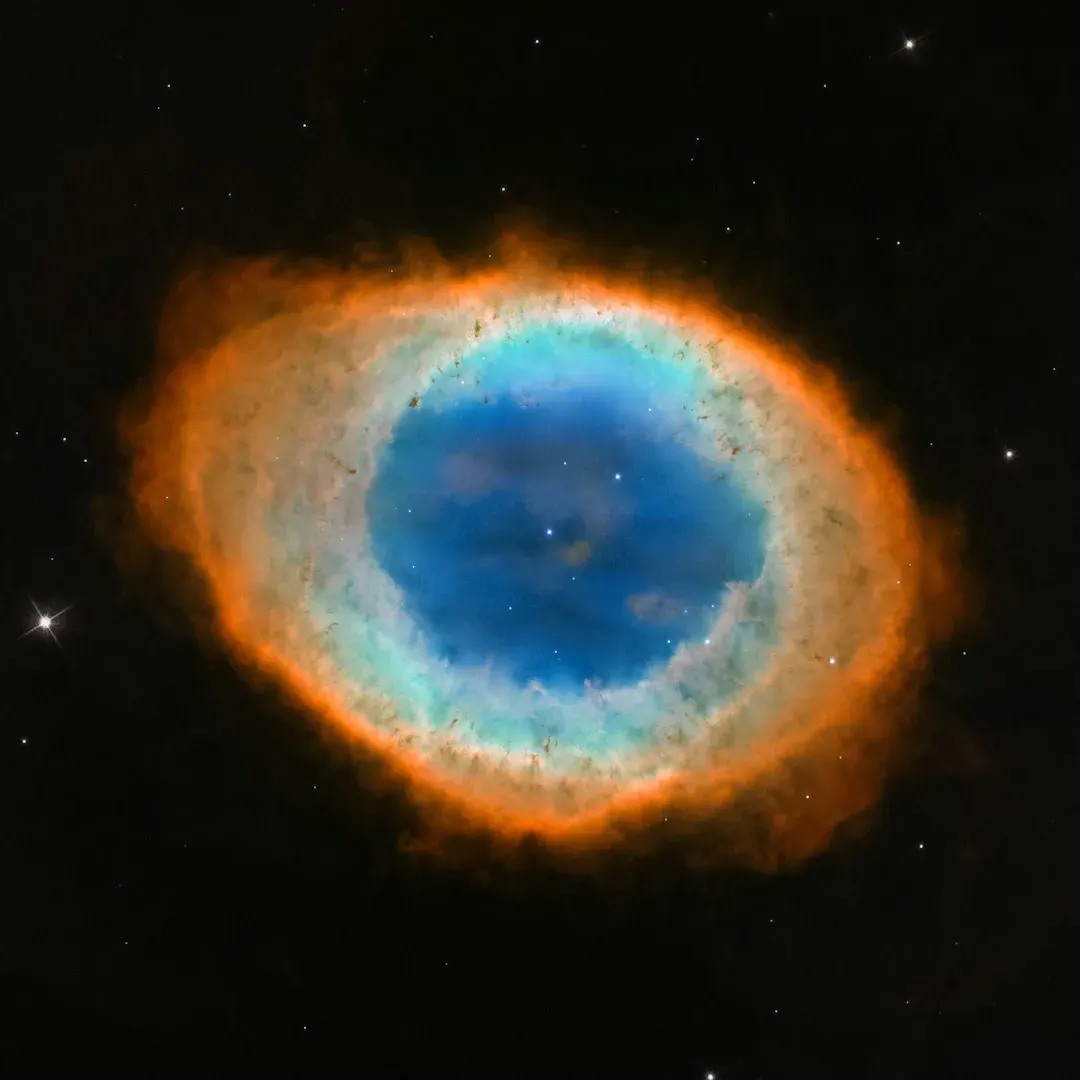
When the Sun’s outer layers finally peel away, they’ll create something genuinely beautiful. A planetary nebula represents a phase that stars like the Sun experience after they use up much of their fuel, and after cooling and expanding through a red giant phase when it begins to expel its outer layers, such a star leaves behind a white dwarf, with the previously jettisoned shells of gas remaining for tens of thousands of years before dissipating into space, meanwhile illuminated and energized by the white dwarf at the center. These glowing shells of gas, lit up by the intense radiation from the dying star’s core, form intricate patterns.
The gently expelled outer layers will form a glowing planetary nebula surrounding the fizzled out core – a white dwarf. The colors you’d see in these nebulae come from different elements glowing at various wavelengths: hydrogen, oxygen, helium, all contributing to the cosmic light show. It’s the universe’s way of recycling material for future generations of stars.
The White Dwarf Remnant Will Slowly Fade
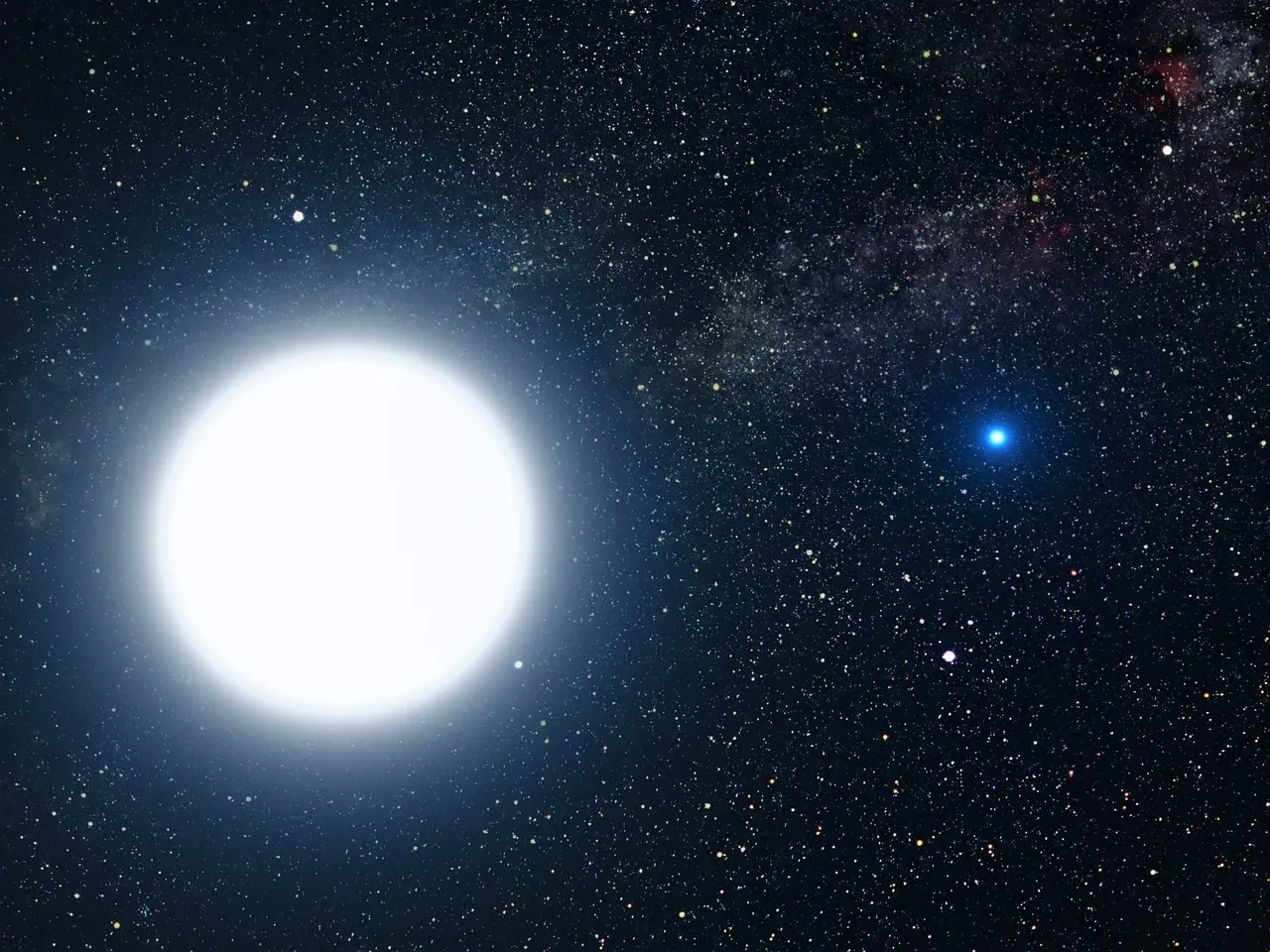
A white dwarf is the stellar core left behind after a dying star has exhausted its nuclear fuel and expelled its outer layers to form a planetary nebula. What remains is incredibly dense. A single white dwarf contains roughly the mass of the Sun, but in a volume comparable to Earth. Picture squeezing all that mass into something the size of your planet. The density is mind-boggling.
White dwarfs shine because they are hot, and although a white dwarf has no internal power source, it takes billions of years for a white dwarf to cool down, with thermal energy in the interior carried to the surface by conduction, then radiated away. This white dwarf will slowly cool over trillions of years, eventually fading into a cold, dark object sometimes referred to as a black dwarf, although the universe is not old enough for any to exist yet. The Sun’s light, which once gave you warmth and life, will eventually fade to nothing.
What This Means for the Solar System’s Legacy
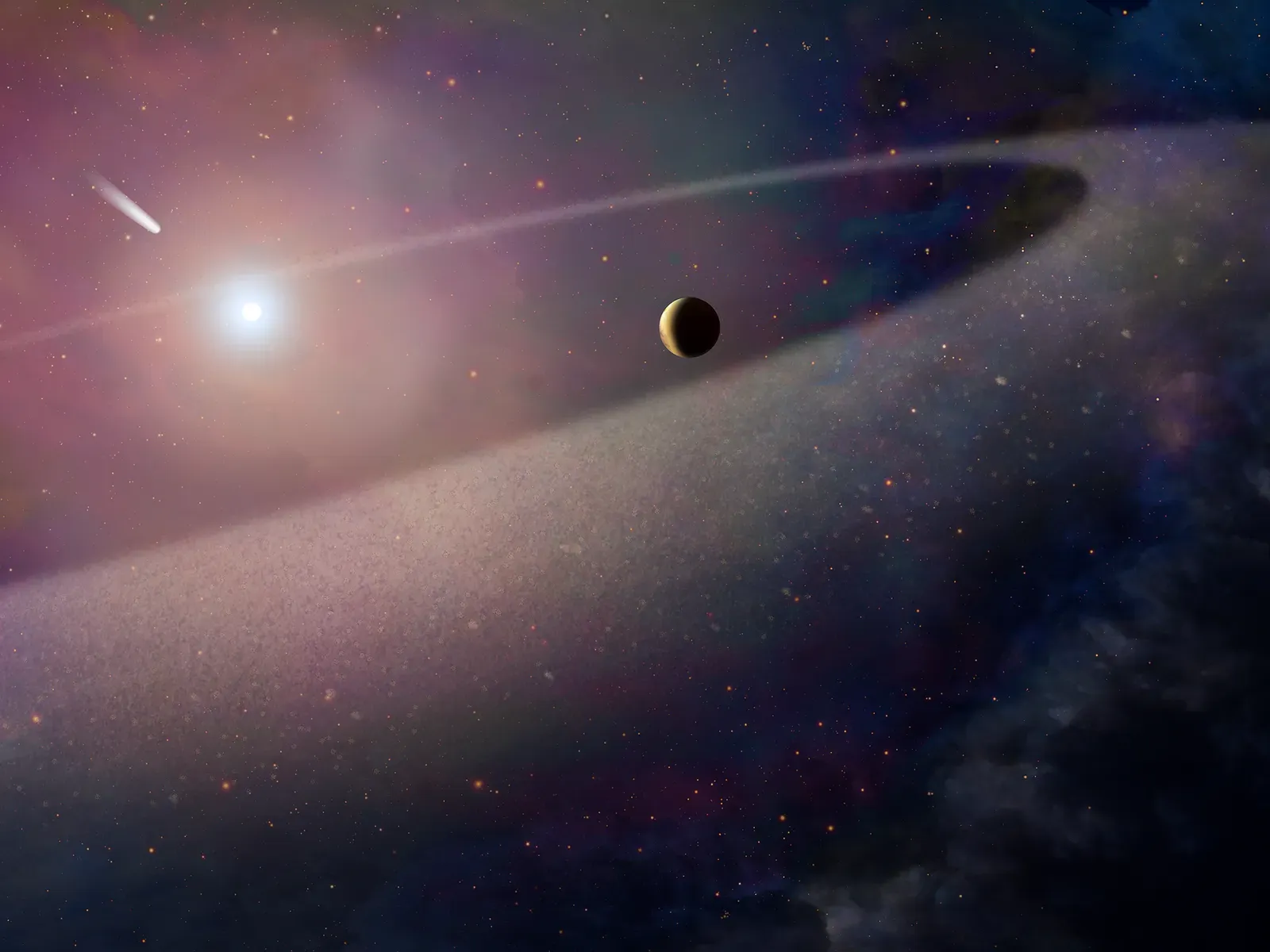
Some of the planets and many other smaller objects will continue to orbit the Sun’s white dwarf remnant, however, over eons, the orbits of these bodies may change due to gravitational interactions with each other and with passing stars. The outer gas giants like Jupiter and Saturn might survive, albeit dramatically altered by the red giant’s radiation. Planets like Jupiter and Saturn should survive the evolution of their sun into a white dwarf, becoming silent witnesses to the Sun’s transformation.
The icy bodies in the Kuiper Belt, once frozen solid, will have experienced temporary warmth before returning to the eternal cold. Any surviving rocky worlds will be barren, lifeless husks orbiting a fading ember. The solar system’s story, which began with a swirling cloud of gas and dust roughly four and a half billion years ago, will enter its twilight phase. Yet even in death, the Sun will contribute to the cosmic cycle, its expelled material eventually joining new clouds where future stars might ignite.
Your Sun’s destiny is written in the laws of physics. It’s a reminder that nothing in the universe lasts forever, not even the sources of light and life. What do you think about our star’s ultimate fate? Pretty humbling stuff, right?