
Imagine a world where an entire continent lies hidden beneath the ocean waves, waiting to reveal its secrets. This is not the plot of a science fiction novel but the fascinating reality of Zealandia. Stretching over five million square kilometers, Zealandia is nearly entirely submerged beneath the South Pacific. Scientists have been intrigued by this sunken landmass, often pondering whether New Zealand, which stands proudly above the water, could be the last visible remnant of this lost continent.
The Discovery of Zealandia

The concept of Zealandia emerged in the late 20th century when scientists began to piece together geological and geophysical evidence. It wasn’t until 1995 that geophysicist Bruce Luyendyk coined the term “Zealandia.” He and other researchers noted that the submerged landmass shared characteristics with known continents, such as distinct geology and a thick crust. With over 93% of Zealandia submerged, it challenges traditional notions of what defines a continent, yet its distinctiveness cannot be denied.
Geological Characteristics of Zealandia

Zealandia is not just a simple stretch of underwater land. It has its own unique geological features that differentiate it from the oceanic crust. Comprising mainly of continental crust, Zealandia is similar in composition to other continents, with granite rocks, sedimentary layers, and evidence of ancient volcanic activity. The submerged landmass also has mountain ranges and plateaus that once stood above sea level, hinting at a dynamic geological history that has shaped its current form.
The Role of Plate Tectonics

The story of Zealandia is deeply entwined with the movement of tectonic plates. Millions of years ago, Zealandia was part of the supercontinent Gondwana. As tectonic forces pulled Gondwana apart, Zealandia began to drift away. Over time, the landmass gradually submerged due to a combination of tectonic stretching and sinking. The forces that once tore Zealandia from its continental neighbors continue to shape its landscape today, as it lies on the boundary between the Australian and Pacific plates.
New Zealand: The Tip of the Iceberg

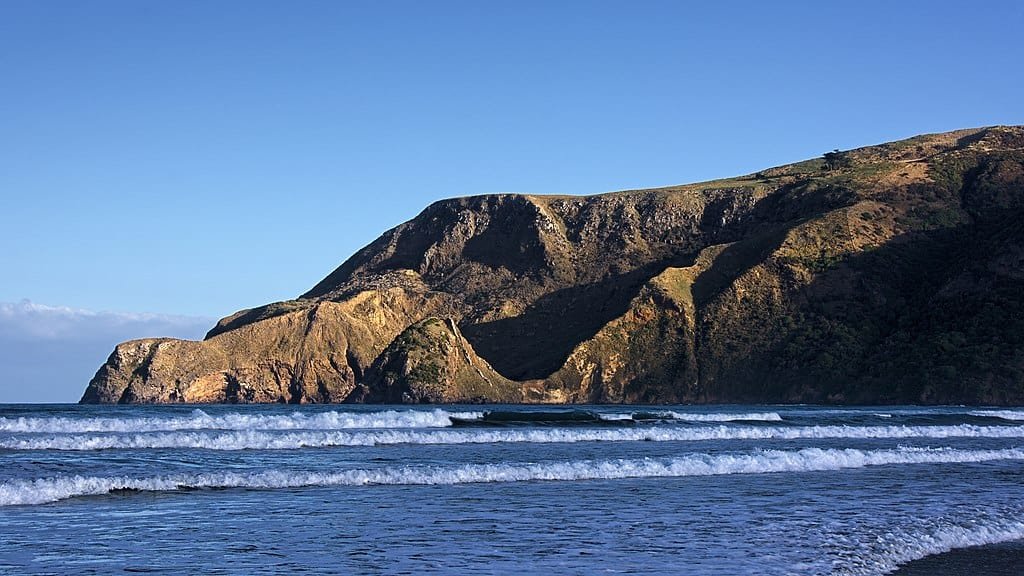
New Zealand, the most prominent landmass of Zealandia, is often referred to as “the tip of the iceberg.” Its rugged landscapes, from the Southern Alps to lush forests, are a testament to the continent’s varied terrain. While New Zealand may appear isolated, it is a living testament to Zealandia’s vastness, offering clues to the continent’s past and its enduring resilience against the ocean’s depths. The flora and fauna of New Zealand, many of which are unique to the region, also reflect the ancient ecosystems that once thrived across Zealandia.
Unique Ecosystems and Biodiversity

Zealandia’s submerged status has preserved unique ecosystems and biodiversity. While much of the continent is underwater, its marine environments are teeming with life. Beneath the waves, diverse habitats support species that have adapted to these unique conditions. Meanwhile, on land, New Zealand’s isolation has led to the evolution of distinctive wildlife, such as the kiwi and tuatara. These species offer a glimpse into Zealandia’s lost world, showcasing the continent’s ability to nurture life through changing times.
Scientific Expeditions and Research

The exploration of Zealandia has been a scientific endeavor of immense proportions. Researchers have embarked on numerous expeditions, using advanced technology like deep-sea drilling and seismic surveys to uncover the continent’s secrets. These missions have revealed critical data about Zealandia’s geological history, including its volcanic activity and sedimentary layers. Such research not only enriches our understanding of Zealandia but also provides insights into global geological processes.
The Debate Over Continental Status
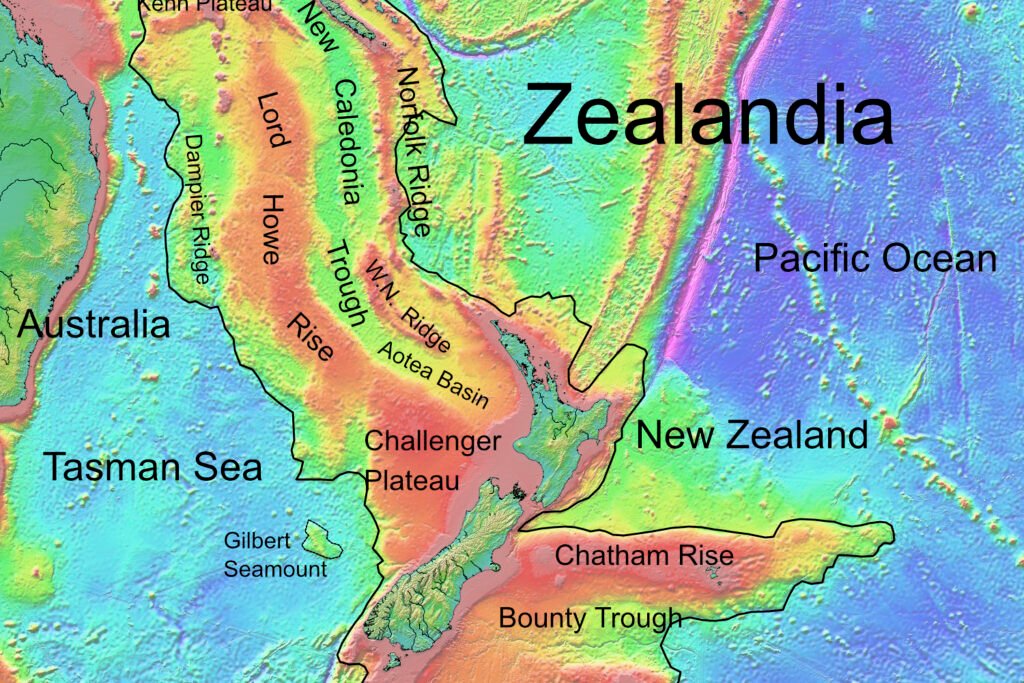
While Zealandia’s existence is well-accepted, its classification as a continent is a subject of debate. Traditional definitions of continents are based on visible landmasses, but Zealandia challenges this notion. Proponents argue that its distinct geology, size, and crustal structure warrant continental status. Others remain skeptical, noting that its submersion complicates its classification. Regardless of its official status, Zealandia continues to captivate scientists and laypeople alike, inviting us to reconsider our understanding of Earth’s continents.
Implications for Earth’s Geological History

Understanding Zealandia’s submerged landscapes offers a window into Earth’s geological past. The forces that shaped Zealandia are the same that have influenced global tectonics and climate over millions of years. By studying Zealandia, scientists can gain insights into the processes that have shaped our planet, from the drifting of continents to the rise and fall of sea levels. Zealandia serves as a reminder of Earth’s dynamic nature, constantly reshaping itself through time.
The Future of Zealandia Research

As technology advances, the exploration of Zealandia becomes ever more feasible. Future research endeavors hold the promise of uncovering new aspects of the continent, from its ancient climates to its hidden biodiversity. With increased understanding, Zealandia could further illuminate the mysteries of Earth’s past, providing valuable lessons for our present and future. The quest to unlock Zealandia’s secrets continues to inspire scientists and adventurers alike, eager to explore the depths of this submerged continent.
The Allure of a Lost Continent

Zealandia’s allure lies in its mystery and the promise of discovery. As a submerged landmass, it defies conventional boundaries, inviting us to explore the unknown. The story of Zealandia is one of resilience, adaptation, and the enduring power of nature. Whether New Zealand is truly the last remnant of this lost continent remains a captivating question. Yet, Zealandia’s existence itself is a testament to the wonders that lie beneath the ocean’s surface, waiting to be explored and understood.