
Imagine standing on a quiet Gulf Coast beach, gazing out at the endless shimmer of blue-green water. It’s almost impossible to picture that, beneath those gentle waves, entire settlements once thrived—homes, churches, bustling docks, and dreams now hidden by the sea. The Gulf Coast’s history is far richer and more mysterious than most people realize. For centuries, storms, shifting sands, and rising tides have erased towns from the map, leaving behind sunken legacies that few have seen and even fewer remember. But today, thanks to cutting-edge science, daring underwater explorers, and a passion for rediscovering the past, the secrets of these lost cities are beginning to surface—changing everything we thought we knew about this storied coastline.
The Allure of Forgotten Underwater Cities
There’s something undeniably captivating about lost cities—places swallowed by time and nature, their secrets hidden just out of reach. The Gulf Coast, stretching from Texas to Florida, is dotted with stories of settlements that once bustled with life, only to be abandoned or overtaken by the relentless advance of the sea. These are not myths or legends; they are real communities that vanished beneath the waves, leaving behind a haunting reminder of how vulnerable civilization can be. The mystery of what lies beneath the surface draws not only archaeologists and divers but also dreamers and storytellers, each seeking to uncover a chapter of history that’s been literally washed away.
Why the Gulf Coast Is a Hotspot for Submerged Settlements
The Gulf Coast is uniquely susceptible to the forces that create submerged cities. Its low-lying marshlands, shifting barrier islands, and frequent hurricanes make it a dynamic landscape where land and water are in constant battle. Over centuries, small changes in sea level or a single catastrophic storm have been enough to erase whole towns. Human activity, such as canal building and oil extraction, has also contributed to subsidence—where the land slowly sinks, allowing the ocean to claim what was once dry ground. This combination of natural and human-made factors has created a region with more lost settlements than almost anywhere else in North America.
Cheniere Caminada: A Town Destroyed by Nature’s Fury
Perhaps the most famous of the Gulf’s lost towns is Cheniere Caminada, once located off the coast of Louisiana. In the late 19th century, this French-speaking fishing village was home to thousands. But in 1893, disaster struck—a monstrous hurricane with winds so fierce that it obliterated nearly every building. Over two thousand people lost their lives in a single night. The survivors moved inland, and the ruins of Cheniere Caminada were gradually claimed by the encroaching Gulf. Today, only fragments remain above water, but the story of this town is a chilling reminder of nature’s power and the resilience of coastal communities.
Dog Island and the Lost Colonial Outpost
Dog Island, just off Florida’s panhandle, hides more than a few secrets beneath its shallow waters. In the 17th and 18th centuries, European settlers and pirates frequented this sandy haven, building outposts and trading posts that would eventually be consumed by hurricanes and shifting sands. Divers have discovered the remains of shipwrecks and old foundations beneath the waves, hinting at a once-thriving community. Every uncovered artifact—whether a rusted anchor or a pottery shard—tells a story of ambition, adventure, and ultimately, defeat by the relentless sea.
Port Eads: The Vanishing Gateway to the Mississippi
Port Eads, named for the famous 19th-century engineer James Eads, once stood proudly at the mouth of the Mississippi River. It was a vital hub for shipping and commerce, supporting the flow of goods from the heartland to the world. However, the ever-changing river delta and repeated hurricanes spelled doom for the settlement. By the early 20th century, most of Port Eads had slipped beneath the Gulf, leaving only a few pilings and ghostly remains visible during low tide. The story of Port Eads illustrates how even the most ambitious human projects can be humbled by nature’s unpredictability.
Science Beneath the Waves: Tools of Modern Underwater Archaeology
Unveiling the Gulf’s submerged cities wouldn’t be possible without the incredible advances in underwater archaeology. Modern explorers use sonar mapping, remotely operated vehicles, and even underwater drones to scan the ocean floor for traces of lost settlements. These tools allow scientists to create detailed maps and 3D models of sites that are otherwise impossible to reach. Sometimes, what looks like a random pile of stones is revealed to be the foundation of an old church or dock. These discoveries have helped rewrite the region’s history, proving that whole communities once thrived where now only fish swim.
Climate Change and the Future of Submerged Heritage
Today, the threat of rising seas is more real than ever. Scientists warn that climate change could soon submerge even more coastal towns along the Gulf. As the water rises, archaeological sites that have lain undisturbed for centuries could be lost forever. This makes the work of documenting and preserving these underwater treasures urgent. Some researchers are racing against time, using every available technology to record artifacts and structures before they disappear beneath the waves for good. The Gulf’s submerged cities are a powerful reminder of what can be lost when we underestimate the forces of nature.
The Human Stories Hidden Underwater
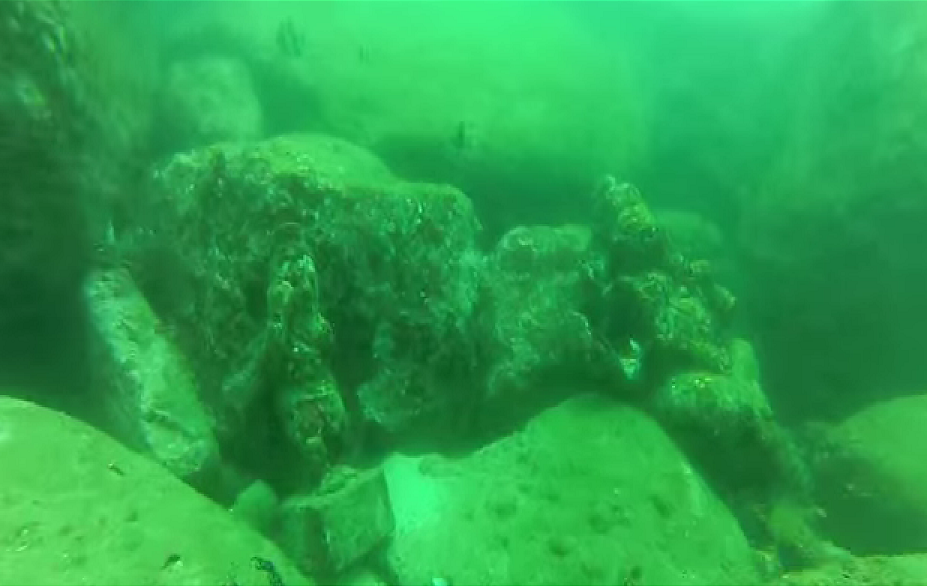
Beneath every sunken city lies a tapestry of human lives—families who built homes, children who played in the sand, fishermen who ventured out into the open Gulf. Unearthing the remnants of these settlements isn’t just about bricks and bones; it’s about rediscovering the dreams, struggles, and resilience of people who lived at the edge of the known world. Personal items like jewelry, coins, or handwritten notes sometimes wash ashore, offering glimpses into the daily lives of those long gone. These artifacts transform abstract history into something deeply personal and poignant.
Nature’s Role in Erasing and Revealing
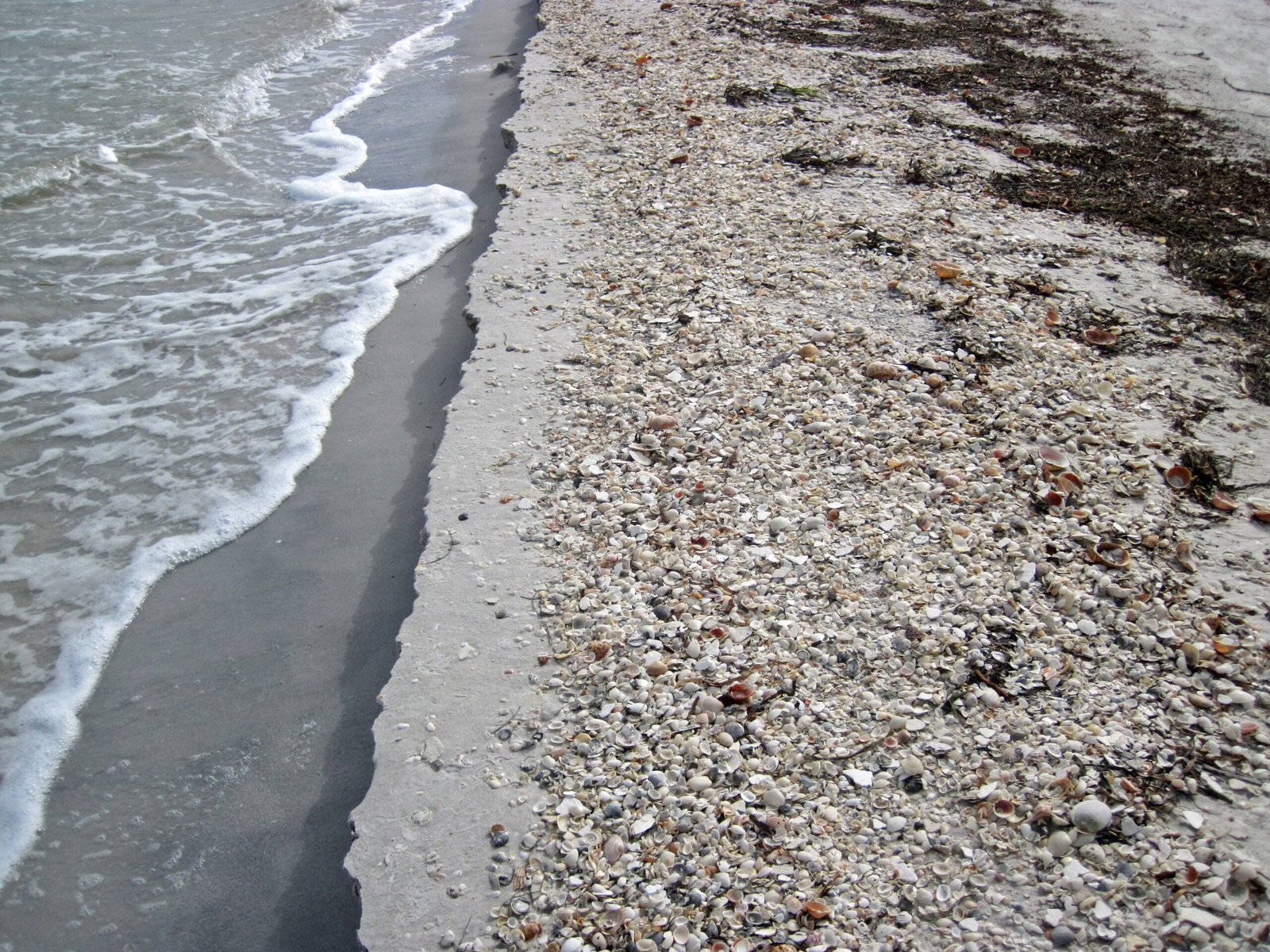
The Gulf Coast’s ever-changing landscape is both destroyer and protector. While hurricanes and erosion have erased so many settlements, shifting sediments and calm waters sometimes preserve sites in astonishing detail. Storms can uncover buried artifacts, washing them onto beaches where curious locals find them years or even centuries later. In this way, nature acts as both the author and editor of the Gulf’s story—sometimes hiding, sometimes revealing its secrets at the most unexpected moments.
Lessons for the Present and Future
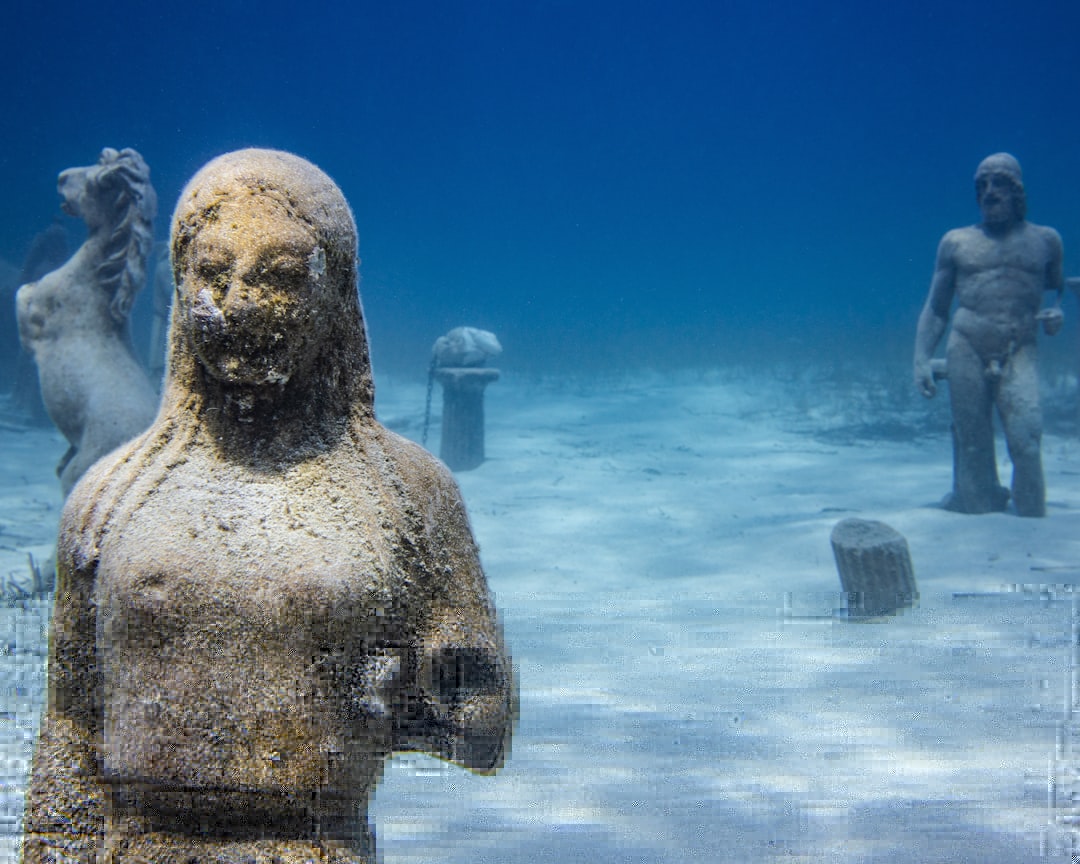
The submerged cities of the Gulf Coast aren’t just curiosities from a distant past—they carry urgent lessons for today’s world. As coastlines everywhere face new threats from rising seas, the fate of these lost settlements serves as a warning. Communities must adapt to changing conditions, invest in resilient infrastructure, and respect the power of nature. At the same time, there’s an opportunity to learn from these underwater time capsules, using their stories to inspire innovation and greater care for our fragile coastal environments.
The Call of the Deep: Why We Keep Searching
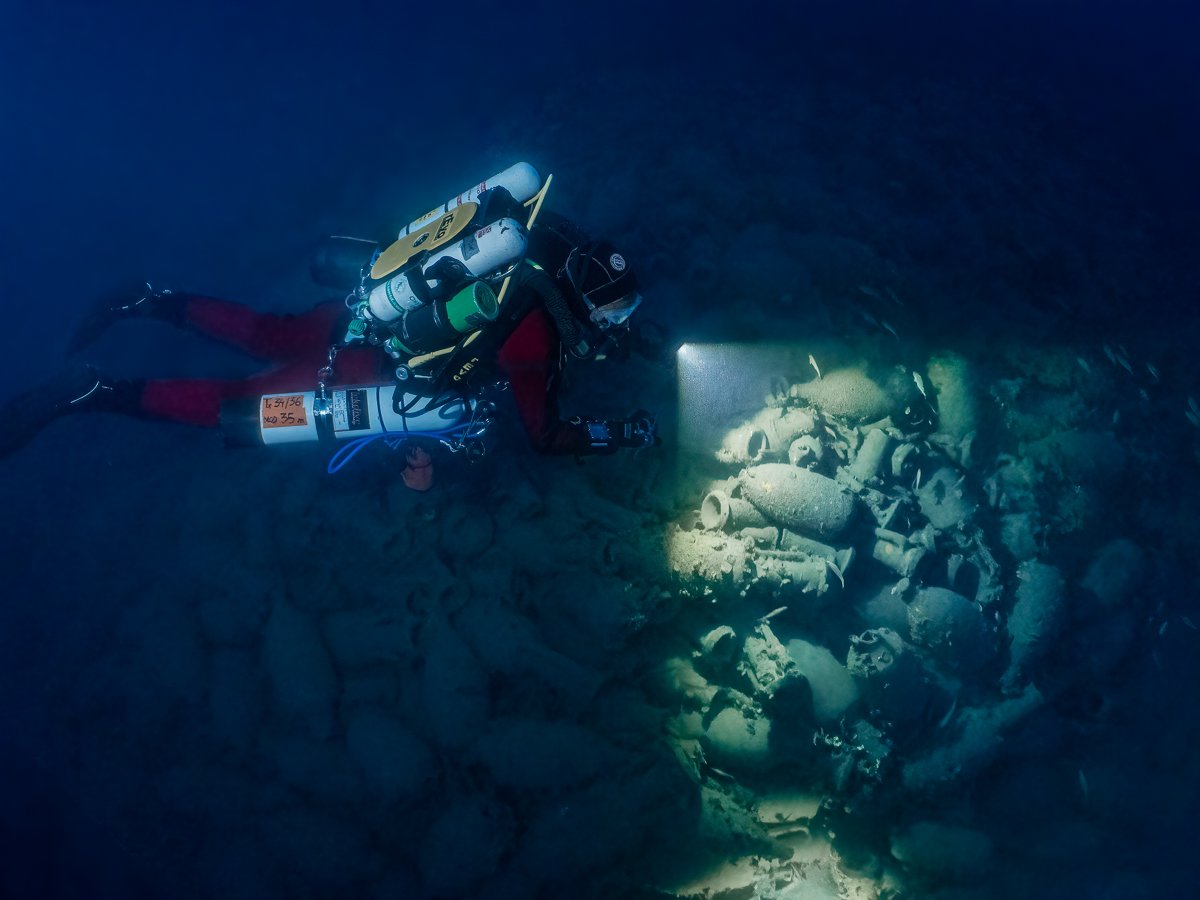
Despite the danger, expense, and uncertainty, the quest to uncover the Gulf’s sunken cities continues. There’s a kind of magic in searching for what’s hidden—a sense that, with each dive or sonar scan, we might recover a piece of ourselves. These explorations capture the imagination, uniting scientists, historians, and everyday adventurers in a common pursuit. The Gulf’s submerged settlements remind us that the past is never truly gone; it waits, just beneath the surface, for those bold enough to seek it out.