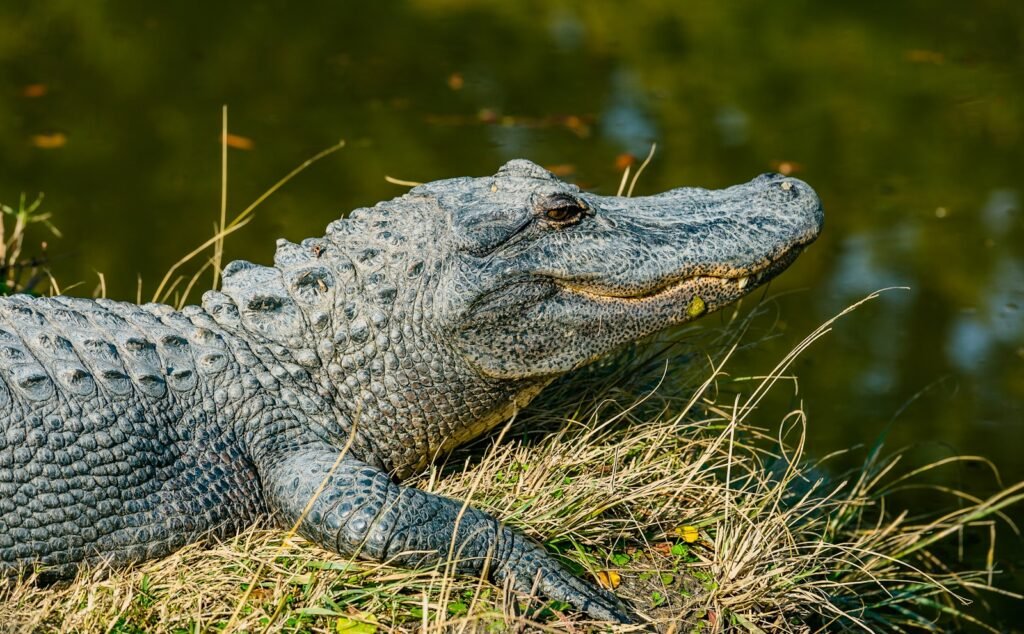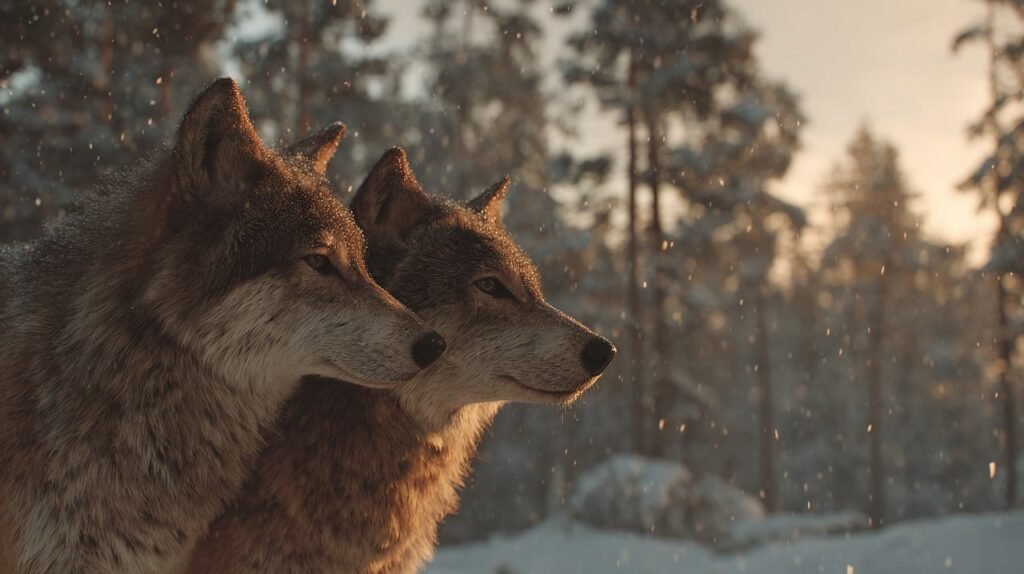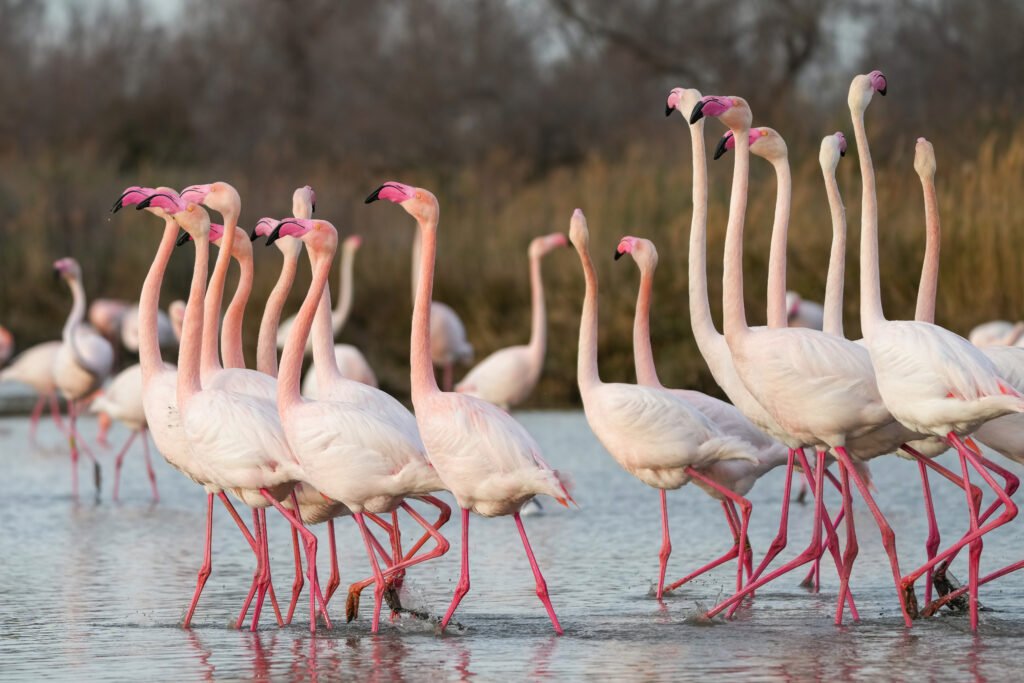

When you think of a lab assistant, you probably imagine someone in a white coat, jotting down notes or analyzing samples. However, in some of the world’s most innovative research labs, the assistants are not human at all. Meet the unexpected creatures that have made their mark in science: parrots with the gift of gab, octopuses with a knack for escape, and many more. These animals defy traditional roles and bring unique skills to the table, helping scientists unlock the mysteries of the natural world.
The Charismatic Parrots: Feathered Linguists
Parrots are renowned for their ability to mimic human speech, but their role in scientific research goes far beyond mere imitation. These charismatic birds have been pivotal in studies on language and cognition. Take Alex, an African Grey Parrot who worked with Dr. Irene Pepperberg. Alex could identify colors, shapes, and even understand concepts like “bigger” and “smaller.” This bird’s linguistic abilities challenged the notion that complex communication was exclusive to humans. Parrots continue to assist researchers in exploring the intricacies of animal intelligence, offering insights into how language and thought may have evolved.
Octopuses: The Great Escape Artists
Octopuses are the Houdinis of the animal kingdom, known for their extraordinary ability to escape confinement. In labs, these cephalopods have been observed unscrewing jar lids, opening doors, and even navigating mazes. Their intelligence and problem-solving skills make them fascinating subjects of study. Researchers have learned that octopuses can remember solutions to problems and apply them in new situations, much like humans. Their escapades remind us of the importance of adaptability and creativity in scientific exploration, as these creatures continuously challenge our understanding of animal cognition.
Rats: The Unsung Heroes of Maze Research
Rats have long been a staple in scientific research, particularly in studies involving mazes and memory. Their ability to navigate complex mazes with speed and accuracy has provided valuable insights into learning processes and memory formation. Researchers have used rats to study the effects of various stimuli on cognitive functions, leading to breakthroughs in understanding human neurological conditions. Despite their small size, rats have made a massive impact on the field of neuroscience, proving that even the most unassuming creatures can be indispensable scientific partners.
Dolphins: The Ocean’s Intelligent Communicators
Dolphins are celebrated for their intelligence and complex social behaviors, making them ideal candidates for communication research. Scientists have discovered that dolphins can understand symbolic language, recognize themselves in mirrors, and even use tools. Their sophisticated vocalizations and ability to learn new behaviors quickly have provided insights into the evolution of language and social structures. Dolphins’ playful nature and cooperative spirit make them remarkable research subjects, highlighting the potential for interspecies communication.
Bees: Nature’s Little Mathematicians
Bees might seem like unlikely candidates for scientific research, but their incredible navigational skills have captivated scientists for years. These tiny insects can solve complex mathematical problems, such as the “traveling salesman problem,” to find the most efficient routes between flowers. Researchers have studied bees to understand how they communicate the location of food sources through the famous “waggle dance.” Their ability to process spatial information and communicate it effectively offers valuable insights into collective intelligence and decision-making processes.
Elephants: Gentle Giants with Big Memories
Elephants are known for their impressive memory and social intelligence, qualities that have made them subjects of interest in cognitive research. Studies have shown that elephants can remember locations of water sources and recognize individual humans and animals. They also display empathy and problem-solving abilities, often working together to achieve a common goal. These gentle giants provide a window into the social and emotional lives of animals, challenging us to reconsider what we know about animal intelligence.
Dogs: Man’s Best Friend and Research Partner

Dogs have been our companions for thousands of years, and their loyalty and intelligence have made them valuable research partners. From detecting diseases through scent to assisting in therapy and rehabilitation, dogs have a unique ability to connect with humans. Studies on canine cognition have revealed their understanding of human gestures and emotions, offering insights into the evolution of social bonds. Dogs’ unwavering dedication and adaptability continue to inspire researchers, reminding us of the powerful connection between humans and animals.
Crows: The Crafty Problem Solvers
Crows are some of the most intelligent birds, known for their problem-solving skills and tool usage. In scientific studies, crows have been observed bending wires to create hooks, dropping stones to raise water levels, and even using traffic to crack nuts. Their ability to plan and execute complex tasks has fascinated researchers, shedding light on the cognitive capabilities of birds. Crows’ adaptability and ingenuity serve as a testament to the diversity of intelligence in the animal kingdom.
Pigeons: The Unlikely Navigators

Pigeons might be common city dwellers, but their navigational abilities are anything but ordinary. These birds have been used in research to study spatial awareness and long-distance navigation. Pigeons can find their way home over vast distances, using a combination of visual landmarks, the Earth’s magnetic field, and even the position of the sun. Their remarkable homing abilities have provided valuable insights into animal navigation and orientation, challenging our understanding of how animals perceive their environment.
Chimpanzees: Our Closest Relatives
Chimpanzees share about 98% of their DNA with humans, making them our closest living relatives. This genetic similarity has made them crucial in studies on human evolution, behavior, and cognition. Chimpanzees have demonstrated the ability to use tools, learn sign language, and exhibit empathy and cooperation. Their complex social structures and problem-solving skills offer a glimpse into the evolutionary roots of human behavior. The study of chimpanzees continues to deepen our understanding of what it means to be human, highlighting the intricate connections between species.
In the vast world of scientific research, these extraordinary animals have proven to be more than just subjects; they are partners in discovery. Each creature, with its unique talents, challenges us to broaden our understanding of intelligence and adaptability. As we continue to explore the natural world, these unconventional lab assistants remind us of the beauty and complexity of life, urging us to protect and cherish the diverse species that share our planet.