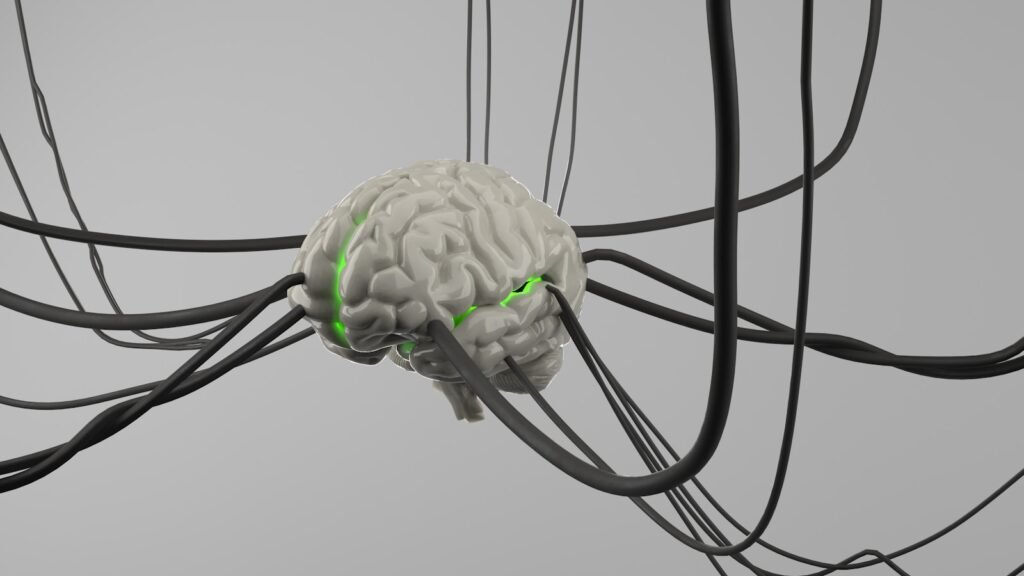

Consciousness is the one thing each of us is absolutely certain of experiencing, yet it stubbornly refuses to fit into the usual boxes of biology. Hearts pump, livers filter, neurons fire – but the feeling of being you seems to float above all that, like a ghost hitching a ride in a machine. For more than a century, scientists tried to explain consciousness by scaling up the logic of other biological processes, only to find themselves stuck in paradoxes and dead ends. Now, competing theories from neuroscience, physics, and philosophy are forcing an uncomfortable possibility into the spotlight: consciousness may follow rules that look very different from the rest of life. That doesn’t mean it’s magic – but it might mean biology alone is not the whole story.
The Hidden Clues: When Brains Don’t Match Experience
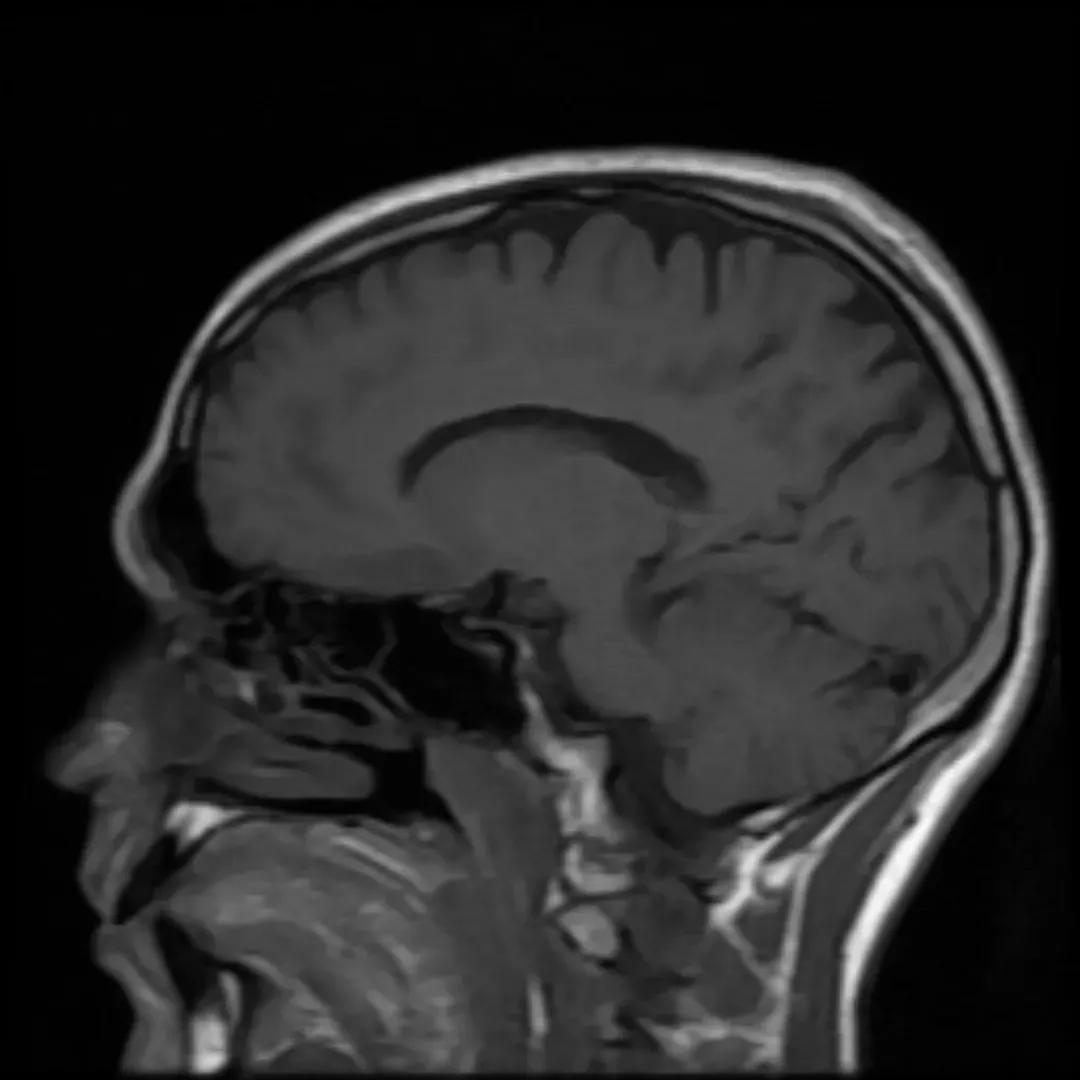
One of the most unsettling hints that consciousness behaves differently from standard biology comes from patients whose brains look catastrophically damaged yet remain eerily lucid. In several reported cases, people living ordinary working lives were found, after scans for unrelated issues, to have vastly reduced brain tissue, with the remaining cortex squeezed into a thin outer shell. Evolution would suggest that losing that much neural hardware should erase the self, but in these people, personality and memory seemed surprisingly intact. It is as if you removed most of a computer’s components and the operating system just shrugged and kept running. Stories like these do not prove the brain is unnecessary, but they do suggest we may not fully understand which parts of it are truly doing the heavy lifting.
Other clues come from anesthesia and sleep research, where the brain’s activity patterns during unconsciousness can look confusingly similar to those during wakefulness. In some experiments, brains under deep anesthesia still show complex electrical rhythms, yet the patient reports nothing at all – no dreams, no awareness, just a blank gap. By contrast, a sleeping brain in rapid eye movement (REM) mode might look less globally “active” on a simple readout, but the person wakes with vivid, emotionally charged dreams. Consciousness seems to care less about raw activity level and more about a mysterious configuration of connections and information flow. The biology is there in full view; what is missing is a neat one-to-one rule that says, “this pattern equals awareness, that one does not.”
From Ancient Questions to Modern Theories

Humans have been wrestling with the weirdness of consciousness since long before we had brain scanners or neural networks. Early medical traditions tried to locate the soul in the heart, the liver, or the breath, each time discovering that physical organs alone could not explain the feeling of being alive from the inside. When microscopes arrived, attention shifted to neurons and synapses, and by the mid‑twentieth century many scientists hoped consciousness would eventually be reduced to a kind of biochemical bookkeeping. Instead, the more closely researchers examined the brain, the more puzzling the gap between physical activity and subjective experience appeared. The question stopped being just “where is consciousness?” and became “why does this physical process feel like anything at all?”
Modern science has responded with a wave of ambitious theories that sometimes sound closer to physics than anatomy. Integrated information theory proposes that consciousness arises whenever information is both highly differentiated and unified within a system, a property that could in principle exist in different substrates, not just neurons. Global workspace theory suggests that consciousness is what happens when information becomes globally available across many brain regions, like a spotlight shining onto a mental stage. More speculative ideas flirt with quantum processes or with the notion that consciousness is a basic feature of the universe, similar to space and time. None of these theories has won the argument yet, but together they signal a shift: consciousness is no longer being treated as just another biological output, like sweat or saliva.
When Biology’s Usual Rules Start To Crack
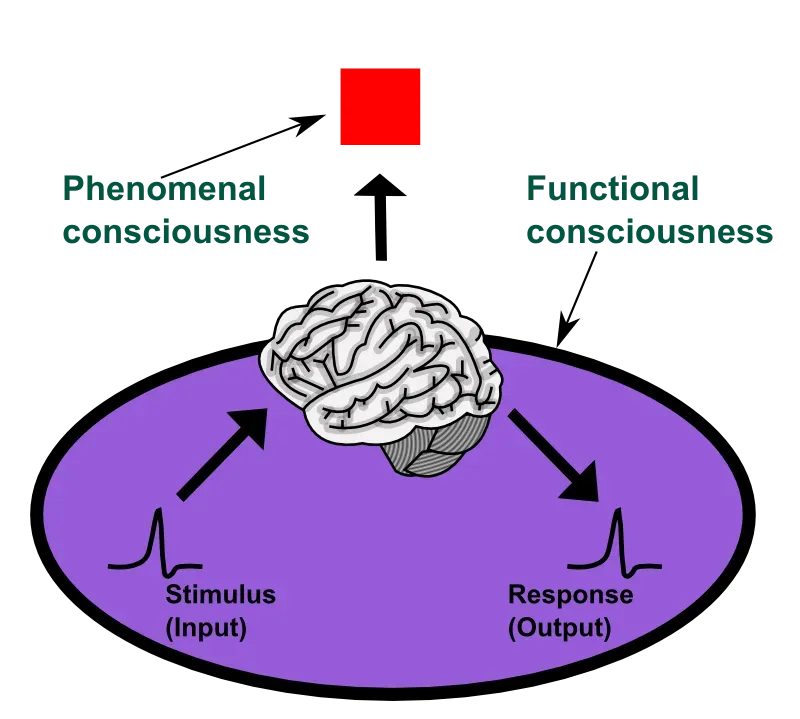
One reason consciousness feels out of step with ordinary biology is that it refuses to be neatly localized or traded like a commodity. You can transplant a heart or a kidney and the organ does its job inside a new body without inheriting the previous owner’s identity. There is no documented case of a personality riding along with a transplanted liver. Yet damage to what appears to be a small, specific brain area can sometimes ripple out into massive changes in selfhood, memory, or moral judgment. The scale of physical change and the scale of conscious change do not always line up in an intuitive way.
On top of that, consciousness shows timing quirks that challenge standard cause‑and‑effect stories in biology. Experiments measuring brain activity before voluntary actions have suggested that neural signals predicting a person’s choice can appear moments before they report consciously deciding. In other words, the machinery seems to start moving before “you” feel like you have chosen to move it. Traditional biology is comfortable with reflexes and automatic loops, but it struggles with the idea that the sense of deciding might itself be a kind of delayed narration. If consciousness plays by different temporal rules – more like an editor than a live broadcaster – that changes how we think about free will, responsibility, and mental health.
The Strange Idea of a Universal or Pervasive Consciousness
The more consciousness refuses to stay confined to typical brain‑centric explanations, the more some researchers and philosophers have turned to ideas that used to sit well outside the scientific mainstream. One such view suggests that consciousness might be a fundamental feature of reality, present in simple forms even in very basic systems, and becoming richer and more complex as matter organizes into brains and bodies. This does not mean that rocks or thermostats have inner lives like humans, but it does mean that awareness might be a graded, pervasive property, not an on‑off switch flipped only at a certain level of biological complexity. For many people, this sounds uncomfortably close to spiritual or mystical traditions that see mind in all things, yet versions of this view are now being discussed in serious academic papers.
Another line of thought asks whether consciousness might stretch beyond the individual entirely. Some neuroscientists argue that when two or more brains interact intensely – think of musicians improvising together or a surgical team in perfect sync – their collective information patterns could in theory form a larger, temporary conscious system. Our language hints at this when we describe a group as having a single mood or a crowd as “turning” angry or joyful. If consciousness can exist at multiple scales, from neurons to brains to groups, it starts to look less like a traditional biological function and more like an emergent organizational principle. That is a very different way of thinking from the standard model in which each person’s mind is sealed neatly inside their skull.
Why It Matters: More Than a Philosophical Puzzle

It is tempting to treat consciousness as a late‑night thought experiment, the kind of mystery that is fascinating but safely disconnected from daily decisions. In reality, the way we define and locate consciousness has huge practical consequences. Consider patients in comas or vegetative states: if our tests for consciousness rely on brain activity patterns that turn out not to map cleanly onto experience, we might misjudge whether someone is dimly aware or completely gone. That affects everything from treatment plans to ethical debates about life support. The stakes are not abstract; they are measured in real people’s lives and families’ grief.
The same is true for animals, and increasingly for machines. As evidence piles up that many animals share basic forms of awareness and emotion, our assumptions about what kind of nervous system is required for consciousness shape laws on farming, research, and conservation. Meanwhile, as artificial intelligence systems grow more complex and lifelike, public anxiety about “conscious machines” is rising far faster than the science can answer it. If consciousness does not behave like a simple output of biological complexity, then using brain‑based analogies to decide when something deserves moral consideration may be dangerously misleading. Getting the science of consciousness wrong would ripple outward into law, technology, and our sense of who counts as a subject rather than an object.
Inside the Lab: How Scientists Try to Measure the Unmeasurable
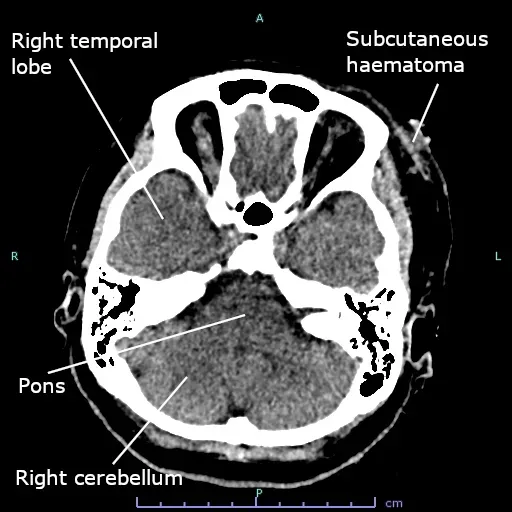
Given that consciousness is private by definition – you only ever have direct access to your own – studying it in the lab sounds almost impossible. Yet over the last few decades, researchers have developed clever ways to infer when consciousness is present and when it is missing. Some experiments use visual illusions to compare brain activity when an image is seen versus when it is presented but not consciously perceived, even though the eye receives the same input. Other studies track how patterns of connectivity across the brain change as people drift from wakefulness into deep sleep, anesthesia, or disorders of consciousness. In these cases, the focus is less on single brain regions and more on dynamic networks that light up and fall silent in complex rhythms.
To push this further, teams have designed numerical “consciousness indices” based on how much information is integrated across the brain when it is perturbed with magnetic or electrical pulses. These indices are being tested in hospitals as potential tools to help assess patients who cannot communicate. At the same time, machine‑learning approaches are combing through vast neural datasets, looking for signatures that might reliably predict when someone is aware of a stimulus. None of these methods solves the fundamental mystery of why certain patterns feel like anything at all. But they do gradually carve out a space where consciousness becomes something we can at least track and quantify, even if we cannot yet fully explain it.
The Future Landscape: From Brain‑Scale Simulations to Consciousness‑Aware Tech
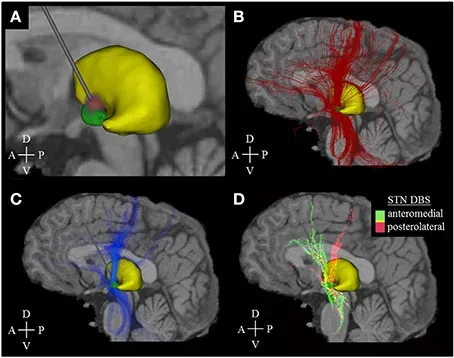
Looking ahead, the study of consciousness is poised to collide with some of the most powerful technologies humans have ever built. Advances in brain‑computer interfaces and neuromodulation are beginning to let scientists not just observe but directly nudge the circuits thought to correlate with particular moods or states of awareness. Large‑scale brain models, running on supercomputers or specialized chips, aim to simulate whole networks with enough detail to test theories about which patterns might give rise to consciousness‑like properties. If a simulation ever reported experiences that look and behave like ours, we would face a jarring question: does a digital brain deserve moral consideration?
At the same time, conversations about artificial intelligence are forcing society to confront the difference between sophisticated behavior and genuine awareness. Future regulations may need to distinguish between systems that merely emulate human‑like conversation and systems that, by some scientific standard, could be considered at least minimally conscious. In medicine, more precise consciousness measures could transform anesthesia, intensive care, and psychiatric treatment, guiding interventions that respect the inner life of patients rather than just their outward behavior. Yet all of this will only be as good as our underlying theories. If consciousness really does follow different rules from other biological processes, our technologies will have to be built with that strangeness in mind, not in denial of it.
How You Can Engage With the Mystery
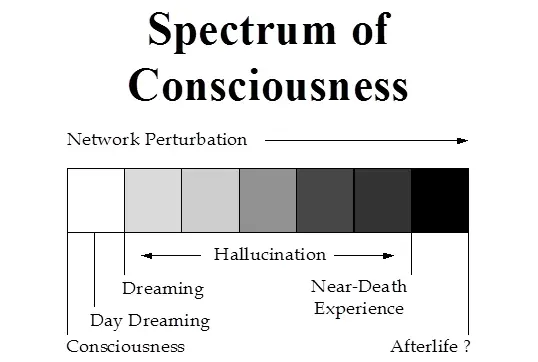
You do not need a lab coat or a brain scanner to take part in the unfolding story of consciousness science. One simple step is to pay closer attention to your own shifts in awareness during the day – how your sense of self feels different when you are deeply focused, exhausted, daydreaming, or immersed in music. That kind of personal curiosity can make the science feel less abstract and more tethered to lived reality. Supporting organizations that fund basic brain research is another practical move, whether through donations, advocacy, or simply staying informed and voting with these issues in mind. Public pressure often shapes which questions get resources, and consciousness research still competes with more obviously practical fields.
You can also be thoughtful about how you talk about minds in everyday life. When discussing animals, people with neurological conditions, or future technologies, it helps to remember that consciousness is not a simple on‑off switch tied neatly to surface behavior. Reading widely from different scientific perspectives, listening to patient and caregiver stories, and following reputable coverage of new findings all contribute to a more nuanced public conversation. In the end, each of us is both subject and observer in this grand experiment of trying to understand awareness from the inside out. Staying curious, skeptical, and compassionate might be the most honest way to live with a mystery that sits at the very center of who we are.
Suhail Ahmed is a passionate digital professional and nature enthusiast with over 8 years of experience in content strategy, SEO, web development, and digital operations. Alongside his freelance journey, Suhail actively contributes to nature and wildlife platforms like Discover Wildlife, where he channels his curiosity for the planet into engaging, educational storytelling.
With a strong background in managing digital ecosystems — from ecommerce stores and WordPress websites to social media and automation — Suhail merges technical precision with creative insight. His content reflects a rare balance: SEO-friendly yet deeply human, data-informed yet emotionally resonant.
Driven by a love for discovery and storytelling, Suhail believes in using digital platforms to amplify causes that matter — especially those protecting Earth’s biodiversity and inspiring sustainable living. Whether he’s managing online projects or crafting wildlife content, his goal remains the same: to inform, inspire, and leave a positive digital footprint.