
Imagine discovering that the very thing that makes your life feel rich, vivid, and meaningful is also the reason you suffer. That every joy, every heartbreak, every late-night spiral of overthinking is part of a hidden bill you’re paying simply for the privilege of existing. It’s a disturbing thought, but an oddly compelling one: what if consciousness itself is the cost of being here at all?
In 2025, science still can’t fully explain what consciousness is, or why it arose in a universe that seems, for the most part, indifferent. Yet one idea keeps lurking in the background: maybe awareness isn’t some free bonus feature, but part of the price tag of a universe that’s capable of creating beings like us. Once you really sit with that possibility, it becomes strangely hard to shake.
The Universe Didn’t Ask If You Wanted To Be Here
Here’s a blunt, slightly unsettling starting point: you never chose to exist. You were thrown into a world that was already spinning, into a body you didn’t design, under conditions you didn’t negotiate. Before you had beliefs, goals, or preferences, there was already this raw, immediate feeling of being here – of being a someone instead of a nothing. That sheer fact of “I am” hits long before you can make sense of it.
Consciousness is what makes that forced arrival feel like something rather than nothing. A rock doesn’t care that it exists – it just sits there, unbothered and unaware. You, on the other hand, feel hunger, fear, curiosity, embarrassment, love, boredom, and a thousand other shades of experience. The universe didn’t check in to see if you were cool with that. It just flipped the switch, and now you’re awake inside a story you didn’t ask to join.
Awareness: Miracle Feature Or Costly Bug?
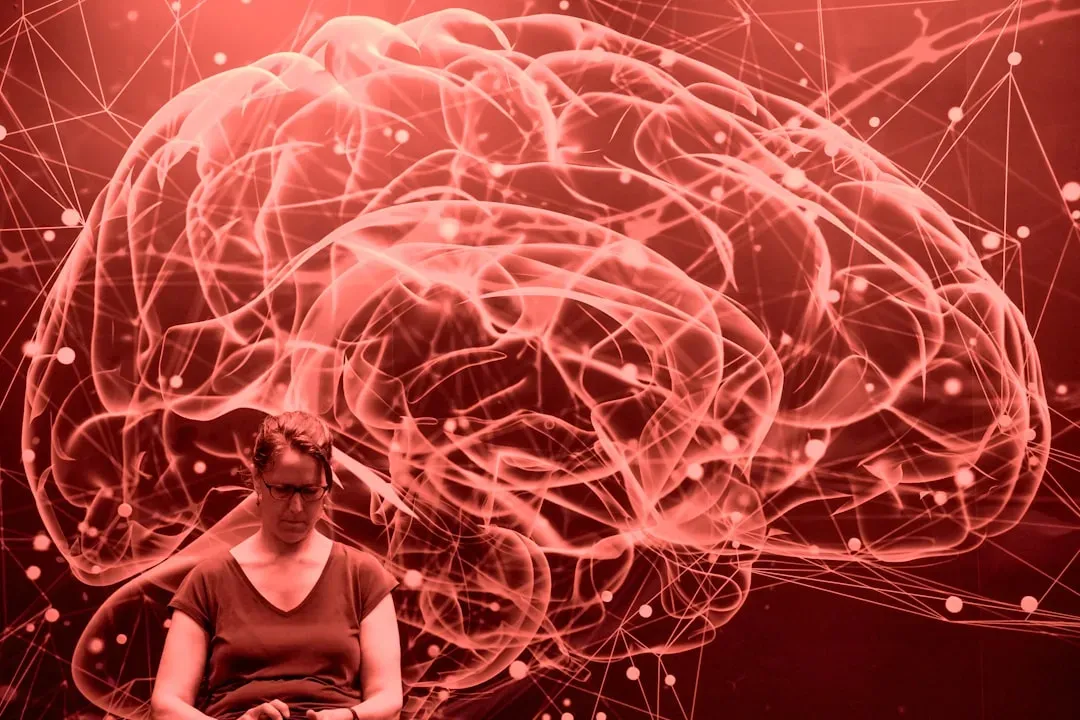
People love to talk about consciousness like it’s some kind of cosmic upgrade: the universe becoming aware of itself, humans as nature’s crowning achievement, that kind of thing. And sure, there’s something beautiful about a universe that can look back at itself and ask why it’s here. But awareness is also the thing that lets you feel despair at three in the morning, or replay an awkward conversation in your head for days. It’s not just awe and wonder – it’s also anxiety and dread.
Think of consciousness like a powerful, glitchy operating system. It lets you plan, remember, imagine futures, build cities, write music, fall in love. But it also lets you anticipate pain, regret past decisions, and invent worries that may never happen. The same brain that sees a sunset as breathtaking can also turn a small problem into a crushing mental storm. In that sense, consciousness feels less like a perfect design and more like a risky trade: immense capability in exchange for the possibility of deep suffering.
If Consciousness Is So Painful, Why Did It Evolve At All?
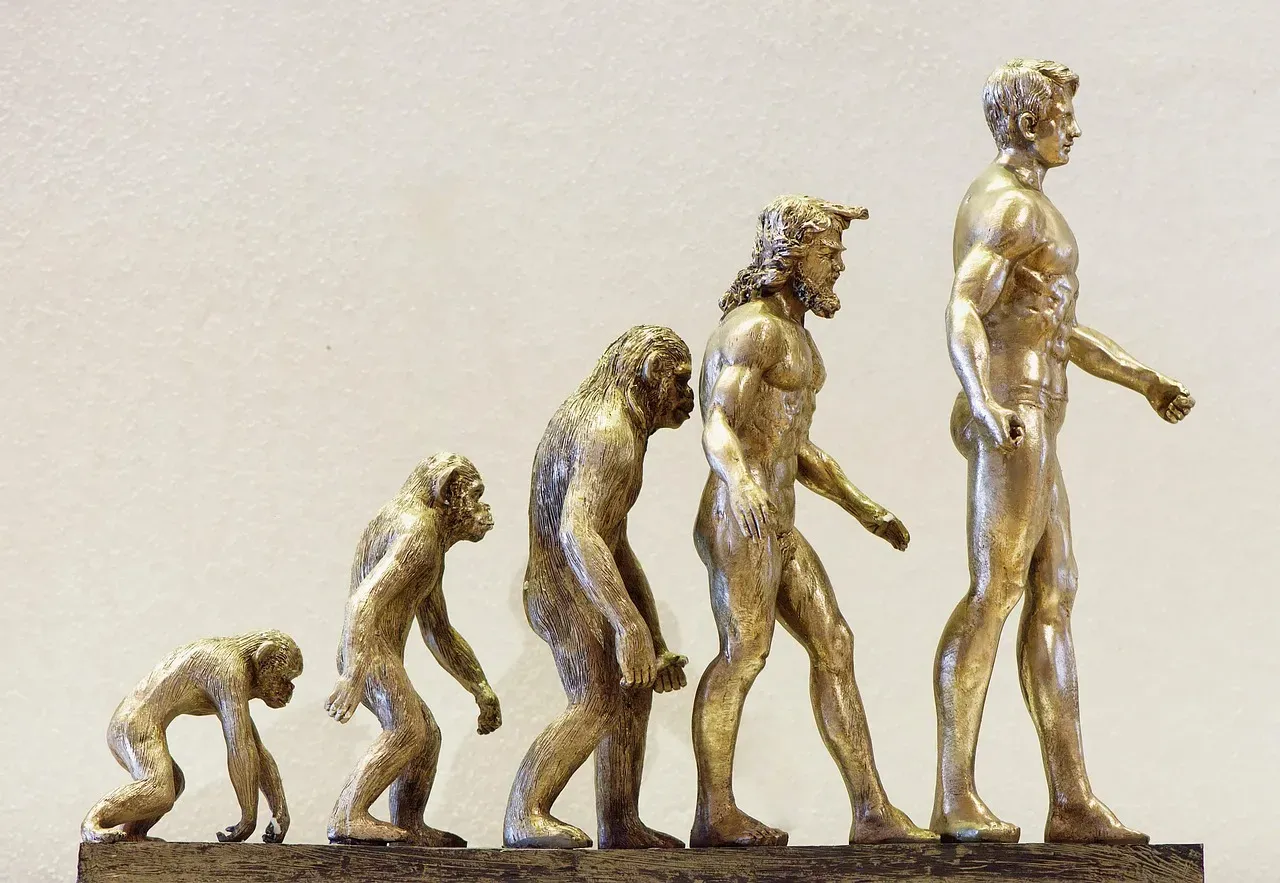
From an evolutionary perspective, consciousness probably didn’t show up so we could sit around and ask philosophical questions. It likely emerged because it helped our ancestors survive. Being aware of threats, remembering where food was, planning ahead, and understanding social dynamics – all of that gives a serious advantage in a dangerous world. A creature that can mentally simulate “What happens if I do this?” has a better shot at staying alive.
But evolution doesn’t care if you’re happy. It only “cares” – in a purely mechanical sense – that your genes get passed on. Pain, fear, and discomfort are effective motivators, so they get wired in and kept around. Consciousness may be the side effect of a brain wired to track danger, rewards, and patterns with ridiculous sensitivity. The agony of heartbreak, the panic of social rejection, the sting of shame – those feelings hurt so much partly because, at some deep level, they helped your distant ancestors avoid situations that might have killed them.
The Burden Of Knowing You Will Die
One of the strangest consequences of being conscious is realizing, at some point, that you’re going to die. Not in a distant, abstract way, but in a personal, “one day I won’t be here at all” kind of way. That knowledge sits in the background of everything you do, a quiet, permanent awareness that there’s an end point. No animal we know of seems to wrestle with that in the way humans do, obsessively and symbolically.
This awareness can feel like a cruel tax on existence. You can be laughing with friends or watching a movie, and suddenly you’re hit with the thought that all of this is temporary. Some people shove that awareness down and distract themselves; others stare it in the face and try to build meaning around it. Either way, the fact remains: consciousness doesn’t just let you live your life, it makes you painfully aware that your life has limits. That’s a high emotional price to pay for simply being able to notice that you’re alive.
The Shock Of Realizing You’re Not The Center Of Anything
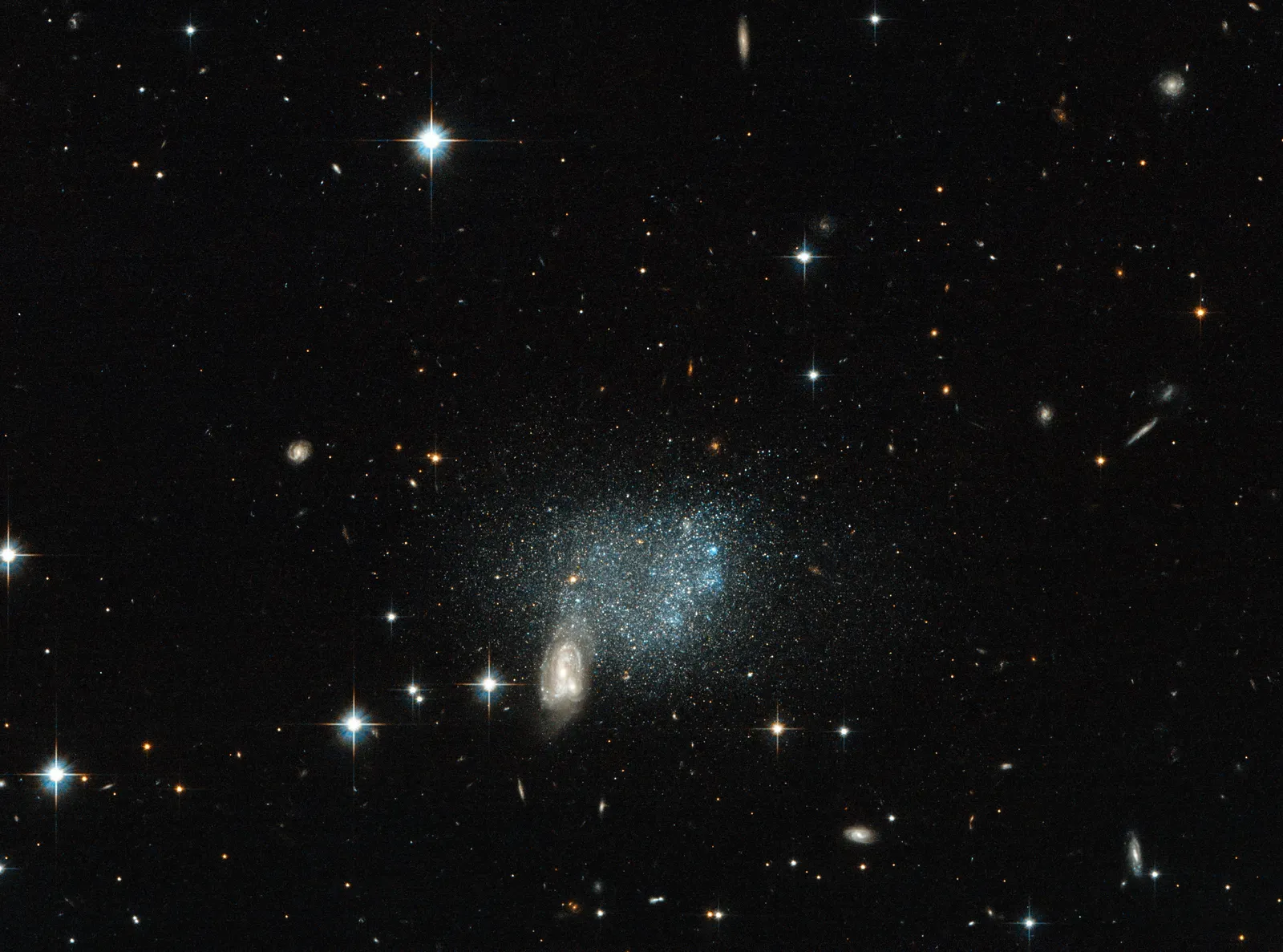
As kids, most of us feel like we’re the main character in some invisible story. The world seems to orbit around what we see and feel. Then, slowly, it hits: everyone else is just as vivid inside as you are. They have their own fears, dreams, memories, and private battles you’ll never fully know. You’re not the center – you’re one of billions, a single viewpoint among countless others on a tiny planet in a massive universe.
That realization can be both humbling and unsettling. On one hand, it can be freeing; you’re not under a cosmic spotlight, and your every mistake isn’t world-shattering. On the other hand, it can make everything feel small and fragile. Consciousness doesn’t just make you aware of yourself; it confronts you with the overwhelming fact that you’re a tiny, temporary part of something impossibly huge. That gap between how important your life feels and how small it seems in the grand scheme can be emotionally jarring.
The Quiet Horror And Quiet Beauty Of Self-Reflection

Here’s where things get even stranger: consciousness doesn’t only let you experience the world, it lets you turn inward and experience yourself. You can watch your own thoughts like a movie, question your motives, judge your past decisions, and even feel ashamed about things no one else knows. That ability to step back and observe yourself is powerful, but it opens the door to self-criticism, doubt, and guilt that can be brutal.
At the same time, that same reflective power lets you grow. You can notice patterns in your behavior, decide who you want to be, and slowly bend your life in that direction. You can recognize that you hurt someone and genuinely try to do better. Self-reflection is like a mirror that sometimes shows a harsh, unforgiving image, but it’s also the tool that lets you clean yourself up and change. The price is that you can never fully escape yourself; the gift is that you’re not stuck being who you were yesterday.
Is Meaning Our Way Of Paying The Bill?

If consciousness really , then meaning might be the way we make that cost feel bearable. Humans are almost addicted to creating meaning: in relationships, in work, in art, in community, in small daily rituals. We take raw experiences – love, loss, success, failure – and weave them into stories about who we are and why it matters that we were here at all. Without those stories, the bare fact of being conscious can feel chaotic and empty.
Personally, I’ve found that the times when life felt most unbearable weren’t necessarily the hardest times, but the ones that felt pointless. When there was no “why,” consciousness felt like a trap – just endless thinking inside a box I couldn’t see out of. When even a small “why” appeared, like being there for someone, working on something that mattered to me, or just appreciating a simple moment, that same consciousness suddenly felt less like a punishment and more like an opportunity. Maybe meaning isn’t a solution to the price of existence, but it might be the only currency we have to pay it with.
Living With The Possibility, Not The Answer

We still don’t know what consciousness really is, and we definitely don’t know why the universe makes room for it at all. Maybe it’s a freak accident of biology. Maybe it’s a fundamental property of reality. Maybe it’s something we don’t have the tools to understand yet. What we do know is that we’re in it – right now, reading these words, feeling whatever they trigger in you, carrying your own history and your own private future.
Thinking of consciousness as the price of existence doesn’t solve anything, but it does change the way the whole situation feels. Instead of assuming that awareness is a free, harmless gift, it invites you to see it as a risky, costly, incredibly intense feature of being alive. And once you see it that way, a simple question starts to echo in the background: given that you’re paying this price no matter what, how do you want to spend the time you’ve been given?