
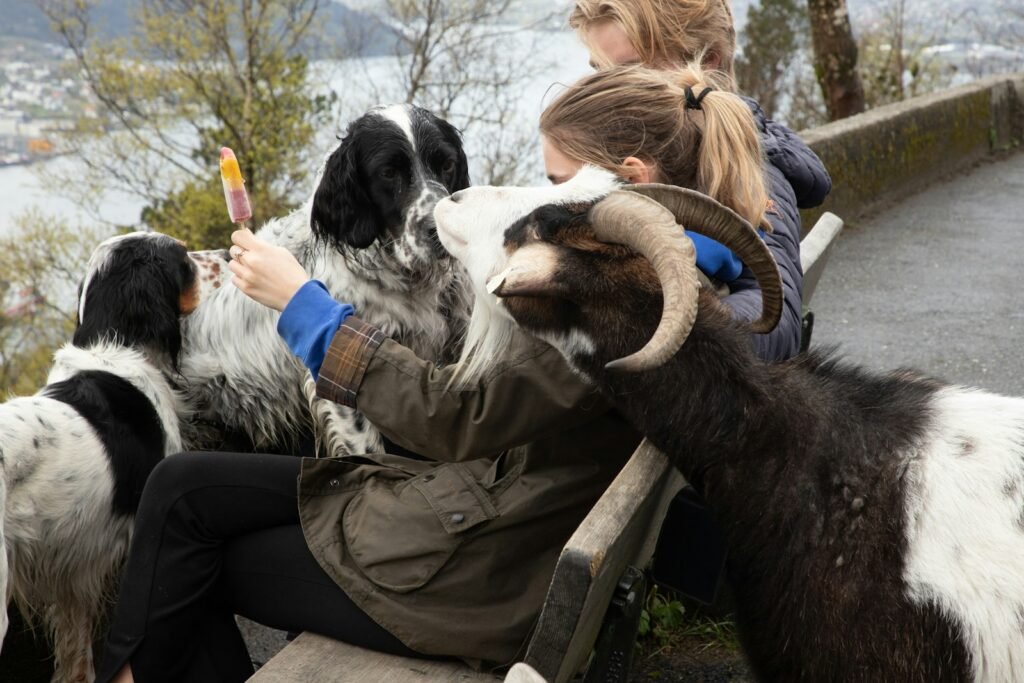

Every trip begins with a hunch: this place will change me, or at least surprise me. Yet buried inside that hunch is a pattern scientists can measure – signals of risk tolerance, novelty-seeking, and how our brains track reward. As wildlife biologists decode animal movement and psychologists map human curiosity, an unexpected bridge has formed between migration ecology and travel behavior. The metaphor of a “spirit animal” suddenly feels less mystical and more like a playful lens on real traits. Read on with a curious eye: you may recognize yourself long before your next boarding call.
The Hidden Clues
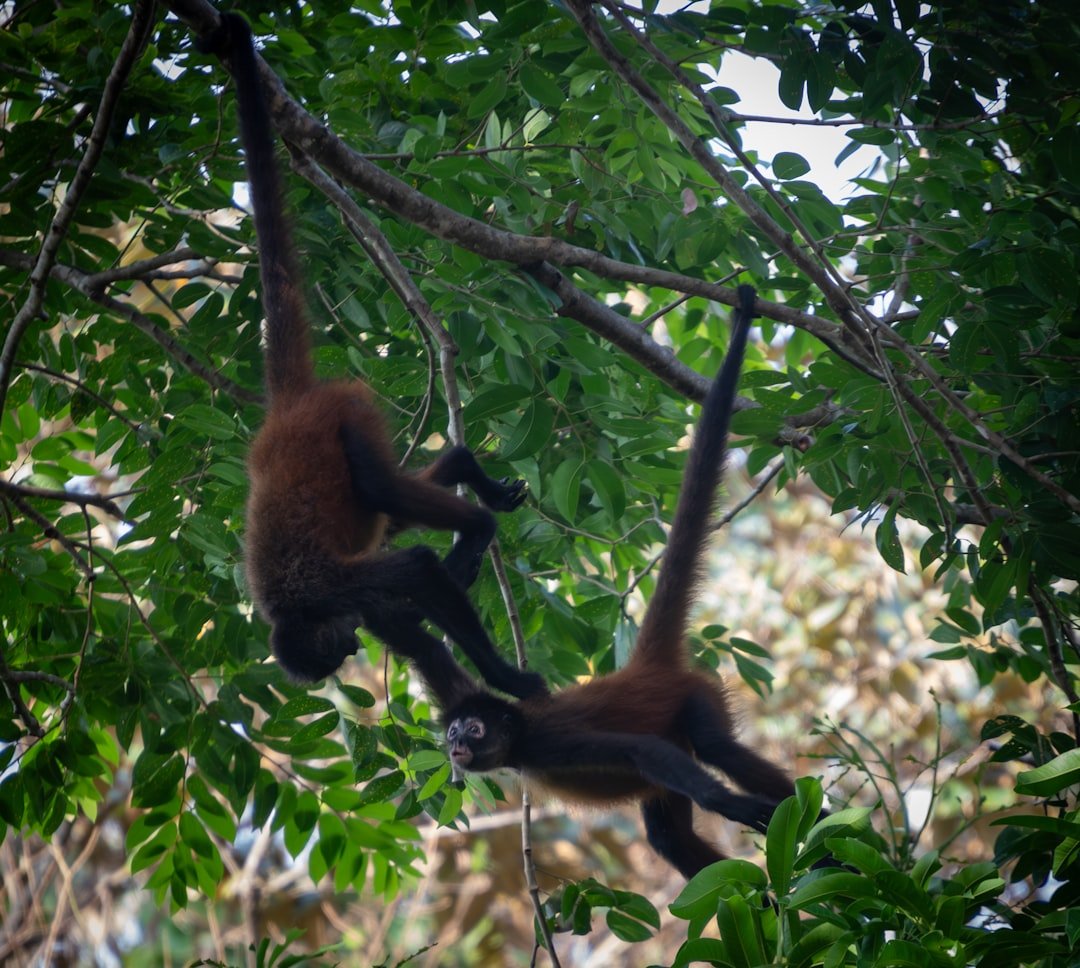
What if the animal that mirrors your travel style isn’t fantasy at all, but a shorthand for how you handle uncertainty? Tiny decisions – taking the side street, choosing the night train, saying yes to a last-minute detour – stack into a behavioral fingerprint. Researchers studying exploration tend to focus on two forces: the pull of novelty and the comfort of routine, a tug-of-war that shapes every itinerary.
In wildlife, similar trade-offs determine whether a forager fans out or stays put. The same mathematics, from optimal foraging to search strategies, can describe how we hunt for a great meal or a perfect trail. That’s where animal archetypes become useful signposts rather than stereotypes.
From Ancient Symbols to Modern Science
Animals have long served as cognitive shortcuts – wolves for stamina, owls for vigilance, turtles for patience. Today, personality psychology adds structure to those symbols with well-studied dimensions like openness, conscientiousness, and sensation-seeking. High openness often correlates with choosing complex itineraries and immersive cultural experiences, while high conscientiousness trends toward careful planning and buffer days.
Meanwhile, movement ecology tracks how creatures balance energy, safety, and reward across landscapes. When we talk about a “fox” traveler who scouts broadly or a “turtle” who savors a single cove, we’re echoing patterns biologists record with GPS tags and accelerometers. The metaphor lands because the underlying strategies rhyme.
Inside the Explorer’s Brain

Under the hood, novelty lights up reward circuits, nudging us to explore new streets or cuisines. Sensation-seeking, a trait measured for decades, nudges some of us toward remote passes and others toward museums with clear signage and a quiet café. Neither is better; each is a stable strategy for managing uncertainty and energy.
Stress chemistry also knits into the story. People with lower baseline stress responses tend to tolerate the friction of missed connections and noisy hostels, while higher sensitivity favors predictability and restorative pauses. Your “animal” is, in part, the tempo of your nervous system on the road.
Movement Lessons From Wildlife
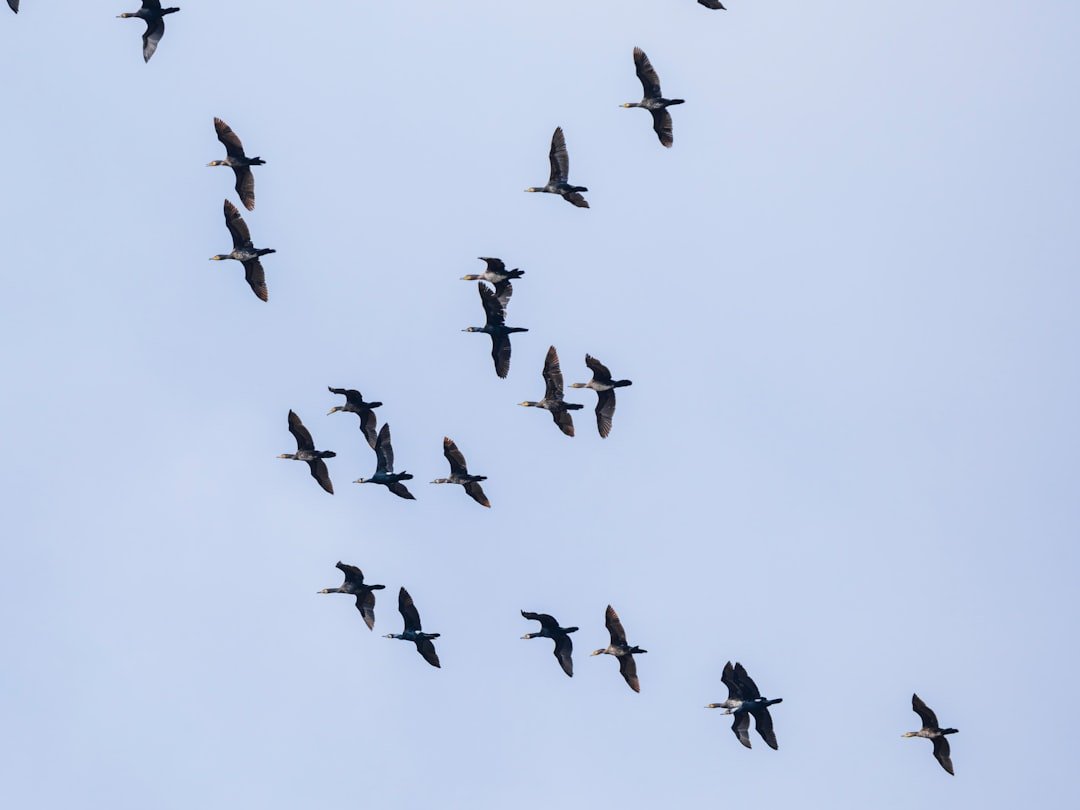
Migratory birds practice astonishing precision, yet they also flex routes when winds shift – an elegant mix of plan and improvisation. Predators often patrol known circuits, then burst into exploratory sprints when signals suggest a new opportunity. Travelers do the same when a tip from a street vendor redraws the day.
Some animals zigzag in Lévy-like searches, ideal for sparse rewards; others graze steadily when resources are dense. Translate that to travel: the zigzagger thrives on open agendas and serendipity, while the grazer loves neighborhoods where every corner delivers. Think less horoscope, more movement template.
Global Perspectives

Culture shapes how we express the same core traits. In some regions, hospitality norms make spontaneous home-cooked dinners with strangers common, rewarding the bold explorer; elsewhere, etiquette values advance planning and formal invitations. Geography matters too: mountains, coasts, and dense cities each reward different search patterns.
It’s important to use animal metaphors with care and respect. Many Indigenous traditions treat animal identities as sacred, not lifestyle branding. A thoughtful approach treats “spirit animal” here as a lightweight metaphor for scientifically observed tendencies, not a claim to spiritual roles.
Matching Archetypes to Itineraries
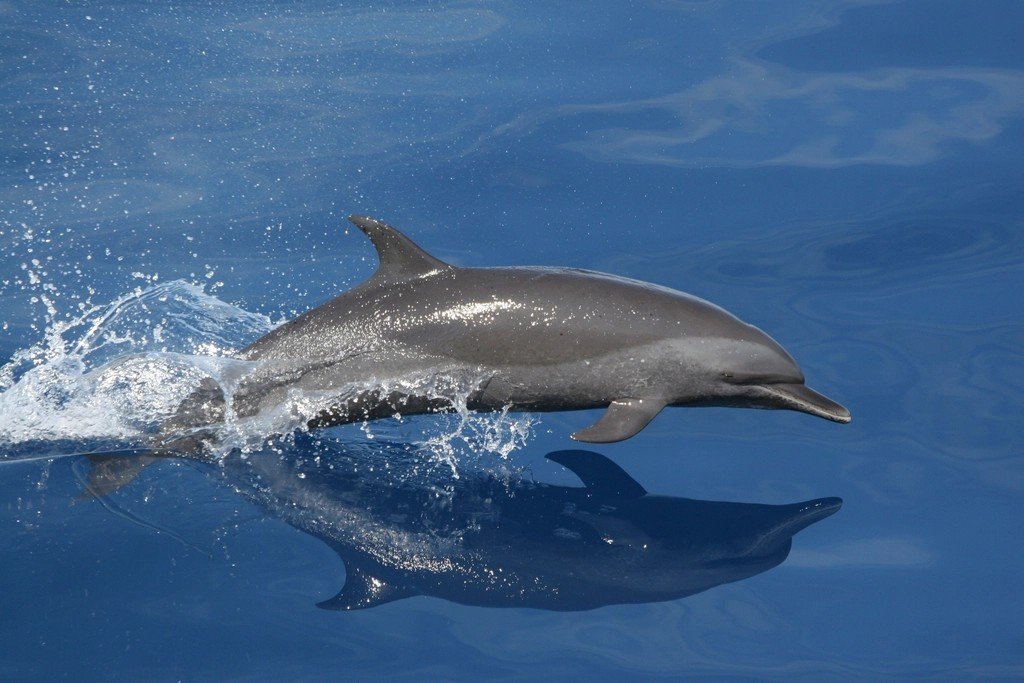
If you’re a “dolphin,” you thrive in social currents – co-working hostels, night markets, cooking classes where teamwork sparks joy. A “lynx” profile seeks quiet vistas, dawn light, and long gaps between encounters, savoring silence as a resource. “Albatross” travelers tolerate distance, stringing far-flung stops for the thrill of horizon after horizon.
“Beaver” types love building structure: rail passes, museum slots, and a folder of offline maps. And then there’s the “fox,” curious and adaptable, swapping plans when street music drifts in from an alley. None of these labels lock you in; they simply highlight the routes where you’re likely to feel most alive.
Why It Matters
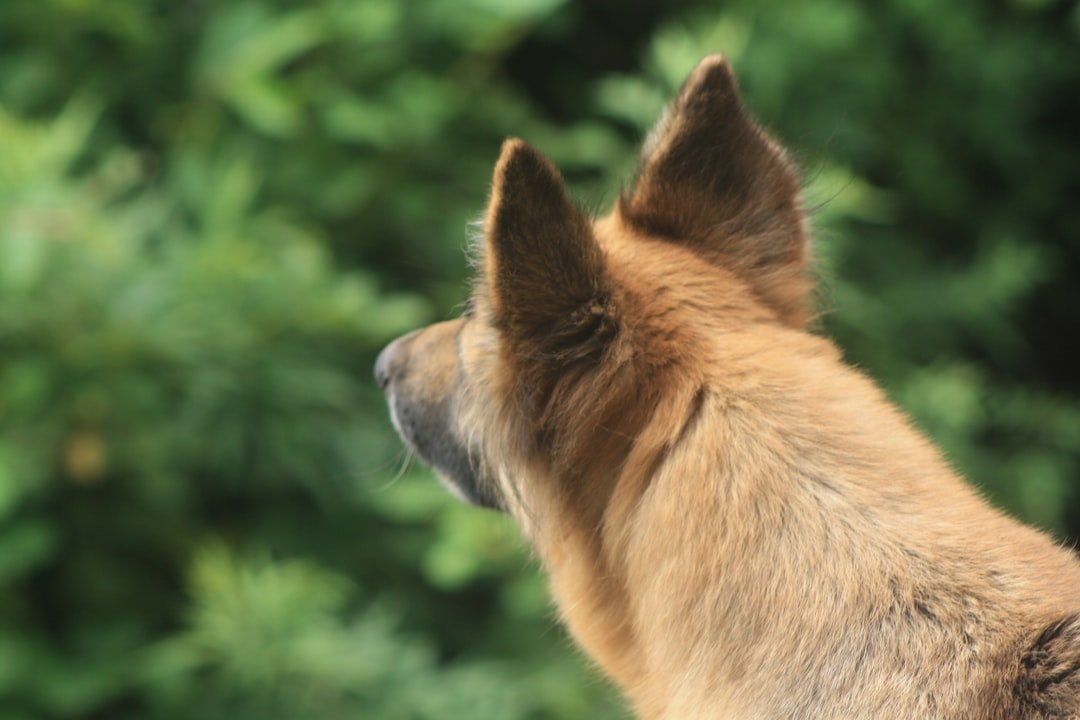
Knowing your travel animal can reduce friction and increase safety. When plans align with temperament, we’re less likely to overextend, undersleep, or make risky calls just to keep pace with someone else’s style. It also helps companions negotiate: a dolphin and lynx can succeed together with alternating days and agreed solo blocks.
Compared with generic bucket lists, a trait-first approach improves fit and resilience. It reframes “fear of missing out” as a design choice rather than a failure. The payoff is not more stamps but better recovery, deeper memory, and fewer preventable mishaps.
Reading Your Own Signals
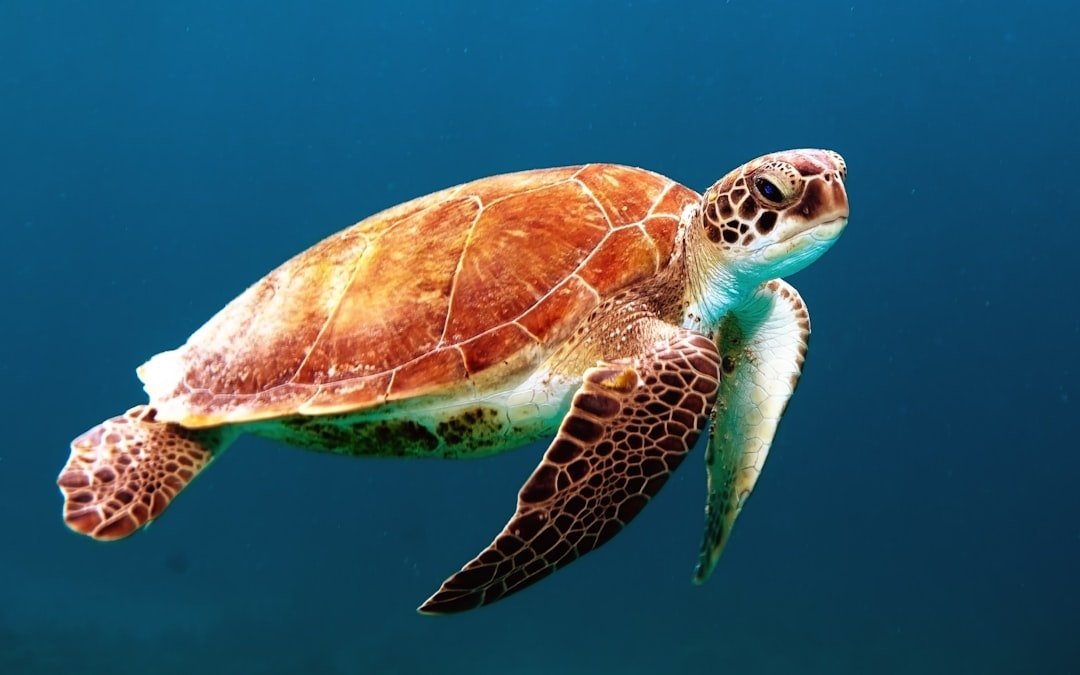
Start with small audits: when did you last feel overstimulated on a trip, and what preceded it? If loud transit hubs drain you, you may be a lynx or turtle needing buffer zones between big moves. If long museum days feel stifling, your fox or albatross side may be asking for flexible blocks.
Your body clock matters too. Night owls often enjoy evening-heavy cities and sunrise trains that double as sleep time; early birds thrive on dawn hikes before crowds gather. Build the skeleton of your plan around these rhythms, then let chance add the color.
The Hidden Science of Companionship
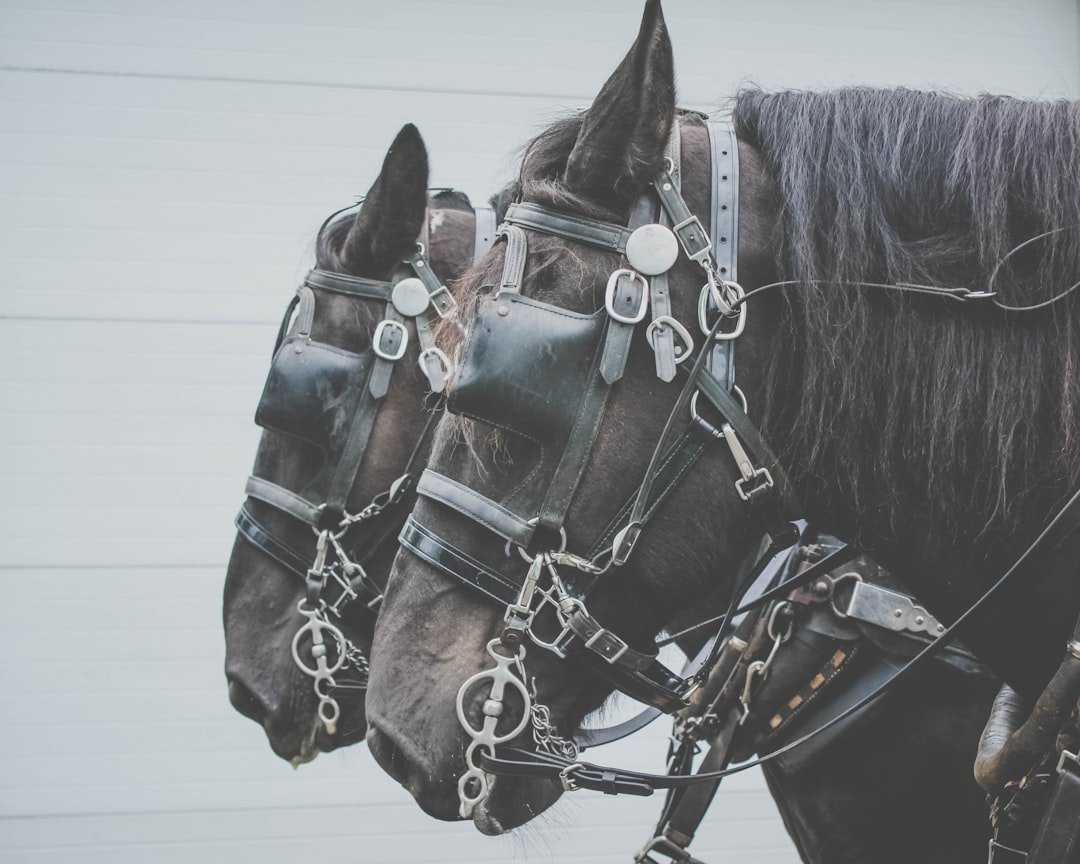
Group trips succeed when animals form a stable micro-ecosystem. A beaver provides structure so the dolphin can play, while the fox scouts side quests that refresh the lynx. The trick is explicit trade: one morning of planned galleries for one evening of wandering.
I learned this the hard way on a remote bus route when a surprise road closure forced an overnight in a tiny hill town. My beaver-friend’s backup list of guesthouses saved us; my fox impulse found a family-run eatery that turned the delay into a highlight. Balance beats sameness every time.
The Future Landscape

Personalization tools are getting sharper, pulling signals from mobility patterns, booking choices, and stated preferences. In the near term, simple sliders – novelty, noise tolerance, social energy – will translate into route suggestions that actually fit. Movement models borrowed from ecology could help planners suggest when to pivot or pause.
But there are hard questions ahead. Data privacy, consent, and algorithmic bias must sit at the core, not as afterthoughts. Expect tools that keep most processing on-device, explain recommendations clearly, and allow opt-outs without penalty.
Conclusion
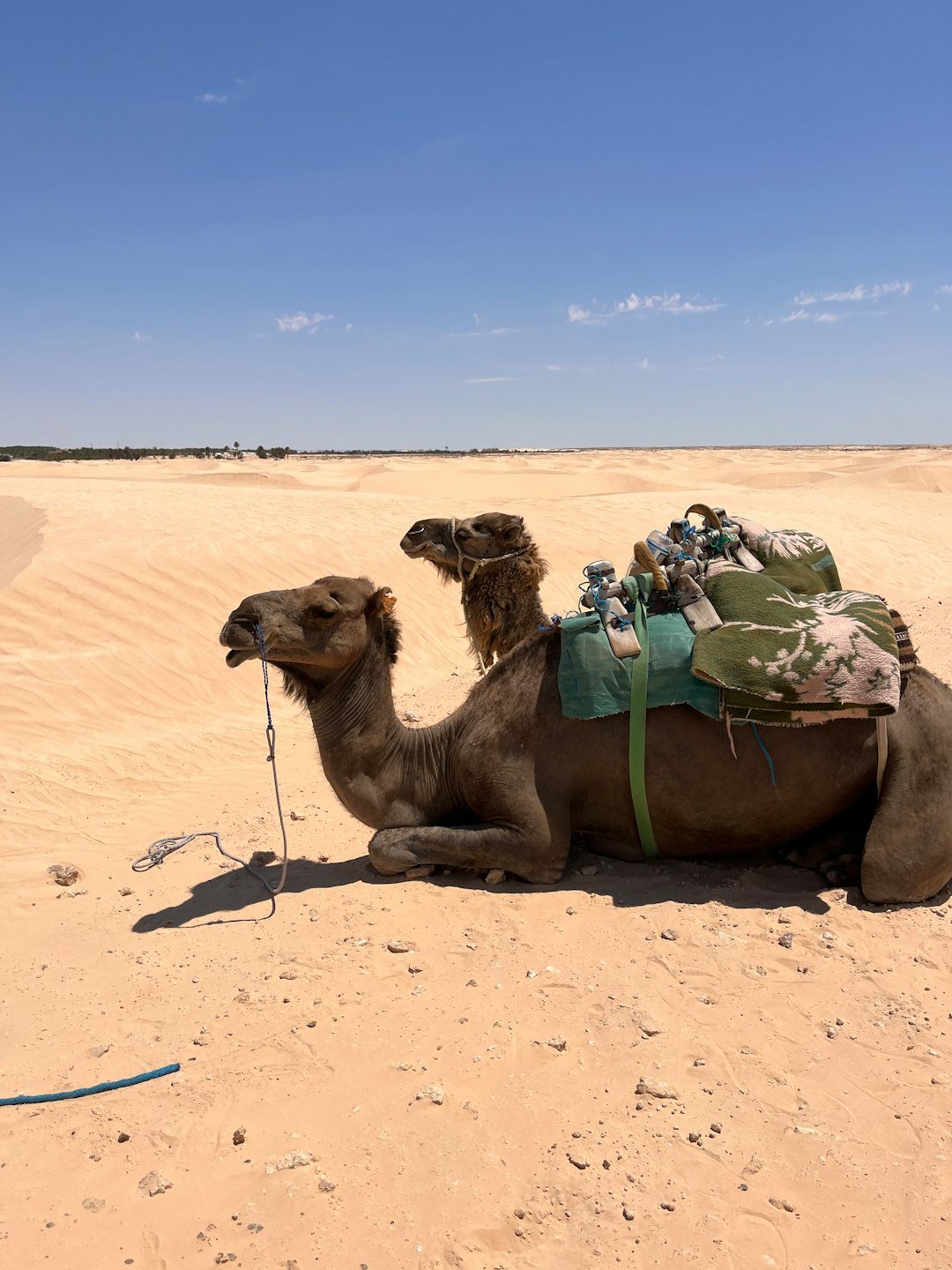
Sketch your travel animal before your next trip and stress-test the plan against it. If you’re a dolphin, book at least one structured social activity; if you’re a lynx, protect two quiet mornings like precious shoreline. Share your profile with companions to negotiate expectations early.
Travel with wildlife in mind too. Choose operators that reject animal performances, stay on marked trails, and support local conservation fees. Your happiest itinerary can also be the gentlest one.
Suhail Ahmed is a passionate digital professional and nature enthusiast with over 8 years of experience in content strategy, SEO, web development, and digital operations. Alongside his freelance journey, Suhail actively contributes to nature and wildlife platforms like Discover Wildlife, where he channels his curiosity for the planet into engaging, educational storytelling.
With a strong background in managing digital ecosystems — from ecommerce stores and WordPress websites to social media and automation — Suhail merges technical precision with creative insight. His content reflects a rare balance: SEO-friendly yet deeply human, data-informed yet emotionally resonant.
Driven by a love for discovery and storytelling, Suhail believes in using digital platforms to amplify causes that matter — especially those protecting Earth’s biodiversity and inspiring sustainable living. Whether he’s managing online projects or crafting wildlife content, his goal remains the same: to inform, inspire, and leave a positive digital footprint.

