
The countdown has begun. Not for another government space mission or satellite deployment, but for you and millions of others dreaming of touching the edge of space. As we stand on the brink of 2026, the space tourism industry is transforming from science fiction into accessible reality. Within the next decade, spaceports around the globe will become as familiar as international airports, launching ordinary people into extraordinary experiences beyond Earth’s atmosphere.
The Dawn of Commercial Space Travel

Space tourism isn’t just knocking at the door anymore – it’s already inside, making itself comfortable. Companies like Virgin Galactic, Blue Origin, and SpaceX have proven that civilian space travel is not only possible but profitable. The industry generated over $8 billion in revenue in 2024, and experts predict this figure will skyrocket to $75 billion by 2035.
What started as the playground of billionaires is rapidly democratizing. While early space tourists paid upwards of $55 million for orbital flights, suborbital experiences now cost between $250,000 and $450,000. Industry analysts forecast that by 2035, a basic suborbital flight could cost as little as $50,000 – still expensive, but within reach of upper-middle-class adventurers.
Mojave Air and Space Port: America’s Original Space Gateway

California’s Mojave Desert has been the birthplace of experimental aviation for decades, and it’s maintaining that pioneering spirit in the space age. The Mojave Air and Space Port holds the distinction of being the world’s first commercial spaceport, licensed by the Federal Aviation Administration in 2004. Virgin Galactic’s SpaceShipTwo made its historic flights from this dusty runway, proving that space doesn’t require massive government installations.
By 2035, Mojave is expected to expand significantly, with multiple runways dedicated to different types of spacecraft. The facility’s remote location provides ideal conditions for experimental flights, while its proximity to Los Angeles makes it accessible to wealthy tourists. Plans include a luxury terminal complex and training facilities that will accommodate thousands of space tourists annually.
Spaceport America: New Mexico’s Billion-Dollar Bet
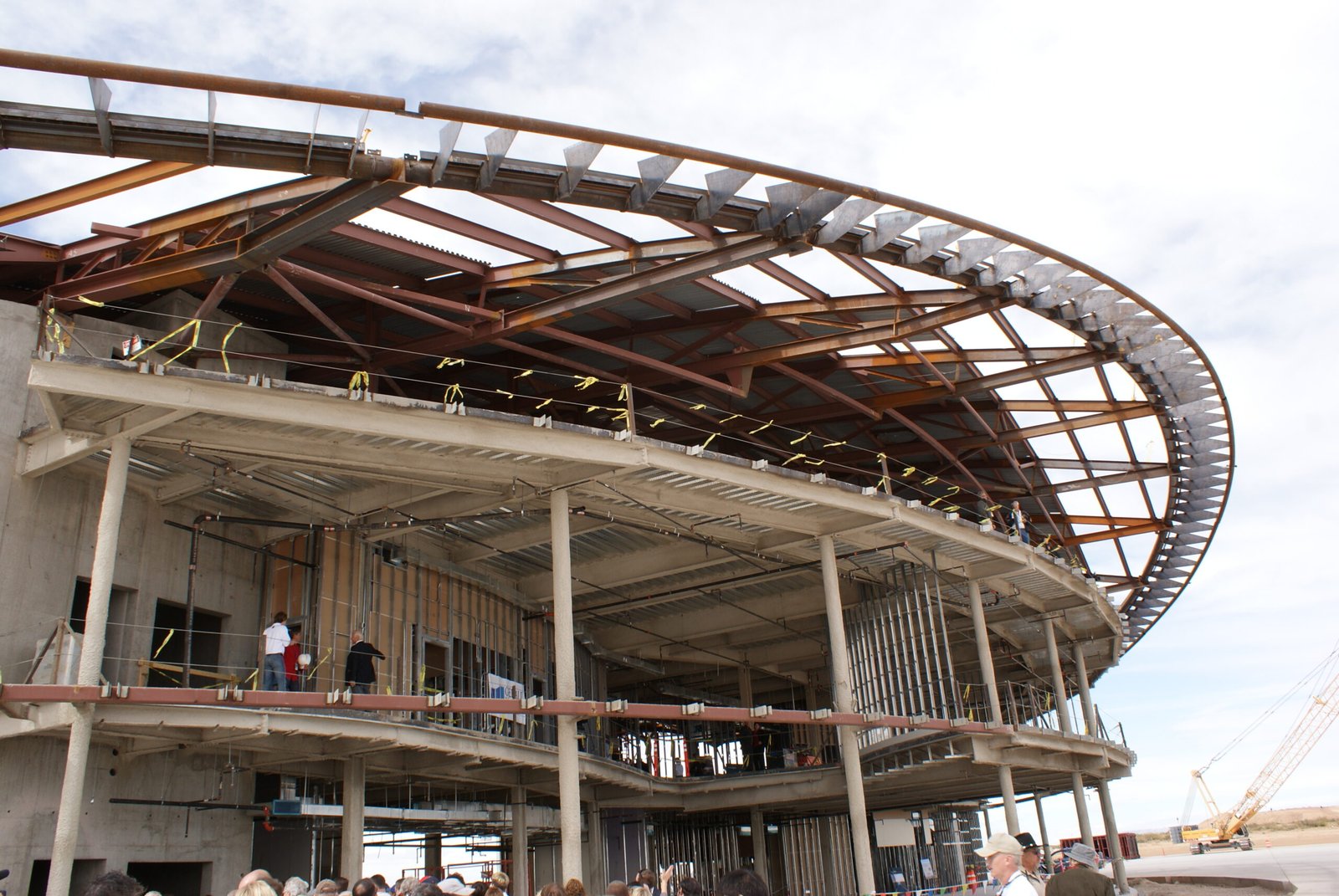
Rising from the New Mexico desert like something from a sci-fi movie, Spaceport America represents the most ambitious civilian spaceport project in the United States. This $220 million facility spans 18,000 acres and features the world’s longest and widest commercial spaceflight runway. Virgin Galactic has made this their primary operational base, conducting regular tourist flights since 2021.
The spaceport’s futuristic terminal, designed by Foster + Partners, can handle multiple spacecraft operations simultaneously. By 2035, facility managers project they’ll be launching 500 tourist flights annually. The surrounding area is developing into a space tourism hub, with luxury hotels and training centers catering to the growing market of civilian astronauts.
What sets Spaceport America apart is its comprehensive approach to space tourism. Visitors don’t just arrive, launch, and leave – they experience a three-day program including astronaut training, educational seminars, and acclimatization activities that enhance the overall space experience.
Kennedy Space Center: From NASA to Everyone
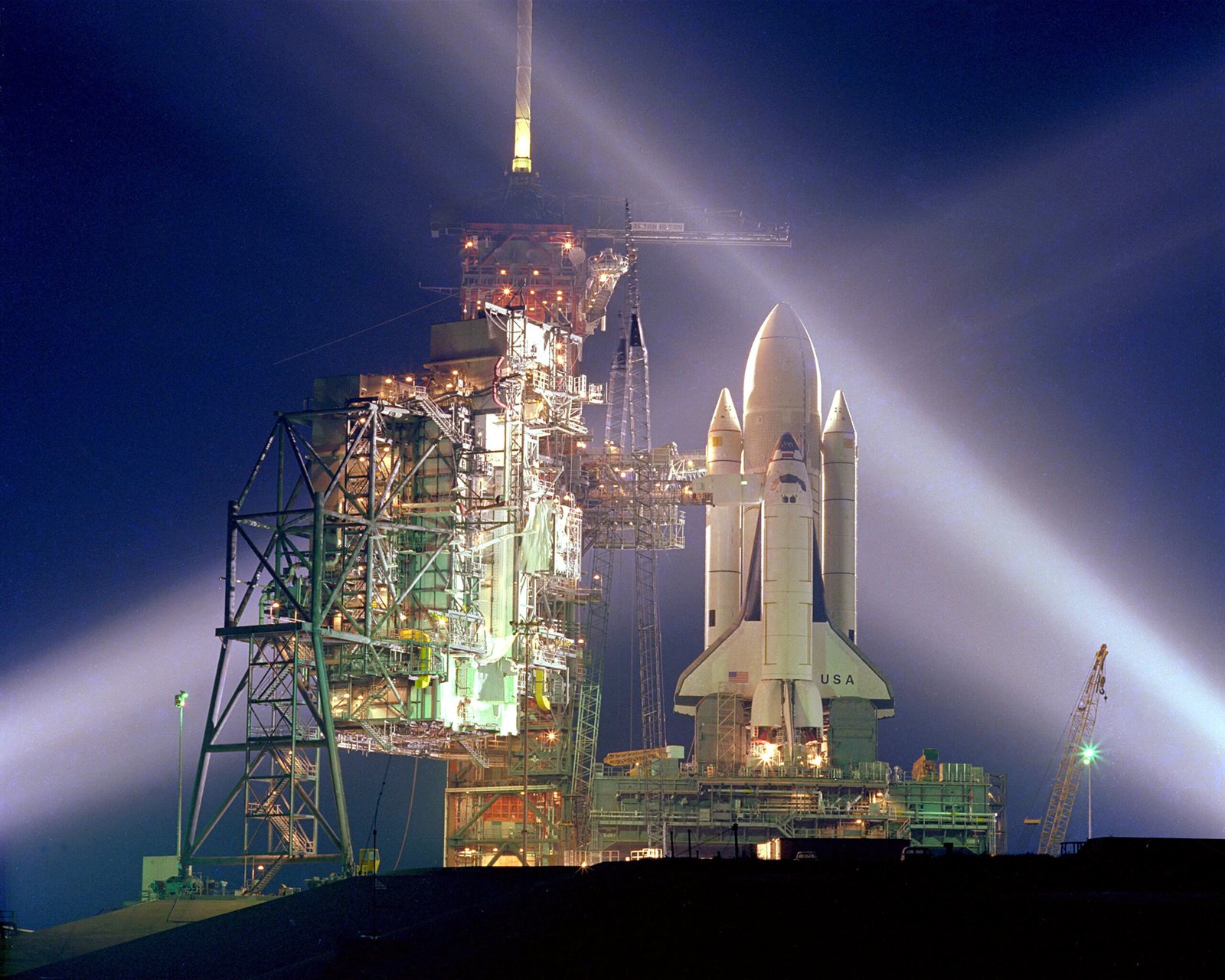
Florida’s Kennedy Space Center, once the exclusive domain of NASA astronauts, is opening its legendary launch pads to commercial operators. SpaceX has already established a strong presence here, and by 2035, multiple companies will be offering tourist flights from the same location that sent humans to the moon. The symbolic power of launching from Kennedy cannot be overstated – it connects space tourists to the grand narrative of human space exploration.
Plans are underway to construct dedicated commercial terminals adjacent to the historic launch complexes. These facilities will handle both suborbital flights and multi-day orbital experiences. The center’s existing infrastructure and experienced workforce provide significant advantages over newer spaceports.
Woomera Spaceport: Australia’s Outback Launch Pad
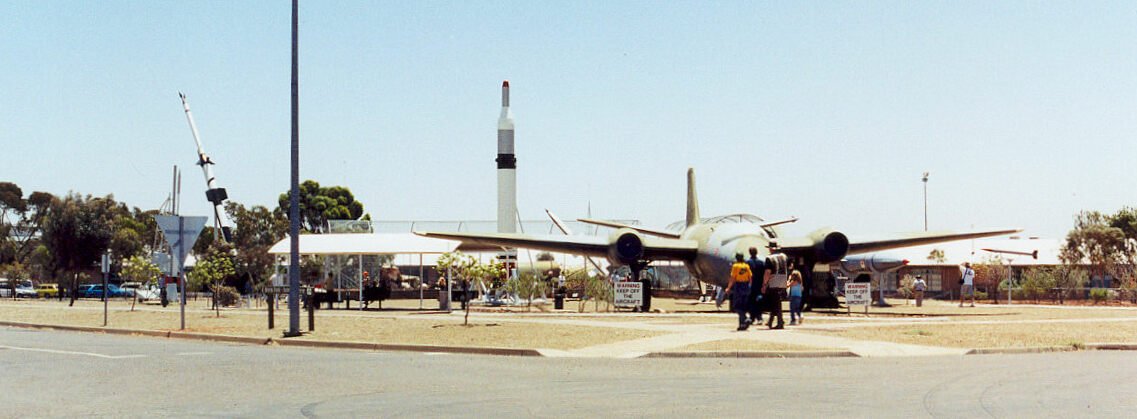
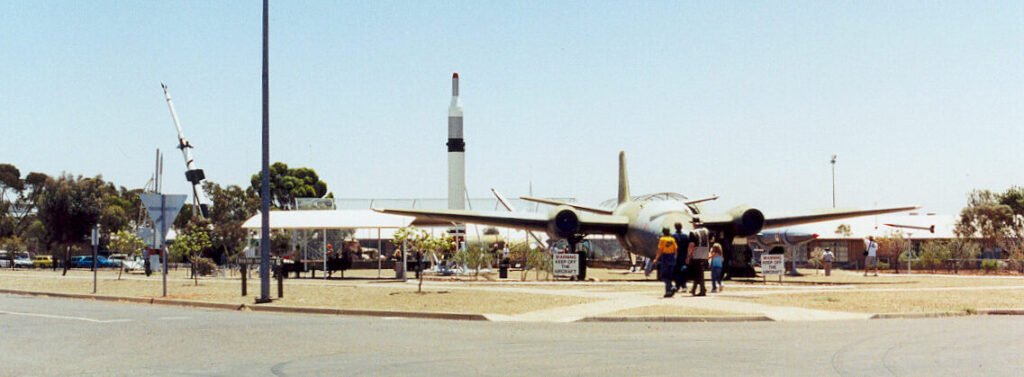
In the remote South Australian outback, Woomera Spaceport is positioning itself as the Asia-Pacific’s premier space tourism destination. This massive facility, covering 122,000 square kilometers, offers something no other spaceport can: virtually unlimited airspace and minimal air traffic. Southern Launch, the primary operator, has ambitious plans to accommodate both satellite launches and space tourism by 2030.
The spaceport’s location provides unique advantages for certain types of missions, including polar and sun-synchronous orbits that are difficult to achieve from other global locations. For space tourists, Woomera offers the adventure of launching from one of the world’s most remote and pristine locations.
By 2035, Woomera expects to handle both horizontal takeoff vehicles like Virgin Galactic’s SpaceShipTwo and vertical launch systems. The facility is investing heavily in luxury accommodations and experience packages that showcase Australia’s unique landscape and indigenous culture alongside space adventures.
Blue Origin’s West Texas Facility: Bezos’s Desert Dream
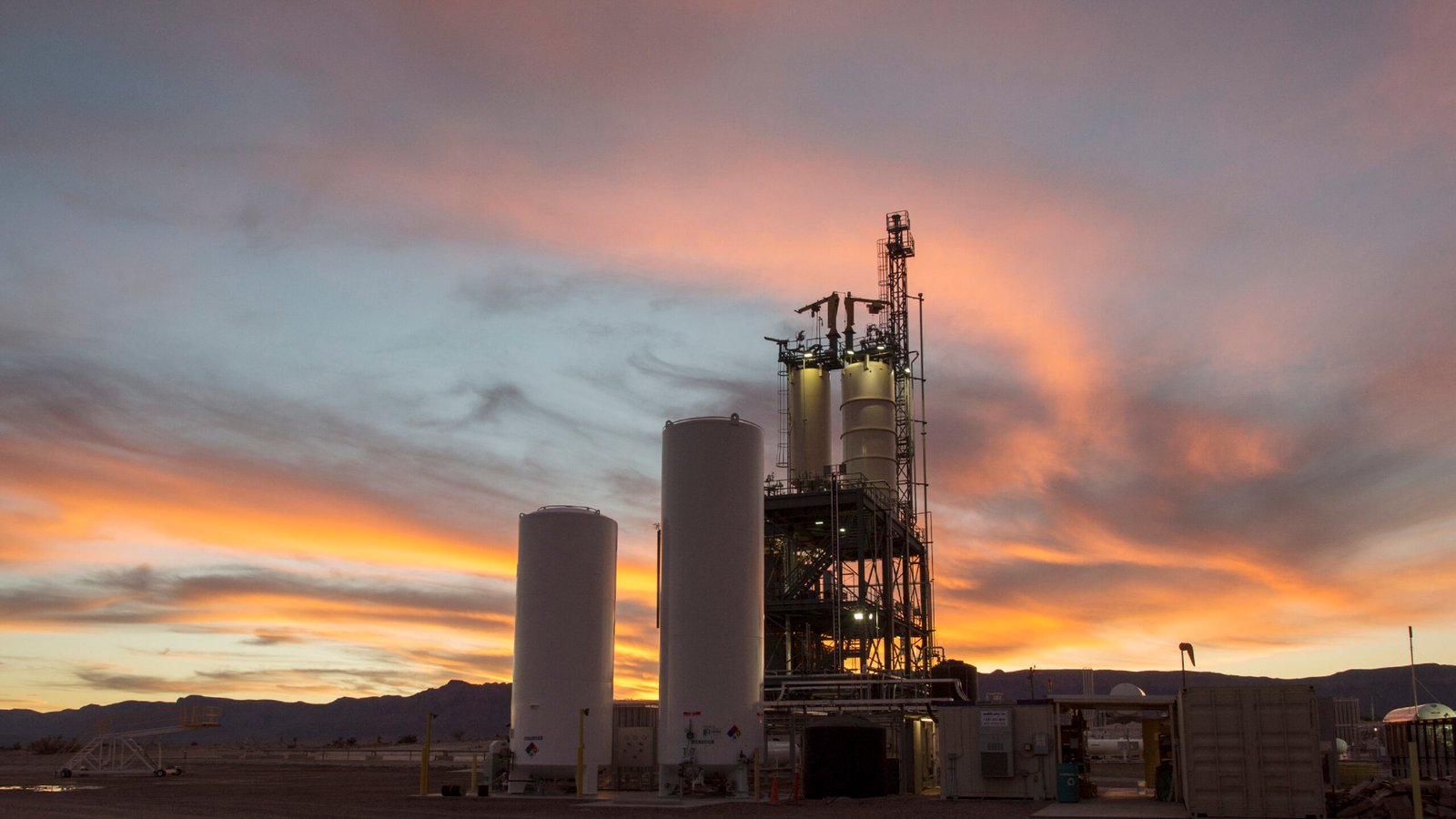
Deep in the West Texas desert, Blue Origin has constructed a spaceport that embodies founder Jeff Bezos’s vision of millions of people working and living in space. The facility, located near the town of Van Horn, has been operational since 2021 and continues to expand its capabilities. Blue Origin’s New Shepard vehicle has successfully carried dozens of paying customers to the edge of space from this location.
The company’s long-term plans extend far beyond tourism. By 2035, this facility will serve as a testing ground for Blue Origin’s larger orbital vehicles and potentially as a launch site for space manufacturing operations. For tourists, the experience includes a multi-day program featuring astronaut training, educational presentations, and luxury accommodations in the surrounding desert landscape.
Cornwall Spaceport: Britain’s Gateway to the Cosmos
Cornwall Airport Newquay has transformed into Britain’s first operational spaceport, representing the United Kingdom’s entry into the commercial space race. Virgin Orbit’s air-launched rocket system made its debut here in 2023, though with mixed results. However, the facility continues to develop, focusing on both satellite deployment and space tourism opportunities.
The spaceport’s coastal location provides excellent conditions for horizontal launch systems, while its existing airport infrastructure minimizes development costs. By 2035, Cornwall Spaceport aims to be handling regular tourist flights, taking advantage of Britain’s favorable regulatory environment for commercial space activities.
What makes Cornwall unique is its integration with the region’s tourism industry. Space tourists can combine their cosmic adventure with exploration of Cornwall’s dramatic coastline, historic sites, and cultural attractions, creating a comprehensive experience that extends well beyond the flight itself.
Esrange Space Center: Sweden’s Arctic Advantage

Located north of the Arctic Circle in Kiruna, Sweden, Esrange Space Center offers something truly unique in the world of space tourism: the chance to launch under the northern lights. This facility has been conducting rocket launches since 1966, but recent expansions aim to capture the growing space tourism market by 2030.
The center’s extreme northern location provides access to polar orbits that are impossible from lower latitudes. For space tourists, this means unique viewing opportunities and flight paths that no other spaceport can offer. The facility is investing in heated launch platforms and specialized equipment to handle operations in temperatures that can drop below -40°C.
Wallops Flight Facility: Virginia’s Eastern Gateway

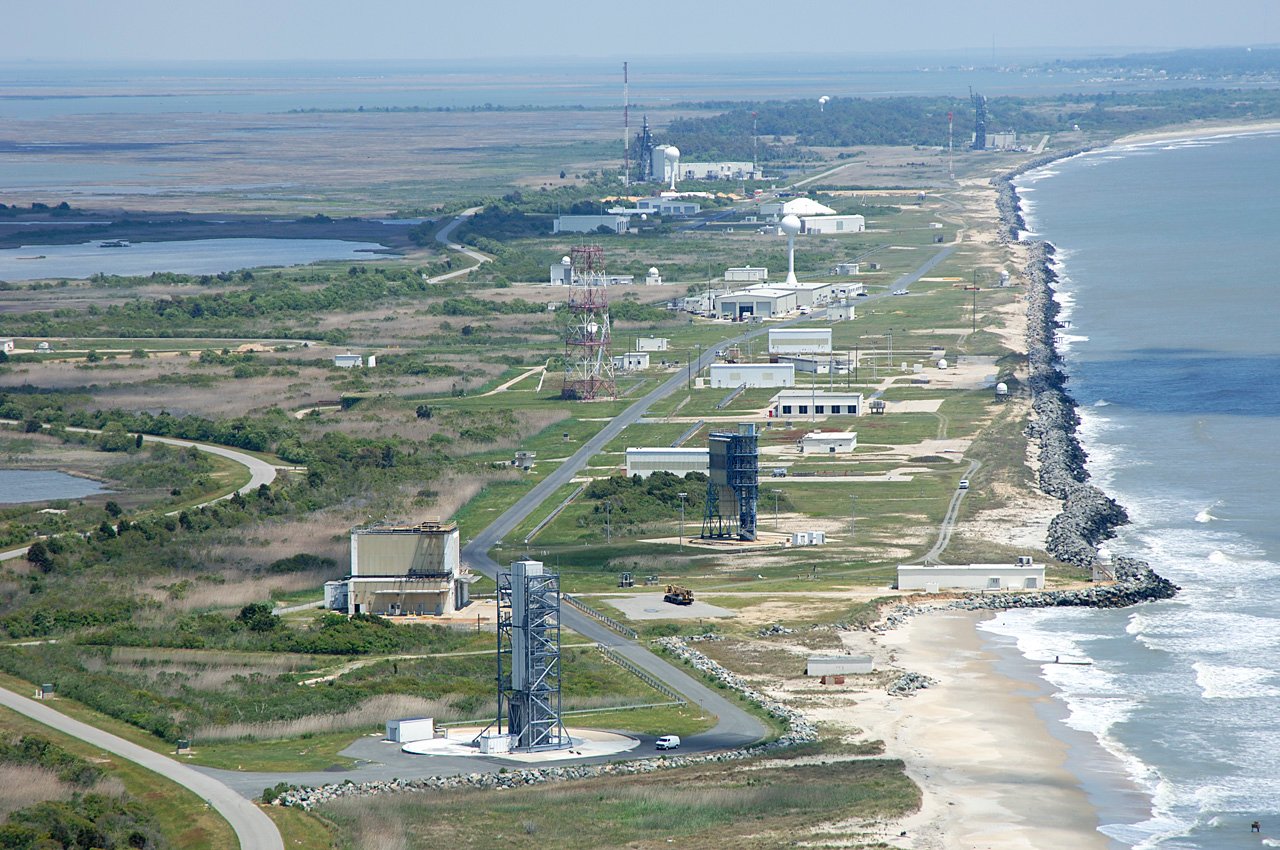
NASA’s Wallops Flight Facility on Virginia’s Eastern Shore is transitioning from a primarily government operation to include significant commercial activities. Companies like Rocket Lab and others are establishing operations here, with space tourism expected to begin by 2028. The facility’s location on the Atlantic coast provides excellent opportunities for water recovery of reusable spacecraft components.
Wallops offers several advantages for space tourism operations, including established launch infrastructure, experienced personnel, and proximity to major East Coast population centers. Plans call for dedicated commercial terminals and tourist facilities that will complement the existing government operations.
The facility’s history of successful launches and safety record make it an attractive option for space tourism companies seeking proven, reliable launch sites. By 2035, Wallops could be handling hundreds of tourist flights annually while maintaining its role in government and commercial satellite operations.
Boca Chica: SpaceX’s Starship Metropolis
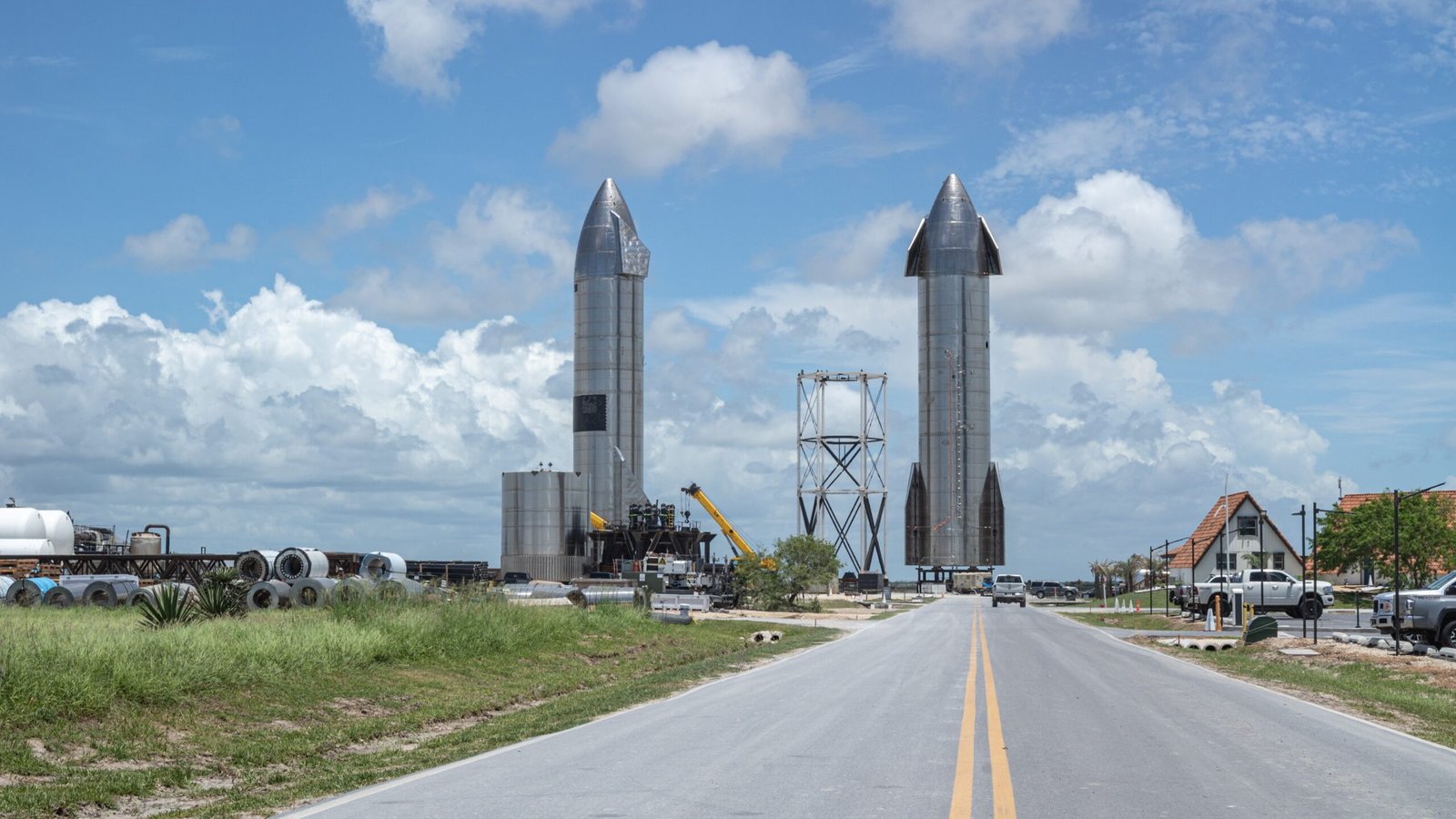
In the far south of Texas, near the border with Mexico, SpaceX is constructing what may become the world’s busiest spaceport. The Boca Chica facility, also known as Starbase, is designed specifically for SpaceX’s massive Starship vehicle. While primarily focused on Mars colonization missions, the facility will also offer unique space tourism experiences, including multi-day orbital flights and potentially lunar tourism by 2035.
Unlike other spaceports that modify existing infrastructure, Boca Chica is being built from the ground up for 21st-century space operations. The facility includes manufacturing areas where Starship vehicles are assembled, fueling operations, and eventually, passenger terminals for space tourists. SpaceX’s vertical integration approach means tourists will experience the entire spacecraft production process as part of their visit.
RocketPort: Germany’s Commercial Space Hub

Germany is developing its first commercial spaceport in the North Sea, utilizing an offshore platform approach similar to oil drilling operations. This innovative RocketPort concept aims to begin operations by 2027, offering both satellite launches and space tourism flights. The maritime location eliminates many of the safety concerns associated with land-based launches while providing unlimited flight paths.
For space tourists, the offshore spaceport offers a unique experience that begins with a helicopter or boat transfer to the launch platform. The facility will feature luxury accommodations and comprehensive training programs designed to prepare tourists for their space experience. By 2035, multiple offshore platforms could be operating throughout European waters.
Sutherland Spaceport: Scotland’s Northern Frontier

On Scotland’s remote northern coast, the Sutherland Spaceport represents one of the most ambitious spaceport projects in Europe. Located on the A’Mhoine Peninsula, this facility will focus on small satellite launches initially but plans to expand into space tourism by 2030. The spaceport’s extreme northern latitude provides access to polar and sun-synchronous orbits that are highly valuable for certain types of missions.
The facility’s location offers stunning natural beauty, with dramatic highlands and coastal scenery that will enhance the space tourism experience. Plans include eco-friendly facilities that minimize environmental impact while providing luxury accommodations for space tourists. The Scottish government views the spaceport as a catalyst for economic development in the Highlands region.
French Guiana: Europe’s Tropical Launch Site
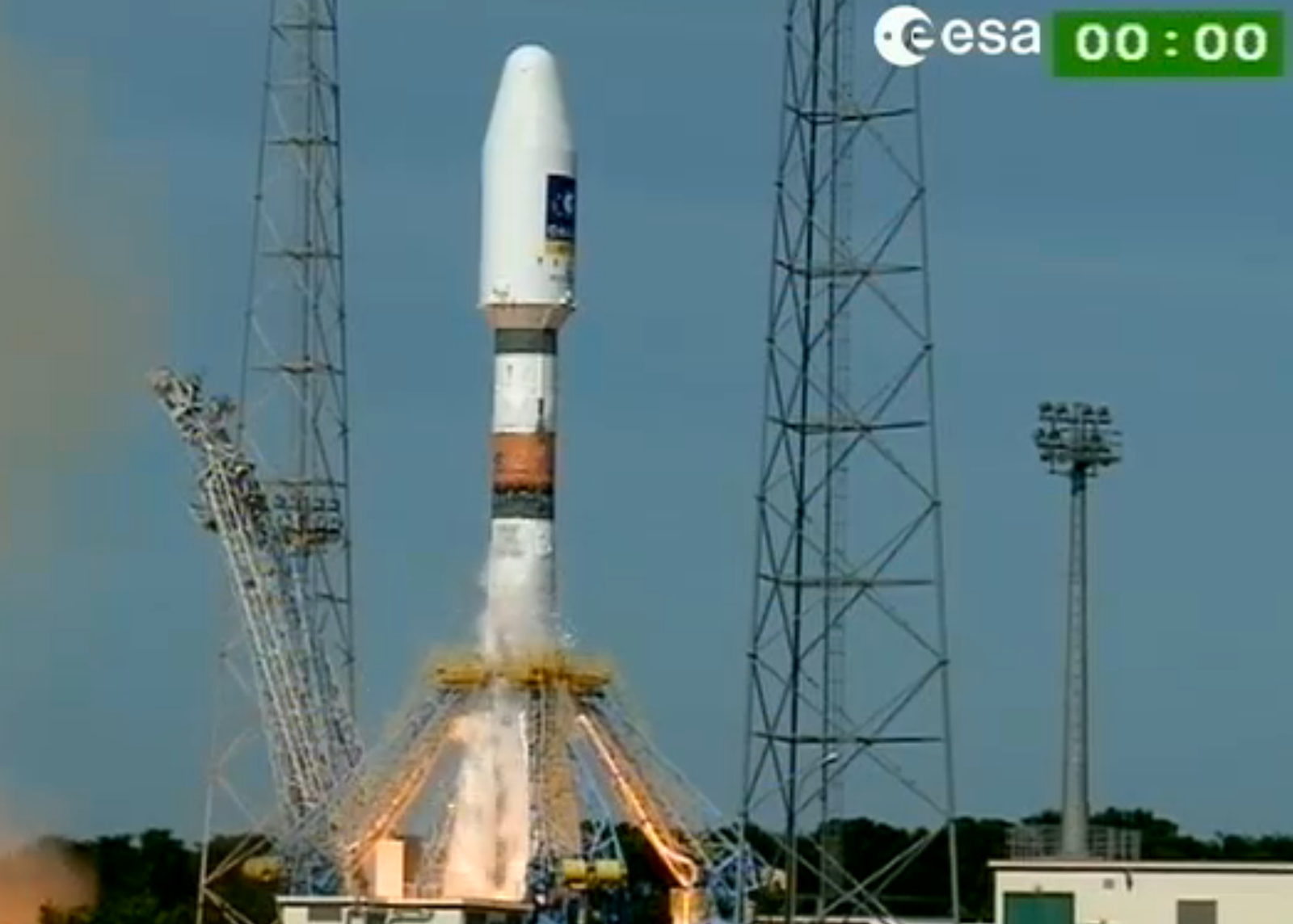
While the Guiana Space Centre has primarily served European government and commercial satellite missions, Arianespace and other operators are developing space tourism capabilities for the late 2020s. The facility’s location near the equator provides significant advantages for certain types of orbital missions, including tourism flights to space stations or lunar destinations.
The tropical setting offers space tourists a unique pre-flight experience, with opportunities to explore rainforests, observe exotic wildlife, and learn about rocket science in one of the world’s most biodiverse regions. By 2035, the facility expects to be offering regular tourist flights alongside its traditional mission profile.
Mahia Peninsula: New Zealand’s Rocket Lab Gateway
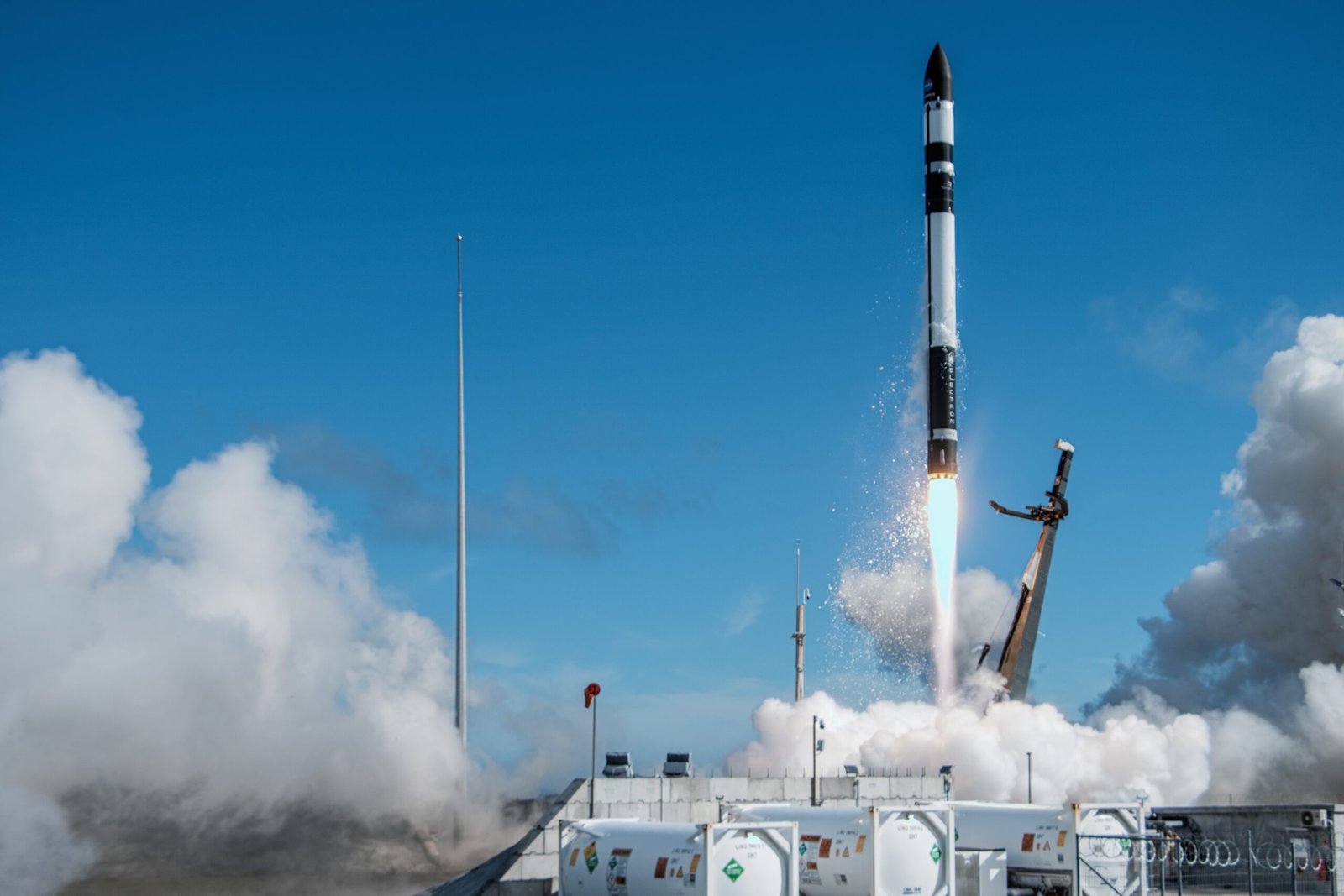
Rocket Lab’s facility on New Zealand’s Mahia Peninsula has quickly become one of the world’s most active small satellite launch sites. The company is developing space tourism capabilities that will take advantage of the facility’s stunning location and New Zealand’s adventure tourism expertise. Plans call for tourist flights to begin by 2029, offering visitors the chance to combine space travel with exploration of New Zealand’s unique landscapes.
The facility’s location provides excellent opportunities for water recovery of spacecraft components, while New Zealand’s regulatory environment supports rapid development of commercial space activities. Space tourists will experience not just the flight itself but comprehensive adventure packages that showcase New Zealand’s natural wonders and Maori culture.
Dubai’s Lunar Ambitions: Middle East Space Tourism
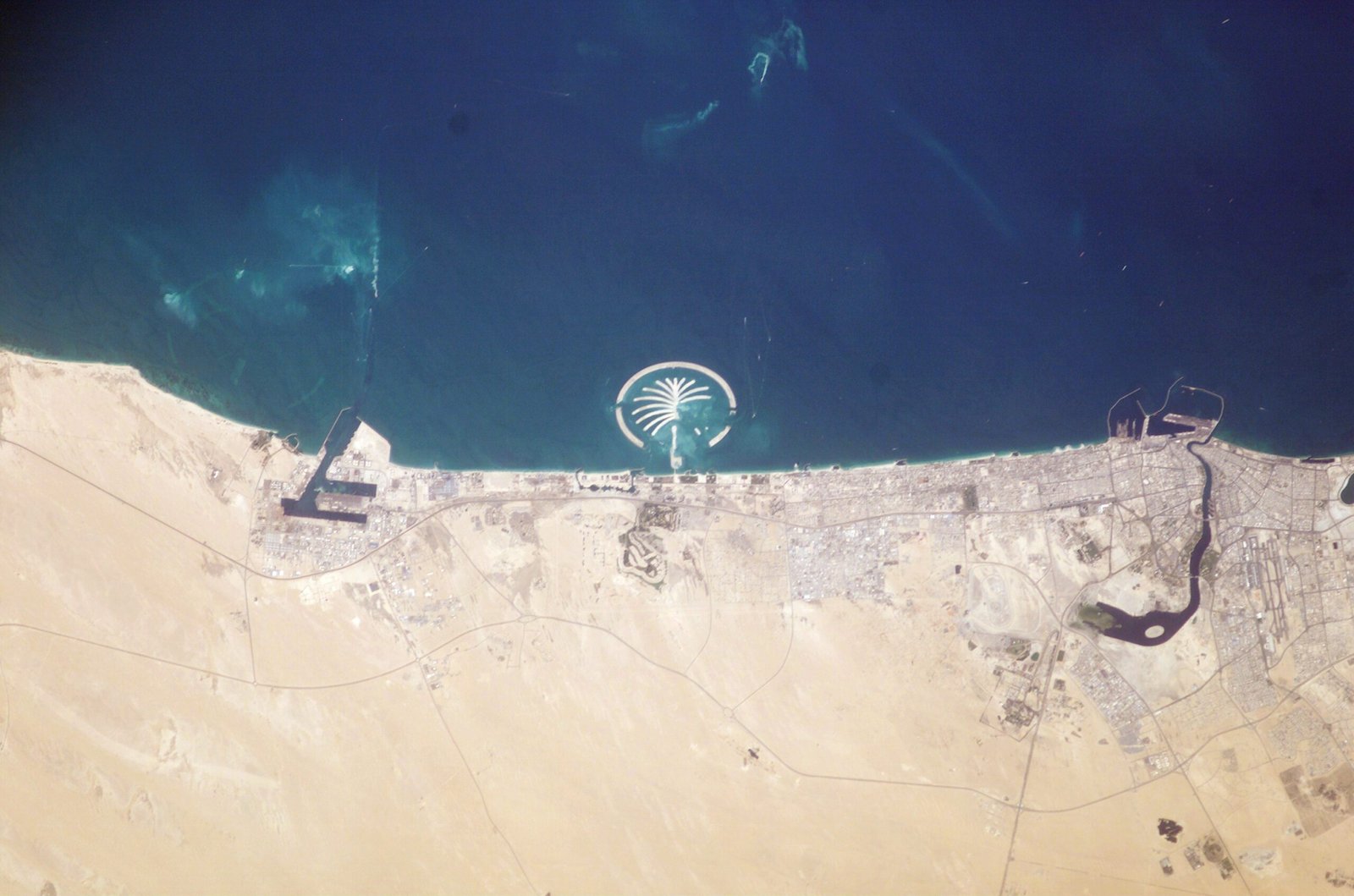
The United Arab Emirates is developing ambitious plans for a space tourism facility that could begin operations by 2032. Dubai’s proposed spaceport would focus on luxury experiences, potentially including multi-day orbital flights and connections to planned commercial space stations. The facility would leverage Dubai’s expertise in luxury tourism and its strategic location between East and West.
Plans include integration with Dubai’s existing tourism infrastructure, allowing space tourists to combine their cosmic adventure with world-class shopping, dining, and entertainment. The UAE’s significant financial resources and commitment to becoming a space-faring nation suggest this facility could become a major player in the global space tourism market by 2035.
India’s Commercial Space Revolution

India is developing multiple spaceports to support its growing commercial space industry, with space tourism expected to begin by 2030. The Indian Space Research Organisation (ISRO) is partnering with private companies to develop facilities that can accommodate both satellite launches and tourist flights. India’s cost advantages and technical expertise could make it a major player in affordable space tourism.
Proposed facilities include locations on India’s east and west coasts, taking advantage of the country’s favorable geography for various types of orbital missions. By 2035, India could be offering some of the world’s most affordable space tourism experiences, potentially bringing space travel within reach of middle-class adventurers globally.
China’s Space Tourism Emergence
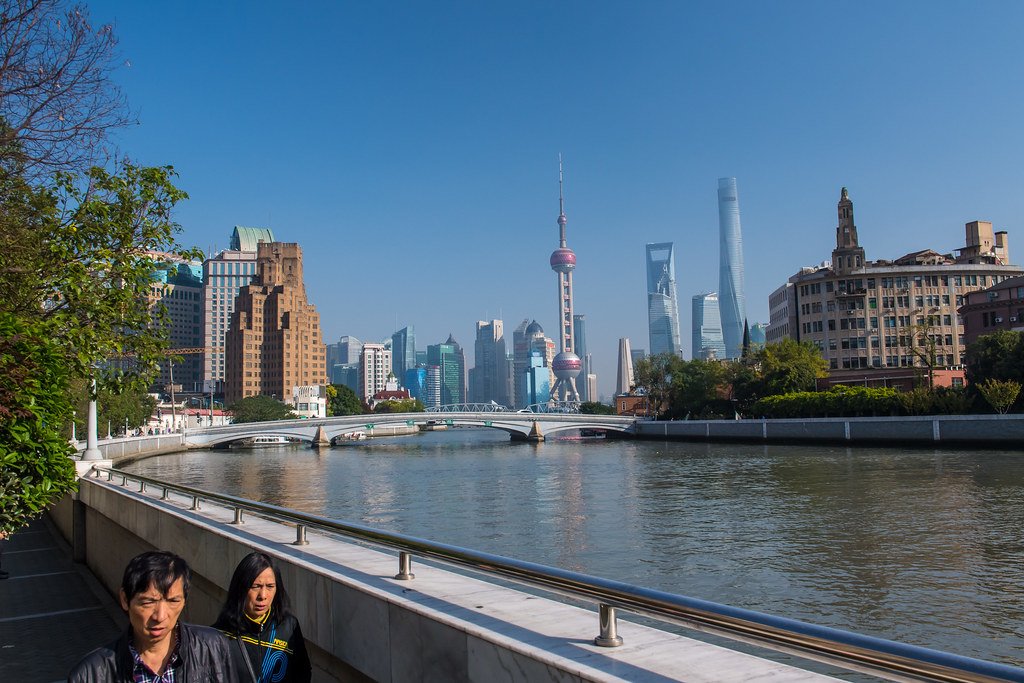
While details remain limited due to government secrecy, China is clearly developing commercial space capabilities that will include space tourism by the early 2030s. Chinese companies like iSpace and others are working on vehicles and facilities that could serve both domestic and international space tourists. China’s massive domestic market and manufacturing capabilities could make it a dominant force in affordable space tourism.
Potential locations include facilities in Inner Mongolia and coastal sites that would support various types of missions. Chinese space tourism could offer unique experiences, including visits to China’s planned space station and potentially lunar tourism missions by 2035.
The Future Passenger Experience

By 2035, the space tourism experience will be dramatically different from today’s experimental flights. Passengers will arrive at spaceports that rival luxury airports in comfort and amenities. Training programs will be streamlined and enjoyable, focusing on safety while maximizing the fun factor. Flights will be routine enough to offer meal service and entertainment systems, yet special enough to create lifelong memories.
Advanced spacecraft will provide larger windows, more comfortable seating, and longer periods of weightlessness. Some facilities will offer multi-day experiences that include orbital hotels or lunar flybys. The integration of virtual and augmented reality will enhance the educational aspects of space tourism, helping passengers understand their place in the cosmos.
Safety standards will be equivalent to commercial aviation, with comprehensive insurance coverage and emergency procedures that make space travel as routine as flying across oceans. The transformation from experimental adventure to accessible tourism will be complete, opening space to anyone with sufficient curiosity and resources.
The Economic Impact of Space Tourism

The global space tourism industry will fundamentally reshape local economies around spaceport locations by 2035. Communities near launch facilities are already experiencing increased investment, job creation, and infrastructure development. Hotels, restaurants, training facilities, and entertainment venues are sprouting up to serve the growing number of space tourists and their families.
The economic ripple effects extend far beyond the immediate spaceport areas. Aerospace manufacturing, specialized materials, advanced training systems, and space-related services are creating new industries and career opportunities. Universities near spaceports are developing specialized programs to train the next generation of space industry professionals.
By 2035, space tourism could directly employ over 100,000 people globally, with indirect employment reaching into the millions. The industry’s high-value nature means that even relatively small facilities can have significant economic impacts on their surrounding communities.
As we look toward 2035, the question isn’t whether space tourism will be commonplace – it’s which spaceport will offer the experience that matches your dreams. From the deserts of New Mexico to the Arctic Circle of Sweden, from offshore platforms to tropical launch sites, the infrastructure for civilian space travel is taking shape around the globe. The cosmic adventure that once belonged exclusively to government astronauts will soon be available to anyone willing to reach for the stars. Which launch pad will you choose for your journey to the edge of space?