
Two school-bus–sized travelers slipped past the planets in 1977 and never looked back. Decades later, they’re still calling home from a darkness so vast that a single reply takes nearly a day to arrive. Their names – Voyager 1 and Voyager 2 – feel almost mythic now, but their work is as immediate as a heartbeat monitor for our solar system. The mystery they tackle is daunting: where does our Sun’s influence end, and what lies beyond? The partial answer is arriving in faint whispers of data, and the surprising punchline is this – these probes may be the longest-lasting artifacts of our species, coasting silently long after we’re gone.
The Hidden Clues
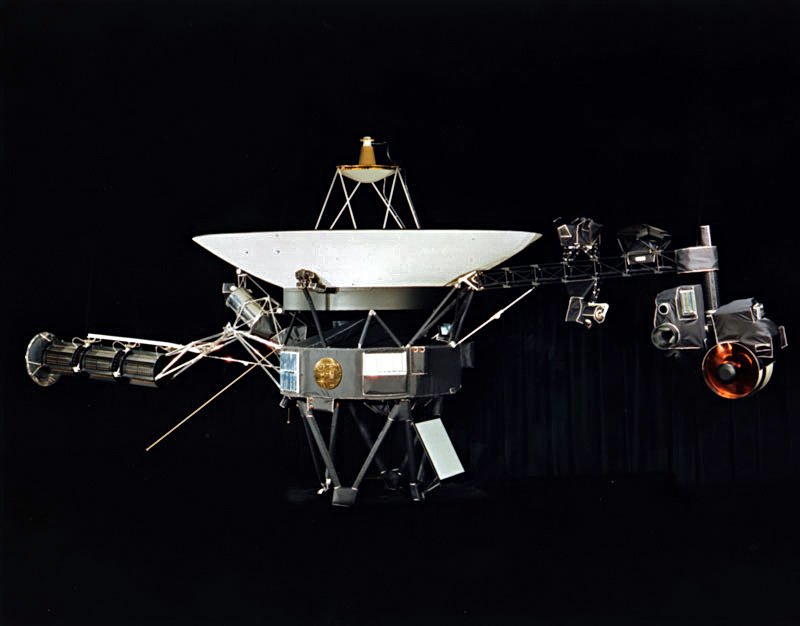
Out in interstellar space, the Voyagers find meaning in what looks like almost nothing at all. The plasma wave instrument on Voyager 1 listens for tiny vibrations in the thin gas between stars, turning them into measurements of density that map the neighborhood we now share with the galaxy. Charged-particle detectors tally cosmic rays, the high-energy messengers that stream in from supernovae and other violent sources, revealing how the boundary of our Sun’s protective bubble filters them. The magnetometer feels subtle twists in magnetic fields, the way a wind chime hints at a storm you can’t see. Piece by piece, these clues sketch a border that isn’t a wall but a living weather front.
When solar eruptions rush outward, shockwaves eventually plow into the interstellar medium and ring the plasma like a bell; Voyager hears the tone. That’s how we learned the edge – the heliopause – isn’t quiet, it’s dynamic and sometimes rough. It’s also how we discovered the region beyond is denser and more structured than expected, with pockets and ripples that challenge models built from Earth-bound telescopes. The quiet drama is addictive: every whisper of electrons or nudge of magnetism nudges theory, too. For something so far away, it feels weirdly intimate.
From 1977 Hardware to 2025 Science
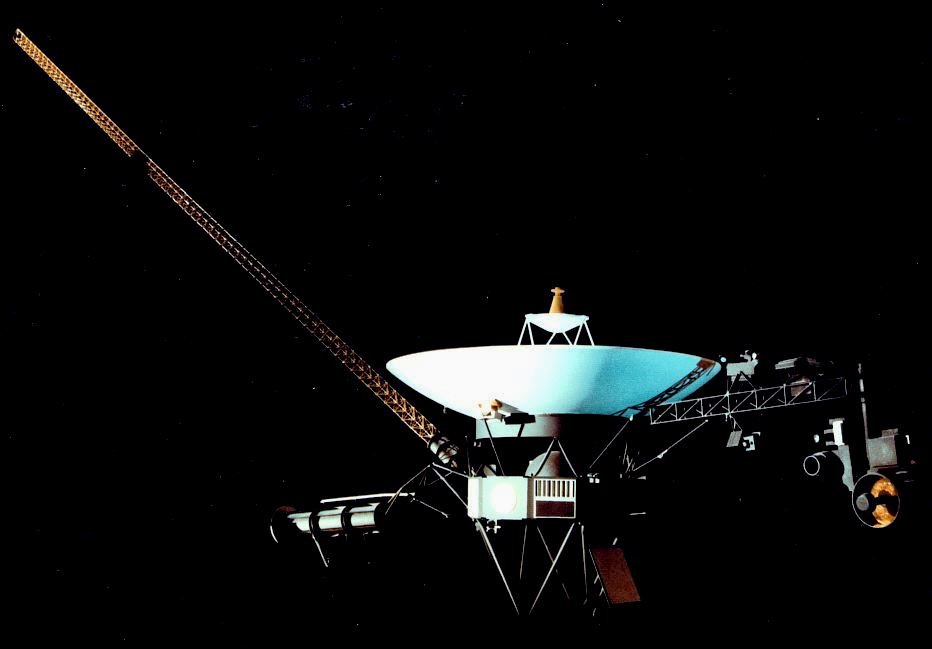
Each Voyager runs on a trio of radioisotope thermoelectric generators, steady power plants that turn the heat of decaying plutonium into electricity. That power shrinks a little every year, so mission engineers keep pruning: a heater here, a noncritical system there, stretching the life of the science instruments like a frugal camper rationing batteries. The spacecraft computers would look quaint in a museum, yet the software choreography is so careful that even limited memory and ancient processors still deliver frontier science. I sometimes think of them as vintage record players extracting symphonies from dusty grooves – imperfect, but gloriously musical.
They fly with hydrazine thrusters and a high-gain dish, not the sleek ion drives and laser links we daydream about today. But durability beats flash in deep space, and that’s the lesson hanging over every new mission design. When a memory glitch scrambled Voyager 1’s telemetry in late 2023, the team nursed it back step by step, and by mid-2024 science data was flowing again. That recovery wasn’t just a fix; it was a reminder that patient engineering can outlast the unpredictable. The result: 1977 hardware, 2025-grade discoveries.
Signals Across a Day of Space
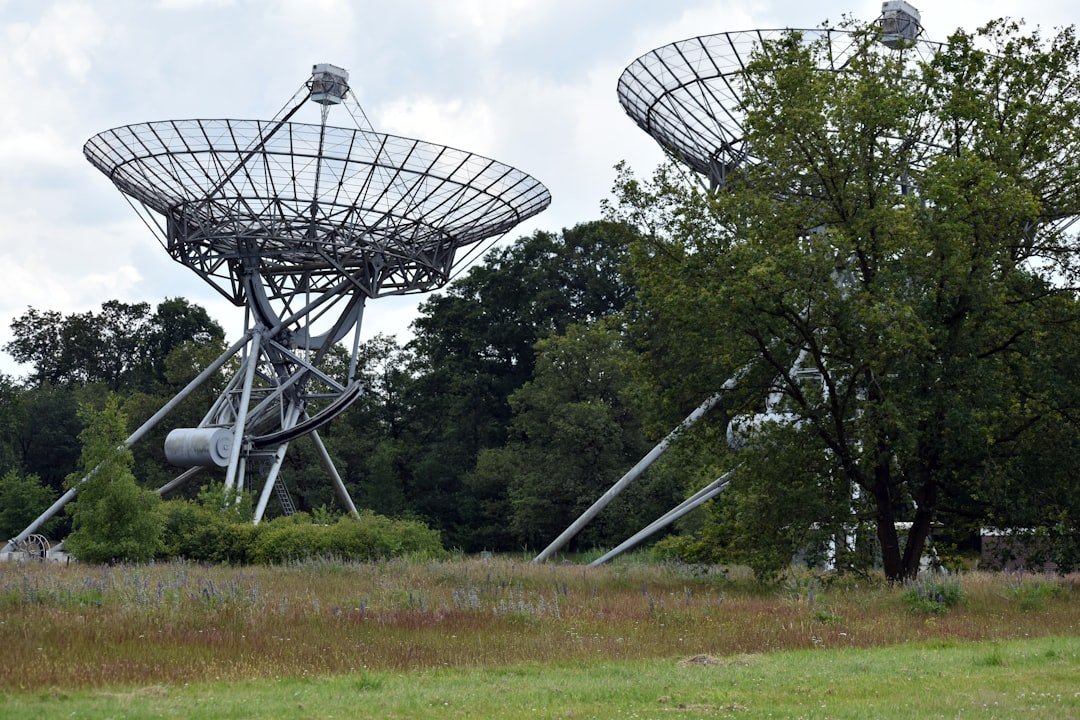
Talking to Voyager is a masterclass in patience. At current distances, a signal from Earth lumbers outward for nearly a full day before it even reaches the spacecraft; the reply needs another day to get back. Data rates are painfully slow – think old dial-up, then cut it again – and the Deep Space Network must thread that faint X-band whisper through cosmic background noise. Giant antennas in California, Spain, and Australia take turns like relay runners, angling for the cleanest connection as Earth rotates.
Every bit that arrives is a small victory, and the team budgets them ruthlessly. A magnetometer sample here means a trade-off there; commands are bundled like care packages to minimize chatter. If a storm sweeps Earth or an antenna goes offline, a scheduled session can slip, pushing answers into next week. But the discipline brings oddly elegant science: sparse, well-chosen measurements that still overturn assumptions. It’s evidence that clarity doesn’t always require more; sometimes it requires less but smarter.
Why It Matters
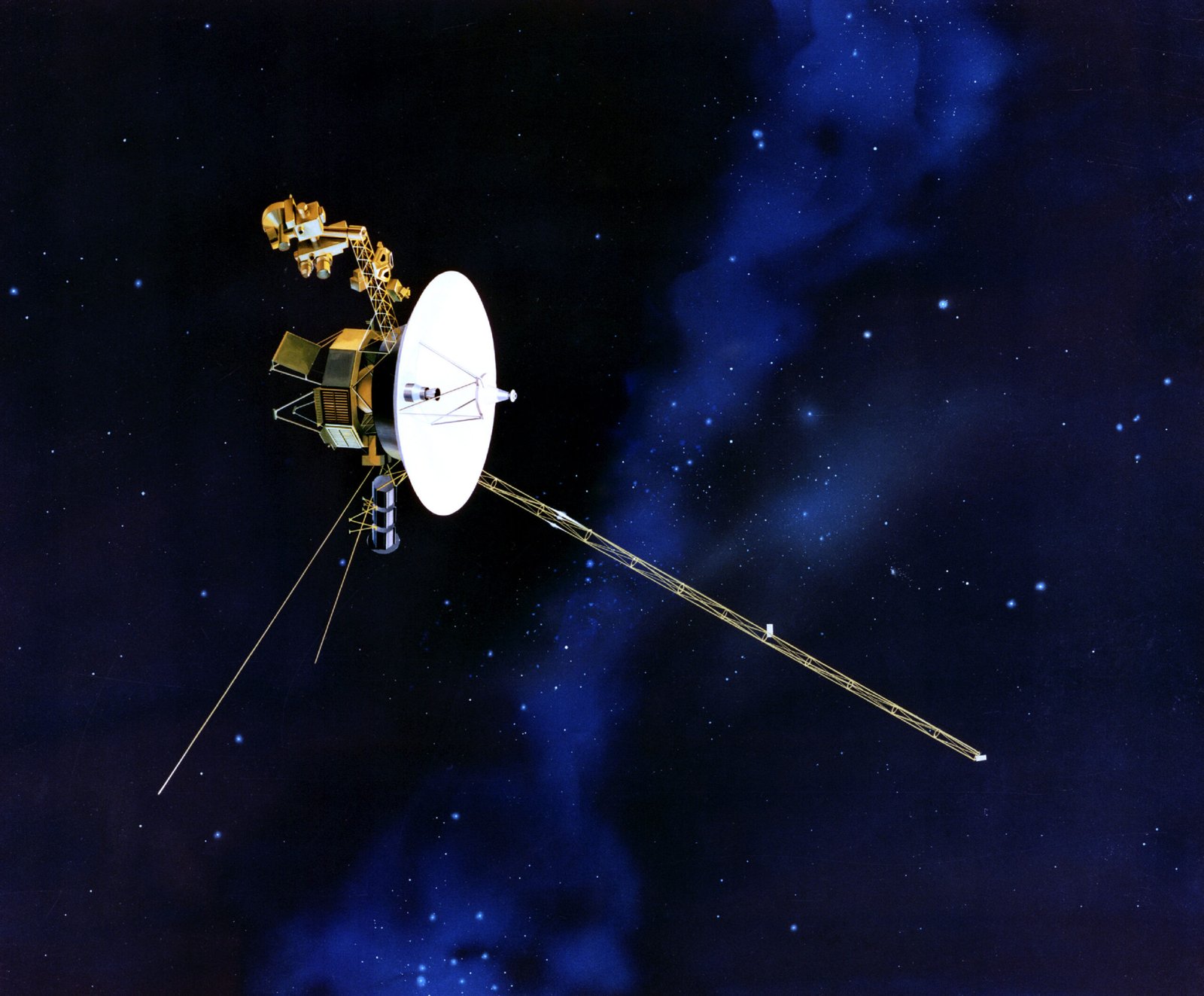
For a century, we guessed at the shape of the heliosphere using models and distant proxies; Voyager makes those guesses accountable. Telescopes such as Hubble and JWST peer across light-years, but they can’t stick a sensor in the local interstellar medium and take its temperature. The Voyagers are our ground truth, the calibration point for a thousand astrophysical inferences about cosmic rays, magnetic fields, and how stellar winds carve bubbles in a galaxy filled with turbulence. That matters for fundamental physics and for practical reasons, too: space weather influences satellites, astronauts, and even power grids on Earth.
It also reframes our place in space. The probes show that our solar system isn’t a sealed room; it breathes, leaks, and negotiates with its surroundings. By comparing in situ measurements to models, scientists are refining how far our Sun’s influence really stretches and how porous that boundary can be. The payoff is better predictions, better hazard planning, and a cleaner map for missions that will follow. Big telescopes draw the headlines; two aging travelers quietly keep them honest.
The Interstellar Weather Report
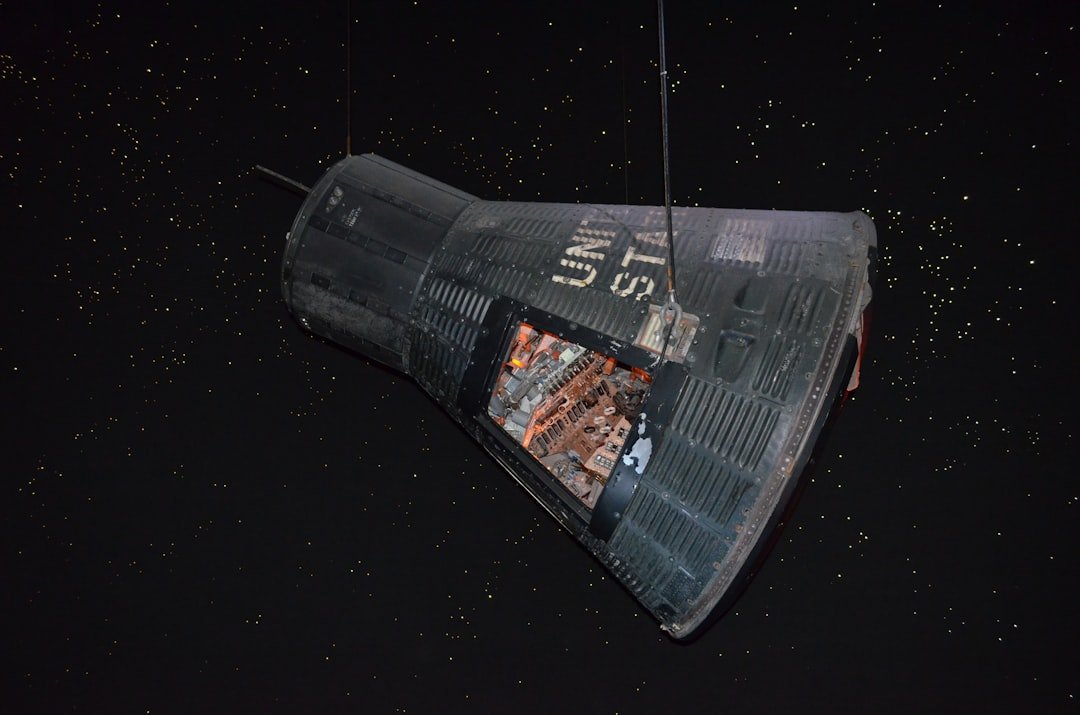
Thanks to Voyager 1’s plasma readings and Voyager 2’s still-functioning plasma instrument, we now see the boundary beyond Neptune’s realm as a shifting frontier. Density spikes betray the passage of solar shockwaves that have marched outward for months, then suddenly set the interstellar gas humming. The magnetic field not only changes strength but swings in direction, sketching out folds and drapes at the edge of the heliosphere. Cosmic ray counts fluctuate as that border opens and tightens, like a door on a windy day.
Surprises keep arriving. The region outside the heliopause is denser than early models suggested, and the sheath of compressed material around the Sun is thicker, too. That hints at interactions with the local interstellar cloud that are more complex than a simple one-way push. Each update nudges theories about how other stars carve their own bubbles, which feeds back into how we interpret galactic radiation and even exoplanet habitability. It’s slow journalism by instruments, but it’s rewriting the weather page of space.
Global Perspectives
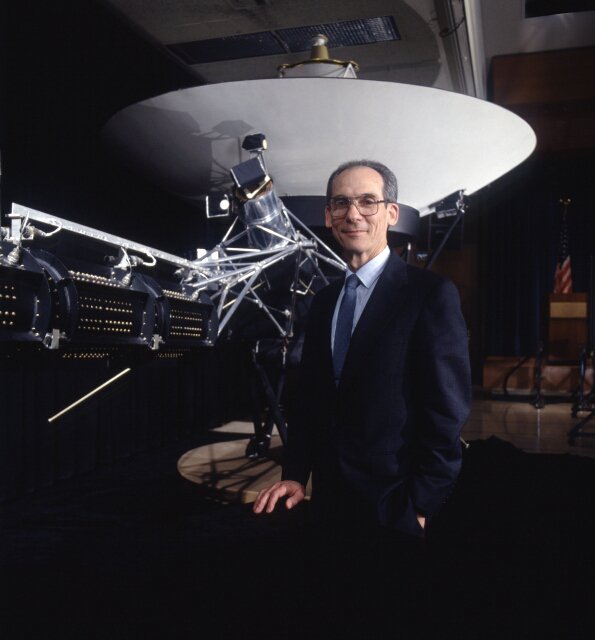
Voyager is global in the most literal sense: the Deep Space Network spans three continents, and scientists in many countries parse the trickle of data. Time zones become assets, not obstacles, as teams hand off responsibilities and follow the spacecraft around the clock. The mission’s culture – open, meticulous, collaborative – has trained generations of engineers and researchers who now lead newer missions across the Sun’s backyard and beyond. I still remember stepping outside after a late-night briefing and feeling the odd comfort of knowing humanity had a thread running into the dark.
There’s cultural gravity here, too. The Golden Record’s sounds and images are a distilled portrait of Earth, and the very act of sending it says something rare about us: we wanted to be understood by strangers we may never meet. That record will likely outlast our languages, our buildings, maybe even our continents. If an extraterrestrial geologist ever finds it, the pulsar map etched on its cover provides a breadcrumb trail back to our star. The message is humble but durable: we were here, we learned, we reached.
The Future Landscape
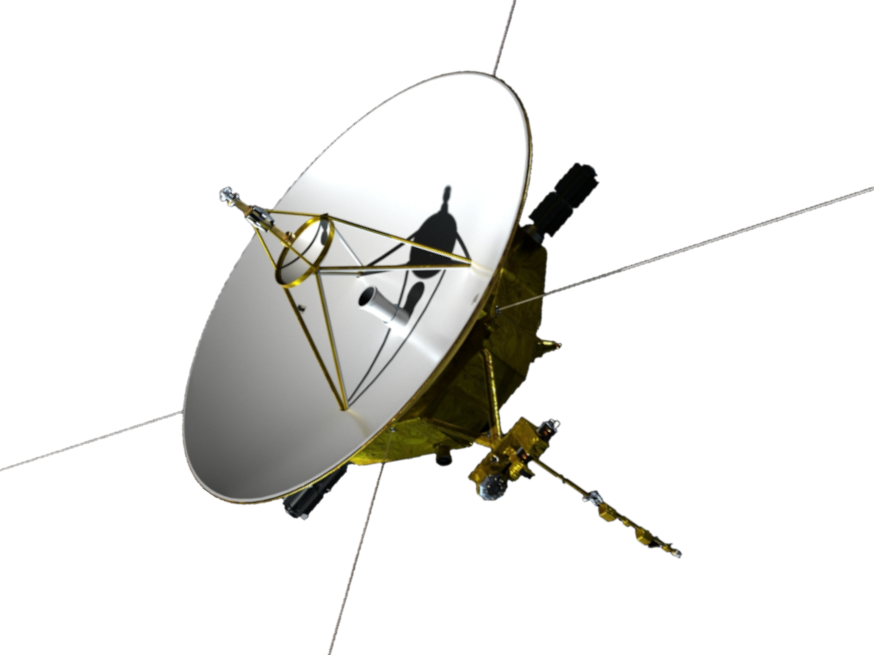
The clock is honest: RTG power falls by a few watts each year, and mission planners will keep shutting down heaters and instruments to stretch the timeline. Critical systems get priority, so expect a gradual taper – fewer instruments on, longer gaps between downlinks, and eventually silence sometime in the next few years to decade. The 2023–2024 telemetry scare was a preview of the delicate balancing act, but it also proved the value of careful fault isolation and patient recovery. Even when the last instrument goes dark, the spacecraft will sail on, inert but intact, looping the galaxy with a calling card bolted to its side.
Long-term, the trajectories read like a galactic travel guide. Voyager 1 will drift past the neighborhood of Gliese 445 in roughly forty millennia, while Voyager 2 heads toward a near pass by Ross 248 on a similar timescale. By then our constellations will be unrecognizable, but two artifacts from late-twentieth-century Earth will still be out there, serene as pebbles in a river. That endurance reframes engineering as archaeology-in-advance: we build now for someone, or something, to discover later. The future audience may be hypothetical, yet the purpose feels solid.
Conclusion
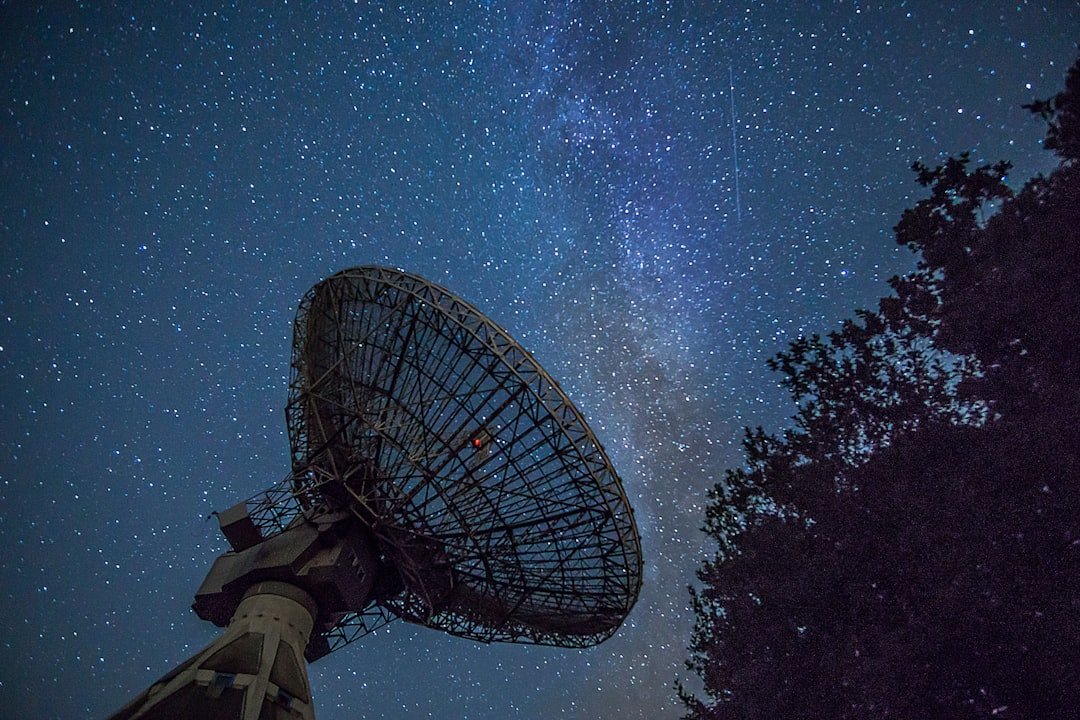
You can help keep this story alive in simple, tangible ways. Follow mission updates from trusted space agencies and science outlets, and share them – attention is a form of support that strengthens future proposals. If you’re able, contribute to STEM education programs or community observatories that spark the curiosity Voyager once lit for many of us as kids. Encourage policymakers to prioritize long-lived missions and deep-space communication infrastructure, because today’s investments become tomorrow’s breakthroughs.
Closer to home, carve out a few minutes to step outside on a clear night and imagine those two dots far beyond the planets, still flying. That act of looking up is contagious; it’s how movements begin. If the Voyagers teach anything, it’s that persistence pays off in knowledge and in wonder, one quiet packet of data at a time. Let’s make sure the next generation of distant explorers has a signal to send – and someone listening when it arrives.
Suhail Ahmed is a passionate digital professional and nature enthusiast with over 8 years of experience in content strategy, SEO, web development, and digital operations. Alongside his freelance journey, Suhail actively contributes to nature and wildlife platforms like Discover Wildlife, where he channels his curiosity for the planet into engaging, educational storytelling.
With a strong background in managing digital ecosystems — from ecommerce stores and WordPress websites to social media and automation — Suhail merges technical precision with creative insight. His content reflects a rare balance: SEO-friendly yet deeply human, data-informed yet emotionally resonant.
Driven by a love for discovery and storytelling, Suhail believes in using digital platforms to amplify causes that matter — especially those protecting Earth’s biodiversity and inspiring sustainable living. Whether he’s managing online projects or crafting wildlife content, his goal remains the same: to inform, inspire, and leave a positive digital footprint.