


In the mid-20th century, an era marked by intense technological competition, a group of unlikely heroes emerged from the streets of Moscow. These heroes were neither scientists nor engineers, but stray dogs. The Soviet Union, in its quest to conquer space, turned to these resilient creatures to pave the way for human spaceflight. The journey of these space dogs is not just a tale of scientific achievement but also a testament to the endurance and spirit of life. Their story is a fascinating blend of science, courage, and the profound bond between humans and animals.
The Rise of the Space Race
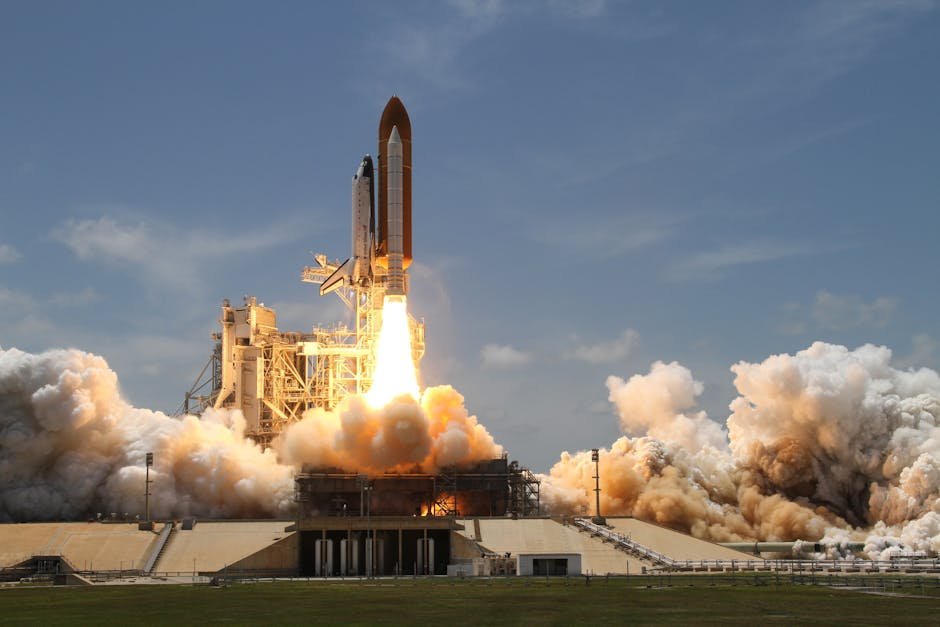
The Cold War era ignited a fierce competition between the United States and the Soviet Union, known as the Space Race. This quest for dominance in space exploration became a symbol of technological and ideological superiority. Both nations were determined to achieve milestones that would demonstrate their prowess. For the Soviet Union, achieving the first human-crewed spaceflight was a top priority. However, before sending humans into space, they needed to ensure the safety of such missions, which led them to consider using animals as test subjects.
Why Dogs? The Soviet Choice
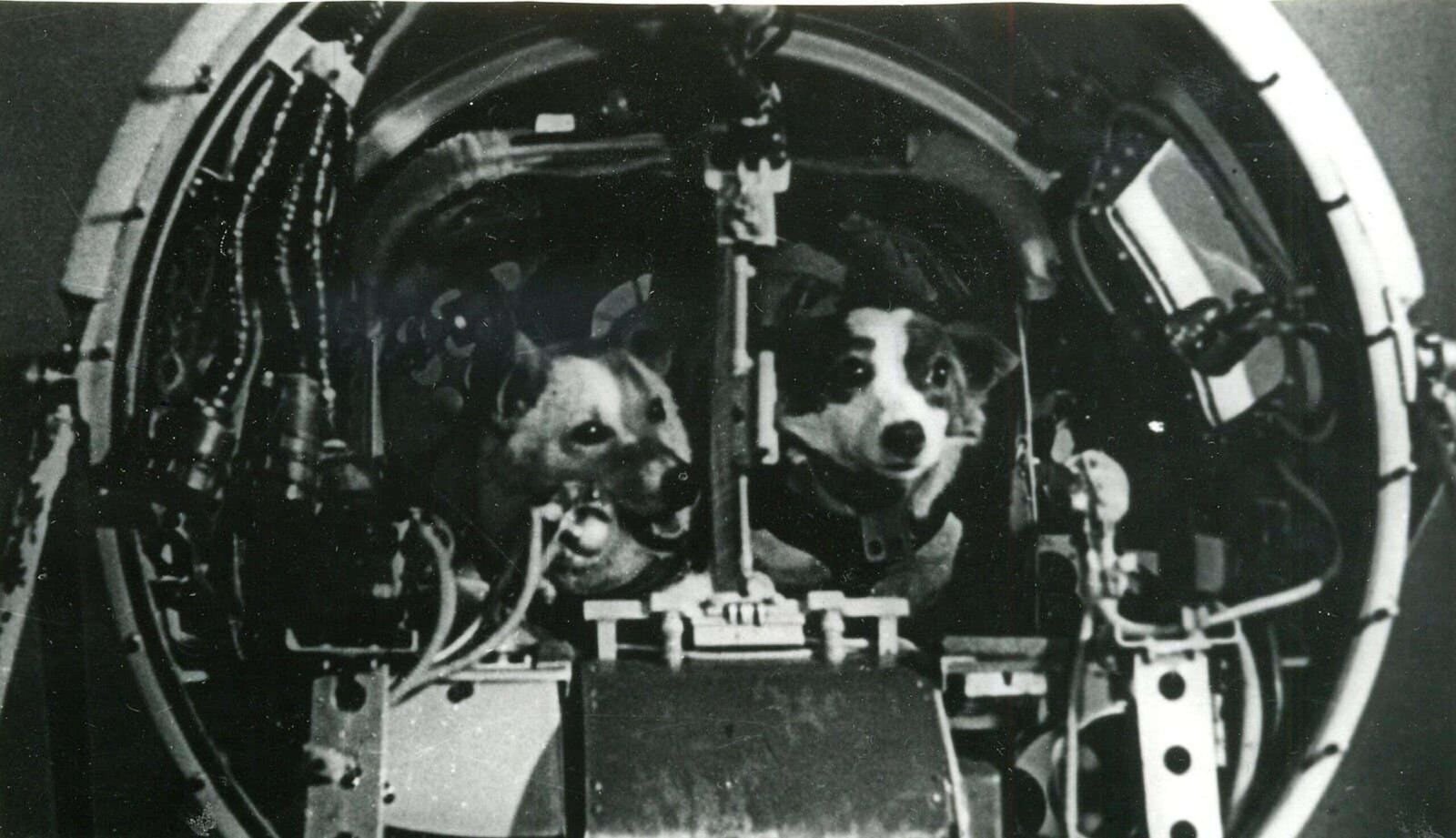
While the United States opted for primates, the Soviet Union chose dogs for their space experiments. The decision was not arbitrary. Dogs, particularly strays, were believed to be highly adaptable and resilient, having survived harsh conditions on the streets. This adaptability was crucial for enduring the extreme conditions of space travel. Additionally, dogs have a long history of cooperation with humans, making them more predictable and easier to train compared to other animals. The choice was both strategic and practical, reflecting the unique circumstances of the time.
The Selection Process
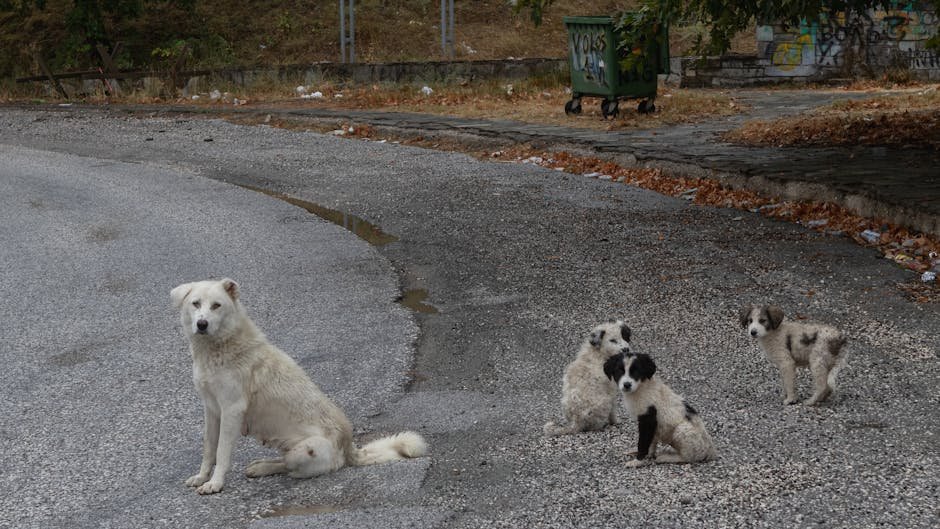
The selection of the Soviet space dogs was a meticulous process. Stray dogs, typically female due to their smaller size and calmer demeanor, were chosen from the streets of Moscow. Candidates had to be between six and seven kilograms in weight and stand about 35 centimeters tall. These dogs underwent rigorous training and testing to ensure they could withstand the stress and confinement of space travel. The selection process was akin to that of elite athletes, emphasizing both physical and psychological resilience.
Training for the Unknown
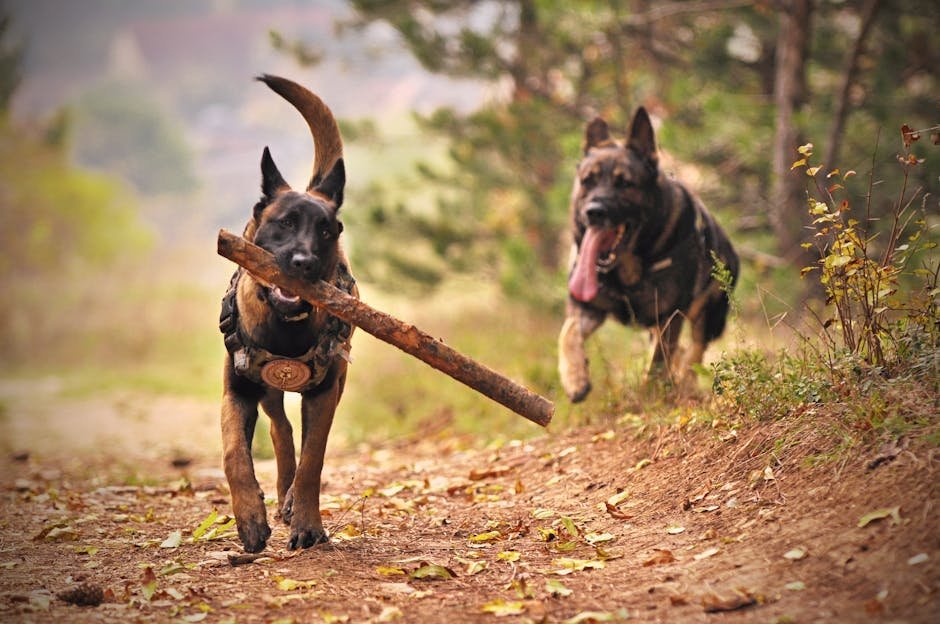
Training the space dogs was an intricate task. The dogs were conditioned to remain calm in small, confined spaces, simulating the conditions of a spacecraft. They were also subjected to loud noises and vibrations to mimic the launch experience. The training regimen included exposure to high-G forces, as well as specialized diets to prepare them for the journey. The process was designed to acclimate the dogs to the physical and mental demands of space travel, ensuring their readiness for the mission.
Laika: The First Orbital Pioneer
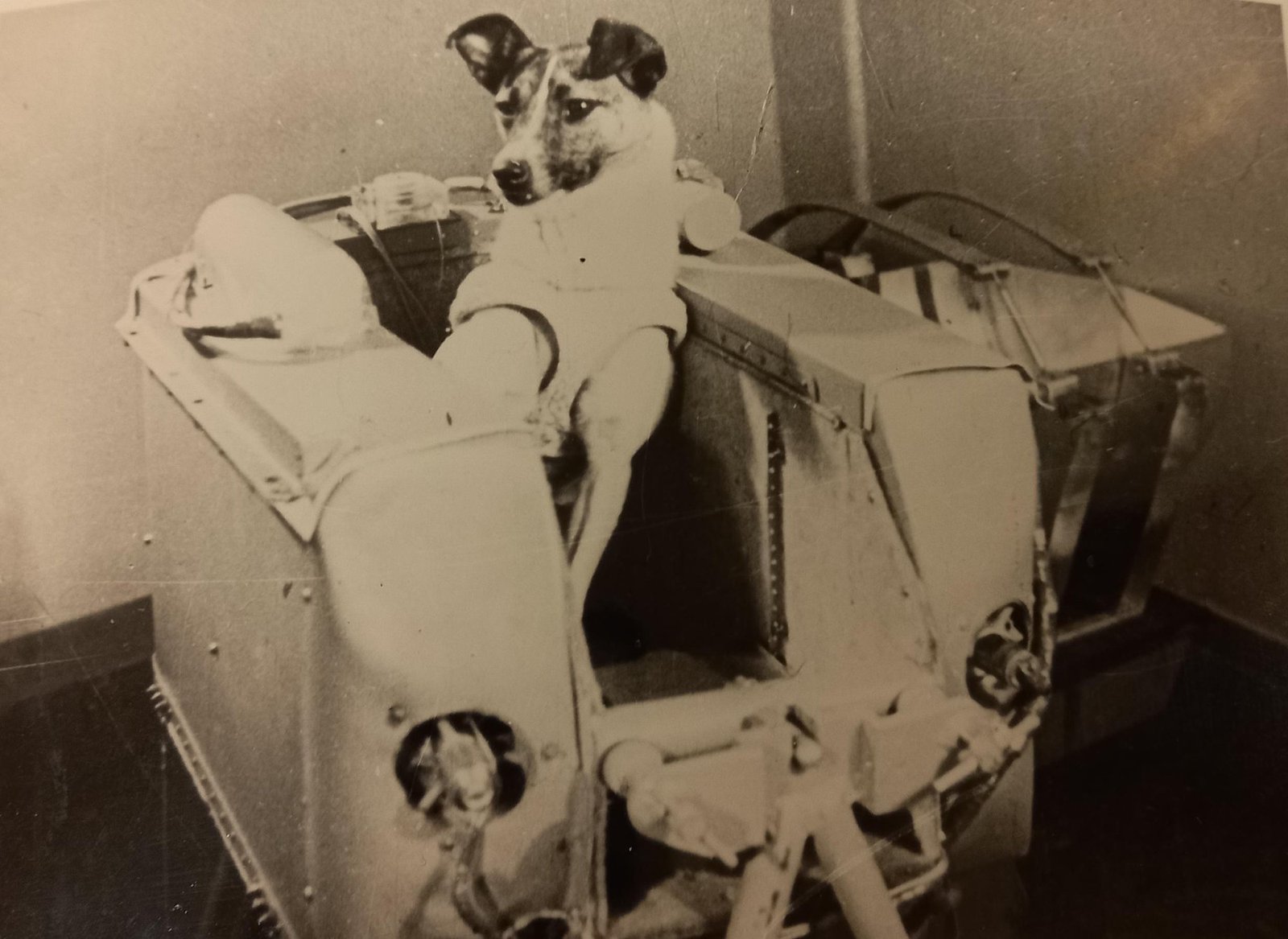
Laika, a stray from the streets of Moscow, became the most famous of the Soviet space dogs. In November 1957, she was launched aboard Sputnik 2, becoming the first animal to orbit the Earth. Laika’s mission was a significant step forward in space exploration, providing valuable data on the effects of space travel on living organisms. Despite the mission’s success, it was a one-way trip for Laika, sparking ethical debates about the treatment of animals in scientific research. Her legacy, however, remains a symbol of sacrifice and progress.
Other Canine Cosmonauts
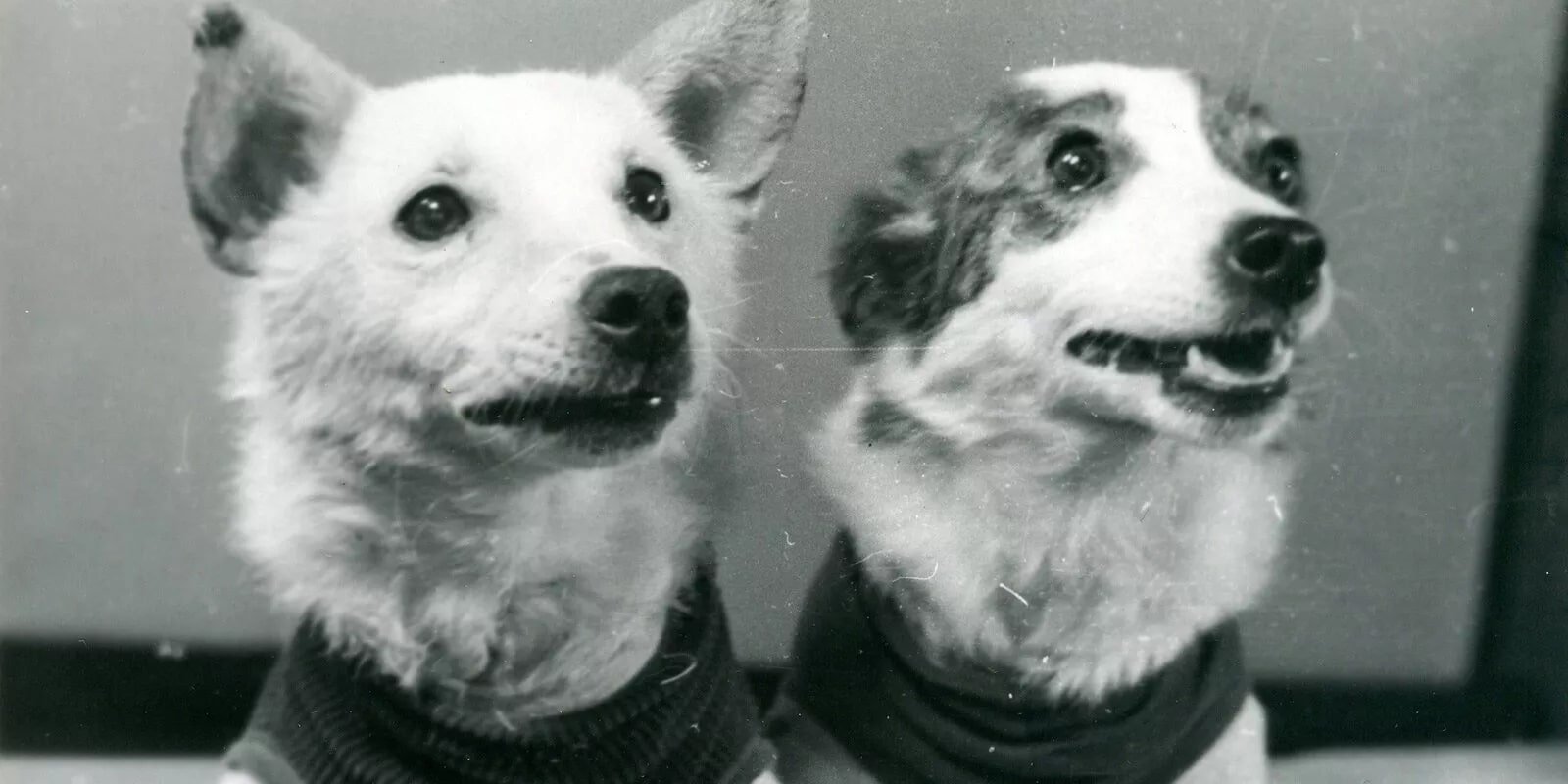
Laika was not the only dog to venture into space. Subsequent missions saw other canine cosmonauts, such as Belka and Strelka, who successfully orbited the Earth and returned safely. These missions provided critical data that informed human spaceflight, marking a series of achievements in the Soviet space program. Each of these dogs played a vital role in advancing our understanding of space travel, contributing to the eventual success of human missions. Their stories, though less known, are equally important in the annals of space exploration.
The Scientific Legacy of the Space Dogs
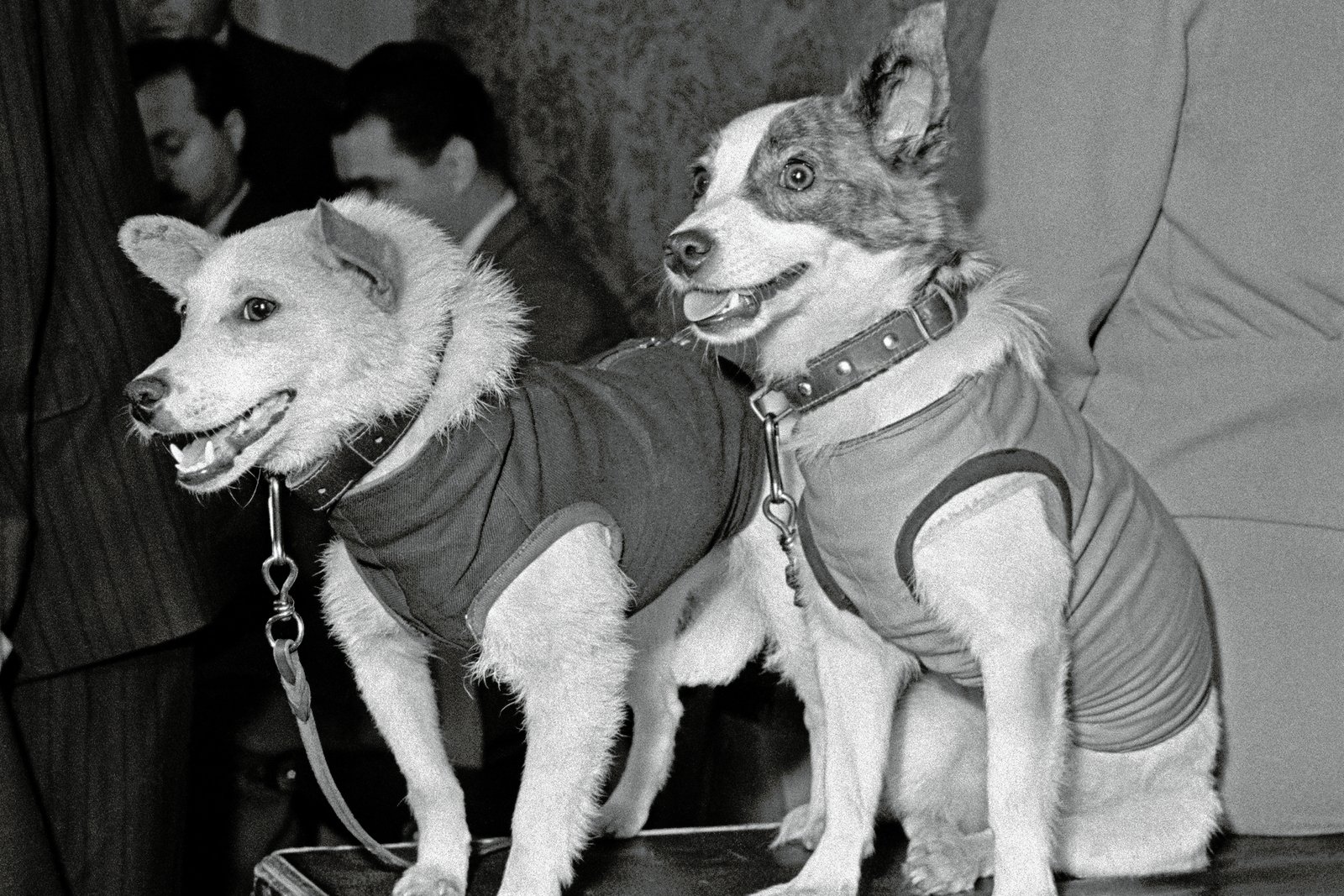
The contributions of the Soviet space dogs extended beyond their missions. The data collected from these missions provided insights into the physiological and psychological effects of space travel. Scientists gained valuable knowledge about the impact of weightlessness, radiation, and other space conditions on biological organisms. This information was crucial in designing life support systems and safety protocols for human astronauts. The legacy of these dogs is reflected in the continued success and safety of space exploration today.
Ethical Considerations and Controversies
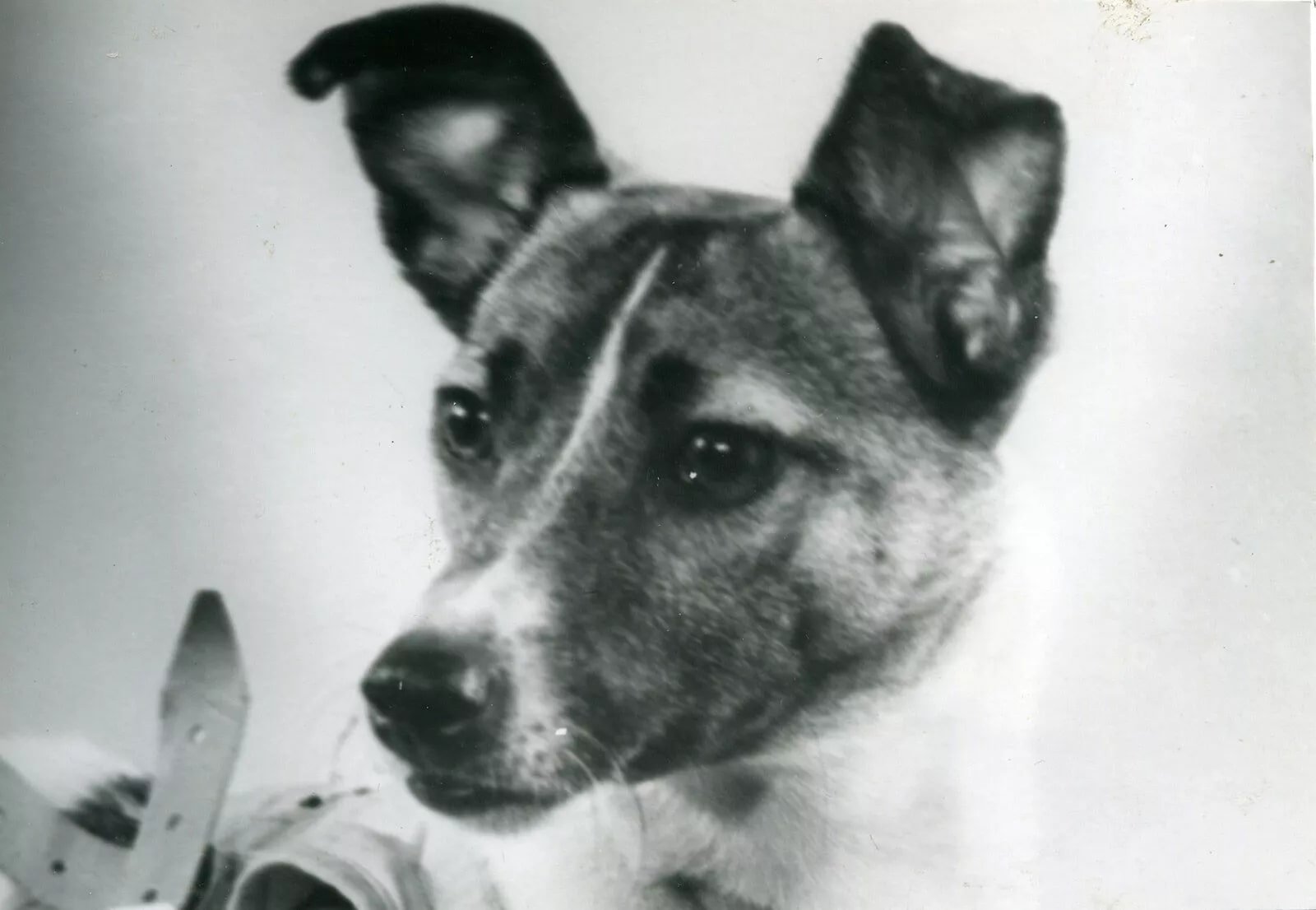
The use of animals in space research has always been a subject of ethical debate. The sacrifice of the Soviet space dogs, particularly Laika, raised questions about the moral implications of using animals in scientific experiments. While the knowledge gained was invaluable, it came at a significant cost. These ethical considerations have shaped modern practices, leading to more humane treatment of animals in research. The legacy of the space dogs serves as a reminder of the need for ethical responsibility in the pursuit of scientific advancement.
The Enduring Impact on Space Exploration
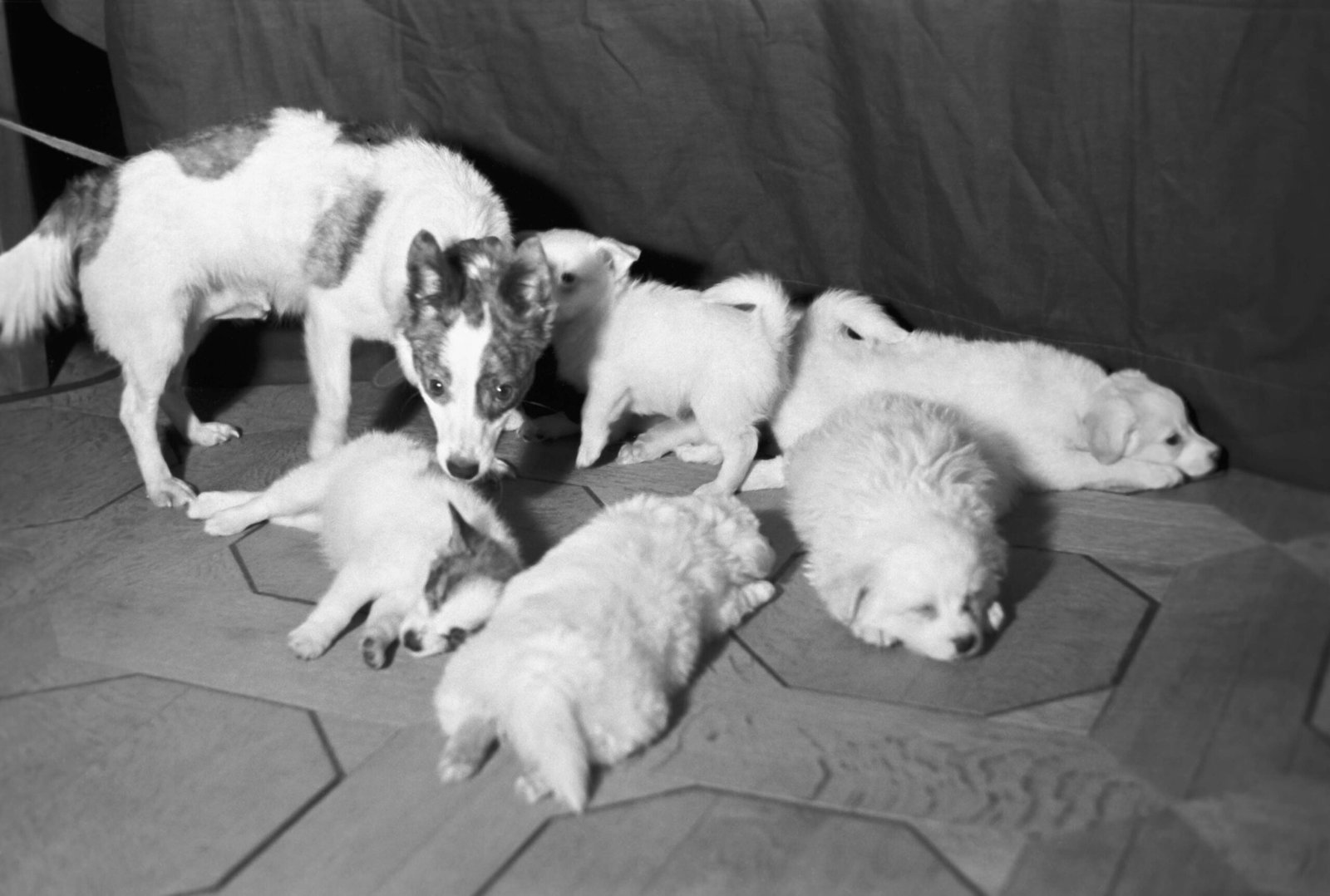
The story of the Soviet space dogs is a remarkable chapter in the history of space exploration. Their contributions laid the groundwork for human spaceflight, paving the way for future missions and discoveries. Today, their legacy lives on, not only in the scientific advancements they enabled but also in the broader understanding of the complexities of space travel. The resilience and courage of these dogs continue to inspire scientists, reminding us of the intricate relationship between humanity and the natural world.
Remembering the Space Dogs
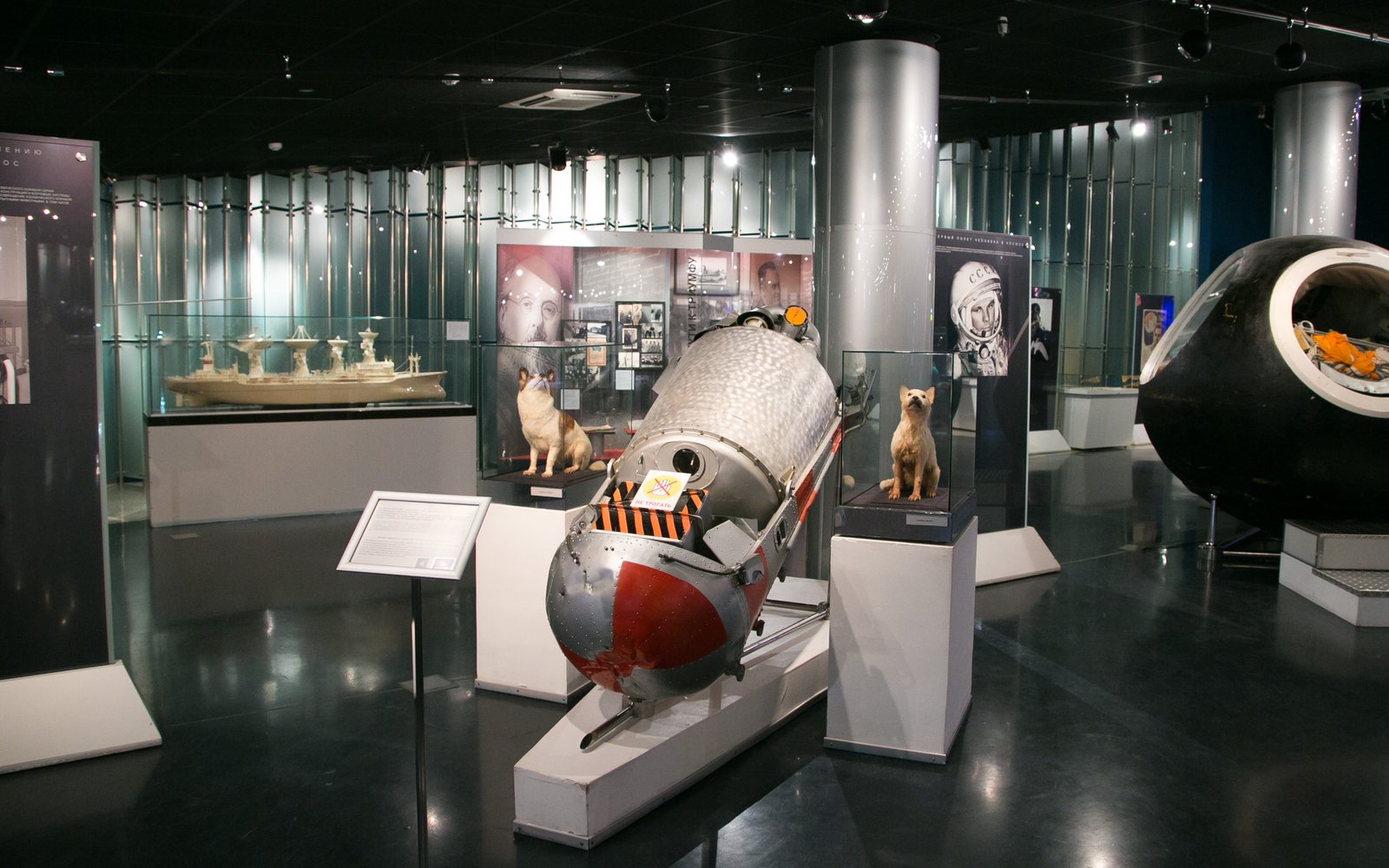
The Soviet space dogs are more than just footnotes in history; they are pioneers whose legacy continues to influence space exploration. Monuments and memorials have been erected in their honor, ensuring their contributions are not forgotten. Their story is a testament to the spirit of exploration and the sacrifices made in the name of progress. As we continue to push the boundaries of space exploration, the memory of these brave canines serves as a reminder of the journey that brought us to where we are today.


