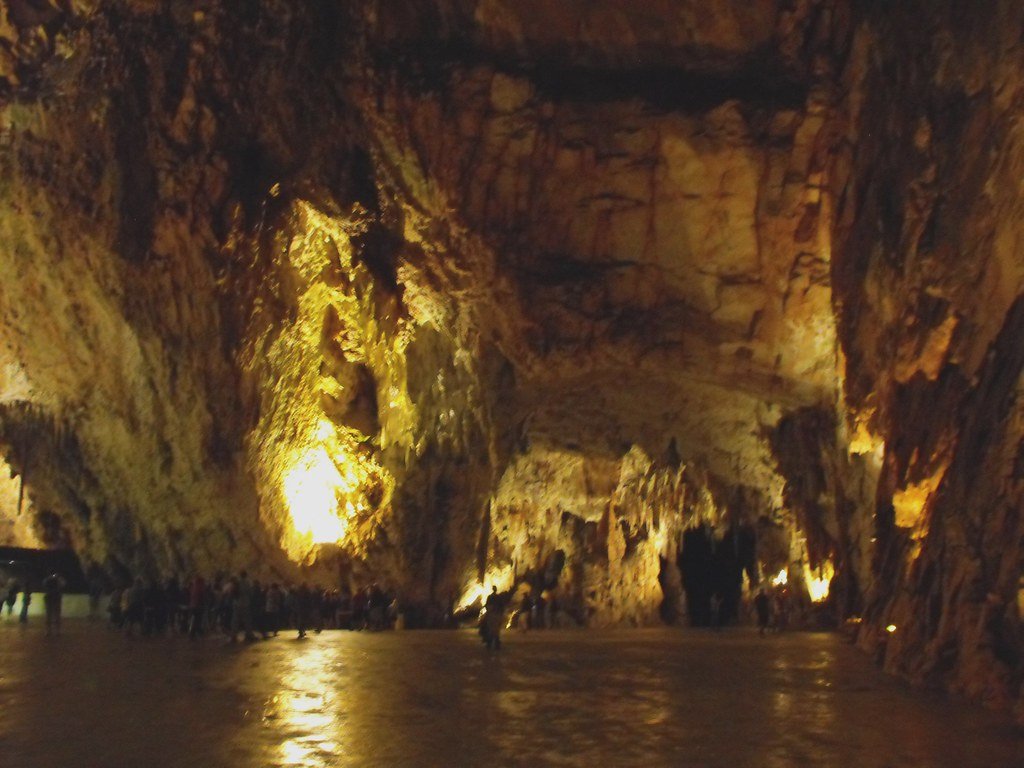

Stepping into underground spaces offers an auditory experience that is entirely different from anything in our daily lives, where sounds become magnified and amplified by thousands of feet of rock overhead. Deep beneath our feet lies an acoustic universe so alien and mesmerizing that it challenges everything we think we know about sound itself. From the rhythmic whispers of ancient caverns to the thunderous booms that shake the very foundations of our planet, the subterranean world pulses with mysterious sounds that have captivated scientists, explorers, and curious minds for centuries.
The Underground Symphony: Nature’s Hidden Orchestra
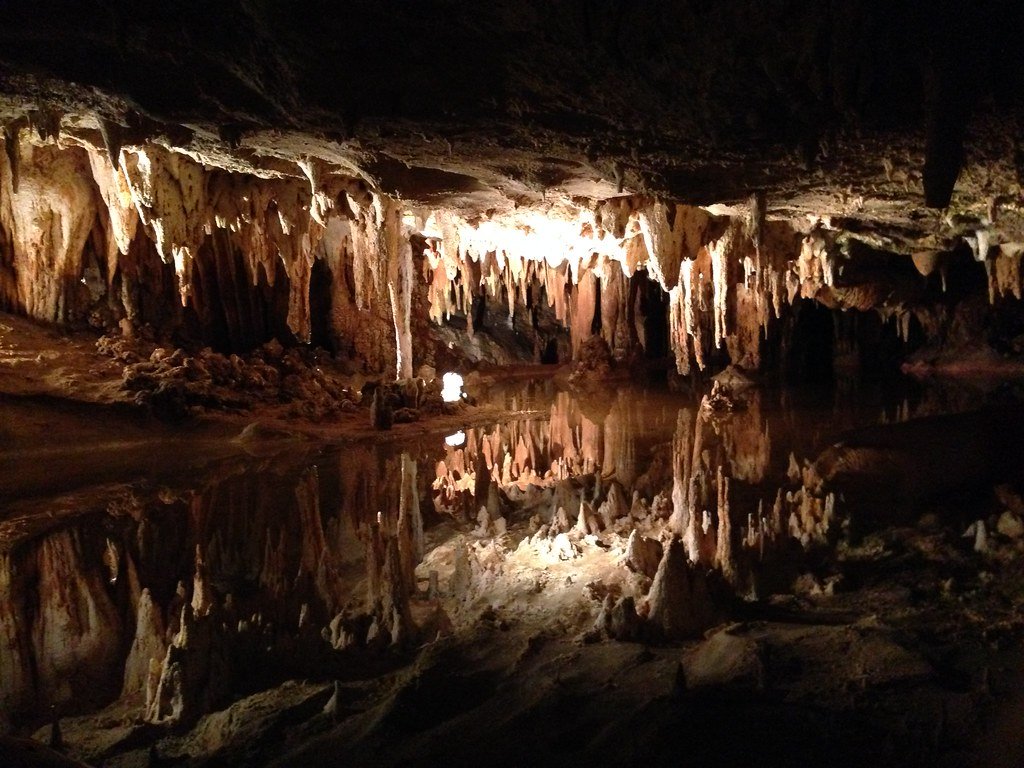
The perception of sound underground is a very unusual experience compared to overground, as the environment creates an extremely useful laboratory for studying physical and auditory phenomena, where the excellent conductivity of rock allows sounds to be transmitted long distances with great clarity. Within these depths, every droplet becomes a percussionist, every gust of wind transforms into a vocalist, and every crack in the rock serves as a resonating chamber. What might seem ordinary above ground, like the drip of water on rocks, becomes a captivating rhythm within a cave, with the cave’s unique geological structures enhancing these sounds and creating rhythms that feel ancient and deeply connected to the earth. The acoustic properties of underground spaces turn mundane environmental sounds into something almost otherworldly, creating natural amphitheaters where sound takes on an entirely new character.
Echoes of the Past: How Prehistoric Humans Used Cave Acoustics

Archaeological research has found a strong correlation between cave acoustics and the location of prehistoric art, with acoustic phenomena like resonance, sound amplification, and sound reverberation being key factors in the choice of locations for charcoal drawings and other parietal art. Ancient humans weren’t just randomly decorating cave walls – they were selecting spots with the best acoustic properties for their ceremonies and rituals. According to researchers, “the location for a rock painting was chosen to a large extent because of its sound value,” with about 80-90 percent of cave paintings created in strongly resonating locations. In dark or dimly-lit chambers, sound can be an extremely powerful sensory stimulus, and when a shaman mimics the sound of an animal and hears it reverberating around him, he may be able to attain a deeper state of consciousness, with such resonance being exploited to give words or songs more impact. These discoveries reveal that our ancestors understood something profound about the psychological and spiritual power of underground acoustics.
The Mysterious Bloop: When the Ocean Floor Speaks

In 1997, researchers recorded a mysterious underwater sound called “The Bloop,” which was later discovered by NOAA scientists to emanate from an iceberg cracking and breaking away from an Antarctic glacier. This strange, powerful, and extremely loud sound was recorded using underwater microphones placed more than 3,219 kilometers apart across the Pacific and was unlike anything researchers had heard before. The Bloop captured imaginations worldwide because it sounded almost biological in nature, leading some to speculate about giant sea creatures lurking in the depths. The sound was an ultra-low frequency, far below the range of human hearing, and when sped up 16 times, it resembled a water droplet sound, lasting for about one minute and powerful enough to be detected by multiple sensors across a vast distance. This acoustic mystery reminded us how much we still don’t know about the sounds emanating from Earth’s deepest places.
Whispers from the Abyss: The NOAA Sound Collection

The NOAA recorded another strange sound on March 1, 1999, known as Julia, which resembled someone cooing and was heard across the entire Equatorial Pacific Ocean autonomous hydrophone array, most likely caused by a large iceberg from Antarctica. Scientists have catalogued numerous mysterious underwater sounds with evocative names like “Train,” “Whistle,” and “Upsweep.” Train sounds like the rub of train wheels against tracks and was recorded in 1997 as a steady hum that likely originated in Antarctica’s Ross Sea, with the suspected culprit being an iceberg dragging its keel along the ocean floor. The Upsweep, detected in 1991, is composed of a long train of sounds that moves repeatedly upward from a low to high frequency, with the sound changing with the seasons and becoming loudest in spring and autumn. Each of these sonic signatures tells a story about the dynamic, ever-changing nature of our planet’s hidden depths.
Cave Water Symphony: The Music of Underground Rivers

Many subterranean lakes are connected by narrow passages, calcareous barrages, and small waterfalls, creating a world that is not one of silence but filled with an amazingly rich palette of water sounds, meticulously wrapped in complete silence. Cave water acoustics focus on the overall ambience, creating a unique mixture of close-sounding water elements and white noise from distant waterfalls. The acoustic environment created by underground water systems is so unique that it has inspired everything from meditation soundscapes to scientific research. Inside caves, the acoustics turn everyday sounds into something magical, with the repetitive dripping of water becoming a hypnotic beat that echoes through the chambers. These water-created soundscapes can be so immersive that they’ve been used therapeutically to help people focus and relax, demonstrating the profound psychological impact of underground acoustic environments.
The Science of Cave Echoes: Sound as an Exploration Tool

Echoes are one of the most enchanting aspects of cave acoustics, where a mere whisper can carry across chambers, reflecting off walls and ceilings to create a cascade of sound that eventually fades into darkness, serving not just as an acoustic marvel but having practical applications, with explorers using these echoes for centuries to measure the size and shape of caves. Cave acoustic measurements analyze monaural acoustic parameters obtained through impulse responses, with values that can be compared to those of concert halls currently in use. The precision with which sound behaves in these underground spaces has made acoustics an invaluable tool for mapping and understanding cave systems. Sound was used for echo-location in remote underground areas to help navigate in conditions of absolute darkness. This natural sonar system allowed early explorers to “see” with their ears, turning sound into a navigation system that modern technology has only recently begun to replicate.
Malta’s Hypogeum: The Ancient Oracle Chamber

The Hypogeum’s unique chamber carved out of solid limestone and demonstrating incredible acoustic properties has been called ‘the Oracle Chamber,’ where according to historical accounts, a word spoken is “magnified a hundredfold and is audible throughout the entire structure,” creating terrifying impressiveness when the oracle spoke. One theory suggests the chamber was constructed to create acoustics that would affect the psyche of people to enhance mystical experiences during rituals, with scientific backing showing that at 110 Hz, patterns of brain activity shift, resulting in deactivation of the language center and a temporary shifting to emotional processing. This 5,000-year-old underground temple represents one of humanity’s earliest experiments with architectural acoustics. The precision required to create such specific sound effects suggests that ancient builders possessed sophisticated knowledge about how sound behaves in enclosed spaces. Modern neuroscience has confirmed what ancient peoples may have intuitively understood – that certain frequencies can literally alter consciousness.
Underground Mining Sounds: Industrial Acoustics Below Ground

A rockburst is a phenomenon where rock or coal is violently ejected into mine openings, releasing significant amounts of energy with the potential to injure workers and disrupt operations, with these events being notoriously difficult to predict despite decades of research. Distributed acoustic sensing (DAS) measures vibrations in fiber optic cables and is capable of recording rockbursts and other mining-induced seismic events, with the advantage that fiber optic cables can create sensor strings several miles long, enabling monitoring at previously impractical scales. Acoustic detection for mines is a geophysical prospecting technique based on acoustic methods, with advantages of wide applicability, high reliability, and low economic investment compared to other detection methods. The mining industry has transformed underground acoustic monitoring into a sophisticated safety system, using sound to predict and prevent catastrophic events. These industrial applications demonstrate how understanding underground acoustics can literally save lives.
The Secret Life of Soil: Underground Biological Soundscapes

Healthy soils produce a cacophony of sounds barely audible to human ears, resembling an underground rave concert of bubble pops and clicks, with special recordings showing this chaotic mixture of soundscapes can measure the diversity of tiny living animals in the soil. Acoustic complexity and diversity of soil samples are associated with soil invertebrate abundance from earthworms, beetles to ants and spiders, reflecting soil health, with all living organisms producing sounds and different soil organisms making different sound profiles depending on their activity, shape, appendages and size. Fifty-nine percent of the world’s species inhabit the soil, and acoustic complexity and diversity were significantly higher in revegetated and remnant plots than in cleared plots, being strongly positively associated with soil invertebrate abundance and richness. This emerging field of soil ecoacoustics reveals an entire symphony of life happening just beneath our feet, invisible to the eye but audible to sensitive recording equipment. It’s like discovering that the ground itself is alive and singing.
Deep Sea Mysteries: Sounds from Earth’s Final Frontier

In March 2016, NOAA released recordings of low moans, grumbles and occasional screeches from the deepest spot on Earth, the Challenger Deep in the Mariana Trench, captured by a titanium-encased microphone that operated for 23 days at pressures more than 1,000 times atmospheric pressure at sea level. Ocean waves beating against shores cause a continual, slow sound vibration within the Earth well below human perception levels, creating a low “hum” that can’t be heard but can be measured with sensitive seismographs, with research finding that ocean waves generate faint seismic waves on the seafloor with very slow sound frequencies. The deepest parts of our oceans continue to surprise us with their acoustic complexity. These recordings from the abyss capture not just the sounds of marine life but the very heartbeat of our planet – the low-frequency vibrations that pulse through the Earth’s crust. As of June 2024, just 26.1 percent of the seafloor had been mapped with high-resolution technology, but properly imaged seabeds could help boost knowledge of ocean circulation and climate change.
Cave Concerts: When Humans Harness Underground Acoustics

Underground places like caves are used for music and theater performances, whose success is due to the mystery and charm that distinguish them based on the natural setting, with the use of caves for musical performances during modern times beginning in the second half of the 1700s when caves were illuminated with torches for performances. Modern musicians and performers have rediscovered what ancient peoples knew – that caves provide unparalleled acoustic environments for creating transcendent musical experiences. The natural reverb and resonance of these spaces can transform even simple melodies into otherworldly compositions. Some caves have become pilgrimage sites for musicians seeking to experience how their art sounds in these primordial concert halls. The acoustic properties that once enhanced shamanic rituals now serve contemporary artists looking to connect with something deeper and more primal in their performances.
Seismic Whispers: How the Earth Talks to Itself

Seismic techniques allow reimagining subsurface imaging by using subtle, ambient noise that already exists around us, with Ambient Noise Tomography (ANT) proving to be a formidable tool for delving into Earth’s depths, unveiling mineral deposits, hydrocarbons, geothermal riches, fault lines, volcanic activity, and critical geotechnical insights. The reduction in rock strength caused by weathering in supergene systems can be imaged using ANT, with troughs of low velocity corresponding to zones of deeper weathering that appear to be structurally controlled, providing a focus for exploration drilling and delivering information on geologic structure in 3D. This passive listening approach to geological exploration represents a revolution in how we understand the Earth’s interior. Instead of creating artificial sounds, scientists are learning to listen to the planet’s natural acoustic signatures. The Earth is constantly “talking” to itself through vibrations and sound waves, and we’re finally developing the technology to eavesdrop on these conversations.
The Psychology of Underground Sound

Underground acoustic environments have profound psychological effects that go far beyond simple hearing. Research has shown that specific frequencies around 110 Hz can cause abrupt shifts in brain activity patterns, resulting in relative deactivation of the language center and temporary shifting to emotional processing, an effect that doesn’t occur at other frequencies. The isolation, amplification, and unique characteristics of subterranean sound create conditions that can alter consciousness, induce meditative states, or even trigger mystical experiences. Cave explorers often report feeling deeply moved or spiritually affected by the acoustic environment, describing sensations of being connected to something ancient and powerful. Modern sound therapy increasingly recognizes the therapeutic potential of these natural underground acoustic environments. The combination of isolation from surface noise pollution and the presence of specific frequency ranges found in caves can promote deep relaxation and healing.
Modern Technology Meets Ancient Mysteries

The Cave sound library was recorded in ‘La Grotte De La Verna,’ Europe’s largest cave located in the depths of the Pyrenean Mountains, consisting of a 660m man-made tunnel, kilometers of underground rivers, and a waterfall flowing in a 3.6 million m3 hall, capturing extremely quiet room tones with various levels of rumble, water dripping sounds, howling winds, underground water streams, and phantom-like distant voices. Today’s acoustic recording technology allows us to capture and analyze underground sounds with unprecedented precision and detail. High-resolution audio equipment can pick up frequencies and subtleties that human ears miss entirely. Professional sound recordists work in challenging conditions at 6°C temperature with equipment strained by humidity, managing to capture unique soundscapes from tiny tones to loud rumbling ambiances at 24 Bit / 192 kHz. These technological advances are revealing layers of acoustic complexity in underground environments that were previously invisible to researchers, opening new frontiers in both scientific understanding and artistic expression.
Climate Change and the Changing Sounds of the Deep

The Bloop was identified as the sound of an icequake – an iceberg cracking and breaking away from an Antarctic glacier, with global warming causing more and more icequakes to occur annually as glaciers break off, crack and eventually melt into the ocean. Scientists finally determined the Bloop was the sound of an iceberg breaking away from a glacier, and climate change means ‘Bloops’ may become more commonplace as the planet’s ice starts to melt at a faster rate. The acoustic signature of our planet is changing as global temperatures rise. The sounds from the deep ocean are becoming a real-time soundtrack to climate change, with more frequent ice-breaking events creating new acoustic patterns. The years 2023 and 2024 set two consecutive records for low maximum ice extent in Antarctica. These changes in underground and underwater soundscapes serve as an early warning system for environmental changes, providing scientists with audio evidence of our planet’s transformation.
The Future of Underground Acoustic Research

Acoustic detection is developing in fields of flue gas velocity monitoring, gas concentration sensing, and humidity information detection, with applications in ultrasonic detection of fractures in surrounding rocks and detection of anomaly areas of strong mine earthquakes, though existing studies face challenges including positioning accuracy, algorithm optimization, and noise interference. The future of subterranean acoustic research holds incredible promise for advancing our understanding of hidden worlds. Artificial intelligence and machine learning are being integrated with acoustic monitoring systems to identify patterns and predict events that human analysts might miss. Soil ecoacoustics