

Have you ever wondered what it would feel like to float in the absolute emptiness of space? Picture yourself drifting through the cosmos. No engine hum. No wind rushing past. No distant voices or music.
Just silence. Or is it? The universe has a far more complex acoustic identity than most of us realize, one that challenges everything you think you know about sound and silence. Space might not produce sound the way Earth does, but calling it silent would be missing the bigger, stranger picture entirely.
Why Space Appears Silent to Human Ears
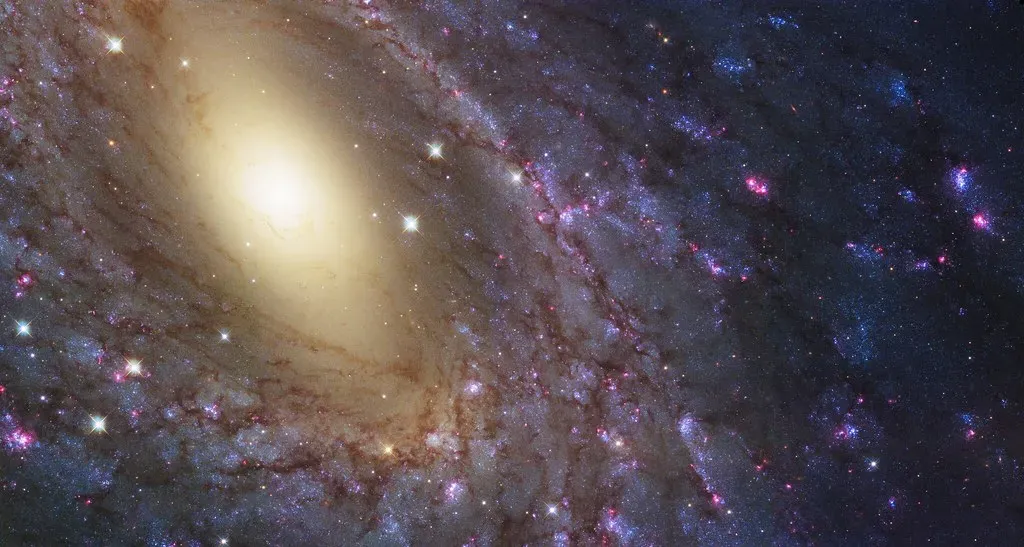
Sound is really just a vibration that travels through some sort of material. On Earth, you hear music, voices, or the crash of waves because acoustic waves travel through a medium by causing the atoms or molecules in it to successively bump into each other. That medium could be air, water, or even solid matter. In space, with no atoms or molecules to carry a sound wave, there’s no sound.
Space, being nearly a perfect vacuum, lacks such a medium, rendering it devoid of sound. The sparse particles scattered across the void simply can’t transmit vibrations the way Earth’s atmosphere does. The low density of particles in space makes it nearly impossible for sound waves to transfer, and the vast distances between celestial bodies mean that any sounds produced would dissipate before reaching an observer’s ear.
The Surprising Exceptions Where Sound Does Exist
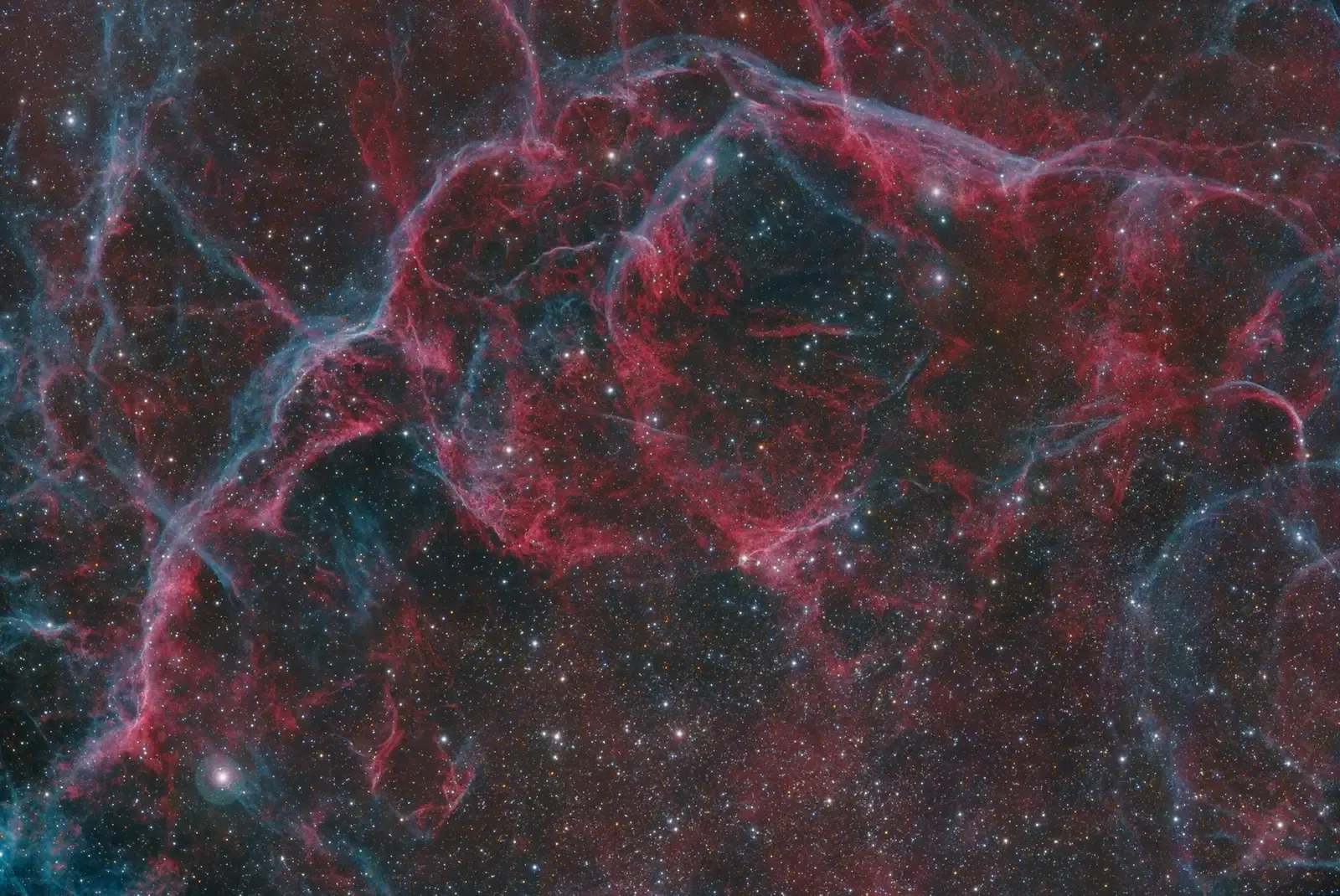
Here’s the thing: space isn’t entirely empty. Space isn’t actually a vacuum at all, particularly in interstellar and intergalactic space. There is stuff out there between the stars, and in some cases there’s enough of it to make a little noise over.
When massive events occur, like supernovae, they blast tremendous amounts of material outward. That ejecta slams into so much of the interstellar medium so hard that sufficient numbers of particles strike each other to make an acoustic wave. Gravitational waves and plasma waves also present a medium through which sound is able to travel. Though you wouldn’t hear these sounds with your ears if you were there, they exist nonetheless in regions dense enough to sustain wave propagation.
Ancient Echoes From the Big Bang
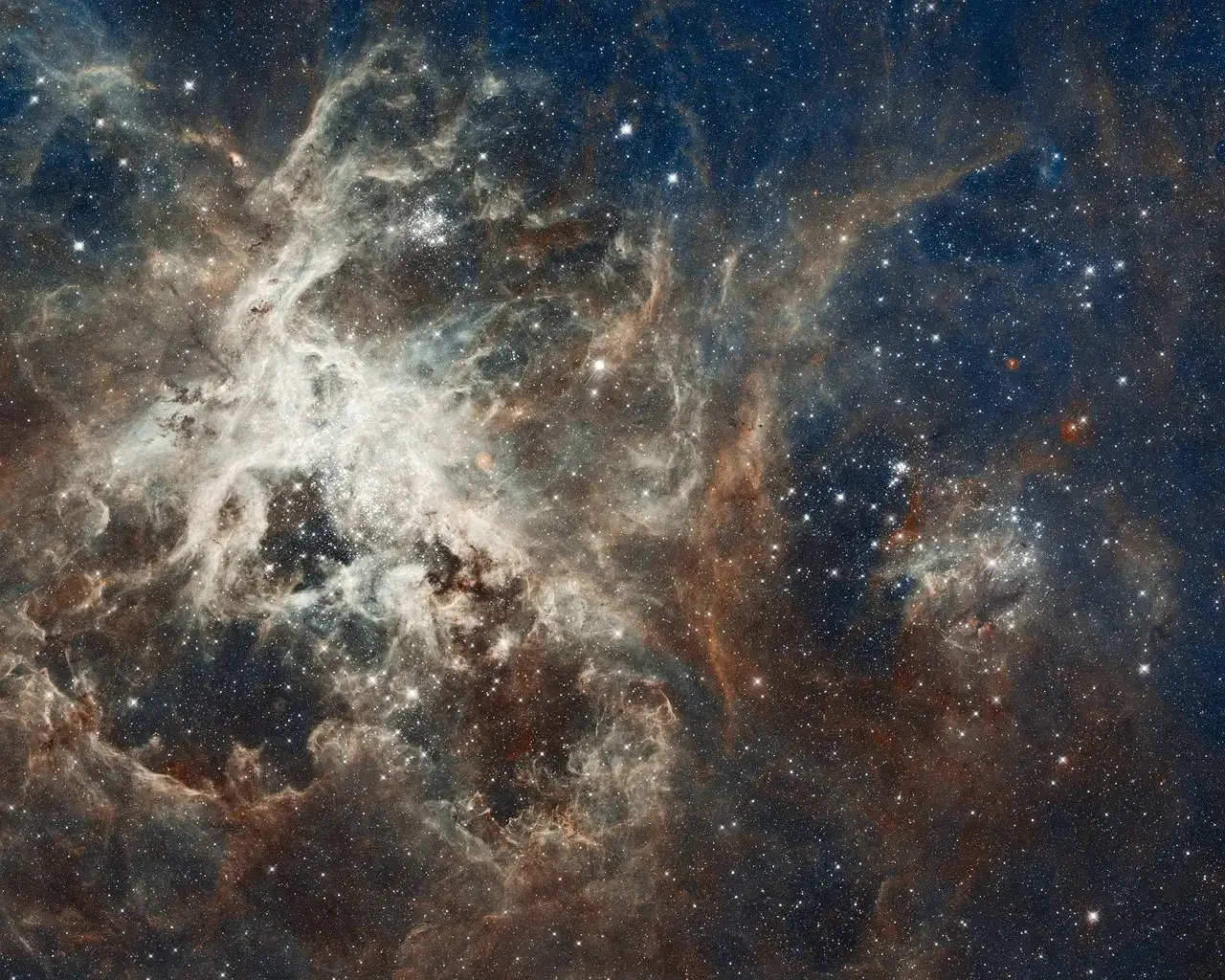
Let’s travel back nearly fourteen billion years. The early universe wasn’t silent at all. Pressure waves in the plasma of the baby universe were just like sound waves, except with extremely long wavelengths of hundreds of thousands to one million light years.
Inflation triggered sound waves that alternately compressed and rarefied regions of the primordial plasma, and after the universe had cooled enough to allow the formation of neutral atoms, the pattern of density variations caused by the sound waves was frozen into the cosmic microwave background radiation. Scientists have even converted these temperature fluctuations into audible recordings. Armed with data from satellite missions observing the cosmic microwave background, researchers have produced recordings that fill in higher frequencies to create a fuller and richer sound. High and low intensity sound waves were imprinted on the fabric of space-time as high- and low-temperature variations in the cosmic microwave background radiation.
When Black Holes Sing Their Final Song
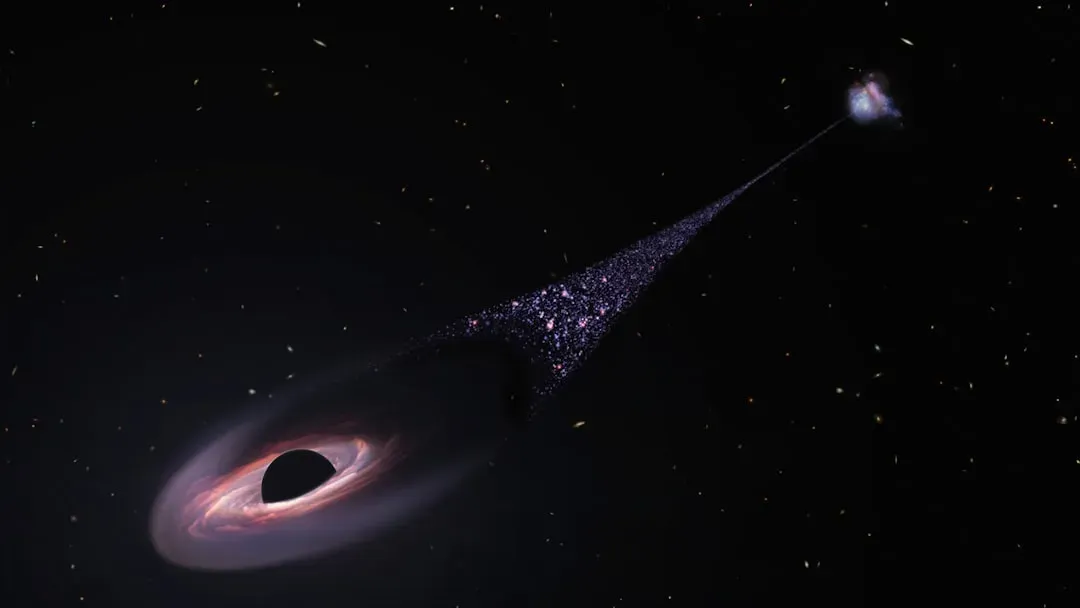
One of the most haunting discoveries in modern astronomy involves the collision of black holes. In September 2015, LIGO observed gravitational waves from the merger of two black holes, each about thirty times the mass of our sun, in an incredibly powerful event that lasted only fractions of a second.
LIGO can convert its space-time distortion signals into an audible sound called a chirp so we can all hear the final moments of the lives of two black holes and two neutron stars. Scientists call these sounds chirps because some events that generate gravitation waves would sound like a bird’s chirp. The sound starts low and rises sharply in pitch as the objects spiral closer together before merging. It’s genuinely eerie when you listen to it, honestly.
Sonification: Translating the Universe Into Sound
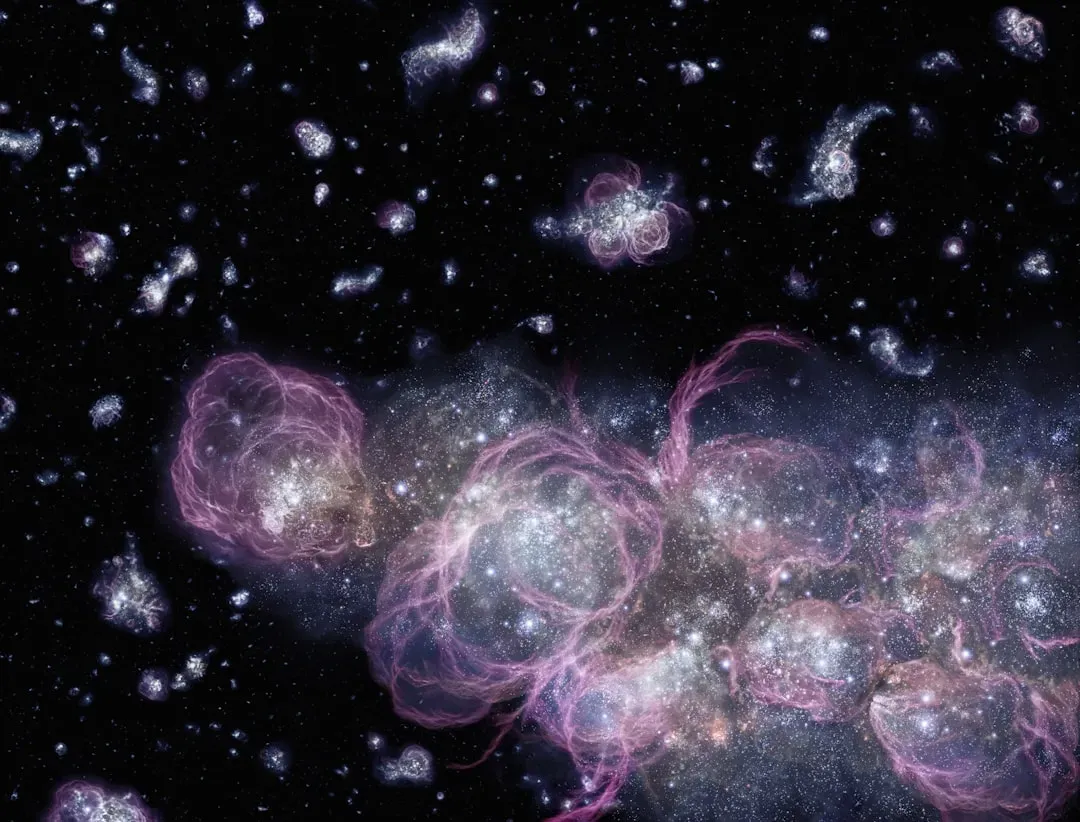
Sonification is the process that translates data into sound. NASA and other organizations have pioneered techniques to convert astronomical data that would otherwise be invisible and inaudible into something you can actually hear. Through data sonification, the same digital data that gets translated into images is transformed into sound, with elements like brightness and position assigned pitches and volumes.
In 2020, experts at the Chandra X-ray Center and System Sounds began the first ongoing, sustained program at NASA to sonify astronomical data. These projects have done more than create interesting audio experiences. By listening to sonified data, researchers can identify patterns, trends, and anomalies that might not be discernible through visual analysis alone. The human ear is remarkably good at detecting subtle changes that eyes might miss.
Plasma Waves Creating Cosmic Radio
In regions laced with magnetic fields, particles are continually tossed to and fro by the motion of various electromagnetic waves known as plasma waves, which create a rhythmic cacophony that can be heard across space. These aren’t traditional sound waves, but electromagnetic phenomena that can be converted into audio.
Whistler-mode waves traveling inside the plasmasphere are called plasmaspheric hiss and sound a lot like radio station static, with some scientists thinking hiss is caused by lightning strikes while others think it could be caused by chorus waves. Pressure disturbances are effectively sound waves in interplanetary space, and the thin plasma of the solar wind becomes weaker and more sparse as you travel outwards into the depths of the Solar System.
The Shocking Discovery: Sound Can Cross a Vacuum

Here’s where things get wild. Physicists have demonstrated that in certain situations, sound can be transmitted strongly across a vacuum region, with a sound wave able to jump or tunnel fully across a vacuum gap between two solids if the materials in question are piezoelectric.
When force or heat is applied to piezoelectric materials like zinc oxide crystals, the material produces an electrical charge, so when sound is applied, it creates an electrical charge that disrupts nearby electric fields, and if the crystal shares an electric field with another crystal, the magnetic disruption can travel from one to the other across a vacuum, with the disruptions mirroring the frequency of the sound waves. Of course, there’s a catch. The size of the gap must be smaller than the wavelength of the sound wave. Still, the fact that it’s possible at all feels like science fiction.
What the Sun Actually Sounds Like
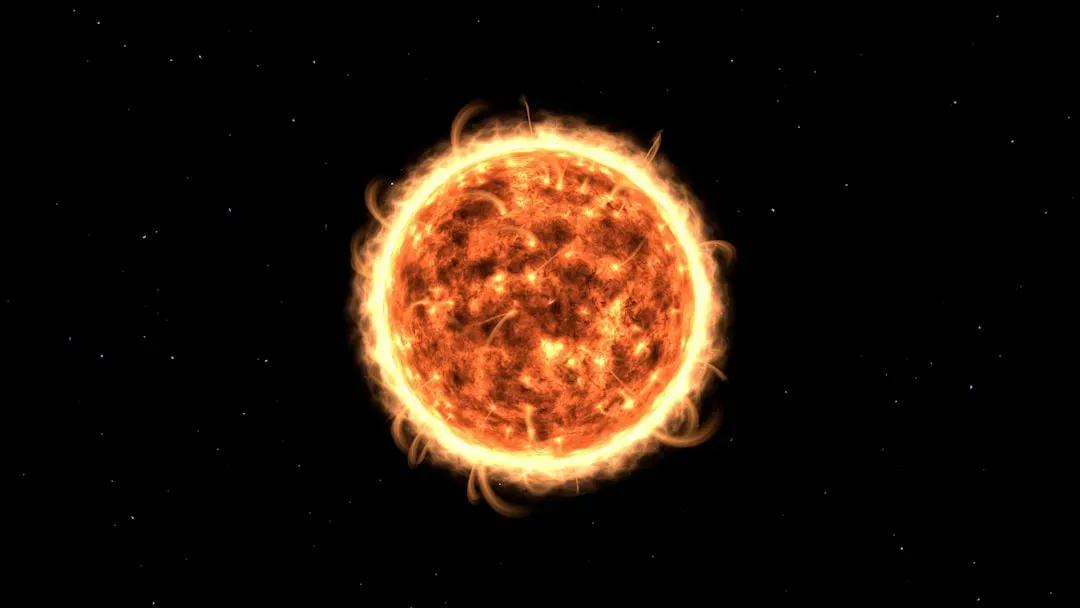
Our nearest star has its own acoustic signature. The Sun’s oscillations are caused by sound waves trapped inside the solar interior, which are produced by the convective turbulence in the outer thirty percent of the Sun, and the sound waves caused by pressure fluctuations in this turbulence reflect inwards once they hit the Sun’s surface.
Scientists study these solar oscillations through a field called helioseismology. By measuring these vibrations, they can peek inside the Sun’s interior much like geologists use earthquakes to study Earth’s core. The Sun essentially rings like a bell, though at frequencies far below what your ears could detect without technological assistance.
Rethinking What Silence Really Means
Space is mostly silent but not truly silent. What we perceive as silence is really just the absence of sound waves that can reach our ears. The universe pulses with gravitational waves, electromagnetic radiation, and plasma oscillations. The cosmic void is actually a cacophony of zipping particles and light waves, and as atomic nuclei and radiation strike scientific instruments, they can be construed as the sounds of space.
The silence of space invites contemplation about how limited our senses truly are. The serene expanse of the universe offers a stark contrast to the bustling nature of life on Earth, and in this celestial silence, everything from the intricate dance of celestial bodies to the birth and death of stars occurs in a realm untouched by noise. What feels silent to us is merely beyond our biological capacity to perceive.
So, what’s the real soundtrack of the universe? It’s simultaneously the deepest silence imaginable and a symphony of frequencies we’re only beginning to hear. The cosmos doesn’t need your ears to make its music. It’s been composing for billions of years, waiting for us to develop the right instruments to listen. What do you think the universe might sound like in frequencies we still can’t detect?