
For decades, we’ve been told that space is silent. The vacuum of the cosmos, we learned, cannot carry sound waves like our atmosphere does on Earth. Yet in 2022, NASA shattered this long-held belief with a discovery that sent ripples through the scientific community. Deep within the Perseus galaxy cluster, astronomers detected something extraordinary: actual sound waves emanating from a supermassive black hole. This wasn’t just a metaphorical “sound” created by converting radio waves or other electromagnetic signals into audio. These were genuine pressure waves, traveling through the thin gas that fills the space between galaxies.
The Perseus Galaxy Cluster: A Cosmic Sound Stage

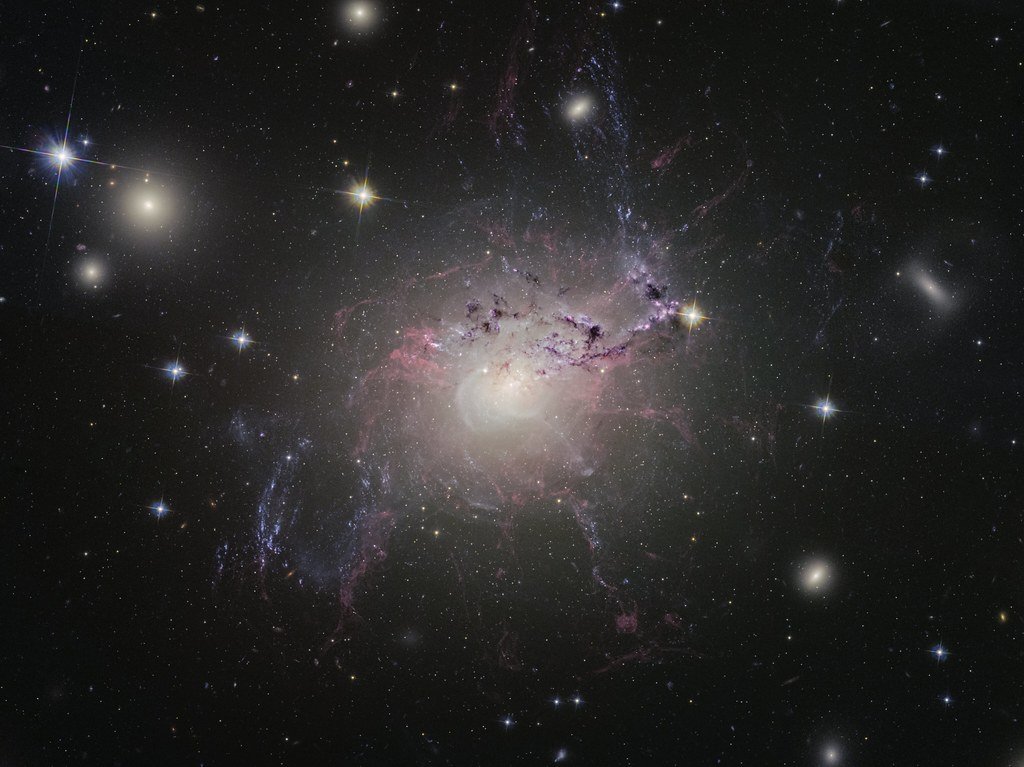
The Perseus galaxy cluster sits roughly 240 million light-years away from Earth, making it one of the closest galaxy clusters to our own Milky Way. This massive structure contains thousands of galaxies, all bound together by gravity and surrounded by an ocean of hot, ionized gas. Unlike the near-perfect vacuum of space between stars, this intergalactic medium is dense enough to carry sound waves.
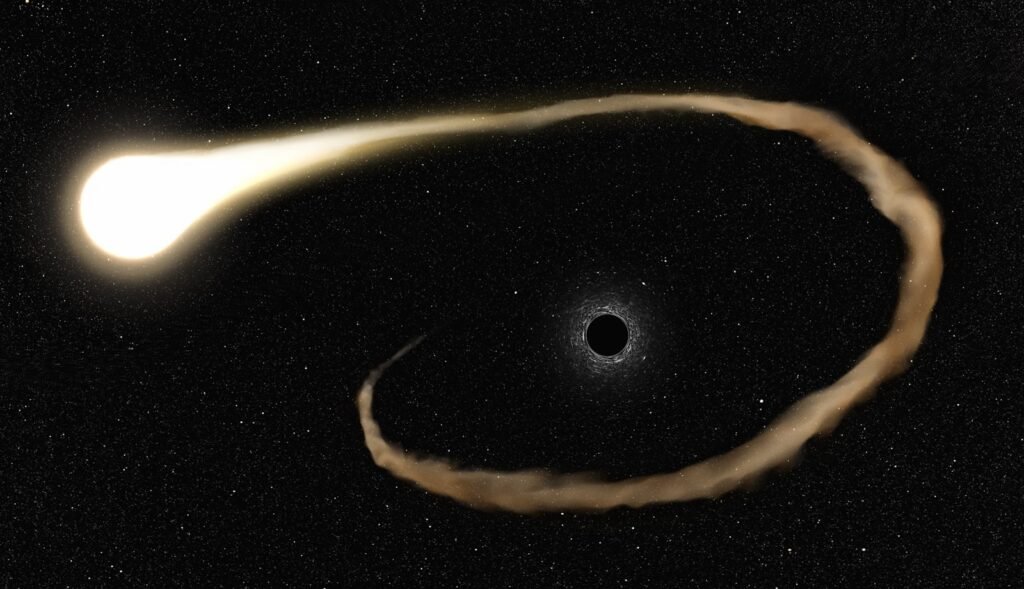
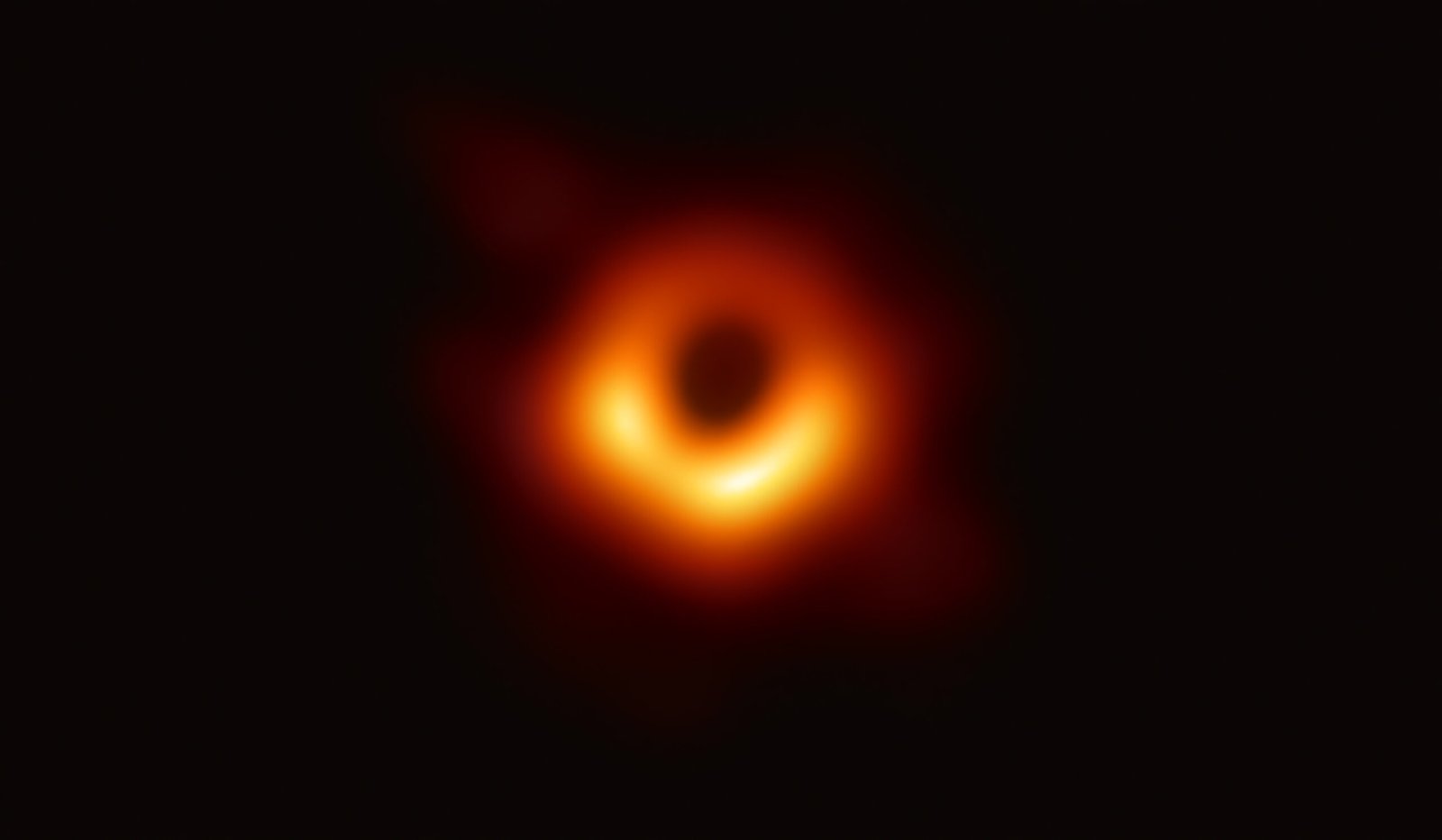
At the heart of Perseus lies a supermassive black hole, weighing in at about 340 million times the mass of our Sun. This cosmic giant doesn’t just sit quietly in space. Instead, it actively feeds on surrounding matter, creating powerful jets of energy that ripple outward into the cluster’s gas-filled environment.
Breaking the Silence: How Sound Travels in Space

When scientists say “space is silent,” they’re referring to the vacuum between planets and stars where sound cannot propagate. However, galaxy clusters like Perseus contain enough matter to serve as a medium for sound transmission. The hot gas permeating these clusters has a density similar to Earth’s upper atmosphere, creating the perfect conditions for acoustic waves.
These sound waves move incredibly slowly compared to what we experience on Earth. While sound travels at about 343 meters per second in our atmosphere, the acoustic waves in Perseus crawl along at roughly 1,000 kilometers per hour. This leisurely pace allows the waves to maintain their structure across vast cosmic distances.
The frequency of these black hole sounds is mind-bogglingly low. We’re talking about waves that complete one full cycle every 10 million years, making them far too deep for human ears to detect even if we could somehow travel to Perseus.
NASA’s Chandra X-ray Observatory: The Cosmic Microphone
NASA’s Chandra X-ray Observatory played a crucial role in detecting these otherworldly sounds. Launched in 1999, this space telescope specializes in observing high-energy X-ray emissions from astronomical objects. In the case of Perseus, Chandra detected ripples in the X-ray emissions from the cluster’s hot gas, revealing the presence of sound waves.
The observatory’s unprecedented sensitivity allowed astronomers to map these acoustic disturbances across the entire cluster. By analyzing the patterns of X-ray brightness variations, scientists could trace the path of sound waves as they propagated outward from the central black hole. This discovery required years of careful observation and data analysis to confirm.
The Mechanics of Black Hole Acoustics
Understanding how a black hole generates sound requires delving into the complex physics of accretion and jet formation. As matter spirals toward the black hole, it forms an accretion disk that heats up to millions of degrees. This superheated material doesn’t fall quietly into the black hole’s gravitational well.
Instead, the black hole’s magnetic field channels some of this material into powerful jets that shoot outward at nearly the speed of light. These jets punch through the surrounding gas like cosmic jackhammers, creating compression waves that ripple outward as sound. The process is similar to how a loudspeaker creates sound waves by pushing and pulling air molecules.
The energy released by these jets is staggering. In just one second, the Perseus black hole releases more energy than our Sun will produce in its entire 10-billion-year lifetime. This immense power drives the acoustic waves across distances spanning hundreds of thousands of light-years.
The Deepest Note in the Universe
The sound waves detected in Perseus represent the deepest musical note ever identified in the universe. To put this in perspective, the note is approximately 57 octaves below middle C on a piano. If you could somehow hear this cosmic bass note, it would be so low that it would be felt more than heard, like the rumble of distant thunder that never ends.
This extraordinary depth stems from the massive scale of the system generating the sound. Just as a larger musical instrument produces deeper tones, the enormous size of the Perseus galaxy cluster allows for the formation of these ultra-low frequency waves. The wavelength of these sound waves stretches across tens of thousands of light-years.
Musicians and scientists alike have been fascinated by this discovery. Some composers have attempted to transpose these cosmic sounds into audible frequencies, creating haunting musical pieces that capture the essence of black hole acoustics.
Sonification: Making the Inaudible Audible

While the actual sound waves from Perseus are far too low for human hearing, NASA scientists have developed techniques to make them audible. This process, called sonification, involves speeding up the sound waves by a factor of 288 quadrillion and shifting their frequency into the range of human hearing.
The result is an eerie, otherworldly audio experience that sounds like a cross between whale songs and electronic music. These processed recordings give us our first glimpse into what a black hole might “sound” like if we could somehow hear it directly. The sonification reveals complex patterns and rhythms hidden within the cosmic acoustics.
Different processing techniques yield different auditory experiences. Some versions emphasize the rhythmic pulsing of the jets, while others highlight the harmonic overtones created by the interaction between sound waves and the cluster’s magnetic field.
The Role of Dark Matter in Cosmic Acoustics

The Perseus cluster’s ability to transmit sound waves is intimately connected to its dark matter content. This mysterious substance, which makes up roughly 85% of the cluster’s total mass, shapes the gravitational environment that holds the gas-filled medium together. Without dark matter’s gravitational scaffolding, the cluster would lack the density necessary for sound transmission.
Dark matter also influences the speed and direction of sound wave propagation. The gravitational effects of dark matter create density variations in the gas that act like acoustic lenses, focusing and deflecting sound waves as they travel. This interaction between visible matter and dark matter creates complex acoustic patterns that scientists are only beginning to understand.
Recent computer simulations suggest that dark matter’s distribution might create acoustic “hot spots” where sound waves concentrate and amplify. These regions could potentially generate even more intense acoustic phenomena than what we’ve observed in Perseus.
Comparing Cosmic Sounds to Earthly Acoustics

The physics of sound in Perseus shares surprising similarities with acoustic phenomena on Earth, despite the vastly different environments. Just as sound waves in our atmosphere can create resonance patterns in musical instruments, the Perseus cluster exhibits acoustic resonances that amplify certain frequencies while dampening others.
The cluster’s spherical geometry creates acoustic modes similar to those found in concert halls or recording studios. These modes determine which frequencies propagate most effectively through the intergalactic medium. Understanding these patterns helps scientists predict how sound waves will behave in other galaxy clusters.
Ocean acoustics provides another useful analogy. Just as sound waves in the ocean can travel thousands of miles through different water layers, the Perseus sound waves navigate through regions of varying gas density and temperature. The cluster’s thermal structure creates acoustic channels that guide sound waves along specific paths.
Other Black Holes Join the Cosmic Symphony
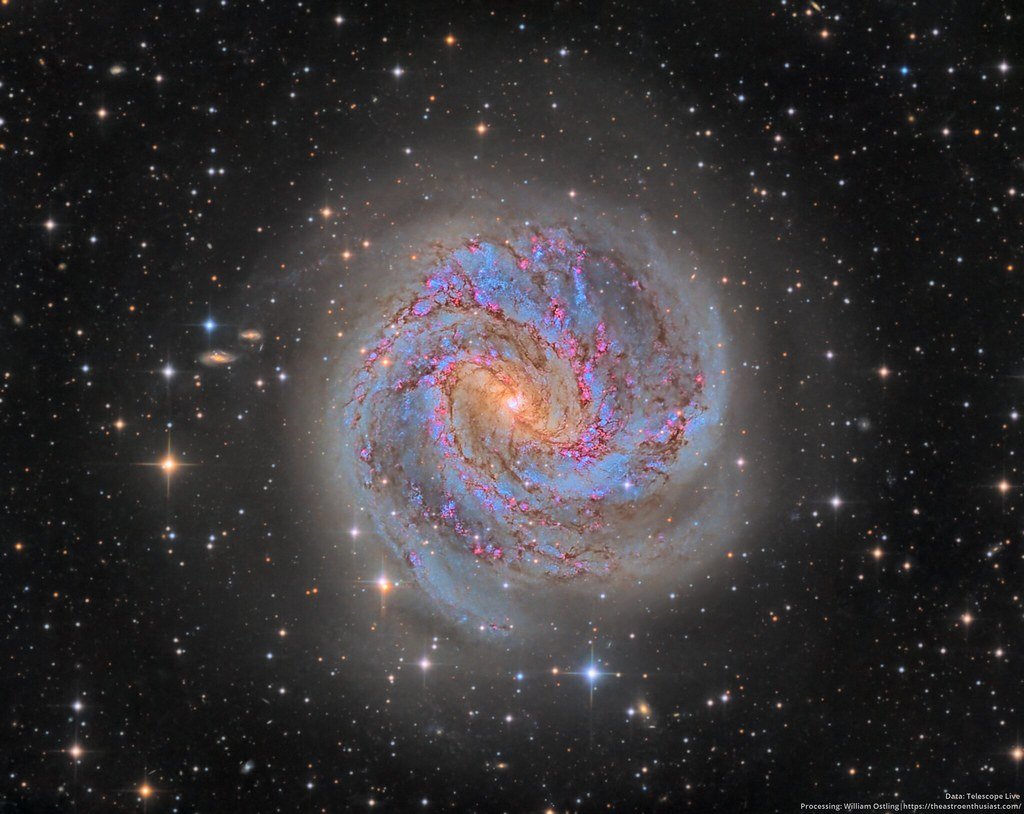
Perseus isn’t the only galaxy cluster where scientists have detected black hole sounds. Similar acoustic phenomena have been discovered in the Coma cluster, Abell 2052, and several other massive galaxy clusters. Each system produces its own unique acoustic signature, like instruments in a cosmic orchestra.
The Coma cluster, located about 320 million light-years away, generates sound waves with a slightly different frequency than Perseus. These variations provide insights into how different black hole masses and cluster environments affect acoustic wave production. Some clusters produce more chaotic, turbulent sounds, while others create more regular, periodic patterns.
As detection techniques improve, astronomers expect to discover acoustic phenomena in dozens of additional galaxy clusters. This growing catalog of cosmic sounds will help scientists understand how black holes influence their environments across the universe.
The Energy Problem: How Black Holes Heat Galaxy Clusters

The sound waves in Perseus solve a long-standing puzzle in astrophysics known as the “cooling flow problem.” Galaxy clusters contain enormous amounts of hot gas that should cool down and condense into stars over cosmic time. However, observations show that this cooling process is significantly suppressed in most clusters.
The acoustic waves generated by central black holes provide the missing energy source. As these sound waves propagate through the cluster, they heat the gas and prevent it from cooling too rapidly. This process maintains the cluster’s thermal balance and regulates star formation across the entire system.
The heating mechanism works like a cosmic thermostat. When the gas begins to cool, more material falls toward the central black hole, increasing its activity and generating more powerful sound waves. This feedback loop maintains stable conditions within the cluster over billions of years.
Implications for Galaxy Evolution

The discovery of black hole sounds has profound implications for our understanding of galaxy evolution. These acoustic waves don’t just heat gas; they also transport energy, momentum, and even chemical elements throughout galaxy clusters. This process helps explain how heavy elements created in stellar cores get distributed across vast cosmic distances.
The sound waves also influence star formation rates in cluster galaxies. By heating the intergalactic medium, these acoustic disturbances can either trigger or suppress star birth depending on local conditions. This connection between black hole activity and stellar evolution reveals new layers of complexity in cosmic evolution.
Galaxy mergers within clusters generate additional acoustic phenomena. When two galaxies collide, their central black holes can create interference patterns in the sound waves, leading to regions of enhanced or diminished acoustic activity. These interactions shape the cluster’s overall acoustic landscape.
Technical Challenges in Detecting Cosmic Sounds
Detecting sound waves in galaxy clusters requires overcoming significant technical challenges. The X-ray signals that reveal these acoustic disturbances are extremely faint, often requiring observation times of hundreds of hours to collect sufficient data. Space telescopes must maintain precise pointing accuracy over these extended periods.
Distinguishing genuine sound waves from other phenomena in the cluster requires sophisticated data analysis techniques. Scientists must separate acoustic signals from turbulence, magnetic field effects, and instrumental noise. This process often involves comparing observations from multiple telescopes and using advanced computer modeling.
The development of new X-ray detectors with improved sensitivity promises to revolutionize the field of cosmic acoustics. Future missions will be able to detect sound waves in more distant clusters and map acoustic patterns with unprecedented detail.
The Future of Cosmic Sound Detection

Several next-generation space telescopes will dramatically expand our ability to detect and study cosmic sounds. The upcoming Athena X-ray Observatory, scheduled for launch in the 2030s, will have sensitivity levels far beyond current capabilities. This mission will enable the detection of sound waves in thousands of galaxy clusters.
Ground-based observatories are also contributing to cosmic acoustics research. Advanced radio telescopes can detect the electromagnetic signatures of jet activity that generates sound waves. By combining X-ray and radio observations, scientists can create comprehensive maps of acoustic phenomena.
Gravitational wave detectors represent another frontier in cosmic sound detection. While these instruments detect ripples in spacetime rather than traditional sound waves, they provide complementary information about black hole activity and its acoustic consequences.
Artistic and Cultural Impact of Cosmic Sounds
The discovery of black hole sounds has captured the imagination of artists, musicians, and writers around the world. Composers have created symphonies based on sonified data from Perseus, while visual artists have produced installations that combine cosmic imagery with processed black hole audio.
Science museums have incorporated cosmic sound exhibits that allow visitors to experience these otherworldly acoustics firsthand. These displays help bridge the gap between complex astrophysics and public understanding, making abstract concepts tangible and emotionally resonant.
The cultural impact extends beyond art and education. The idea that the universe itself produces music challenges our perception of cosmic silence and suggests a more dynamic, interconnected cosmos than previously imagined. This discovery has influenced philosophical discussions about the nature of reality and our place within it.
Scientific Collaborations and Data Sharing

The study of cosmic sounds has fostered unprecedented collaboration between astronomers, physicists, and computer scientists. International research teams share data from multiple space telescopes, creating comprehensive datasets that no single observatory could produce alone. This collaborative approach has accelerated the pace of discovery in cosmic acoustics.
Open data policies have made processed sound wave data freely available to researchers worldwide. This accessibility has enabled smaller research groups to contribute to the field and has sparked innovative analysis techniques. Student projects and citizen science initiatives have also benefited from this open approach.
The development of standardized data formats and analysis tools has streamlined the research process. Scientists can now quickly compare acoustic phenomena across different galaxy clusters, leading to new insights about the universal nature of black hole sounds.
Technological Spin-offs and Applications

Research into cosmic acoustics has led to unexpected technological developments with terrestrial applications. The signal processing techniques developed for detecting faint sound waves in galaxy clusters have found applications in medical imaging, where similar methods help identify subtle patterns in diagnostic scans.
The acoustic modeling software created for galaxy cluster simulations has been adapted for underwater acoustics research, helping scientists understand sound propagation in Earth’s oceans. These tools have applications in marine biology, submarine detection, and offshore engineering.
Advanced data analysis algorithms developed for cosmic sound detection have been incorporated into artificial intelligence systems. These techniques for identifying patterns in noisy data have applications in financial modeling, climate research, and industrial process monitoring.
The Broader Context of Cosmic Acoustics

The discovery of sound waves in Perseus represents just one example of the rich acoustic phenomena that permeate the universe. From the primordial sound waves that shaped the cosmic microwave background to the acoustic oscillations in stellar interiors, the cosmos resonates with a symphony of frequencies spanning dozens of orders of magnitude.
Understanding these various acoustic phenomena provides a new lens through which to view cosmic evolution. Sound waves serve as both messengers and agents of change, carrying information about distant processes while simultaneously shaping the environments through which they travel.
The field of cosmic acoustics is still in its infancy, with new discoveries emerging regularly. As our detection capabilities improve and our understanding deepens, we can expect to uncover even more surprising aspects of the universe’s acoustic landscape. The sound of Perseus may be just the opening note in a cosmic symphony that we’re only beginning to hear.