Walk through a North American forest at dusk and you might feel alone, but you are surrounded by minds quietly working the world like puzzles. From tool‑wielding crows and plotting octopuses to whales whose memories map oceans and ants that build living architecture, intelligence in the wild rarely looks like our own, yet it keeps rewriting what we thought we knew about brains and evolution. In labs and remote field camps, scientists are now ranking animal smarts with a rigor that would have stunned naturalists a century ago, using brain imaging, behavioral experiments, and even AI models. The result is a deeply unsettling and deeply exciting picture: humans are not standing on a lone peak of cognition, but on one ridge in a chain of different, overlapping mental mountains. As researchers compare species across continents and eras, the story of intelligence begins to resemble those mysterious American earthworks and stone ruins that only made sense once someone finally looked from above. The question is no longer whether other animals are smart, but how far we are willing to go to recognize it.
The Hidden Clues: Ranking Intelligence Beyond Big Brains
For decades, people casually equated a big brain with a big mind, but that shortcut collapses the moment you look closely at animals like ravens, dolphins, or octopuses. Corvids, for example, pack neuron‑dense brains into skulls the size of a walnut, yet they solve multi‑step puzzles that stump human toddlers. Dolphins and some whales have large, folded cortices more comparable to ours than to most mammals, but much of their intelligence shows up in social maneuvering, long‑term memory, and flexible communication. Even ants and bees, with brains smaller than a grain of sand, demonstrate complex navigation and collective decision‑making that rival sophisticated algorithms. I remember sitting in a field lab once, watching a scrub jay repeatedly re‑hide a cache of food whenever another bird looked its way, and realizing it was essentially rehearsing a shell game.
Modern studies now weigh multiple clues to rank intelligence: neuron counts in key brain regions, the ability to plan for the future, flexible problem solving, social complexity, and self‑awareness tests. Researchers track whether animals can understand cause and effect, delay gratification, or imagine what others know and do not know. Some of the most surprising findings are not about the “top” animals, but about how different kinds of smarts appear, like hidden mounds under forest canopy only visible when scanned from above. Instead of a straight ladder leading up to humans, science is revealing a landscape of specialized intelligences shaped by different environments and evolutionary histories. That shift in perspective matters as much as any individual ranking.
From Ancient Tools to Modern Science: Primates and the Puzzle of Ape Minds
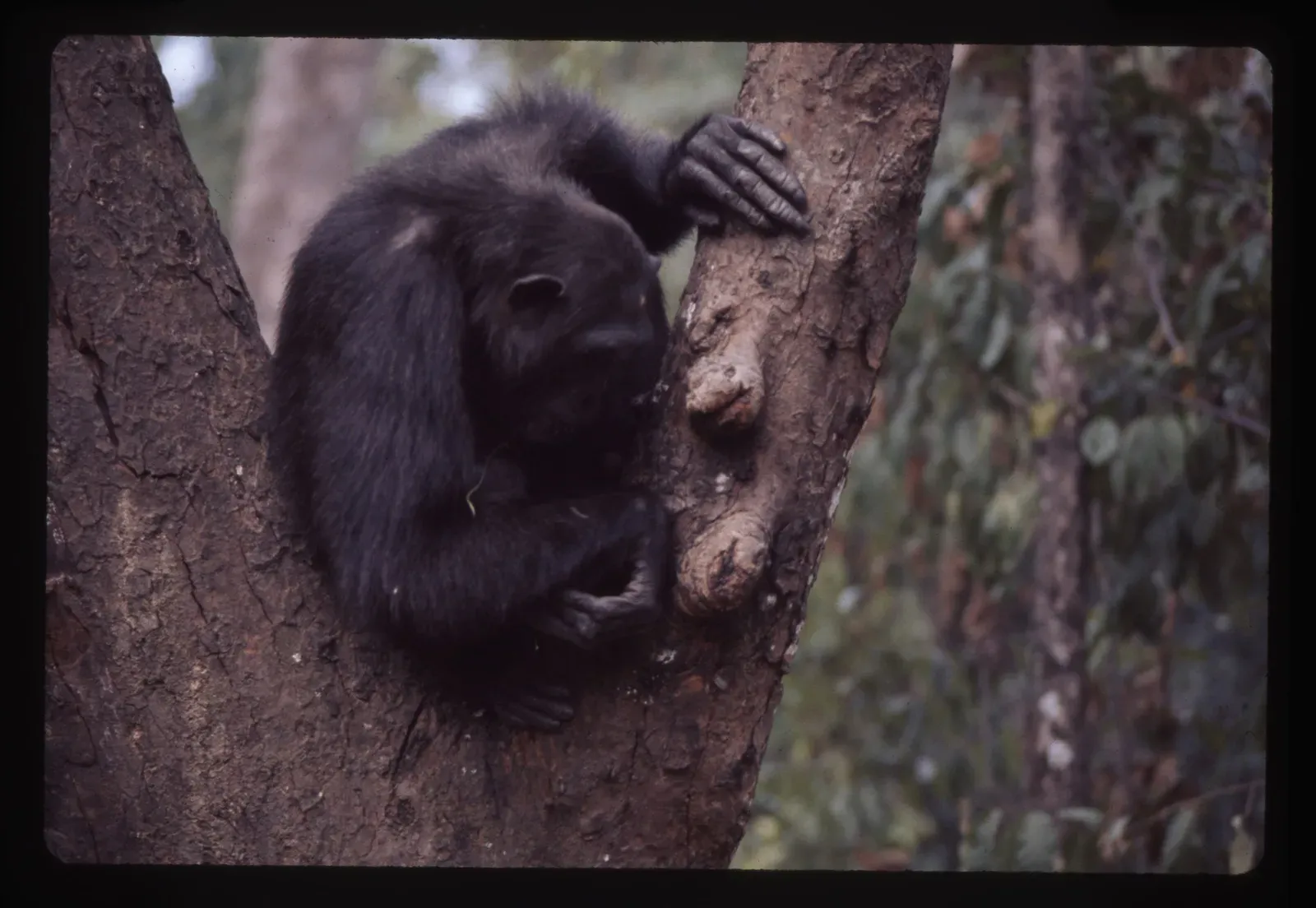
When people think of smart animals, they usually start with chimpanzees, and for good reason. Chimpanzees can fashion sticks into spears, stones into hammers, and leaves into sponges, passing these traditions across generations in ways that start to look like early culture. Bonobos and orangutans also shine in experiments where they must combine steps, remember hidden rewards, or cooperate to move heavy objects, often matching or even exceeding young children on specific tasks. Gorillas recognize symbols on touchscreens, follow complex instructions, and sometimes invent their own play rules, which is a level of mental flexibility that old‑school behaviorism could not easily explain. Watching footage of an orangutan carefully stealing a boat, untying it, and then paddling across a river feels less like observing an animal and more like witnessing a neighbor who has decided to break the rules.
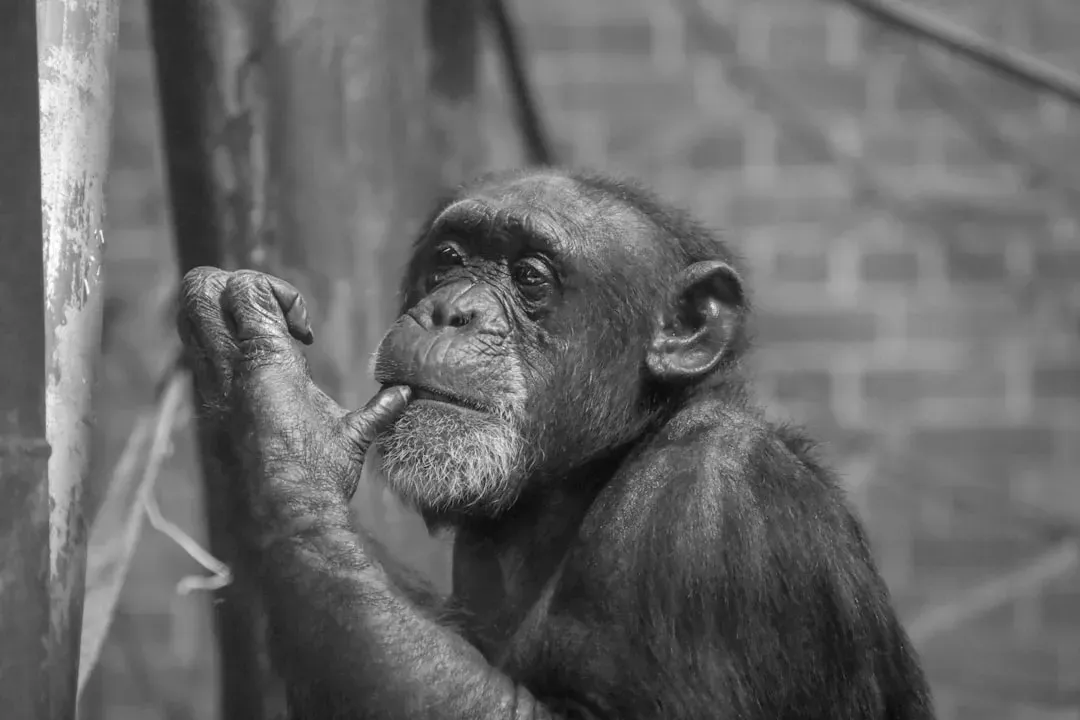
What has changed in recent decades is the precision with which scientists can measure and compare ape intelligence. Brain imaging allows researchers to see networks supporting memory, planning, and social reasoning in great apes and line them up against human patterns. Field experiments – using puzzle boxes, hidden food, or staged cooperation – reveal how wild apes think when no human is directly training them. Long‑term field projects have shown that different chimpanzee communities have distinct tool traditions, such as nut‑cracking or termite fishing, resembling localized cultures. These findings place apes near the top of any science‑based intelligence ranking, but they also highlight just how much of our own mental evolution is shared rather than unique.
Ocean Minds: Dolphins, Whales, and the Architecture of Memory
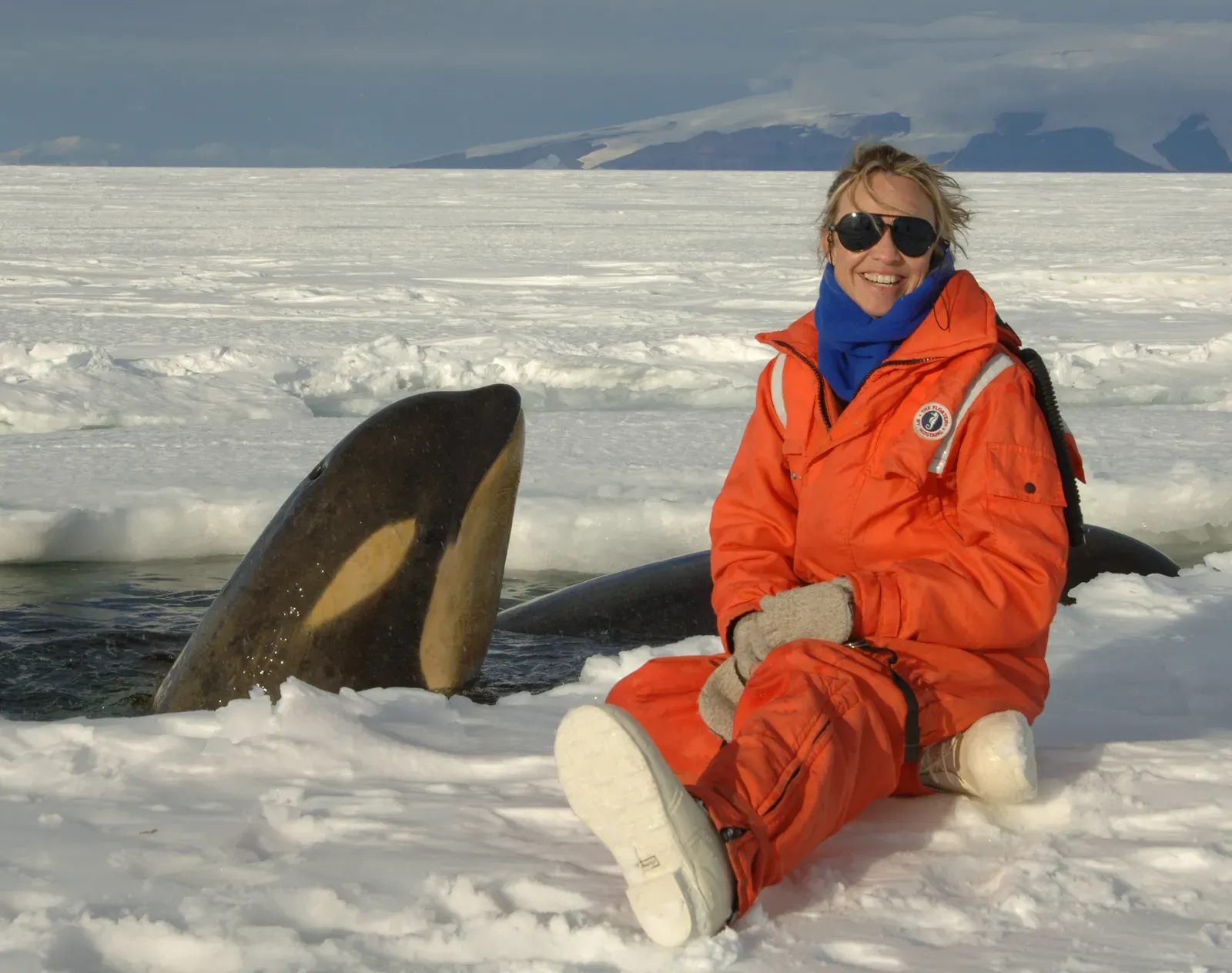
In the open ocean, intelligence has taken a very different shape, wrapped in muscle, blubber, and sonar instead of hands and fire. Bottlenose dolphins, often ranked alongside great apes in cognitive tests, can recognize themselves in mirrors, understand symbolic language, and improvise new behaviors on command. They remember the signature whistles of former companions for many years, a social memory that would be impressive in any primate. Some large whales, including humpbacks and sperm whales, appear to share vocal traditions that spread and evolve over time, something like regional dialects or musical styles. To me, the most haunting idea is that a sperm whale’s brain, larger than ours and tuned to navigate immense depths, might be running a mental map of undersea canyons in the same way a seasoned traveler holds a map of old highways.
Neuroscientists studying cetaceans have found expansive, layered cortices and complex limbic systems, suggesting rich emotional lives and advanced processing of sound and space. Field observations show intricate cooperation in hunting, where individuals take specialized roles and adjust in real time to prey behavior. Some dolphins pass around tools, such as sponges they use to protect their snouts while foraging on rough seafloors, indicating cultural transmission. When researchers rank animal intelligence on social and communicative dimensions, dolphins and certain whales consistently sit near the very top. Their minds remind us that different environments – dark water, long migrations, three‑dimensional space – can sculpt forms of intelligence that our land‑based tests still struggle to capture fully.
Feathered Strategists: Crows, Ravens, and the Rise of Bird Cognition
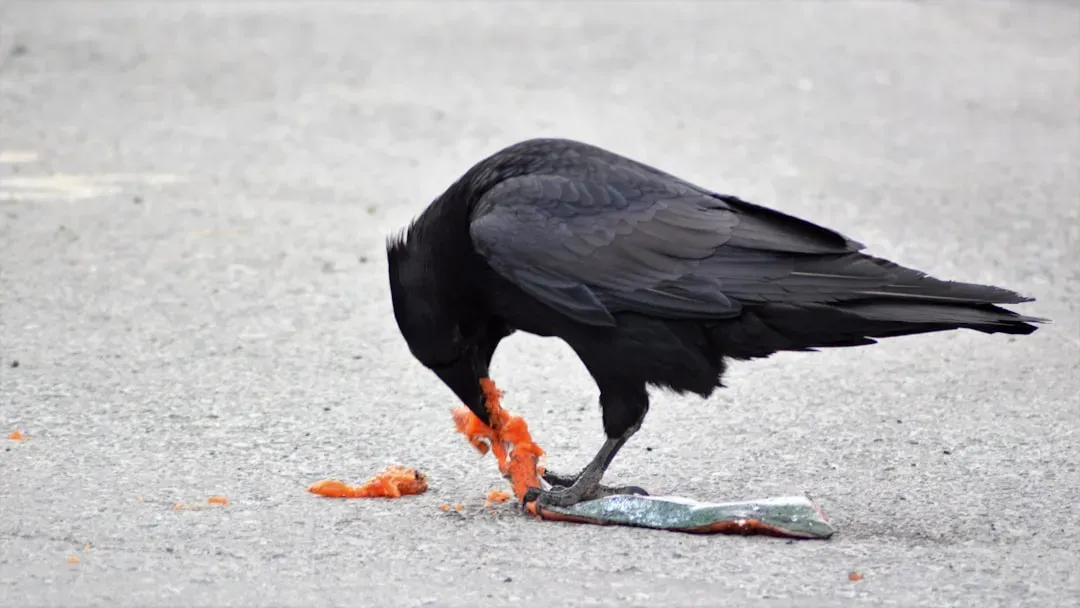
If there is a single group that has forced scientists to rewrite intelligence rankings, it is the corvids – crows, ravens, magpies, and jays. Lab tests have shown New Caledonian crows combining multiple tools in sequence, bending wires into hooks, and solving puzzles that require planning several moves ahead. Ravens hide food in intricate ways to mislead potential thieves, watching who is watching them and adjusting their strategy, which hints at a kind of theory of mind. These birds also remember human faces, distinguishing between people who have treated them kindly and those who have threatened them, and they can hold these social “grudges” for years. I once watched a crow in an urban park drop nuts at crosswalks, waiting for cars to crush them, then hopping in only when the pedestrian signal turned green, as if it had quietly hacked the city’s traffic system.
What makes corvid intelligence so startling is that it evolved in a brain structure quite different from that of mammals. Their forebrains are organized into nuclei rather than layered cortices, yet they pack dense clusters of neurons that rival or exceed primate levels in key regions. This suggests that complex cognition is less about copying a single blueprint and more about converging on powerful solutions from different starting points. When scientists rank animals by problem‑solving ability, flexibility, and innovation, corvids often land at or near the top tier, right alongside apes and dolphins. Their success has pushed researchers to take bird cognition seriously across the board, leading to new respect for parrots, pigeons, and even some songbirds once dismissed as simple mimics.
Invertebrate Outsiders: Octopuses, Insects, and Distributed Intelligence
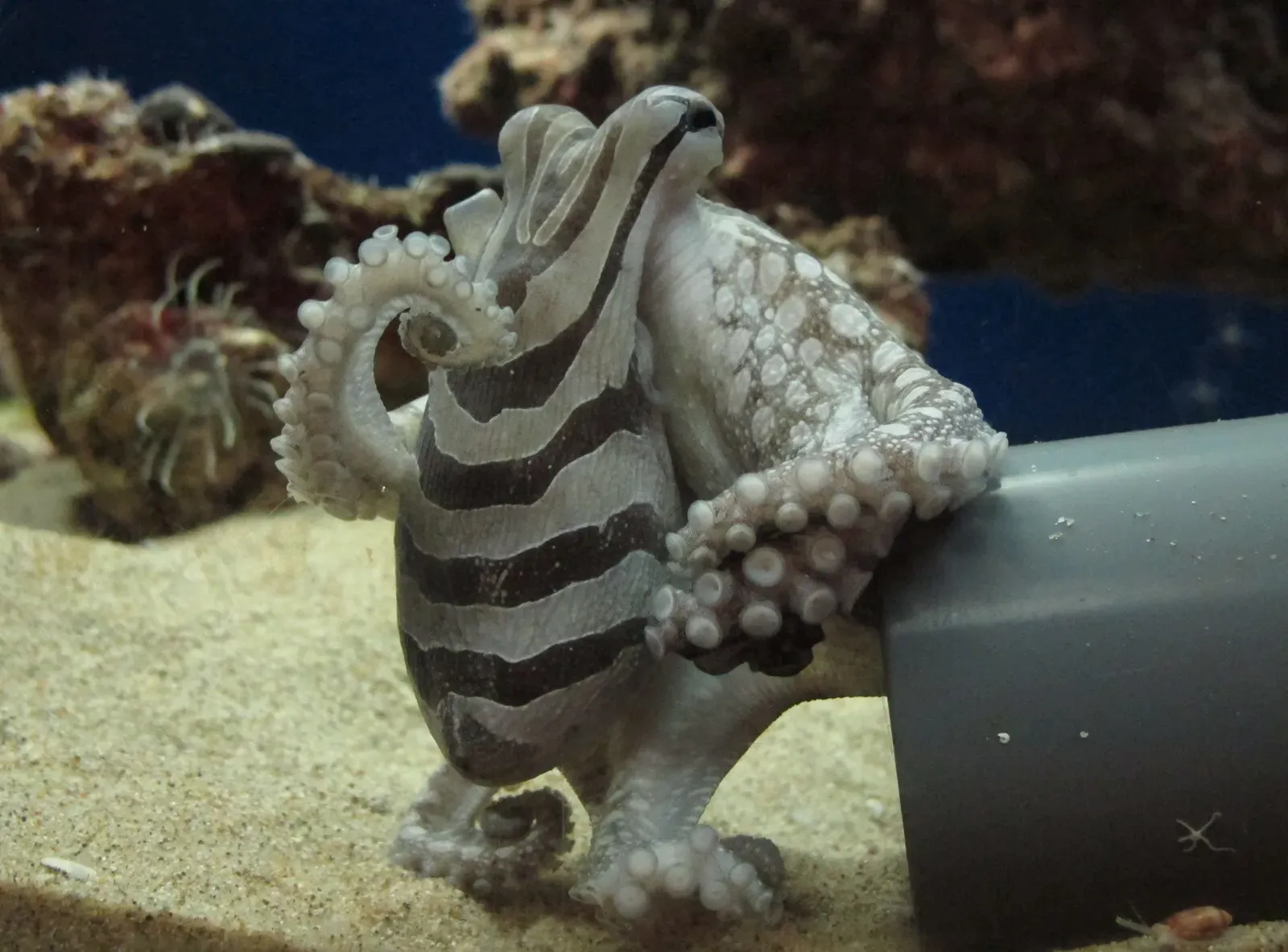
Just when the rankings of smart animals seemed to revolve around familiar vertebrates, the octopus arrived to upend the list. Octopuses solve mazes, open jars, and escape enclosures with a persistence and creativity that feels eerily personal when you are the one trying to keep them gently contained. Much of their nervous system is distributed into their arms, which can perform semi‑independent tasks while still coordinating toward a shared goal. They investigate objects, rearrange their environments, and sometimes appear to play, behavior that scientists once hesitated to attribute to invertebrates. Watching an octopus drag coconut shells across a seafloor to assemble a portable shelter feels like stumbling on a tool‑using civilization in miniature.
Insects, too, complicate any simple hierarchy of minds. Honeybees navigate over long distances using the sun, polarized light, and landmarks, then return to the hive and transmit route information through complex dances. Ant colonies adjust trail networks, workload, and nest structure in response to changing conditions, functioning like living computers built from tiny, simple units. Some researchers describe this as swarm intelligence, where the “smartness” emerges from many interactions rather than a single large brain. When rankings factor in efficiency, coordination, and problem solving at the group level, social insects suddenly rank far higher than a quick glance would suggest. These invertebrate outsiders are reminders that intelligence is as much about strategy and structure as it is about individual neurons.
Why It Matters: Rethinking Human Uniqueness and Responsibility
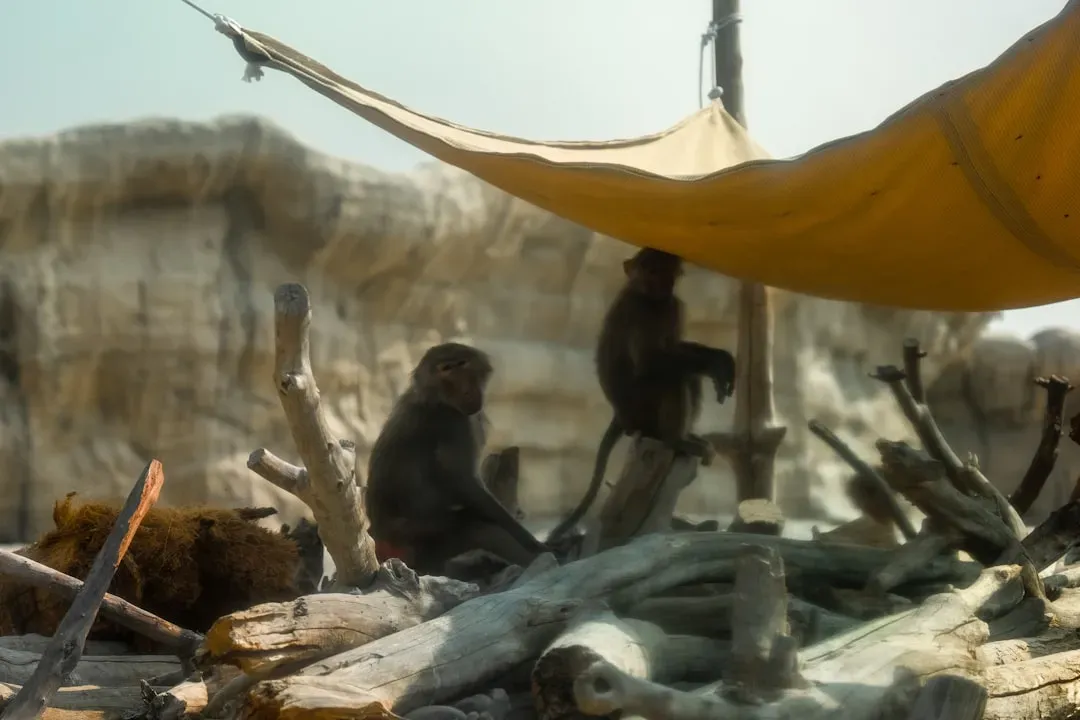
Ranking the smartest animals is not just an entertaining exercise; it quietly reshapes how we see ourselves and how we justify our actions toward other species. For a long time, people leaned on human uniqueness – language, tools, culture – as a moral buffer that placed us clearly above the rest of life. Each time science has carefully tested those supposed boundaries, animals have crossed them: apes with sign systems, parrots naming colors and shapes, dolphins interpreting symbolic commands, corvids passing down local traditions. The more we look, the more intelligence appears not as a singular human trait, but as a spectrum and a toolkit scattered widely across the tree of life. That realization is uncomfortable, because it chips away at excuses for treating other minds as mere background to human needs.
Compared with older, more simplistic views that dismissed animal behavior as reflex or rigid instinct, the current science demands a deeper ethical conversation. Knowing that an octopus can solve puzzles and perhaps experience something like curiosity makes its status in aquariums and fishing practices hard to ignore. Recognizing that whales and elephants possess long memories and social bonds recasts the impact of noise pollution, captivity, and habitat fragmentation. When animal intelligence rankings are grounded in evidence instead of anecdote, they highlight specific species and abilities that deserve particular protection. This is where the rankings do their most important work: not in crowning a winner, but in forcing us to confront who we share the planet with, and what we owe them.
The Future Landscape: AI, Brain Scans, and New Measures of Wild Minds
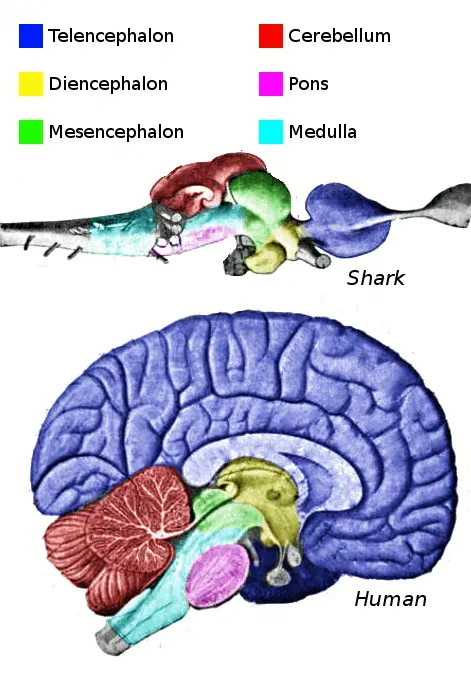
The next wave of discoveries about animal intelligence will likely come from tools that did not exist when classic behavior experiments were designed. Portable brain‑imaging devices, from lightweight EEG caps to non‑invasive optical systems, are starting to let scientists glimpse neural activity in freely moving animals, rather than only in restrained lab settings. Advances in machine learning are helping researchers decode patterns in bird songs, whale calls, and even primate gestures, revealing structures and rules that human observers might miss. Some teams are building computational models of animal brains to test how different architectures could produce similar intelligent behaviors. It is not hard to imagine that, in a decade, the rankings of smartest animals will look very different because we will simply be able to measure more.
At the same time, this technological expansion raises new challenges. As methods become more sensitive, differences between individuals within a species may turn out to be as striking as differences between species. Researchers will have to decide whether rankings should focus on average performance, exceptional outliers, or specific domains of intelligence like navigation, social strategy, or tool use. Ethical questions will sharpen as we gain clearer evidence of pain, pleasure, and perhaps something like awareness in animals once written off as simple. The risk is that we treat these new metrics as another scoreboard rather than an invitation to rethink our place in a network of diverse minds. The opportunity is to use them as a map, like those aerial surveys that revealed prehistoric earthworks under American forests, pointing us to patterns we never knew were there.
Global Perspectives: Intelligence Across Ecosystems and Cultures

One of the most striking lessons from recent research is how much geography and culture shape our view of animal intelligence. Western science once focused heavily on primates and domestic animals, in part because they were accessible, while overlooking local knowledge about clever birds, fish, or invertebrates known to Indigenous communities. As field studies expand into new regions – from Amazonian rivers to Arctic coastlines – researchers are documenting smart behaviors in animals that almost never appear on popular rankings. For example, certain fish use tools, some reptiles display surprising learning and problem solving, and various bird species outside the usual corvid‑parrot duo turn out to be innovative problem‑solvers. It is a bit like early archaeologists obsessing over famous stone ruins while ignoring vast networks of earthen mounds across North America.
Cultural attitudes also influence which animals get credit for being smart. In some places, ravens are revered as tricksters and messengers, while in others they are dismissed as noisy pests. Dolphins are beloved tourist draws in coastal towns, yet other intelligent marine mammals may be hunted or disturbed by the same communities. As more countries invest in wildlife cognition research, a richer, more balanced picture emerges, with regional experts documenting complex behaviors that outsiders might never see. This global effort is slowly eroding the idea that intelligence can be neatly ranked from top to bottom. Instead, it suggests a tapestry of specialized skills woven to fit local pressures, climates, and histories, with humans simply occupying one particularly talkative thread.
Call to Action: How Readers Can Respect and Support Other Minds
For most of us, the rankings of the world’s smartest animals will never be more than words on a page unless they change how we move through daily life. One simple step is to pay closer attention to the animals already around you – crows working a parking lot, squirrels testing routes across power lines, spiders rebuilding webs each morning. That shift from seeing “background fauna” to recognizing active problem‑solvers can quietly transform your sense of place. Supporting local conservation efforts, whether by backing protected areas, reducing plastic use, or engaging with citizen‑science projects, helps preserve the habitats where wild intelligence is allowed to flourish. Even small choices, like buying seafood from more sustainable sources or avoiding attractions that keep large, cognitively complex animals in cramped conditions, send signals that their minds matter.
If you want to go deeper, you can follow reputable science reporting, read primary research summaries from universities, and share those insights with friends and family who still think only humans are truly smart. Educators and parents can introduce kids to stories of clever crows, thoughtful elephants, and strategic octopuses, seeding a new generation with curiosity instead of complacency. The more we normalize the idea that intelligence is widespread and varied, the harder it becomes to justify practices that ignore or exploit it. In the end, acknowledging the smartest animals on Earth is less about ranking them beneath us and more about stepping down from an imagined pedestal. Once we do that, the planet looks different – more like a gathering of strange, brilliant neighbors than a stage built for a single star.
Suhail Ahmed is a passionate digital professional and nature enthusiast with over 8 years of experience in content strategy, SEO, web development, and digital operations. Alongside his freelance journey, Suhail actively contributes to nature and wildlife platforms like Discover Wildlife, where he channels his curiosity for the planet into engaging, educational storytelling.
With a strong background in managing digital ecosystems — from ecommerce stores and WordPress websites to social media and automation — Suhail merges technical precision with creative insight. His content reflects a rare balance: SEO-friendly yet deeply human, data-informed yet emotionally resonant.
Driven by a love for discovery and storytelling, Suhail believes in using digital platforms to amplify causes that matter — especially those protecting Earth’s biodiversity and inspiring sustainable living. Whether he’s managing online projects or crafting wildlife content, his goal remains the same: to inform, inspire, and leave a positive digital footprint.