Exploring the vast kingdom of animals reveals an array of intelligent behaviors that challenge our understanding of intelligence itself. From problem-solving birds to communicative marine mammals, animal intelligence is a topic that continues to intrigue scientists and laypersons alike. Understanding animal intelligence not only deepens our appreciation for other species but also sheds light on the evolution of intelligence, including our own. This article delves into the diverse manifestations of intelligence across the animal kingdom, highlighting how various species demonstrate cognitive abilities.
Defining Animal Intelligence

Before we dive into specific examples, it’s essential to define what we mean by “intelligence” in the animal world. Unlike the human-centric view of intelligence, which often emphasizes language and mathematics, animal intelligence encompasses problem-solving, social interaction, communication, and the ability to learn from experience. Different species exhibit intelligence in diverse ways, adapted to their ecological niches and survival needs.
The Problem-Solving Powers of Crows

Crows and their relatives in the corvid family have long fascinated researchers with their remarkable problem-solving skills. These birds are known to use tools, solve complex puzzles, and even plan for future events. In various experiments, crows have demonstrated the ability to drop stones into a tube to raise water levels and access food, highlighting their capacity to understand cause and effect.
Dolphins: Masters of Communication

Dolphins are renowned for their advanced communication abilities. These marine mammals use a complex system of clicks, whistles, and body language to interact with each other. Recent studies suggest that dolphins may even have personal “names,” using unique whistle patterns to identify themselves and others. This indicates not only a sophisticated communication system but also social intelligence.
The Emotional Intelligence of Elephants

Elephants are known for their deep emotional connections and impressive memory. They exhibit behaviors that suggest empathy, such as helping injured or troubled members of their herd and mourning the death of their peers. Elephants’ ability to recognize themselves in a mirror—a test often used to assess self-awareness—further highlights their complex emotional and cognitive capacities.
Octopuses: The Invertebrate Geniuses
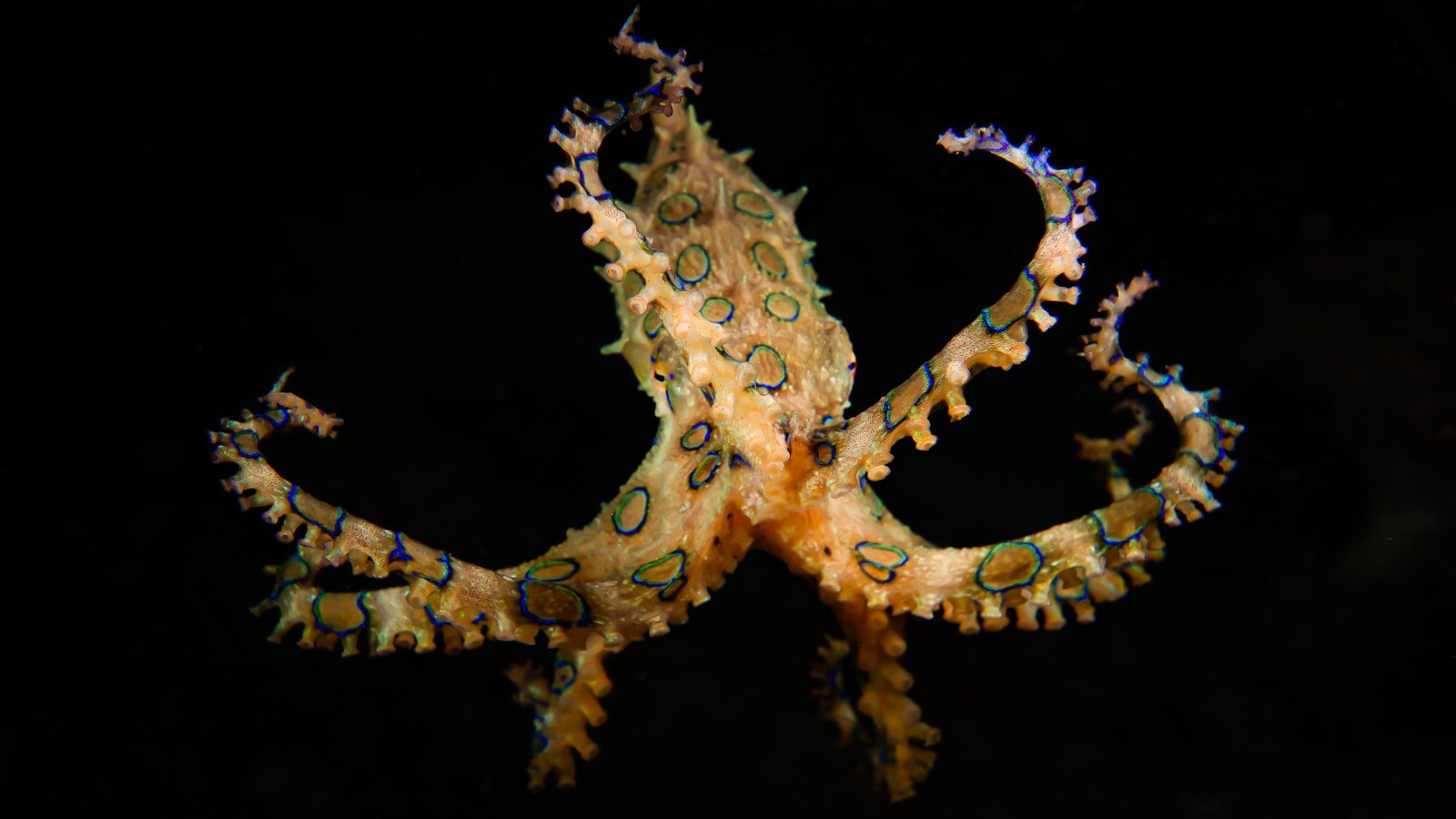
Octopuses challenge the notion that intelligence is confined to vertebrates. With their remarkable problem-solving abilities, they have been observed opening jars, escaping from enclosures, and using coconut shells as shelter. Their capacity to navigate mazes and remember solutions underscores their cognitive prowess, despite their vastly different neural architecture compared to mammals and birds.
Savvy Squirrels and Their Cache Management
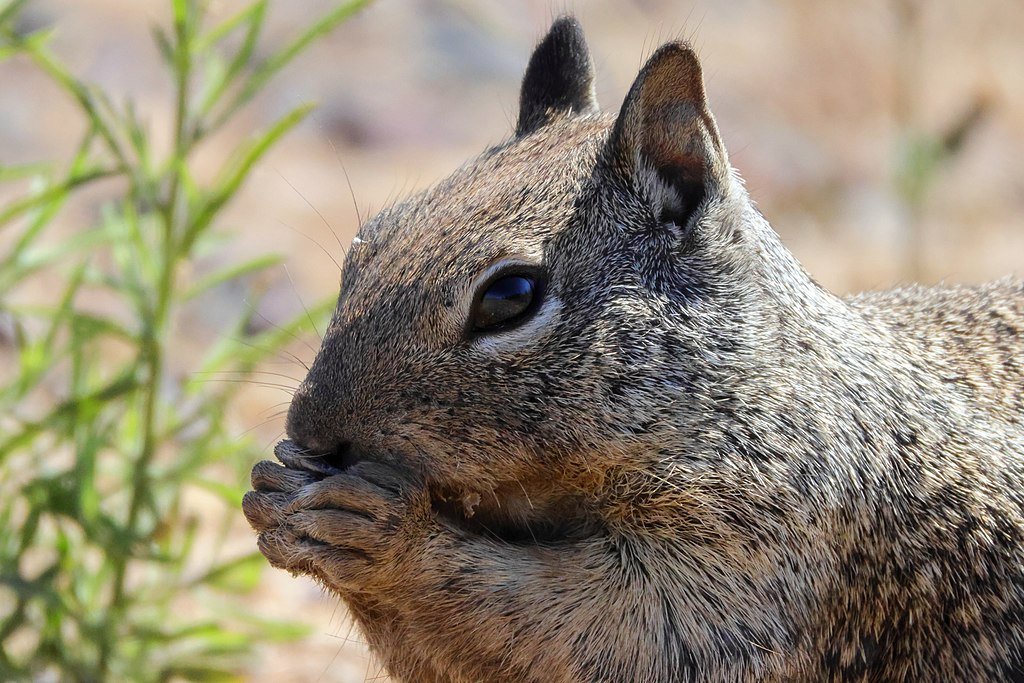
Squirrels display a unique form of intelligence through their caching behavior. By storing food in various locations, they can prepare for scarce times. Experiments demonstrate that squirrels engage in deceptive tactics to protect their caches from thieves, employing fake burial sites to confuse potential pilferers, suggesting an understanding of the intentions of others.
The Remarkable Memory of Scrub Jays
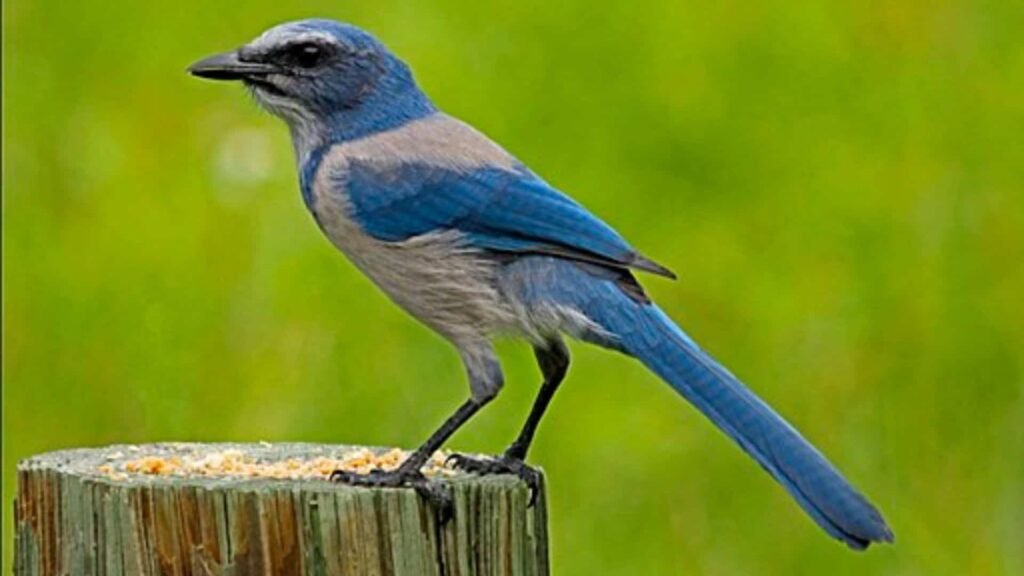
Western scrub jays, another member of the corvid family, have shown an extraordinary ability to remember specific details about where and when they stored food. This capacity, known as episodic-like memory, was once thought to be unique to humans. Scrub jays can recall not only the location of their caches but also which ones are likely to contain spoiled food, demonstrating advanced cognitive mapping and temporal awareness.
Chimpanzees: Our Closest Relatives

Chimpanzees share approximately 98% of their DNA with humans and exhibit complex cognitive skills. They use tools for hunting and gathering, display problem-solving abilities, and communicate through a mix of vocalizations and gestures. Socially, chimpanzees engage in sophisticated group dynamics, forming alliances and exhibiting altruistic behaviors, which mirror aspects of human social systems.
The Teaching Techniques of Meerkats

Meerkats provide a fascinating example of social intelligence through their teaching methods. Adult meerkats teach younger members how to handle prey, gradually introducing them to live scorpions after the stingers have been removed. This step-by-step teaching approach highlights a capacity for instruction, an advanced cognitive behavior rarely seen in the animal kingdom.
Pioneering Parrots and Their Linguistic Skills

Parrots are not only vocal mimics but also problem solvers capable of understanding and using human language in meaningful ways. African grey parrots, such as the famous Alex, have demonstrated the ability to understand concepts like shape, color, and number. Their capacity to engage in abstract thinking and to associate words with objects showcases their linguistic intelligence.
Summary: A Celebration of Diversity

The intelligence exhibited by animals across species is a testament to the incredible diversity of life on Earth. While each species showcases intelligence tailored to its environment and survival strategies, these capabilities remind us of the interconnectedness and complexity of life. Recognizing and appreciating animal intelligence encourages further respect and conservation efforts, underscoring the ethical responsibility humans hold in protecting the planet’s myriad inhabitants.
In conclusion, animal intelligence is a rich and varied field, offering insights not only into the lives of other species but also into the evolution of cognitive abilities. By studying and respecting this intelligence, we foster a deeper connection with the natural world and enhance our understanding of life’s intricate tapestry.