
Imagine standing on what looks like a shimmering glass floor, with the sky stretching endlessly above and—almost impossibly—below you. Clouds drift at your feet, while your reflection floats perfectly beneath, as if you’re walking on air. This isn’t a dream, and it’s not some digital trickery. It’s real, it’s natural, and it’s right here on Earth: the Sky Mirror of Selangor. Stepping onto this mirror is like stepping into another universe—one where reality and illusion blend so seamlessly, you start to question what’s up and what’s down. No wonder people travel from all over just for that one-of-a-kind, gravity-defying selfie. But what exactly is this place, and why does it exist? Get ready to dive into the science, the magic, and the wild beauty of Malaysia’s most bizarre natural phenomenon.
What Exactly Is the Sky Mirror?
The Sky Mirror of Selangor is a gigantic sandbar off the coast of Kuala Selangor, Malaysia, that only appears a few times each month. When the tide is just right, this sandbar emerges from the shallow sea, forming a wide, flat surface covered by a thin layer of water. The result is a natural mirror that reflects the sky above with jaw-dropping clarity. Standing on it feels like floating between two worlds. It’s not a permanent island but a fleeting stage, appearing and disappearing with the rhythms of the moon and sea. Think of it as Mother Nature’s own pop-up selfie studio—here today, gone tomorrow.
Where Is Selangor’s Sky Mirror Located?
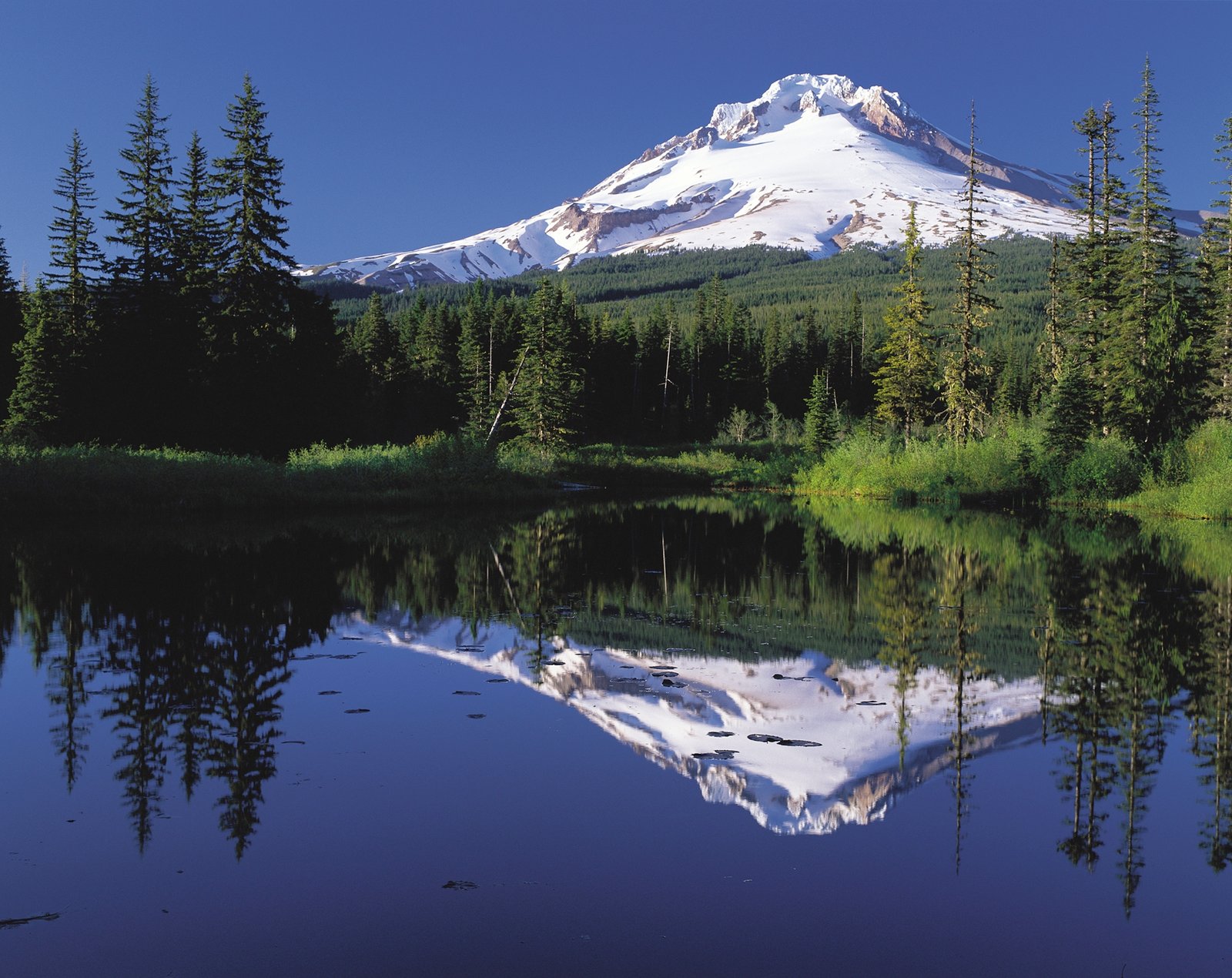
You’ll find this mind-bending spot about an hour’s drive from Kuala Lumpur, Malaysia’s bustling capital. The Sky Mirror itself is located off the coast of a small fishing village called Sasaran, which is part of Kuala Selangor district. To reach the mirror, you have to take a boat ride from the village out to the open sea. There’s something surreal about leaving behind the colorful chaos of the village for the silent, empty horizon. As you approach, the sandbar looks almost like a mirage—until you step off the boat and realize it’s real.
How Does the Sky Mirror Form?
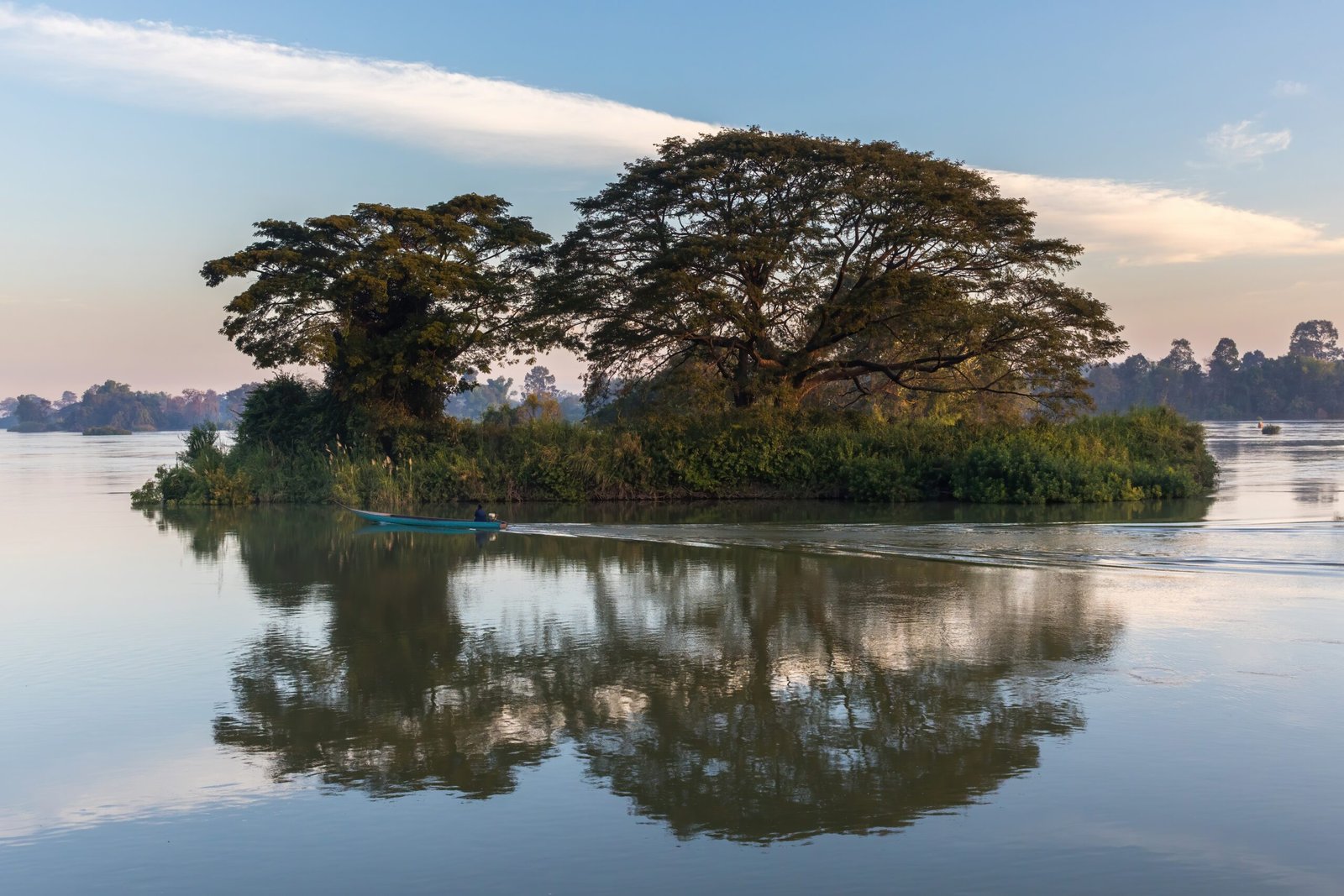
The Sky Mirror is the result of a delicate dance between the tides, the moon, and the geography of the coastline. Twice a month—during the new moon and full moon—high tides recede to reveal the sandbar, while a thin sheet of seawater remains on top. This shallow water acts like a giant sheet of glass, reflecting everything above it with uncanny sharpness. The phenomenon is fleeting; the sandbar is exposed for just a few hours before the sea swallows it up again. It’s a thrilling reminder of how even the most spectacular wonders can be heartbreakingly temporary.
Why Is It Called the “Sky Mirror”?

The name “Sky Mirror” isn’t poetic exaggeration—it’s a literal description. When you stand on the sandbar, the reflected sky is so crisp and clear that you can hardly tell where the horizon ends. The effect is so convincing that photos from the Sky Mirror look like they’ve been Photoshopped. People pose, jump, or even lie down on the surface, their images doubled in perfect symmetry. It’s a photographer’s paradise. The feeling of walking on a “mirror” is so strange and exhilarating, visitors often burst into laughter or awe when they first see their own reflection beneath their feet.
When Can You Visit the Sky Mirror?
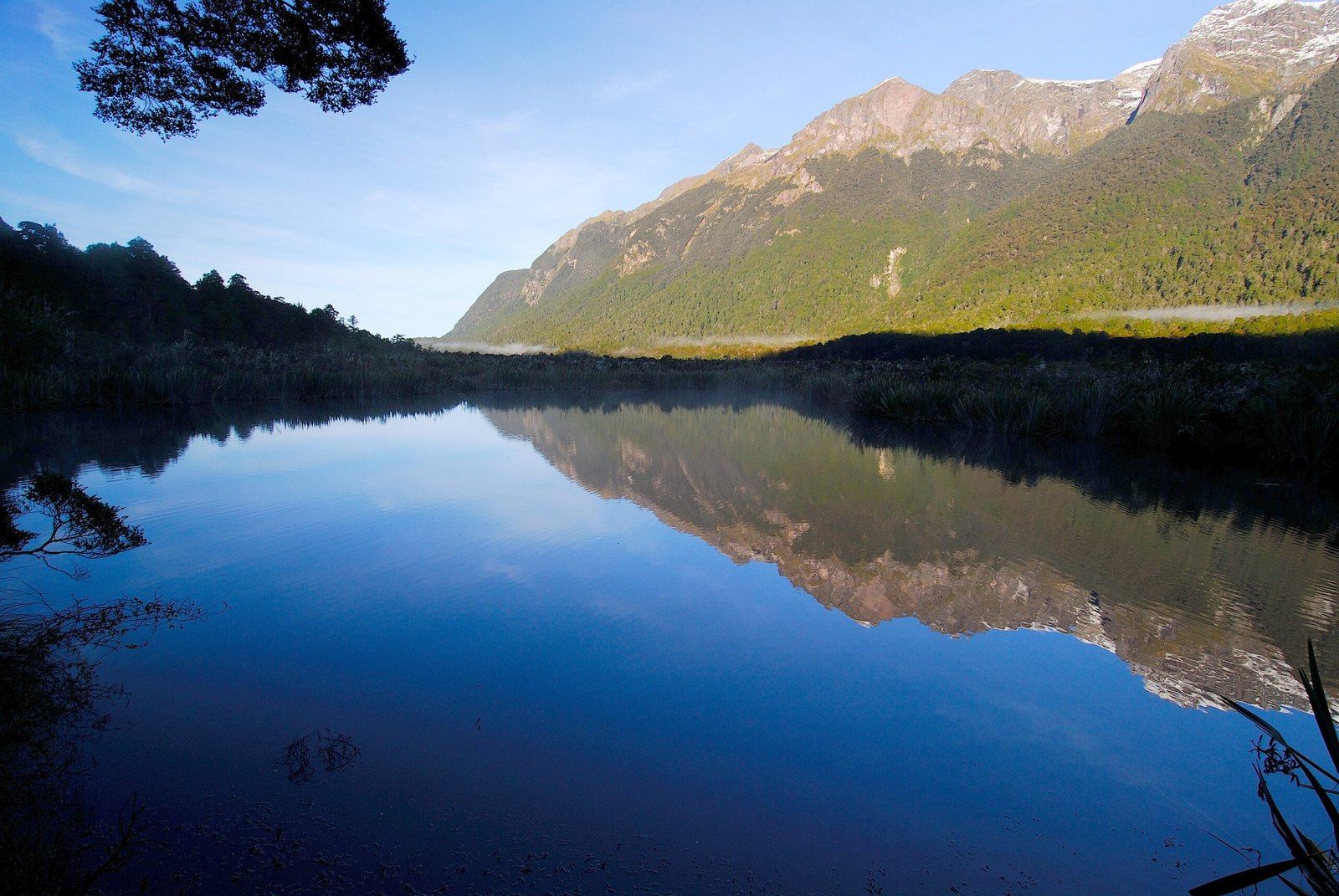
Timing is everything. The Sky Mirror only appears during specific tidal windows—usually around the new moon and full moon, when the tides are at their most extreme. These windows happen just two or three days each month, and only for a couple of hours each day. Tour operators in Sasaran keep a close eye on tidal charts and plan boat trips accordingly. Arriving too early or too late means missing the magic entirely, so checking the schedule is essential. The rarity of these windows adds to the allure, making every visit feel like a secret rendezvous with nature.
The Science Behind the Reflection
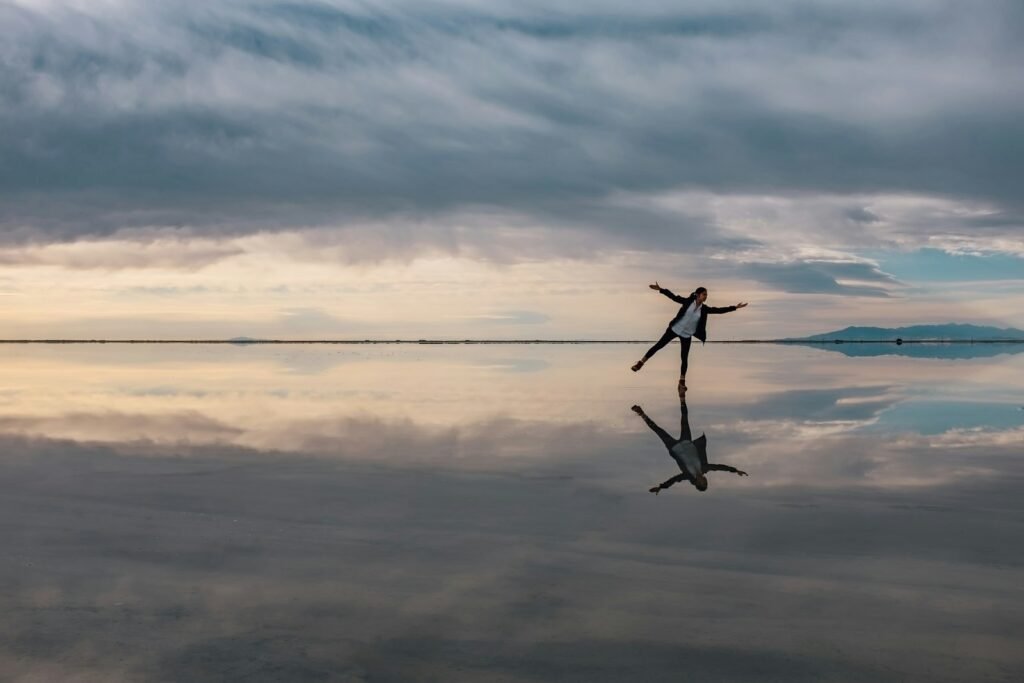
The science behind the Sky Mirror’s perfect reflection is surprisingly simple. When a very thin layer of water covers a smooth, flat surface—in this case, the exposed sandbar—the water acts like a mirror. Light bounces off the surface, creating a near-perfect duplication of the sky and anything standing on it. This is the same physics behind puddles on asphalt after rain, but on a much grander, more breathtaking scale. The sandbar’s fine, compacted sand ensures the water spreads evenly, creating a flawless mirrored surface with barely a ripple. It’s nature’s own optical illusion, no filters needed.
What Makes the Sky Mirror Unique?
While there are other “sky mirrors” around the world—like Bolivia’s Salar de Uyuni or China’s Dongtai Sky Mirror—Selangor’s version stands out for its accessibility and dramatic transformation. Unlike salt flats that are always present, this mirror appears and disappears with the tides, making it feel like a secret that only a lucky few get to witness. The tropical climate and rich birdlife add another layer of wonder. Every visit is different: sometimes the sky is blazing blue, other times it’s painted with sunrise hues or dramatic storm clouds. No two trips are ever the same.
Wildlife Encounters on the Sandbar
The Sky Mirror is more than just a pretty face—it’s home to a surprising array of life. At low tide, curious crabs scuttle across the sand, leaving tiny trails behind. Shellfish and sea snails emerge from their hiding spots, while migratory birds swoop overhead in search of food. Sometimes, you’ll spot small fish trapped in shallow pools, glinting in the sunlight. For animal lovers and nature photographers, these moments are pure magic. The sandbar becomes a temporary oasis, teeming with life before vanishing beneath the waves once more.
Photography Tips for the Perfect Selfie
Getting that iconic Sky Mirror selfie isn’t as easy as it looks—but with a few tricks, you can capture pure magic. For the best reflection, crouch low or lie on the sandbar, lining your camera parallel to the surface. Early morning or late afternoon light creates dramatic colors and softer shadows. Bring props—umbrellas, hats, or colorful scarves—to add a touch of fun. And don’t forget to experiment with silly poses or group jumps; the symmetry of the mirror turns even the most ordinary photo into something surreal. Remember, you have a limited window, so don’t waste a second!
Is It Safe to Visit the Sky Mirror?
Visiting the Sky Mirror is generally safe, but it’s important to follow local guidelines and listen to your boat crew. The tides come in quickly, and the sandbar can disappear faster than you expect. Wearing water-friendly shoes is a good idea, as the sand can be slippery or home to sharp shells. Sun protection is a must—the open sky offers zero shade, and the water’s reflection doubles the risk of sunburn. Most tours provide basic safety briefings and ensure everyone returns to the boat before the tide turns. The real danger? Dropping your phone into the water during that epic selfie!
The Sky Mirror in Local Culture
To the people of Sasaran, the Sky Mirror isn’t just a tourist attraction—it’s a source of pride and wonder. Locals have long known about the sandbar, using it as a secret fishing spot or a place to gather shellfish. In recent years, the phenomenon has become a symbol of the village, inspiring stories, festivals, and even local artwork. Some elders say it’s a “gift from the sea,” a reminder that nature still holds secrets waiting to be discovered. Visitors are often welcomed with warm smiles and a sense of shared excitement, as if everyone knows they’re about to witness something extraordinary.
Eco-Friendly Tourism Efforts

With popularity comes responsibility. The rise in visitors has led local tour operators and authorities to adopt eco-friendly measures, ensuring the Sky Mirror stays pristine for future generations. Boats are required to minimize engine pollution, and visitors are urged not to litter or disturb wildlife. Some tours even organize beach clean-ups or educational talks about the fragile coastal ecosystem. There’s a growing sense that preserving the Sky Mirror is a collective duty—a way to protect not just a selfie spot, but a living, breathing wonder. Every footprint left behind is a reminder to tread lightly.
How the Sky Mirror Compares to Other Natural Phenomena

Comparing the Sky Mirror to famous spots like Bolivia’s Salar de Uyuni or Australia’s Lake Eyre, you’ll find both similarities and surprises. While Uyuni is a vast salt flat, the Sky Mirror is a transient sandbar—here one moment, gone the next. Its tropical setting means you’ll often see dramatic cloudscapes and flocks of birds, rather than endless empty horizons. Unlike many natural wonders that require hours of trekking, the Sky Mirror is just a short boat ride from civilization. It’s proof that the world’s strangest marvels can sometimes be the most accessible.
Best Time of Year to Experience the Mirror
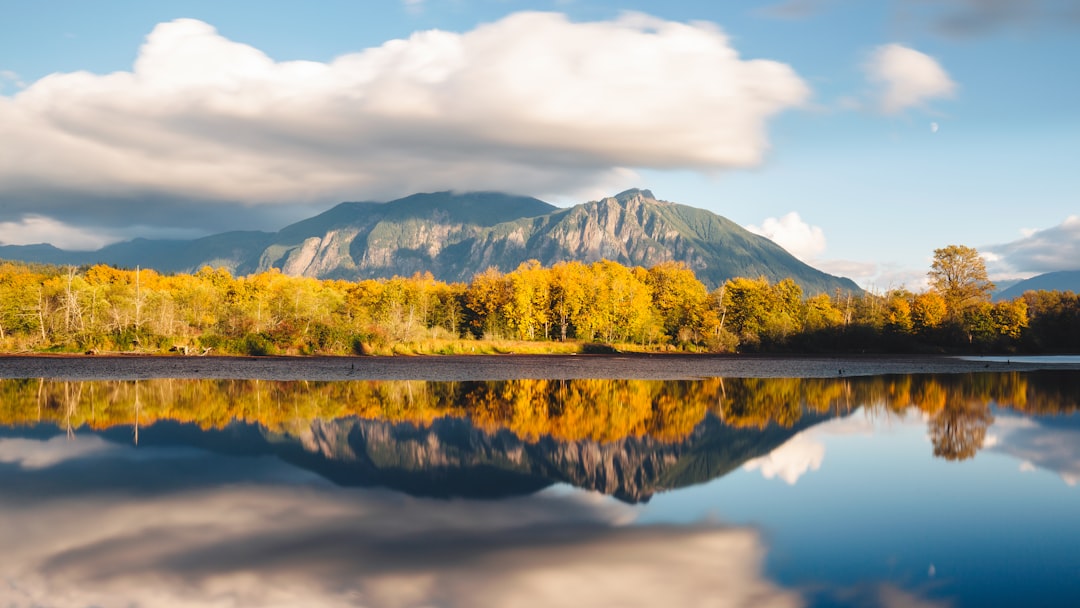
Though the Sky Mirror appears year-round, certain months offer even more dramatic views. The dry season, from March to September, typically brings clearer skies and calmer seas, making for the sharpest reflections. However, the rainy season can deliver wild, moody skies and electric sunsets, creating photo opportunities you’d never expect. Some visitors prefer stormy weather for the drama, while others chase the perfect blue sky. Regardless of the season, checking the tidal calendar is essential—missing the timing means missing the mirror.
Family Adventures at the Sky Mirror

The Sky Mirror isn’t just for Instagrammers and nature enthusiasts—it’s also a hit with families. Kids love splashing in the shallow water and spotting crabs, while parents marvel at the surreal views. Many tours cater to families, offering safe, guided experiences with snacks and even sand toys for younger children. It’s a rare chance for everyone to disconnect from screens and connect with the raw, playful side of nature. The laughter and squeals echo across the sandbar, making memories that last long after the tide rolls back in.
Unexpected Weather and Its Effects
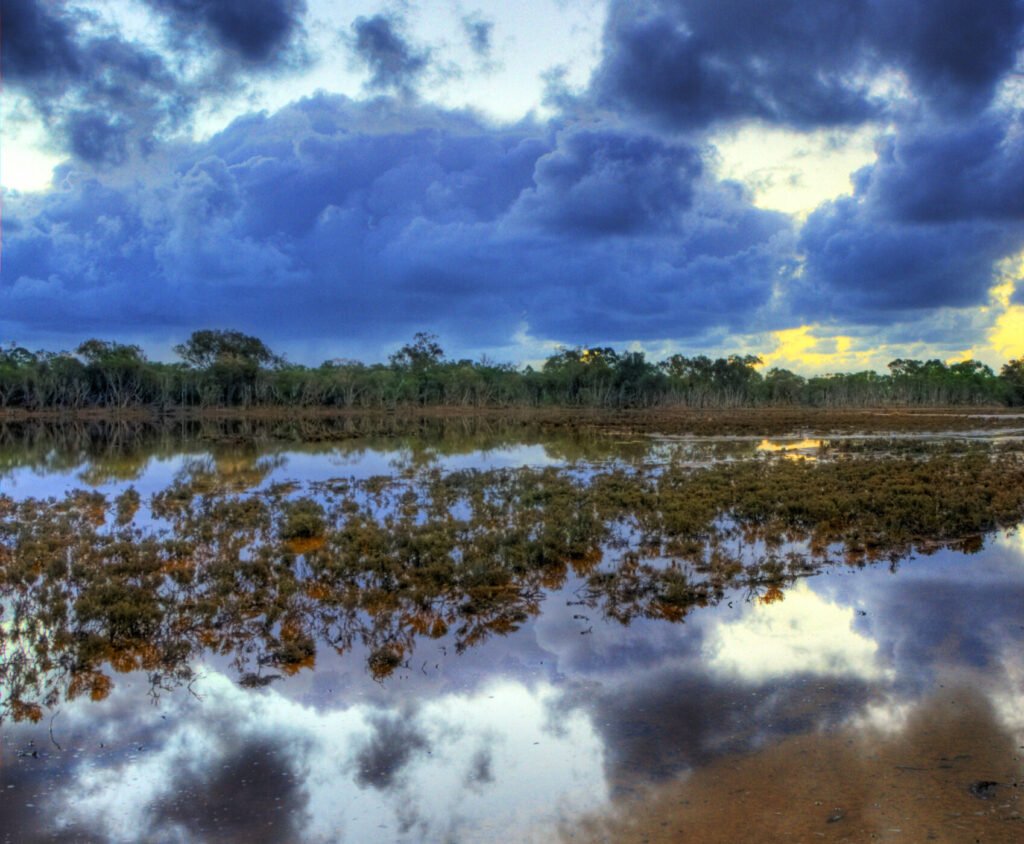
Weather is always the wild card at the Sky Mirror. A sudden rain shower can create an even more dramatic reflection, with storm clouds swirling above and below. On windy days, ripples may distort the mirror effect, adding a sense of movement and unpredictability. Occasionally, fog rolls in, blurring the line between water and sky. The ever-changing weather means no visit is ever quite the same. Some photographers even pray for a bit of rain or mist, hoping to capture the Sky Mirror at its most mysterious.
Local Food Experiences After the Adventure

After a morning spent marveling at the Sky Mirror, nothing beats a hearty Malaysian meal in Sasaran village. Fresh seafood is the star—think chili crabs, garlic prawns, and steamed fish straight from the sea. Local markets offer exotic fruits and sweet desserts like cendol or kuih. Sharing a meal with locals, you’ll often hear stories about the tides, the sea, and the mirror itself. Food becomes part of the adventure, grounding the otherworldliness of the Sky Mirror with the warmth and flavor of Malaysian hospitality.
How to Book Your Sky Mirror Trip
Booking a Sky Mirror tour is easy but requires a bit of planning. Most trips are arranged through local operators in Sasaran, who know the tidal rhythms inside out. It’s best to reserve in advance, especially during weekends or school holidays, as tours can fill up fast. Group tours are common, but private or small-group options are also available for those seeking a quieter experience. Some companies offer packages that include meals, transport, and even drone photography. A little research ensures you pick the experience that fits your style.
Travel Tips for First-Time Visitors

First-timers should come prepared for both fun and unpredictability. Bring waterproof bags for your electronics, extra clothes, and plenty of sunscreen. Don’t forget a hat and sunglasses—the glare can be intense, and there’s nowhere to hide from the sun. Flip-flops or water shoes are ideal for walking on the wet sand. Most tours provide bottled water, but it’s wise to bring your own snacks and drinks. Finally, keep your sense of adventure handy—the Sky Mirror has a habit of surprising even the most seasoned travelers.
A Marvel That Defies Explanation
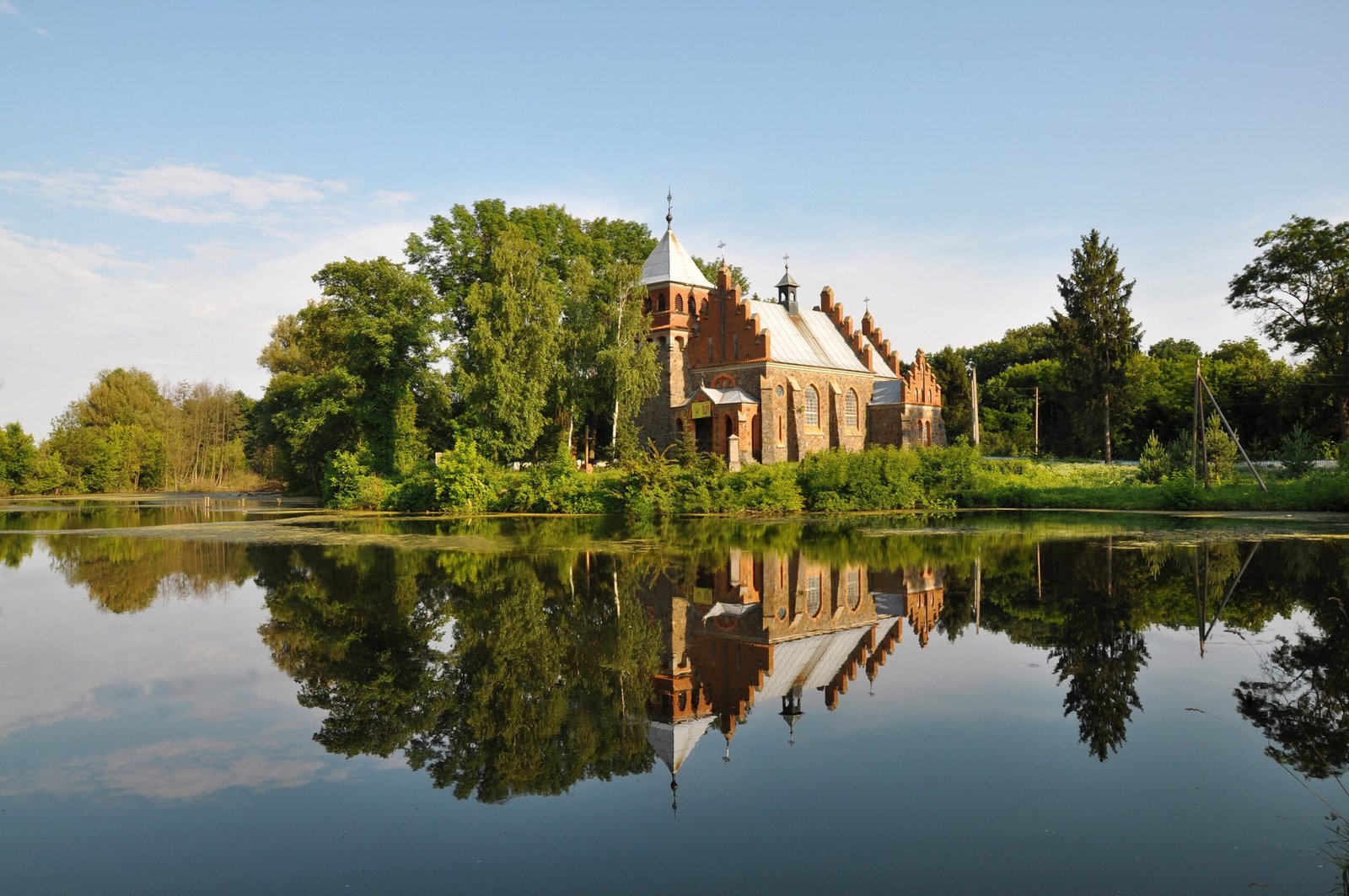
Standing on the Sky Mirror, it’s hard not to feel a sense of wonder at the strange, fleeting beauty of our planet. Here, the ordinary becomes extraordinary—sky becomes sea, and every step ripples with possibility. The experience lingers long after the sandbar disappears, reminding us how much mystery is left in the world if we only know where to look. Isn’t it wild to think that something so spectacular can exist, then vanish, all in a single day?