
Imagine wandering through the lush, humid swamps of Florida when a peculiar rustling catches your attention. You turn, peering through the dense foliage, only to catch a glimpse of something large and hairy vanishing into the shadows. This isn’t the stuff of urban legends or campfire tales; this is the world of the Skunk Ape, Florida’s very own version of Bigfoot. Known for its elusive nature and pungent odor, this creature has captivated the imagination of many and has even piqued the interest of some in the scientific community. While skeptics abound, there are those who believe that the Skunk Ape deserves a closer look.
The Legend of the Skunk Ape
The Skunk Ape, a mysterious creature said to roam the Everglades, has been a part of Florida’s folklore for decades. Described as a bipedal hominid with long, dark hair and a distinct odor reminiscent of rotten eggs, it shares many characteristics with the more widely known Bigfoot. Sightings of the Skunk Ape date back to the early 20th century, with locals reporting encounters that range from brief glimpses to prolonged observations. Unlike its northern cousin, the Skunk Ape is said to thrive in the subtropical climate of Florida, often spotted near swamps and wetlands. These sightings, while sporadic, have been persistent enough to keep the legend alive.
The Science Behind the Myth
While the Skunk Ape is often dismissed as mere folklore, some scientists argue that there could be a grain of truth hidden within the tales. Cryptozoologists, who study creatures like the Skunk Ape, suggest that there may be undiscovered species lurking in the remote areas of the Everglades. The vast and largely unexplored terrain could easily hide such a creature from human eyes. Additionally, the presence of other large mammals in the area, such as the Florida panther, lends some credibility to the idea that a creature like the Skunk Ape could exist. While hard evidence remains elusive, the possibility continues to intrigue researchers.
Reports and Sightings
Reports of Skunk Ape sightings are as varied as they are intriguing. Witnesses often describe the creature as standing between six to eight feet tall, with glowing eyes and a foul odor. These accounts have come from individuals of all walks of life, from hunters and hikers to tourists and residents. One of the most famous sightings occurred in 2000 when a woman photographed what she claimed was a Skunk Ape in her backyard near Sarasota. The image, known as the “Myakka Skunk Ape Photos,” sparked widespread interest and debate. While skeptics dismissed it as a hoax, others saw it as potential evidence of the creature’s existence.
The Role of Local Culture
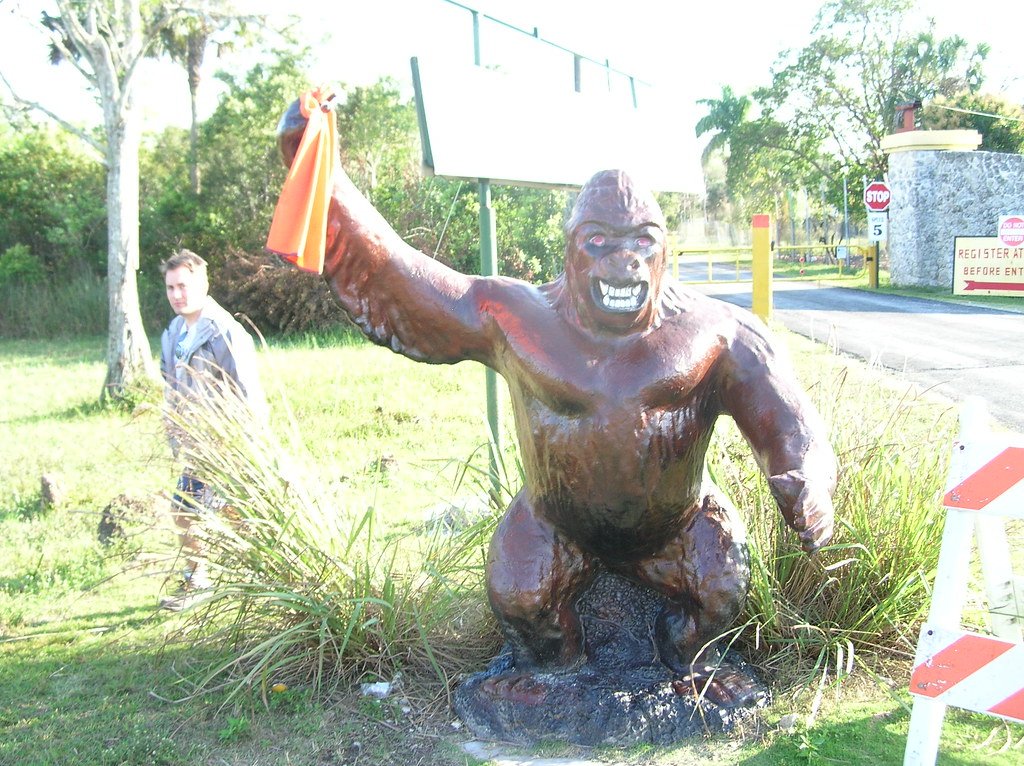
The Skunk Ape is more than just a cryptid; it’s a cultural icon in Florida. For many locals, it’s a symbol of the wild and untamed nature of the Everglades. Festivals, merchandise, and even roadside attractions celebrate the Skunk Ape, drawing tourists eager to learn more about this enigmatic creature. The legend of the Skunk Ape adds a layer of mystery and intrigue to the region, enticing both believers and skeptics to explore the swamps and search for clues. This cultural significance keeps the story of the Skunk Ape alive, ensuring that it remains a topic of conversation and curiosity.
Comparisons to Bigfoot
While the Skunk Ape and Bigfoot share many similarities, there are key differences that set them apart. The most notable distinction is the Skunk Ape’s pungent odor, which is often described as overwhelming and skunk-like. Additionally, the Skunk Ape is generally reported to be smaller and more agile than its northern counterpart. These differences have led some researchers to speculate that the Skunk Ape could be a distinct species rather than a regional variant of Bigfoot. Despite these differences, both creatures continue to captivate the public’s imagination, with enthusiasts dedicated to uncovering the truth behind the legends.
The Environmental Factor
Florida’s unique environment plays a significant role in the Skunk Ape legend. The vast, dense swamps and wetlands of the Everglades provide an ideal hiding place for such a creature. The thick vegetation and murky waters make it easy for the Skunk Ape to remain hidden from view, even during daylight hours. This challenging terrain has made it difficult for researchers to conduct thorough investigations, leaving much of the area unexplored. The Everglades’ biodiversity also supports the possibility of undiscovered species, making the Skunk Ape’s existence more plausible to some.
Scientific Skepticism
Despite the intrigue surrounding the Skunk Ape, many scientists remain skeptical of its existence. The lack of concrete evidence, such as physical remains or clear photographs, has led many to dismiss the creature as a myth. Skeptics argue that eyewitness accounts are unreliable and often influenced by cultural factors and psychological phenomena. Additionally, the potential for hoaxes and misidentifications further complicates the search for truth. While the scientific community remains divided, the debate over the Skunk Ape continues to fuel interest and curiosity.
Efforts to Prove Its Existence
Enthusiasts and researchers alike have made numerous attempts to prove the Skunk Ape’s existence. Expeditions into the swamps have been organized, equipped with cameras, audio equipment, and other tools designed to capture evidence. Some have even enlisted the help of modern technology, such as drones and thermal imaging, to search for signs of the creature. Despite these efforts, definitive proof remains elusive. However, the quest for answers continues, driven by the hope of one day uncovering the truth behind the legend.
The Impact on Local Wildlife
The Skunk Ape legend has also sparked discussions about the impact of human activity on local wildlife. The encroachment of development on the Everglades has raised concerns about habitat loss and its effects on the region’s biodiversity. Some argue that the Skunk Ape, if it exists, could be a victim of these changes, forced to venture closer to human settlements in search of food and shelter. This perspective highlights the importance of conservation efforts to protect the Everglades and its inhabitants, both known and unknown.
Conclusion

The Skunk Ape remains one of Florida’s most enduring mysteries. While skeptics and believers continue to debate its existence, the legend of the Skunk Ape serves as a reminder of the wonders and mysteries that still exist in our world. Whether a hidden creature or a figment of imagination, the Skunk Ape captivates the minds of those who dare to explore the unknown. As long as there are unanswered questions and unexplored territories, the quest for the truth will persist, inviting adventurers to delve into the heart of the Everglades in search of the elusive Skunk Ape.