
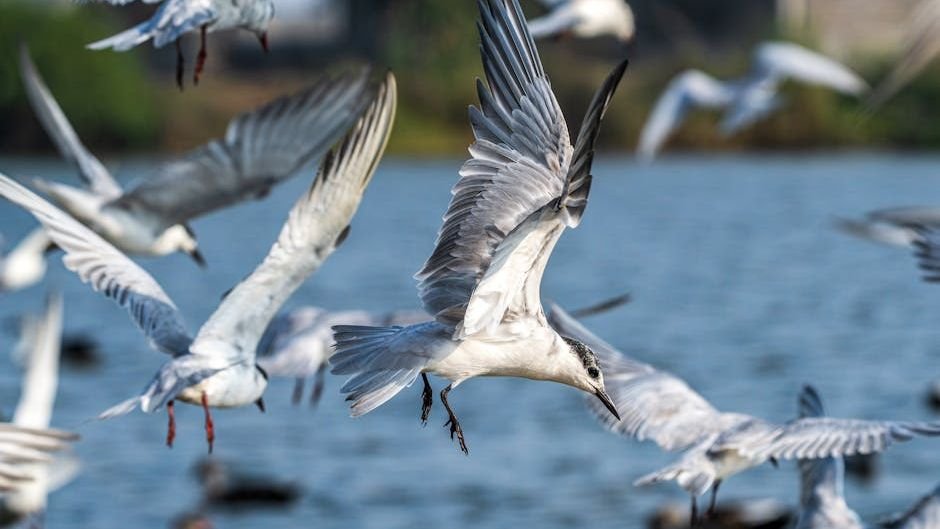

Imagine waking up tomorrow with a brand‑new sense layered over your vision and hearing – a way of feeling magnetic fields, seeing electric currents, or tasting the emotions of others in the air. For many animals, that isn’t science fiction; it’s just a Tuesday. While we shuffle through life anchored to five familiar senses, countless other species navigate a hidden world of signals and cues we can barely even imagine.
Once you start looking into how animals actually experience reality, our human perspective suddenly feels… narrow. Birds reading the sky like a built‑in GPS, sharks detecting the faint heartbeat of prey hiding in the sand, bees seeing patterns on flowers that for us are completely invisible. It’s both humbling and a little unsettling to realize how much we’re missing. Let’s step, carefully, into their world.
Echoes in the Dark: The Astonishing Power of Echolocation
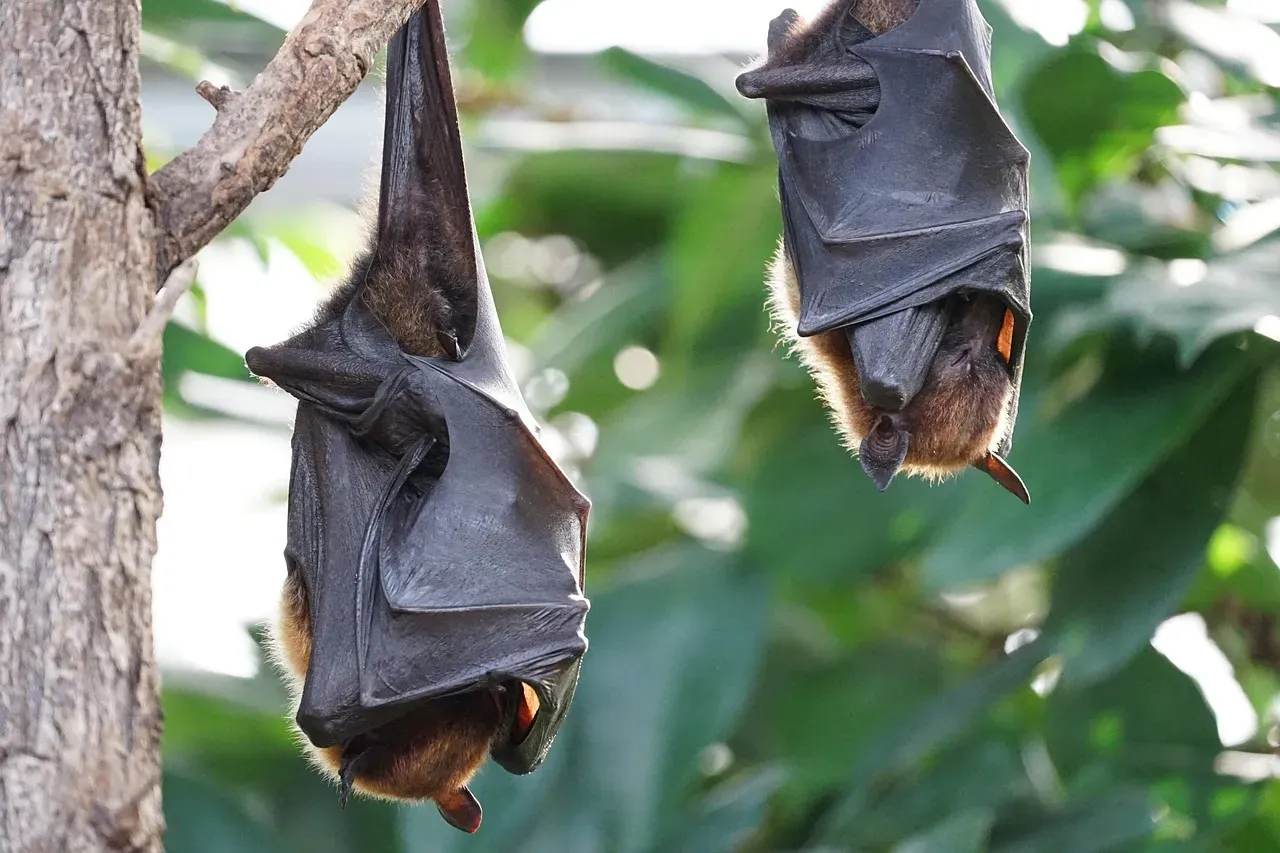
Picture flying through a pitch‑black cave at highway speed and never hitting a wall. Bats do this every night using echolocation, firing off rapid, high‑frequency calls and reading the returning echoes like a three‑dimensional map. To them, sound is not just noise – it’s shape, distance, texture, and even motion all wrapped into one sensory stream we don’t have a word for.
Dolphins and some whales use a similar trick underwater, sending out focused clicks and listening for echoes bouncing off fish, coral, even metal objects. They can detect tiny differences in timing and pitch that let them distinguish between a smooth fish and a rough rock with what feels like absurd precision. It’s like having a built‑in ultrasound machine in your head. When we call it “hearing,” we’re actually underselling how radically different this sense really is.
Magnetic Minds: How Animals Read the Invisible Compass of Earth
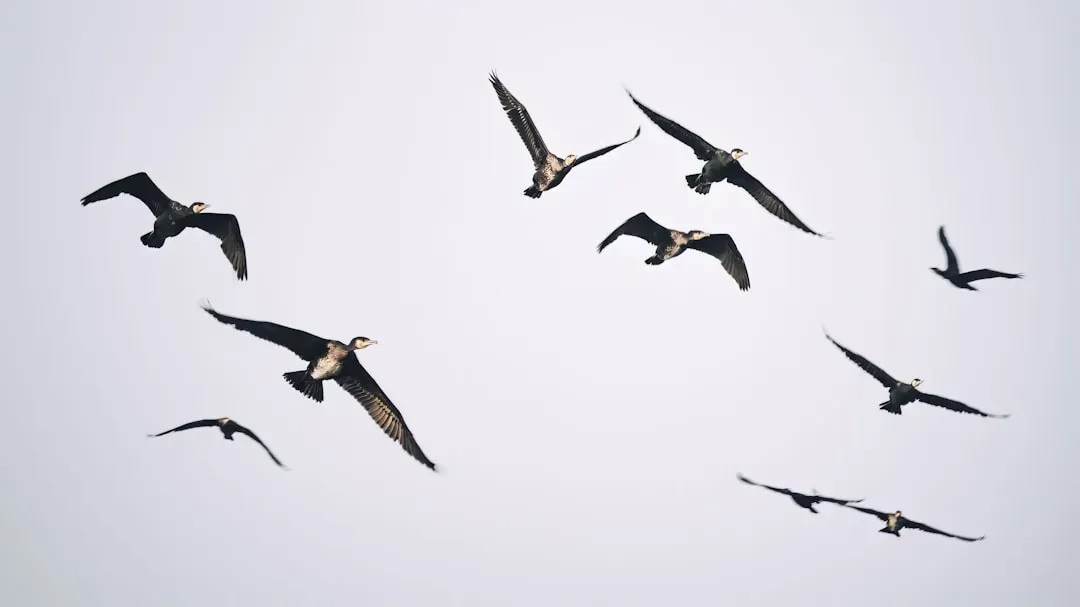
One of the most surprising discoveries in biology is that many animals seem to sense the Earth’s magnetic field as easily as we sense light and sound. Migratory birds use this ability to travel thousands of kilometers, staying on course even in cloudy weather when visual landmarks are useless. Experiments show that when researchers subtly disrupt the magnetic field around them, the birds literally lose their way.
Sea turtles, salmon, and even some insects also appear to read this invisible compass, locking onto specific magnetic “fingerprints” to find nesting beaches or upriver spawning sites. Some scientists think tiny magnetic particles in their bodies or quantum‑level reactions in their eyes might be responsible, which sounds more like a sci‑fi plot than a navigation system. For these animals, the planet itself is a giant, silent signpost. We stumble with GPS apps; they carry a global map in their nervous system.
Electric Fields: The Shocking Secret Sense of Sharks and Fish
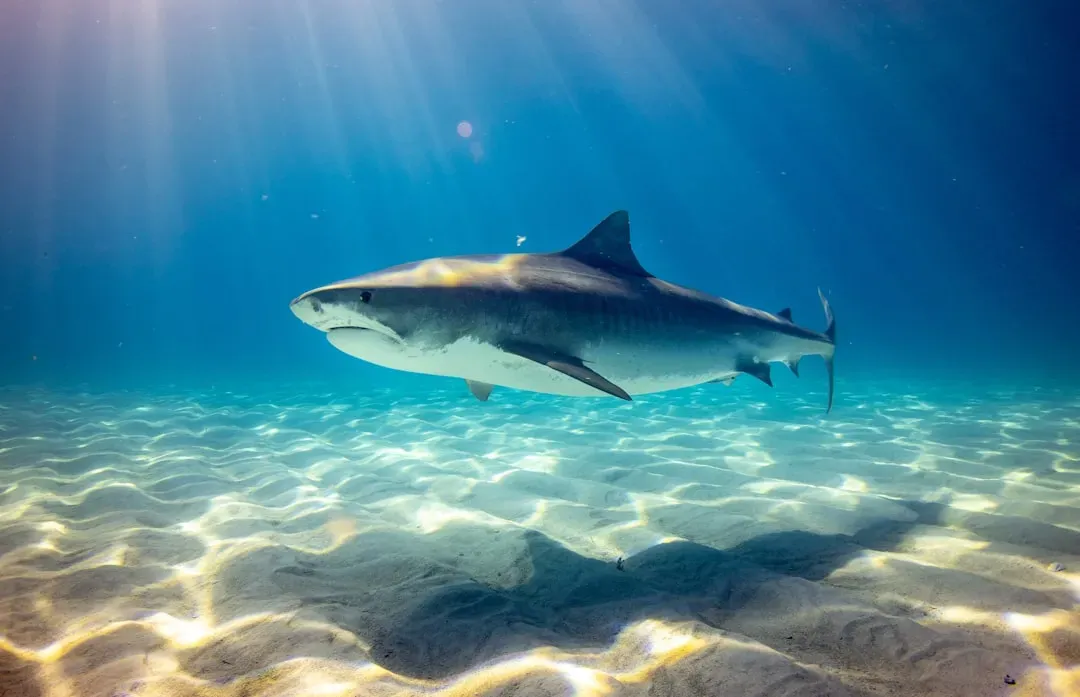
Sharks have a reputation for smelling a drop of blood in the ocean, but an even stranger skill hides behind their eyes and snout. Special jelly‑filled pores called ampullae of Lorenzini let them detect tiny electric fields created by the muscle contractions and heartbeat of other animals. A fish buried under sand is basically broadcasting a silent, electrical “I’m alive” signal that the shark can home in on.
Some fish go a step further and create electric fields of their own. Weakly electric fish in murky rivers generate a constant electric halo and sense how objects distort it, which lets them “see” their surroundings even when vision is useless. Others, like electric eels, ramp that up into powerful shocks for hunting and defense. To them, electricity is as familiar and nuanced as light is to us. We wire our houses; they wire their bodies to read the water.
Ultraviolet Vision: Seeing Colors We Can’t Even Name

Humans like to think we see the world in full color, but our spectrum is only a slice of what’s out there. Many birds, insects, and even some mammals can see ultraviolet light, which is completely invisible to us. When researchers photograph flowers under ultraviolet, hidden patterns leap into view – bold landing strips and bull’s‑eye targets that guide bees straight to the nectar.
Birds use ultraviolet cues for far more than finding food. Feathers that look plain to us often glow dramatically in ultraviolet, revealing signals about health, age, or mating readiness. Some small mammals, including certain rodents, appear to follow ultraviolet urine trails, which is both mildly gross and undeniably clever. Once you realize how much messaging is going on in this invisible color, our version of nature starts to feel like a washed‑out, budget edition of the real thing.
Vibration and Touch: Reading the World Through Tiny Tremors
For many animals, the ground and air are like a drum skin carrying hidden messages. Spiders feel vibrations on their webs and can distinguish between the frantic thrash of trapped prey and the careful, rhythmic approach of a potential mate. They’re not just sensing that something moved – they’re decoding complex patterns, almost like listening to a song.
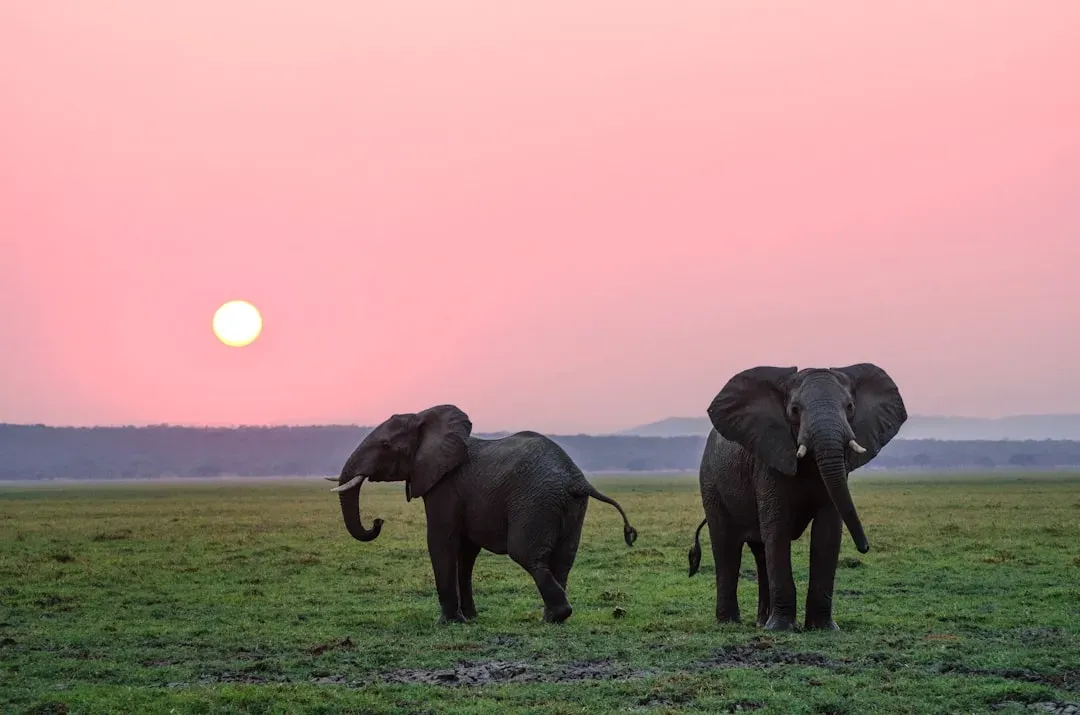
Elephants can pick up low‑frequency rumbles that travel through the soil, detecting distant thunder, other herds, or potential threats long before they’re visible. Some insects communicate purely through vibrations on leaves or stems, sending “knocks” and pulses that carry surprisingly detailed information. Where we see stillness, they feel a constant, buzzing conversation running through the environment.
Chemical Worlds: Smell and Taste Turned Up to Eleven

If you’ve ever watched a dog on a walk, nose glued to the ground, you’ve seen what it’s like to live in a chemical universe. Dogs process scent far more richly than we do, building a layered story of who passed by, how long ago, and in what mood. For them, smell is history, gossip, navigation, and identity, all packed into invisible trails.
Insects take chemical sensing to an extreme. Some moths can detect tiny amounts of pheromones from potential mates far away, like tuning into a specific radio station in a storm of static. Ants coordinate entire colonies with chemical messages, laying down scent highways and alarm signals that change behavior in seconds. Where we see empty air, they move through clouds of information thick as text on a screen.
Polarized Light: A Hidden Pattern in the Sky and Sea

Most of us look up and see a fairly uniform blue sky, but many animals see structured patterns hidden in the light itself. Insects like bees and ants can detect polarized light, which is light waves oriented in particular directions. This lets them figure out the position of the sun even when it’s hidden behind clouds or low on the horizon, turning the sky into a compass rose.
Underwater, polarized light helps fish spot shiny, camouflaged prey and communicate with subtle color changes that stand out only to those with the right visual filters. Some shrimp species see polarization with such extreme sensitivity that researchers have called their vision “supercharged” compared to ours. To these animals, light isn’t just bright or dim – it has direction, texture, and structure we literally can’t perceive.
Heat Vision: Sensing Warmth as Clearly as We See Light
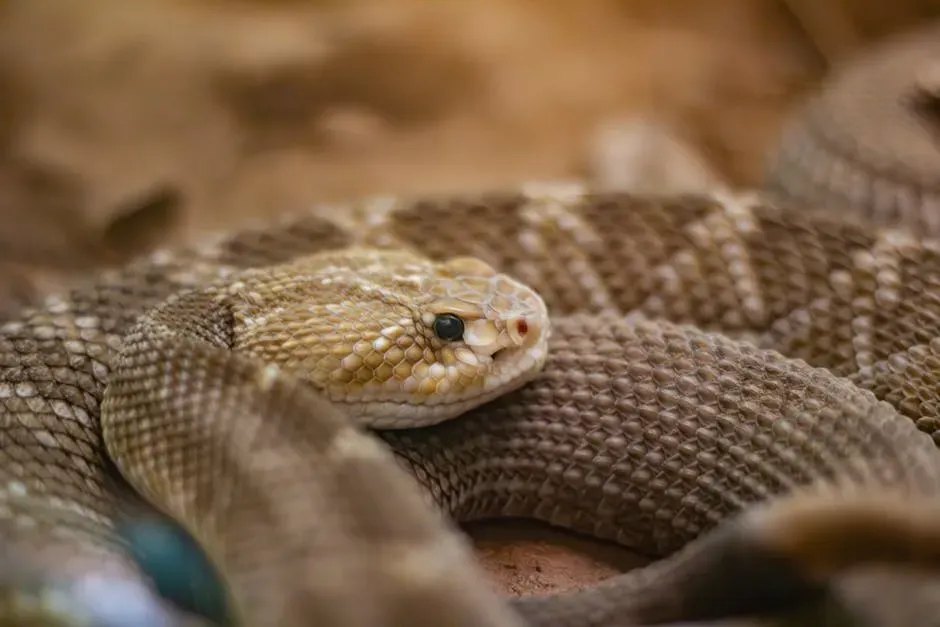
Some predators don’t just see their prey; they feel their heat radiating through the darkness. Pit vipers, like rattlesnakes, have special heat‑sensing pits on their faces that detect infrared radiation from warm‑blooded animals. In the dark, a mouse glows for them like a lantern, turning nighttime hunting into something closer to daytime archery practice.
Certain beetles can sense forest fires from far away by detecting infrared heat, allowing them to find freshly burned wood where they lay their eggs. Even some vampire bats appear to use heat‑sensing abilities to locate blood‑rich spots on their hosts. For us, warmth is just a vague feeling on the skin; for them, it’s a crisp, spatial map drawn in temperature gradients.
Time and Rhythm: Senses Tuned to Patterns We Don’t Notice
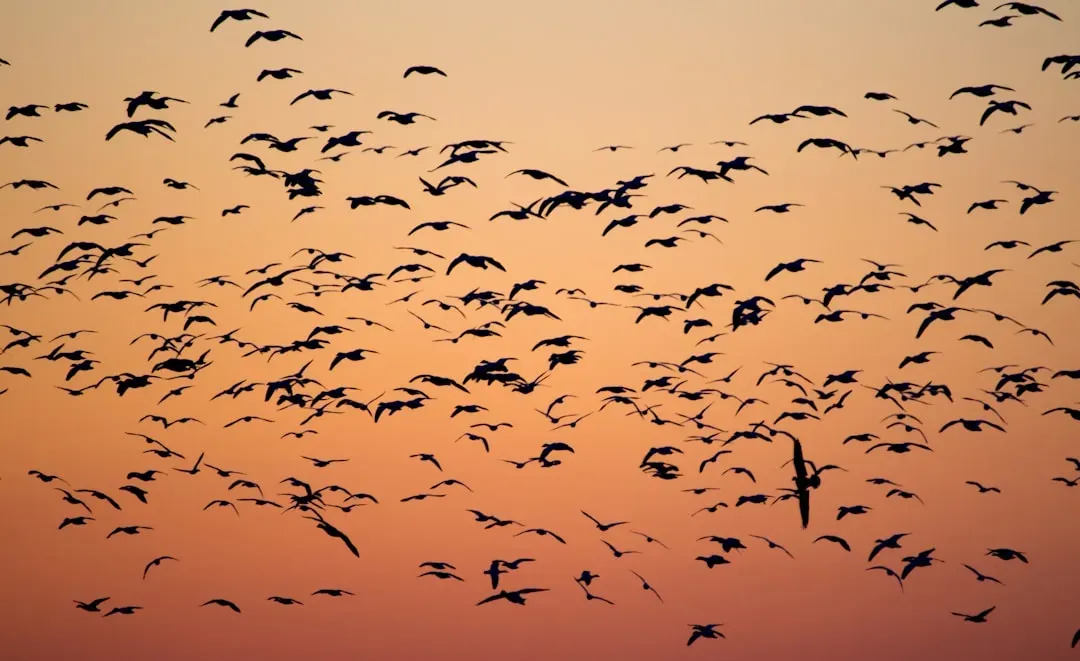
Not every hidden sense is about new kinds of signals; sometimes it’s about deeper attunement to patterns we ignore. Many animals have internal clocks so precise they can anticipate tidal shifts, seasonal changes, or the exact time of day when predators are most active. Migratory birds often depart at very specific times of night, as if they’re consulting some internal timetable no one ever taught them.
Some species, from crabs to corals, sync their behavior with lunar cycles, feeding, breeding, or glowing in mass events timed to the moon’s rhythm. Our own bodies follow circadian cycles, but we tend to bulldoze over them with alarm clocks and artificial light. Other animals lean into these invisible rhythms so fully that time itself becomes a kind of sixth sense guiding their choices.
What Animal Senses Reveal About Our Place in Nature
When you line up all these abilities – magnetic compasses, heat maps, ultraviolet visions, electric halos – it becomes painfully clear that our human take on reality is narrow. We like to think of ourselves as the most advanced species because we build rockets and smartphones, but in raw sensory terms, we’re honestly kind of underpowered. A bat or a shark might look at our five senses and shrug the way we would at a black‑and‑white TV.
At the same time, learning about these animal senses has changed how we design technology, from sonar and night‑vision cameras to navigation systems and even new medical tools. Every time we uncover another way that animals perceive the world, we get a little better at questioning our assumptions about what’s “real.” The signals were always there; we just weren’t built to notice them. How many other hidden layers of reality are still humming quietly around us, waiting for us to finally pay attention?


