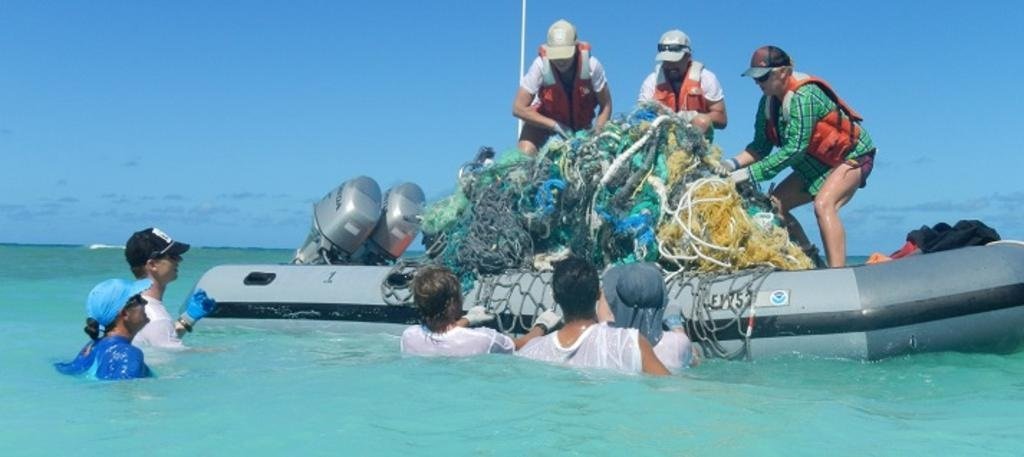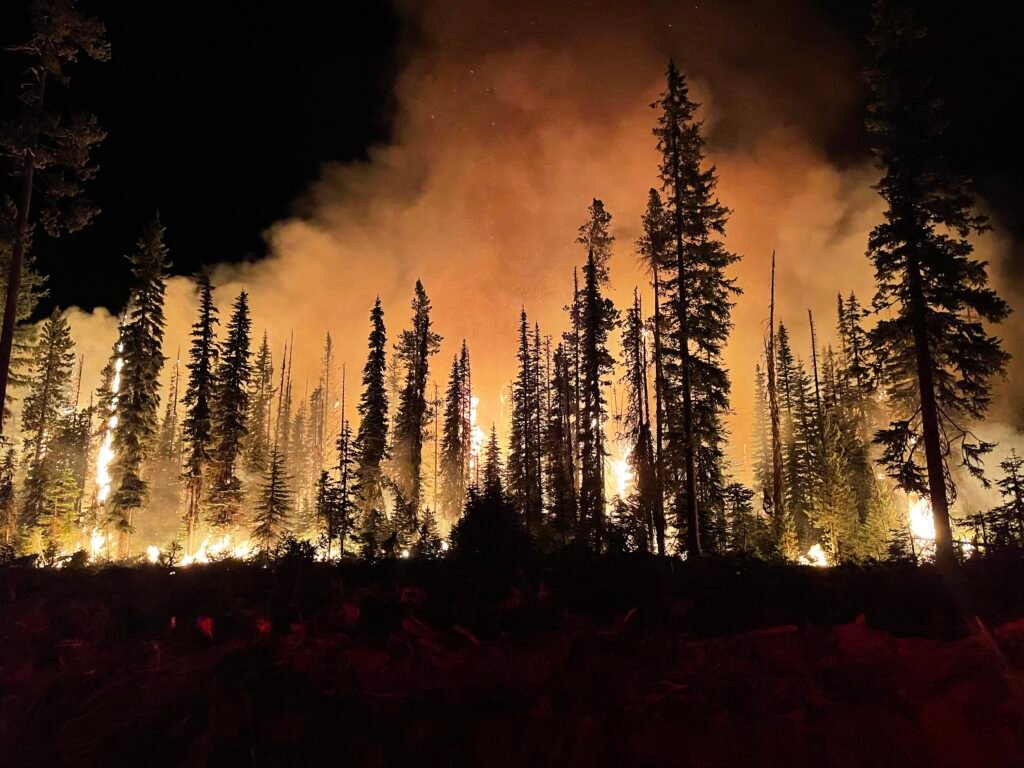

The planet is experiencing a crisis unlike any seen in millions of years. The Sixth Mass Extinction is upon us, a phenomenon characterized by the rapid loss of species across the globe. This event is not just a distant possibility; it’s happening right now, and it’s driven largely by human activities. From deforestation to climate change, the actions of humanity are pushing countless species to the brink of extinction. This is a critical moment in Earth’s history, one that demands our immediate attention and action if we are to preserve the rich biodiversity that sustains life on our planet.
The Historical Context of Mass Extinctions
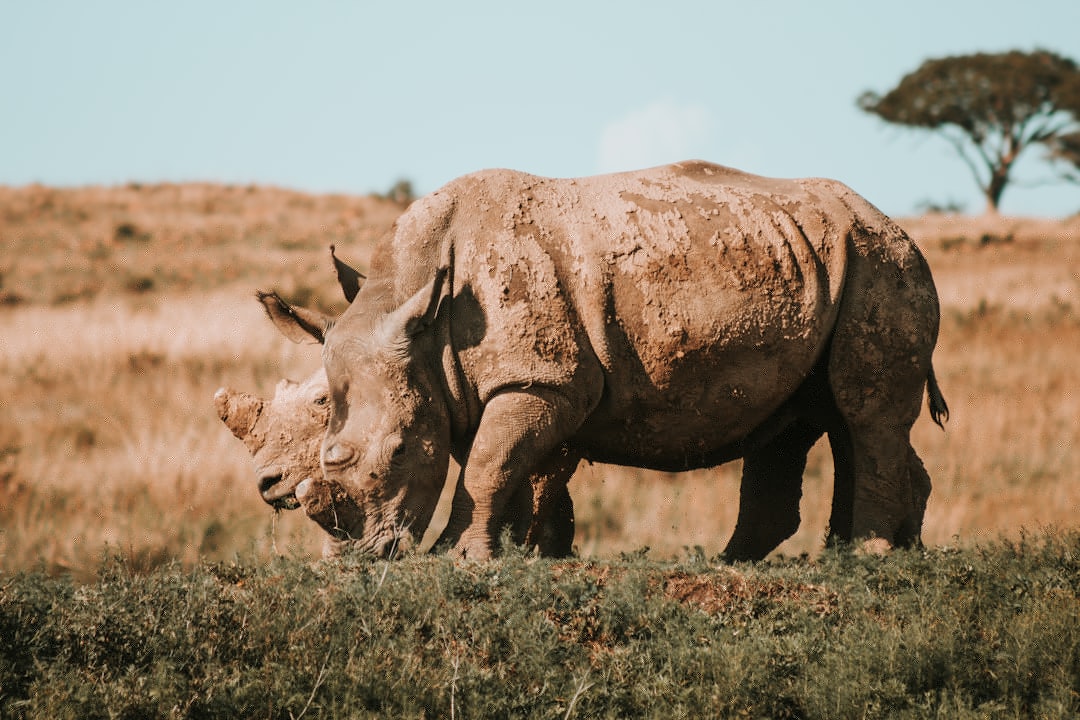
Mass extinctions are not new to Earth. The planet has experienced five major extinction events in its long history. These events wiped out vast numbers of species, often due to dramatic changes in the environment such as volcanic eruptions or asteroid impacts. The most famous of these was the extinction event that ended the reign of the dinosaurs 66 million years ago. Each mass extinction event reshaped the global ecosystem, paving the way for new life forms to emerge and thrive. However, unlike these past events, the current extinction crisis is largely driven by human activity, making it unprecedented in its cause.
Understanding the Current Extinction Rates

Today, species are disappearing at an alarming rate, estimated to be 100 to 1,000 times faster than the natural background rate of extinction. Scientists have identified habitat destruction, pollution, overhunting, and climate change as some of the key drivers of this rapid loss of biodiversity. For example, deforestation in the Amazon destroys the habitats of countless species, pushing them closer to extinction. Similarly, the warming of the oceans is bleaching coral reefs, which are vital ecosystems for marine life. These accelerated extinction rates suggest that we are indeed in the midst of a sixth mass extinction, one that could have profound impacts on the future of life on Earth.
The Role of Climate Change
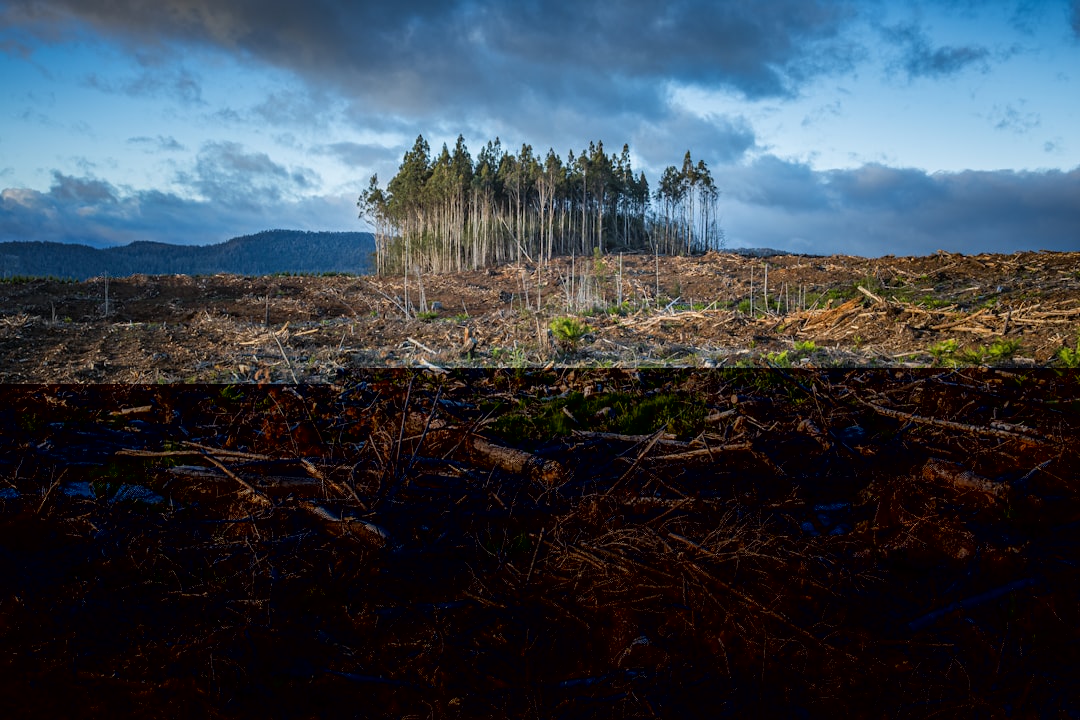
Climate change is one of the most significant factors contributing to the current mass extinction. The Earth’s climate is changing at a pace that many species cannot adapt to quickly enough. Rising global temperatures are causing shifts in weather patterns, affecting food availability and altering habitats. For instance, polar bears are losing their icy habitats due to melting ice caps, threatening their survival. Similarly, many bird species are unable to migrate to cooler climates rapidly enough, leading to population declines. The consequences of climate change are widespread, affecting not just individual species but entire ecosystems.
Habitat Destruction: A Major Culprit
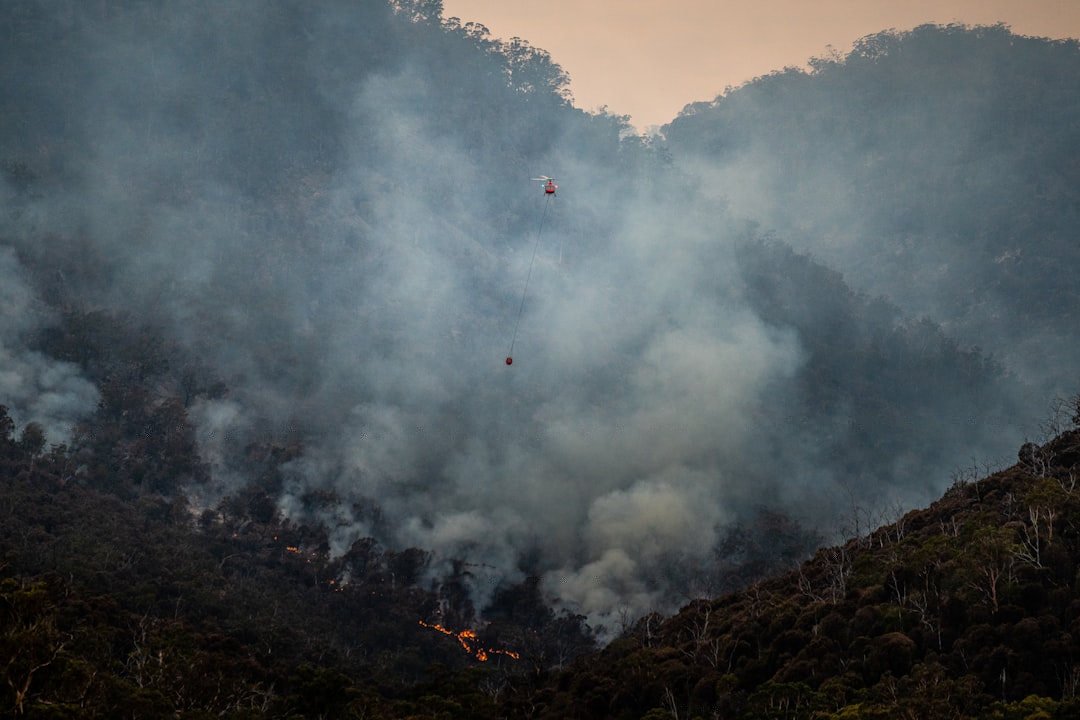
Habitat destruction is perhaps the most direct human impact on biodiversity. As human populations grow, more land is converted for agriculture, urban development, and infrastructure. This encroachment leads to the fragmentation of habitats, making it difficult for species to survive and reproduce. Consider the case of the orangutans in Borneo, whose forests are being cleared for palm oil plantations. Without their natural habitat, these great apes are struggling to find food and shelter. Habitat destruction not only displaces species but also disrupts the complex web of interactions that sustain ecosystems.
Pollution: An Invisible Threat

Pollution is another significant threat to biodiversity. Chemicals released into the environment, such as pesticides and industrial waste, can have devastating effects on wildlife. Water pollution from agricultural runoff leads to dead zones in oceans and lakes, areas where life cannot survive due to lack of oxygen. Air pollution affects species that rely on clean air for survival, such as birds and insects. Even noise pollution from human activity can disrupt communication and breeding patterns in animals. The pervasive nature of pollution means that it affects all levels of the food chain, from the smallest plankton to the largest mammals.
Overexploitation of Resources

Humans have long relied on natural resources for survival, but overexploitation is pushing many species to the brink. Overfishing, for example, has led to the collapse of numerous fish populations, with some species now critically endangered. Similarly, illegal poaching for ivory and other wildlife products threatens elephants, rhinos, and countless other species. The demand for exotic pets and traditional medicines also contributes to the decline of many species. Overexploitation not only endangers individual species but also disrupts ecosystems, leading to further losses in biodiversity.
Invasive Species: Unseen Invaders
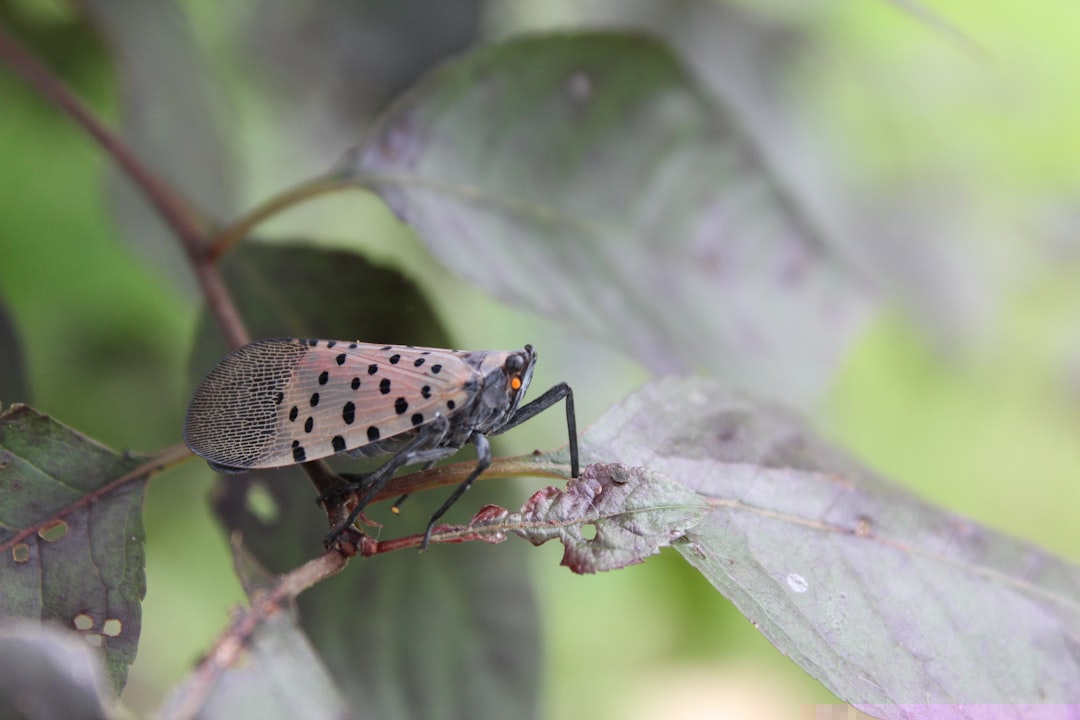
Invasive species are non-native organisms that spread rapidly in new environments, often outcompeting local species for resources. These invaders can have devastating effects on native biodiversity. For example, the introduction of the brown tree snake to Guam led to the extinction of several bird species. Invasive plants can alter soil chemistry, making it inhospitable for native flora. The spread of invasive species is often facilitated by human activities, such as global trade and travel, which inadvertently transport these organisms across the globe. Managing invasive species is a complex challenge that requires coordinated efforts at local and international levels.
The Importance of Biodiversity

Biodiversity is essential for the health and stability of ecosystems. It provides a wealth of resources, from food and medicine to clean air and water. Diverse ecosystems are more resilient to environmental changes, able to recover more quickly from disturbances. Biodiversity also supports cultural and recreational activities, contributing to human well-being and quality of life. The loss of biodiversity ultimately threatens these benefits, reducing the planet’s ability to sustain life. Protecting biodiversity is not just about saving individual species; it’s about preserving the intricate balance of life that supports all living organisms, including humans.
Conservation Efforts and Success Stories

Despite the challenges, there have been successful conservation efforts that offer hope for the future. The recovery of the bald eagle in the United States is a testament to the power of targeted conservation actions. Similarly, efforts to protect the giant panda in China have led to population increases. These successes demonstrate that with concerted effort and collaboration, it is possible to reverse the trend of extinction. Conservation strategies often involve habitat restoration, legal protection, and community engagement. By learning from these successes, we can develop more effective strategies to protect threatened species and preserve biodiversity.
What Can We Do?

Addressing the sixth mass extinction requires a global effort. Individuals can make a difference by reducing their carbon footprint, supporting sustainable practices, and advocating for policies that protect the environment. Educating others about the importance of biodiversity and the threats it faces is also crucial. Governments and organizations must work together to enforce conservation laws, protect habitats, and invest in research. Collaborative efforts at all levels of society are needed to halt the loss of species and ensure a sustainable future. By taking action today, we can preserve the planet’s rich biodiversity for generations to come.