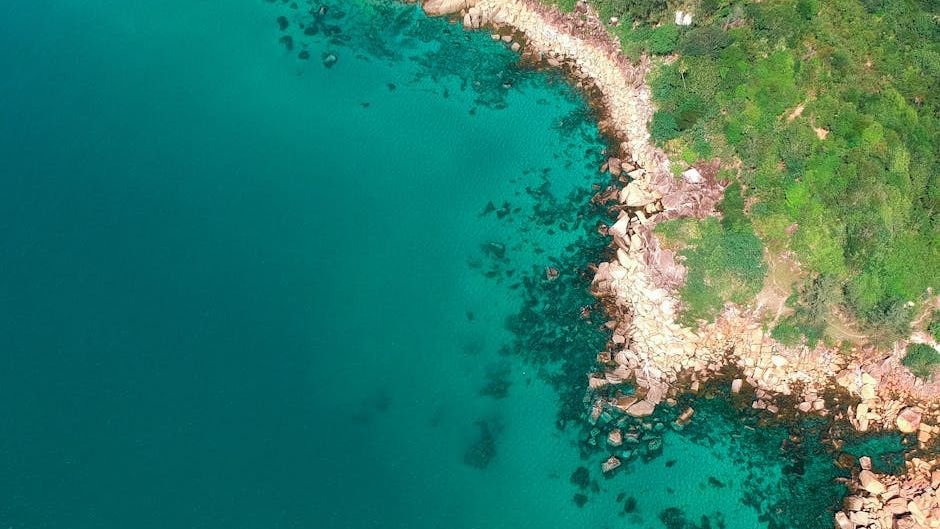

Stand on a quiet beach at sunrise and it feels timeless, like the ocean has always met the land in exactly that place. But it hasn’t, and it won’t. The shoreline is on the move, creeping inland year after year, and for the wildlife that depends on that narrow strip between land and sea, the change is as relentless as the tide.
Rising sea levels are often talked about in terms of flooded cities and expensive coastal real estate. What gets far less attention is what happens to the birds, turtles, fish, and marsh creatures that are already living on the edge. They don’t get to build seawalls or buy insurance. They either adapt, move, or disappear.
Vanishing Wetlands: The Drowning Nurseries of the Coast
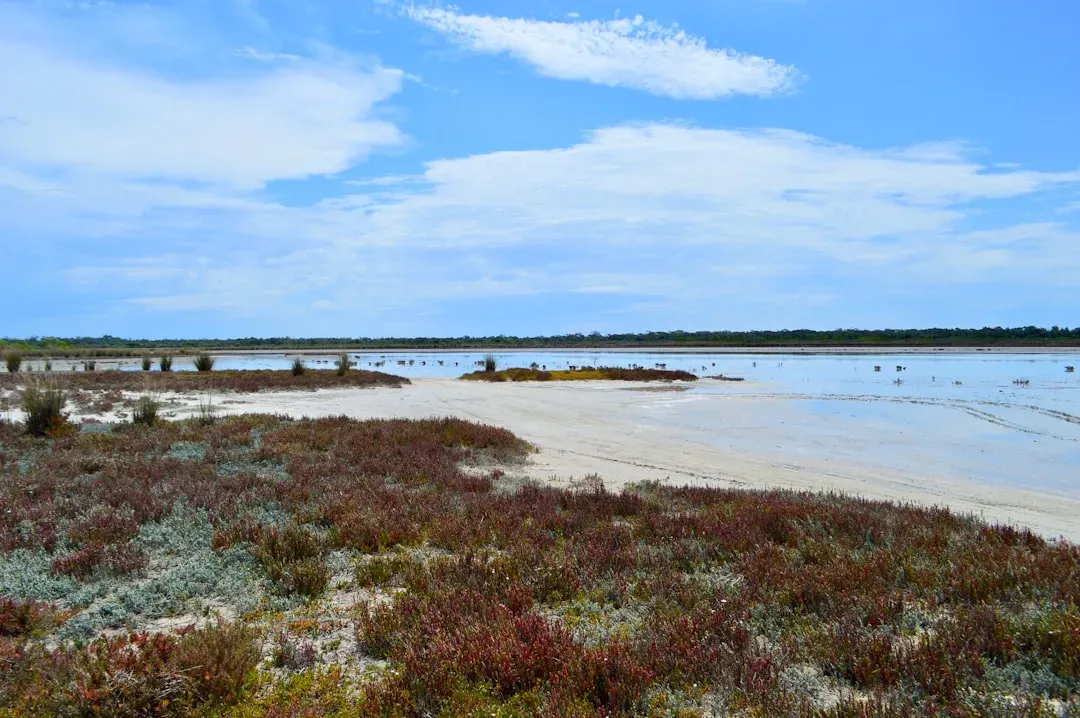
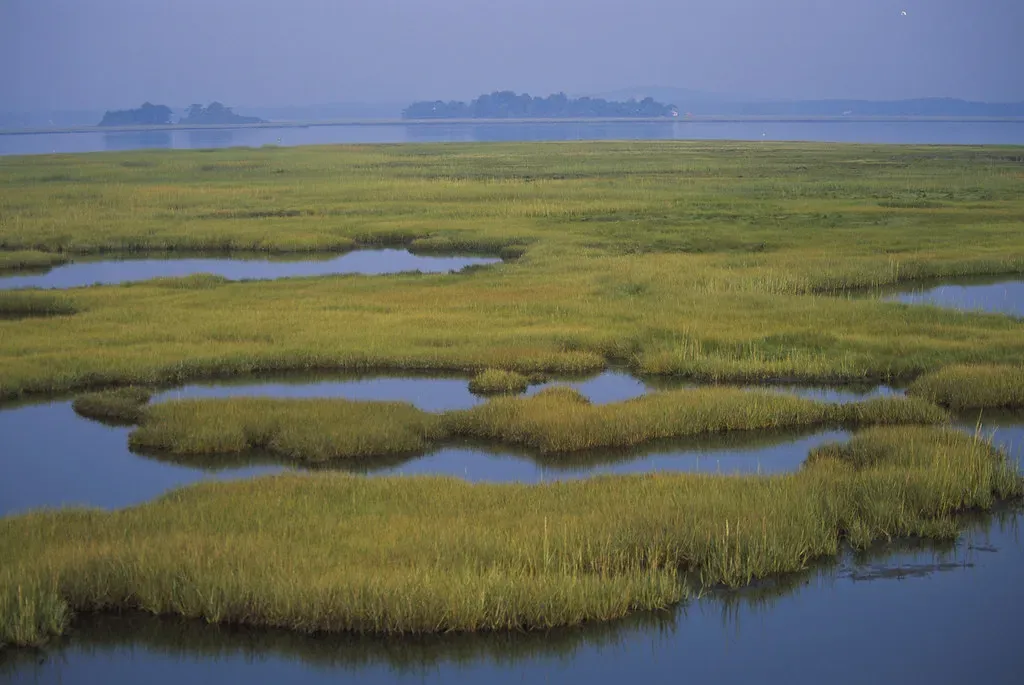
Here’s a quietly shocking truth: coastal wetlands in the United States are disappearing at a rate that adds up to hundreds of thousands of acres lost over just a couple of decades. These salt marshes and tidal flats are more than pretty scenery; they’re nurseries for fish, shellfish, and countless invertebrates that support entire food webs. When sea levels rise, water sits higher and longer on these marshes, and over time they can literally drown if sediment and plant growth can’t keep pace.
What makes this even worse is the “coastal squeeze” effect. As the ocean moves inland, wetlands could in theory migrate too, but in many places they run into roads, housing developments, and other hard barriers. Instead of shifting landward, the marsh just shrinks. Species like clapper rails, seaside sparrows, and diamondback terrapins lose both shelter and feeding grounds, and the cascade continues offshore to fish species that rely on those habitats as young.
Sea Turtles and Shrinking Beaches: Nesting Grounds Under Water
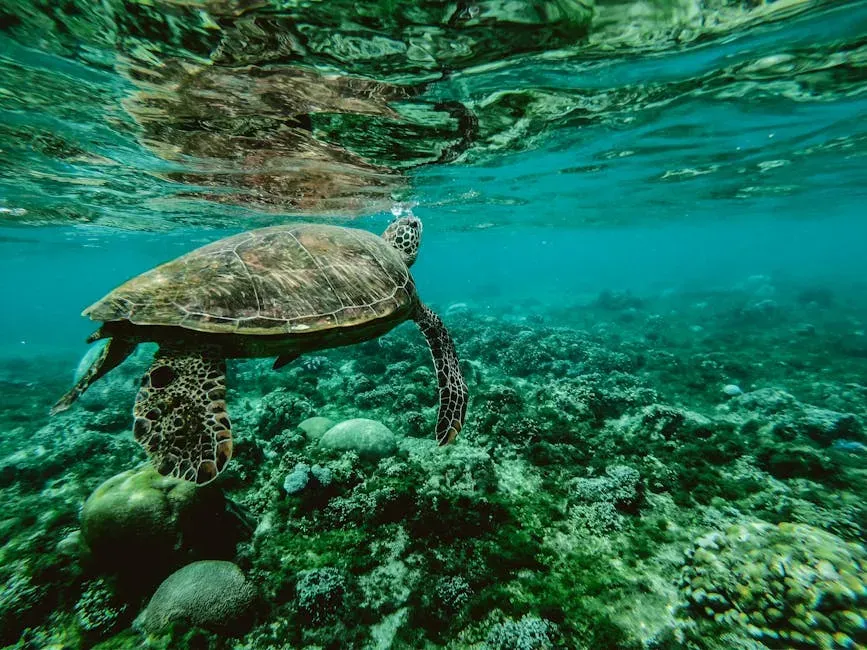
If you’ve ever watched a sea turtle nest at night, it sticks with you. These animals crawl up the beach, dig a nest in the dry sand, and leave hundreds of eggs behind with zero guarantees. Rising seas and stronger erosion are pushing those nesting beaches back, sometimes so dramatically that high tides can now reach nests that used to be safe. Eggs can be flooded, washed out, or chilled, killing embryos before they ever see daylight.
On top of that, coastal armoring like seawalls and rock revetments, meant to protect houses and roads, often steals the last bit of sandy upper beach where turtles would nest. This is especially troubling for species like loggerhead and green sea turtles that use US coasts heavily. As the dry sand band narrows, turtles are forced to crowd into smaller areas or lay in lower, riskier zones closer to the tide line, stacking the odds against the next generation.
Birds on the Brink: Shorebirds Losing Ground
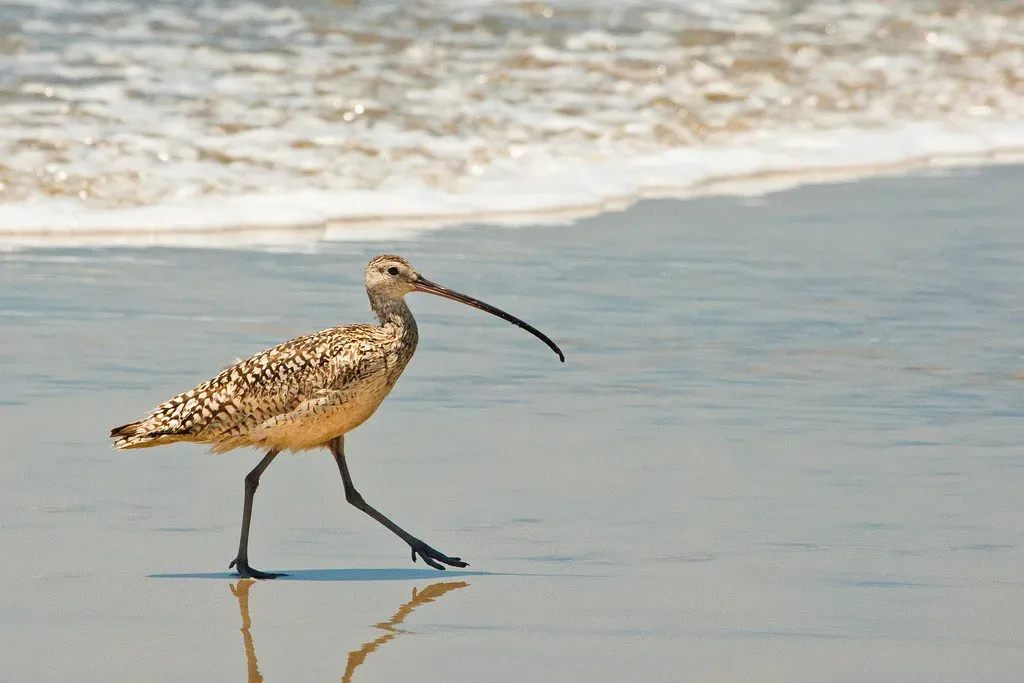
Migratory shorebirds are some of the toughest animals on Earth, flying thousands of miles nonstop. Yet they can be undone by just a few inches of lost shoreline. Many species depend on mudflats, sandflats, and marsh edges to rest and refuel during migration. As sea levels rise, those flats flood more often or disappear entirely, leaving birds with fewer safe places to land and feed.
The danger isn’t always dramatic; sometimes it’s subtle but relentless. If a bird arrives after an exhausting flight and finds less food-rich habitat, it may not put on enough weight to reach the next stopover. Over time, this translates into population declines. Species like red knots, piping plovers, and least terns are already feeling pressure not just from human disturbance and predators, but from the physical erasure of the very landscapes they evolved to use.
Saltwater Intrusion: Freshwater Habitats Turning Brackish
Rising seas don’t just cover land; they also push saltwater farther inland through rivers, estuaries, and even underground aquifers. This slow invasion changes the chemistry of ponds, creeks, and low-lying forests that used to be mostly fresh. Plants and animals adapted to freshwater can start to struggle or die off when salinity creeps up beyond what they can tolerate. You can see this in swaths of “ghost forests” where salt-stressed trees stand dead in formerly lush lowlands.
For wildlife, the changes can be sudden and unforgiving. Freshwater fish and amphibians may vanish from once-reliable breeding sites, replaced by a different set of salt-tolerant species. Aquatic insects that many birds depend on can decline, shifting food webs in ways that ripple far beyond the water’s edge. It’s as if someone quietly rewrote the rules of the ecosystem without giving the resident species time to read the new script.
Coral Reefs and Coastal Food Chains Under Stress
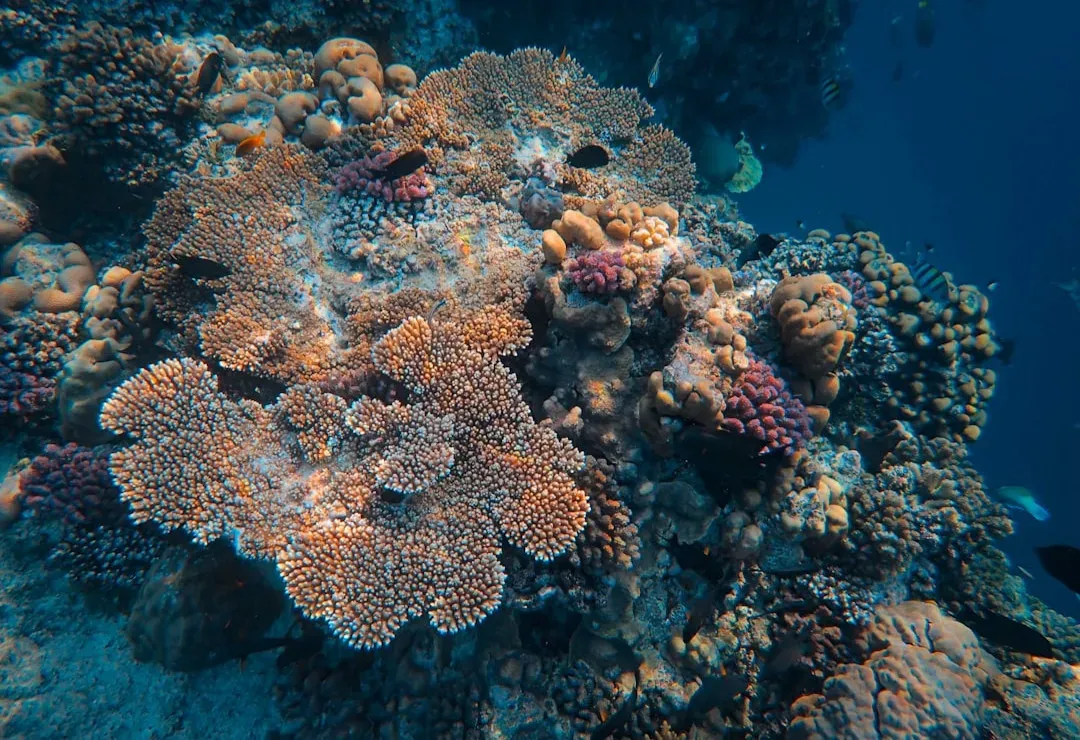
Along parts of Florida and the tropical US, coral reefs act as offshore guardrails, breaking waves before they slam into the coast. Rising sea levels combine with warming waters and acidification to weaken these reefs, leading to coral die-offs and a loss of structural complexity. When reefs flatten, they provide less protection for coastal ecosystems and fewer nooks and crannies for reef fish and invertebrates to hide in. This can mean fewer prey species for larger fish, seabirds, and marine mammals.
As reefs degrade, nearby seagrass beds and mangroves that depend on calmer conditions can also suffer more wave damage and erosion. The food chain tightens: reduced coral habitat can mean less fish biomass, which then affects predators all the way up. For coastal wildlife, it’s not just about where they live, but whether the invisible web of energy and nutrients that sustains them is still intact.
Climate Refugees: Wildlife on the Move and in Conflict
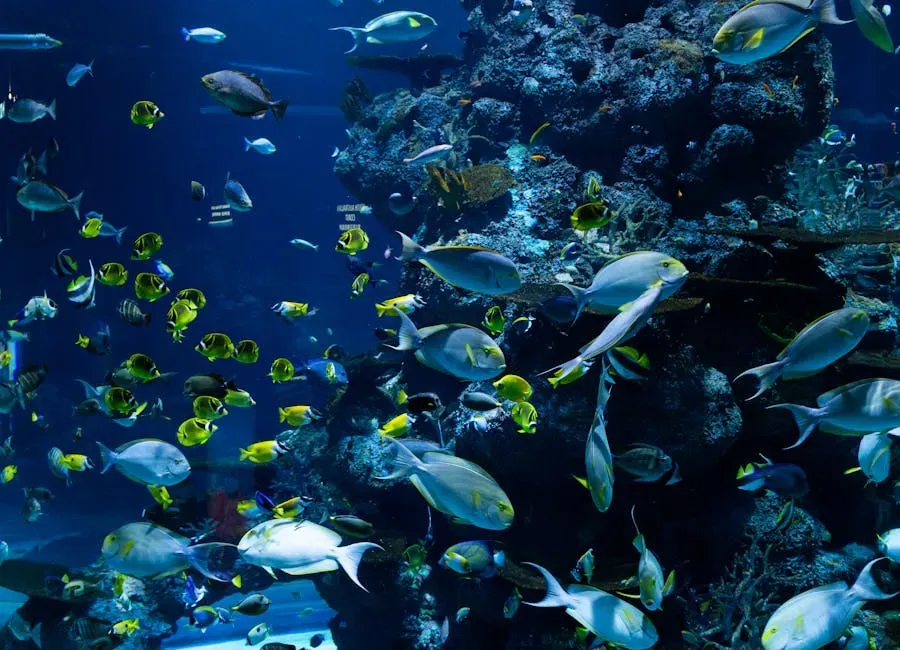
When their homes get flooded, many species try to move. Salt marshes creep inland, mangroves march northward, and some fish and marine mammals shift their ranges along the coast. On paper this sounds like adaptation, but in real life, it often leads to conflict and crowding. Wildlife that shifts into already-occupied habitats can compete with resident species for food and space, changing long-standing ecological relationships.
Human land use makes things even harder. New marshes may want to form where subdivisions, farms, or highways already exist. If there’s no room to move, wildlife ends up squeezed between the rising tide and a hard wall of development. In some places, communities now face difficult choices about moving infrastructure or allowing some areas to flood so that natural habitats have a place to go, and the decisions they make will decide which species hang on and which quietly vanish.
What We Can Still Protect: Restoring Space for Nature
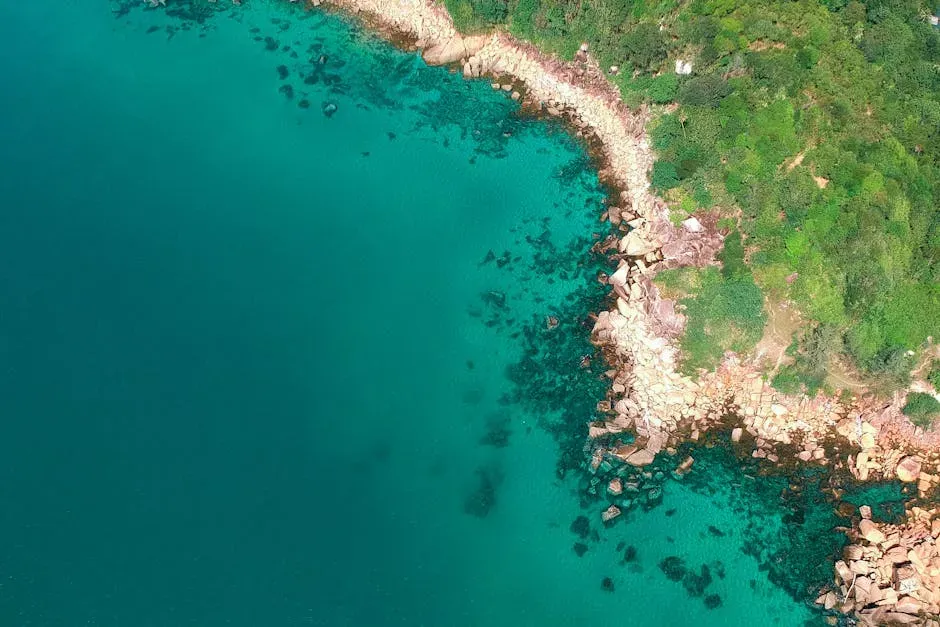
Despite how grim some of this sounds, there’s real, practical work underway that actually helps. Efforts like living shorelines, which use plants, oyster reefs, and natural materials instead of solid concrete, can slow erosion while preserving habitat. Restoring marshes, dunes, and mangroves not only buffers storms for people, it gives wildlife a fighting chance to adapt to higher seas. These projects are essentially about giving nature back some breathing room along the coast.
There’s also a growing push for smarter coastal planning: limiting building in high-risk zones, setting aside migration corridors for wetlands, and using updated sea-level projections in land-use decisions. It’s not glamorous, and it doesn’t grab headlines like flooded skyscrapers, but it’s the kind of steady, unflashy work that keeps birds, turtles, fish, and countless smaller creatures from being squeezed out. The more space and time we give coastal ecosystems, the more likely they are to bend instead of break.
Conclusion: Listening to the Quiet Warnings of the Coast
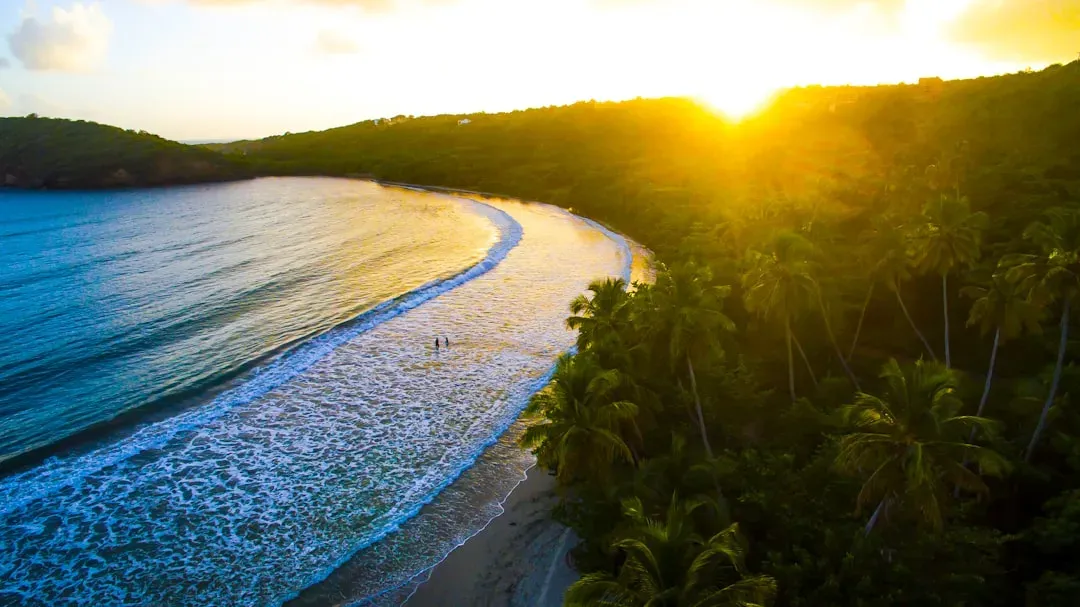
Rising seas are rewriting the edges of the United States, and coastal wildlife is already living through the first chapters of that story. Wetlands are drowning, nesting beaches are shrinking, freshwater habitats are turning salty, and food webs that once seemed stable are starting to fray. None of this happens with the drama of a single hurricane making landfall, but with the slow insistence of each higher tide.
In a way, the species struggling along the coast are early messengers of where our choices lead. Protecting them means making room for shifting shorelines, restoring damaged habitats, and rethinking how tightly we build against the edge of the sea. The threat may be silent, but the question it asks is loud enough: how much of the living coast are we willing to lose before we decide the line in the sand has moved far enough?