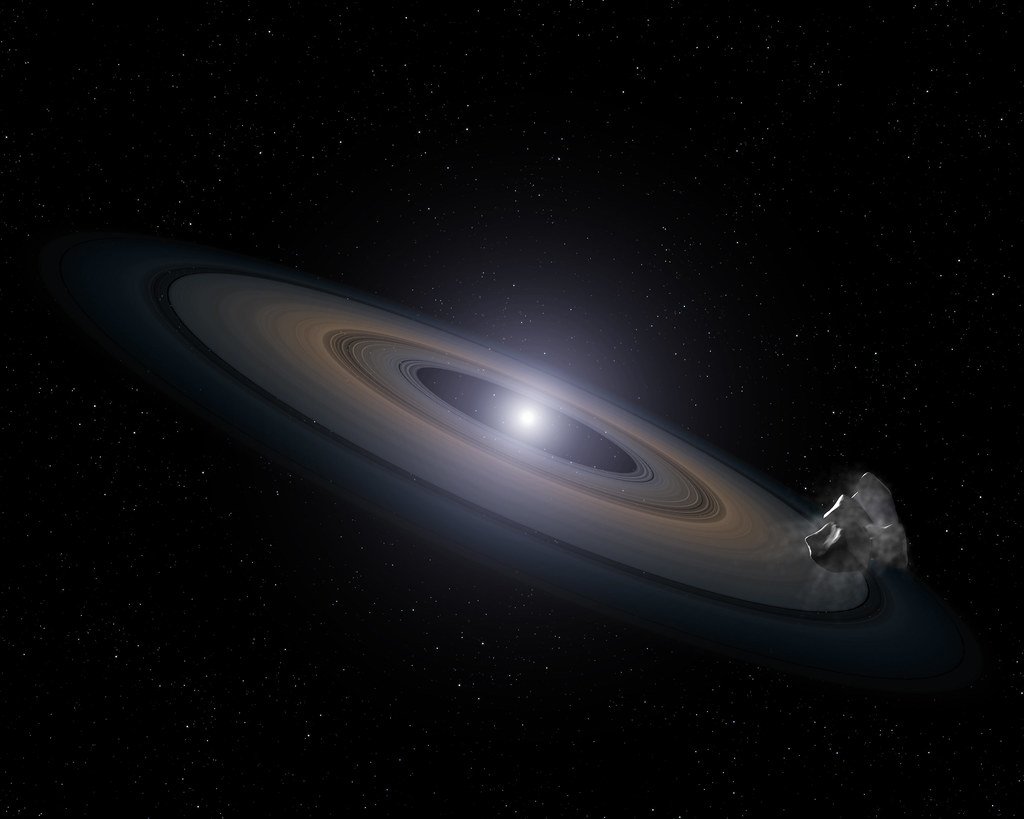

When you look up at the night sky, you’re staring at a cosmic graveyard. Those twinkling stars illuminate billions of worlds, but the vast majority of them are silent, barren, and utterly lifeless. From the scorching surface of Venus to the frozen wastelands of Mars, our own solar system tells a story of planetary death and missed opportunities. But what makes a world die, and why should we care about these silent spheres floating in the void?
The Goldilocks Zone Isn’t Enough

Scientists used to think that finding a planet in the habitable zone—that sweet spot where water can exist as a liquid—was the golden ticket to discovering life. But reality has proven far more complex and unforgiving. Take our neighbor Mars, which sits tantalizingly close to this zone yet remains a frozen desert.
The habitable zone is like a cosmic comfort zone, but it’s not a guarantee of success. A planet needs more than just the right distance from its star to support life. It needs the right atmospheric pressure, magnetic field protection, and a delicate balance of greenhouse gases. Without these additional factors, even the most promising worlds can become silent monuments to what might have been.
Atmospheric Escape: When Worlds Lose Their Breath

One of the most heartbreaking ways planets die is through atmospheric escape. Imagine a world slowly suffocating as its life-giving atmosphere bleeds away into space. This isn’t science fiction—it’s happening right now to planets throughout the universe.
Mars likely once had a thick atmosphere that could have supported liquid water and possibly life. But without a strong magnetic field to protect it, solar wind gradually stripped away its atmospheric blanket. The red planet we see today is essentially a corpse, its former glory scattered across the solar system like cosmic dust.
The Runaway Greenhouse Effect
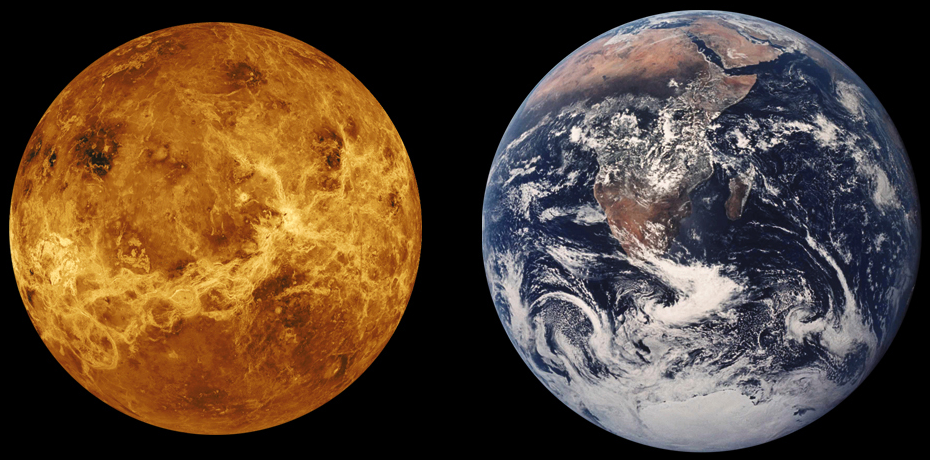
Venus offers perhaps the most terrifying example of planetary death in our solar system. This world, often called Earth’s twin, demonstrates how quickly paradise can become hell. Venus likely started with conditions similar to early Earth, complete with oceans and a temperate climate.
But something went catastrophically wrong. A runaway greenhouse effect turned Venus into a hellscape with surface temperatures hot enough to melt lead. The planet’s thick atmosphere traps heat so effectively that it’s hotter than Mercury, despite being farther from the Sun. This serves as a chilling reminder of how delicate planetary climate systems truly are.
Tidal Locking: Half-Dead Worlds
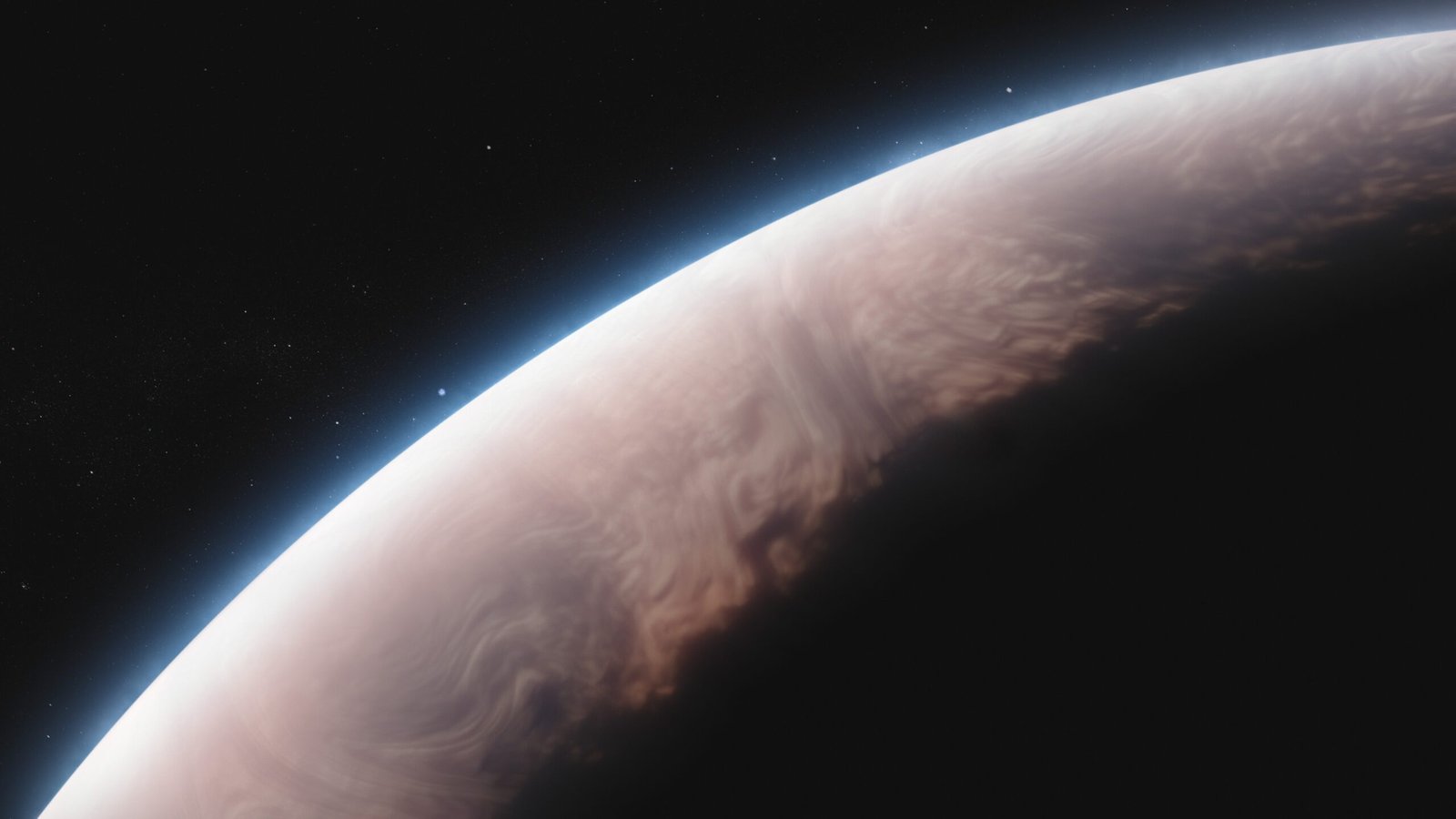
Imagine a world where half the planet is permanently scorched by eternal daylight while the other half is locked in perpetual darkness. This is the reality for many exoplanets orbiting close to their stars. Tidal locking creates worlds that are essentially half-dead, with extreme temperature differences that make life nearly impossible.
These tidally locked planets experience temperature variations so extreme that any atmosphere tends to freeze out on the dark side or boil away on the light side. The result is a world caught in a permanent state of imbalance, unable to support the stable conditions necessary for life to emerge or survive.
The Magnetic Field Mystery
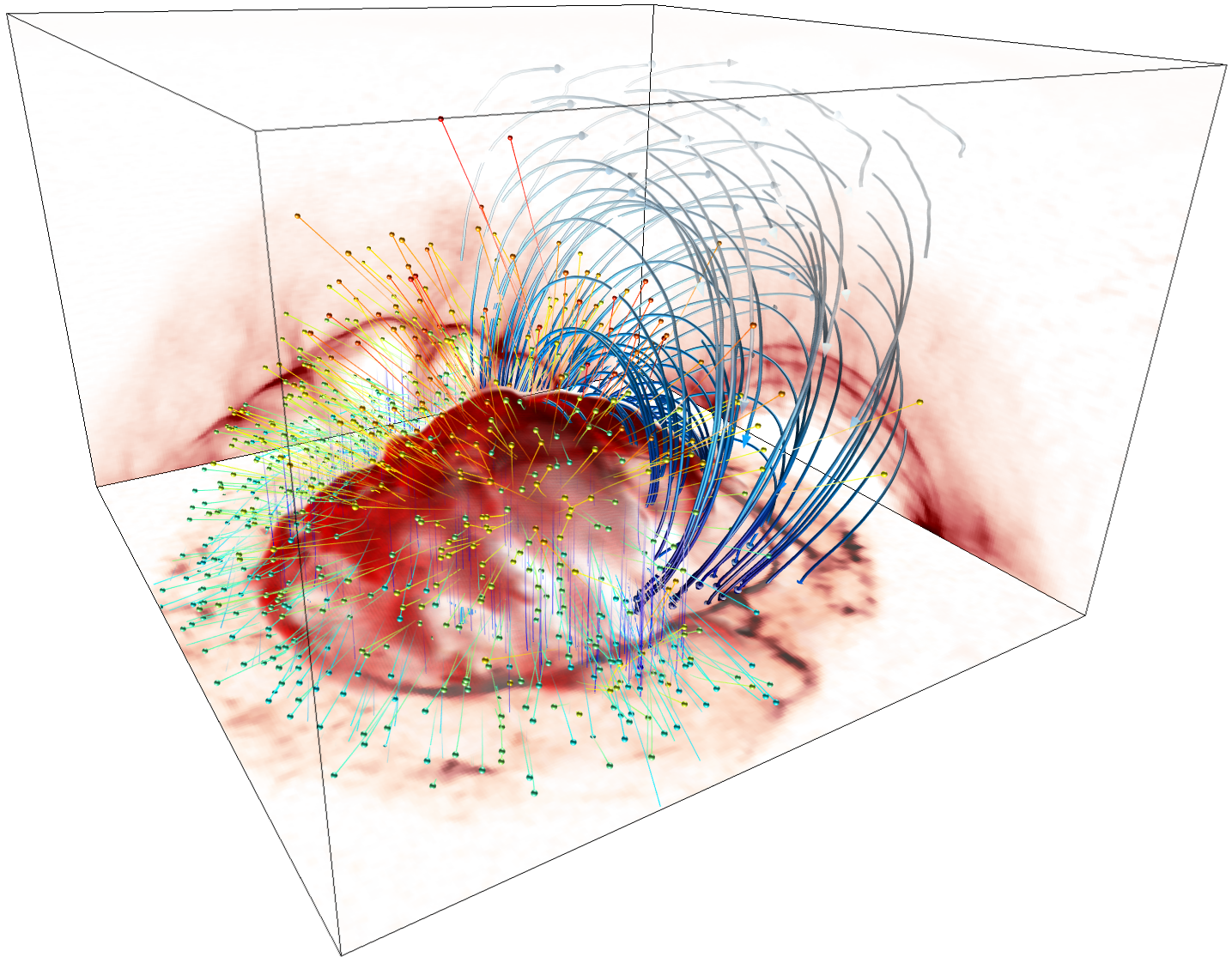
A planet’s magnetic field is like an invisible shield, protecting the world from the deadly radiation and charged particles streaming from its star. Without this protection, even the most promising worlds can become uninhabitable wastelands. Earth’s magnetic field deflects most of this harmful radiation, but many planets aren’t so fortunate.
The loss of a magnetic field can happen gradually or suddenly, depending on the planet’s internal structure and composition. Once gone, the planet becomes vulnerable to atmospheric stripping and surface radiation that would sterilize any potential life. This invisible death sentence affects countless worlds throughout the galaxy.
Water: The Missing Ingredient

Water is the universal solvent of life, yet it’s surprisingly rare in the right form and quantity throughout the universe. Many planets have water locked away as ice or vapor, but liquid water—the kind that can support complex chemistry—requires precise conditions that few worlds can maintain.
Even planets that start with abundant water can lose it through various mechanisms. Some worlds lose their water to space through atmospheric escape, while others have it permanently frozen or boiled away. The delicate balance required to maintain liquid water on a planetary surface is one of the most challenging requirements for a living world.
Stellar Violence: When Stars Turn Deadly
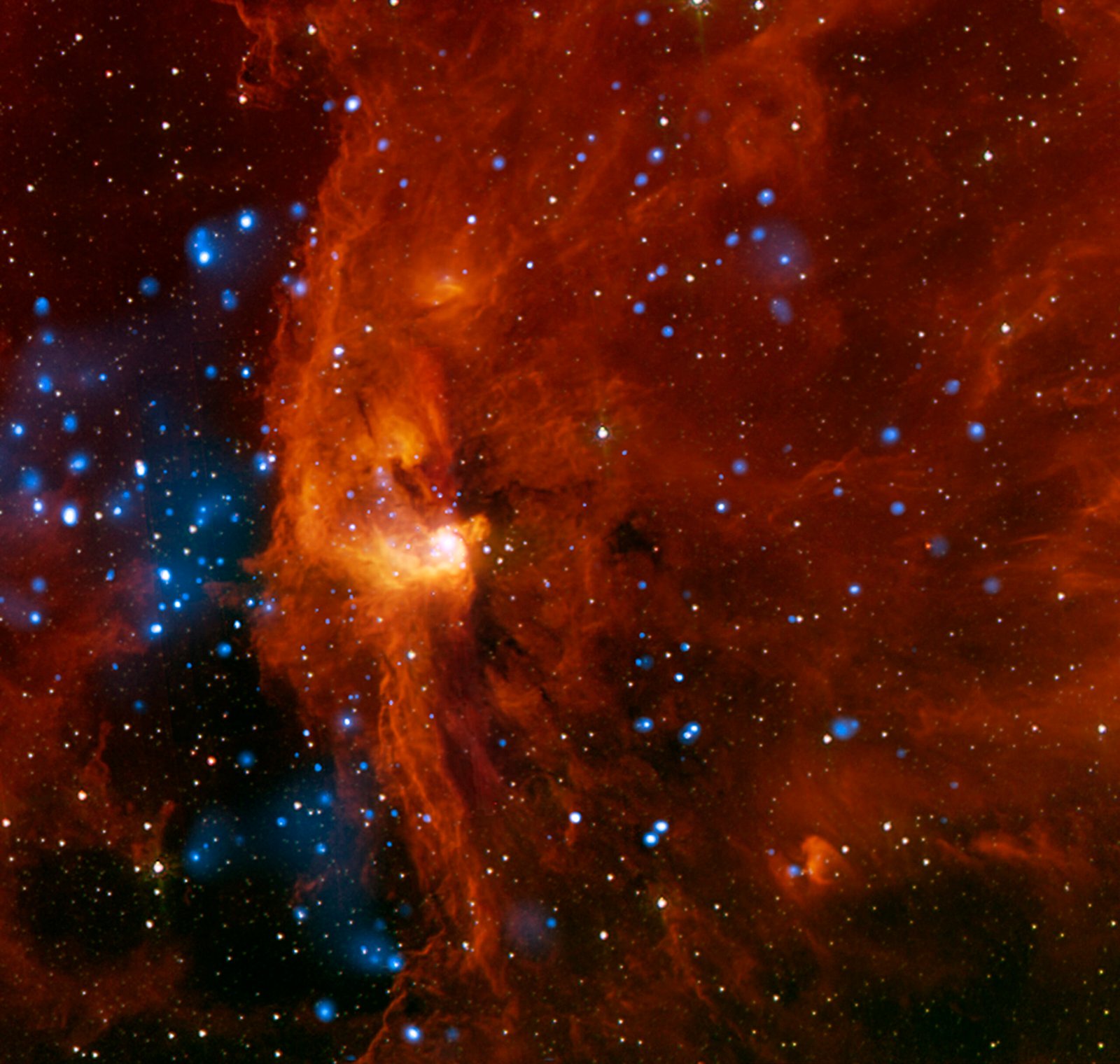
Stars aren’t always the benevolent life-givers we imagine them to be. Many stars are violent, unpredictable entities that can destroy any chance of life on their surrounding planets. From deadly flares to dramatic changes in brightness, stellar behavior can quickly turn promising worlds into sterile wastelands.
Red dwarf stars, the most common type in our galaxy, are particularly notorious for their violent outbursts. These stellar tantrums can strip away planetary atmospheres and sterilize surfaces with intense radiation. Young stars are especially dangerous, often going through periods of extreme variability that would be lethal to any developing life.
The Asteroid and Comet Threat
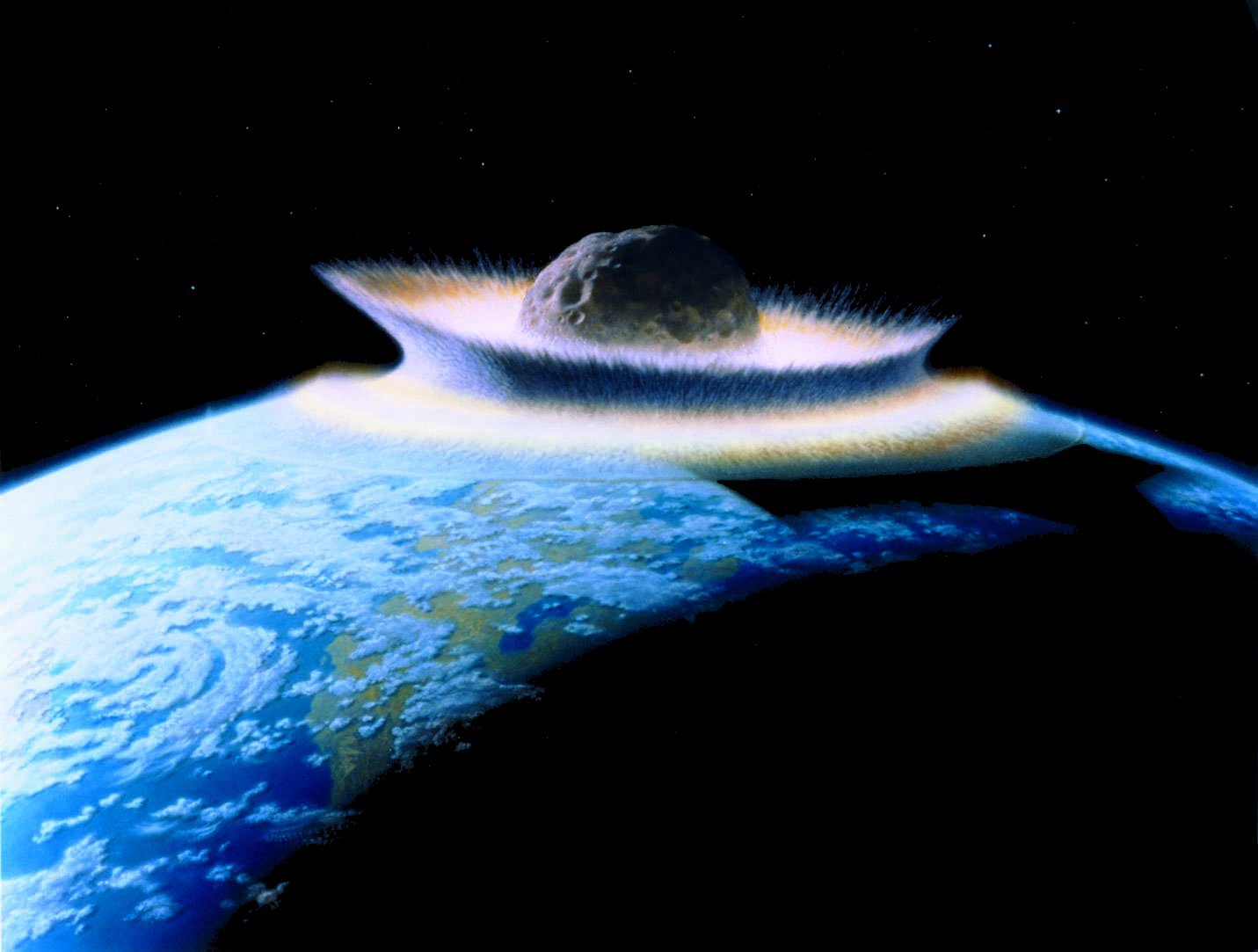
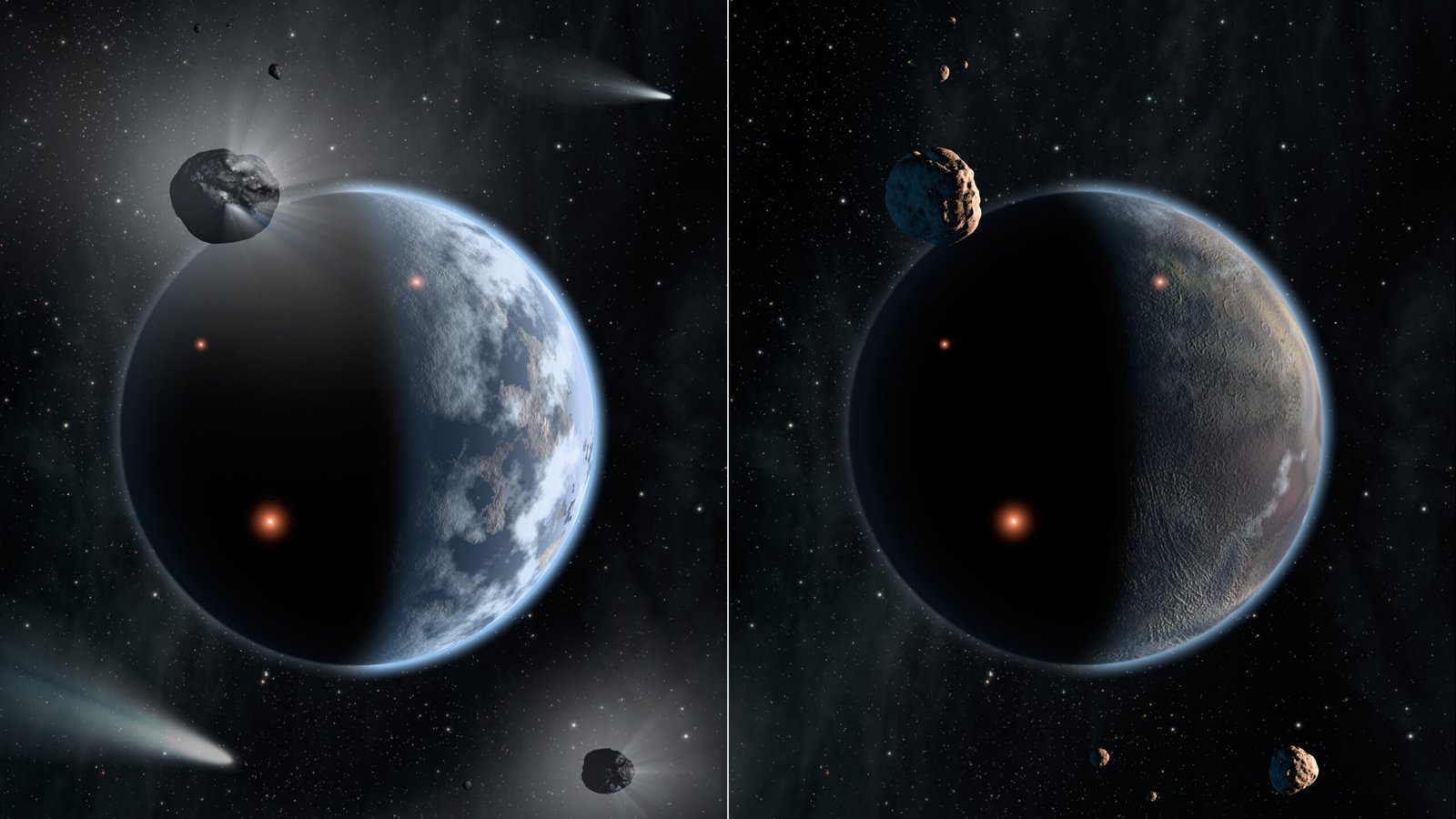
Cosmic impacts have shaped the history of every planet in our solar system, and most of these encounters don’t end well for potential life. While Earth has experienced several mass extinctions due to asteroid impacts, we’ve been relatively lucky compared to other worlds that have been completely sterilized by cosmic bombardment.
Some planets exist in particularly dangerous neighborhoods, surrounded by asteroid belts or comet clouds that regularly send deadly projectiles their way. These cosmic shooting galleries make it nearly impossible for life to establish itself, as any progress gets repeatedly reset by catastrophic impacts.
Chemical Composition: The Wrong Mix
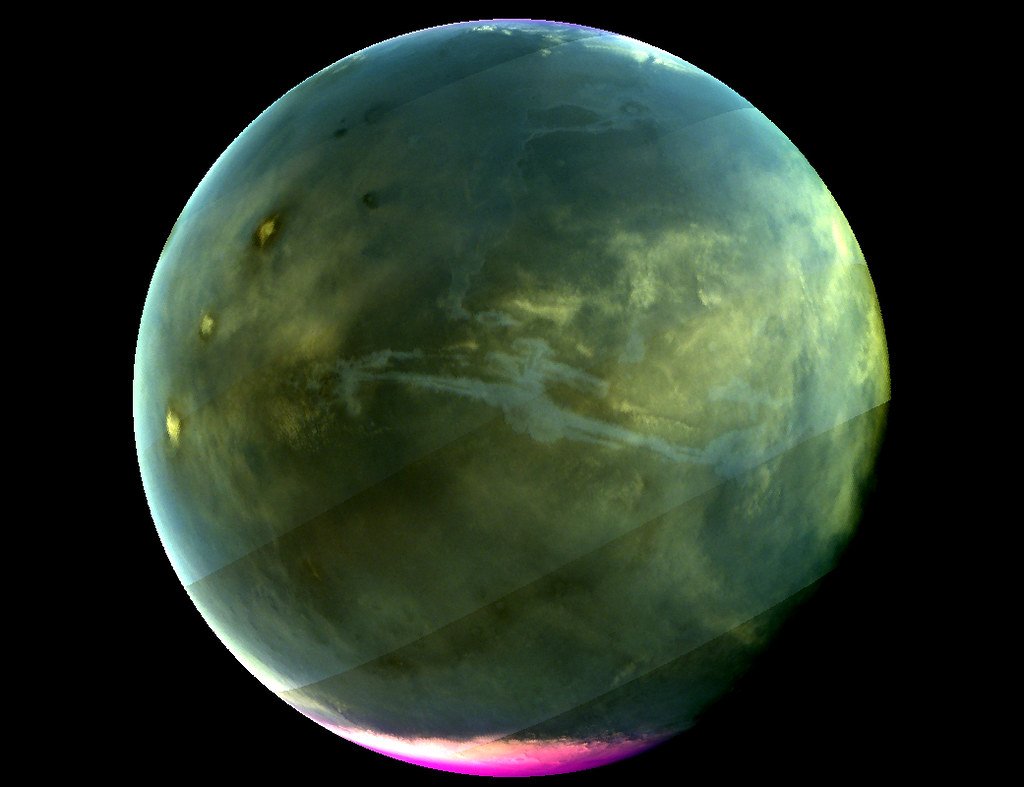
The chemical makeup of a planet determines its potential for supporting life, and most worlds simply don’t have the right ingredients. Too much of certain elements can create toxic environments, while too little of others can prevent the complex chemistry needed for life to emerge.
Heavy metals, radioactive elements, and toxic compounds can make a planet uninhabitable even if other conditions seem favorable. Some worlds are essentially giant chemical factories producing compounds that would be deadly to any form of life we can imagine. The precise chemical balance required for habitability is another factor that eliminates countless potential worlds.
Planetary Size Matters
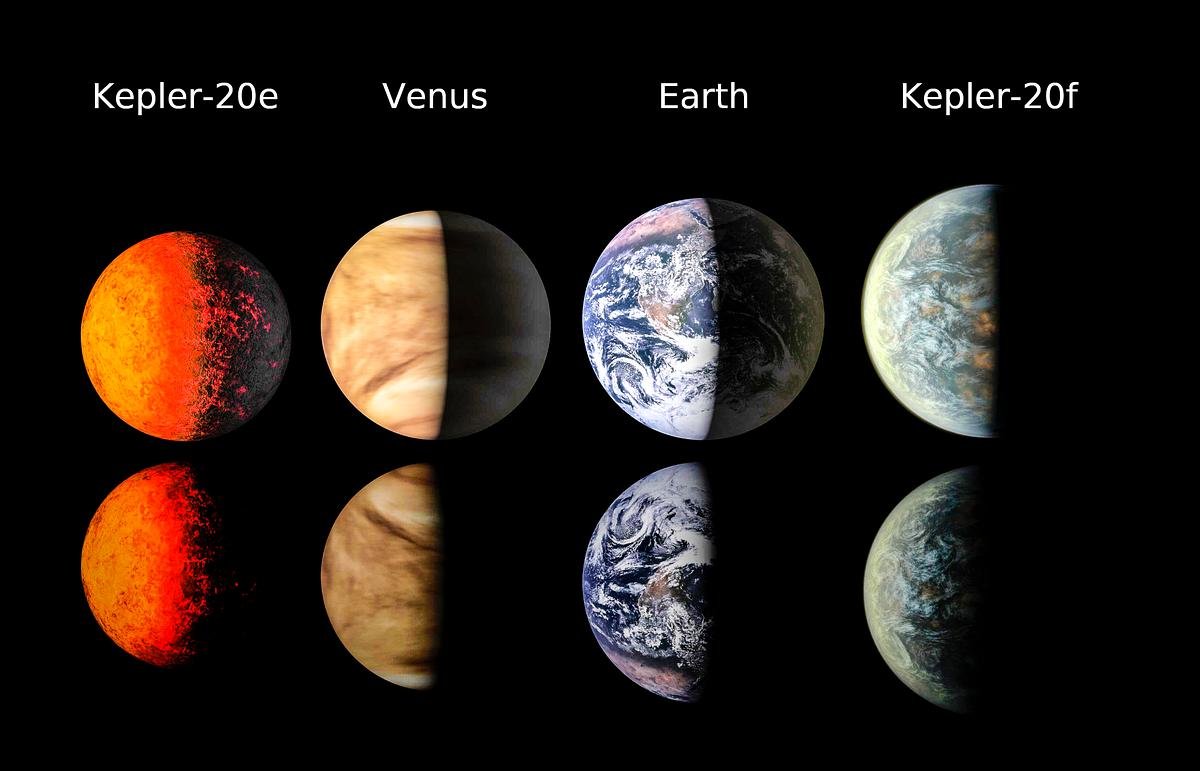
Size plays a crucial role in determining whether a planet can support life. Worlds that are too small can’t hold onto their atmospheres, while planets that are too large may have crushing surface gravity and thick, hostile atmospheres. Finding the right size is like solving a cosmic puzzle with very specific requirements.
Small planets often lack the internal heat needed to maintain geological activity, which is essential for cycling chemicals and maintaining atmospheric composition. Large planets, on the other hand, may trap so much gas during formation that they become mini gas giants, unsuitable for surface life. The size sweet spot is surprisingly narrow.
The Age Factor: Too Young or Too Old
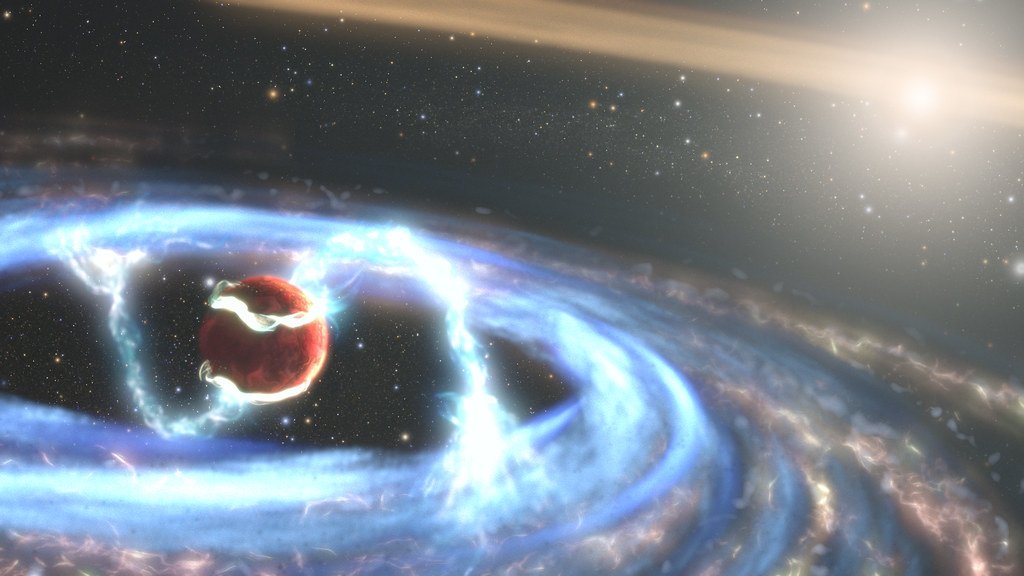
Timing is everything when it comes to planetary habitability. Worlds that are too young may still be in the violent throes of formation, with surfaces covered in molten rock and atmospheres filled with toxic gases. Planets that are too old may have already exhausted their internal heat sources and lost their protective magnetic fields.
The universe itself went through a period when conditions were too hostile for life to emerge anywhere. Early in cosmic history, there simply weren’t enough heavy elements to build rocky planets, and the universe was too violent and chaotic to support stable planetary systems. Most of cosmic history has been unsuitable for life as we know it.
Orbital Instability: Worlds Gone Rogue
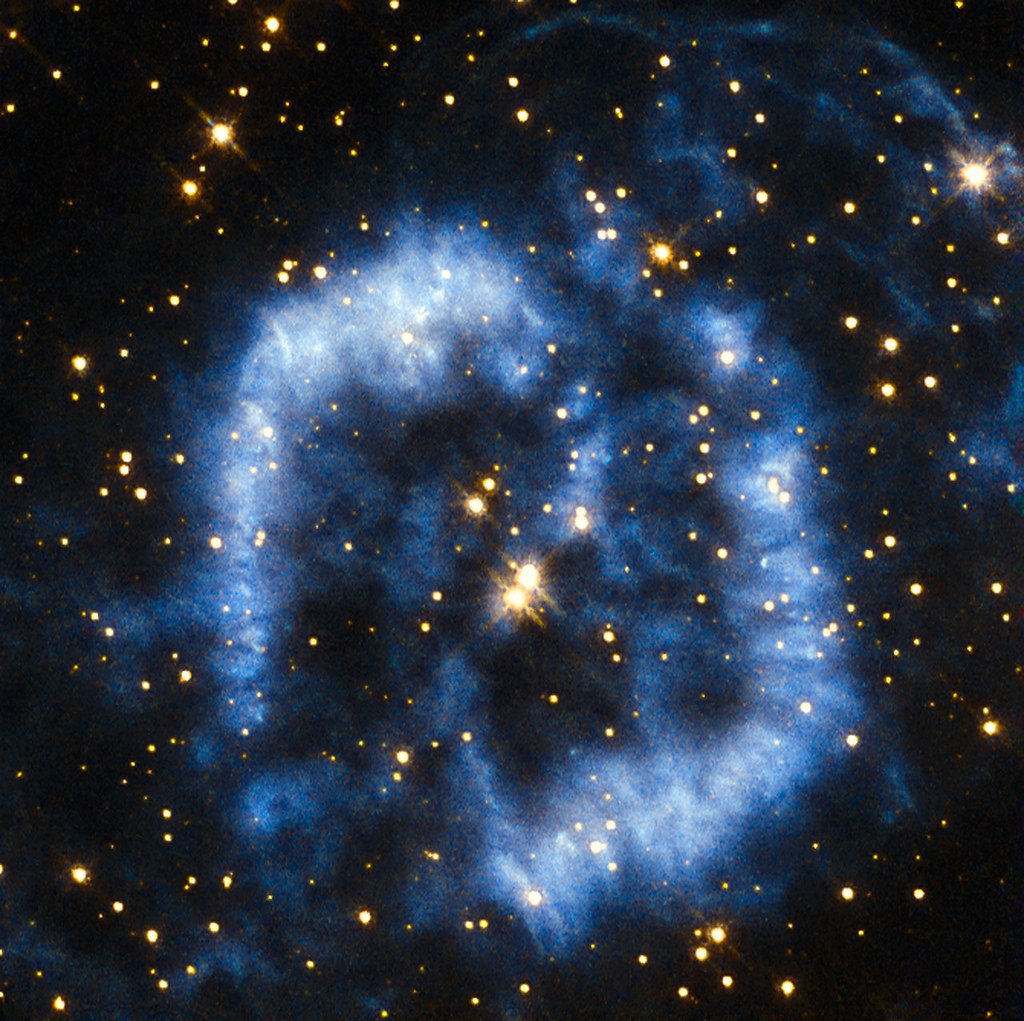
Many planets that start with promising conditions eventually become uninhabitable due to orbital instability. Gravitational interactions with other planets or passing stars can send worlds spinning out of their habitable zones or into eccentric orbits that create extreme seasonal variations.
Some planets get ejected from their solar systems entirely, becoming rogue worlds that wander the galaxy in eternal darkness. These cosmic outcasts represent some of the most tragic examples of planetary death, as they may have once harbored life before being cast into the void.
The Rare Earth Hypothesis
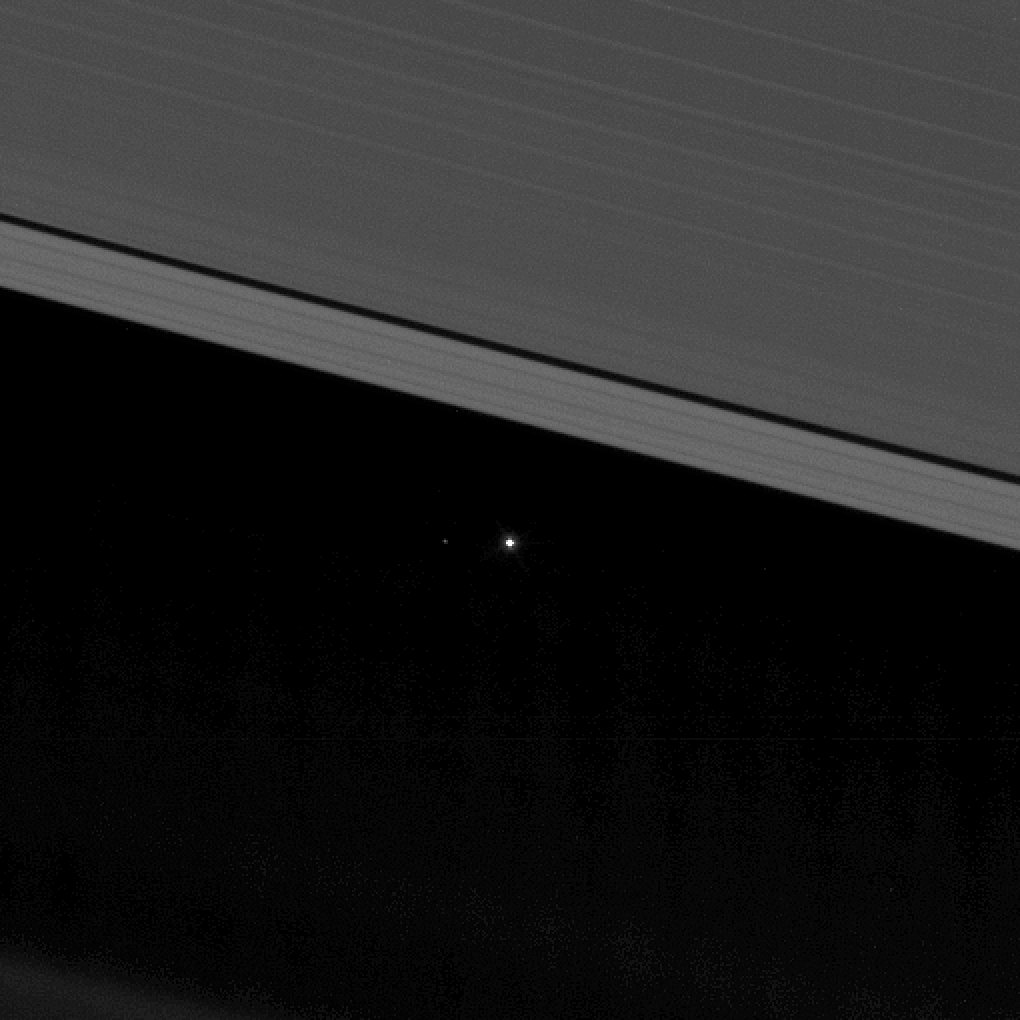
The Rare Earth hypothesis suggests that the conditions necessary for complex life are so specific and unlikely that Earth-like worlds are extremely rare in the universe. This theory proposes that numerous factors must align perfectly for a planet to support life, making most worlds fundamentally uninhabitable.
According to this hypothesis, factors like having a large moon to stabilize the planet’s rotation, being in a stable galactic location, and having the right planetary neighbors all contribute to habitability. The probability of all these factors aligning on a single world is astronomically small, which could explain why the universe seems so silent.
Extremophile Limits: Even Life Has Boundaries

While life on Earth has shown remarkable adaptability, surviving in extreme environments that would kill most organisms, there are still absolute limits to what life can tolerate. Temperature extremes, radiation levels, and chemical compositions that exceed these limits create worlds that are simply too hostile for any form of life.
Even the most resilient microorganisms have breaking points. Planets with surface temperatures exceeding several hundred degrees Celsius, or worlds bathed in lethal radiation, represent environments where even the most extreme forms of life cannot survive. These absolute limits significantly reduce the number of potentially habitable worlds.
The Search for Biosignatures
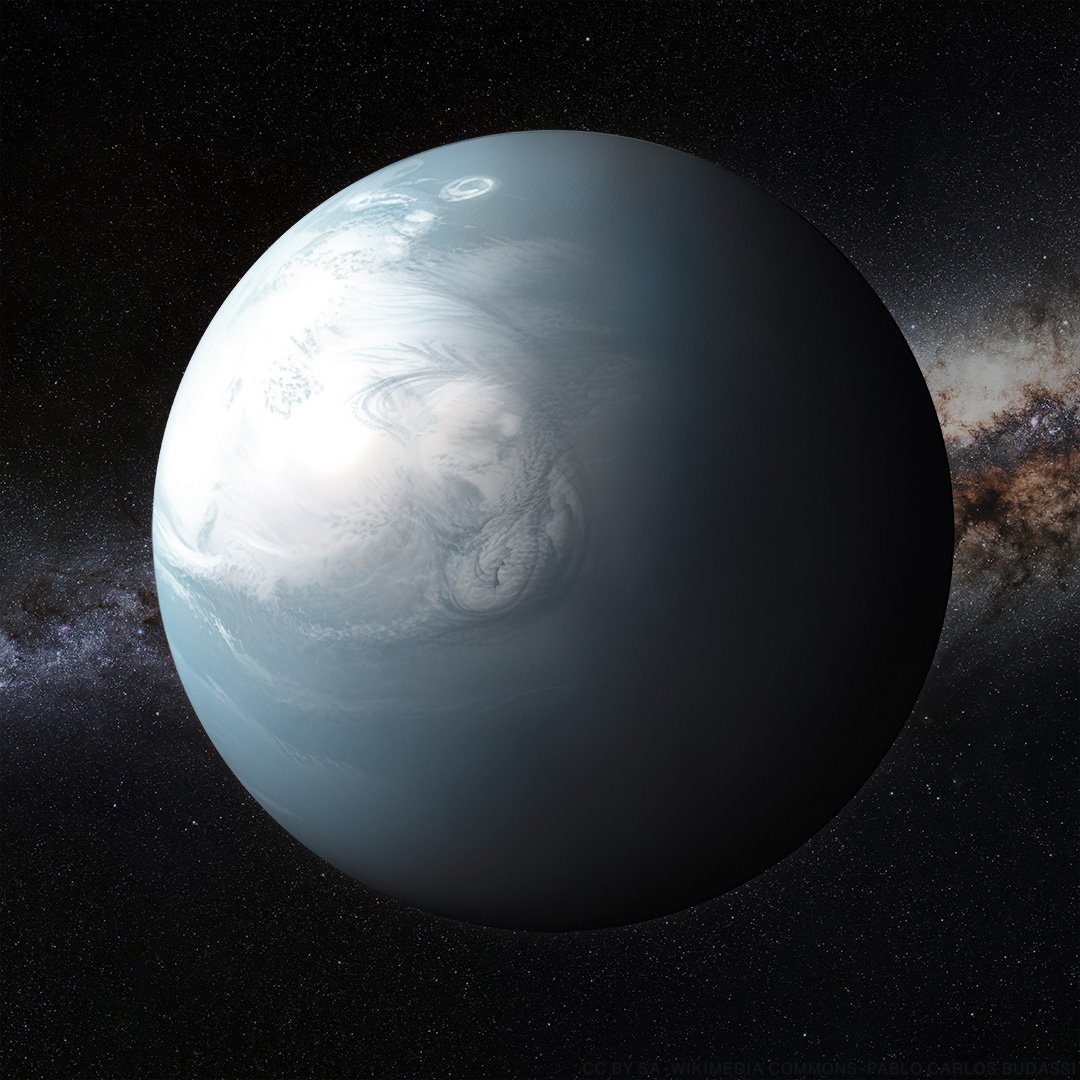
Scientists are actively searching for signs of life on exoplanets by looking for biosignatures—chemical indicators that life might be present. However, the absence of these signatures on most worlds we’ve studied so far reinforces the idea that living planets are extremely rare.
Current technology allows us to analyze the atmospheres of some exoplanets, looking for gases like oxygen, methane, and water vapor that might indicate biological activity. The overwhelming silence we’ve encountered so far suggests that most worlds are indeed dead, lacking the chemical fingerprints that would reveal the presence of life.
The Fermi Paradox Connection
The abundance of dead worlds throughout the universe directly relates to the famous Fermi Paradox, which asks why we haven’t encountered evidence of extraterrestrial life despite the vast number of stars and planets in the galaxy. The answer may be that most worlds are simply too hostile to support life, let alone intelligent civilizations.
If planets capable of supporting life are extremely rare, and planets capable of supporting complex, intelligent life are even rarer, then the silence we observe in the universe makes perfect sense. The dead worlds surrounding us may be the norm rather than the exception, making Earth’s vibrant biosphere an extraordinary cosmic accident.
Climate Change and Planetary Death
Studying dead worlds provides crucial insights into how planetary climates can collapse. Venus serves as a stark warning about runaway greenhouse effects, while Mars demonstrates how a planet can lose its atmosphere and become uninhabitable. These examples are particularly relevant as we face our own climate challenges.
The dead planets in our solar system aren’t just scientific curiosities—they’re laboratories for understanding planetary climate systems and their potential failure modes. By studying how other worlds died, we can better understand the delicate balance that keeps Earth habitable and the factors that could potentially threaten our own planet’s life-supporting capabilities.
The Implications for Human Survival

Understanding why so many worlds are dead has profound implications for humanity’s long-term survival. If habitable planets are as rare as current evidence suggests, then Earth may be our only option for the foreseeable future. This realization should fundamentally change how we approach planetary stewardship and space exploration.
The rarity of living worlds also highlights the importance of protecting Earth’s biosphere and understanding the factors that maintain its habitability. Rather than assuming we can easily find or create new homes among the stars, we should focus on preserving the remarkable world we already have. The silence of space serves as a reminder that what we have here is precious beyond measure.
Future Discoveries and Hope
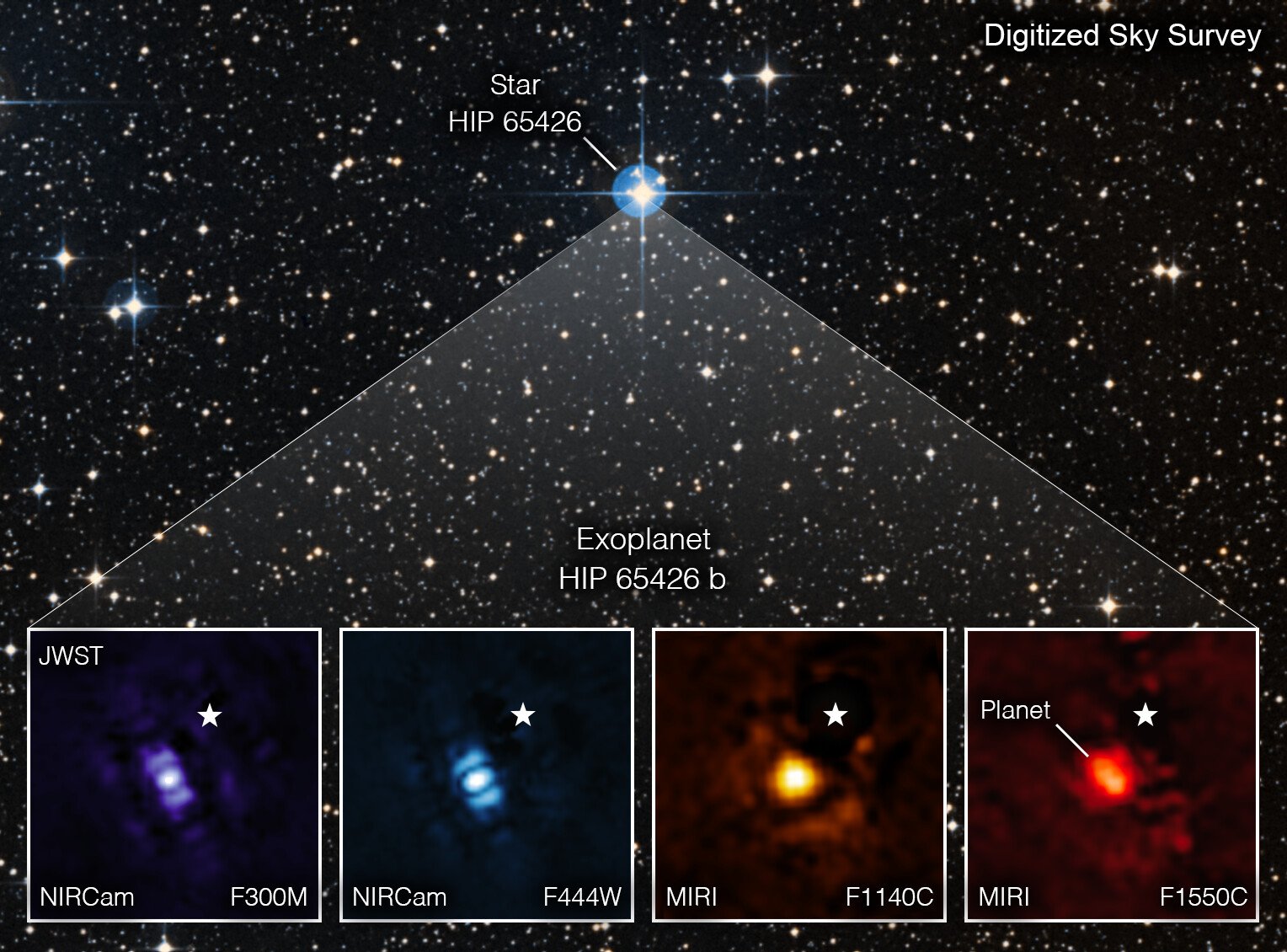
Despite the overwhelming evidence for planetary death throughout the universe, scientists continue to search for signs of life and habitability on distant worlds. New telescopes and detection methods may reveal that life is more common than we currently believe, or they may confirm that Earth truly is a rare oasis in a largely dead universe.
The search continues because the stakes are so high. Finding even one other living world would revolutionize our understanding of life’s place in the universe and our own significance. Until then, the silent planets serve as both a humbling reminder of our cosmic rarity and a motivation to better understand and protect the remarkable world we call home.
The universe is filled with worlds that never had a chance. From Venus’s hellish greenhouse to Mars’s frozen wasteland, the cosmos tells a story of planetary death and missed opportunities. Understanding why so many worlds are silent helps us appreciate just how special Earth really is. In a universe where dead planets are the norm, our living world represents something truly extraordinary—a cosmic miracle that deserves our utmost care and protection. What would you have guessed about the true rarity of life in the universe?