
If you were told the forest can whisper, argue, and share resources beneath your feet, you’d probably raise an eyebrow. Yet that’s exactly what’s happening in the hidden world of fungi, where delicate threads of mycelium weave trees, plants, and even microbes into one sprawling living network.
This isn’t just poetic imagery; it’s a real, physical system pulsing with nutrients, signals, and quiet cooperation. Once you understand how mushrooms and their fungal networks work, it’s hard to walk through a park or woodland without feeling like you’re walking over the nervous system of the Earth itself.
The Hidden Web Beneath Our Feet
Walk through any forest, and what you see above ground is only half the story; the real drama happens in the soil, where fungal threads form vast underground webs. These threads, called mycelium, branch out like roots on overdrive, thin as spider silk yet stretching for meters, sometimes even kilometers, through the earth. One single fungal individual can spread across an area larger than many city blocks, quietly linking different plants together.
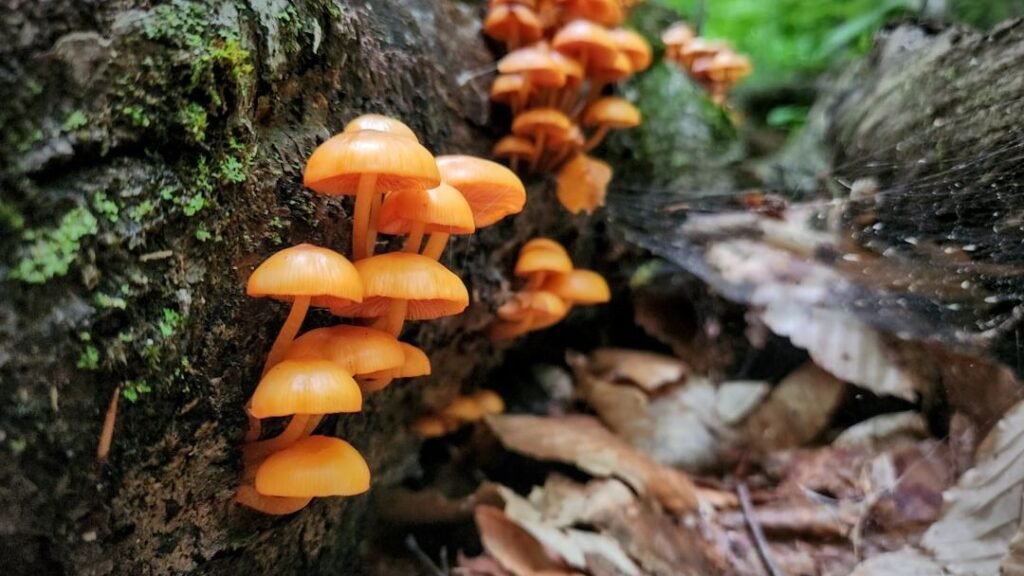
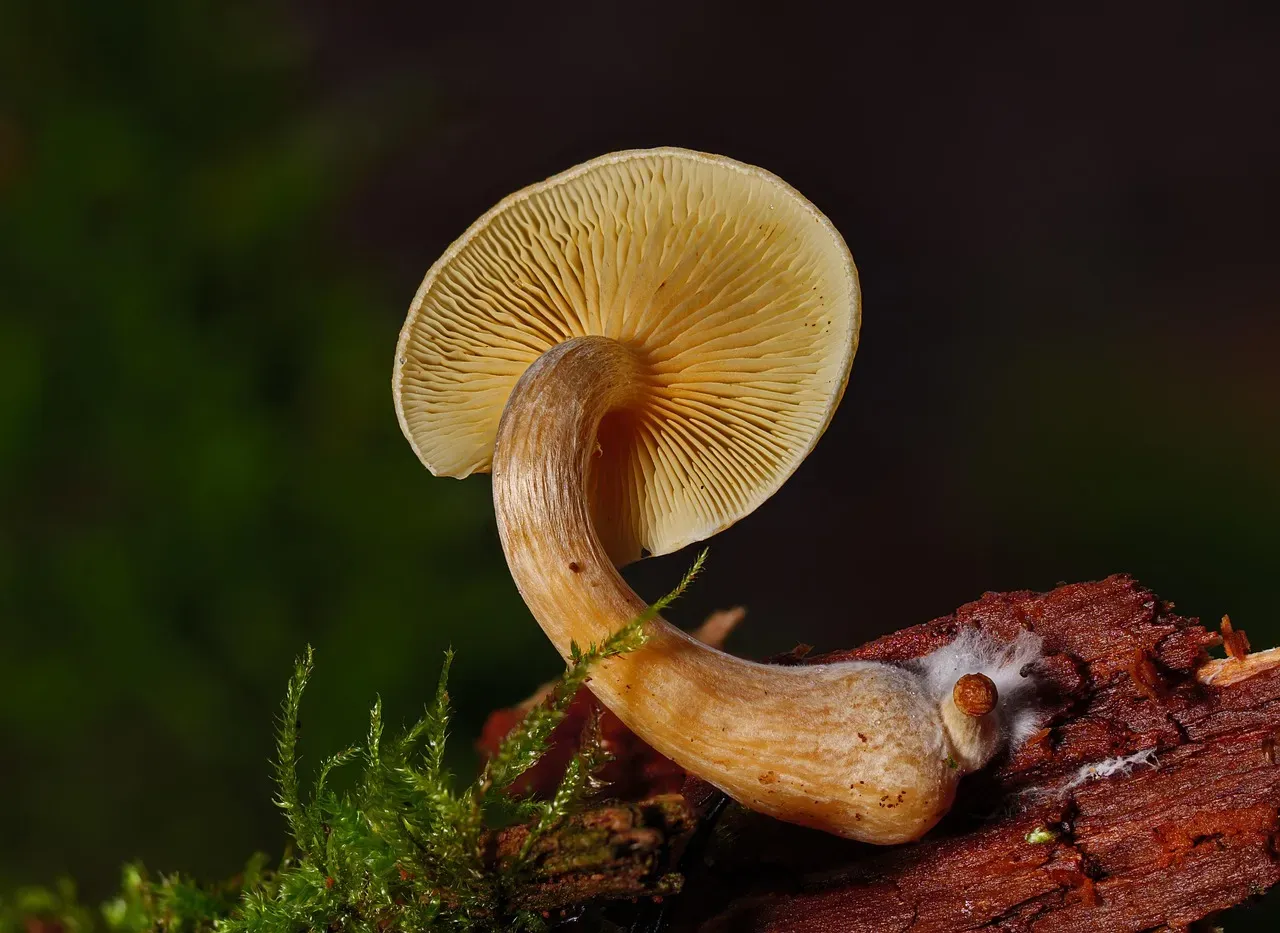
What looks like a simple mushroom cap on the surface is really just the fruiting body, the tip of the iceberg. The bulk of the organism stays hidden, exploring the soil, touching roots, wrapping around them, and forming intimate connections. I remember the first time I pulled up a clump of forest soil and saw those white, hair-like strands running through it; it felt like stumbling onto secret wiring in an ancient building.
Mycorrhizal Partnerships: Fungi and Plants as Co-Conspirators
Plants and fungi form alliances so tight that neither would thrive the same way without the other. These relationships, called mycorrhizal partnerships, let fungi attach to or even grow inside plant roots, almost like they’re plugging into a socket. The fungi trade minerals and water that they’ve scavenged from tiny pores of the soil in exchange for sugars and fats the plants make through photosynthesis.
It’s not a small side deal either; in many forests, most trees depend heavily on these fungal helpers to survive tough conditions. Fungi can reach nutrients that roots alone just can’t grab, especially phosphorus and nitrogen locked up in organic matter. In return, plants hand over a big portion of the carbon they fix from the air, so fungi basically live off plant “paychecks.” It’s less like charity and more like a hard-nosed business partnership that just happens to hold whole ecosystems together.
The ‘Wood Wide Web’: How Trees Talk Through Fungi
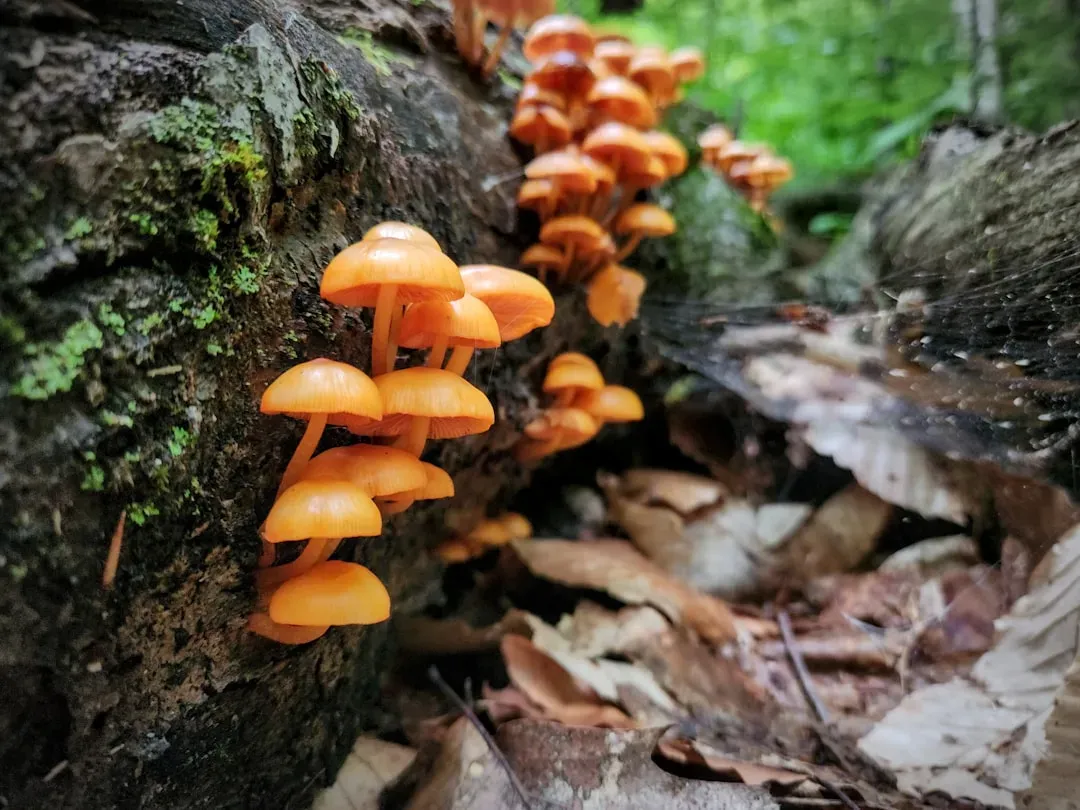
The idea that trees can “talk” through fungal networks sounds like fantasy until you look at how carbon and signals move around underground. Through mycorrhizal networks, older, well-established trees can send extra sugars to shaded seedlings that can’t yet produce enough on their own. In some studies, scientists have tracked carbon moving from one tree species to another via shared fungal partners, like quiet bank transfers between neighbors.
These networks can also pass warning signals. When a tree is attacked by insects or a pathogen, chemical cues can travel through the shared fungal web, prompting nearby trees to brace their defenses. It’s not conversation in a human sense, but it is information sharing that shapes who survives, who struggles, and who gets a helping hand. The phrase “wood wide web” may sound a bit cute, but it captures something very real: forests are wired together.
Nutrient Highways and Carbon Brokers
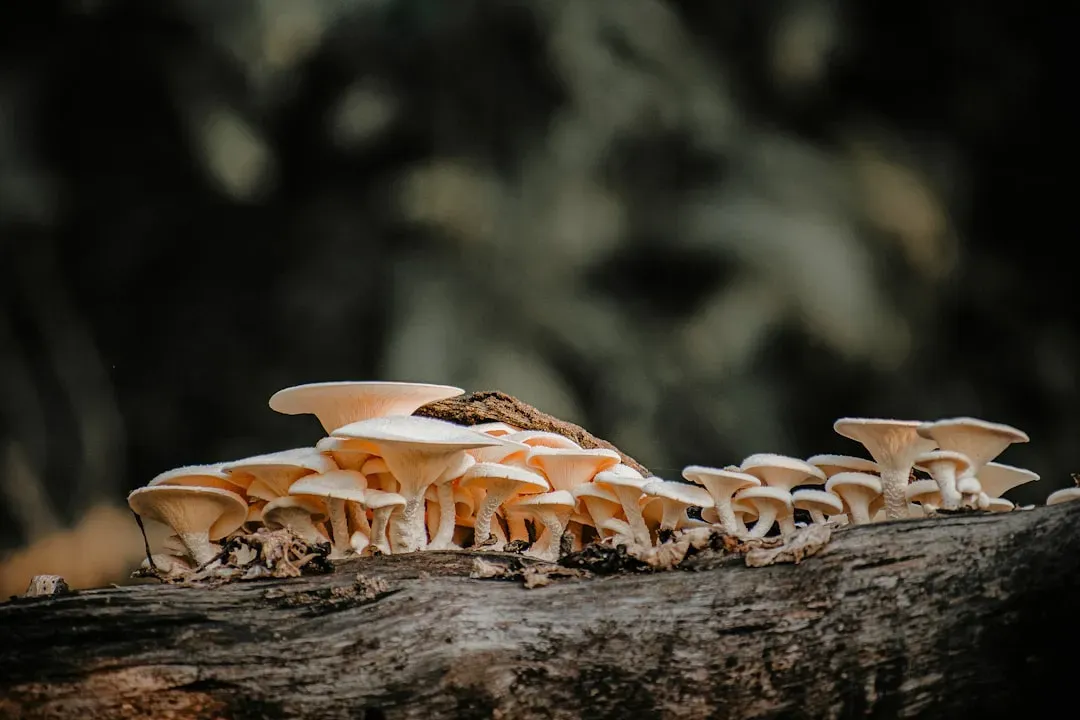
Fungi are like obsessive recyclers, breaking down dead leaves, fallen logs, and even tougher materials like lignin that most organisms can’t touch. As they digest this litter, they unlock nutrients and make them available again, turning what looks like a mess of decay into a buffet for the whole community. Without fungi doing this gritty work, many ecosystems would simply choke on their own waste, and soil would gradually lose its fertility.
They also play a major role in how carbon moves and is stored in the ground. When fungi break down organic matter, some carbon is released back into the air, but a surprising amount ends up locked in stable soil compounds. Certain fungal networks can hold onto this carbon for long periods, helping soils act like giant, slow-motion carbon banks. It’s a quiet but powerful piece of the climate puzzle that’s only now getting wider attention.
Fungi as Ecosystem Healers and First Responders
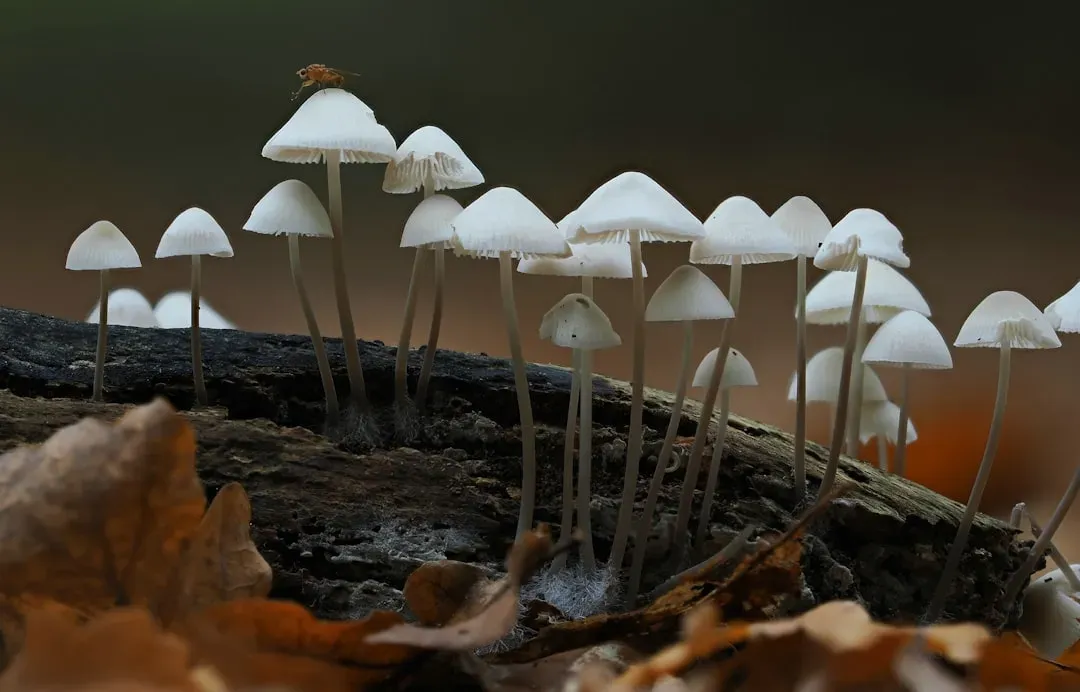
After a wildfire, logging, or some other heavy disturbance, fungi are often among the first life forms to push back into the damaged ground. Their spores are tiny and tough, carried by wind, animals, or even rain splash into newly exposed soil. Once there, they spin out mycelium that starts stabilizing the soil, helping to prevent erosion and creating microhabitats where seeds can safely germinate.
Some fungi are key partners in ecological restoration projects, because they can help young plants establish faster and better handle stress. They can also bind pollutants or transform certain toxins into less dangerous forms, essentially doing cleanup duty. When I learned how some mushrooms are being tested to treat oil-contaminated soils and even filter wastewater, it shifted fungi in my mind from “weird organisms in the woods” to frontline medics for broken landscapes.
The Surprising Social Side of Forests
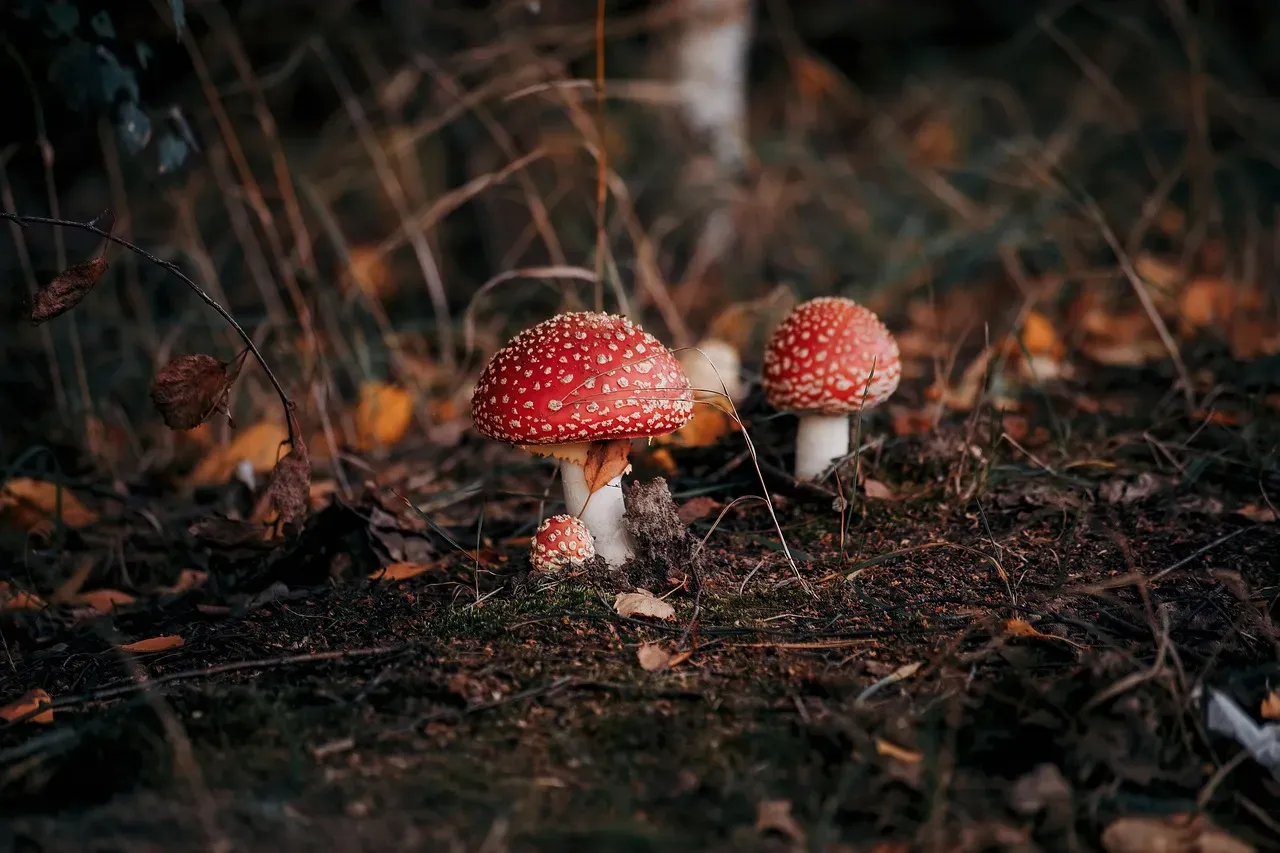
The presence of fungal networks forces us to rethink forests not as collections of individual trees, but as communities with social dynamics. Some trees may act like elders, feeding younger or shaded individuals through shared fungi, sacrificing a bit of their own surplus for the group. Others might behave more selfishly, taking more than they give, depending on the species and the context. The fungi themselves have some control too, sometimes favoring certain tree partners over others.
It’s tempting to romanticize this as pure cooperation, but in reality it’s a messy mix of mutual benefit, competition, and negotiation over energy and nutrients. Still, the end result often looks surprisingly cooperative when viewed from above. Forests become less like a random crowd and more like a web of relationships, with fungi as the brokers making many of those connections possible. That mental shift alone makes every hike feel different.
Threats to the Fungal Network – And Why It Matters
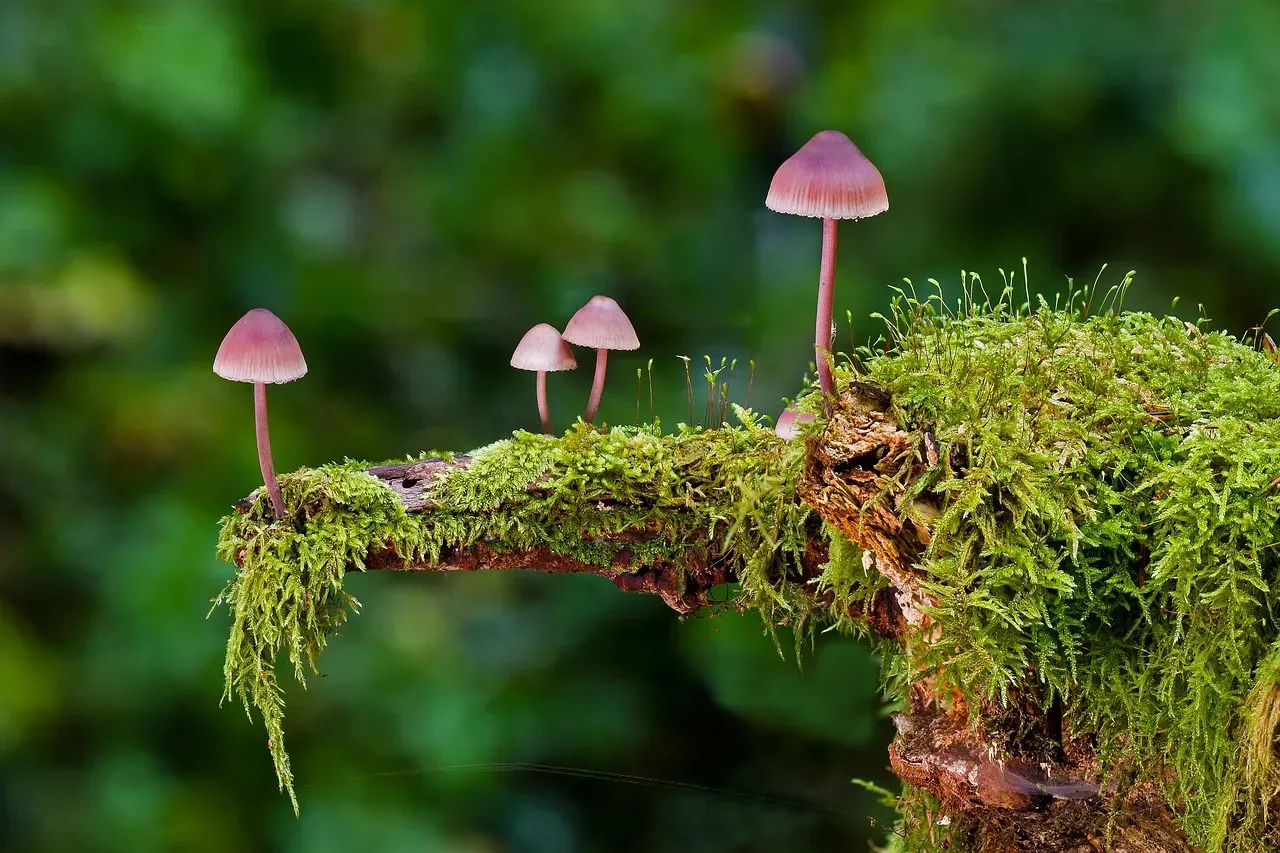
Despite their resilience, fungal networks are not indestructible, and human activity is hitting them hard. Heavy tilling in agriculture, widespread use of certain fungicides, deforestation, and soil compaction from machinery can all tear apart or poison mycelial webs. When those networks break, plants lose their fungal allies, and the whole system becomes more fragile and less efficient at cycling nutrients and storing carbon.
Climate change adds more pressure, as warming, drought, and shifting seasons disrupt long-evolved partnerships between specific plants and specific fungi. Some species might adapt or move, but others are likely to disappear from certain regions altogether, taking their unique functions with them. Protecting soils, reducing unnecessary chemical use, and keeping more patches of intact habitat aren’t just “tree-hugger” concerns; they’re concrete ways of safeguarding the invisible threads that keep ecosystems connected. Once you realize how central fungi are, damaging them feels a bit like cutting wires in a plane mid-flight.
What This Means For Us and How We Live
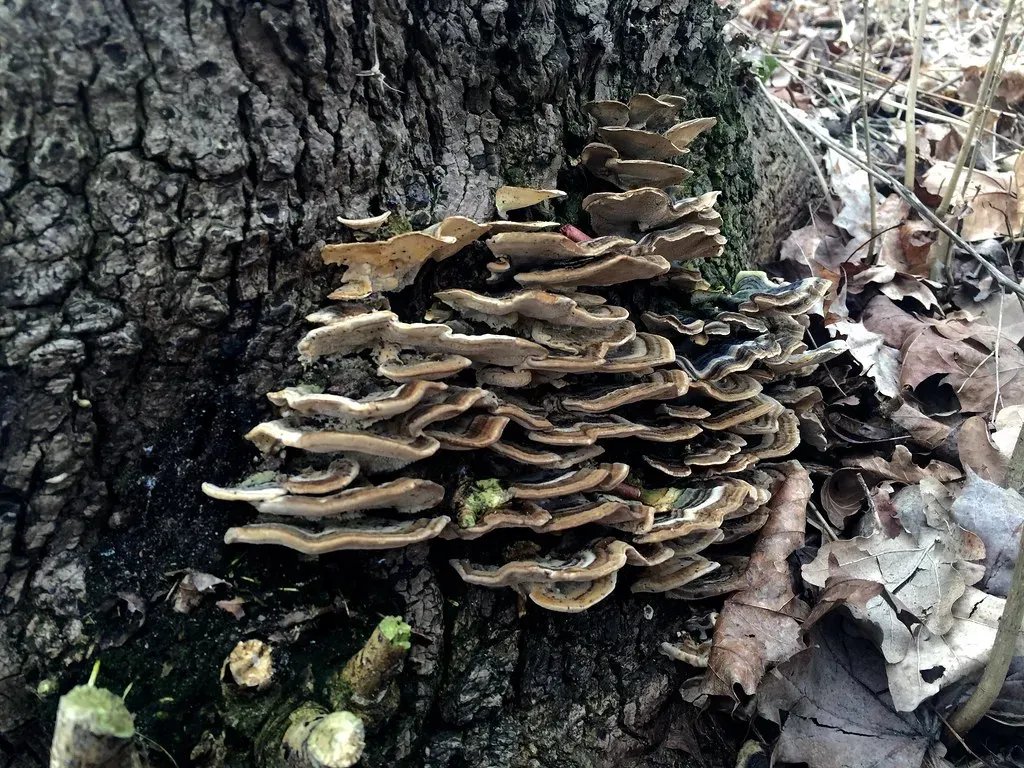
Understanding the silent language of fungi changes how we think about food, cities, and even our own health. In agriculture, farmers who work with mycorrhizal fungi instead of against them can often reduce fertilizer use and improve soil structure naturally. In urban planning, leaving pockets of undisturbed soil, planting diverse species, and avoiding constant disturbance helps fungal networks take root even in city parks and green roofs.
On a personal level, simply paying attention to mushrooms and the soils beneath our feet can shift our sense of belonging on this planet. Instead of seeing ourselves as separate from nature, we start to recognize that we live inside a gigantic mesh of interactions, many of them carried by fungi we rarely notice. The next time you spot a lone mushroom after rain, you might see it less as an odd decoration and more as a tiny antenna of a vast, ancient network, quietly holding worlds together.