
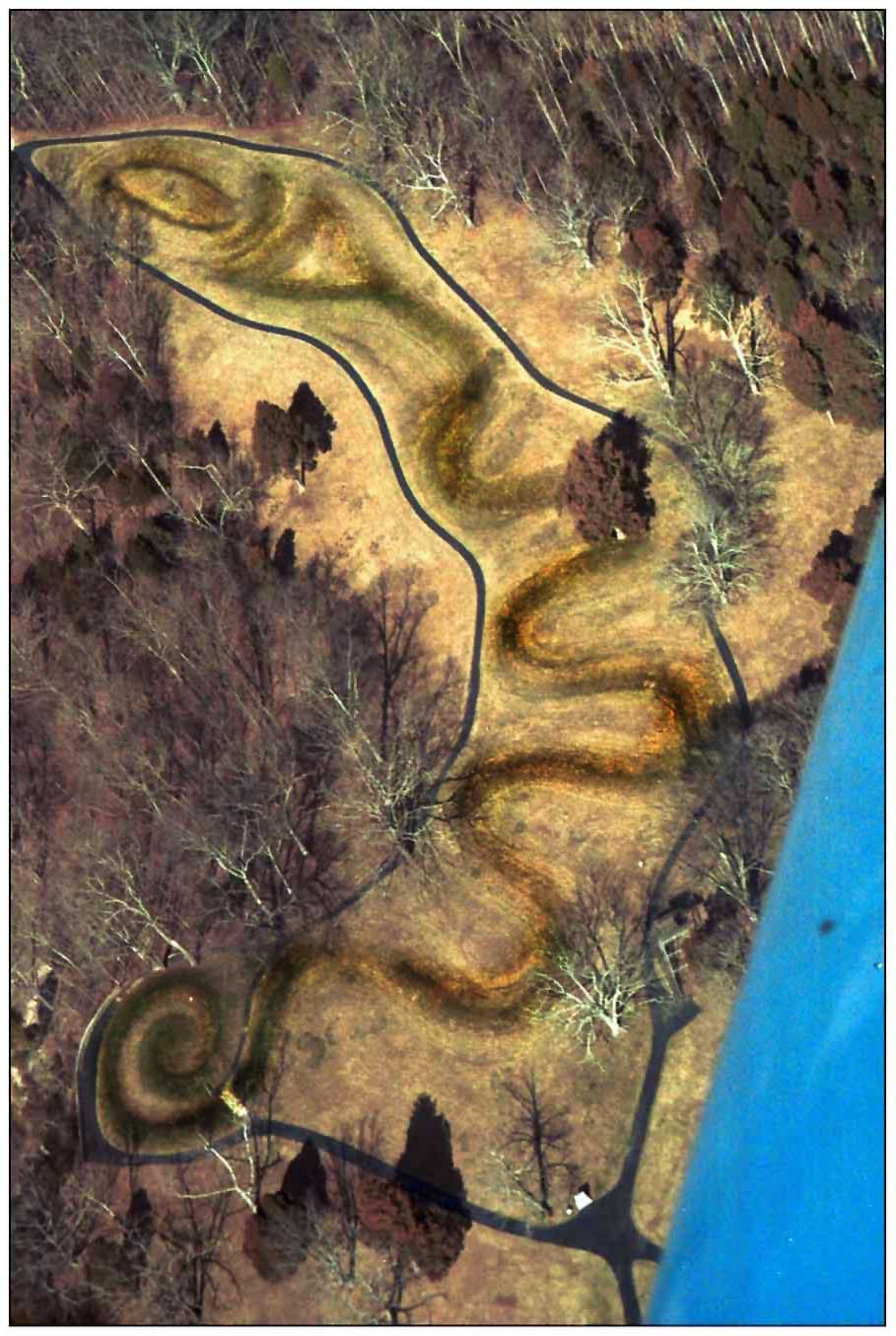
On a high ridge above a bend of Brush Creek in southern Ohio, a snake of earth uncoils across the grass, its head poised before an oval like a held breath. The Great Serpent Mound is at once austere and theatrical, a vast effigy that refuses to explain itself even as it invites careful measurement. Archaeologists, Indigenous knowledge holders, and sky-watchers have tried for generations to read its message, weighing soil, starlight, and story. The mystery holds because the clues are real and the interpretation is hard – exactly the kind of puzzle that makes science worth following. Standing at the overlook, I felt the hush that comes when old questions suddenly feel urgent again.
The Hidden Clues
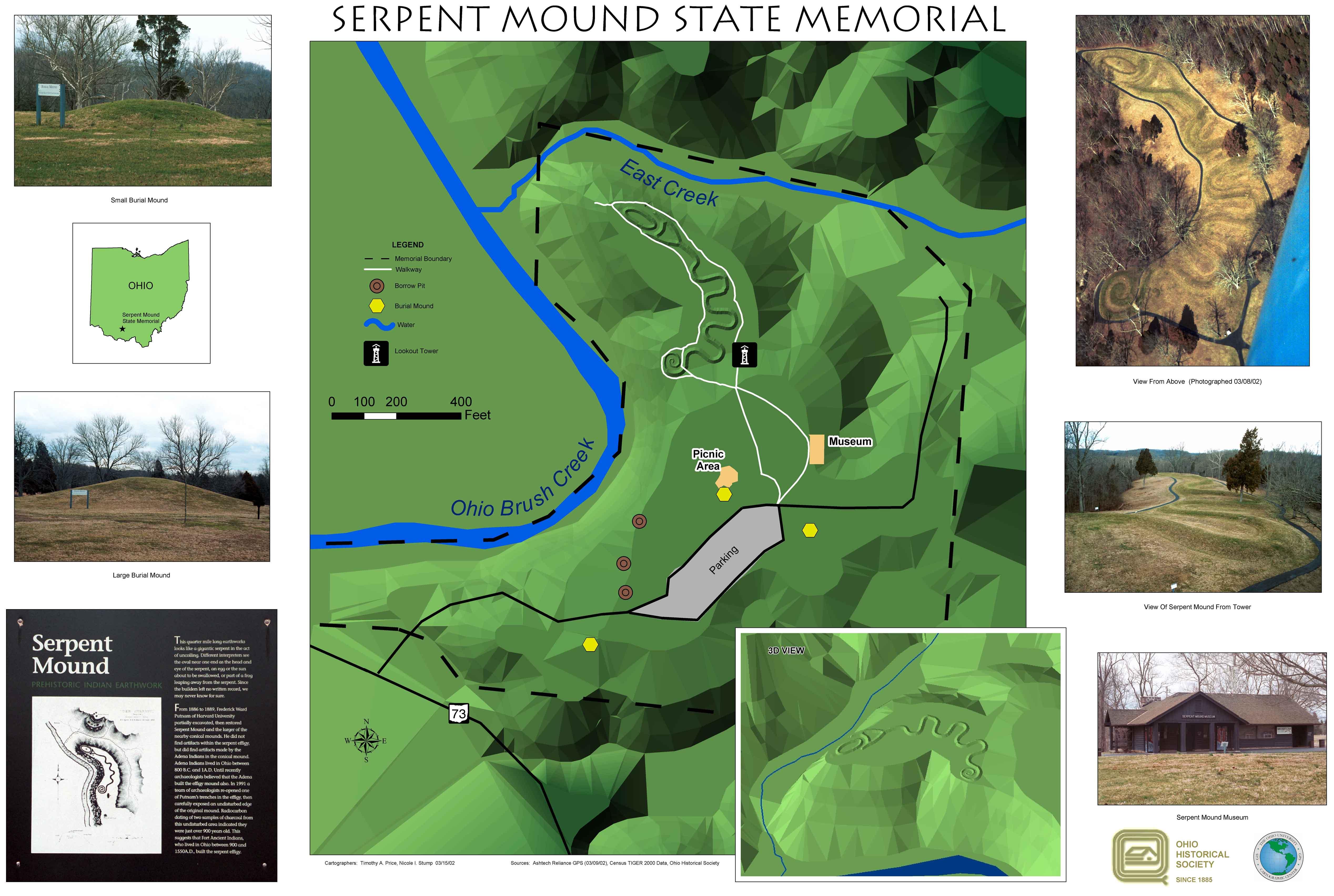
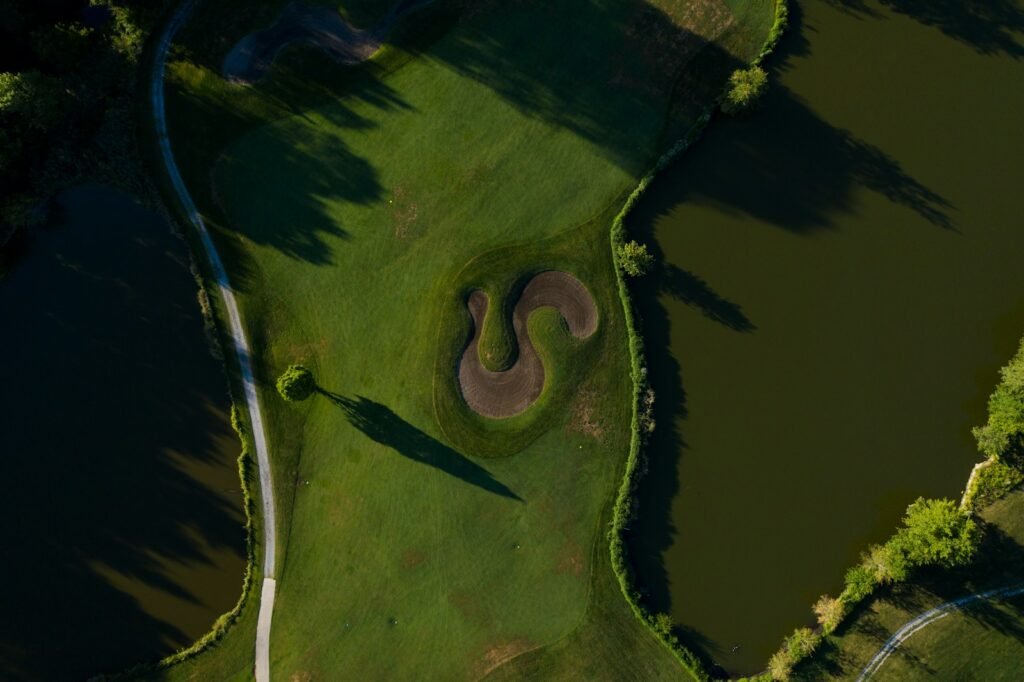
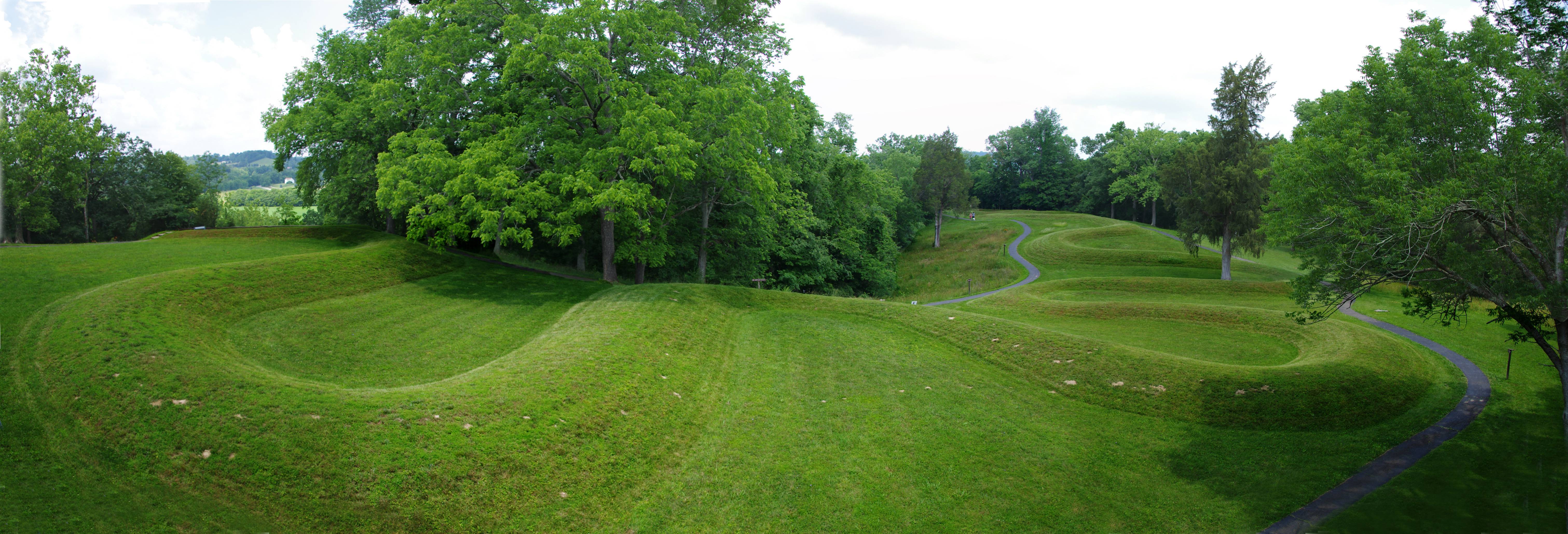
The Serpent Mound stretches roughly a quarter of a mile, a sinuous earthen wall low to the ground yet remarkably precise in form. Its height rarely exceeds a few feet, but the outline is crisp: a coiled tail, seven graceful curves, and a head aligned toward an oval feature that has sparked arguments about eggs, eclipses, and celestial symbols. Unlike many Midwestern mounds, the Serpent does not cover a tomb, making it a ceremonial sculpture rather than a burial. The builders shaped it from carefully layered soils, likely renewing its edges over generations, the way a community maintains a sacred path. The structure sits inside an ancient impact crater scar, whose fractured bedrock lifted a ridgetop stage for the drama above.
Even without inscriptions, the site speaks through its placement, proportions, and clean geometry. The coils mark a rhythm a walker can feel, the way a song maps time without words. Subtle berms, nearby conical mounds, and a steep drop to the creek create a natural amphitheater. The setting is not accidental; landscape and design work together like choreography and music.
From Ancient Tools to Modern Science
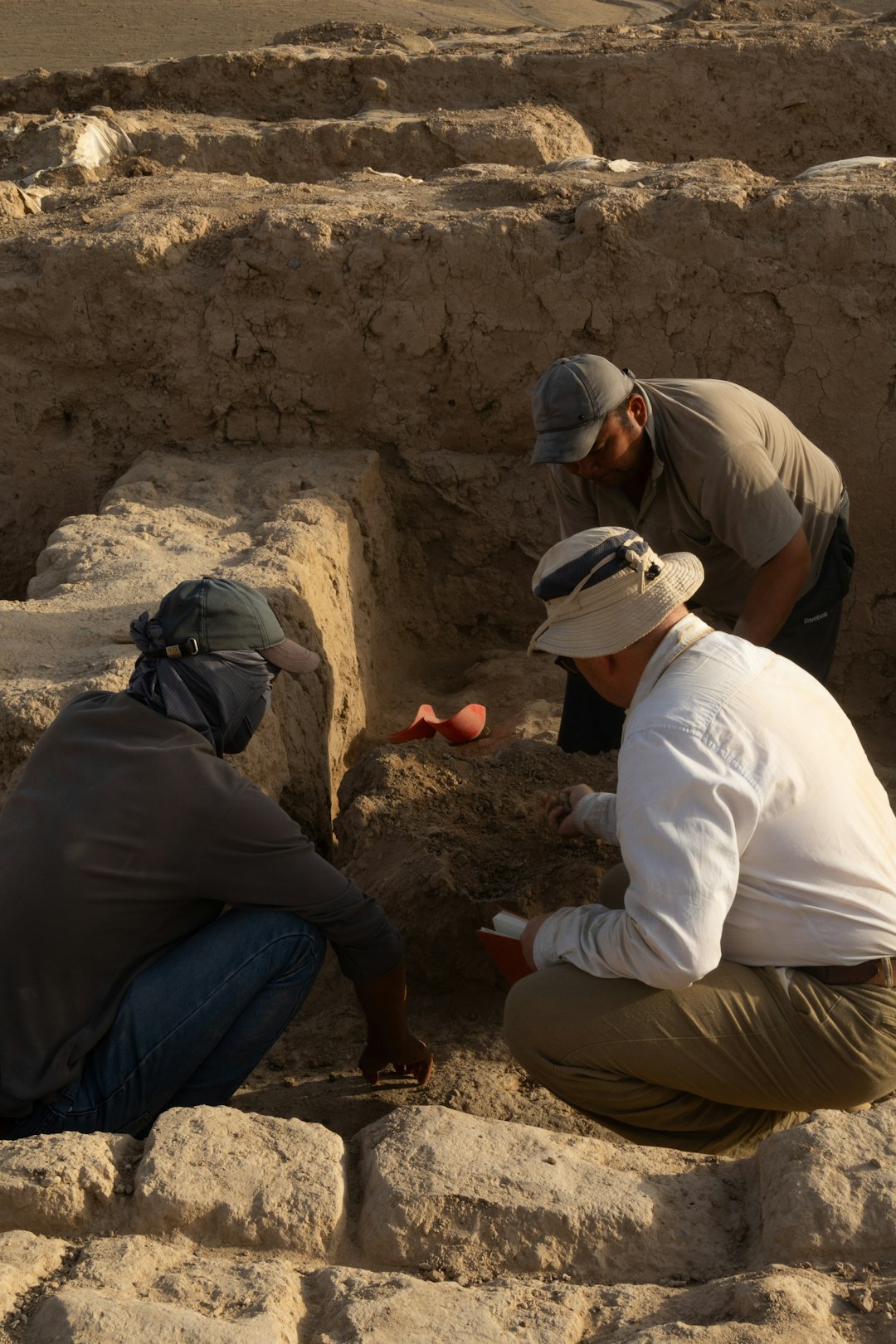
Archaeologists once mapped the Serpent with tape and plane table; now they bring a toolkit that reads beneath the grass. LiDAR reveals microtopography missed by the naked eye, while ground‑penetrating radar and magnetometry sketch the hidden layers without a shovel. Soil scientists trace the mound’s construction in thin slices, reading bands of clay, silt, and charcoal to reconstruct sequences of building and repair. Drone photogrammetry stitches thousands of images into centimeter‑scale models, letting researchers test lines of sight and seasonal shadows across a full year. Bayesian modeling of radiocarbon dates tightens timelines, turning scattered bits of charcoal into a coherent clock.
Those methods give the site a second life as data without stripping away its aura. They also refine practical choices, such as where to place paths to minimize erosion and how to guide visitors to viewpoints that tell the clearest story. In this way, old earthwork and new technology work as partners, each making the other more legible.
- Digital elevation models highlight subtle repairs and edge straightening done across centuries.
- Magnetic anomalies help distinguish construction fills from natural soils along the ridge.
- Seasonal shadow simulations test proposed solar and lunar alignments across multiple years.
Contested Timelines
Who built the Serpent Mound, and when, remains one of the liveliest debates in North American archaeology. Early scholars linked it to the Adena culture of the first millennium BCE because of nearby conical mounds, while later radiocarbon samples suggested a construction or major refurbishment around the eleventh century CE, within the Fort Ancient cultural sphere. A reasonable synthesis is emerging: the ridge was a sacred landscape across many centuries, and the serpent we see today could encode both earlier memories and later refinements. That does not lessen the puzzle – it deepens it, because layered histories are harder to read than single moments. In archaeology, mixed signals are normal; the task is to sort them without forcing a tidy answer.
I’m partial to that layered view because landscapes rarely forget completely. A revered hilltop can host new ceremonies without erasing what came before, the way a palimpsest keeps faint traces of older ink. The Serpent Mound feels like that kind of text: recast, renewed, and still legible as a single image from above.
Reading the Sky: Alignments and Intent
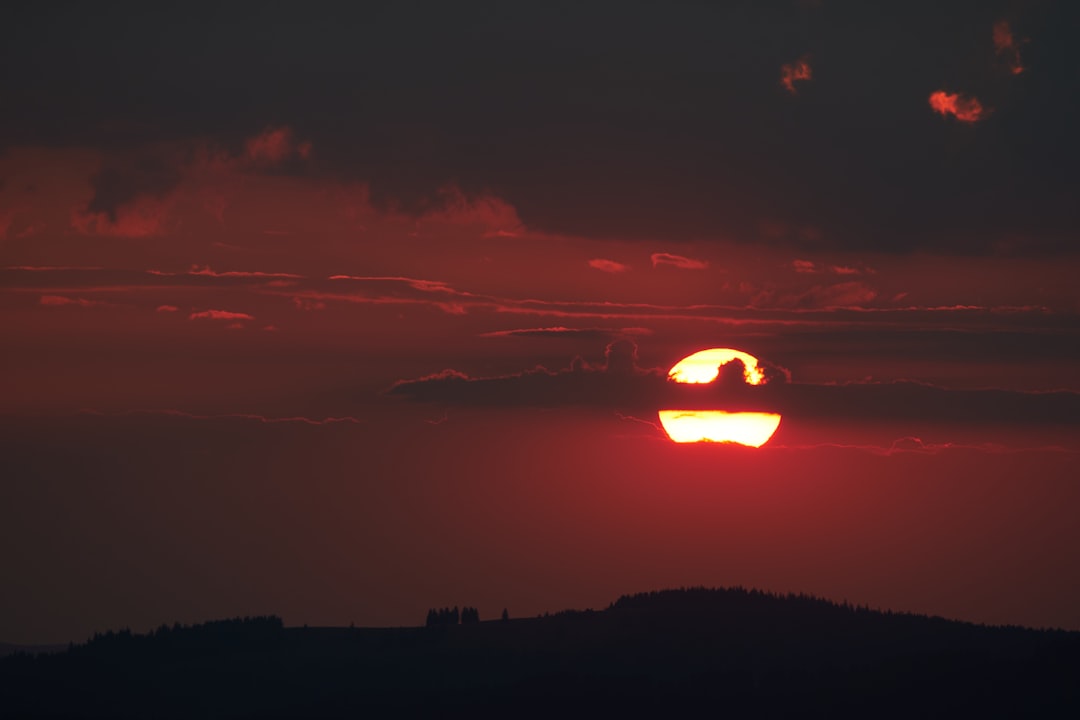
Look along the serpent’s head on a clear summer evening and you’ll see why sky lore follows this earthwork. Researchers have proposed that the head frames the summer solstice sunset, while other coils may point toward key positions of the moon during its long, slow cycle. Such alignments would not be unique – monuments across the world braid ceremony and sky – but the Serpent does it with uncommon subtlety. The horizon here is not flat, and ancient observers likely used notches and tree lines as marks that shift with season and time. That means the monument operates as a performance: when light and land align, the image changes, and the place teaches by showing rather than telling.
Not every proposed line holds up, and that healthy skepticism matters. Testing alignments over many years, with careful controls and robust data, avoids seeing patterns that aren’t there. Still, it’s hard to stand here and not feel astronomy in the bones of the design. Even if the serpent’s primary message was ceremonial or social, the sky seems woven into its grammar.
Why It Matters
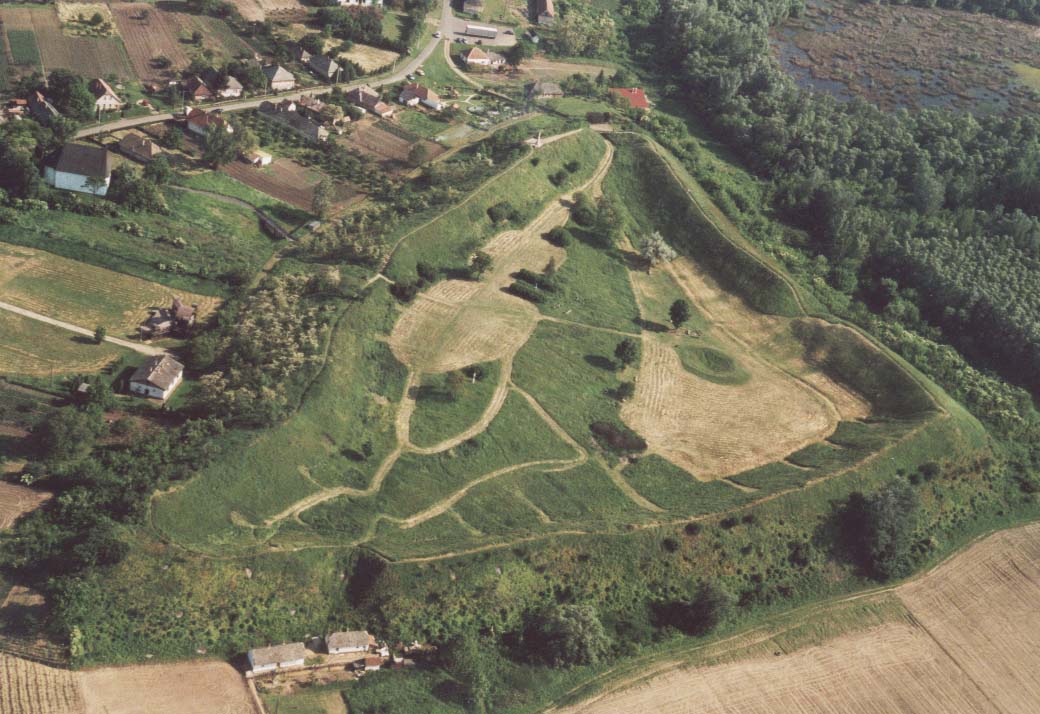
The Serpent Mound reframes how we talk about architecture, science, and Indigenous knowledge in the Americas. It is monumental art without stone, engineering without mortar, astronomy without metal instruments, and philosophy without a written script. Compare it to Machu Picchu’s terraces or Cahokia’s Monks Mound and you see different materials solving similar problems – how to shape place into meaning, how to gather people, how to time ceremony. In a nation that often celebrates skyscrapers, this low silhouette argues for a quieter form of genius, one that uses horizon lines, soils, and ceremony as building blocks. The site also models collaborative research, where tribal perspectives, field methods, and climate science all inform stewardship.
There’s a practical angle too: earthen monuments are vulnerable to heavy rains, foot traffic, and invasive roots. Modern conservation borrows from hydrology and landscape architecture to keep slopes stable and surfaces intact. When we protect the Serpent, we’re protecting a record of scientific thinking expressed in earth, and affirming that deep time belongs in present‑day civic life.
The Future Landscape
Next‑generation tools promise to sharpen the picture without disturbing a gram of soil. Drone‑mounted thermal cameras can detect subsurface moisture patterns that flag weak spots before they fail, and machine‑learning models can spot subtle deformations in repeat surveys. Optically stimulated luminescence dating may refine the age of specific sandy layers, complementing charcoal‑based radiocarbon chronologies. Meanwhile, immersive digital twins will let students and elders walk the site remotely, preserving both access and the fragile ground. Climate‑resilience planning – better drainage, native groundcovers, and carefully routed paths – will be as essential as any new instrument.
The big challenge is governance: aligning research curiosity with tribal sovereignty, visitor access with preservation, and publicity with patience. Funding tends to chase novelty, but earthen monuments need long, steady care. If we get the balance right, the serpent can keep teaching while holding its shape through wetter winters and hotter summers. That is the kind of future‑oriented science that feels both humble and ambitious.
Conclusion
Start local: if you visit, stay on designated paths, use overlooks rather than off‑trail shortcuts, and give the earthwork the same respect you’d give a museum artifact. Support organizations that fund noninvasive research, tribal consultation, and climate‑resilient maintenance; small recurring gifts often matter more than one‑time splashes. Encourage schools to pair field trips with lessons on Indigenous engineering and sky knowledge so the next generation reads the landscape as text, not just scenery. Follow ongoing research from site stewards and museums, and amplify updates that explain methods as well as findings. Most of all, let the place change your sense of scale and time – there’s value in slowing down to understand a low monument that quietly outlasts empires.
When a serpent of earth can still provoke fresh questions after a thousand years, it’s telling us curiosity has roots deeper than any headline. What will you look for the next time you scan a horizon?
Suhail Ahmed is a passionate digital professional and nature enthusiast with over 8 years of experience in content strategy, SEO, web development, and digital operations. Alongside his freelance journey, Suhail actively contributes to nature and wildlife platforms like Discover Wildlife, where he channels his curiosity for the planet into engaging, educational storytelling.
With a strong background in managing digital ecosystems — from ecommerce stores and WordPress websites to social media and automation — Suhail merges technical precision with creative insight. His content reflects a rare balance: SEO-friendly yet deeply human, data-informed yet emotionally resonant.
Driven by a love for discovery and storytelling, Suhail believes in using digital platforms to amplify causes that matter — especially those protecting Earth’s biodiversity and inspiring sustainable living. Whether he’s managing online projects or crafting wildlife content, his goal remains the same: to inform, inspire, and leave a positive digital footprint.