
There’s a corner of Florida where the land and water blur together, where ancient cypress trees stand guard over secrets spanning centuries. It’s here that an extraordinary story of defiance unfolded, one that would challenge the might of the United States military and forever change the course of American history. The swamps that most considered uninhabitable became a fortress, and a people who refused to surrender became legends.
What makes a group of people retreat into one of the most hostile environments on Earth rather than give up their freedom? The answer lies deep within the Everglades, where survival required more than just courage. It demanded ingenuity, intimate knowledge of the land, and an unbreakable spirit that continues to inspire today.
The Unconquered People Who Never Surrendered
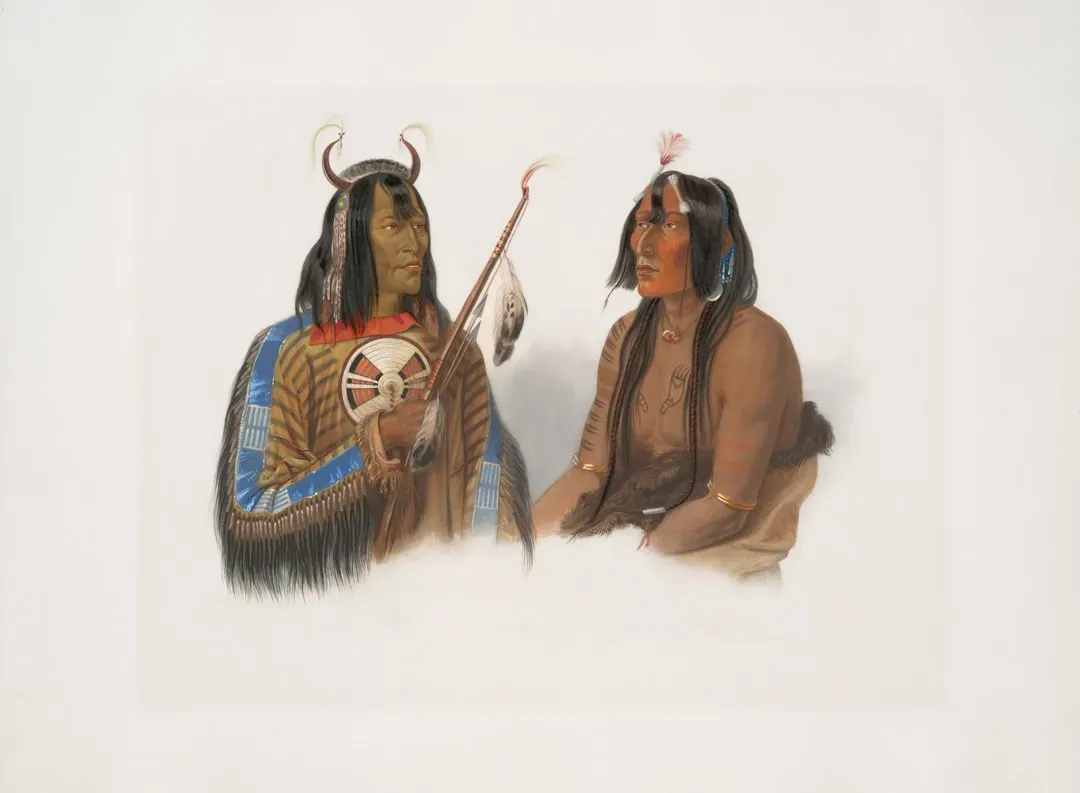
The Seminole Tribe of Florida consider themselves to be “Unconquered” because of their ability to withstand the U.S. military and maintain their homelands in the heart of South Florida. Here’s the thing: they’re not just using a catchy slogan. This distinction carries profound weight in American history.
They were finally left alone and they never surrendered. Think about what that means for a moment. Their legacy includes innovative housing solutions, inclusive communities, three wars, and being the only tribe who never signed a final peace treaty. No other Native American tribe can make this claim, which is why understanding their story matters so much.
Origins and the Formation of the Seminole Nation
Seminoles largely trace their ancestry to the ancient Indigenous people of Florida (Calusa, Tequesta, Ais, Apalachee, and others) and to the Muscogee Creek and other Native American migrants from Georgia and Alabama who came into Florida in the late 1700s and early 1800s. This blending of cultures created something entirely new, a fusion born from necessity and shared purpose.
Thousands of Creek newcomers (often called Red Stick Creeks) joined the indigenous communities in Florida after the Muscogee Creeks fought a civil war during the War of 1812, and many of these Red Sticks became members of the Cow Creek community. The name “Seminole” itself carries weight. The 1770s is when Florida Indians collectively became known as Seminole, a name meaning “wild people” or “runaway.” Let’s be real, though – they weren’t wild. They were free, and there’s a world of difference between those two words.
Three Wars Spanning Nearly Five Decades
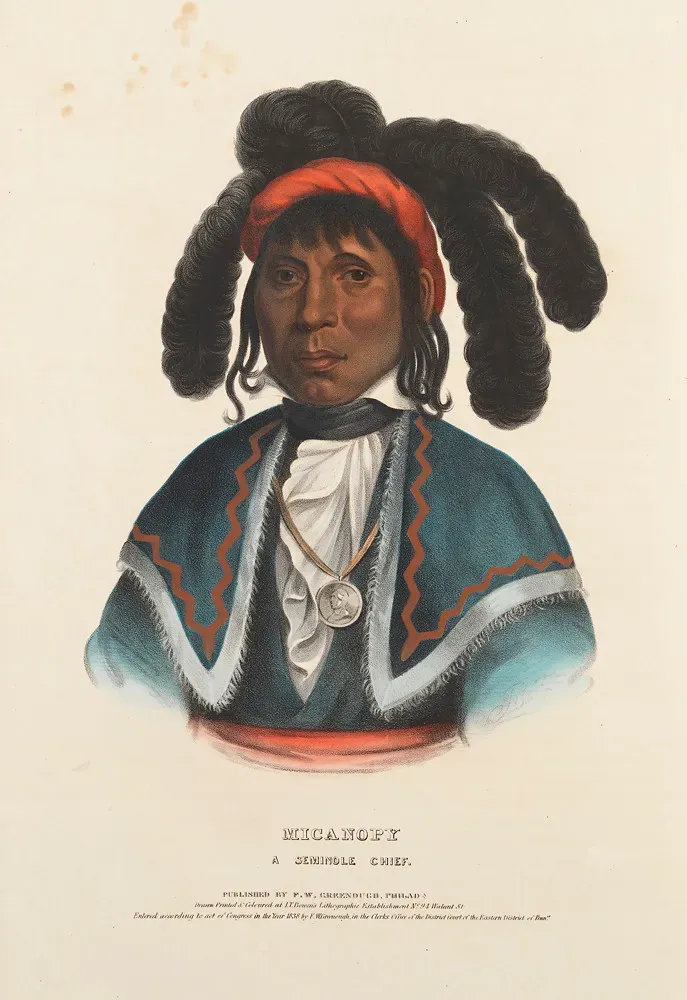
The First Seminole War lasted from 1816-1818; the Second Seminole War lasted from 1835-1842; the Third Seminole War lasted from 1855-1858. Yet many Seminoles view this differently. Even though American history identifies three wars many Seminole identify only one long war, beginning in 1812 with the influx of southern militias with tactic support from Washington to 1858 when the fighting actually ended, and through these 46 years there was still aggression and violence created by militia, slave catchers and even lawmen.
It is estimated the U.S. government spent $40 million dollars on its removal attempts of the Seminoles in Florida, and they succeeded in removing between 3,000 to 4,000 Seminoles to Oklahoma. That was an astronomical sum in the nineteenth century. Initially, less than 2,000 Seminole warriors employed hit-and-run guerilla warfare tactics and knowledge of the land to evade and frustrate a combined U.S. Army and Marine force that grew to over 30,000. The odds were staggering, but numbers don’t always tell the whole story.
Guerrilla Warfare Mastery in an Impossible Terrain
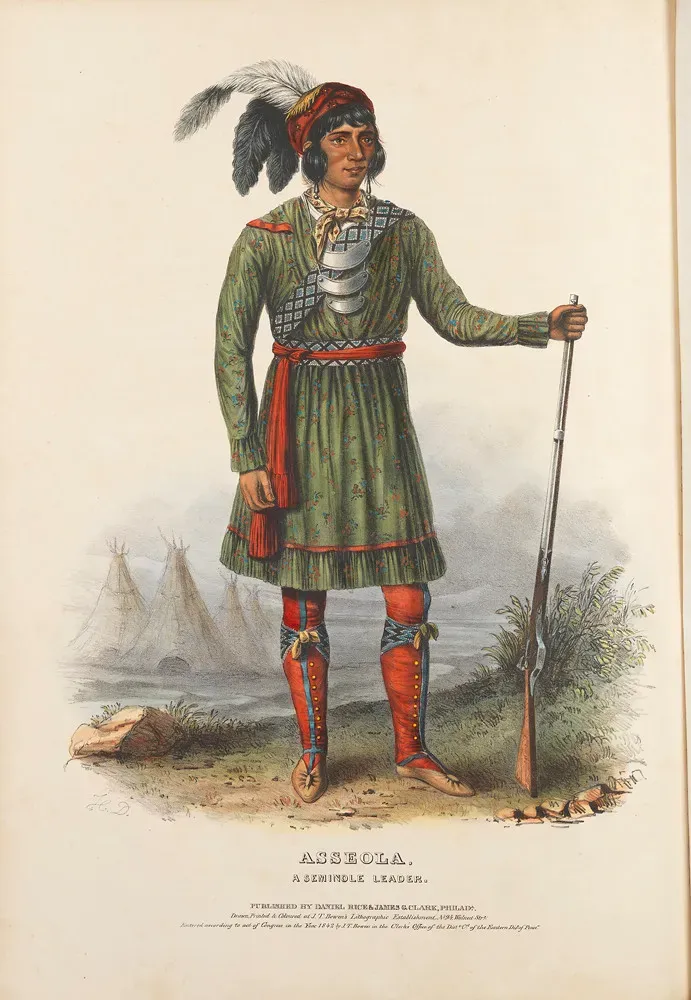
The Seminole allies employed guerrilla tactics with devastating effect against U.S. forces, as they knew how to move within the Everglades and use this area for their protection. They turned the landscape itself into their greatest weapon. They adapted to survive in areas that Americans regarded, for many years to come, as difficult, if not impossible, for humans to live in.
The wars were ended by war-weary commanders who could no longer reach the Seminoles and by a U.S. government that could no longer afford the war, as the Seminoles survived through a superior understanding of their land, guerilla war tactics, and a deep, abiding understanding of what happen to them if they did give up. I think this is what sets them apart. They understood the stakes completely. There was no illusion about what surrender would mean, and that knowledge fueled their resistance in ways that pure military might never could.
Life and Survival Deep in the Everglades
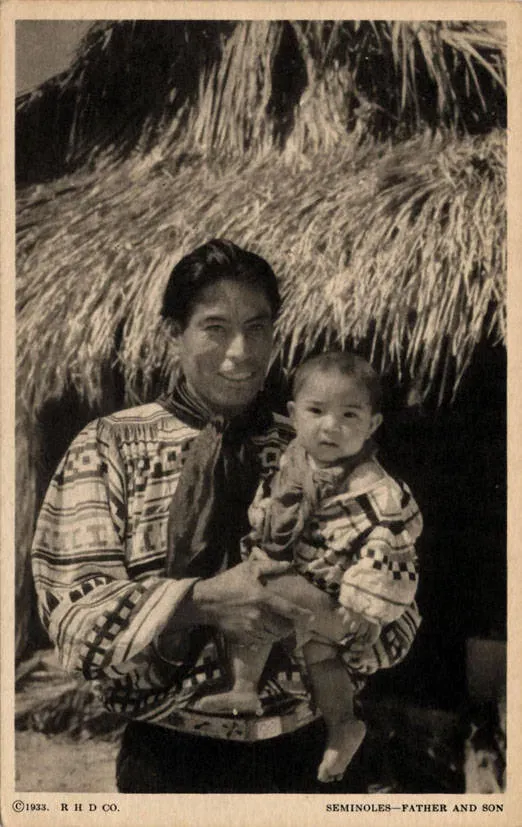
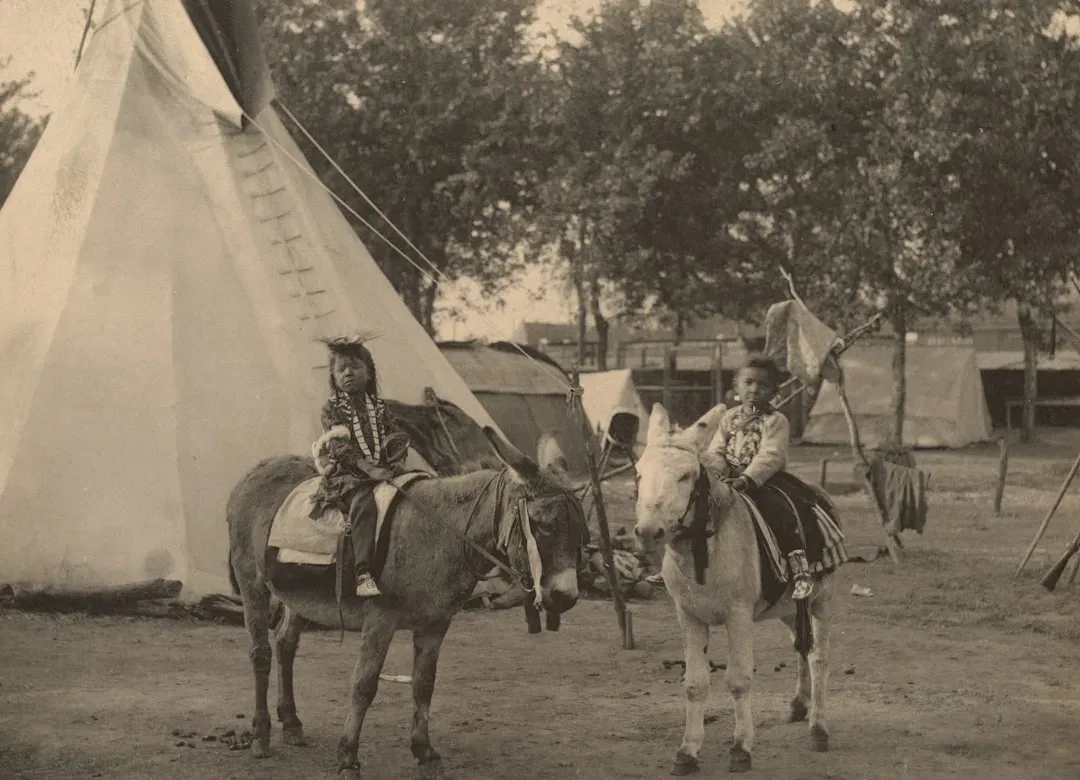
By May 8, 1858, when the United States declared an end to conflicts in the third war with the Seminoles, more than 3,000 of them had been moved west of the Mississippi River, leaving roughly 200 to 300 Seminoles remaining in Florida, hidden in the swamps. These survivors faced unimaginable challenges. They lived in open-sided structures called chickees, which were adapted to the swampy environment, and survived by hunting, gathering wild foods, and growing crops like corn, pumpkins, and potatoes.
Honestly, it’s hard to say for sure how they managed year after year in such isolation. They largely traded animal pelts and hides, bird feathers (especially egret), various fruits and nuts for sewing machines, knives, kettles, guns and ammunition, and various other items that could only be purchased from markets along the coast. The Seminoles maintained a thriving trade business with white merchants during this period, selling alligator hides, bird plumes, and other items sourced from the Everglades. The resourcefulness required to not just survive but actually thrive in these conditions speaks volumes about their determination and knowledge.
Modern Sovereignty and Economic Independence
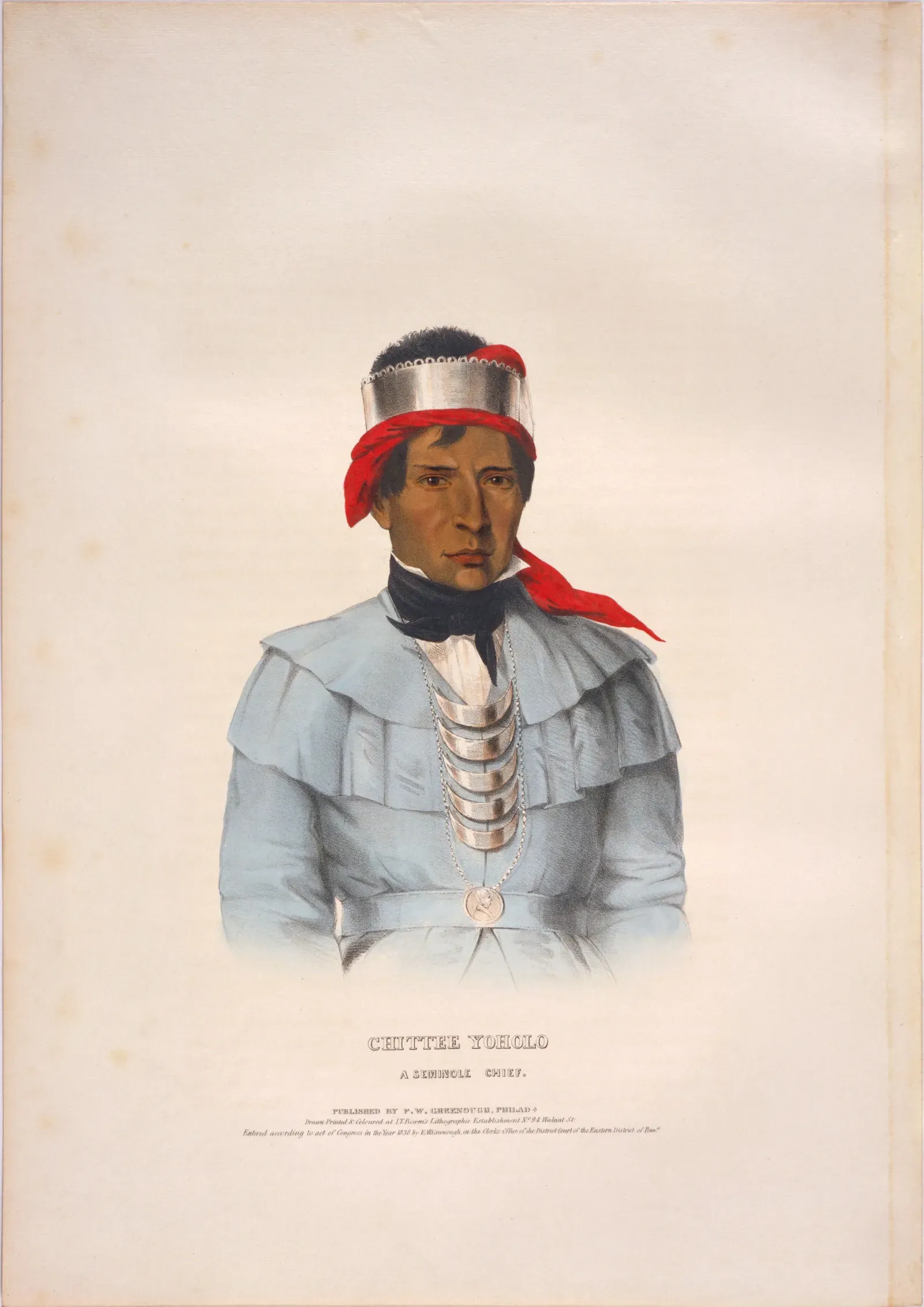
In 1957, the Seminoles wrote and ratified a constitution which formally created The Seminole Tribe of Florida, governed by a Chairman or Chairwoman, a President who oversees the Board of Directors, and a Tribal Council. This political transformation marked a new chapter. In 1975, the Tribe established tax-free smoke shops and a high-stakes bingo operation that became one of the first tribal gaming endeavors in the United States.
After many years of economic struggles, the Seminoles achieved their goal to be self-sufficient and not reliant on the federal government for money, as their sovereignty allows business ventures like casinos, and the Seminole Tribe of Florida is one of the most successful Native American tribes in the country. They’ve proven that cultural preservation and economic success aren’t mutually exclusive. Still, balancing modern prosperity with traditional values remains an ongoing conversation within the community.
Cultural Preservation and Connection to the Land
Traditional Seminole cultural, religious, and recreational activities, as well as commercial endeavors, are dependent on a healthy Everglades ecosystem, and the Tribe’s identity is so closely linked to the land that Tribal members believe that if the land dies, so will the Tribe. This isn’t poetic exaggeration – it’s fundamental truth for the Seminole people. Their connection to the Everglades runs deeper than most outsiders can comprehend.
The Seminole people of Florida have struggled, successfully, for almost half of this millennium, to preserve their culture, raising questions about what purpose would be served by opening their ranks now to people who know nothing of their history, their society, their languages, their world view. Today, the three federally recognized Seminole entities include the Seminole Nation of Oklahoma with more than 17,000 members, and the Seminole Tribe of Florida and the Miccosukee Tribe of Indians in Florida. Each maintains its own identity while honoring shared heritage and the ancestors who refused to be broken.
Conclusion: An Enduring Legacy of Resistance
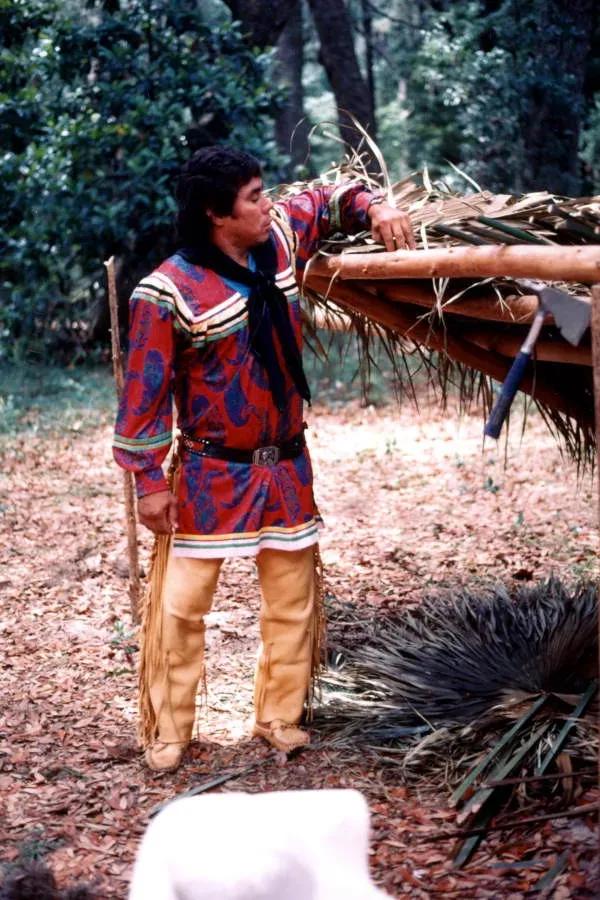
The story of stands as a testament to what human determination can achieve against impossible odds. They transformed a swamp that others feared into a sanctuary that protected their freedom. They faced armies exponentially larger than their own warrior bands and refused to yield. They lost thousands of their people yet preserved their culture, their sovereignty, and their identity.
Today, the descendants of those few hundred who retreated into the Everglades have built thriving communities, successful businesses, and a vibrant culture that honors the past while embracing the future. They’ve shown that resistance isn’t just about fighting – it’s about adapting, surviving, and ultimately prospering on your own terms. The Everglades still hold their secrets, and the Seminole people continue to call themselves Unconquered, a title earned through sacrifice, courage, and an unbreakable connection to the land they’ve always called home.
When you think about the word “unconquered,” what comes to mind? Has learning about the Seminole’s incredible journey changed your perspective on what true resilience means?