
Some animals simply refuse to age the way we do. While humans worry about wrinkles, memory lapses, and step counters, there are jellyfish that can reset their biological clocks, whales that outlive entire civilizations, and naked mole-rats that seem to have forgotten how to get cancer. It’s a little humbling, honestly.
What if the roadmap to a longer, healthier life has been quietly swimming in the deep ocean, burrowing underground, or clinging to rocky shores this whole time? Scientists are now studying nature’s longest-lived and toughest creatures not out of pure curiosity, but because their biology might hold clues that could extend our own years of healthy living. The fascinating part is how simple some of those lessons sound – until you realize just how hard they are to copy.
The Ageless Jellyfish: Reversing the Clock Instead of Fighting It
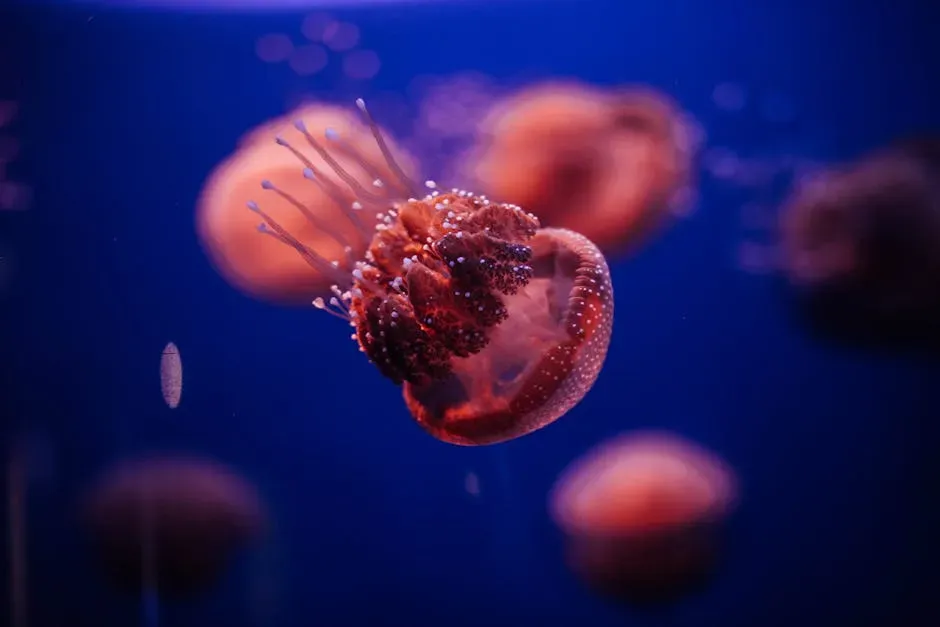
Imagine reaching old age, getting stressed, and instead of declining… you just turn back into your younger self. That’s effectively what Turritopsis dohrnii, often called the “immortal jellyfish,” can do. When injured or stressed, it can revert its mature cells back into an earlier developmental stage and start its life cycle over again, a biological redo button that sounds almost like science fiction.
Researchers are fascinated by how this jellyfish rewinds its cells without turning into a cancerous mess. It suggests that aging is not always a one-way street in nature, and that cells can be far more flexible than we once believed. While we’re nowhere close to humans “de-aging” like jellyfish, the underlying principle is powerful: if we understand how some organisms safely reset cells, we might learn how to repair damage, rejuvenate tissues, and slow down the march of time in a more controlled way.
Greenland Sharks and Bowhead Whales: Slow Living, Long Lives
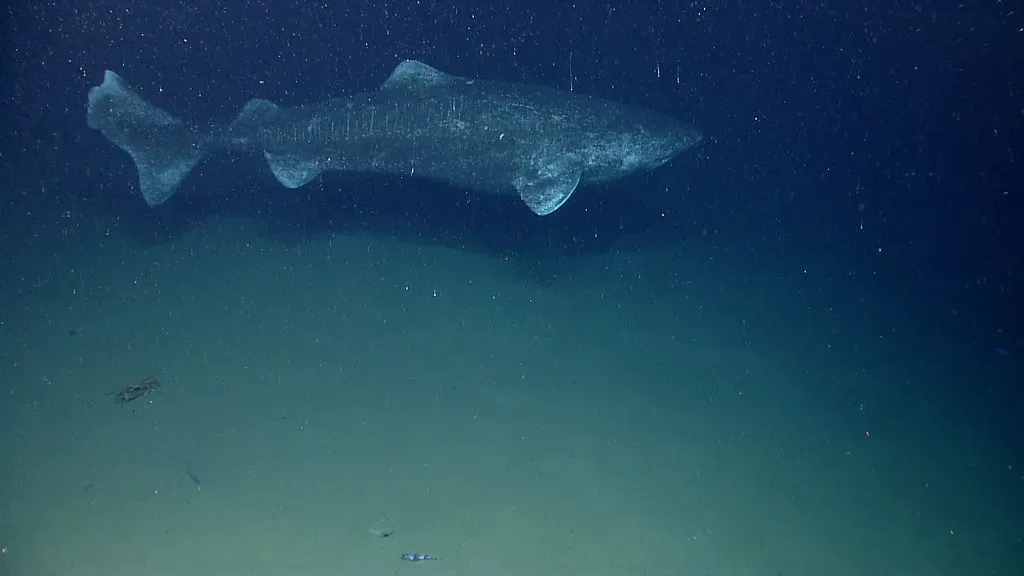
Greenland sharks are thought to live for centuries, with some estimates suggesting lifespans that rival entire human histories. Bowhead whales, gliding through icy Arctic waters, can live more than two human lifetimes, quietly accumulating years without obvious signs of rapid decline. These animals do almost everything slowly – slow growth, slow metabolism, slow movement – and somehow they stretch time in a way that feels almost unfair.
Scientists studying these giants have found genetic tweaks linked to DNA repair, protection against cancer, and resistance to age-related diseases. It’s not just that they live long; they stay surprisingly healthy for most of that time. There’s a clear echo here for us: in a world obsessed with speed, the biology of these animals whispers the opposite message. Long life may favor the slow burn – steady energy use, gentle rhythms, and a body that isn’t always pushed to the limit.
Naked Mole-Rats: Almost No Cancer and Pain That Barely Registers
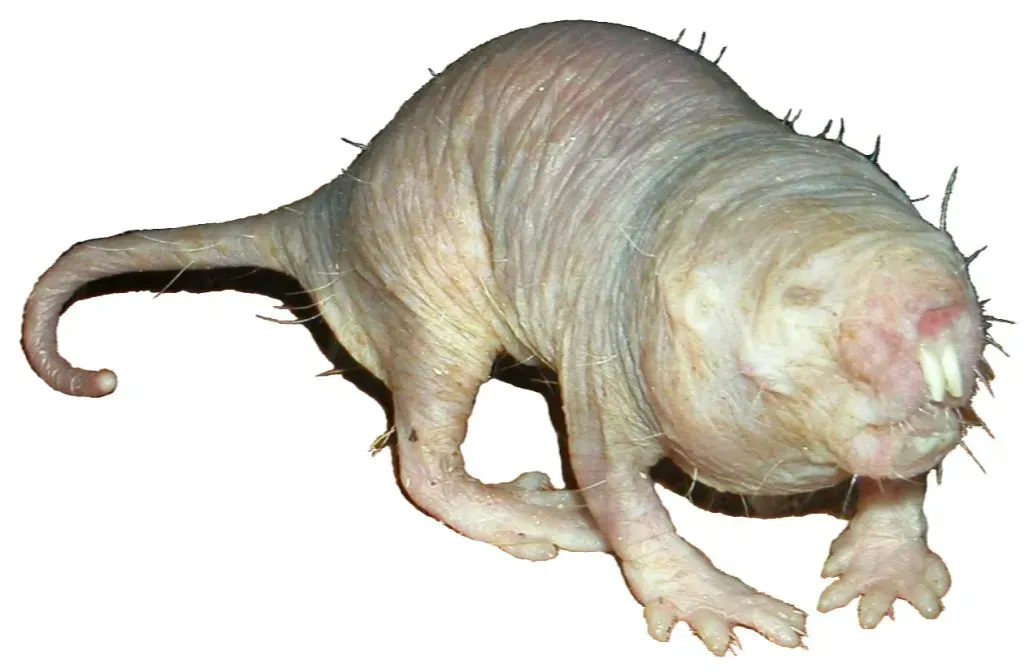
Naked mole-rats look like wrinkled peanuts with teeth, but biologically they’re superstars. They live roughly five times longer than similar-sized rodents and rarely get cancer. Their cells are unusually good at stopping tumors before they even start, thanks in part to special molecules that keep their tissues extra structured and resistant to chaotic cell growth.
They’re also strangely tolerant of low oxygen and even some forms of pain, having evolved to thrive underground in tough conditions. Instead of breaking down under stress, their bodies seem optimized to endure it. For humans, they offer a powerful model: longevity might not only be about protecting ourselves from aging, but about becoming better at living in less-than-perfect environments – polluted cities, stressful jobs, poor sleep – and reducing the chronic damage that slowly chips away at our health.
Tardigrades: Surviving Space, Radiation, and Almost Everything Else
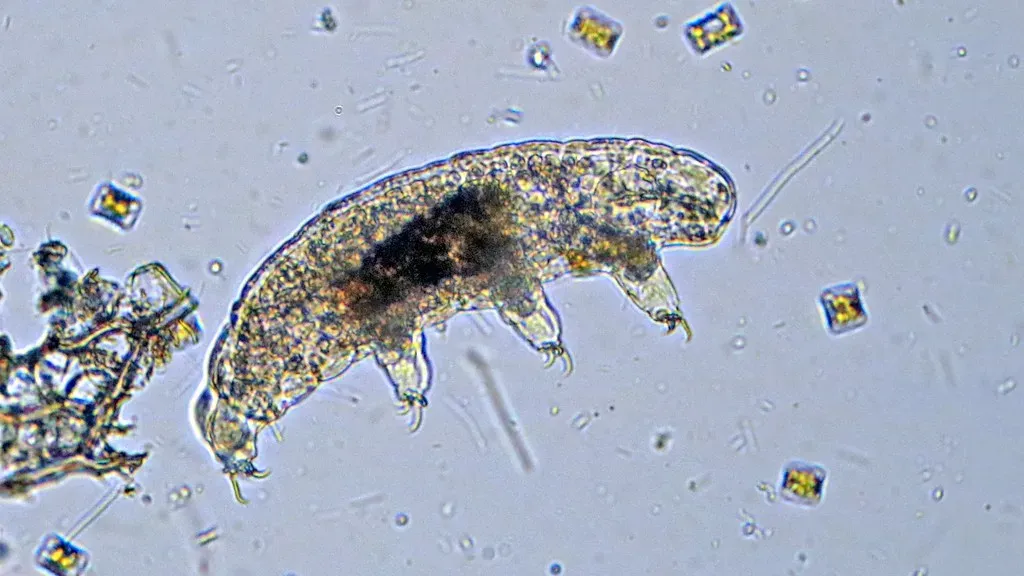
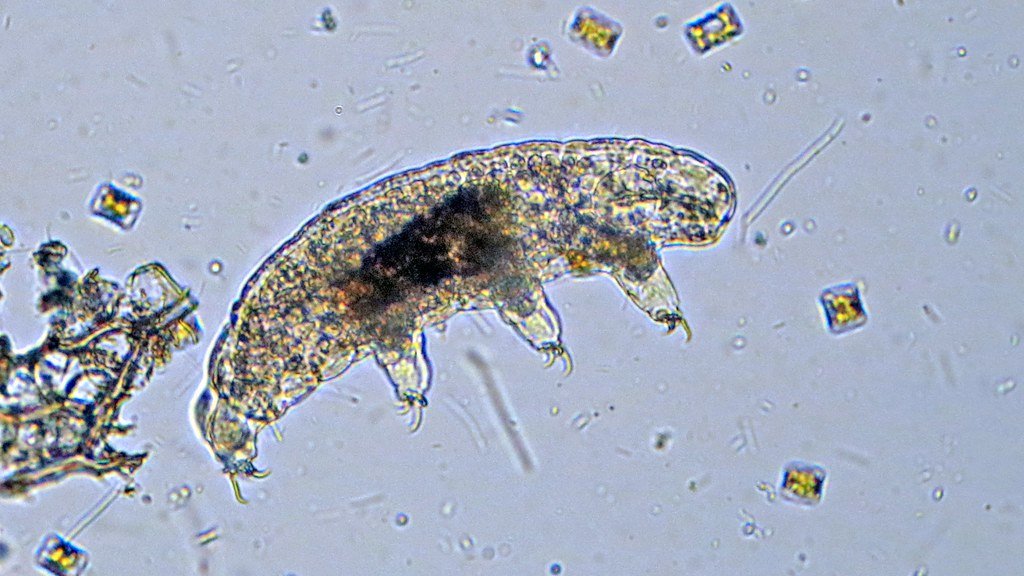
Tardigrades, also called water bears, are tiny creatures that can survive extremes that would instantly kill most life forms: intense radiation, freezing, boiling, vacuum-like conditions, even outer space. When things get bad, they dry themselves out into a near-suspended state, then revive when conditions improve. It’s like they can hit pause on life and pick up later with barely a scratch.
Their secret lies partly in unique proteins and DNA-protective mechanisms that shield their cells from damage. While we can’t copy their extreme strategies directly, the message is clear: organisms that can protect their DNA and cellular machinery from constant insults tend to last longer and bounce back better. For us, that translates into a very un-glamorous but powerful idea – limit long-term damage from things like chronic inflammation, pollution, and poor lifestyle habits, and you give your cells a fighting chance.
Long-Lived Trees and Turtles: Stability Over Speed
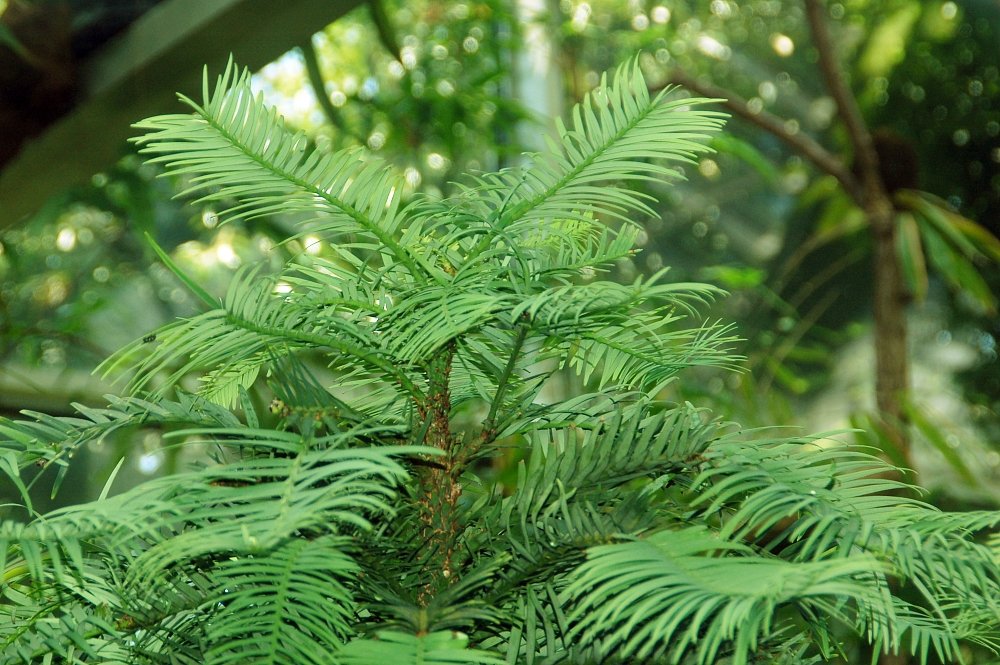
Outside the animal kingdom, some trees can live thousands of years, quietly standing through wars, climate shifts, and entire human civilizations rising and falling. Many old-growth trees maintain a delicate balance: they repair damage slowly but consistently, cycle nutrients efficiently, and avoid wild swings in growth that might overstress their systems. They are like the wise elders of ecosystems, anchored and patient.
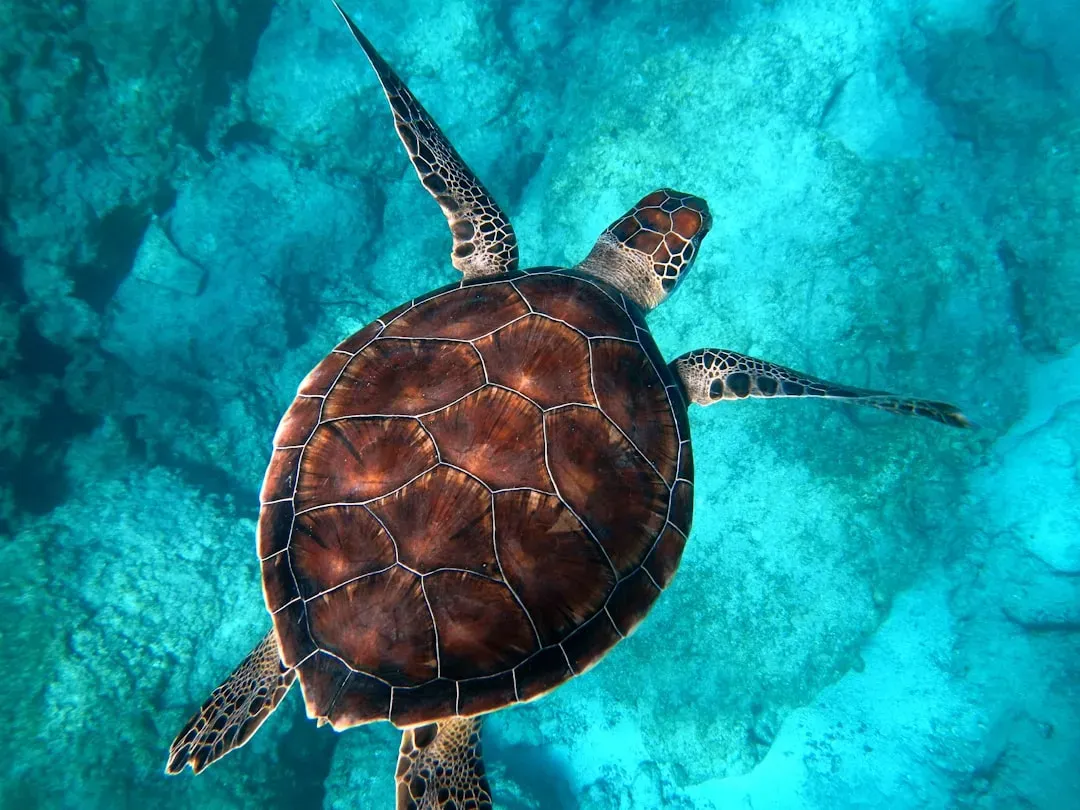
Turtles, too, are classic symbols of longevity, and not just in stories. Many species live for many decades, keeping steady metabolisms and slower life histories. Together, trees and turtles highlight a common pattern: long-lived species usually favor stability over dramatic bursts of activity. Applied to human life, it’s a quiet reminder that the frantic, always-on pace we treat as normal might be biologically out of sync with the way long-lived organisms tend to operate.
What These Creatures Tell Us About Human Longevity

Across jellyfish, sharks, whales, mole-rats, tardigrades, turtles, and ancient trees, some themes repeat: strong DNA repair, resistance to cancer, flexible or slow metabolisms, and smart ways of handling stress. None of them “beat” aging by magic; they manage damage better, or they delay it, or they occasionally reboot parts of their biology. Aging, seen through their lens, looks less like an unstoppable cliff and more like a long series of small negotiations with time.
Researchers are already testing drugs and gene targets inspired by these species, from better DNA repair pathways to new approaches for preventing cancer and neurodegeneration. But even before any futuristic therapies arrive, their biology underlines some grounded lessons: avoid chronic damage, respect recovery, and favor consistency over extreme highs and lows. Human longevity likely won’t come from copying any one creature, but from stitching together the best ideas nature has already tested.
Borrowing Nature’s Playbook in Everyday Life

Obviously, we’re not going to become immortal jellyfish or underground mole-rats, and most of us don’t plan to move into icy Arctic waters with bowhead whales. But we can still borrow patterns from these creatures. Prioritize real recovery instead of glorifying nonstop grind, protect your body from chronic stressors as much as you reasonably can, and think in decades, not in quick fixes.
Simple habits suddenly feel less boring when you see them as aligning with nature’s longest-lived strategies: regular movement without constant overtraining, food that supports stable energy instead of roller-coaster spikes, good sleep, and strong social bonds that lower stress. It’s not as thrilling as a sci‑fi de-aging machine, but it’s probably the foundation any future longevity breakthroughs will still sit on. Nature’s toughest survivors hint that lasting health is less about hacking the system and more about finally respecting the rules it’s been using all along.
Conclusion: Listening to the Quiet Lessons of Long-Lived Life
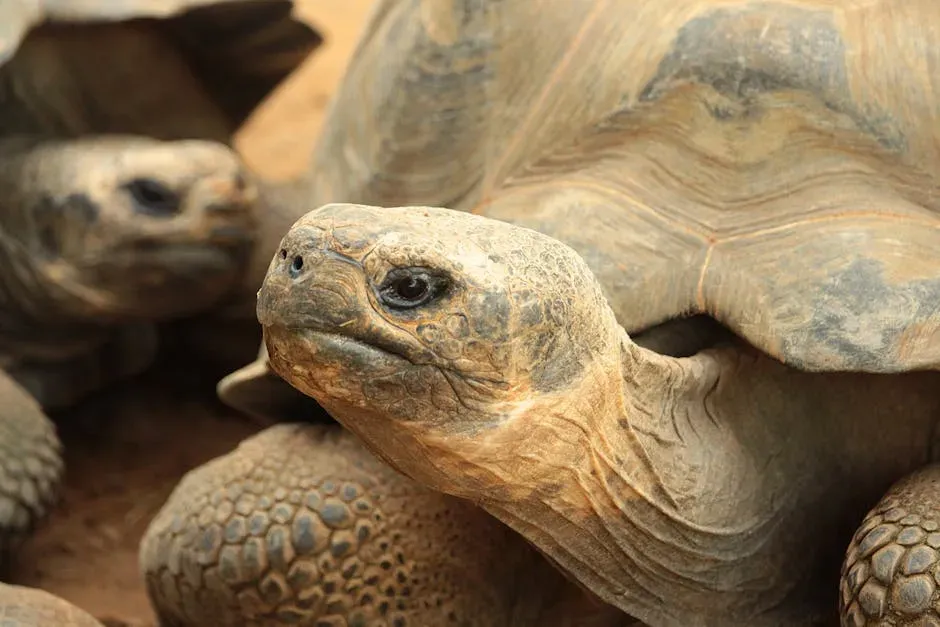
When you line up nature’s most resilient creatures, a pattern appears: the longest lives belong to those who repair carefully, move steadily, and face stress without constant panic. None of them chase endless productivity, but all of them are masters of survival math, trading speed and flash for balance and resilience. Their stories make our usual approach to health – crash diets, all-nighters, quick fixes – look a little short-sighted.
We may never match the centuries of a Greenland shark or the reset button of an “immortal” jellyfish, but we can absolutely learn from the strategies that let them thrive. If we listen closely, they’re not offering miracles, just better ways to live with time instead of always fighting it. The real question is whether we’re willing to slow down, protect our bodies, and think like species that are planning to be around for a very long while – are you?