Night after night, we do something so ordinary it borders on boring: we close our eyes, disconnect from the world, and surrender to sleep. Yet this seemingly passive state may be one of the most active and high-stakes operations our brains ever perform. When sleep falters, everything from memory to mood to immune defenses begins to unravel, sometimes frighteningly fast. Scientists today are racing to decode why evolution insisted on this risky daily blackout instead of designing brains that could run nonstop. What they are finding is that sleep is not a luxury or an evolutionary mistake – it is a radical, recurring journey into the unconscious that keeps the very machinery of the mind from breaking apart.
The Hidden Clues in a Sleepless World

One of the most striking clues to sleep’s purpose shows up when it is taken away. After just one night of drastically reduced sleep, people become more emotionally volatile, making mountains out of molehills and overreacting to small frustrations. Brain imaging studies reveal that the amygdala, a region involved in processing threat and fear, becomes hyperactive, while the prefrontal cortex, which usually reins it in, goes offline. It is as if the brain’s internal brakes fail, leaving raw emotion to surge unchecked. This fragile balance between reason and reaction is one of the first casualties when the unconscious nightly reset is disrupted.
Physical health follows a similar pattern into chaos when sleep is shortchanged. In controlled experiments, adults restricted to only a few hours of sleep for several nights show signs of impaired glucose regulation that resemble prediabetes. Markers of inflammation rise, and key immune cells drop, helping explain why chronically sleep-deprived people tend to catch more infections and recover more slowly. These cascading failures suggest that sleep is not a side job, but a structural pillar of both brain and body. If you picture your waking day as a kind of cognitive road trip, then sleep is not the roadside motel – it is the mechanic’s garage where the entire vehicle is stripped down and repaired.
From Ancient Theories to Modern Sleep Labs

Humans have been puzzled by sleep for as long as we have been telling stories about ourselves. Ancient texts framed it as a visit from spirits or a temporary loan to the gods, a poetic stand-in for a process no one could measure. The revolution began when scientists started studying sleeping brains with electrical recordings in the twentieth century. Suddenly, sleep was not a blank space but a rich landscape of distinct stages, each defined by signature rhythms of neural activity. Rapid eye movement, or REM sleep, with its fast brain waves and vivid internal imagery, contrasted sharply with the slow, synchronized waves of deep non-REM sleep.
Today, sleep labs around the world track volunteers through the night using a battery of sensors that capture eye movements, muscle tone, heart rate, and brain waves. This has revealed that a typical night is a repeating cycle of non-REM and REM sleep, each stage seemingly assigned to a different housekeeping task. Deep non-REM sleep appears to favor physical restoration, immune support, and the consolidation of factual memories, while REM is more heavily involved in emotional processing and creativity. Far from being a passive shutdown, sleep looks more like a scheduled maintenance shift, with specialized teams clocking in and out across the night. The unconscious, in this view, is less a dark void and more a meticulously organized workshop.
Memory, Learning, and the Nightly Brain Edit
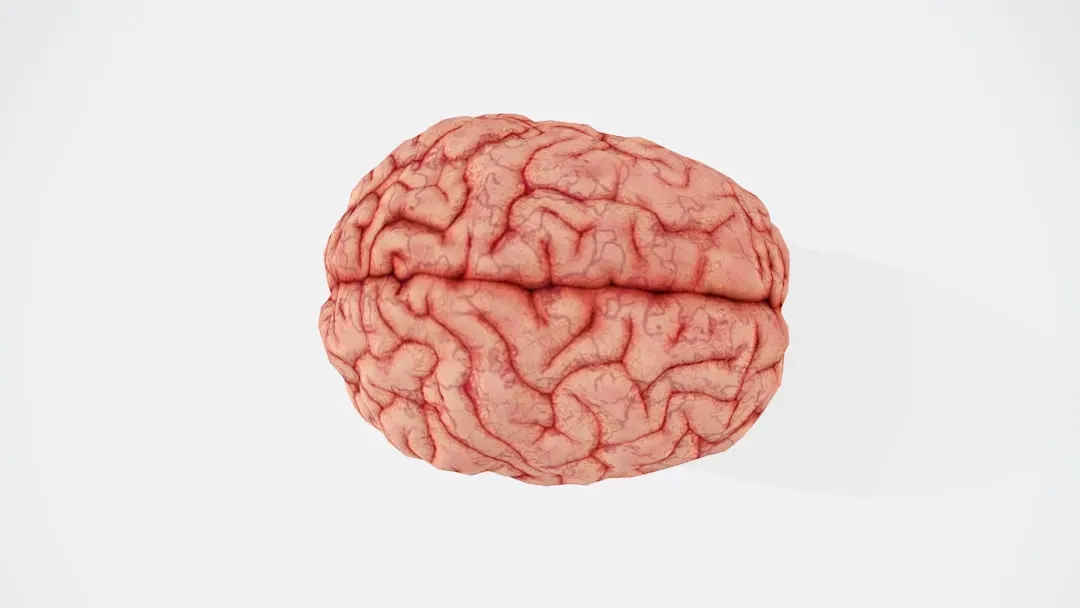
One of the most powerful scientific cases for sleep’s purpose comes from memory research. In experiment after experiment, people who learn new information or skills and then sleep remember better than those who stay awake for the same amount of time. During deep non-REM sleep, nerve cells in the hippocampus – a structure that acts like a temporary storage buffer – replay patterns of activity from the day. These replay events, sometimes called sharp-wave ripples, appear to drive the gradual transfer of fragile memories into more stable networks in the cortex. Without that nightly transfer, the day’s experiences remain scattered and vulnerable to being overwritten.
Sleep does not merely strengthen memory; it also edits it. Some studies suggest that during sleep, the brain selectively reinforces information it deems important – like emotional events or details linked to a reward – while letting trivial clutter fade. That means your sleeping brain is already curating your life story, deciding what becomes part of your narrative and what dissolves. REM sleep, with its intense internal activity, seems especially tied to integrating newly learned material with older knowledge, sparking insight and making unexpected connections. This might explain why solutions to stubborn problems often appear after a good night’s rest, as if the unconscious mind had been quietly reorganizing your mental filing cabinets while you were offline.
Cleaning House: The Brain’s Night Shift Janitors

In the last decade, a new line of evidence has transformed how neuroscientists think about sleep: brain cleaning. Researchers discovered a network of fluid channels, often called the glymphatic system, that becomes dramatically more active during sleep. Cerebrospinal fluid pulses through these pathways, washing around neurons and carrying away metabolic waste products that build up during wakefulness. Among the substances cleared out are potentially harmful proteins linked with neurodegenerative diseases in their abnormal forms. Sleep, it turns out, is when the brain’s cleaning crew rolls in with hoses and vacuums.
What is striking is how much more effective this clearance appears to be when the brain is in a sleep-like state versus awake. In animal models, the space between brain cells actually expands during sleep, giving waste molecules more room to diffuse and be carried away. When sleep is chronically inadequate, this system may operate less efficiently, potentially allowing toxic debris to accumulate over years. While the exact chain of cause and effect is still being mapped, the possibility that good sleep could help protect long-term brain health has become a driving force in current research. The unconscious nightly journey might be the price we pay to keep our neural machinery from slowly clogging and seizing up.
Emotions in the Dark: How Sleep Reshapes Our Inner Life

Sleep’s grip on emotion runs deeper than just making us cranky after a late night. During REM sleep, the brain replays emotionally charged memories in a setting where stress hormones are lower than during the day. That unusual combination seems to let us re-experience painful or intense events without the full physiological punch. Over repeated nights, the sharp edges of those memories can soften, leaving the narrative intact but reducing the visceral sting. It is as if sleep provides a kind of overnight group therapy session, where the brain rehearses hard moments in a safer, quieter space.
At the same time, brain scans show that REM sleep helps recalibrate regions involved in social perception and empathy. When people are well rested, they are better at reading others’ facial expressions and less likely to misinterpret neutral cues as threatening. Chronic sleep loss, by contrast, skews perception toward suspicion and amplifies loneliness, even when nothing external has changed. That has sweeping implications for everything from relationships to workplace dynamics, because the emotional tone of our waking life is being tuned in the dark each night. Ignoring sleep, in that sense, is not just a personal health gamble; it can subtly reshape how we treat one another.
Why It Matters: Sleep as Critical Infrastructure for Society

For a long time, shrugging off sleep was treated almost like a badge of honor, especially in high-pressure cultures that reward constant availability and hustle. The science now undercuts that bravado by showing that chronic sleep restriction quietly erodes performance, decision-making, and safety. In transportation, medicine, and industrial settings, even modest sleep loss increases error rates and accident risk, turning individual habits into public hazards. Economists have begun to argue that large-scale sleep deprivation functions like invisible infrastructure damage, dragging down productivity and driving up healthcare costs. It is similar to running a city on aging bridges and neglected power lines – things look fine until, suddenly, they are not.
Compared with many other health interventions, improving sleep is remarkably low-tech and low-cost, yet it has ripple effects across education, mental health, and chronic disease. Late school start time experiments, for example, often show fewer adolescent car crashes and better academic performance when teenagers are allowed to align school hours more closely with their natural sleep rhythms. Workplaces that respect rest periods and discourage all-night email habits see benefits in creativity and retention. Seen through this lens, treating sleep as optional is not just biologically unrealistic; it is socially short-sighted. Protecting the brain’s nightly journey into the unconscious may be one of the simplest, most powerful tools we have to stabilize the modern world.
The Future Landscape: Tracking, Hacking, and Protecting Sleep
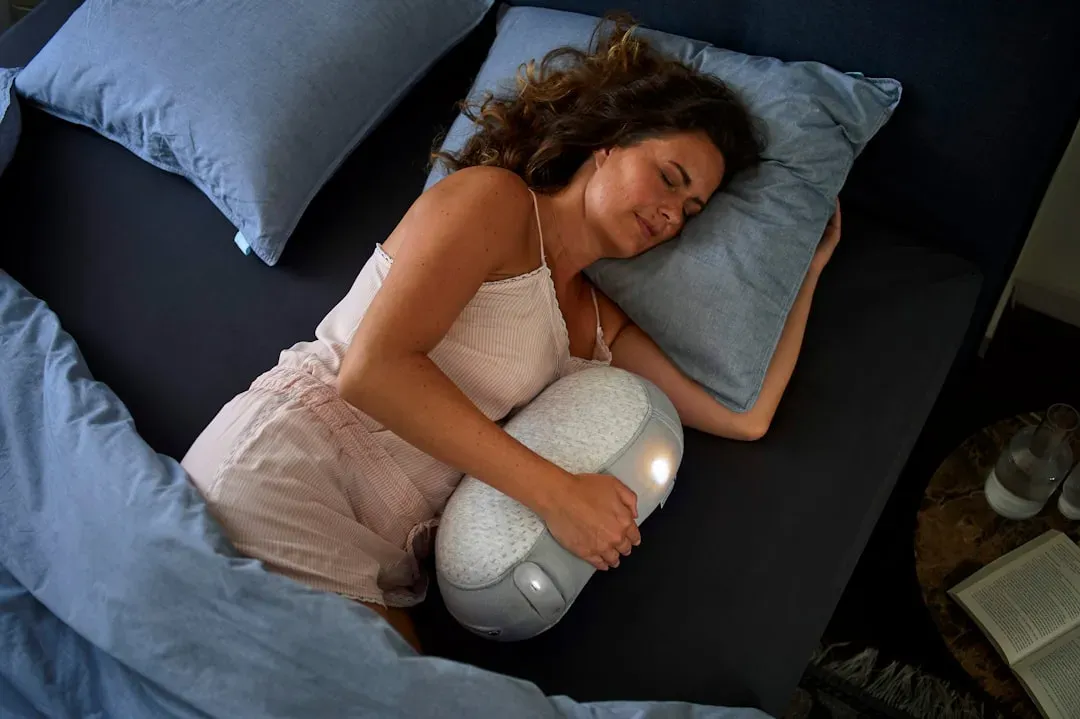
As sleep’s importance has moved from intuition to hard data, technology has rushed in to measure and manipulate it. Consumer wearables now estimate sleep stages using heart rate and movement, while more sophisticated devices are being tested to nudge brain rhythms with gentle sounds or light to deepen restorative stages. There are early experiments in using targeted stimulation during specific sleep phases to enhance memory consolidation or speed rehabilitation after brain injury. At the same time, researchers are developing blood and saliva markers that might someday provide a quick snapshot of how well someone’s recent sleep has actually restored them. The race is on to turn night into a new frontier for personalized medicine rather than an overlooked blank space.
Yet the future of sleep science is not just about gadgets and optimization; it also raises heavy ethical and societal questions. If technologies can selectively alter how we process memories or emotions during sleep, what safeguards will be needed to prevent misuse? How do we ensure that sleep-friendly environments and schedules are not luxuries reserved only for the privileged few? As climate change, artificial lighting, and around-the-clock connectivity strain natural sleep patterns worldwide, governments may be forced to consider policies that explicitly protect nighttime rest as a public health resource. The coming decades will likely determine whether we treat sleep as a negotiable personal choice or defend it as biological infrastructure as vital as clean water or stable electricity.
Small Shifts, Big Gains: How to Respect Your Nightly Journey
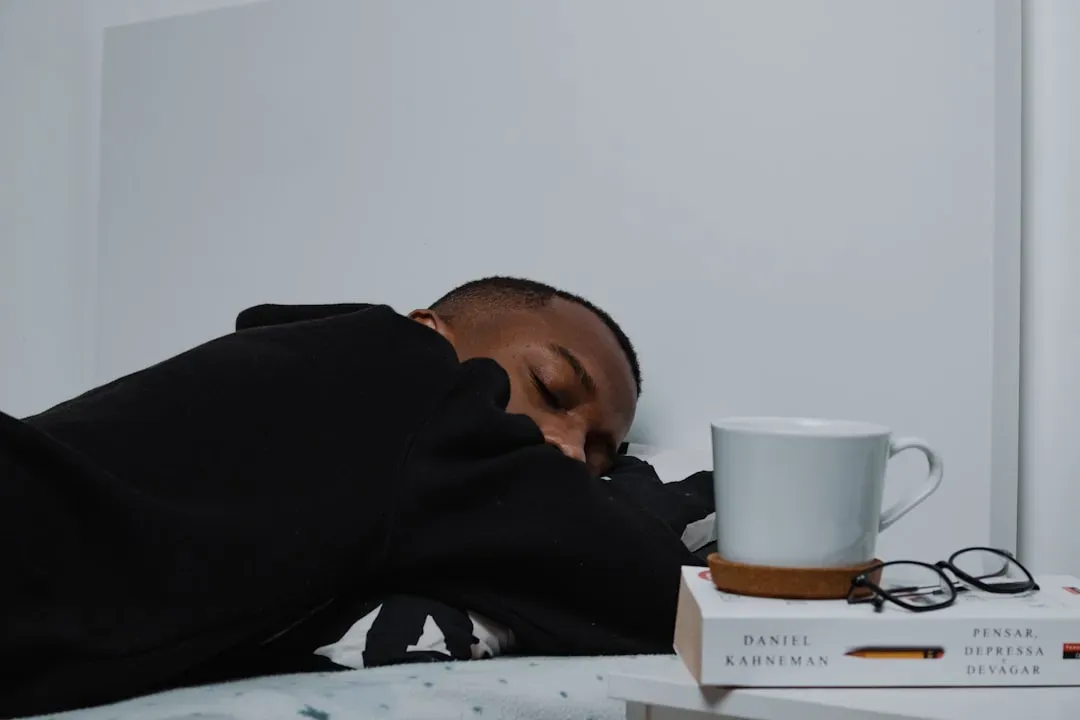
While global systems and new technologies evolve, there is still a lot each of us can do to protect our own unconscious voyages. Most people already know the usual advice – dim the screens, keep a regular bedtime – but the trick is treating those steps as nonnegotiable, the way you would a medication or an important appointment. Creating a simple wind-down ritual, like reading a physical book or taking a warm shower, can signal to your brain that it is safe to switch modes. Keeping the bedroom cool and dark helps reinforce your internal clock and makes it easier for deep sleep to take hold. Even small adjustments, done consistently, can add up over weeks to leave you sharper, calmer, and more resilient during the day.
There is also power in paying attention to how you actually feel after different kinds of nights, instead of just staring at sleep-tracking numbers. For many people, that awareness alone can shift priorities, nudging late-night scrolling or extra work emails down the list. Some may choose to advocate for healthier schedules at schools or workplaces, or support research on sleep and brain health through public science initiatives. If you think of sleep not as lost time but as nightly maintenance for your most precious piece of equipment – your brain – the trade-off becomes easier to accept. The next time you hesitate to turn out the lights, it might be worth asking what part of yourself you are willing to wear down instead.
Suhail Ahmed is a passionate digital professional and nature enthusiast with over 8 years of experience in content strategy, SEO, web development, and digital operations. Alongside his freelance journey, Suhail actively contributes to nature and wildlife platforms like Discover Wildlife, where he channels his curiosity for the planet into engaging, educational storytelling.
With a strong background in managing digital ecosystems — from ecommerce stores and WordPress websites to social media and automation — Suhail merges technical precision with creative insight. His content reflects a rare balance: SEO-friendly yet deeply human, data-informed yet emotionally resonant.
Driven by a love for discovery and storytelling, Suhail believes in using digital platforms to amplify causes that matter — especially those protecting Earth’s biodiversity and inspiring sustainable living. Whether he’s managing online projects or crafting wildlife content, his goal remains the same: to inform, inspire, and leave a positive digital footprint.