

Most of us don’t really think about aging until something reminds us our body has a “use by” date: a bad night’s sleep that lingers for days, a knee that suddenly complains on the stairs, or a routine blood test that comes back with a little red marker. Yet right now, scientists are quietly rewriting what we thought was possible for the human lifespan. We’re not just talking about adding a few years at the end, but about deeply changing how we age, and maybe even how we think about getting old in the first place.
That doesn’t mean there’s a magic pill around the corner or that you can “biohack” your way to immortality. But it does mean we finally understand enough about aging to see where the real levers are. Some are shockingly simple, almost boring. Others sound like science fiction: reprogramming cells, editing genes, and cleaning out cellular “junk.” The most fascinating part? A lot of these discoveries are already shaping the everyday choices that could decide whether your later years are spent feeling fragile and exhausted, or strong, clear-headed, and surprisingly alive.
The New Science of Aging: From Wear-and-Tear to Programmable Process

For most of the twentieth century, aging was seen as inevitable “wear and tear,” like a car slowly rusting and falling apart. Today, aging is increasingly understood as a biological process with specific pathways that can be measured, modified, and in some cases slowed. Researchers focus on what they call “hallmarks of aging” – things like DNA damage, chronic low-level inflammation, and the failure of cells to repair themselves properly. Instead of one mysterious “old age” switch, we now see many small systems gradually going off balance.
What’s shocking is how much of this process is influenced by lifestyle, environment, and even mindset. Aging still can’t be stopped, but scientists have repeatedly shown in animals that it can be delayed, and that “healthspan” – the number of years we live without serious disease – can be stretched. It’s like realizing your body isn’t just drifting toward decay; it’s following a script that can be edited. We might not rewrite the whole story, but we can absolutely change how the middle and final chapters feel.
Longevity Hotspots: What the World’s Longest-Lived People Actually Do

When researchers studied regions of the world where people live strikingly long and healthy lives, they found surprisingly ordinary habits repeating again and again. In these so-called longevity hotspots, older adults often stay active into their eighties and nineties, not by crushing gym sessions, but through constant low-level movement: walking to see friends, working in gardens, climbing hills. Their diets lean heavily on plants, beans, whole grains, and modest portions, with animal products used more like a side note than the main event.
Equally powerful is something less tangible: these communities tend to have a strong sense of purpose and deeply woven social connections. Older people are not pushed to the margins; they remain needed, relevant, and involved. That emotional glue doesn’t show up on a blood test, but it strongly predicts how long and how well people live. When you zoom out, the pattern is almost disarmingly simple: move often, eat real food, stay connected, and keep having a reason to get out of bed. It’s not flashy, but it quietly outperforms most “miracle” hacks.
Food as a Longevity Lever: Why Metabolism May Matter More Than Magic Superfoods
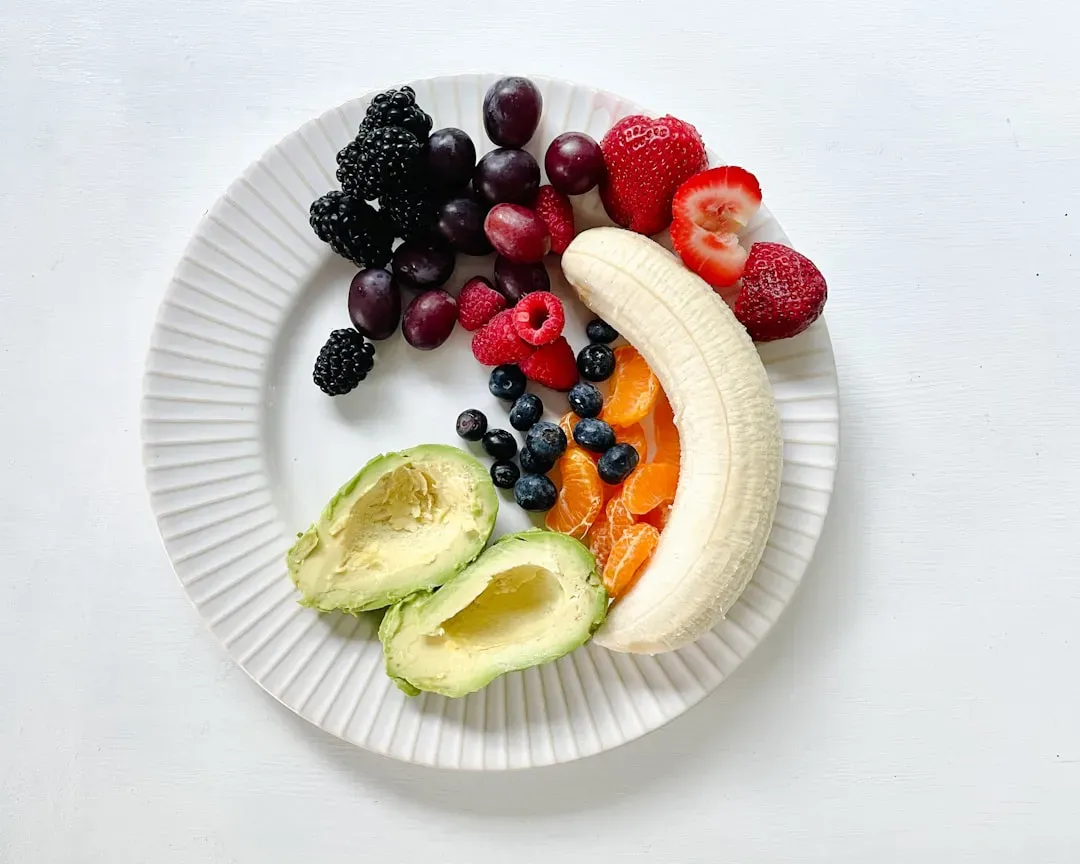
There’s endless noise about longevity diets, but underneath all the trends, some clear themes have emerged. Diets associated with longer life tend to be low in ultra-processed foods and high in fiber, plants, and healthy fats. Rather than obsessing over a single superfood, scientists are more interested in how food patterns affect insulin sensitivity, inflammation, and the microbiome – the trillions of gut microbes that quietly influence everything from immunity to mood. The way you eat shapes the way your cells handle stress, repair damage, and store or burn energy.
One area generating serious excitement is how timing of eating affects longevity markers. Approaches like time-restricted eating or intermittent fasting appear to give cells a break from constant nutrient overload, activating repair processes and improving metabolic flexibility. In animal studies, carefully controlled calorie restriction can extend lifespan dramatically, though that doesn’t translate neatly to humans. Still, the direction is clear: eating slightly less, more mindfully, and leaving space for metabolic “rest” may matter more than chasing exotic powders or miracle supplements.
Exercise: The Closest Thing We Have to a Real Longevity Drug

If there were a pill that improved brain health, reduced the risk of many cancers, supported heart function, helped keep weight stable, preserved muscle, and boosted mood, almost everyone would want it. Exercise comes closest to that fantasy, and unlike many things in the longevity world, its benefits are robust, repeatable, and deeply researched. Regular movement acts on multiple hallmarks of aging at once: it enhances mitochondrial function, supports better blood flow, and helps manage blood sugar and blood pressure. It even influences how genes are expressed.
What’s interesting is that the most dramatic gains come not from extreme training but from moving out of the “barely active” category. Going from almost no activity to modest, consistent movement – brisk walks, light strength work, cycling, dancing – has an outsized impact on life expectancy and healthspan. When I finally committed to lifting even light weights twice a week, I noticed a quiet but steady shift in how my body felt during the day. You don’t need to become an athlete; you just need to treat movement like brushing your teeth: non-optional daily maintenance, not a special event.
Sleep, Stress, and the Silent Saboteurs of a Long Life

It’s tempting to treat sleep as optional, something we can trade for productivity or entertainment. But from a longevity standpoint, chronic sleep deprivation is like leaving your car engine running all night, every night – eventually something burns out. Deep, regular sleep helps clear metabolic waste from the brain, balances hormones related to hunger and stress, and supports immune function. People who routinely sleep too little are more prone to heart disease, diabetes, depression, and cognitive decline, especially as they age.
Chronic stress is another slow-motion wrecking ball. It keeps the body in a low-level fight-or-flight state, raising inflammation and wearing down systems that are supposed to protect us. The twist is that it’s not just the stress itself, but the absence of recovery. Practices like mindfulness, slow breathing, therapy, time in nature, or even unstructured quiet time aren’t fluffy add-ons; they’re part of the repair cycle. Over time, consistently lowering the volume on stress hormones can be just as important for longevity as any supplement you could buy.
Cutting-Edge Longevity Research: From Senolytics to Cellular Reprogramming

While lifestyle changes do the heavy lifting right now, the frontier of longevity science is filled with bolder, more experimental approaches. One line of research looks at senescent cells – damaged cells that no longer divide but refuse to die, releasing harmful signals and accelerating aging in surrounding tissues. Drugs called senolytics aim to selectively clear out these “zombie cells” to improve tissue function and reduce age-related diseases. Animal studies have shown promising results, but translating that safely to humans is still underway.
Another emerging area involves partial cellular reprogramming, which tries to wind back some aspects of cellular age without erasing a cell’s identity entirely. In theory, that could restore youthful function to tissues such as muscle, skin, or even parts of the nervous system. There’s also intense interest in targeting specific longevity pathways like mTOR, AMPK, and sirtuins with compounds originally used for other diseases. Many of these interventions are still in early or uncertain stages for humans, and there’s a real risk of hype outrunning evidence. But they hint at a future where aging is treated more like a modifiable condition than an untouchable destiny.
The Psychology of Longevity: Purpose, Mindset, and the Will to Keep Going
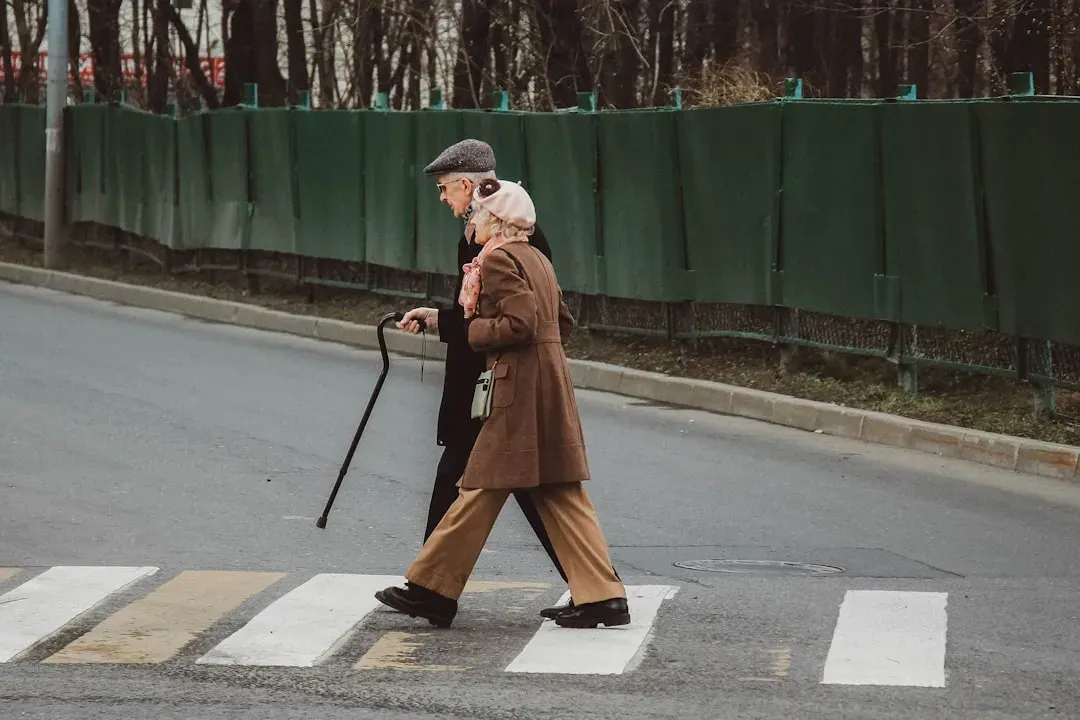
Longevity isn’t just about what’s happening in your blood and cells; it’s also about what’s happening in your head. People with a strong sense of purpose – whether that’s family, work, community, or a personal mission – tend to live longer and recover better from illness. Having something that feels worth the effort seems to pull the body along, influencing habits, resilience, and even how intensely we pursue treatment when something goes wrong. Feeling useless or isolated, on the other hand, is strongly linked to worse health outcomes.
Mindset toward aging itself also matters. Those who expect old age to be pure decline often unconsciously live in ways that make that prophecy real: less movement, fewer social engagements, and a shrinking sense of possibility. In contrast, people who see aging as a new phase with its own potential tend to stay engaged, learn new skills, and maintain richer relationships. Think of it like steering a ship: biology is the wind and currents, but your expectations and choices still shape the direction you travel.
Designing Your Own Longevity Blueprint

The science of longevity can feel overwhelming, especially when headlines swing from miracle breakthroughs to grim warnings. But when you strip away the noise, a practical blueprint starts to look simple, if not always easy. Prioritize real food over processed options, move your body daily in ways you can stick with, protect your sleep like it’s medicine, keep your stress from becoming a permanent background hum, and invest in people and projects that give your life meaning. These are unglamorous, but they interact with almost every known pathway of aging in your favor.
As more advanced therapies and drugs emerge, they may add another layer to this foundation, especially for those at high risk of specific conditions. Still, the core truth is both comforting and challenging: the most powerful levers for a longer, better life are already in your hands, not locked in a lab. You may never know exactly how many extra years your choices are adding, but you will feel the difference in how you move, think, and show up in your own life. If longevity is partly about time, and partly about what you do with that time, what small shift are you willing to make starting today?