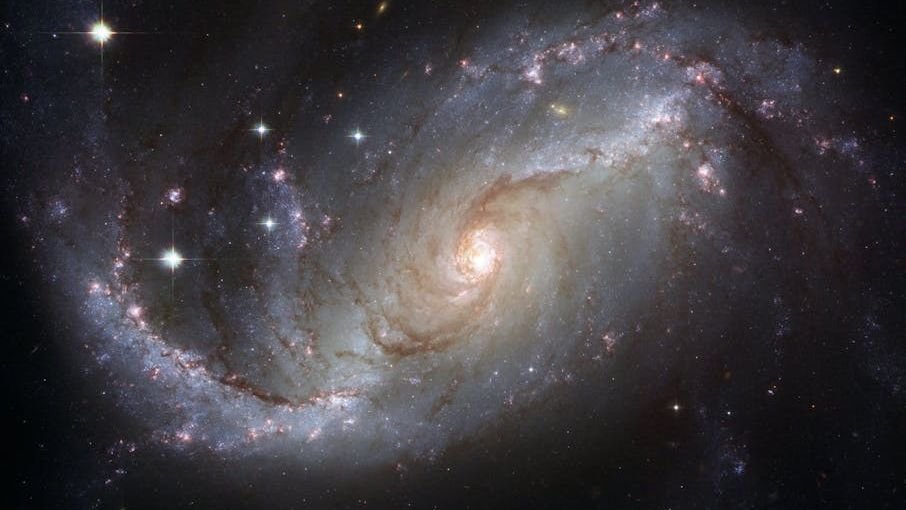
Every year, the planet flickers with invisible highways as animals quietly lift off, dive in, or start walking and simply do not stop until they have crossed entire oceans and continents. For centuries, humans watched flocks of birds vanish into the sky or whales disappear into the blue and could only guess where they went or how they found their way back. Now, thanks to satellites, tiny trackers, and patient field science, we are finally starting to decode the rules of these epic journeys. But the more we uncover, the stranger and more sophisticated animal migration turns out to be, from birds sensing Earth’s magnetic field to insects riding winds like living kites. The mystery is no longer just where they go, but how their bodies and brains solve a navigation problem we still struggle to match with our best technology.
The Hidden Clues: Invisible Maps in the Sky and Sea
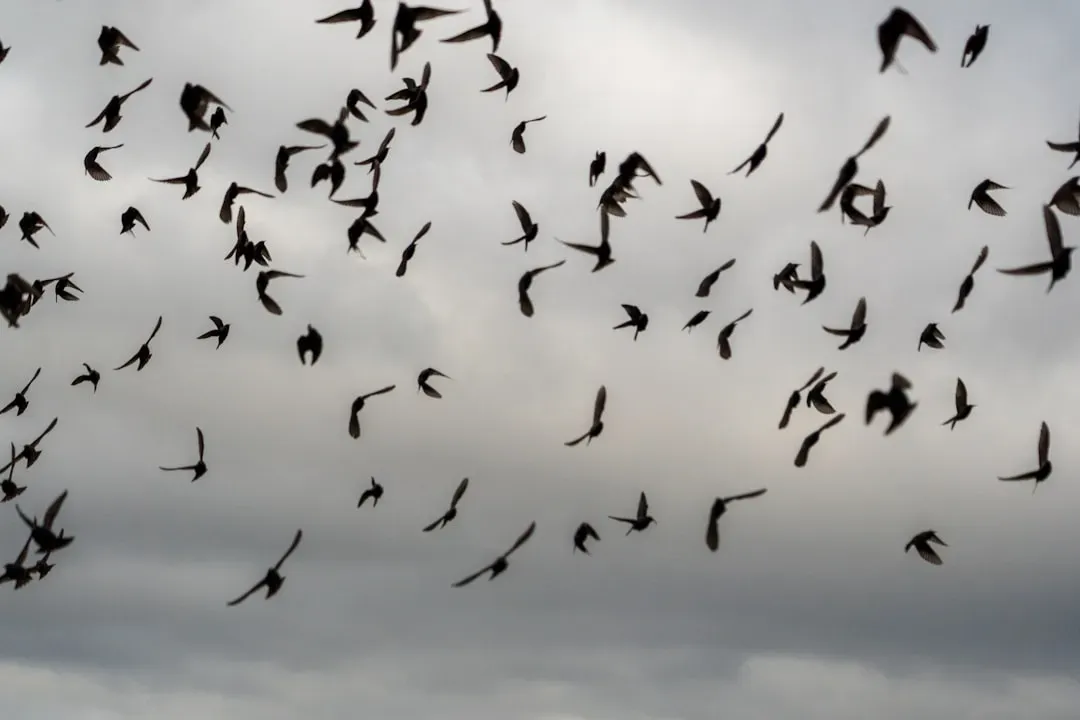
One of the most astonishing discoveries about migration is that many animals seem to carry an invisible map layered with cues we barely perceive. Birds do not just follow landmarks; they combine the position of the sun and stars, the pattern of polarized light in the sky, and even the faint signature of Earth’s magnetic field. Young Arctic terns, which can travel from the Arctic to Antarctica and back, often make their first journey alone, without older birds to guide them, yet still manage to arrive in the right ocean. To visualize this, imagine trying to cross an unfamiliar continent blindfolded, guided only by the warmth of the sun on your skin and a subtle tingle in your inner ear.
Scientists have shown that some species, like European robins and homing pigeons, possess specialized molecules in their eyes that may allow them to “see” magnetic fields as patterns or shades. Others, such as sea turtles, are believed to compare the magnetic signature of different parts of the ocean like a built-in GPS. Several experiments where animals were exposed to altered magnetic fields have caused them to orient in the wrong direction, suggesting how deeply they rely on this sense. The hidden takeaway is that what looks like instinct is often a complex, multi-layered navigation system running quietly in the background of an animal’s brain.
Highways in the Wind: How Birds and Insects Ride the Air
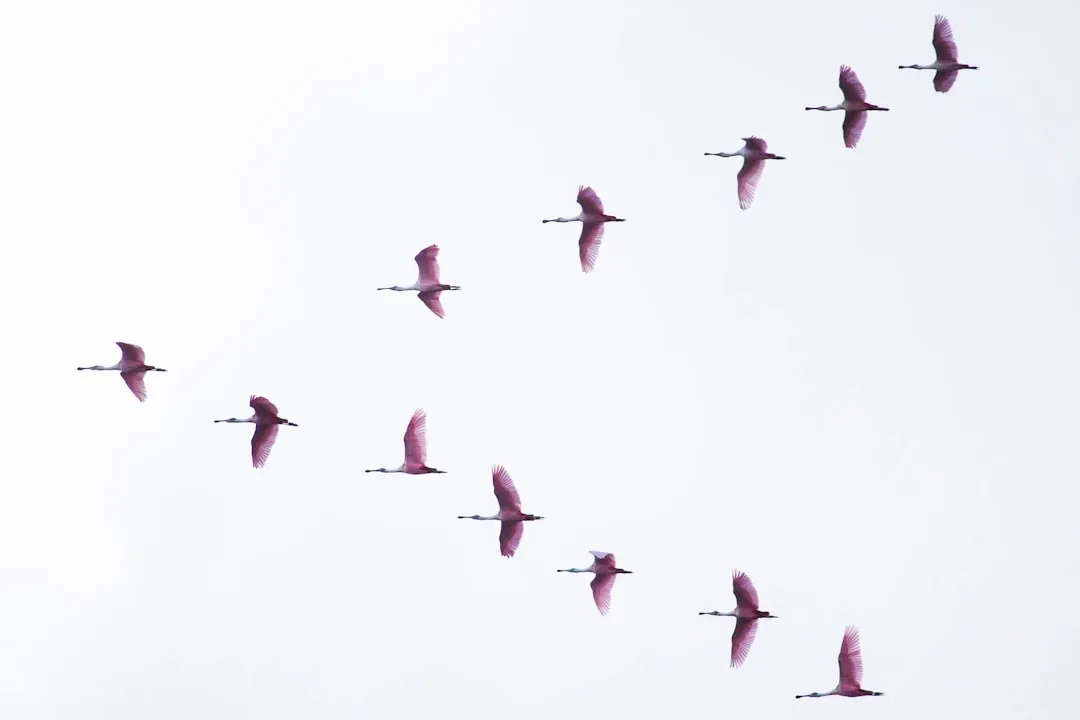
In the air, migration is as much about reading the weather as it is about knowing the way. Many birds time their departures to coincide with helpful tailwinds, turning what would be an exhausting marathon into a more efficient glide. Radar studies over Europe and North America have revealed that vast waves of small songbirds move at night, climbing high into the atmosphere to hitch rides on favorable wind currents. I once spent a night with a migration monitoring team on the U.S. Gulf Coast, watching the radar fill with a living cloud just after sunset, even though the sky above us looked completely empty.
Insects take this strategy to another level, especially lightweight species like aphids, moths, and painted lady butterflies. Rather than fighting the wind, they often rise into strong air currents and let themselves be carried hundreds of miles in a matter of hours. Recent work using specialized entomological radar has shown that, when winds blow in the right direction, billions of insects may cross a single region in a single season. These airborne migrants are not always perfectly in control, but many still show clear seasonal patterns, using temperature, day length, and internal clocks to decide when to launch. In that sense, the sky is not just empty space; it is a dynamic highway system that birds and insects have been surfing long before we ever launched a weather balloon.
Oceans on the Move: Whales, Fish, and the Long Blue Routes
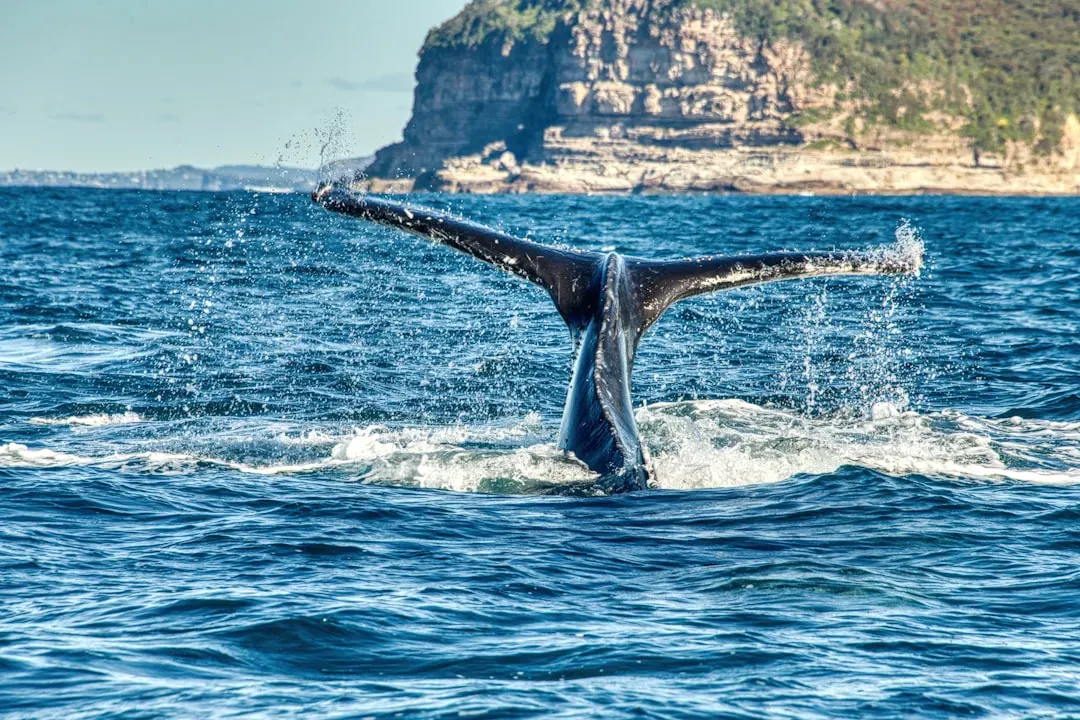
Out at sea, migration becomes a three-dimensional puzzle where light, temperature, and chemistry all matter. Large whales like humpbacks travel from cold, food-rich polar waters to warm breeding grounds in the tropics, sometimes covering thousands of miles in a single season. They often follow underwater features such as shelf edges and seamounts that concentrate prey, turning deep ocean geology into a kind of underwater road map. Some individuals return to the same breeding lagoons or feeding fjords year after year, as if following a route engraved into memory.
Fish and other marine animals add even more layers of complexity. Atlantic salmon hatch in freshwater rivers, migrate to the open North Atlantic to feed, then somehow navigate back to the same river basin years later. Sea turtles can cross entire ocean basins, apparently using a mix of wave direction, chemical cues, and the magnetic signature of different coastlines. Scientists tracking leatherback turtles, tuna, and sharks with satellite tags have found that many align their journeys with shifting ocean fronts and temperature gradients. The result is a constantly moving network of blue corridors, where life flows along the invisible edges of water masses and currents.
Built-In Clocks and Compasses: The Science Inside Migrating Bodies
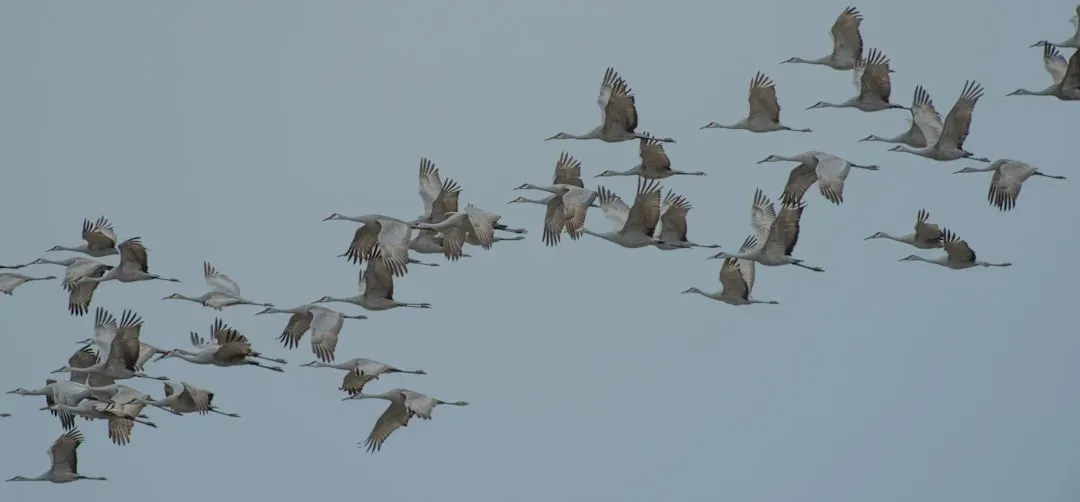
Behind every great migration is a finely tuned internal clock. Many animals rely on circadian rhythms, linked to the day-night cycle, and longer-term seasonal clocks that respond to changing day length. As days get shorter or longer, hormones begin to shift: birds develop intense restlessness, known as migratory drive, and may dramatically increase their feeding, doubling their body weight with fat. This internal countdown tells them when to leave long before conditions look obviously different to us.
Navigation and timing are deeply tied to physiology. Some shorebirds, like bar-tailed godwits, undertake non-stop flights lasting more than a week, and their bodies change to make that possible: digestive organs shrink while flight muscles and fat reserves expand. In mammals such as caribou or wildebeest, muscles, joints, and hooves must withstand months of daily movement across rough ground. Hormonal changes can also alter behavior, making animals more risk-tolerant during migration, because staying put might be deadlier than moving. When you think of migration as something that happens only on the outside, you miss this hidden transformation taking place under the skin.
Why It Matters: Migration as the Planet’s Circulatory System
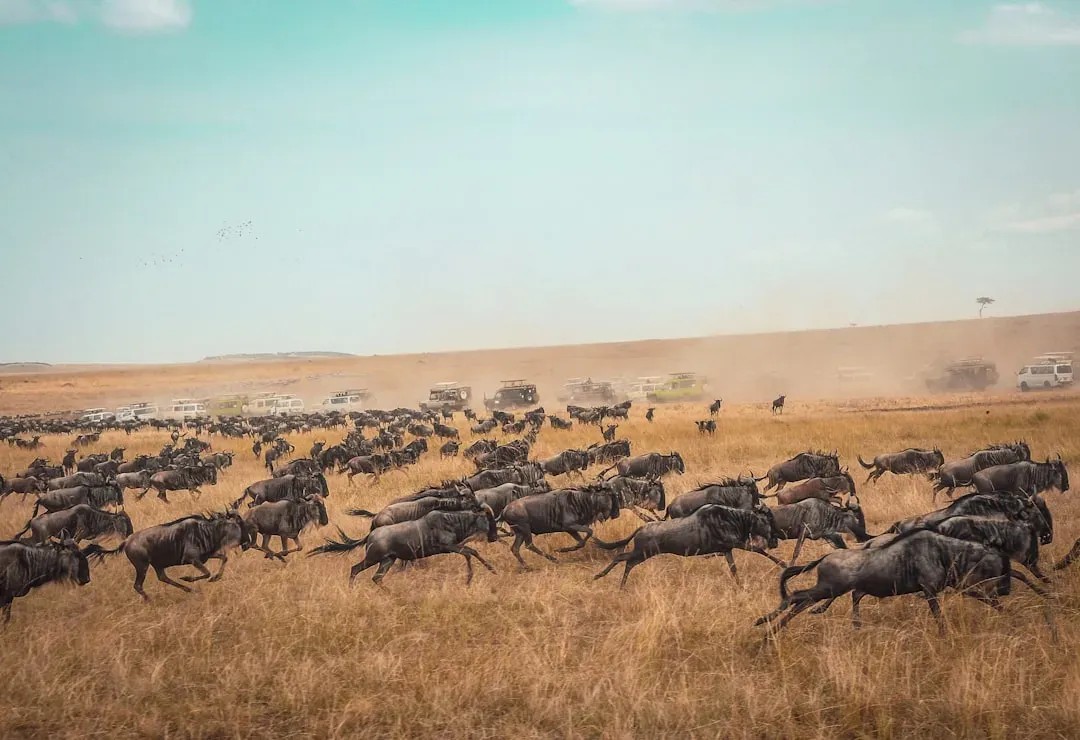
Migrations are not just beautiful to watch; they are essential to how ecosystems function. When salmon return upriver and die after spawning, their bodies deliver marine nutrients deep into mountain forests, feeding bears, birds, and even trees. Pollinating insects and nectar-feeding birds shuttle pollen across vast areas, helping maintain plant diversity and food webs that, in turn, support people. In a way, animal migrations act like the planet’s circulatory system, pumping energy and nutrients from one region to another.
From a human perspective, losing these movements would mean more than fewer dramatic wildlife documentaries. Coastal communities that depend on migrating fish runs, for example, risk losing food security and cultural practices that have persisted for generations. Changes in migratory patterns can also signal broader environmental trouble; when birds arrive too early or too late for peak insect hatches, it hints that climate and seasonal rhythms are falling out of sync. Comparing today’s tracking records with older banding and observation data shows that many species are already shifting routes or timing. Understanding migration is therefore not a niche curiosity but a way of monitoring the health of the entire biosphere we share.
Under Threat: Barriers, Lights, and a Changing Climate
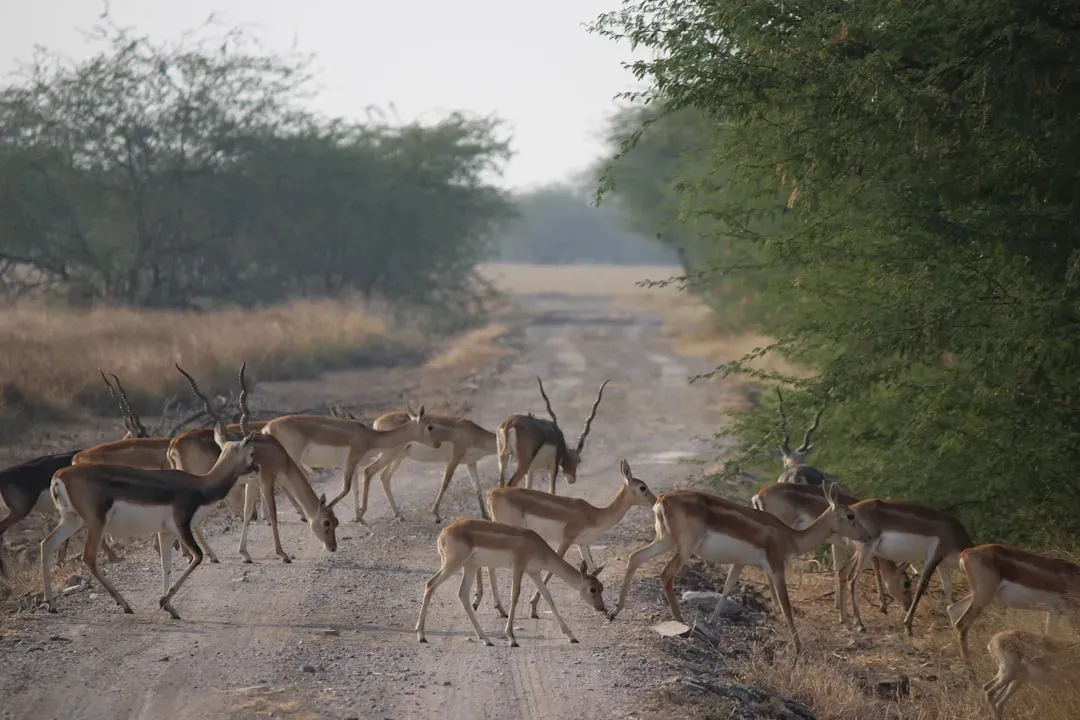
For all their resilience, migratory animals face a gauntlet of modern hazards that their ancient navigation systems never had to solve. Artificial light from cities and offshore platforms can disorient nocturnal migrants, drawing them into fatal collisions with buildings or ships. Tall glass towers, wind turbines in poorly sited locations, and communication masts create physical obstacles in what used to be open airspace. On land, fences, roads, and expanding agriculture can fragment the traditional paths of hoofed animals like pronghorn and saiga antelope, forcing them into tighter and more dangerous corridors.
Climate change adds a more subtle but deeply disruptive layer. As springs warm earlier in many temperate regions, plants leaf out and insects emerge sooner, while some migrants struggle to adjust their departure dates quickly enough. This timing mismatch can mean that birds arrive to find the seasonal food peak already fading. Ocean warming and acidification are shifting the distribution of fish and plankton, which can throw off long-established whale, seabird, and turtle routes. In some places, roughly about one third of historically abundant migratory populations have declined sharply over just a few decades, a sign that the balance between ancient instincts and new realities is tipping in a worrying direction.
The Future Landscape: Technology, Corridors, and Global Cooperation
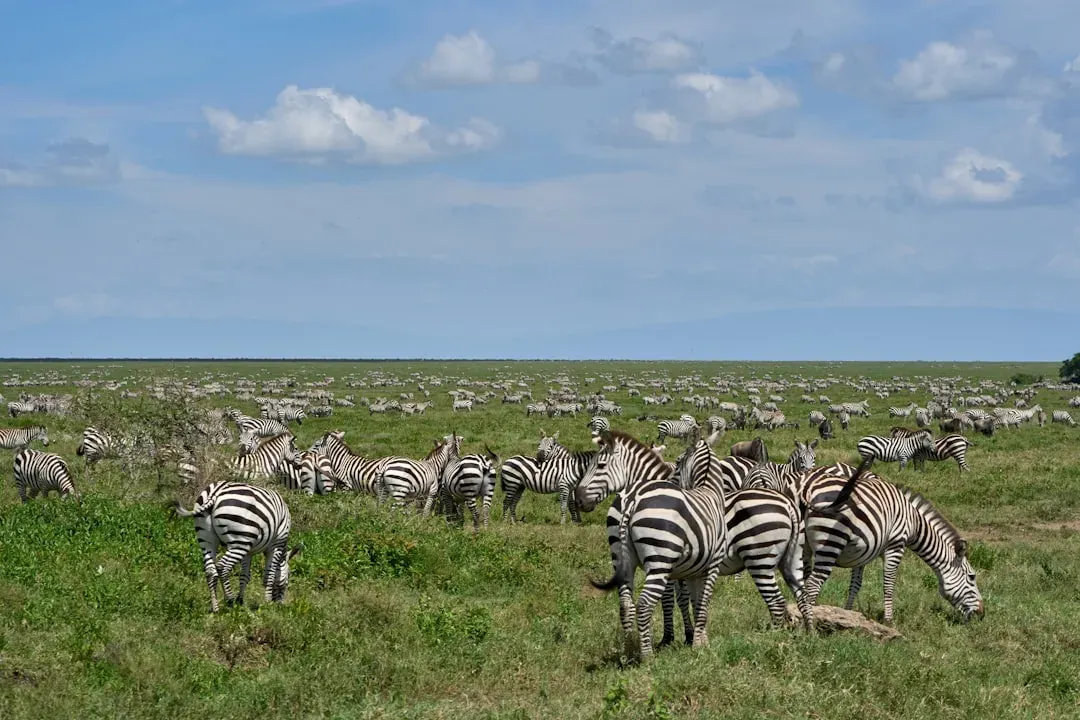
The good news is that we are better equipped than ever to understand and protect migration, and the tools keep getting sharper. Miniature GPS tags, some small enough to fit on songbirds or large insects, now stream back detailed movement data that used to be unimaginable. Machine learning helps scientists sift through radar and satellite records to map migration waves across entire continents almost in real time. With these insights, conservation groups and governments can identify critical bottlenecks, stopover sites, and flight paths that need urgent protection.
There is a growing movement to create and maintain wildlife corridors that keep these routes open, from protected flyways spanning multiple nations to land bridges over highways that allow animals to move more freely. International treaties for migratory birds and marine animals are slowly expanding, recognizing that no single country owns a whale route or a bird’s sky-road. Future challenges will include integrating renewable energy infrastructure, like wind farms, without turning key migration zones into dangerous obstacles. If we can match our engineering with the same kind of large-scale thinking that animals have been using for millennia, we stand a chance of keeping these journeys alive even as the world changes around them.
How You Can Help: Watching, Supporting, and Voting with Attention
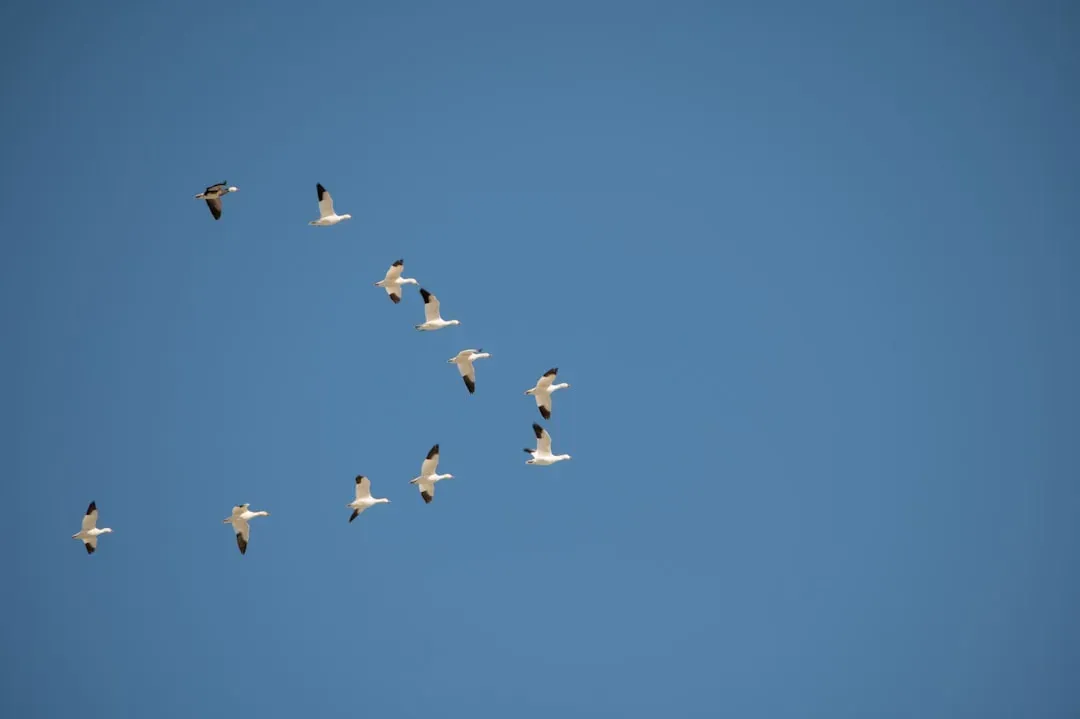
Even if you never travel far from your hometown, you are probably living under or beside a migration route. One simple step is to reduce unnecessary outdoor lighting during peak migration seasons, especially during spring and fall nights, and to support “lights out” initiatives in your city. Keeping windows visible to birds with decals or patterns can cut down on collisions during those heavy passage nights when the sky is full but silent. Joining local bird counts, whale-watching programs, or community science platforms turns casual sightings into real data that researchers can use.
You can also support organizations that protect key habitats like wetlands, coastal stopover sites, and intact grasslands, since these are the refueling stations without which long journeys fail. When possible, consider how your choices – seafood, tourism, energy, and even where new buildings go – affect migratory species that depend on relatively undisturbed routes. Finally, talk about migration with friends, children, or coworkers; the more people see it as a living, ongoing story rather than background scenery, the more pressure there will be to safeguard it. In the end, these animals are doing something astonishing on our shared planet, often literally over our heads. Knowing that, what part do you want to play in whether their journeys continue?
Suhail Ahmed is a passionate digital professional and nature enthusiast with over 8 years of experience in content strategy, SEO, web development, and digital operations. Alongside his freelance journey, Suhail actively contributes to nature and wildlife platforms like Discover Wildlife, where he channels his curiosity for the planet into engaging, educational storytelling.
With a strong background in managing digital ecosystems — from ecommerce stores and WordPress websites to social media and automation — Suhail merges technical precision with creative insight. His content reflects a rare balance: SEO-friendly yet deeply human, data-informed yet emotionally resonant.
Driven by a love for discovery and storytelling, Suhail believes in using digital platforms to amplify causes that matter — especially those protecting Earth’s biodiversity and inspiring sustainable living. Whether he’s managing online projects or crafting wildlife content, his goal remains the same: to inform, inspire, and leave a positive digital footprint.