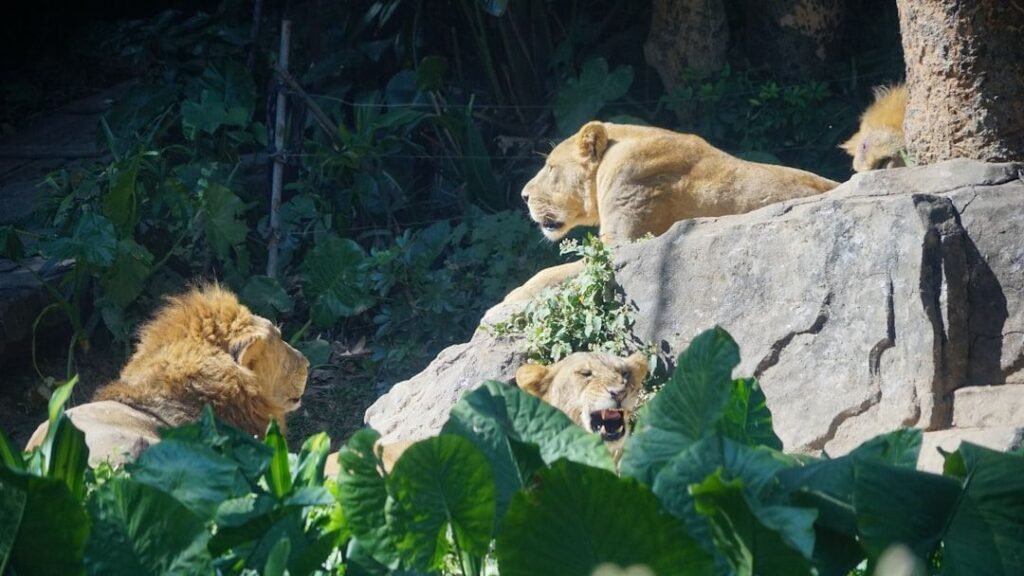

Imagine walking through a forest and realizing that around you, a thousand conversations are happening all at once. Not in whispers or words you can understand, but in rumbles felt through the ground, in flashes of color, in chemical trails left on bark, and in dances performed in total darkness. Animals, you see, have been communicating with extraordinary sophistication long before humans ever figured out how to say hello.
What makes this world of animal communication so endlessly captivating is just how different it looks from everything we know. You might think language is something special we invented. Honestly, think again. The more science peeks behind the curtain of the natural world, the more it finds systems of communication so elegant, so precise, and sometimes so bizarre that they challenge everything we assumed about what it means to “talk.” Let’s dive in.
The Many Channels of Animal Language
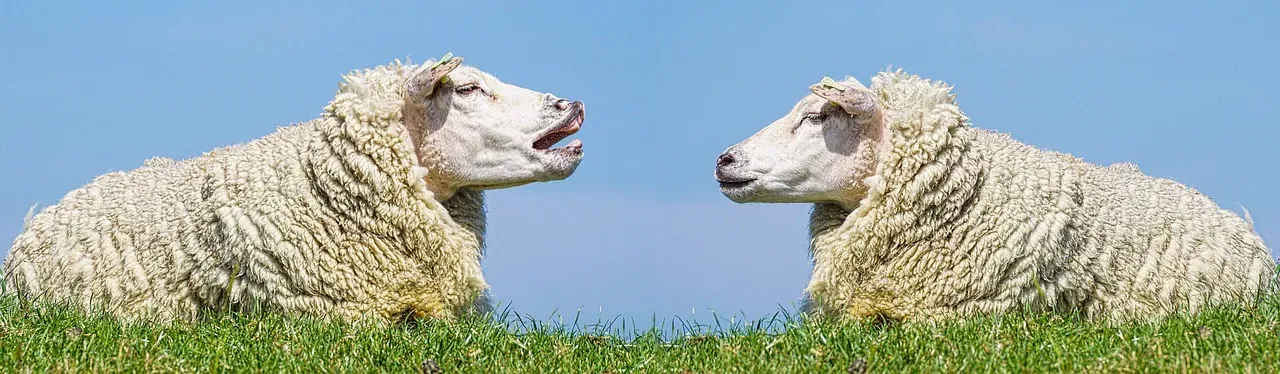
You might be surprised to know that animals don’t rely on a single mode of getting their message across. Animals communicate in four main ways: visual, vocal, chemical, and tactile. Visual signals include body language or displays, while vocal signals involve sounds like calls or screams. Chemical communication relies on pheromones, which are invisible signals conveyed through scent, and tactile communication involves physical contact like nudging or grooming. Think of it like this: they have access to multiple radio frequencies at the same time, and they often tune into several at once.
The vehicle for animal communication is called a signal, and that signal may be a sound, colour pattern, posture, movement, electrical discharge, touch, release of an odorant, or some combination of these mediums. Some species, like cuttlefish, will simultaneously shift body color, adjust their posture, and wave their fins all at once just to make sure their message truly lands. It is a level of multitasking that puts most of us to shame.
The Power of Vocal Communication
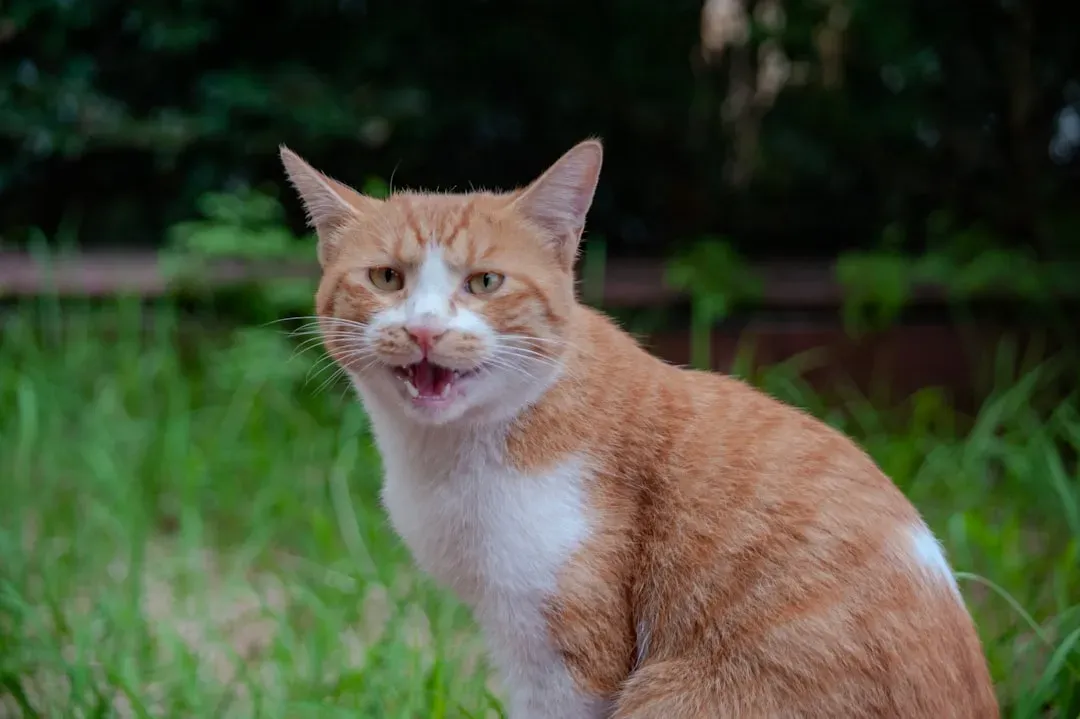
Many animals communicate through vocalization, and vocal communication serves many purposes, including mating rituals, warning calls, conveying location of food sources, and social learning. It is one of the most versatile tools in the animal kingdom, and the range of sounds produced across species is almost impossibly vast. From the deep boom of a lion’s roar to the barely audible clicks of a bat, vocals are a cornerstone of how animals keep their world organized.
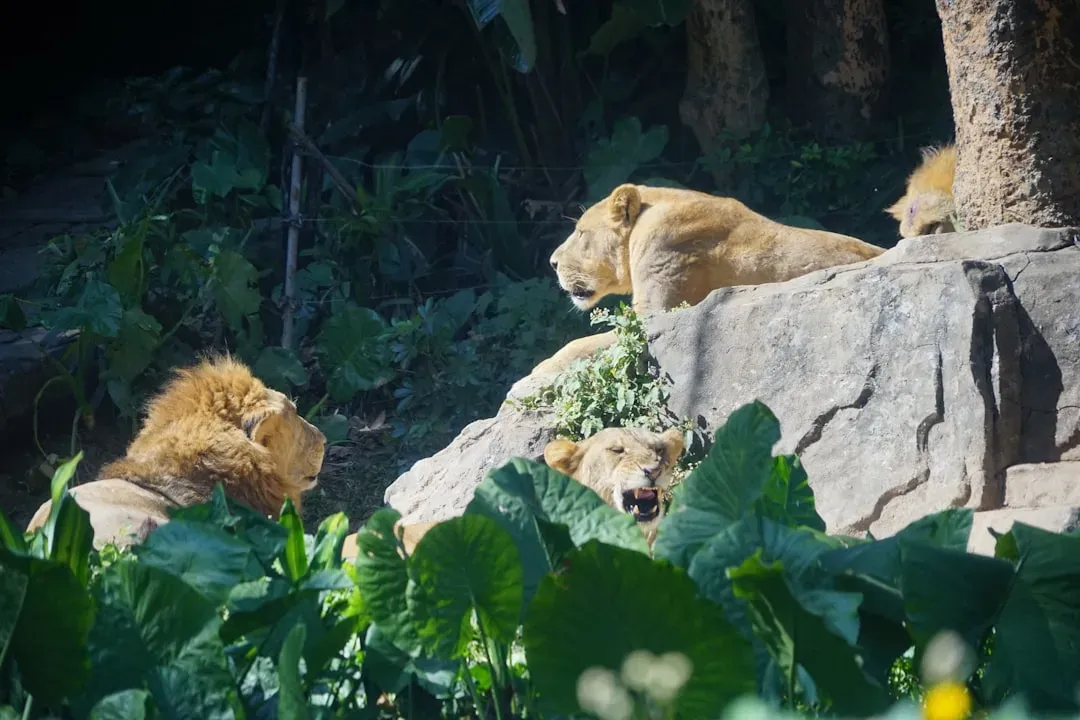
Here is something that might genuinely stop you in your tracks: a lion’s roar is not just for show. It can travel up to five miles across the savanna, letting other lions know exactly where they are, keeping pride members connected, and warning rivals to stay away. Meanwhile, a mockingbird can mimic other birds, car alarms, and even ringing phones, and those songs serve multiple purposes: claiming territory, impressing potential partners, or confusing predators. It’s wild. Literally.
Chemical Signals: Invisible Messages That Last
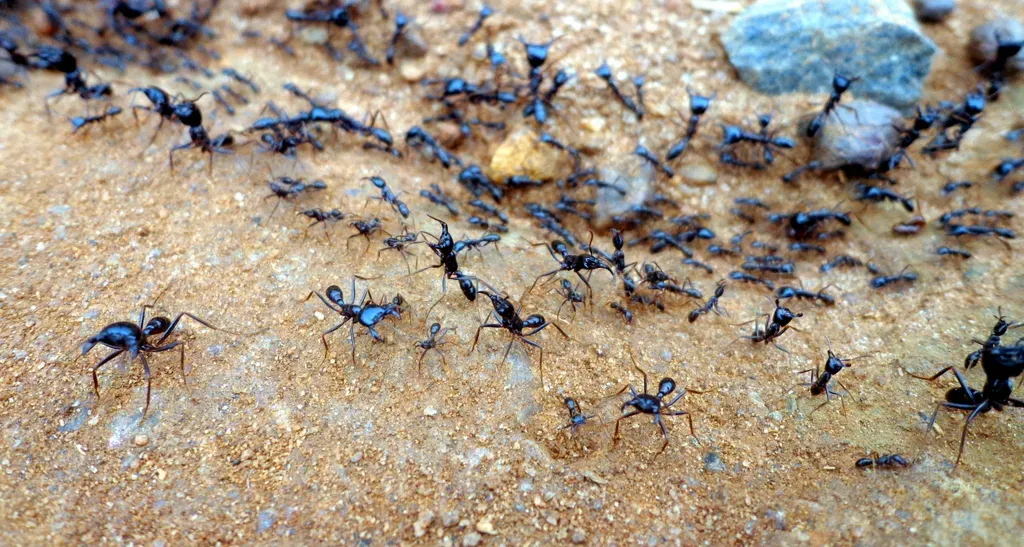
Chemical communication is a form of animal communication where animals leave behind pheromones in the environment for different reasons. Pheromones are chemical substances produced and released by animals that affect the behaviour or psychology of other animals of their own species. Think of it like sticky notes left in nature, except these notes can last for hours, communicate identity, reproductive status, territorial boundaries, and even emotional state all at once.
Ants rely heavily on chemical signals known as pheromones to communicate with their colony members, and these pheromones help ants mark trails, identify food sources, and coordinate various tasks within the complex social structure of the ant colony. Compared to visual and acoustic signals, chemical signals travel much more slowly through the environment since they must diffuse from a point source of production, yet these signals can be transmitted over long distances and fade slowly once produced. So while they are slow to travel, they are brilliantly persistent. Nature’s version of a pinned post.
The Astonishing Alarm Systems of the Wild
You would not believe how specific animal alarm calls can be. The vervet monkey gives a distinct alarm call for each of its four different predators, and the reactions of other monkeys vary appropriately. If an alarm call signals a python, the monkeys climb into the trees, whereas the eagle alarm causes monkeys to seek a hiding place on the ground. This is not random panic. This is organized, specific, and absolutely essential for survival.
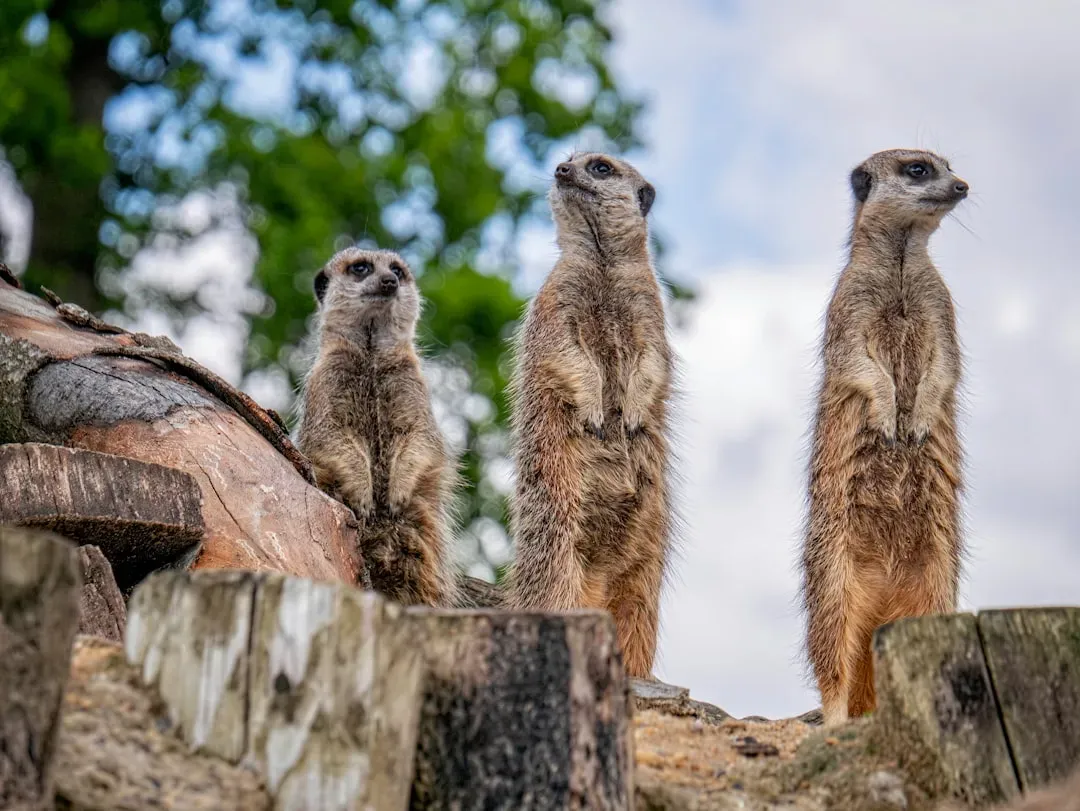
Meerkats are highly social animals that live in groups called mobs, and they have distinct alarm calls for different predators, such as snakes, birds of prey, and mammals. Some species, like chickadees, have distinct calls that convey details about the size and threat level of a predator, ensuring their group members know how to respond. When you think about it, these animals are operating something closer to a coded emergency broadcast system than anything we’d casually call “animal noise.”
Bees and the Dance That Changed Science
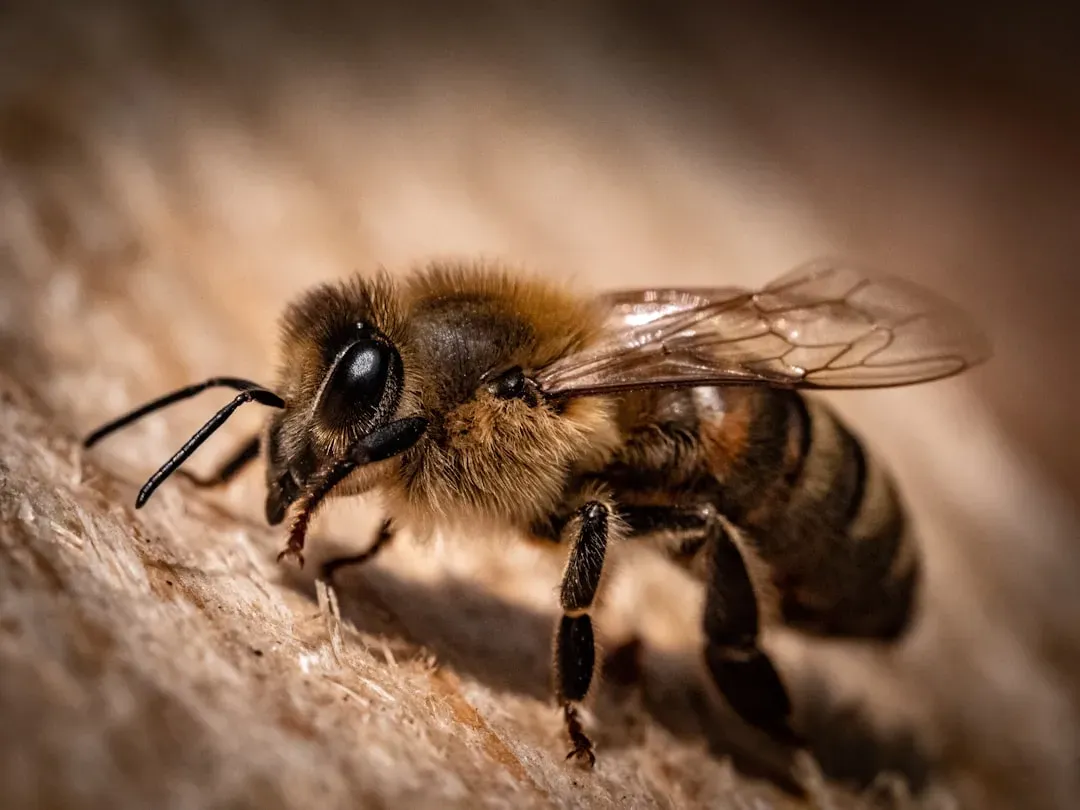
Let’s be real: when most people think of communication, they picture words, gestures, maybe a face. They do not picture a bee shaking its backside in a dark hive. Yet that is precisely where one of the most breathtaking discoveries in all of animal science was made. Researcher Karl von Frisch observed bees “waggling” inside their hives, and found that bees used this dance-like movement to inform other bees of the direction and distance to important food sources. When a bee discovered a food source, it would head to the hive and perform a dance.
During the dance, other bees touched its abdomen, which communicated to them where to find the food without having to be shown. The direction and speed of the dance indicated specific geolocation details. Research has shown that honeybees may even modify their dance in response to environmental factors like wind speed and obstructions between the food source and the hive. I think that is one of the most underrated wonders in nature. A tiny bee, essentially giving GPS directions through choreography.
Elephants and the Language Beneath Your Feet
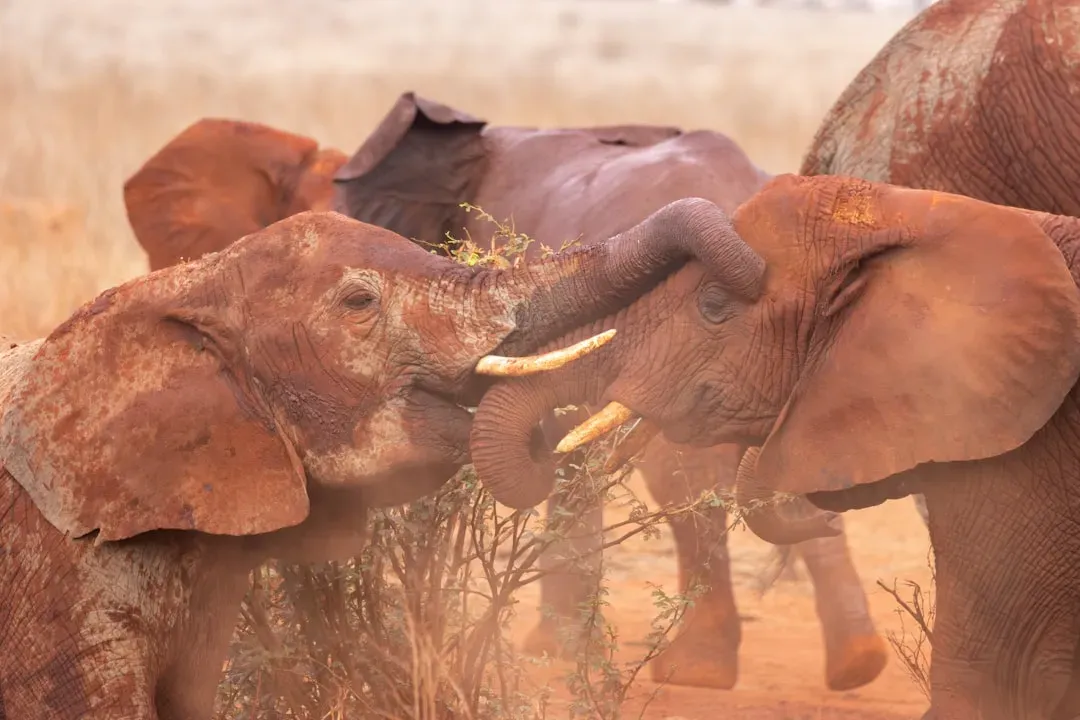
Elephants are among the most emotionally aware animals on the planet, and their communication style is remarkable. They use infrasound, which are deep rumbles that reverberate through the earth and can be heard miles away, in addition to their loud trumpeting. They also communicate using sounds and gestures, and use touch through trunks, nudges, and embraces to comfort, reassure, and strengthen social connections.
Elephants can communicate over long distances by producing low-frequency sounds called infrasound, and these sounds create vibrations in the ground that other elephants can feel through their feet, even miles away. Honestly, picture this: an elephant family separated by miles of African savanna, still able to feel each other’s messages through the soles of their feet. African elephants make sounds so low they do not strike the human ear as sounds at all, and one African elephant making an infrasound can be heard by another more than 175 miles away. That is not communication. That is something closer to magic.
Whales, Dolphins, and the Deep Ocean Conversations
Perhaps one of the most beautiful forms of animal communication occurs in the depths of the oceans, where whales use complex vocalisations for communication. Songs created by male humpback whales can be carried across hundreds of metres in the ocean, and scientists suggest they sing together as part of their breeding behaviour. The call between a mother humpback whale and her calf is soft and low, aptly called a “whisper.”
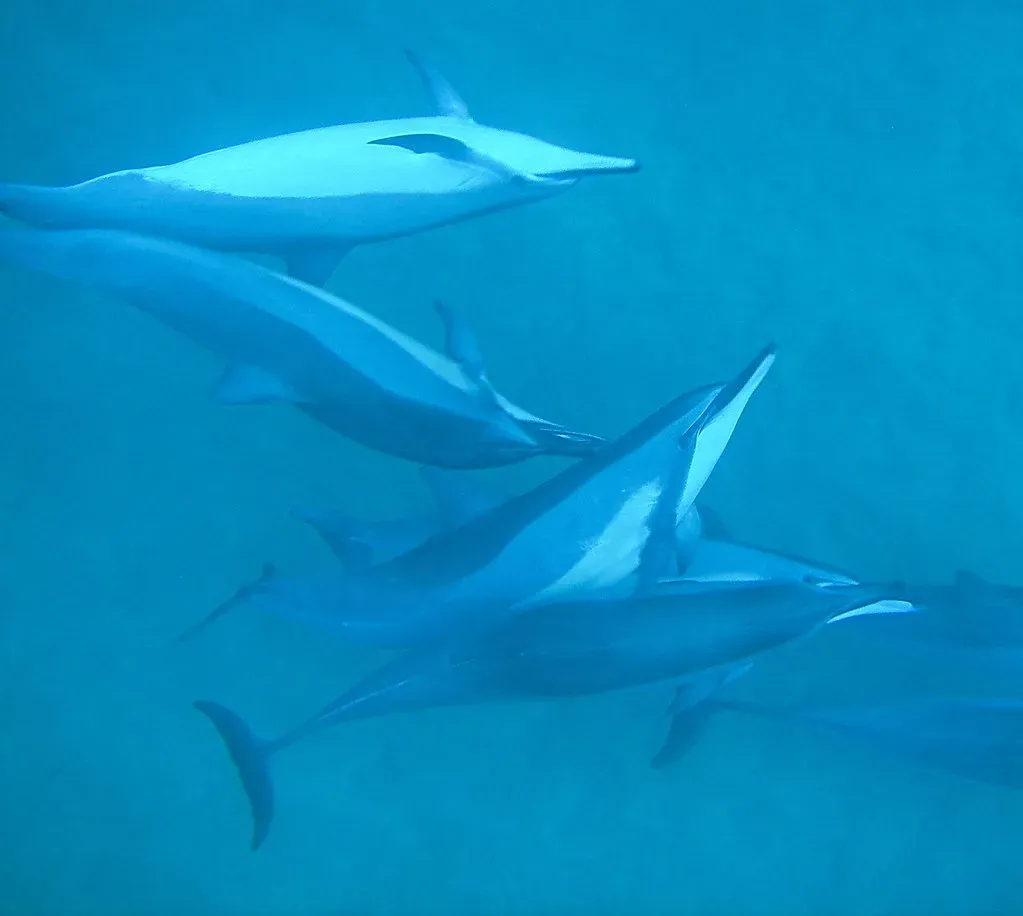
As for dolphins, researchers are discovering just how complex things get. The findings from recent research suggest that dolphin communication is much richer than previously thought, and dolphins may possess a language-like communication system, with units of sound that have shared, context-specific meanings. Toothed whales such as pilot whales and killer whales employ clicks and whistles to communicate with each other, and killer whales also have distinct dialects within their pods, making their communication different from those in other pods. It’s hard to say for sure just how deep that complexity goes, but the ocean, it turns out, is far from silent.
Visual Signals: When Looks Are Everything
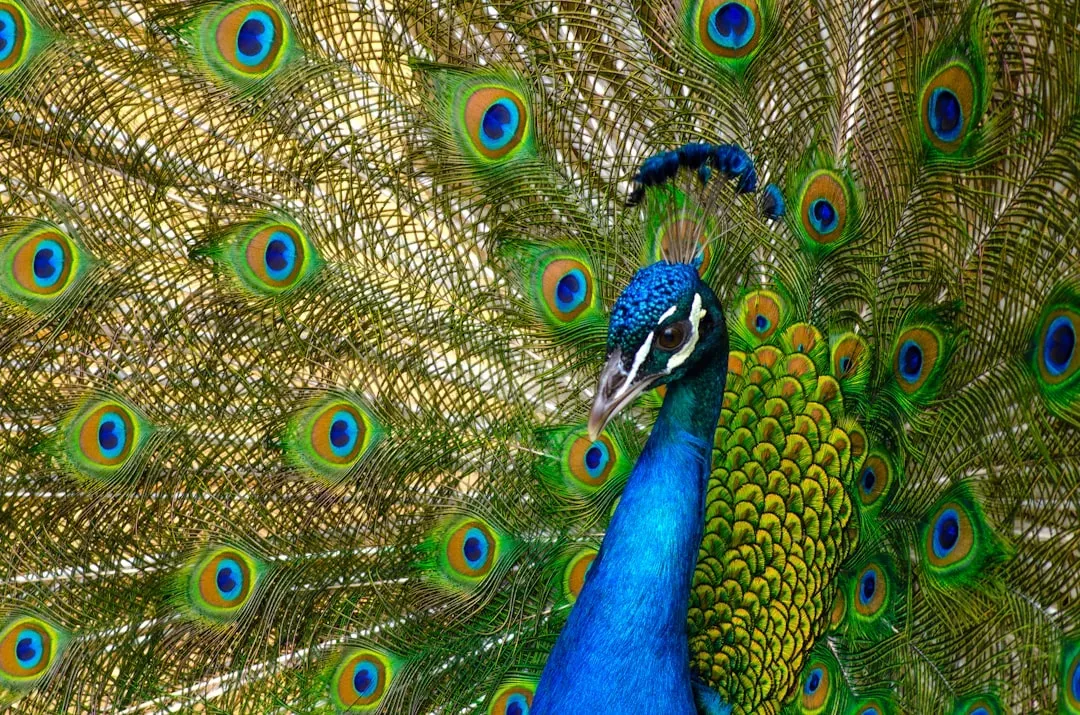
Visual signals are very effective for animals that are active during the day. Some visual signals are permanent advertisements; for example, the bright red epaulets of male red-winged blackbirds are always displayed and are important for territory defense. Color and patterns also play a huge role in animal communication, and many animals use bright colors to warn predators that they are poisonous or dangerous. For example, the bright red and black patterns of a coral snake signal that it’s venomous.
Cuttlefish shift colors in rippling waves across their skin while using fin movements and posture to emphasize their message. Birds of paradise take courtship to the extreme with elaborate dances, puffed-out feathers, and layered songs. Wolves use howls along with tail positions, stares, and posture to hold their pack together and avoid constant conflict. Visual communication across the animal kingdom is not just flashy spectacle. It is an entire layered vocabulary of shape, color, and movement working in concert.
AI and the Future of Decoding Animal Speech
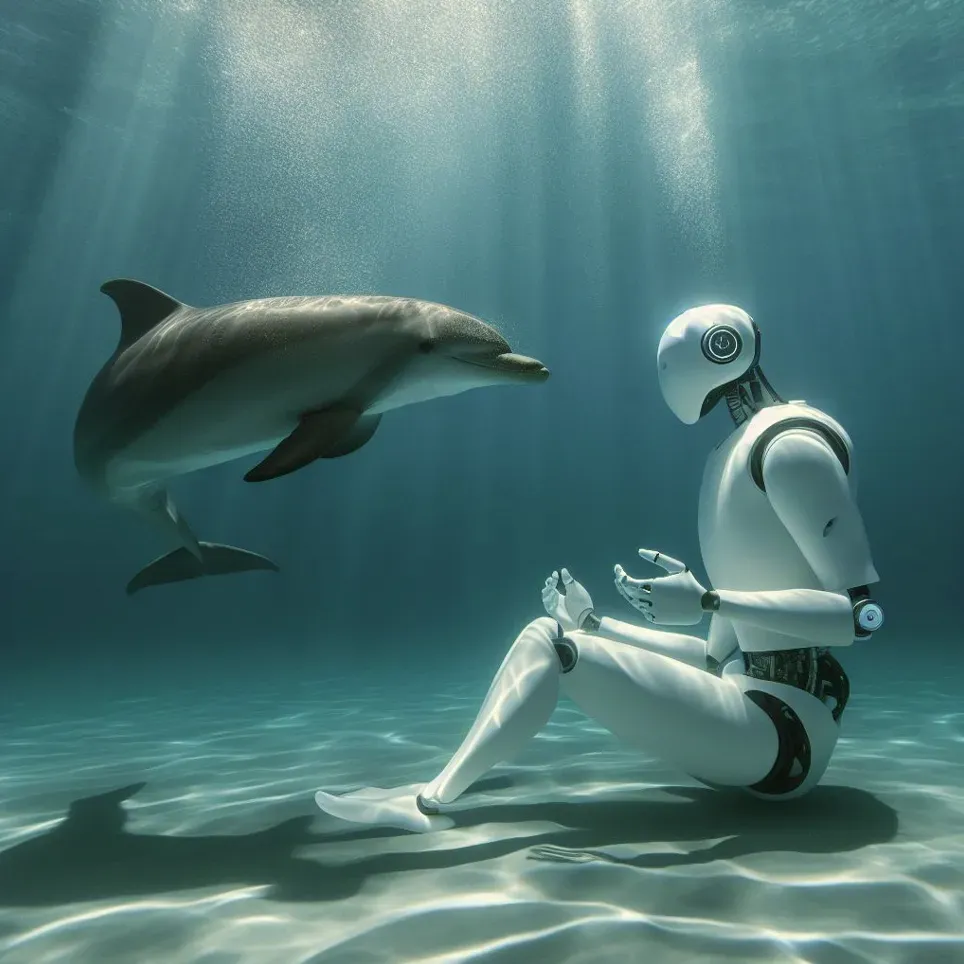
Here is where things get genuinely exciting for the present day. Scientists are now turning to artificial intelligence to help crack what has essentially been the oldest unsolved code on Earth. AI uses algorithms to spot patterns in vast amounts of data, and it’s the same technology that enables ChatGPT to engage in human-like conversations and pass the Turing test. Researchers are applying that same logic to animal vocalizations, trying to find structure, meaning, and intent in sounds that have puzzled scientists for decades.
Some foundations are betting money on the fact that interspecies communication is both possible and important for advancing the societal status of animals. In May, the Jeremy Coller Foundation and Tel Aviv University announced the Coller Dolittle Challenge for Interspecies Two-Way Communication, with a grand prize of $10 million for “cracking the code” on animal communication. Our knowledge of animal communication is growing by the year, and some have suggested this knowledge might eventually lead to stronger animal welfare laws, with a 2024 paper arguing that animals capable of communicating complex emotions and ideas to humans should be granted additional legal protections. We are, arguably, on the edge of a revolution in how humanity relates to the rest of life on Earth.
Conclusion
The animal kingdom has never been quiet. It has just been speaking in languages we were not yet equipped to hear. From the seismic whispers of elephants to the waggle of a honeybee, from dolphin whistles that function like words to the chemical messages ants leave on forest floors, every species has developed its own spectacular toolkit for connection. These systems are not primitive substitutes for human language. In many cases, they are every bit as intricate, every bit as purposeful, and every bit as filled with nuance.
What is perhaps most humbling about all of this is the realization that these behaviors reveal how species survive, find food, avoid danger, and care for each other, and communication helps form social bonds, coordinate hunts, and even pass down survival knowledge. The more we listen, the more we understand that life on this planet has always been one giant, ongoing conversation. We are just finally starting to tune in.
What do you think would change about how we treat animals if we could fully understand what they were saying to each other? Drop your thoughts in the comments below.