Bats, often shrouded in mystery and myth, are fascinating creatures that reveal a world of complex social structures akin to human societies. These nocturnal mammals, typically perceived as solitary wanderers, actually thrive in intricate communities where social connections play a pivotal role. Much like humans, bats form networks of friendships that influence their survival, foraging strategies, and overall well-being. This article delves into the secret societies of bats, uncovering the ways in which these enigmatic animals build and maintain social bonds.
The Social Lives of Bats: More Than Just Roostmates
While many envision bats as solitary creatures, they are surprisingly social animals. Bats often live in large colonies, some numbering in the millions. Within these colonies, they form smaller groups or cliques, much like humans do in towns or cities. These groups are not just about roosting together; they engage in social grooming, foraging, and even babysitting each other’s young. This social behavior indicates a level of cooperation that is not only essential for individual survival but also for the success of the entire colony.
Friendship Among Bats: The Bonding Rituals

Bats, like humans, engage in bonding rituals that strengthen their friendships. Social grooming, where bats clean each other’s fur, is a common practice. This behavior goes beyond hygiene; it serves as a means of reinforcing social ties. Such grooming sessions reduce stress and enhance trust, ensuring that bonds remain strong. It’s akin to humans sharing a meal or engaging in small talk, where the act itself is less about the activity and more about the connection it fosters.
Communication: The Language of the Night

Communication is at the heart of bat societies. Bats use a sophisticated array of vocalizations to convey information. These vocalizations can be likened to human language, with different calls serving various purposes. For instance, certain calls are used to warn others of danger, while others might indicate the location of food. This vocal exchange ensures that bats remain connected, even in the darkest of nights. Just as humans rely on language to maintain social structures, bats use their calls to uphold their intricate social networks.
Foraging Networks: A Community Effort

In the wild, finding food is crucial, and bats often do this collectively. By sharing information about food sources, bats enhance their foraging efficiency. This cooperative behavior is particularly evident in species like the greater spear-nosed bat, which relies on social networks to locate food. These foraging networks are comparable to human communities sharing resources. By working together, bats ensure that everyone has a better chance of thriving, showing that survival is not just an individual effort but a community one.
Motherhood and Babysitting: A Communal Affair

Raising young is a demanding task, and bats often turn to their social networks for support. In some bat species, mothers form ‘babysitting’ groups, where they take turns caring for each other’s offspring. This communal approach to rearing young is similar to human practices where families and friends share childcare duties. Such cooperation not only alleviates the burden on individual mothers but also ensures that the young are well cared for, highlighting the importance of social ties in bat communities.
The Role of Reciprocity: Give and Take
Reciprocity is a fundamental aspect of bat societies. It’s a system of give-and-take, where bats that help others are more likely to receive help in return. This concept is akin to the human social contract, where mutual aid strengthens community bonds. In the bat world, this might mean sharing food or assisting in grooming. The principle of reciprocity ensures that bats remain interconnected, with each member contributing to the well-being of others, fostering a balanced and cooperative society.
Hierarchy and Leadership in Bat Colonies
Even in the seemingly chaotic world of bats, there exists a hierarchy. Certain bats take on leadership roles, guiding their colonies and making decisions that affect the group. This is comparable to human societies, where leaders emerge to provide direction and ensure the community’s survival. These leaders are often older, more experienced bats that have earned the respect of their peers. Their role is crucial in maintaining order and ensuring that the colony functions smoothly.
Survival of the Friendliest: The Evolutionary Advantage
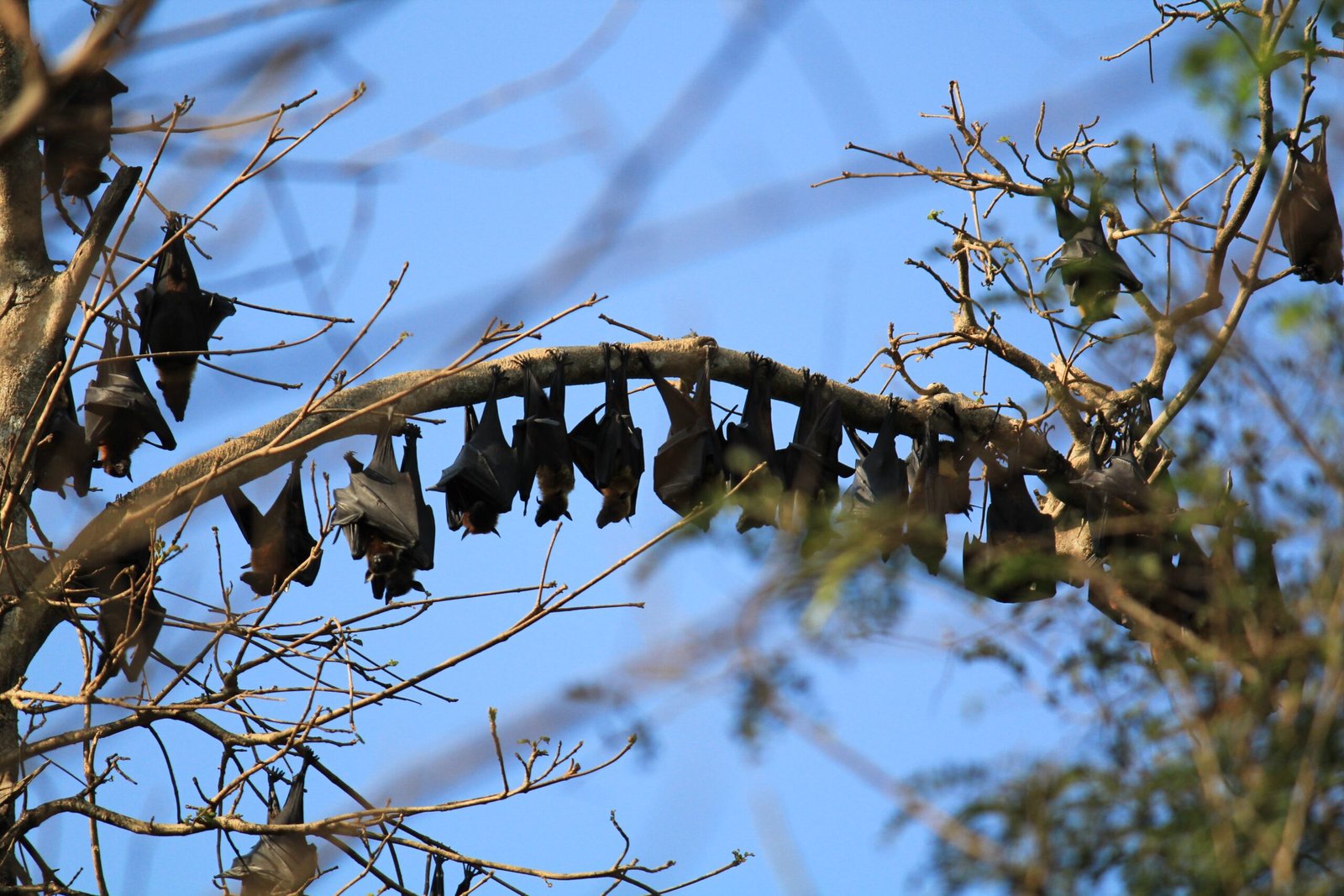
Friendship and cooperation among bats are not just social niceties; they offer evolutionary advantages. Bats that form strong social bonds are more likely to survive and reproduce, passing on their social traits to the next generation. This survival of the friendliest underscores the importance of social networks in the natural world. It’s a reminder that while competition exists, cooperation is often the key to thriving in challenging environments, a lesson mirrored in human evolution as well.
The Future of Bat Research: Unveiling Even More Secrets
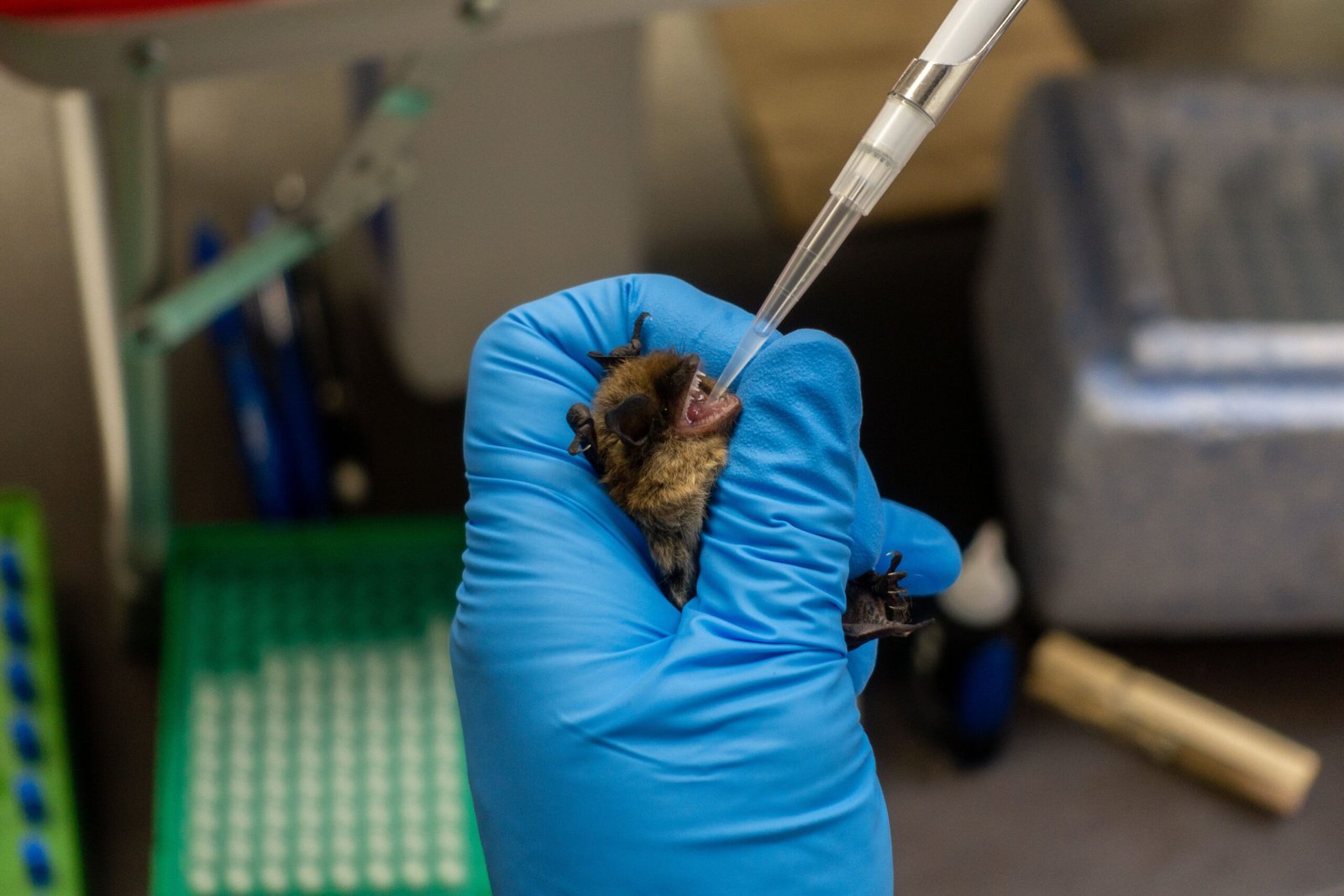
The study of bat societies is still in its infancy, with many secrets yet to be uncovered. As researchers continue to explore these fascinating creatures, we can expect to learn even more about their social structures and behaviors. This ongoing research not only enhances our understanding of bats but also offers insights into the nature of social networks in the animal kingdom. As we delve deeper into the secret societies of bats, we are reminded of the interconnectedness of life and the universal importance of community and cooperation.
Reflections on Human and Bat Societies

The social lives of bats offer a mirror to our own societies. From forming friendships to working collectively, bats showcase behaviors that resonate with human values of community and cooperation. Their secret societies serve as a testament to the power of social bonds, highlighting the universal nature of friendship and collaboration. As we reflect on the lives of these enigmatic creatures, we are reminded of the importance of nurturing our own social networks, fostering connections that enrich our lives and strengthen our communities.