

Walk past a tree-lined street or a row of houseplants and it’s easy to think of them as background scenery, frozen in slow motion. But hidden beneath the stillness is a world that’s surprisingly busy, emotional in its own strange way, and fiercely competitive. Plants are not just surviving; they’re sensing, signaling, defending, cooperating, and even “making decisions” that shape entire ecosystems.
In the last couple of decades, scientists have uncovered a flood of evidence that plants are far more responsive and interactive than we ever imagined. They detect light, touch, gravity, chemicals, sounds, and even the presence of their neighbors. They send messages through the air and through underground networks, adapt to stress, and remember past dangers. Once you know what’s really going on, a forest walk or a glance at your windowsill jungle never feels the same again.
The Hidden Senses of Plants
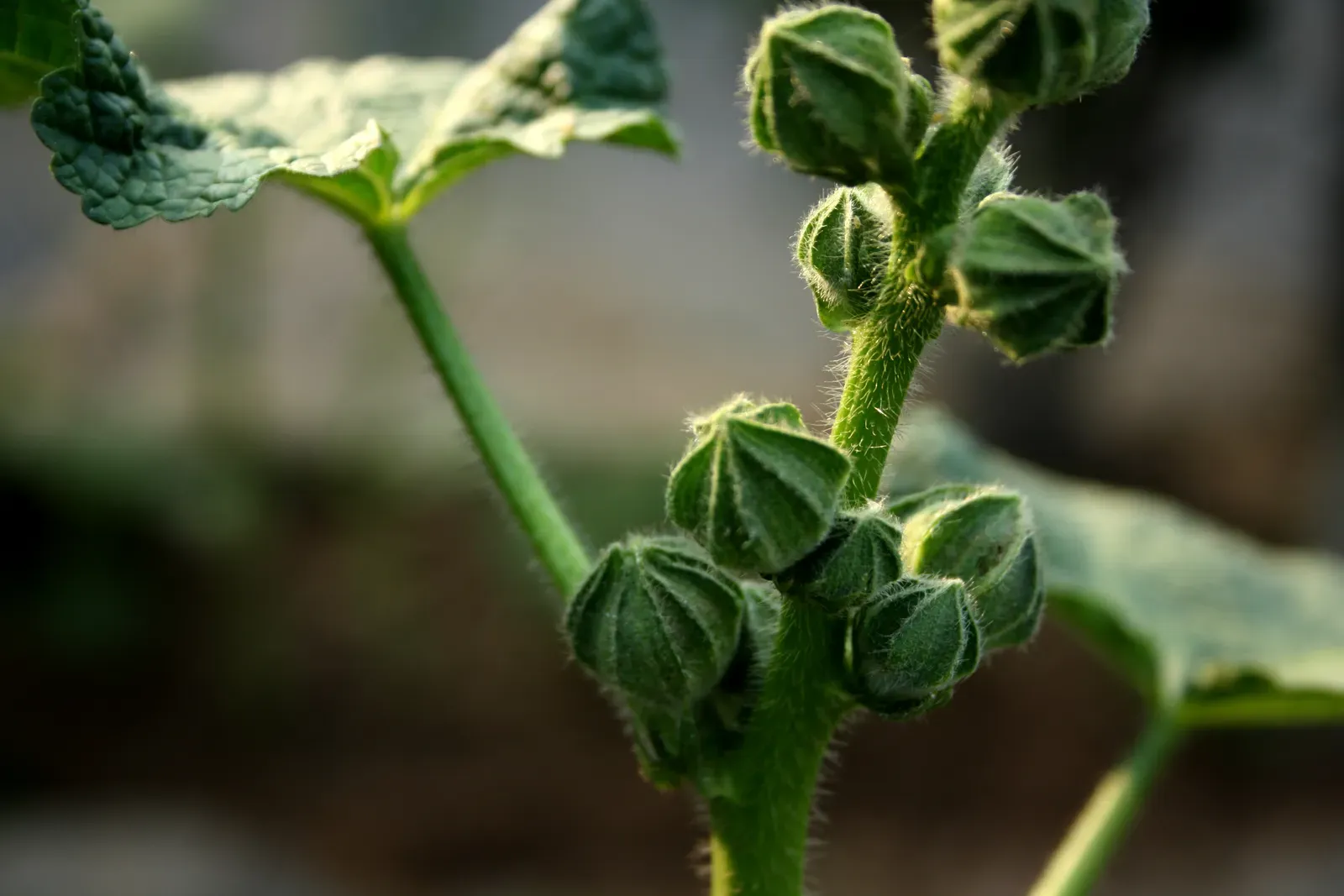
Imagine living your whole life rooted to one spot, unable to run away from danger or walk toward food. That’s the basic reality of a plant, yet it manages to monitor its world with a sensory toolkit that puts a lot of gadgets to shame. Plants sense light direction and color, feel when something brushes against them, track gravity to know which way is up or down, and detect chemicals in soil and air that reveal who or what is nearby.
They respond to temperature shifts, water availability, and even changes in day length with impressive precision. Some flowers change their shape or color in response to touch, while climbing vines literally “feel around” for supports to grab. It’s not consciousness in the human sense, but it is a form of constant, active perception, like a silent radar scanning every second, quietly updating a survival plan.
Volatile Conversations: Messages in the Air
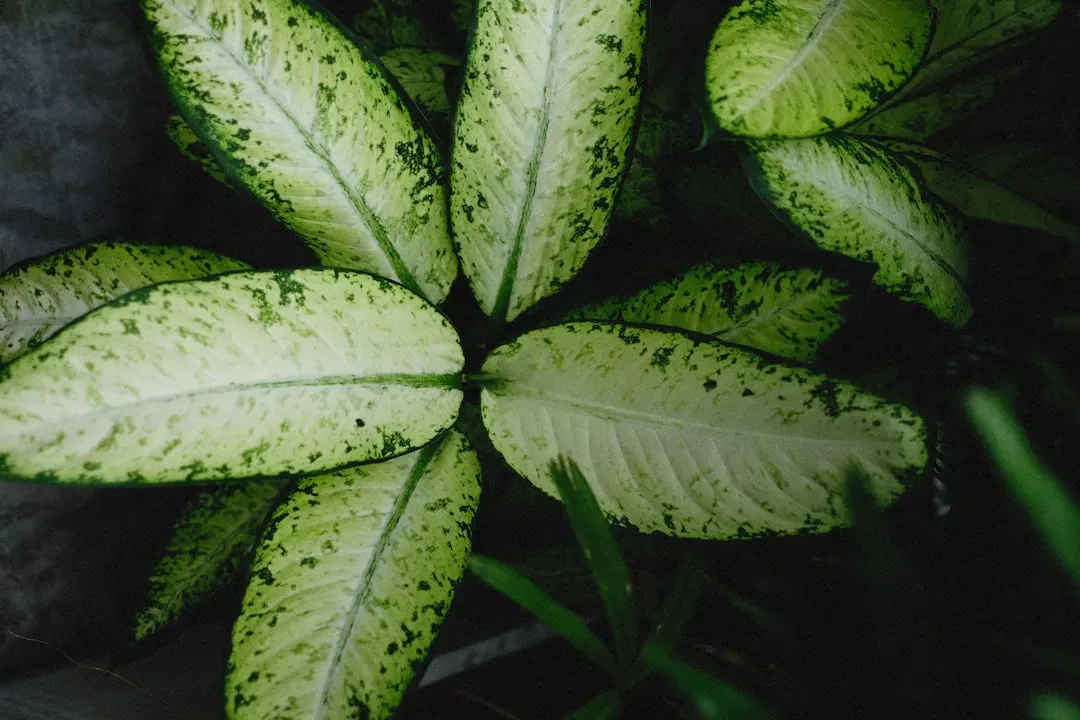
One of the most surprising plant superpowers is their ability to talk through scent. When a plant is attacked by insects, it can release volatile chemicals into the air that drift to nearby plants. Those neighbors “smell” the warning and start boosting their own defenses before the attackers even arrive, like getting a storm alert before the clouds roll in.
These airborne messages aren’t just for plants. Some signals call in insect bodyguards that prey on the pests doing the damage. It’s as if a plant under siege sends out a chemical distress flare that says, “I’m being chewed, predators welcome.” Once you know this, the smell of a freshly mown lawn suddenly feels a little eerie; you’re basically standing in the middle of a chemical news broadcast of damage and alarm.
The Underground Internet: Mycorrhizal Networks
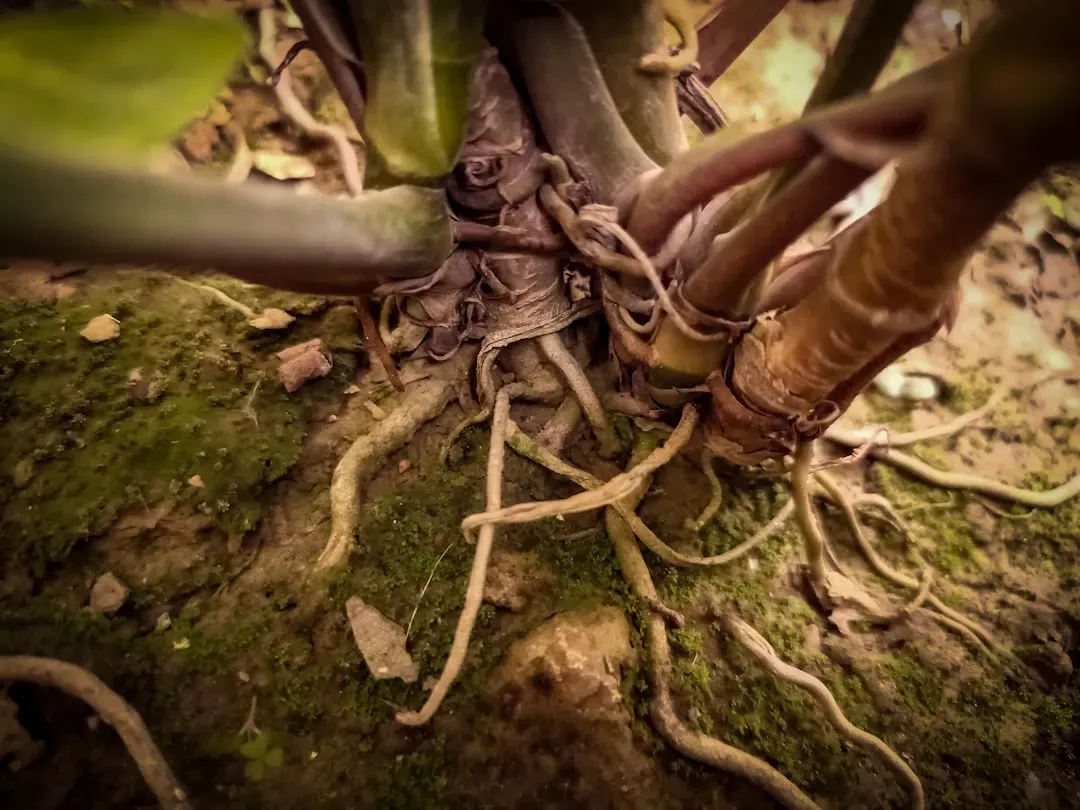
Beneath your feet, in forests, grasslands, and even gardens, lies a tangled web of fungal threads connecting roots from many different plants. This mycorrhizal network has been nicknamed the “wood wide web” for a reason: it helps move nutrients, water, and even chemical signals from one plant to another. Trees can share resources with seedlings shaded by the canopy, effectively “subsidizing” the youngsters until they’re strong enough to compete.
Through these same fungal highways, plants can also send stress signals. A tree under attack or under drought can trigger protective responses in its neighbors, nudging the whole community toward resilience. It’s not some gentle fairy tale, though; there’s competition as well as cooperation. Some plants may hoard or redirect flows, and invasive species can hijack the network to boost their own success at the expense of others.
Defense Strategies: Thorns, Toxins, and Trickery
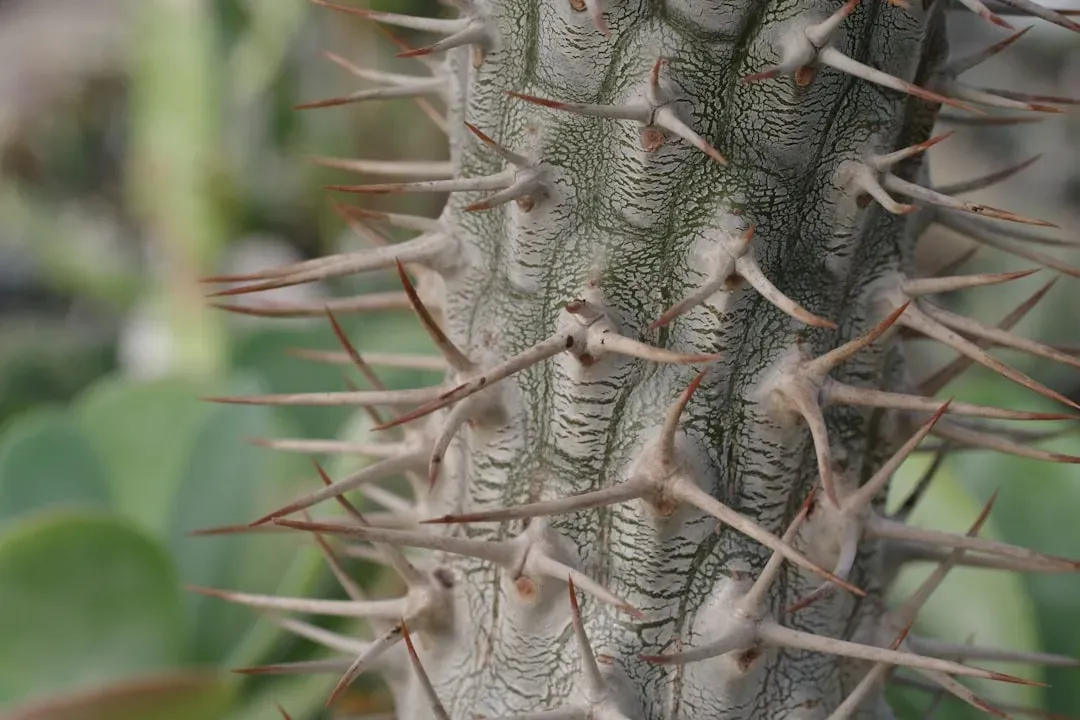
Plants can’t run, so they fight like fortresses. They arm themselves with thorns, spines, and tough leaves that feel like nature’s barbed wire. On the microscopic level, they produce an arsenal of chemical defenses that make them bitter, toxic, or simply not worth the effort to chew. This is why so many of our medicines, and quite a few of our poisons, come from plants’ internal pharmacies.
Their defenses get even more creative. Some plants change color when attacked, making themselves less attractive to herbivores. Others mimic the appearance or scent of more dangerous or less tasty species, a kind of botanical costume party designed to fool hungry mouths. It’s a slow-motion arms race: animals evolve ways to tolerate plant toxins, and plants respond by tweaking their chemistry yet again, like an endless upgrade war between defense systems and hackers.
Learning, Memory, and Plant “Decisions”
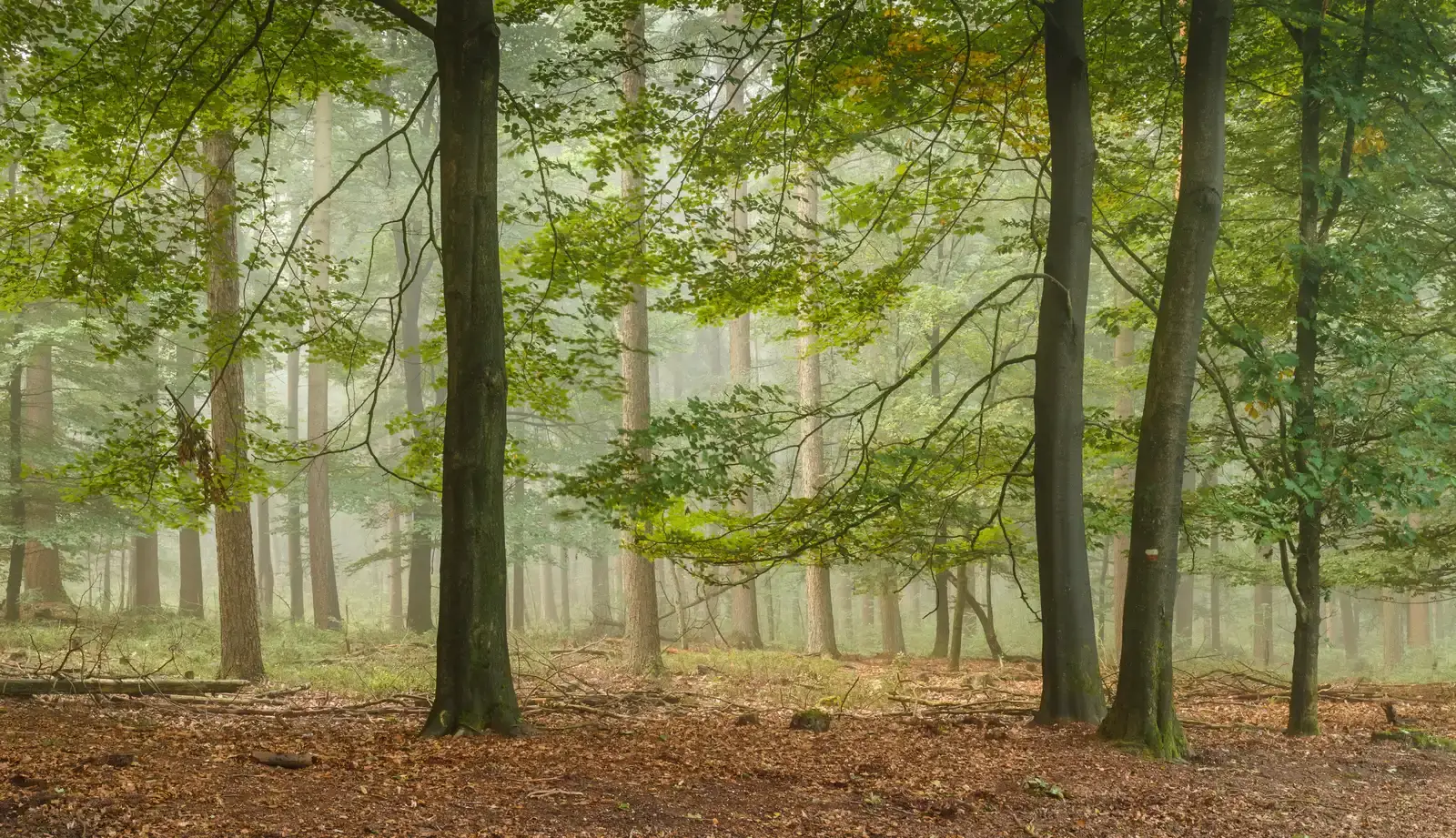
It sounds almost ridiculous at first, but plants do show forms of learning and memory, just without brains. When repeatedly exposed to a harmless stimulus, some plants gradually stop responding, a basic form of learning known as habituation. Over time, they “realize” that a certain trigger isn’t worth wasting energy on and redirect their resources elsewhere.
Plants also adjust their growth based on past experiences, such as repeated droughts or nutrient shortages. Seeds from parents that endured stress can sometimes be more stress-tolerant themselves, as if a warning got packaged into the next generation. When roots “decide” which direction to grow in a patchy soil, they weigh gradients of moisture, nutrients, and obstacles, and their growth patterns reflect a kind of problem-solving that is slow but surprisingly effective.
Social Lives: Competition, Cooperation, and Kin

We tend to think of plants as individuals, but many species behave differently depending on who is growing beside them. Some are ruthlessly competitive, shading out neighbors, releasing chemicals into the soil to inhibit rivals, or racing roots outward to grab water and minerals first. Fields and forests are full of these silent battles, where the loser simply fades away without a sound.
On the flip side, there’s evidence that some plants treat close relatives more gently than strangers. They may grow less aggressively against their kin, share more resources through roots or fungal partners, or alter leaf and root patterns so everyone gets a bit of light and nutrition. It’s not kindness in the human sense, but it does show that plants respond differently to “family” than to unrelated competitors, which changes how we think about what a community really is.
How Plants Adapt to a Changing Climate
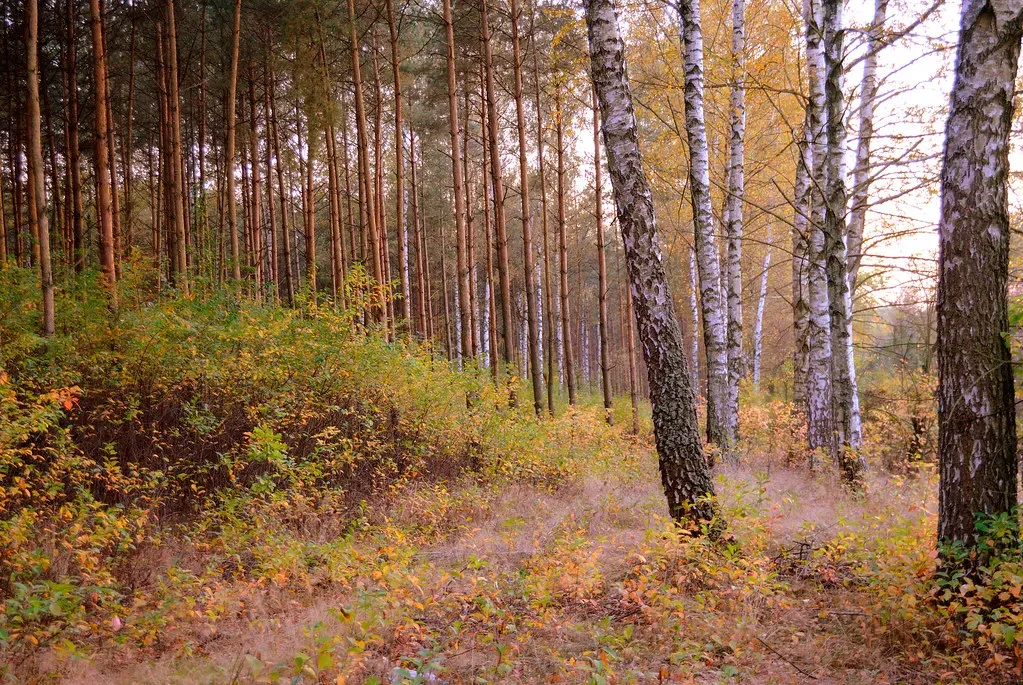
As the climate shifts, plants are on the front line, dealing with hotter temperatures, erratic rainfall, and increasing extremes. They respond by adjusting the timing of flowering and leaf-out, shifting ranges toward cooler or wetter areas, and changing how deeply or widely their roots grow. In some regions, spring is arriving earlier, and many plants are already blooming sooner than they did a few decades ago.
Not all species can keep up, and that mismatch ripples through entire food webs, affecting pollinators, herbivores, and even soil life. At the same time, humans are using what we know about plant communication and stress responses to breed crops that handle heat and drought better, or that resist pests without heavy chemical use. The way plants adapt now will help decide which landscapes survive and what our own food systems look like in the years ahead.
Seeing Plants Differently: A New Relationship with the Green World
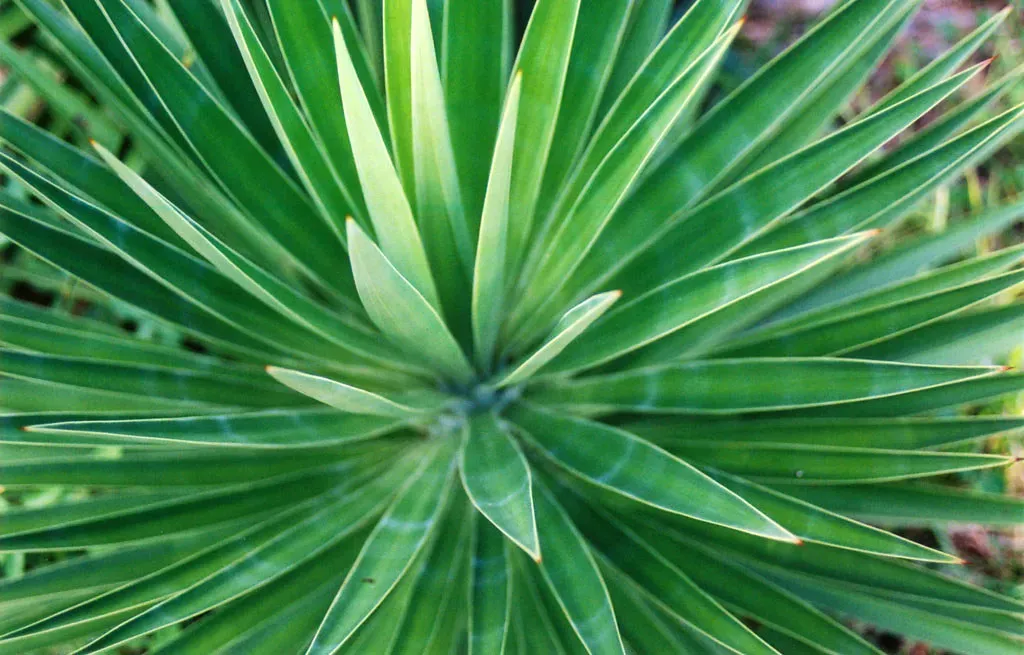
Once you realize plants are constantly sensing, signaling, and adapting, it becomes harder to see them as mere decor. A houseplant drooping after you move it, a tree leaning toward a tiny gap of light, or a wildflower patch shifting with the seasons all feel like visible traces of invisible choices. The green world starts to look less like a static backdrop and more like a slow, complex conversation we’ve been ignoring.
On a personal level, this shifts how it feels to walk in a park, tend a garden, or even eat a salad. You’re suddenly aware you’re part of a living negotiation between species, not standing outside it. Maybe that’s the real secret life of plants: not just that they communicate and adapt, but that they’ve been shaping our world and our lives all along, quietly, while we were barely paying attention.