Have you ever wondered if there’s more to a forest than meets the eye? What if the trees around you are doing something remarkable right now, just beneath your feet? You’re standing on top of what scientists have nicknamed nature’s internet, an invisible communication highway connecting every tree in ways that would sound like pure fantasy if they weren’t scientifically documented.
Trees aren’t the silent, solitary giants we once imagined them to be. They’re chatting, sharing meals, and even sending emergency alerts to their neighbors. This hidden society operates through an intricate underground network that challenges everything we thought we knew about plant life. Let’s explore this secret world and discover just how connected these towering beings really are.
The Underground Internet Connecting Forests
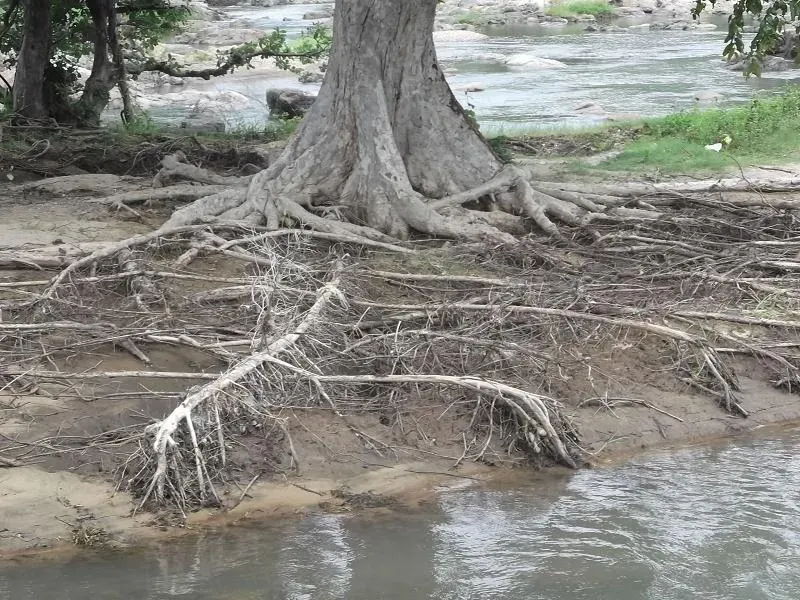
Beneath every forest floor lies an underground network created by the hyphae of mycorrhizal fungi joining with plant roots, connecting individual plants together. Think of it as nature’s version of fiber optic cables. There are thousands of kilometers, even under a square meter of soil, of fungi linking all these plants together, creating avenues of communication from plant to plant, tree to tree.
Mycorrhizal networks were discovered in 1997 by Suzanne Simard, professor of forest ecology at the University of British Columbia in Canada, whose field studies revealed that trees are linked to neighboring trees by an underground network of fungi that resembles the neural networks in the brain. The nickname for this phenomenon? The Wood Wide Web. Honestly, it’s hard to think of a more fitting description for something so vast and interconnected.
How Trees Actually Talk to Each Other
You might be wondering how exactly trees manage to communicate without mouths or brains. Mycorrhizal networks are effectively an information highway, with recent studies demonstrating the exchange of nutritional resources, defence signals and allelochemicals. Through these networks, trees can send chemical, hormonal and even slow-pulsing electrical signals.
Let’s be real here, the electrical part sounds almost too wild to believe. Yet Edward Farmer at the University of Lausanne in Switzerland studies these electrical pulses and has identified a voltage-based signaling system bearing a striking resemblance to animal nervous systems. Although the accepted knowledge is that plants don’t have neurons or brains, it’s clear that even without nervous systems, trees on some level know what’s happening and even feel something akin to pain. When you cut a tree, it responds immediately with electrical signals and healing compounds, much like how your body reacts when you get a scrape.
The Emergency Warning System in Forests
Trees don’t just gossip idly. They warn each other about real threats. When a giraffe begins chewing acacia leaves, the injured tree emits a distress signal using ethylene gas, and neighboring acacia trees pick up on this and begin pumping tannins into their leaves, which when consumed in large quantities can sicken or even kill giraffes. It’s nature’s version of a neighborhood watch program, except the signal moves through the air at impressive speed.
Plants emit volatile organic compounds as a means to warn other plants of impending danger, and nearby plants exposed to the induced VOCs prepare their own defense weapons in response. When a tree’s leaves are attacked by pests, the tree produces chemical compounds that trigger defence mechanisms in other parts of the same plant and are transmitted through the mycelial network to neighbouring trees. The receiving trees can then preemptively increase tannin production or alter their sap composition before the danger even arrives. I think that’s pretty remarkable for organisms we often dismiss as passive.
Mother Trees and Their Nurturing Networks
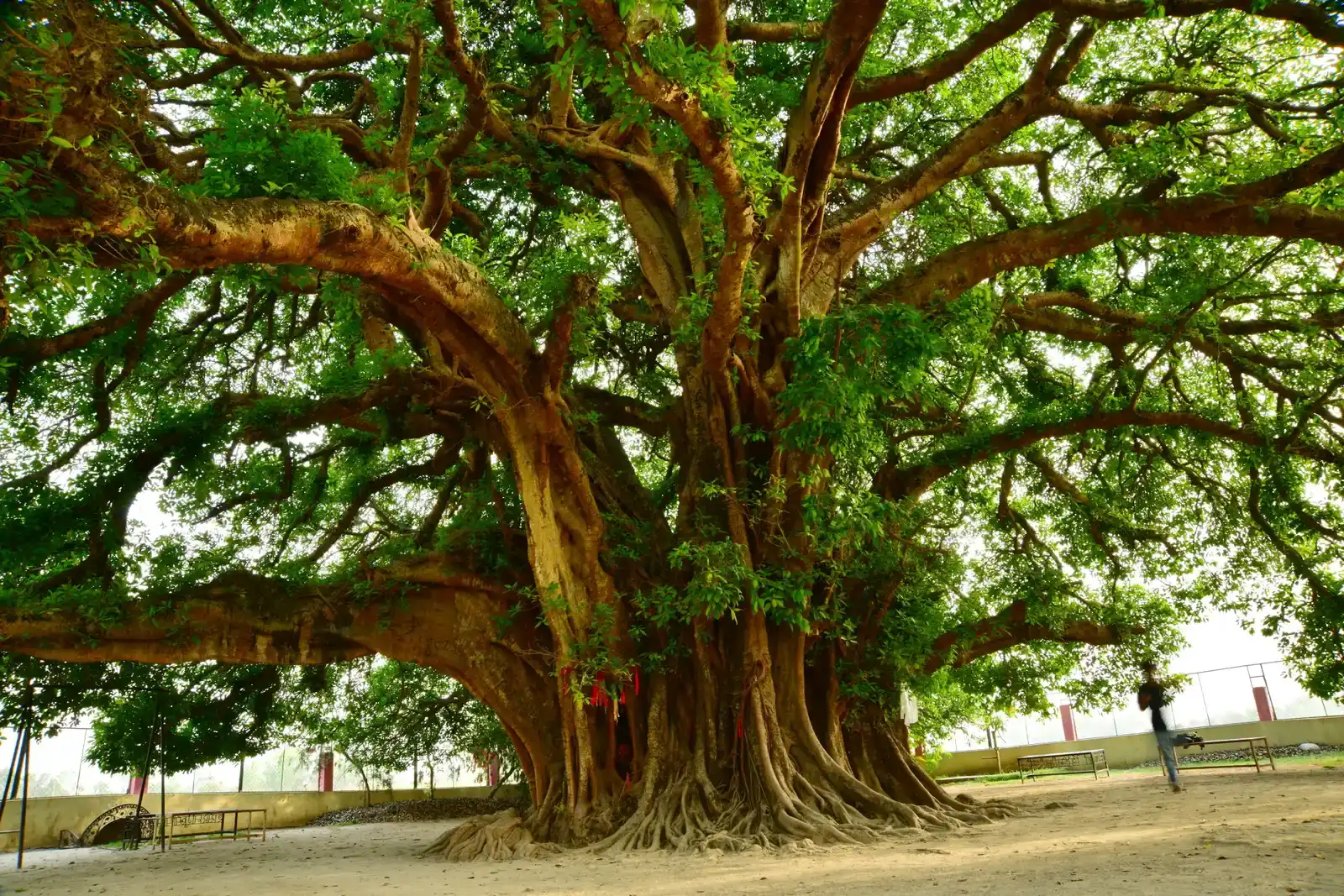
A linchpin in the tree-fungi networks are hub trees, also referred to as mother trees, which are the older, more seasoned trees in a forest that typically have the most fungal connections. These ancient giants play a role that’s genuinely maternal in nature. Their roots are established in deeper soil and can reach deeper sources of water to pass on to younger saplings, and through the mycorrhizal network, these hub trees detect the ill health of their neighbors from distress signals and send them needed nutrients.
Here’s the thing that really gets me: The excess carbon they share alone increases seedling survival by as much as 4X. Using seedlings, researchers have shown that related pairs of trees recognize the root tips of their kin among the root tips of unrelated seedlings and seem to favor them with carbon sent through the mycorrhizal networks. Though how they recognize their own offspring remains a mystery, the implications are clear. These trees are actively supporting their genetic lineage.
Sharing Resources Between Species
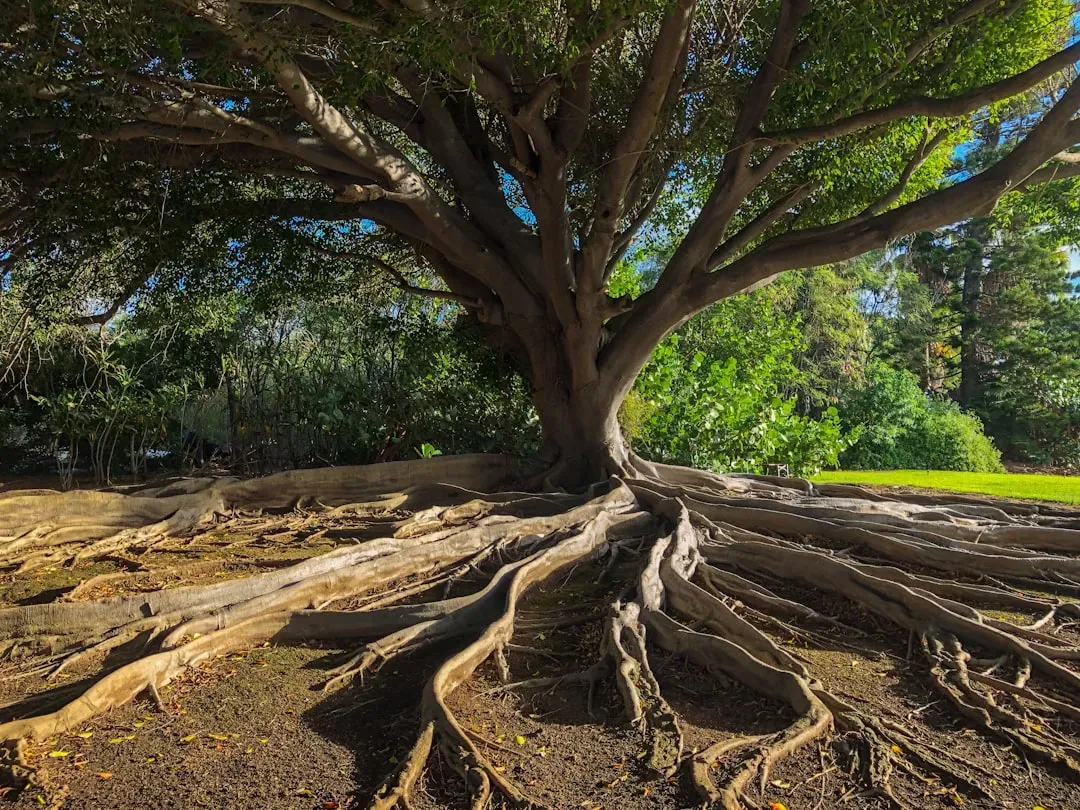
Competition isn’t the whole story in forests. In a natural forest of British Columbia, paper birch and Douglas fir grow together in early successional forest communities, and they compete with each other, but work also shows that they also cooperate with each other by sending nutrients and carbon back and forth through their mycorrhizal networks. The exchange isn’t random or one-sided either.
The flow of carbon shifts direction more than once per season: in spring, newly budding birch receives carbon from green Douglas fir, in summer, stressed Douglas fir in the forest understory receives carbon from birch in full leaf, and in fall, birch again receives carbon from Douglas fir as birch trees shed their leaves. It’s like neighbors borrowing sugar from each other, except on a grand ecological scale. As a sort of payment for their services, the mycorrhizal network retains about 30% of the sugar that the connected trees generate through photosynthesis, and the sugar fuels the fungi, which in turn collects phosphorus and other mineral nutrients into the mycelium.
Recognizing Family Through Underground Connections
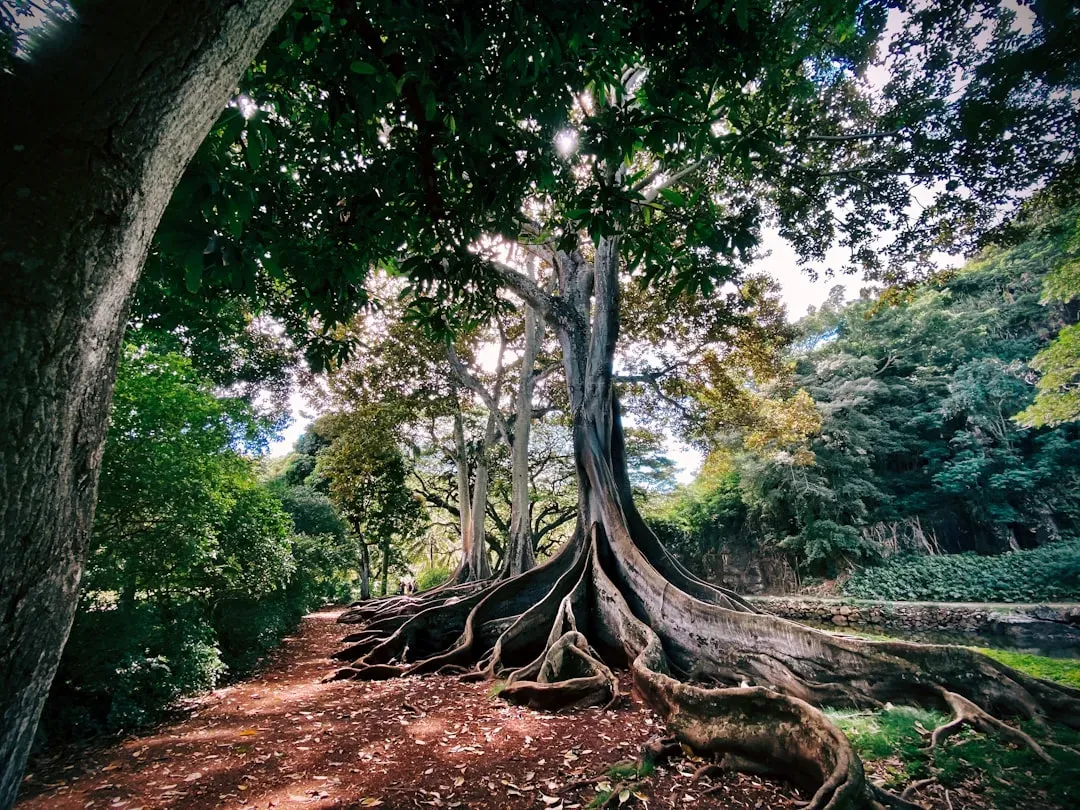
Can trees actually tell family from strangers? The research suggests they absolutely can. Greater mycorrhizal colonization, micronutrient levels and twice as much carbon was transferred from established Douglas-fir to nearby kin than stranger neighbours. More carbon has been found to be exchanged between the roots of more closely related Douglas firs sharing a network than more distantly related roots, and evidence is also mounting that micronutrients transferred via mycorrhizal networks can communicate relatedness between plants.
A study on Douglas-fir trees at England’s University of Reading indicates that trees recognize the root tips of their relatives and favor them when sending carbon and nutrients through the fungal network. The mechanism behind this recognition remains one of the forest’s most intriguing mysteries. Maybe they detect chemical signatures or scents, though where the receptors might be located in tree roots is anyone’s guess. Still, the preferential treatment they show their offspring is undeniable.
Chemical Defense and Airborne Messages
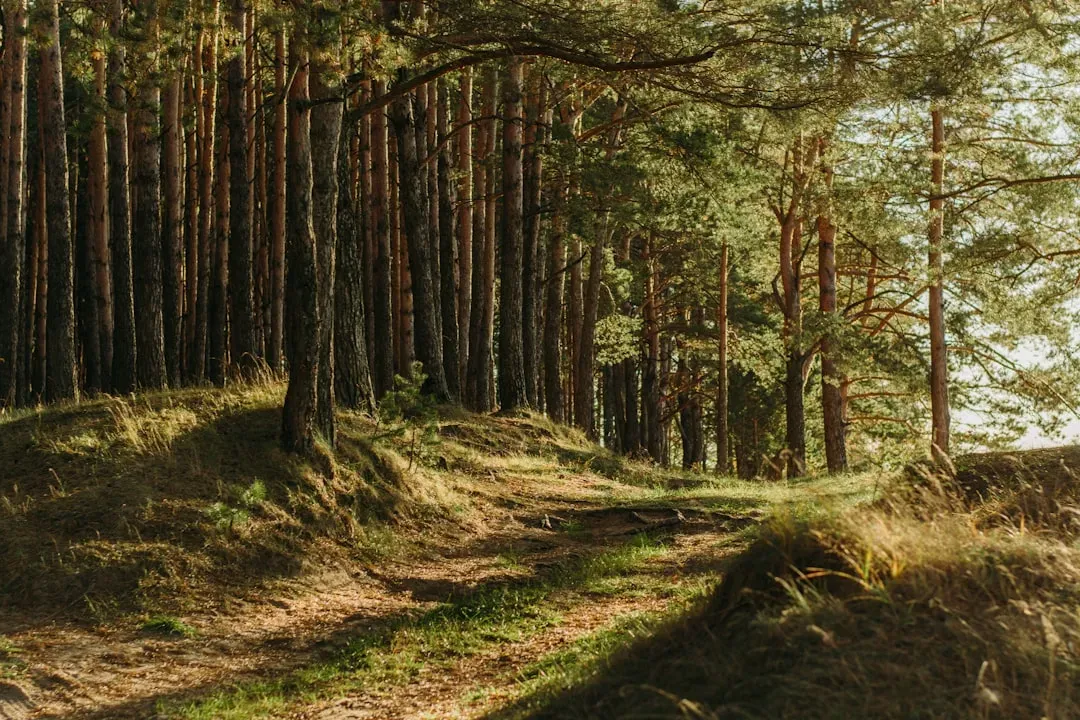
The underground network isn’t the only way trees communicate. Trees also communicate through airborne compounds, using pheromones and other powerful scent signals to warn each other of danger. These chemical signals, known as volatile organic compounds, can travel through the air and serve as an early warning system. When one tree detects trouble, it essentially broadcasts a chemical SOS that drifts on the wind to its neighbors.
When a tree is being eaten by herbivores, it can release VOCs that act as distress signals, alerting other trees in the vicinity and triggering a defensive response where nearby trees might begin to produce chemicals that make their leaves less palatable or harder to digest. Some trees get even more creative. Some trees use VOCs to attract predators of the herbivores that are damaging them, such as a tree under attack by aphids emitting a scent that attracts ladybugs which feed on aphids.
Electrical Impulses Racing Through Tree Tissues
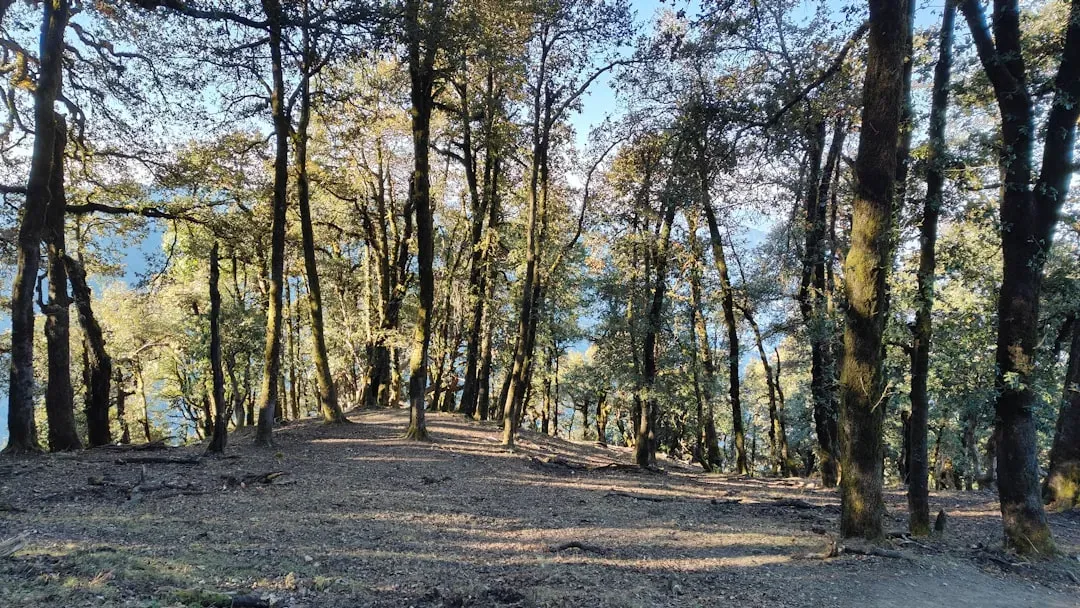
Plants are capable of sending warnings to other plants using electrical signals sent on the surface of their leaves, through a process called network-acquired acclimation whereby such signals function as a communication link between transmitter and receiver plants organised as a community or network. These aren’t slow, leisurely signals either. Such an electrical signal is transmitted quite fast in the context of plant reactions, traveling between several millimetres and several centimetres per second.
Trees send chemical, hormonal and slow-pulsing electrical signals to each other by way of the underground mycorrhizal network, and Swiss scientists have identified voltage-based signals that appear similar to the electrical impulses in an animal’s nervous system. Messages sent from tree to tree are often distress signals that warn of drought, disease and insect attack, and other trees, upon receiving the messages, alter their behavior, adjusting their defenses to prepare for the upcoming battle. The idea that plants possess such sophisticated signaling mechanisms continues to challenge conventional wisdom about what constitutes intelligence.
What Happens When the Network Is Disrupted
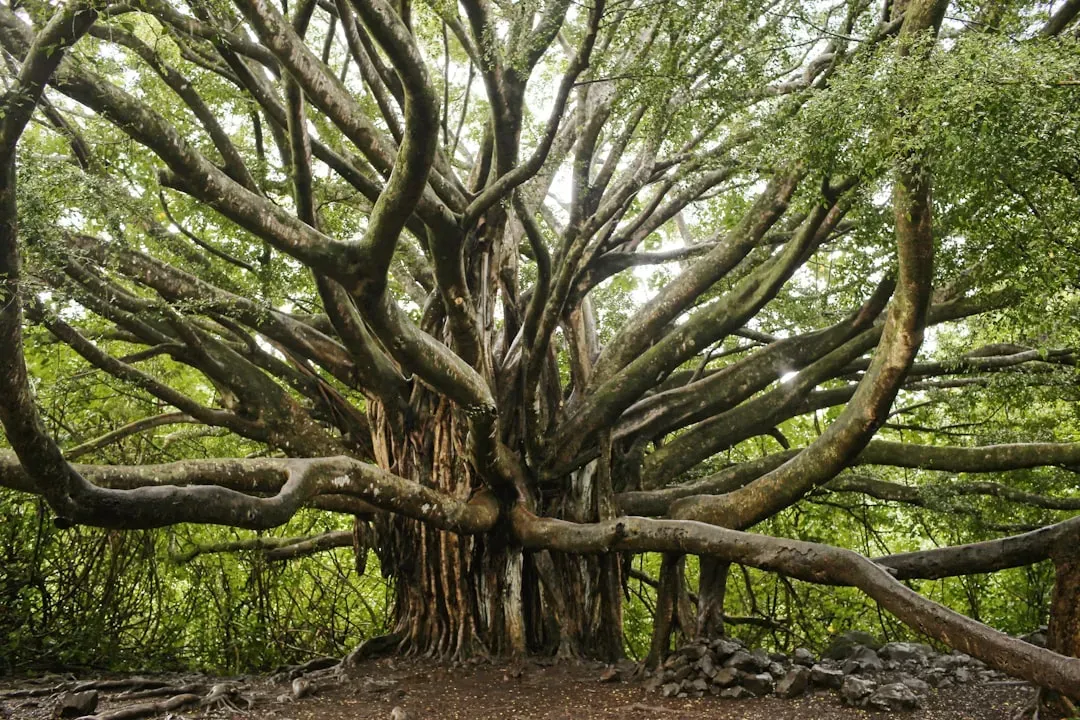
The removal of key trees can have devastating consequences. Professor Simard’s research shows that mother trees are a vital defense against threats big and small, and that when the biggest, oldest trees are cut down in a forest, younger trees nearby are less likely to survive. Targeted loss of hub trees can cross thresholds that destabilize ecosystems. Think of it like removing major routers from the internet; suddenly, entire sections lose connectivity.
Experiments have shown that when forests are harvested, the retention of Mother Trees helps the forest regenerate, as seeds from the Mother Tree germinate nearby and quickly tap into the fungal web and receive resources that boost their chances of survival. The many hub trees and overlapping networks in a forest provides resilience, allowing one or two hub trees to be removed without causing the network to collapse, as the remaining hub trees within the network still allow for the flow of communication and the trading of resources. Still, there’s a tipping point beyond which the system can’t compensate for its losses.
Rethinking Our Relationship With Forests
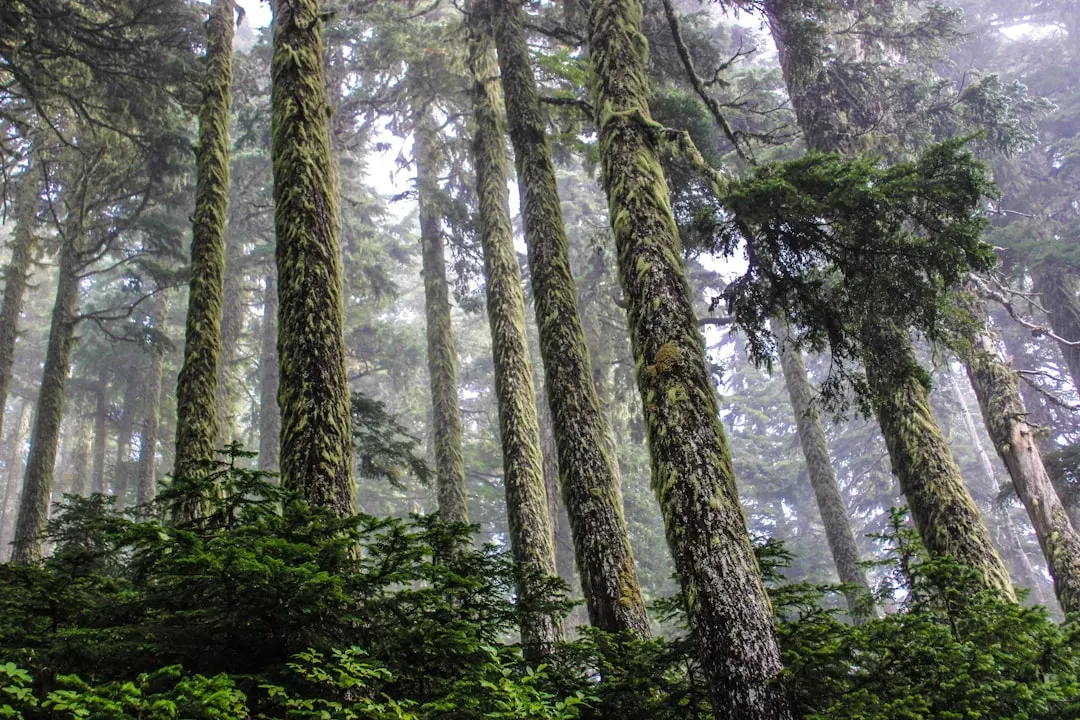
This research forces us to reconsider how we view and manage forests. The discovery that trees communicate in these intricate ways challenges our traditional views of trees as solitary, competitive organisms and paints a picture of an interconnected, collaborative community where cooperation plays a key role in survival. Traditionally, forestry has treated trees as individuals and not as though they live in communities, however, the understanding that trees are linked below ground to their kin and extended community has the potential to influence the way we practice forestry.
The implications stretch far beyond simple conservation efforts. If forests function as complex adaptive systems with sophisticated communication networks, then clear-cutting, selective logging, and even urban development need to account for the invisible connections we’re severing. Every time we remove a mature tree, we’re potentially dismantling part of a living communication infrastructure that took decades or centuries to build. What happens when we damage these networks might not be visible immediately, but the consequences ripple through the entire ecosystem.
The secret lives of trees reveal a world far more interconnected and sophisticated than most of us ever imagined. These towering organisms aren’t just standing around waiting to be turned into lumber or paper. They’re actively participating in complex social networks, nurturing their young, warning neighbors of danger, and sharing resources across species boundaries. The underground fungal highways connecting them function as nature’s internet, transmitting everything from distress signals to nutritional support at speeds that would impress any telecommunications engineer.
Next time you walk through a forest, remember what’s happening beneath your feet and within those silent trunks. An entire conversation is taking place in chemical compounds, electrical pulses, and fungal threads, a language we’re only beginning to understand. What other secrets might these ancient networks hold? How many more layers of communication remain undiscovered in the whispering woods around us?