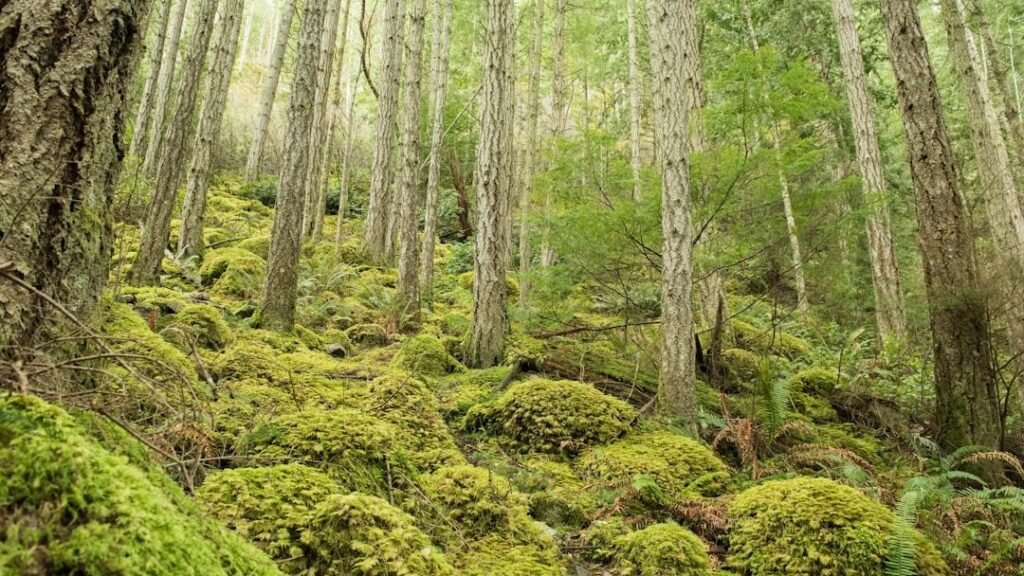

Walk into a forest and it feels calm, almost silent. But beneath your feet, something wildly different is happening. Under the moss and fallen leaves, trees are whispering to each other in slow, steady pulses of chemistry and electricity, trading nutrients, sending warnings, and even shaping which seedlings get to grow up.
This hidden world is not fantasy or folklore; it’s one of the most surprising discoveries in modern ecology. Scientists studying forest soils have uncovered vast networks of fungi and roots that connect individual trees into something that behaves a lot like a community, or even an underground city. Once you see forests this way, it becomes hard to ever look at a single tree the same again.
The Invisible Network Beneath Your Feet
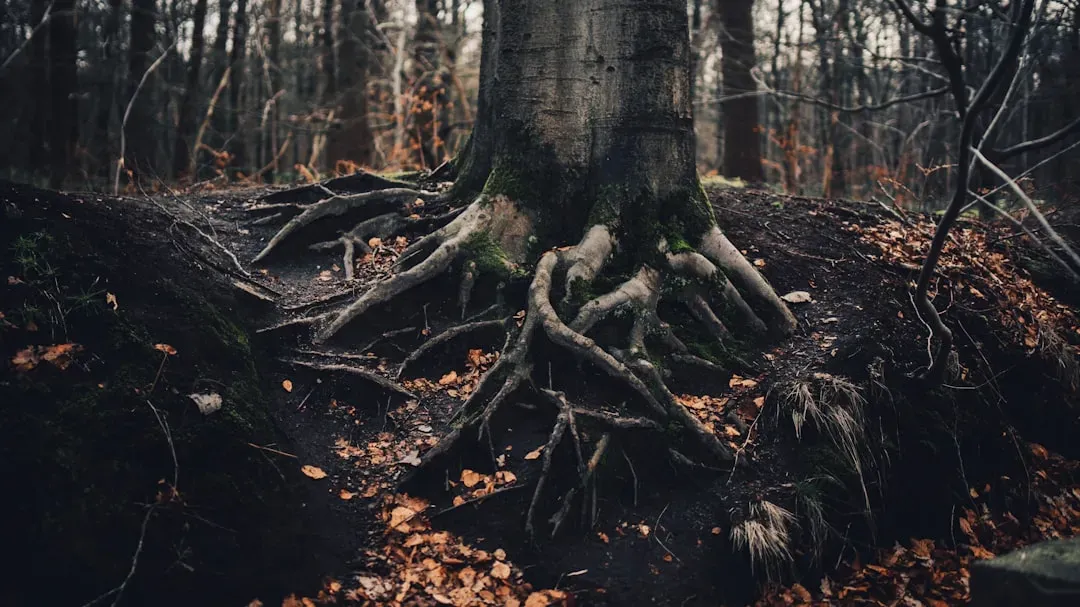
The most shocking thing about a forest isn’t what you can see; it’s what you can’t. Under the soil, a fine web of fungal threads called mycelium stretches through the earth like living cables, weaving from root to root. Many trees form partnerships with these fungi, wrapping their roots in delicate fungal filaments that reach much farther than the roots alone ever could.
These relationships are called mycorrhizae, and they’re ancient, going back hundreds of millions of years. The fungi help trees absorb water and nutrients like phosphorus and nitrogen more efficiently, in exchange for sugars that the tree produces through photosynthesis. It’s a mutual trade, but once you connect many trees and many fungi together, something much larger forms: a network that allows resources and information to move from one tree to another.
The Wood Wide Web: How Trees Stay Connected
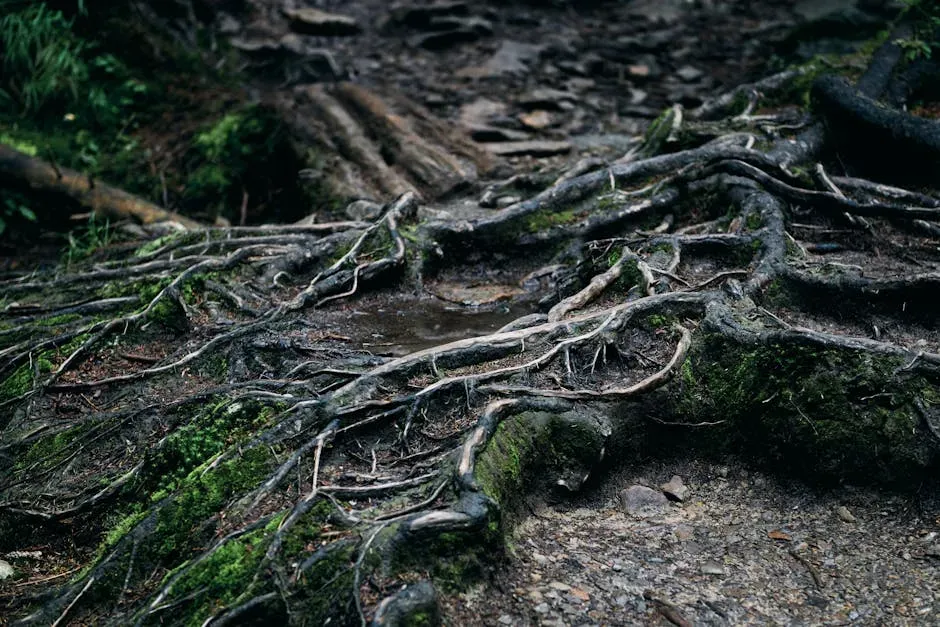
Scientists sometimes call these underground systems the “wood wide web,” and while the phrase sounds playful, the science behind it is serious. Thin fungal strands can link the roots of different trees, even trees of different species, creating shared pathways through which carbon, water, and nutrients can flow. When one tree sends excess sugar or nitrogen into the network, neighboring trees can receive it, a bit like devices plugged into the same power strip.
What’s striking is that this doesn’t just happen between close relatives. In some forests, conifers and broadleaf trees are found sharing the same fungal partners, tied together in a messy, overlapping web. Instead of each tree being an isolated competitor, the forest begins to look like a living neighborhood with shared infrastructure. The forest floor turns into something like a fiber-optic internet for trees, only far slower and rooted in biology instead of glass and light.
Tree Talk: Chemical Messages and Warning Signals
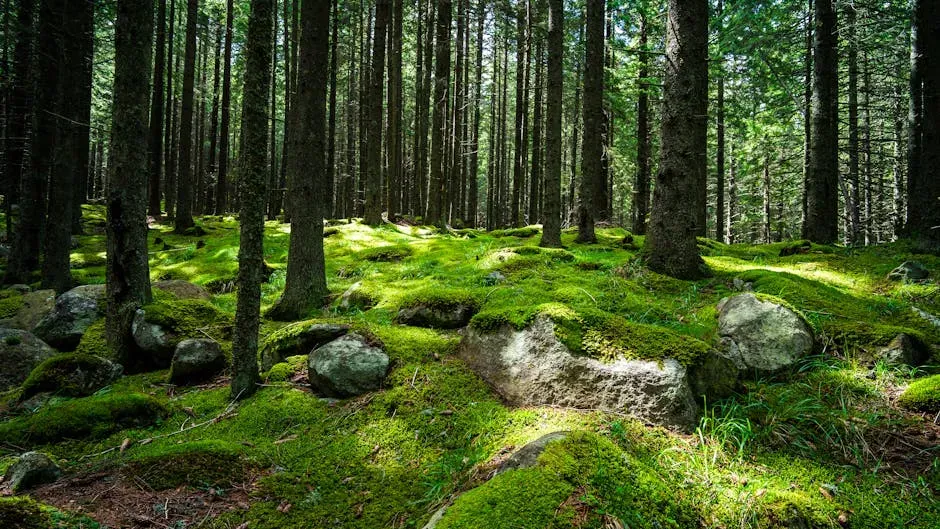
Forests don’t just share food; they share information. When a tree is attacked by insects or diseases, it can change its chemistry, releasing signals both above ground and underground. Through fungal networks, stressed trees appear to transfer chemical cues that prime nearby trees to ramp up their own defenses, like a neighborhood watch texting everyone about a suspicious stranger on the street.
Researchers have found that when one tree is damaged, its connected neighbors may increase production of defensive compounds, making their leaves less tasty or more toxic to herbivores. While this “conversation” is incredibly slow compared to animal communication, on the scale of a forest’s lifetime, it’s fast enough to matter. In that way, fungal connections help trees react not as isolated individuals, but as parts of a larger community, ready to respond to shared threats.
Underground Trading: Carbon, Nutrients, and Favors
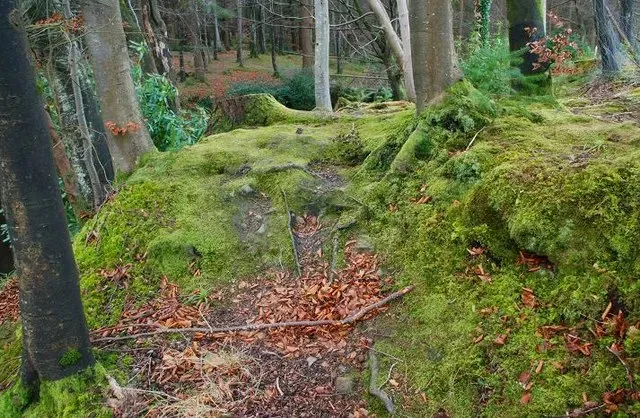
One of the most mind-bending ideas about forests is that trees may redistribute resources underground. Through shared mycorrhizal networks, scientists have observed the movement of carbon from one tree to another, especially from mature trees that are doing well to seedlings growing in the shade. It’s as if older trees are helping to pay the rent for younger ones until they can stand on their own.
Nutrients like nitrogen and phosphorus can also flow across root-fungal networks, adjusting to changing conditions. A tree in a sunlit patch might share its extra carbon with fungi, which then transport nutrients from elsewhere in the soil back toward that tree. At the same time, the fungi can link to multiple trees, allowing resources to be moved where they’re needed most. This underground trading system is not perfect or always fair, but it’s far more cooperative than most people ever imagined.
Mother Trees and Forest Family Dynamics
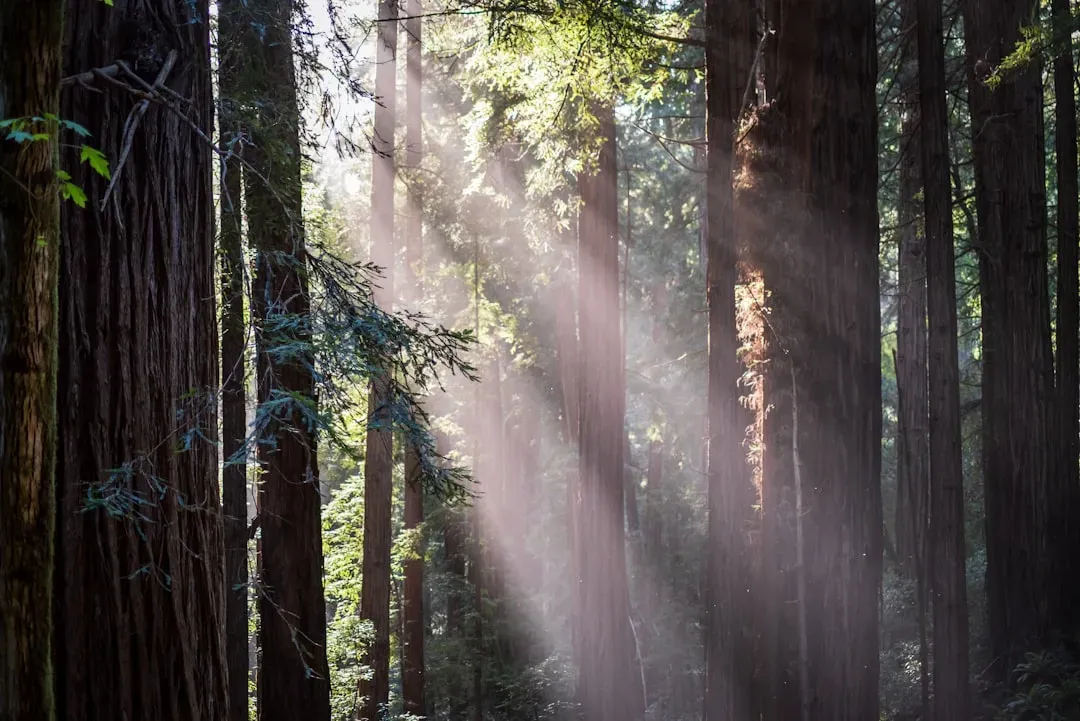
In many forests, large, older trees play a special role. Their roots are deeply entwined with extensive fungal networks, and they often have connections to a huge number of nearby seedlings and younger trees. Some researchers have described these elders as “mother trees” because they seem to act as hubs, shuttling resources to shaded or stressed saplings, particularly those of their own species.
These central trees can influence which seedlings survive, a bit like family members deciding who gets extra help during hard times. When a big, old tree is cut down, its loss doesn’t just remove one individual; it can break a whole section of the network. That disruption can leave younger trees without critical support, especially in forests where conditions are already harsh or rapidly changing due to climate shifts.
Fungi: The Quiet Power Brokers of the Forest
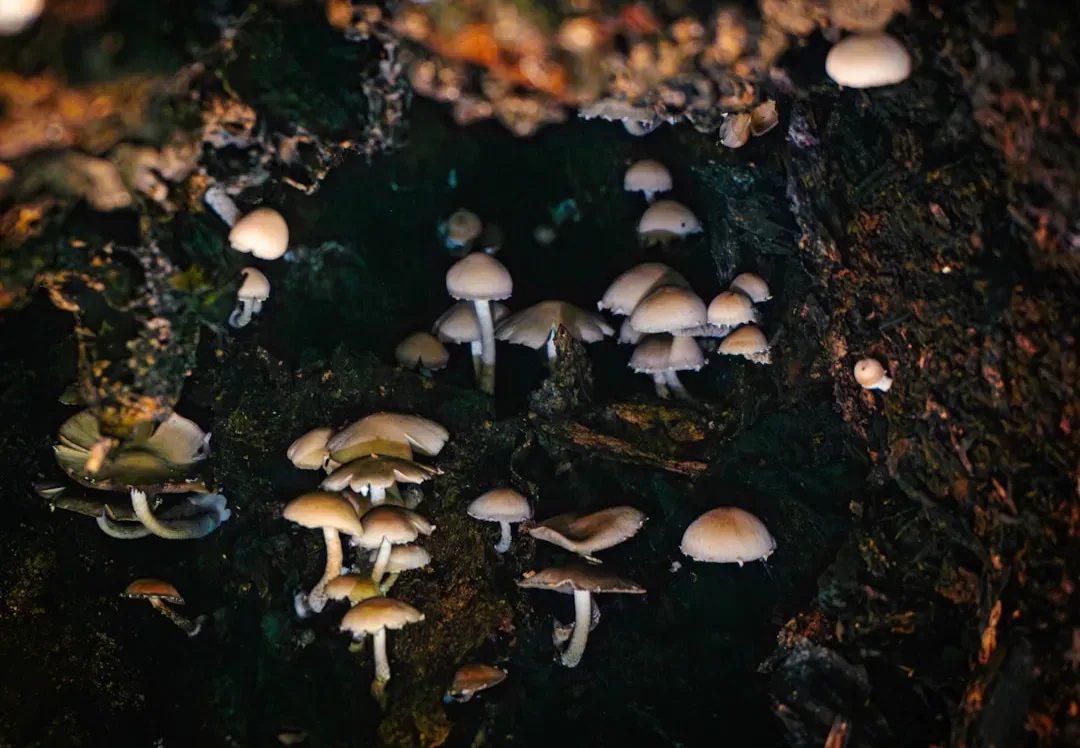
If trees are the visible face of the forest, fungi are the quiet power brokers working behind the scenes. The mycorrhizal fungi that form these networks come in many different types, each with its own strengths. Some species are better at extracting phosphorus from tough mineral soils, while others excel at moving nitrogen or tolerating dry conditions. A single tree can partner with multiple fungal species at once, creating a diverse support team.
These fungi don’t just serve the trees; they make choices too. They can favor certain tree partners over others, allocating more nutrients to trees that provide more sugar in return. This turns the underground world into a kind of economy, with deals, trade-offs, and shifting alliances. It’s less like a simple telephone line and more like a marketplace where fungi and trees negotiate the terms of survival, season after season.
Forest Intelligence: Can a Forest Be “Smart”?
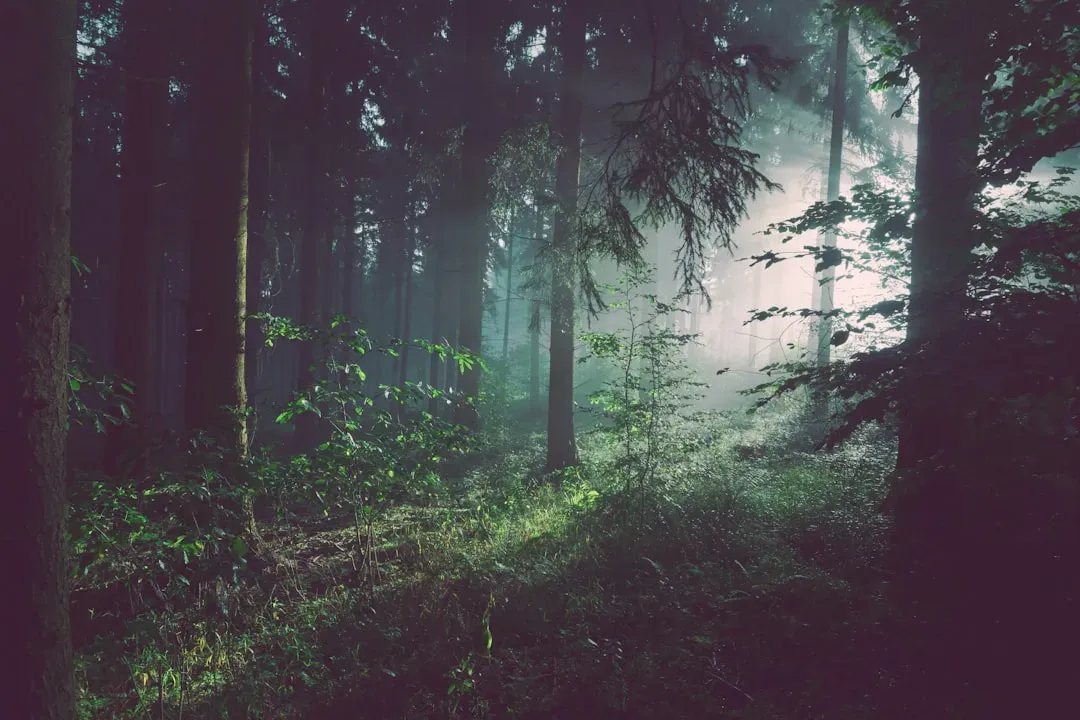
When people hear about trees sending signals and sharing resources, it’s tempting to say forests are intelligent in the same way animals are. The truth is more subtle and, in some ways, more fascinating. Forests don’t have brains or consciousness, but they do show complex, adaptive behavior that emerges from countless small interactions among roots, fungi, microbes, and plants.
The networked nature of forests allows them to buffer shocks, redistribute resources, and even change over time in response to new threats. In that sense, a forest can be seen as a kind of distributed mind, where information storage and processing are spread out across many organisms. It’s less like a single computer and more like a giant, slow, living algorithm that has evolved over millions of years to keep the system running under wildly changing conditions.
The Dark Side: Competition, Cheating, and Limits
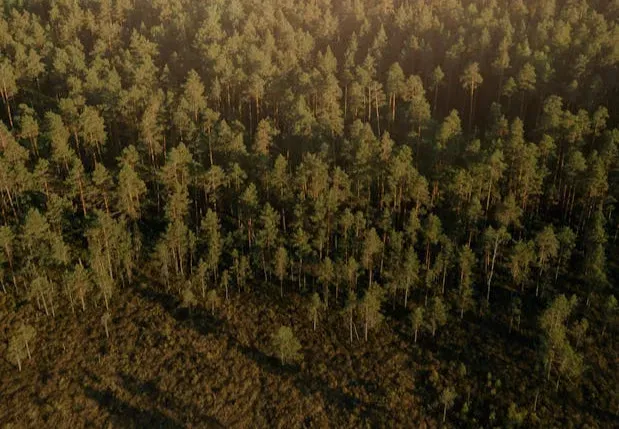
It’s easy to romanticize forests as perfectly harmonious communities, but the underground story isn’t all kindness and cooperation. Some plants, like certain parasitic species, tap into mycorrhizal networks and steal nutrients without giving anything back. Others may shade out neighbors while still benefiting from shared fungi, taking advantage of the system the way freeloaders might exploit free public Wi‑Fi.
There are also limits to how far help travels. Trees do compete fiercely for light, water, and space, and sometimes networks amplify those battles. A well-connected dominant tree might end up drawing more nutrients than its neighbors, strengthening its grip on the canopy. The reality is less like a peaceful utopia and more like a rough but functioning town: there’s cooperation, but also conflict, advantage, and messy compromises.
How Logging and Climate Change Disrupt Forest Communication
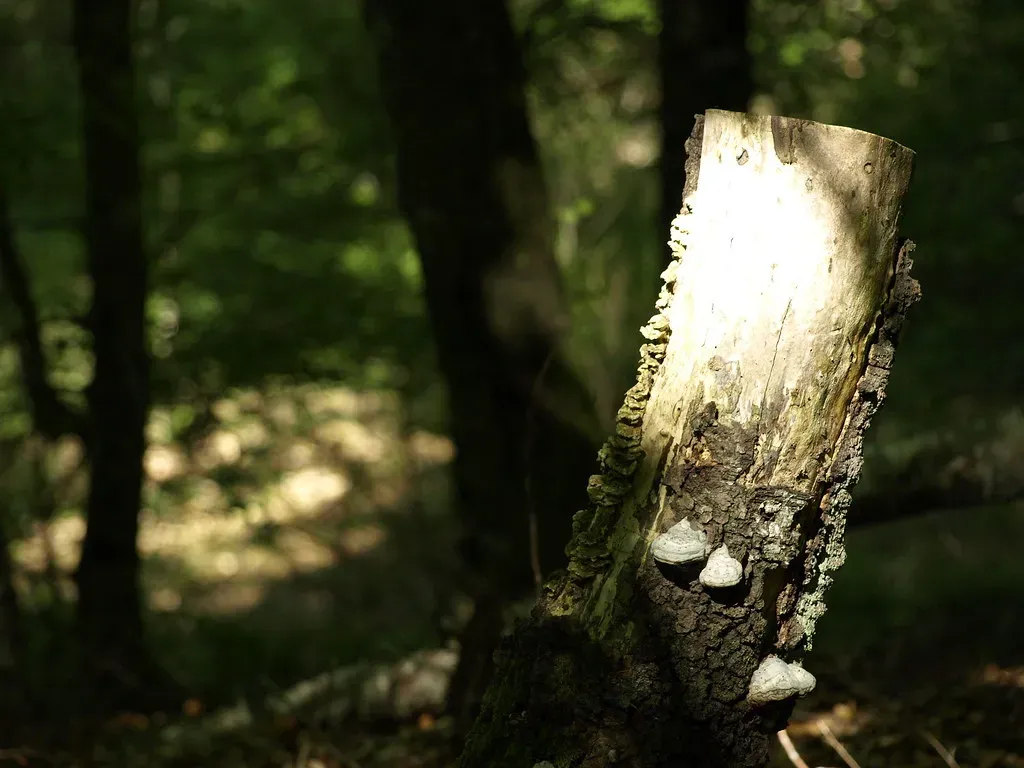
Modern pressures are putting enormous strain on these hidden networks. When logging removes the largest, most connected trees, it doesn’t just reduce the tree population; it tears out the major nodes of the underground web. The delicate fungal partnerships, built over decades, can be broken in a single season, leaving seedlings more isolated and vulnerable. Clear-cutting can turn complex, rich soil into something more like a biological ghost town.
Climate change adds another layer of stress. Hotter temperatures, longer droughts, and shifting seasons alter which fungi can survive and how well they can support their tree partners. Some fungal species struggle in warmer, drier conditions, forcing trees to rely on less efficient or less compatible partners. As these relationships fray, forests may lose some of their ability to share resources and buffer shocks, making them more prone to disease, fire, and dieback.
Rethinking How We Protect and Restore Forests
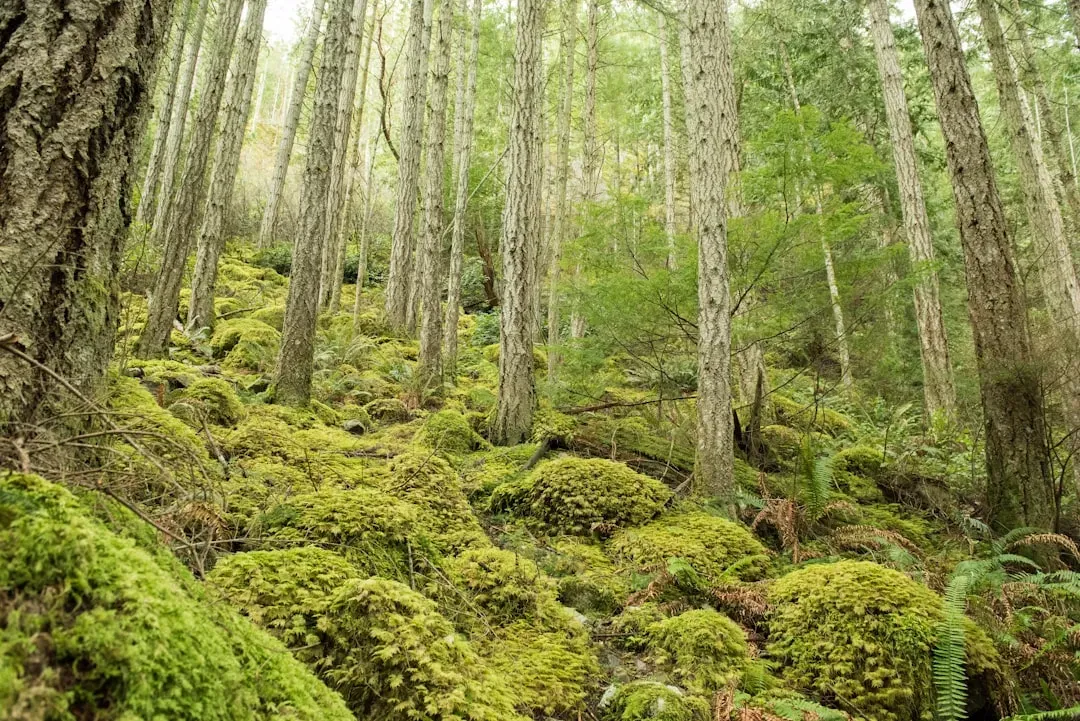
Understanding the secret life of trees is quietly reshaping how scientists, foresters, and communities think about conservation. Protecting forests is no longer just about counting how many trees stand in a given area; it’s about protecting the relationships between those trees and the fungi beneath them. Leaving pockets of old-growth trees, preserving dead wood, and avoiding complete clear-cuts can help maintain the underground networks that young trees need to thrive.
In restoration projects, some teams are starting to pay attention not just to what species they plant, but to the soil communities they are planting into. Healthy mycorrhizal networks can speed up recovery and make forests more resilient to heat and drought. In a way, we’re only just beginning to learn how to work with the forest’s own communication system instead of constantly breaking it. Once you realize a forest is more like a living conversation than a pile of lumber, it becomes much harder to treat it as disposable.