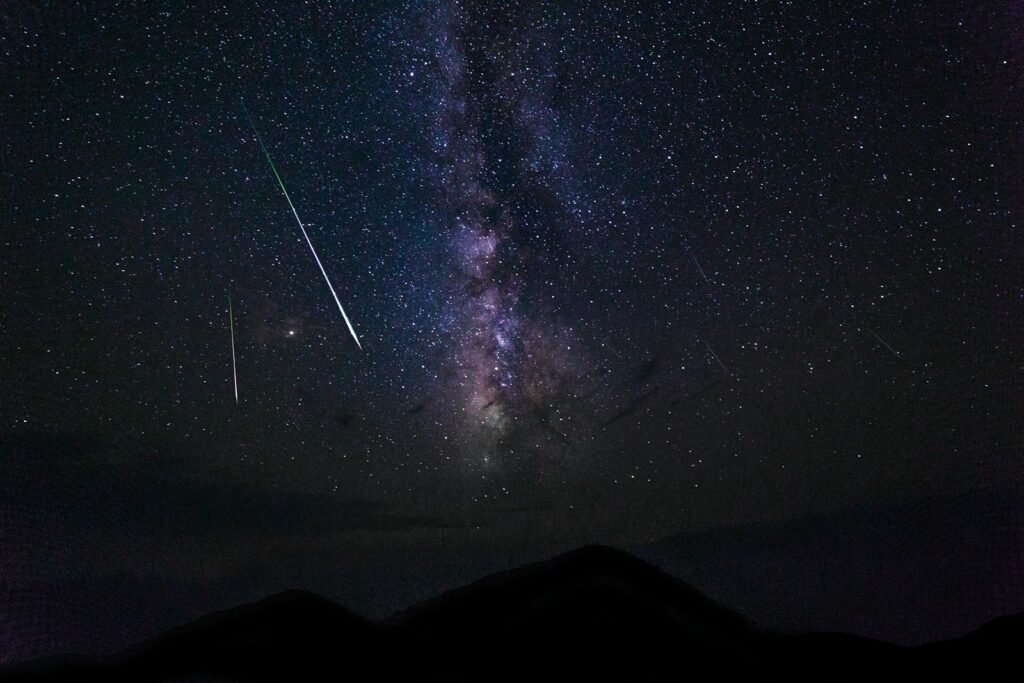

Look up at the night sky and you might imagine empty darkness, but what if I told you that every single day, our planet is showered by a silent, invisible rain from space? It sounds like something out of a sci-fi novel, but it’s true: billions of tiny particles, known as micrometeorites, are falling on Earth right now—right above our heads, on our rooftops, and even in our morning coffee. It’s like the universe is sprinkling cosmic confetti across the globe, yet most of us never notice. These grains of space dust hold secrets about the solar system, ancient stars, and even the origins of life. So let’s journey into the mysterious world of micrometeorites—the cosmic visitors we never see, but can’t escape.
What Exactly Are Micrometeorites?
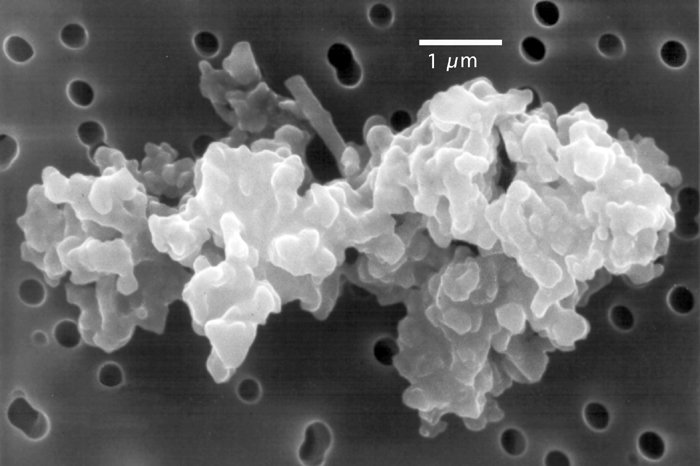
Micrometeorites are minuscule specks of rock and metal, usually smaller than a grain of sand, that come from outer space. Unlike the dramatic fireballs that streak across the sky as meteors, these tiny travelers slip quietly through the atmosphere. They’re often just a fraction of a millimeter wide, but don’t let their size fool you—they’re packed with cosmic history. Some are fragments from comets or asteroids, while others are leftovers from the birth of planets. Think of them as ancient messages in a bottle, tossed into space long before Earth had trees or dinosaurs.
How Much Space Dust Falls on Earth Each Day?
The numbers might surprise you: researchers estimate that about 5,200 tons of micrometeorites reach Earth every single year. That’s roughly the weight of 700 adult elephants—imagine all that cosmic dust settling across fields, cities, and oceans. Most of it is so small that it drifts gently to the ground, unnoticed and unremarkable. Even though it sounds overwhelming, the particles are spread so thinly that you’d never notice them piling up. Yet, over millions of years, this cosmic drizzle adds up to a global layer of space dust.
The Origin Story: Where Does Space Dust Come From?
Micrometeorites have remarkable backstories. Many originate in the asteroid belt between Mars and Jupiter, where collisions between space rocks create showers of debris. Others are born from comets, which shed dust as they race around the sun. Some grains are even older than our solar system, formed in ancient stars that exploded long before Earth existed. Every micrometeorite that lands here has traveled millions—or even billions—of kilometers, carrying tales from the farthest reaches of the cosmos.
The Fiery Journey Through Earth’s Atmosphere

Before touching down on our planet, micrometeorites face a perilous journey. As they hurtle through the atmosphere at speeds up to 70,000 kilometers per hour, friction heats them to thousands of degrees. Most are vaporized, but some survive, melting on the outside and forming glassy shells. The heat transforms their structure, leaving telltale marks that scientists use to trace their origins. It’s a cosmic trial by fire, a bit like baking bread in a scorching oven—only these loaves fall from the sky.
Invisible Visitors: How Micrometeorites Go Unnoticed

Despite their constant arrival, micrometeorites are rarely seen. They’re so tiny that they blend into the dust in our homes and streets. You might have swept one away while cleaning your windowsill. Scientists use powerful magnets and microscopes to find and study them, often collecting rainwater or rooftop debris to sift for these hidden gems. It’s like searching for needles in a haystack made of cosmic straw, but every find offers a peek into the vastness beyond our world.
How Scientists Collect and Study Micrometeorites

Gathering micrometeorites is part science, part treasure hunt. Researchers often use magnets to extract metallic particles from urban dust or collect samples from remote places like Antarctica, where earthly dust is scarce. Once collected, scientists analyze them with electron microscopes, revealing intricate structures and minerals that are rare or unknown on Earth. Each micrometeorite tells a story—about the early solar system, the chemistry of distant stars, and sometimes even the origins of water and life.
What Micrometeorites Tell Us About the Solar System
Micrometeorites are time capsules from before the solar system was born. Some contain minerals and elements not found on Earth, offering clues about the clouds of gas and dust that formed our planets. Others show evidence of water or organic molecules, hinting at the cosmic chemistry that might have seeded life. By studying these tiny travelers, scientists piece together the history of our cosmic neighborhood, like detectives reconstructing an ancient mystery from scattered clues.
The Role of Micrometeorites in Earth’s Evolution
Believe it or not, micrometeorites may have played a part in shaping our world. Over billions of years, their constant rain has delivered water, organic molecules, and exotic minerals to the surface. Some researchers think they could have helped jumpstart life itself, delivering the building blocks that formed the first cells. It’s mind-boggling to imagine that the dust you brush off your car might have helped create the oceans—or even you.
Micrometeorites in Modern Life: Hidden All Around Us
You don’t need to be a scientist to find micrometeorites. Urban explorers and amateur astronomers have discovered them on rooftops, window ledges, and even in city gutters. With a simple magnet and a keen eye, anyone can go hunting for these cosmic specks. Some enthusiasts collect them as a hobby, marveling at the idea of holding a piece of space in their palm. It’s a hobby that brings the vastness of the universe right down to your backyard.
Micrometeorites and the Search for Extraterrestrial Life
Some micrometeorites contain complex organic molecules—compounds made of carbon, hydrogen, and oxygen. These “prebiotic” ingredients are the same building blocks found in living cells. Their presence fuels the tantalizing idea that life’s raw materials are scattered throughout the cosmos, hitching rides on tiny particles. If micrometeorites can deliver these molecules to Earth, could they do the same on other worlds? It’s a question that keeps astrobiologists up at night.
The Surprising Chemistry of Space Dust
Under the microscope, micrometeorites reveal a fascinating blend of minerals and metals. Some are rich in iron and nickel, while others contain silicates, sulfides, or even rare elements like iridium. These chemical fingerprints help scientists trace their journeys from distant stars and asteroids. Occasionally, researchers stumble upon completely new minerals that have never been seen on Earth, opening new chapters in the story of our solar system’s chemistry.
Ancient Stardust: Older Than the Solar System Itself

Some micrometeorites are true cosmic elders, born in the fiery deaths of ancient stars. These “presolar grains” predate the sun and planets, making them the oldest materials you could ever touch. Trapped in meteorites and micrometeorites, they preserve the isotopic signatures of stellar explosions, offering a glimpse into the processes that forged the elements in our bodies. Holding one is like shaking hands with the universe’s distant past.
The Role of Comets in Delivering Space Dust
Comets are like dirty snowballs, made of ice, rock, and dust. As they swing close to the sun, they shed trails of particles—many of which become micrometeorites. Every time Earth crosses a comet’s path, we pass through a cloud of dust, leading to meteor showers and a spike in micrometeorite falls. These cometary grains often contain fragile, glassy materials that offer hints about the cold, distant reaches of the solar system.
Micrometeorites in the Deep Sea

Not all micrometeorites land on dry ground. A huge proportion settle on the ocean floor, where they can lie undisturbed for millions of years. Scientists collect these tiny particles from deep-sea sediments, sometimes using submersibles or specialized dredges. The ocean acts like a cosmic net, trapping space dust from every era of Earth’s history. Studying these grains reveals how the flow of micrometeorites has changed over time and what that means for our planet’s story.
Tracking Space Dust in the Modern Age
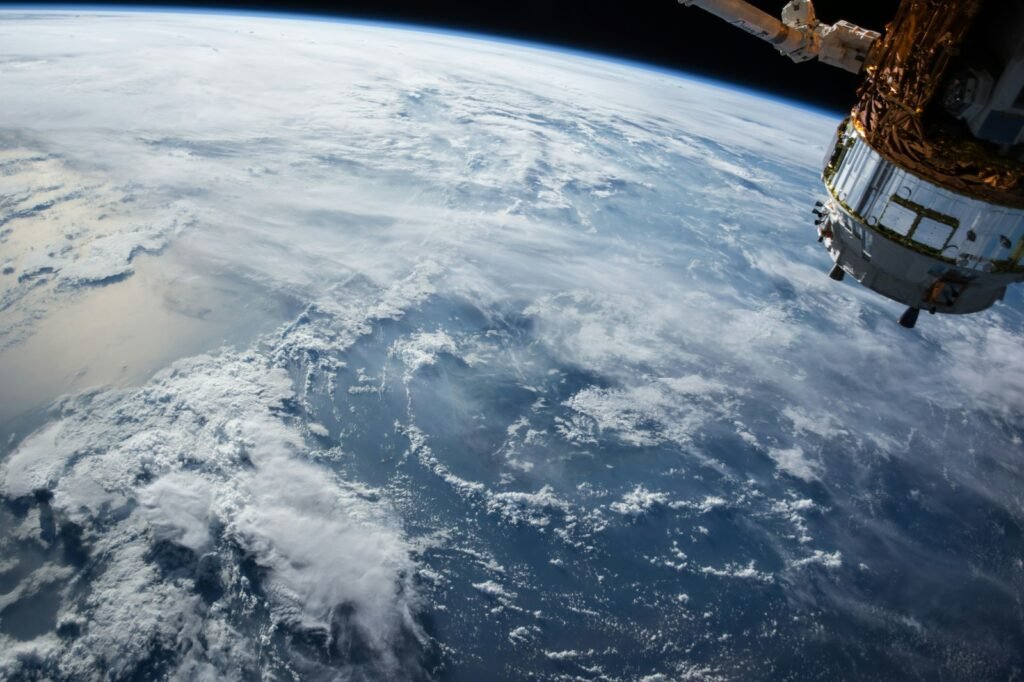
Today, satellites and radar systems help scientists monitor meteor showers and track the influx of micrometeorites. Instruments on the International Space Station even collect micrometeorite impacts, helping researchers understand the hazards of space travel. With each new tool, we’re learning more about the invisible rain that bathes our world. It’s a reminder that, even in our high-tech age, we’re still at the mercy of cosmic forces.
The Dangers and Benefits of Micrometeorites
While most micrometeorites pose no threat to life on Earth, they can be a problem for spacecraft and satellites. Even a tiny particle, moving at incredible speed, can punch a hole in delicate equipment. Engineers design protective shields to guard against these impacts. On the flip side, studying micrometeorites gives us valuable insights into planetary defense—helping us plan for the rare but potentially catastrophic impacts of larger asteroids.
Micrometeorites in Art and Culture
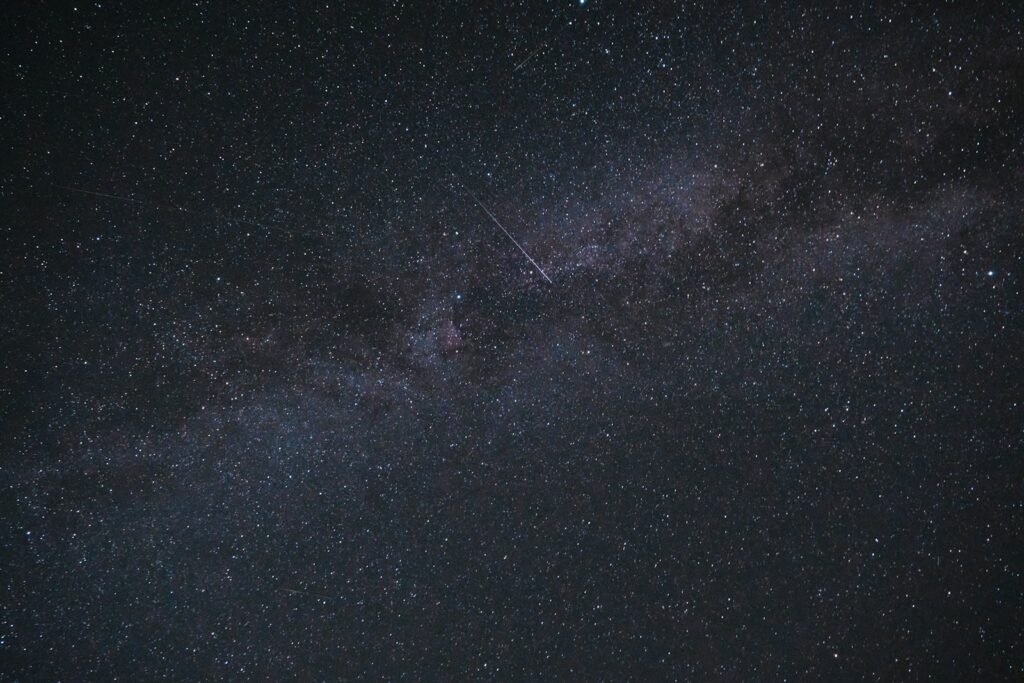
The idea of cosmic dust has inspired poets, artists, and dreamers for centuries. From Van Gogh’s “Starry Night” to modern sculpture, the image of stardust connects us to the universe in unexpected ways. Some jewelers even incorporate micrometeorites into rings and pendants, letting people wear a piece of the cosmos. It’s a reminder that, even as we go about our daily lives, we’re part of something much bigger than ourselves.
How You Can Find Your Own Micrometeorite
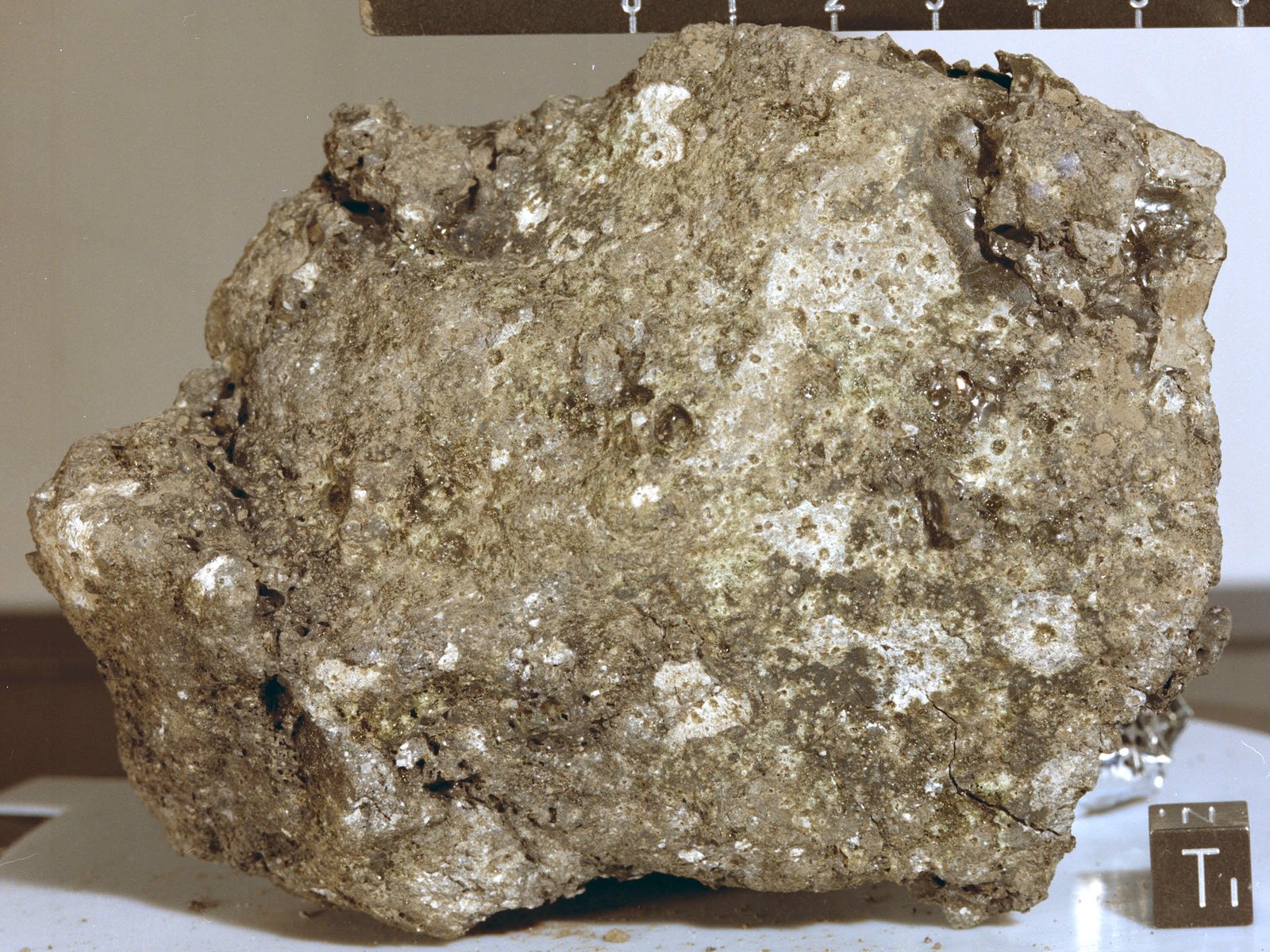
If you’re feeling adventurous, you can search for micrometeorites yourself. All you need is a strong magnet, a tray, and some patience. Sweep your rooftop or outdoor surfaces, then sift the collected dust under a microscope or magnifying glass. Look for tiny, metallic spheres or unusual grains. It’s a surprisingly rewarding hobby, like beachcombing for cosmic treasures. Every find connects you directly to the stars.
The Ongoing Mystery: What We Still Don’t Know
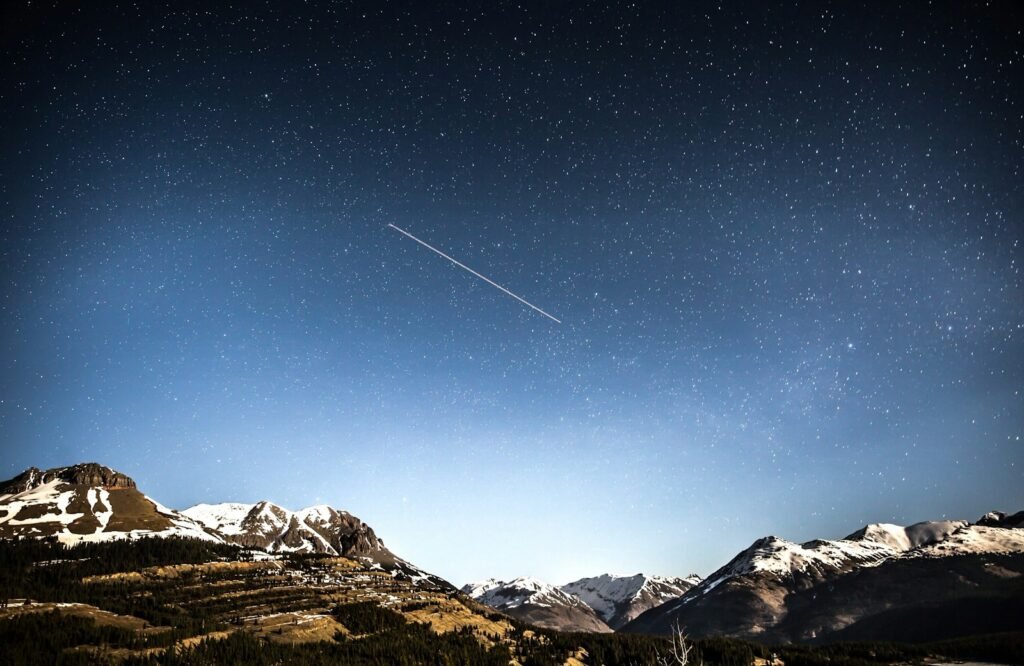
Despite decades of study, many questions remain about micrometeorites. Where do the rarest ones come from? How do their compositions change as they fall to Earth? Could they carry the seeds of life across the universe? Scientists are constantly surprised by new discoveries, reminding us that the cosmos is full of secrets waiting to be uncovered. Each micrometeorite is a tiny piece of a puzzle that may never be complete.
Why the Secret Life of Space Dust Matters

Every day, as you go about your life, a silent rain of cosmic dust falls around you. Micrometeorites are reminders that we’re connected to the universe in ways we can barely imagine. They bring stories from distant stars, carry the building blocks of life, and help us piece together the grand tale of our own planet. So the next time you brush dust from your sleeve, remember: you might be touching the universe itself.