
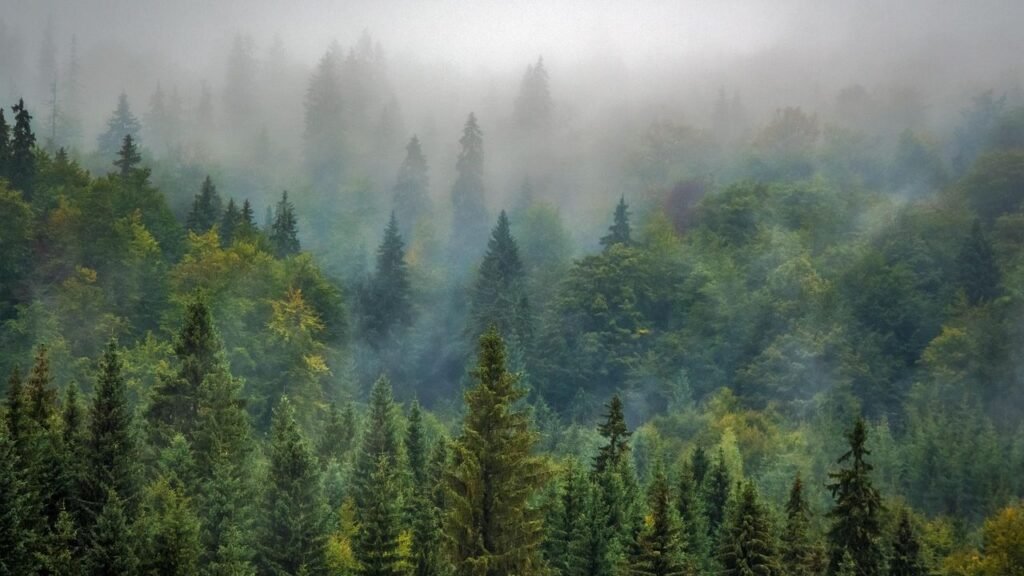

Walk into a forest, stand still for a minute, and it feels quiet. But underneath that stillness, the ground is buzzing with messages. Roots are reaching, fungi are pulsing, and trees are quietly trading information like an invisible internet made of wood and thread.
I remember the first time I read about trees warning each other of danger, and I had to stop and reread the paragraph. It sounded like fantasy. But the more I dug in, the more it became clear: forests are not just collections of individual trees. They are communities, and they talk. Not with words, of course, but with chemicals, electrical signals, and delicate networks that span entire landscapes.
The Hidden “Wood Wide Web” Beneath Our Feet
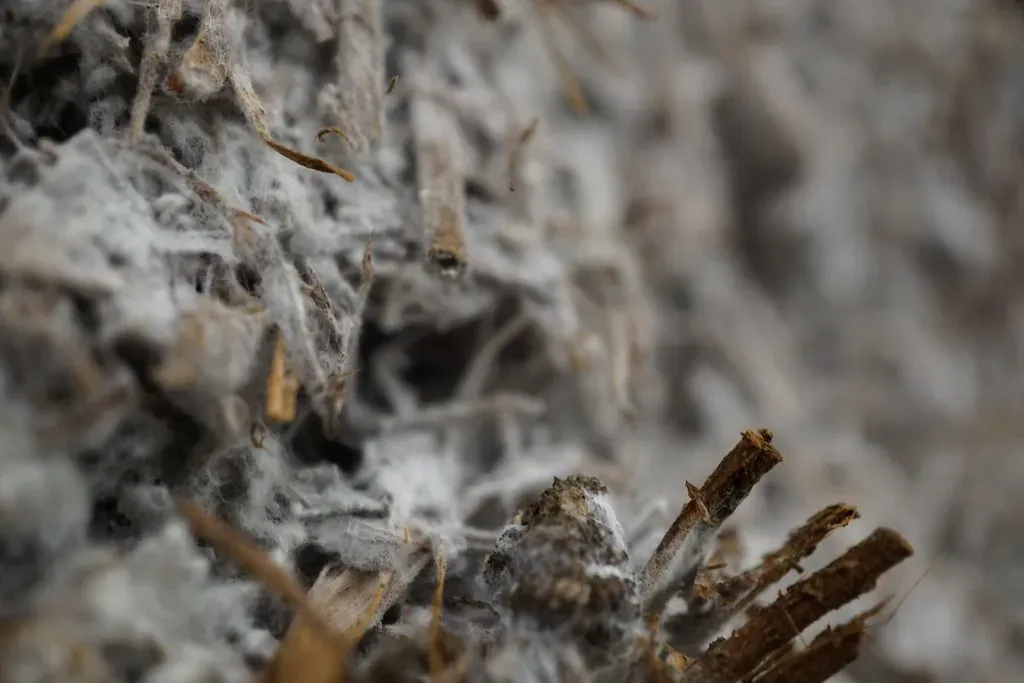
Here’s the surprising part: most of the conversation in a forest isn’t happening above ground at all. It’s happening in the soil, where tree roots are connected by ultra-fine fungal threads called mycorrhizae. These fungi attach to roots and spread outward in astonishingly dense networks that can stretch across large areas, linking one tree to another like cables in a city’s communication system.
Through this underground web, trees can share nutrients, water, and even chemical signals. It’s not some mystical idea; scientists have tracked carbon moving from one tree to another through these fungal connections. In many forests, nearly all the larger trees are plugged into this shared infrastructure, turning a patch of woods into something closer to one living, communicating super-organism than a random crowd of plants.
How Trees Send Warnings Through the Air
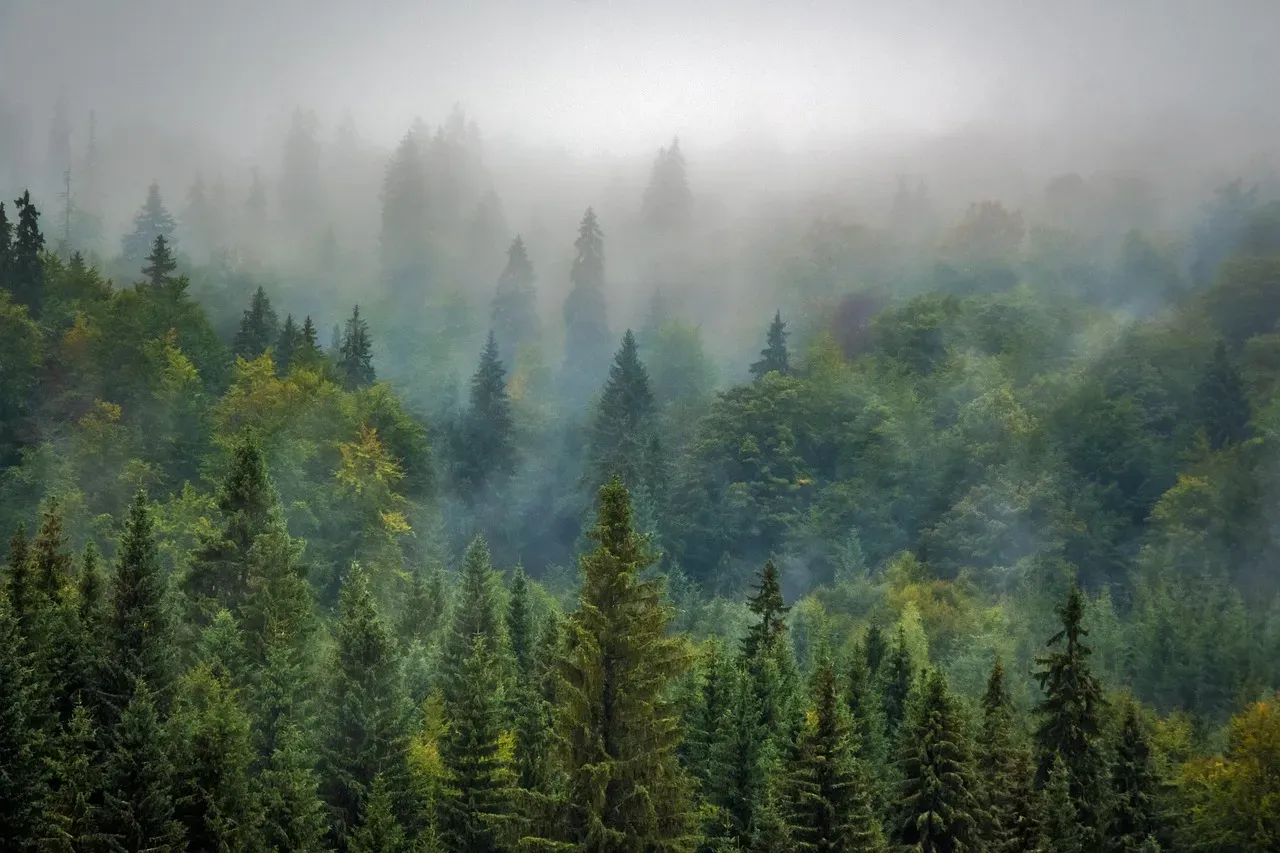
Forest communication doesn’t just stay hidden below the surface. When a tree is attacked by insects, it can release special airborne chemicals that drift through the forest like tiny, invisible alarm bells. Nearby trees detect these signals and start boosting their own defenses, thickening their chemical armor before the insects even arrive.
This kind of “early warning system” has been observed in different species, from oaks to acacias. Some trees can even change the taste of their leaves to make them less appealing, or attract the predators of the insects that are attacking them. It’s a bit like a neighborhood text thread: one tree gets into trouble and sends out a message saying, “Heads up, something’s chewing on me,” and the others respond by preparing themselves for the same threat.
Mother Trees and the Power of Forest Hubs
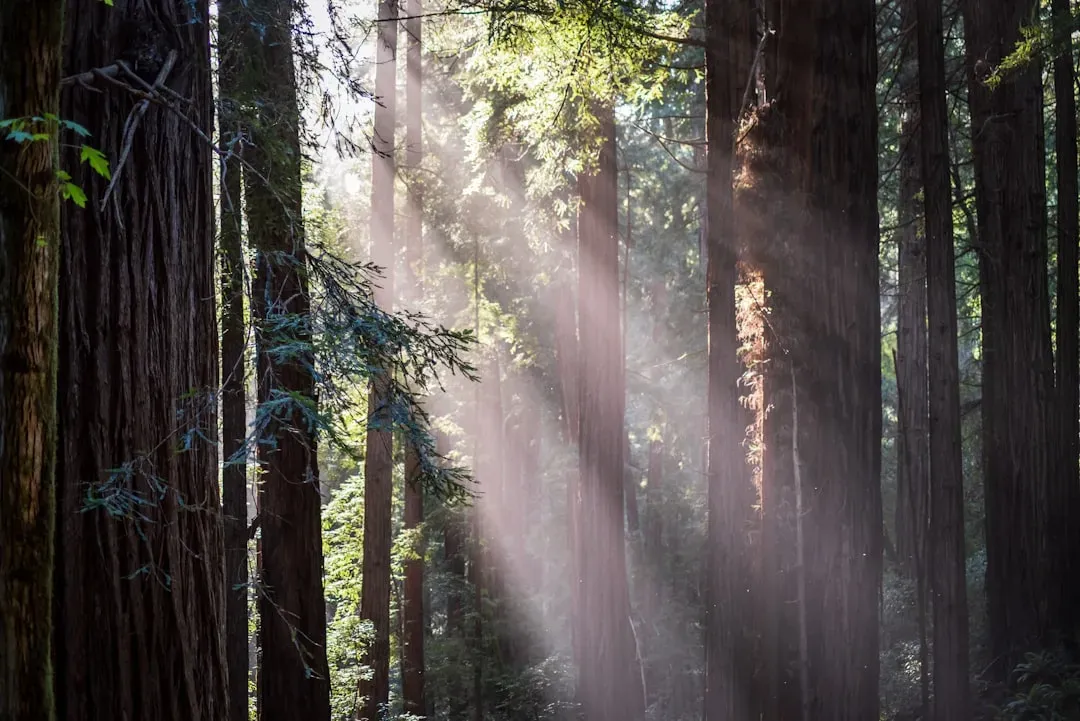
In many forests, some trees act like central hubs, connecting to more neighbors than the rest. These older, larger “mother trees” tend to have the biggest, most complex root and fungal networks, serving as anchors for the entire system. When younger saplings grow nearby, they often connect into the same fungal web and receive support from these older giants in the form of carbon, nutrients, and water.
What’s striking is that this support can sometimes be species-specific. Trees can give more resources to their own kind, like a parent helping their children first, while still interacting with other species around them. When these hub trees are cut down, the network can fragment, and many of the younger trees lose their lifeline. It’s one reason clear-cutting can feel like pulling the plug on an entire forest’s shared nervous system, not just removing a few trunks.
Forest Communication Across Vast Distances
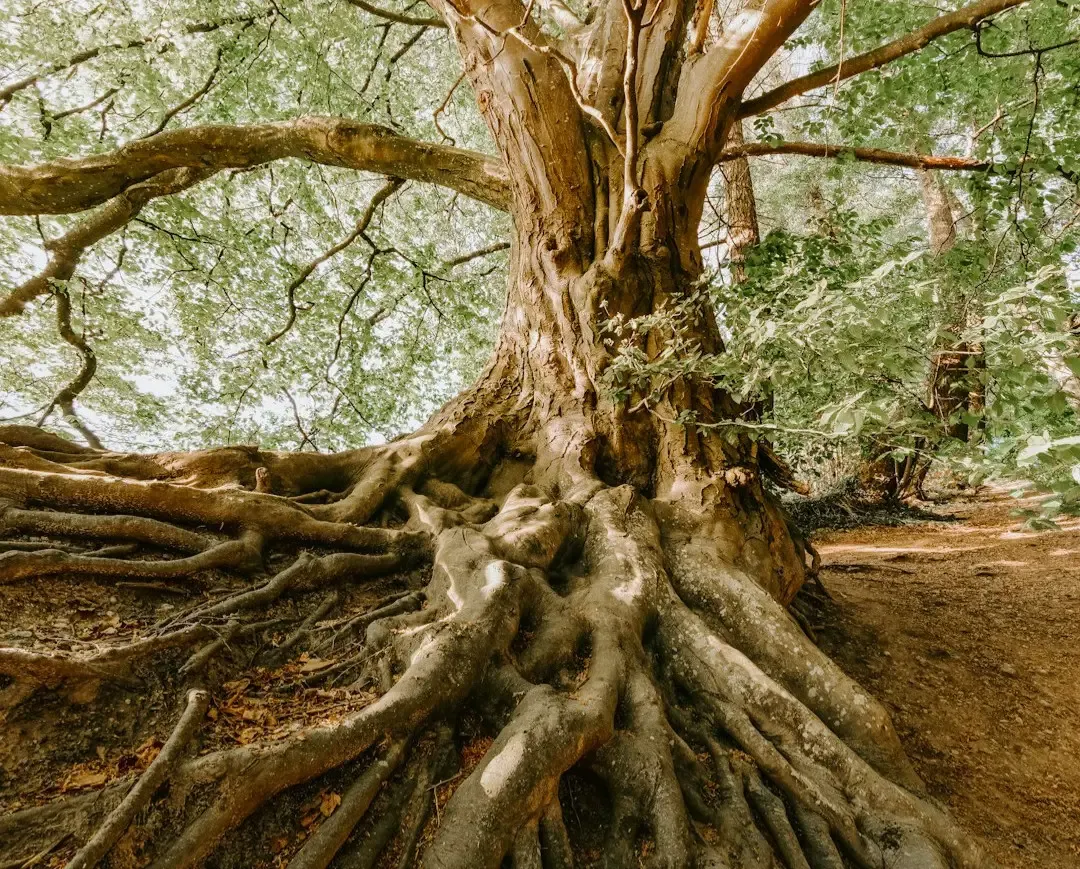
The idea that trees can “talk” across large areas seems wild at first, but when you think in tree time, distances feel different. Underground fungal networks can extend surprisingly far, linking patches of forest that are separated by clearings or thin strips of land. Even when the network is broken, trees can keep sending messages through the air, creating a kind of overlapping mesh of underground signals and drifting chemical cues.
Signals can also ripple through a forest gradually, like a slow-motion wave. Trees stressed by drought, for example, can alter their root exudates and chemical profiles, which affects the fungi, which then affects other trees they are connected to. Instead of thinking of communication as an instant text message, it’s more like an evolving echo that travels through soil, microbes, fungi, and air, sometimes spanning sections of entire landscapes over time.
Electricity, Impulses, and the “Nervous System” of Trees
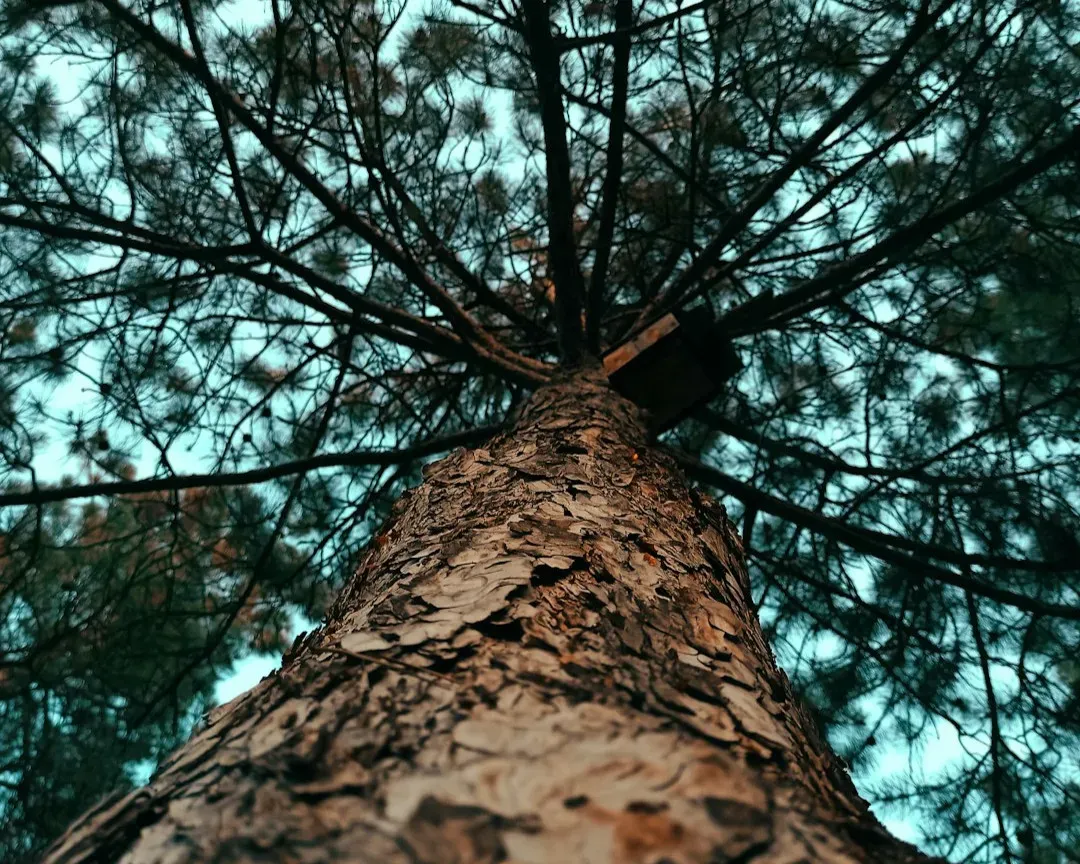
It might sound strange, but trees use electrical signals too. When something damages a leaf or a branch, the tree can send electrical impulses through its tissues, a bit like how nerves fire in animals. These impulses help coordinate responses such as rerouting resources or triggering defensive chemicals, and they can move across the entire tree body.
While trees don’t have brains, they do have complex signaling systems that allow them to sense changes in light, moisture, pressure, and injury. Some researchers have even compared parts of this system to a kind of plant “nervous system,” not because trees think like we do, but because they constantly monitor, process, and respond to information. It’s a quieter form of awareness, slower and more subtle, but still astonishingly sophisticated once you notice it.
Why Tree Communication Matters for Climate and Wildlife
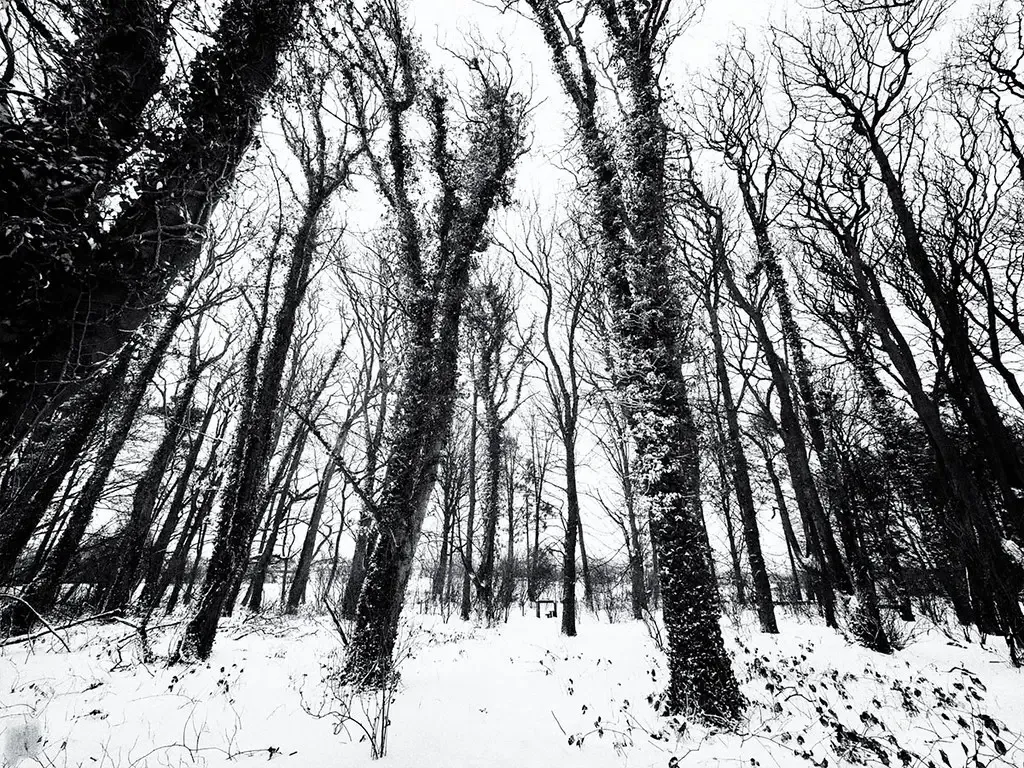
The secret language of trees isn’t just a cool curiosity; it shapes how forests handle stress, store carbon, and support wildlife. When trees share resources through fungal networks, weaker or shaded individuals can survive tough seasons instead of dying off immediately. This creates more stable forests that can better withstand droughts, storms, and heatwaves, which are becoming more frequent as the climate changes.
Healthy communication networks also support richer biodiversity. Many animals depend on tree health and timing, from insects hatching when leaves emerge to birds nesting in sync with food availability. When the forest’s internal communication is disrupted by pollution, soil damage, or logging, that fine-tuned balance can break. Suddenly, it’s not just the trees that suffer, but the birds, mammals, fungi, and insects that depend on them too.
What Happens When We Cut the Conversation Short
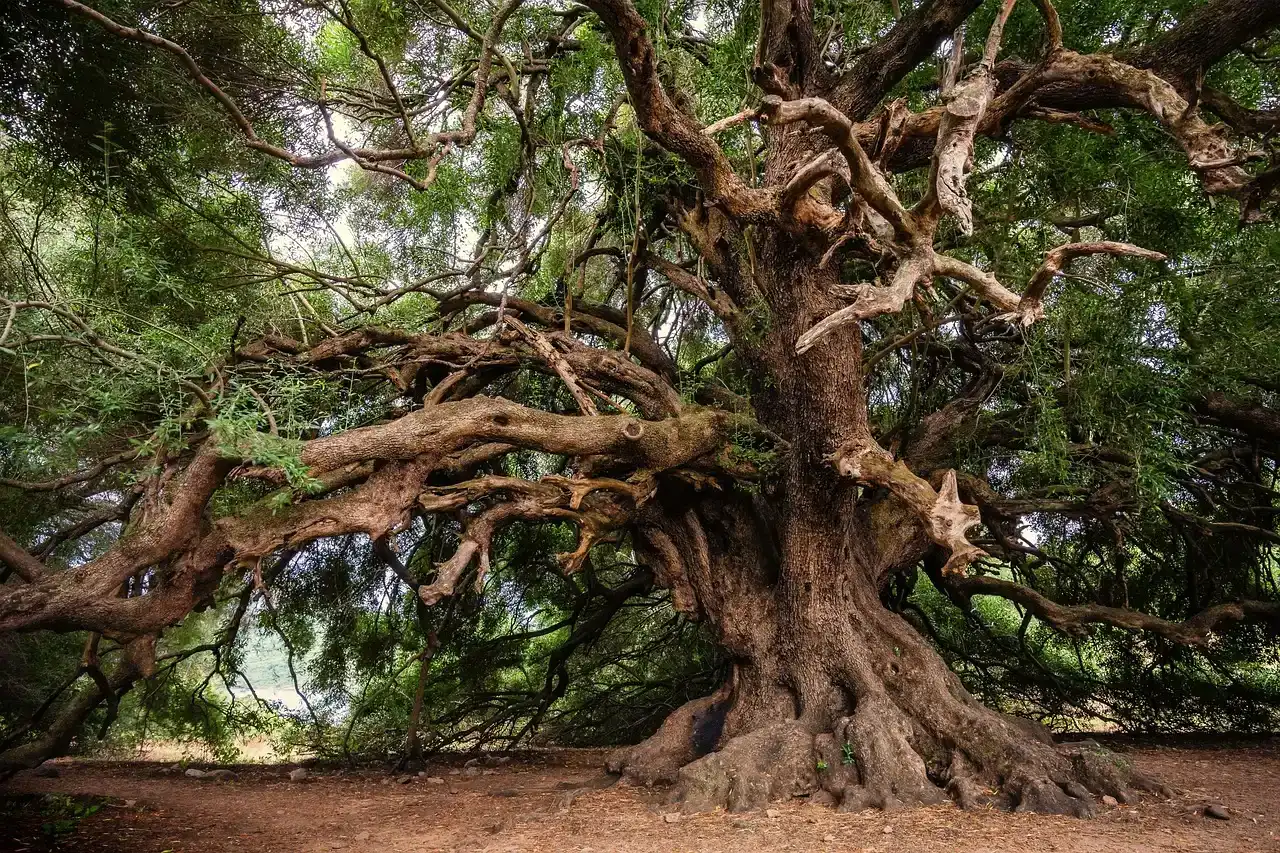
Modern forestry and land use often ignore the invisible connections between trees. When we remove the biggest, oldest trees first, we’re not only taking away the largest trunks, we’re also deleting central communication hubs. The underground fungal networks can collapse or shift, leaving younger trees more isolated and less resilient to stress.
In contrast, approaches that protect old-growth trees, minimize soil disturbance, and maintain forest continuity help keep these communication networks intact. Even small decisions, like preserving a cluster of older trees in a logged area or reducing heavy machinery use, can make a difference. The more we treat forests as living, talking communities instead of just stands of timber, the better chance they have to adapt and survive in a rapidly changing world.
Listening Differently to the Next Forest You Walk Through
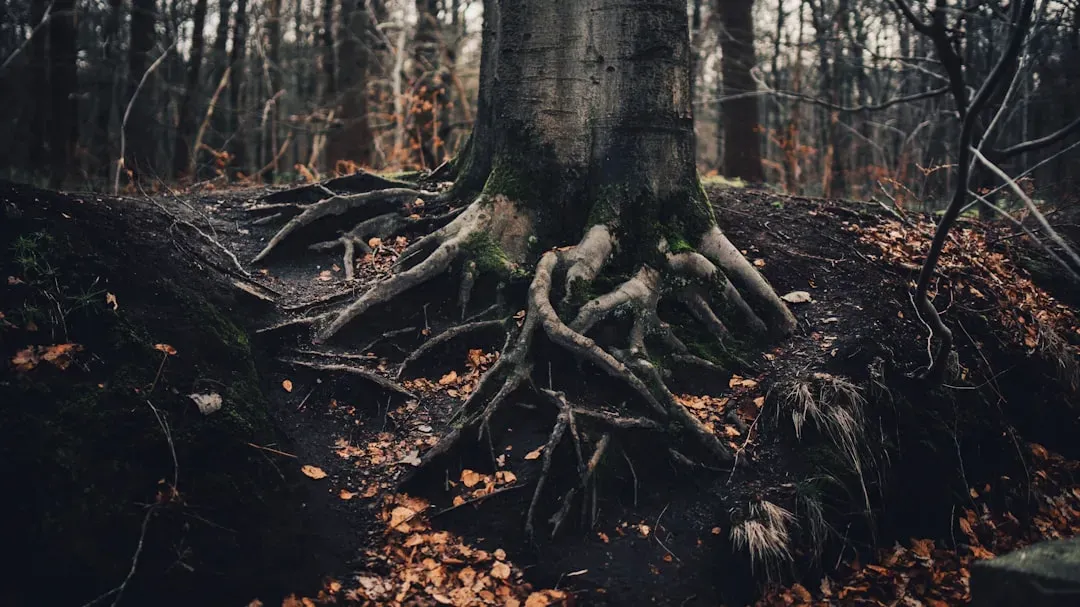
Once you know forests are humming with hidden messages, it becomes almost impossible to walk through one the same way again. That patch of moss isn’t just decoration; it’s part of a moist, living surface that shapes how roots grow and fungi spread. The old tree leaning over a trail might be quietly feeding several younger trees around it, even while it looks like it’s past its prime.
On a personal level, this shifted how I think about time and connection. Trees are having conversations that last longer than our lifetimes, building networks that might span generations of humans coming and going. Next time you step into a forest and feel that strange sense of calm, it might not just be in your head. You might be standing inside one of the most complex, interconnected communities on Earth, quietly carrying on its own ancient dialogue.
The secret language of trees is written in roots, fungi, chemicals, and electrical pulses, not in words. Yet it allows forests to share resources, warn of danger, and adapt together rather than alone. When we damage or erase these networks, we weaken entire ecosystems, often without realizing what we’ve silenced.
If we start seeing forests as communities that communicate, our choices about conservation, logging, and restoration begin to look different. Protecting old trees and healthy soils stops being optional and becomes essential for keeping these living conversations alive. The next time you find yourself under a canopy of leaves, it’s worth asking: how much more is being said here than we’ve learned to hear?


