Pennsylvania, known for its rolling hills and historic landmarks, hides a chilling secret beneath its surface. Amidst the warming world, where glaciers are retreating and ice caps are melting, Pennsylvania harbors mysterious ice caves that defy the norms of climate change. These subterranean wonders have piqued the curiosity of scientists, explorers, and nature enthusiasts alike. What makes these ice caves so intriguing is their ability to preserve glacial ice in an era of rising temperatures. This article explores the enigma of Pennsylvania’s ice caves, unraveling the secrets that allow them to exist in our modern world.
The Enigma of Ice Caves
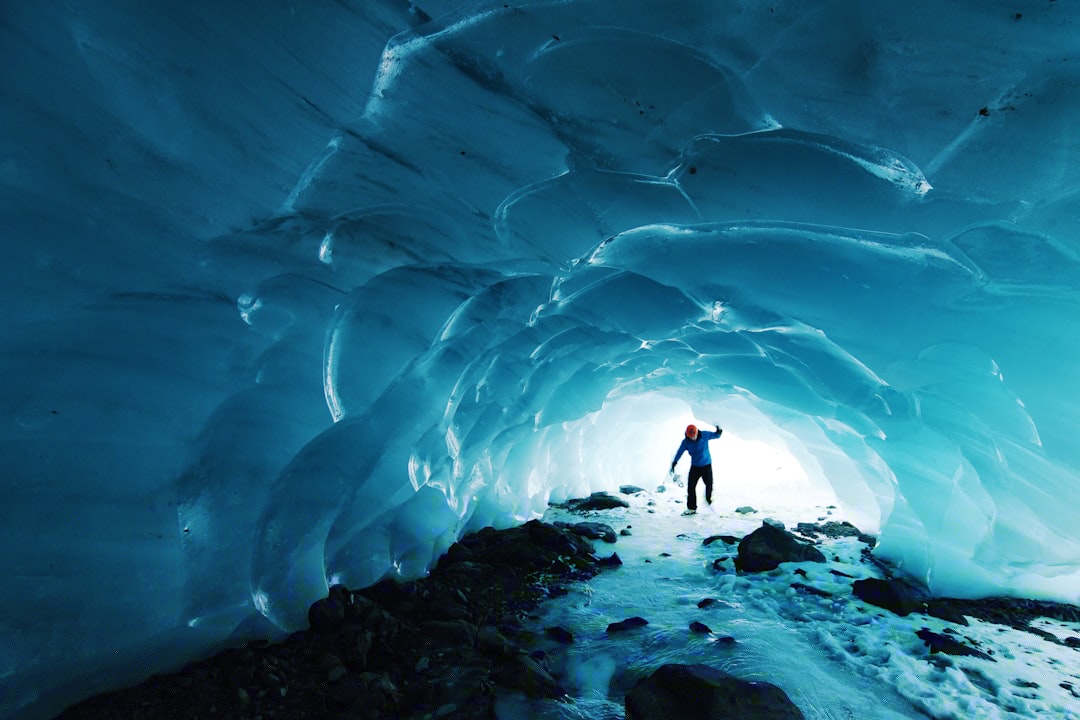
Ice caves are natural formations where ice persists year-round, often hidden away in the recesses of mountainous regions. Unlike the typical perception of icy landscapes in polar regions, Pennsylvania’s ice caves are nestled within the temperate Appalachian Mountains. The presence of ice in these caves is a paradox, challenging our understanding of geology and climate. These caves are more than just cold chambers; they are living laboratories that offer insights into Earth’s climatic history and the delicate balance of ecosystems.
Geological Marvel: Formation and Structure
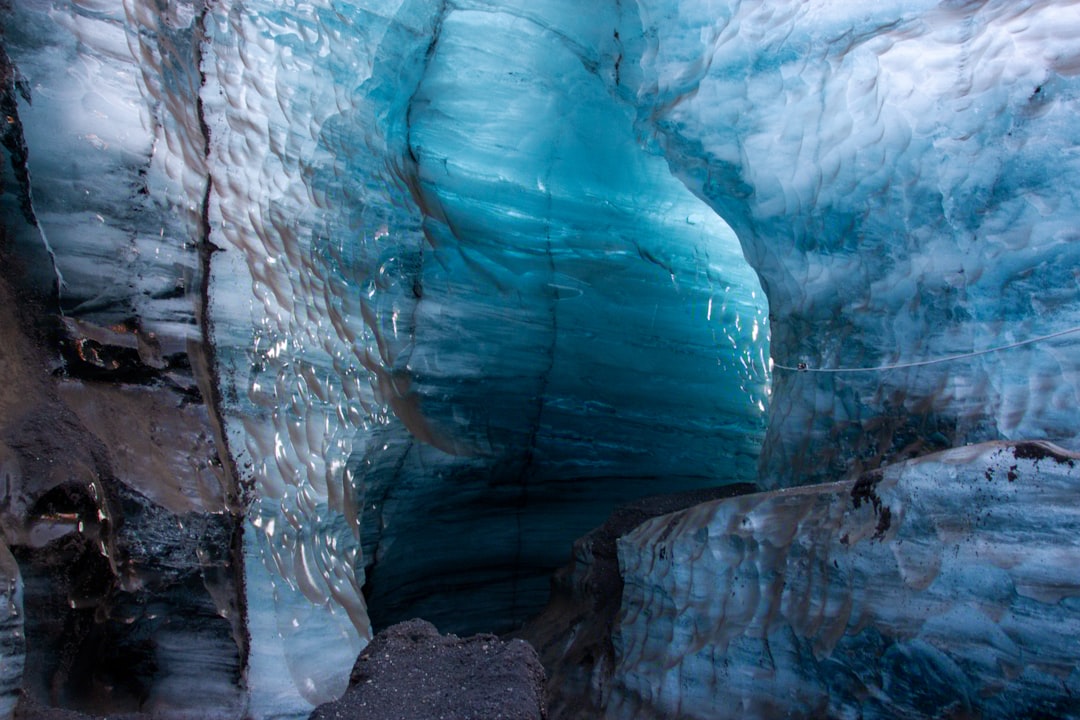
The formation of Pennsylvania’s ice caves is a geological marvel that dates back thousands of years. These natural wonders were carved out by ancient glaciers, leaving behind deep crevices and underground tunnels. The caves are composed of limestone and dolomite, which are highly susceptible to erosion. Over time, water seeped through the rock layers, creating spaces where ice could accumulate and remain undisturbed. The structure of these caves is a testament to the slow but powerful forces of nature that have shaped our planet.
Microclimates: Nature’s Cool Chambers
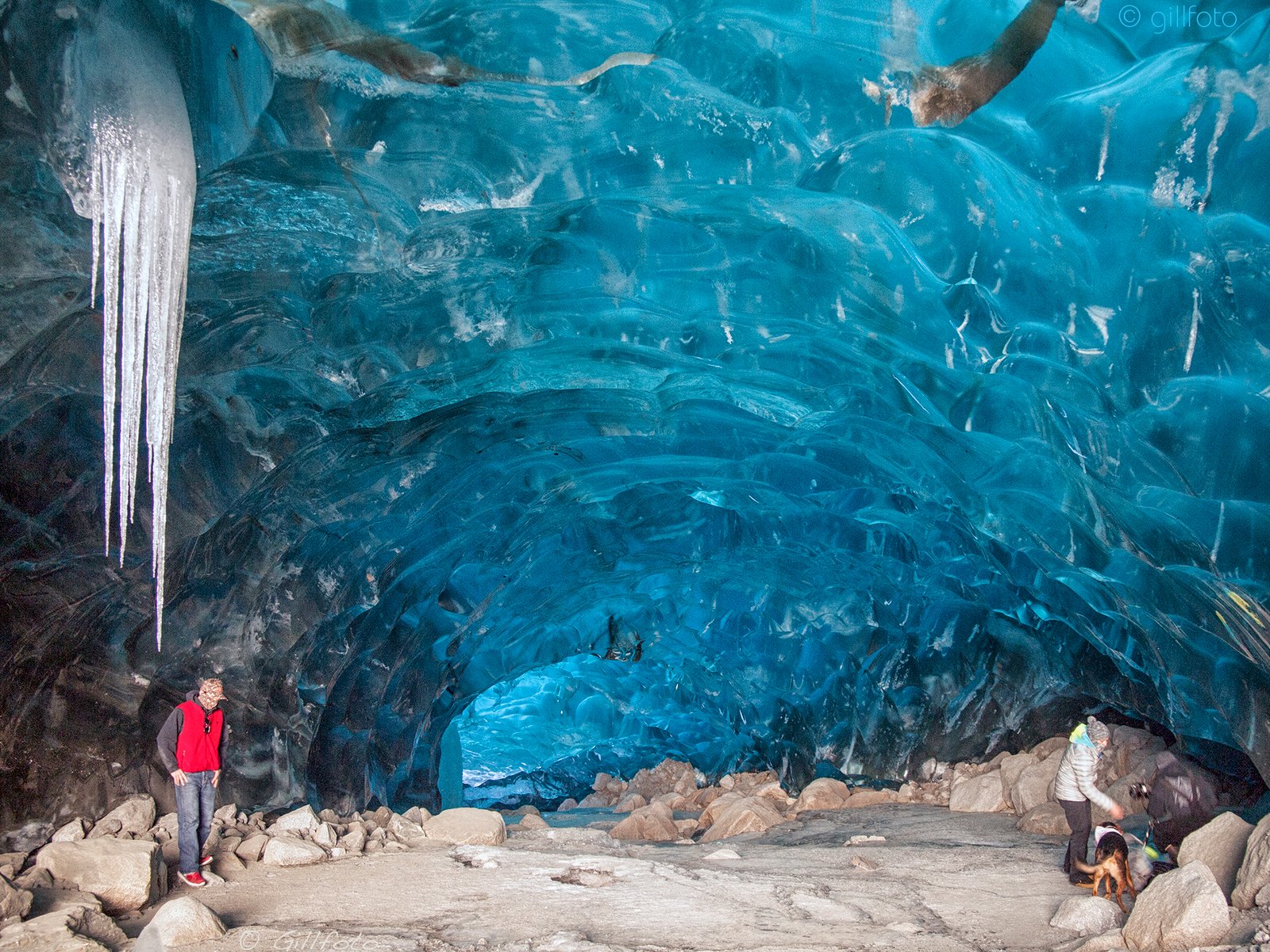
One of the key reasons ice persists in these caves is the unique microclimate they create. The combination of cold air sinks and thermal inertia helps maintain low temperatures. During the winter, cold air descends into the caves, chilling the surrounding rock. This cold air remains trapped, allowing ice to remain even as the outside temperatures rise. The phenomenon can be likened to a natural refrigerator, where the caves’ design and location ensure a constant cool environment.
The Role of Permafrost

Permafrost, a layer of permanently frozen soil, plays a crucial role in the survival of these ice caves. In Pennsylvania, pockets of permafrost can be found within the cave systems. These frozen grounds act as insulators, keeping the caves cool and preserving the ice. This natural insulation is crucial in a warming world, as it provides a buffer against rising temperatures. The study of permafrost in these caves offers valuable data for understanding climate change and its impact on frozen ecosystems.
Preserving the Past: Ice as a Time Capsule
The ice within these caves serves as a time capsule, preserving evidence of past climates and ecosystems. Scientists often study ice cores extracted from these caves to gather data about ancient atmospheric conditions. This information is crucial for predicting future climate patterns and understanding the natural cycles of the Earth. The ice contains trapped air bubbles, pollen, and other particles that offer a snapshot of the environment from centuries ago. These findings are invaluable for constructing accurate climate models.
The Biodiversity Within
Beyond ice, these caves are home to a unique array of flora and fauna adapted to the extreme conditions. Species that thrive in this environment have developed specialized adaptations to survive the cold and darkness. Some microorganisms are particularly interesting, as they have evolved to metabolize minerals found in the cave’s rock formations. These life forms could hold the key to understanding extremophiles and their potential applications in biotechnology and medicine.
The Impact of Climate Change
Despite their resilience, Pennsylvania’s ice caves are not immune to the effects of climate change. Rising global temperatures threaten the delicate balance that allows these caves to exist. Glacial meltwater and increased precipitation can alter the cave’s microclimates, leading to potential ice loss. Understanding these impacts is crucial for conservation efforts and for predicting how other similar ecosystems might respond to climate change.
Conservation Efforts and Challenges

Preserving these ice caves is a challenging yet essential task. Conservation efforts are underway to protect these natural wonders from human interference and environmental threats. Education and awareness campaigns aim to highlight the importance of these caves and the need for sustainable practices. However, balancing public access with conservation is a delicate task, requiring cooperation between scientists, local communities, and policymakers.
Exploration and Adventure
For the adventurous, Pennsylvania’s ice caves offer an exhilarating exploration experience. Guided tours provide a safe way to experience the beauty and mystery of these natural wonders. Visitors can witness the stunning ice formations and learn about the scientific significance of these caves. However, it is crucial to approach these sites with respect, understanding the fragility of the ecosystems within and the importance of preserving them for future generations.
The Future of Ice Caves
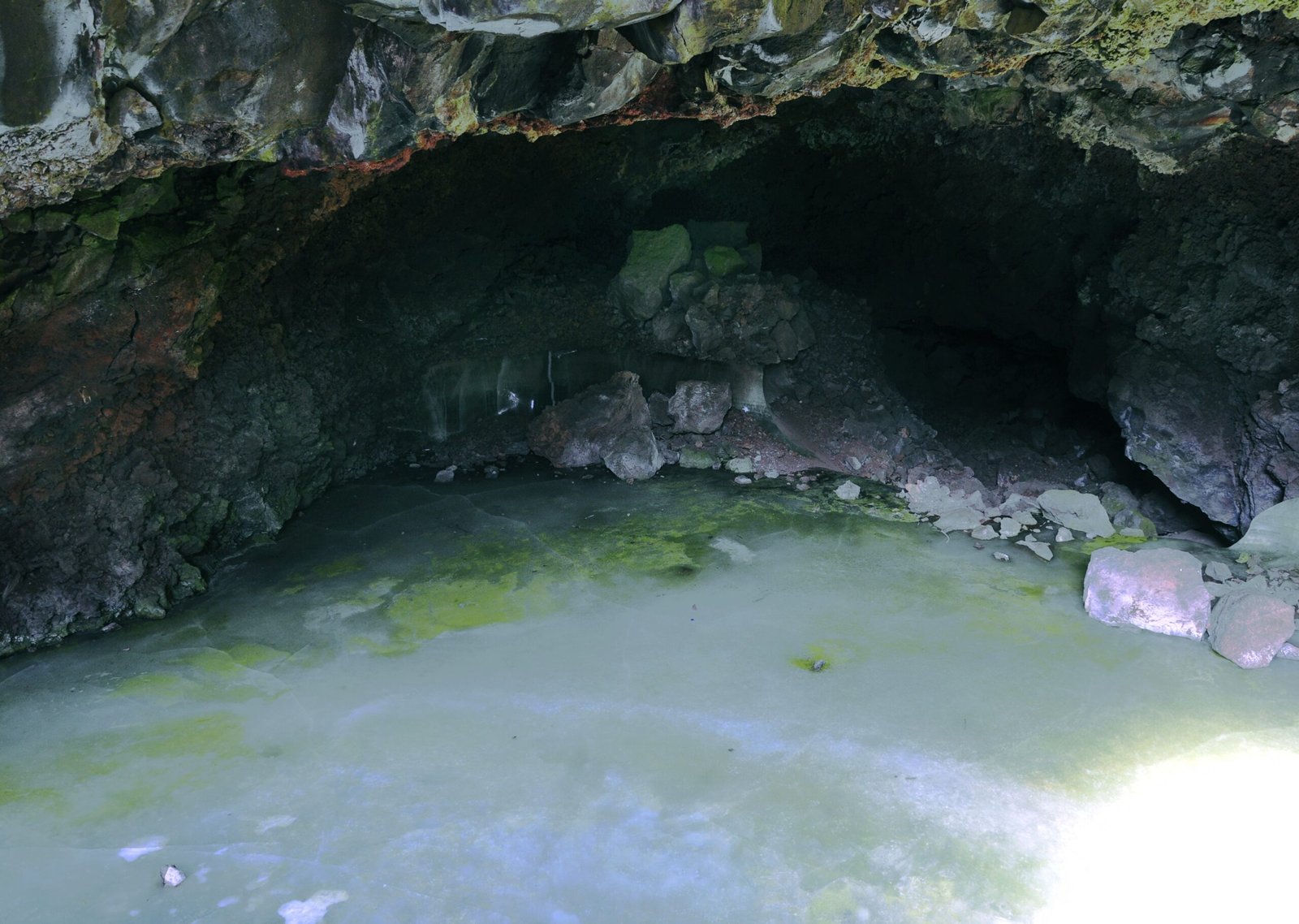
The future of Pennsylvania’s ice caves is uncertain in the face of climate change. Continued research and conservation efforts are vital to ensuring their survival. These caves serve as a reminder of the Earth’s dynamic nature and the intricate balance required to maintain its ecosystems. As we strive to combat climate change, these ice caves offer valuable lessons in resilience and adaptation. They stand as a testament to the wonders of our planet and the urgent need to protect its natural treasures.