Imagine a living thing so tough that it laughs in the face of both scalding heat and bone-chilling cold—a silent survivor thriving where most creatures perish. This is not science fiction, but the remarkable reality of certain seaweeds, which defy the odds and rewrite what we know about endurance. In a world where temperature can mean life or death, discovering organisms that shrug off extremes brings awe, curiosity, and a deep respect for the resilience of nature. Let’s dive into the story of the seaweed that can survive boiling water and freezing cold, an extraordinary champion of the tides that’s inspiring scientists, nature lovers, and the simply curious.
Meet the Marvel: Pyropia, the Indestructible Seaweed
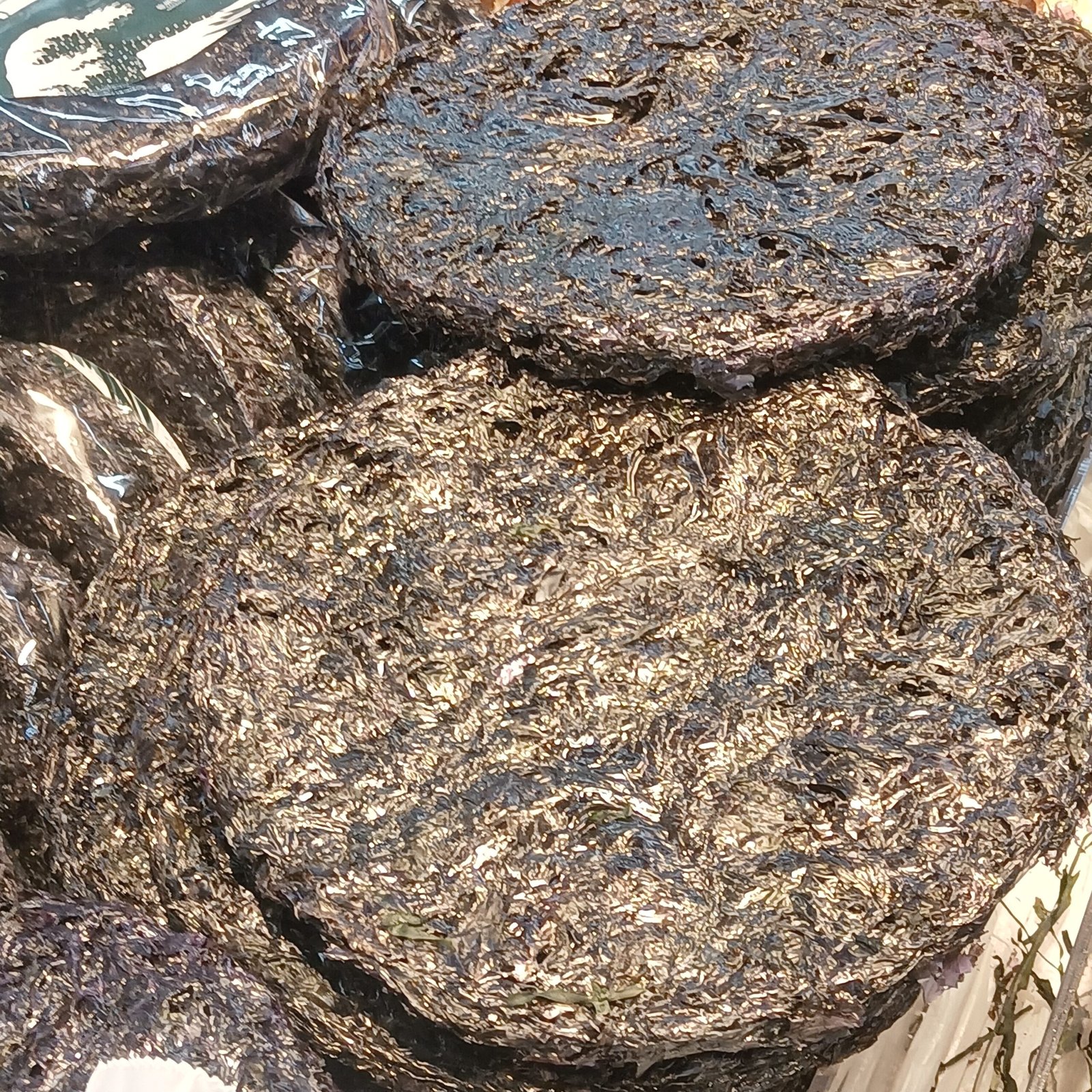
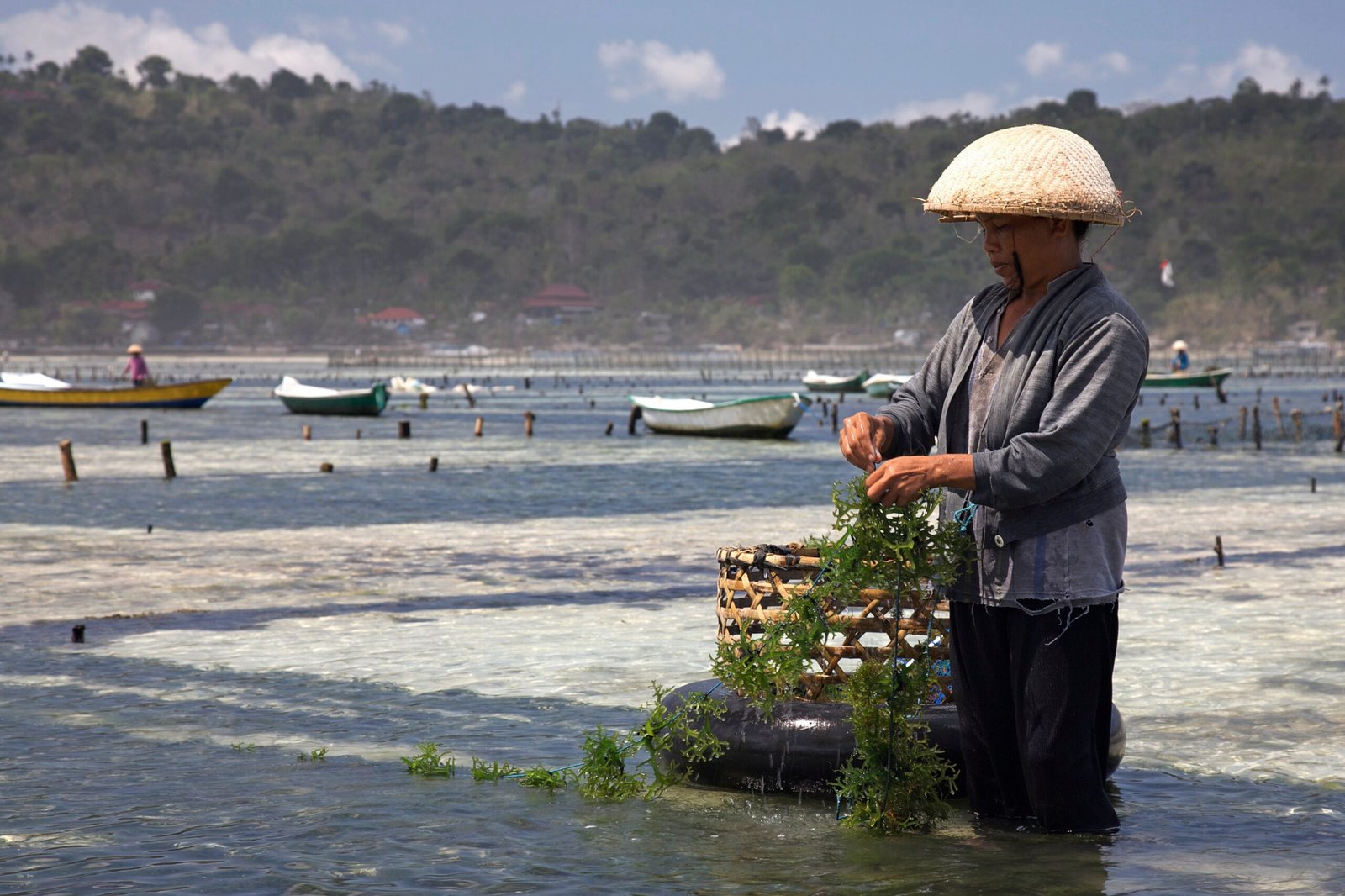
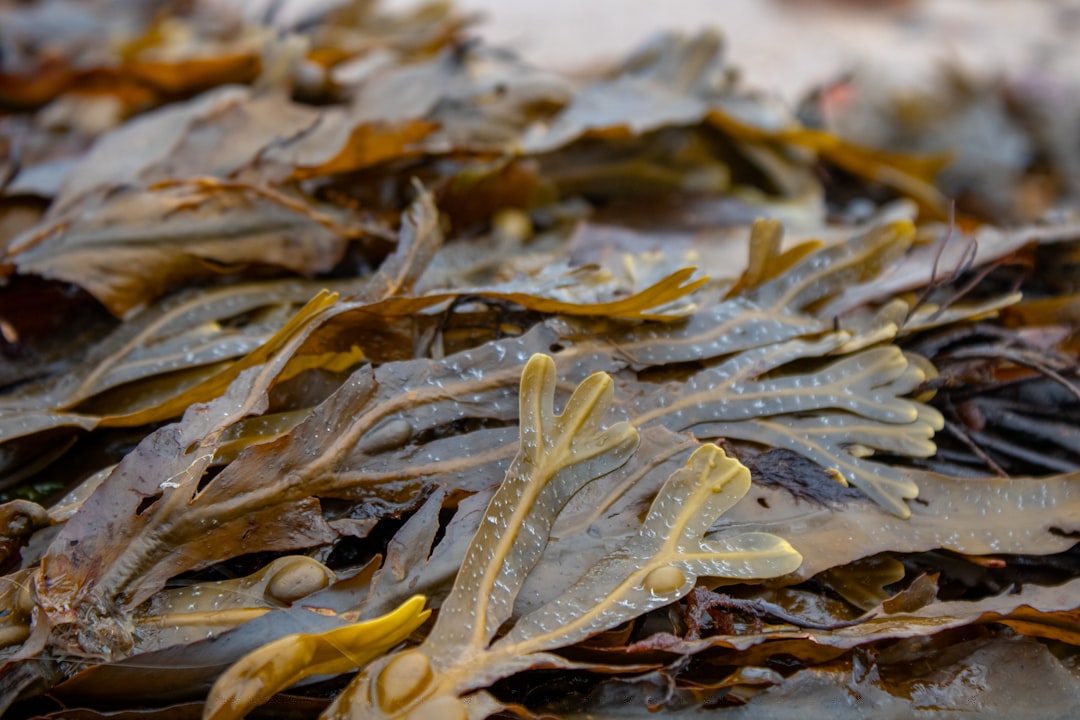
Pyropia, sometimes known as nori in sushi bars, is not your average seaweed. This red algae clings to rocks along the world’s roughest coastlines, braving storms and shifting tides. What sets Pyropia apart is its astonishing ability to endure both boiling and freezing temperatures. In the intertidal zone, it can be submerged in icy ocean water during high tide and then left exposed to the hot sun at low tide, sometimes experiencing temperature swings of over 60 degrees Celsius in a single day. This kind of resilience is almost unheard of in the plant or animal kingdoms, making Pyropia a living paradox and a favorite subject for scientific research.
A Game of Extremes: Life in the Intertidal Zone

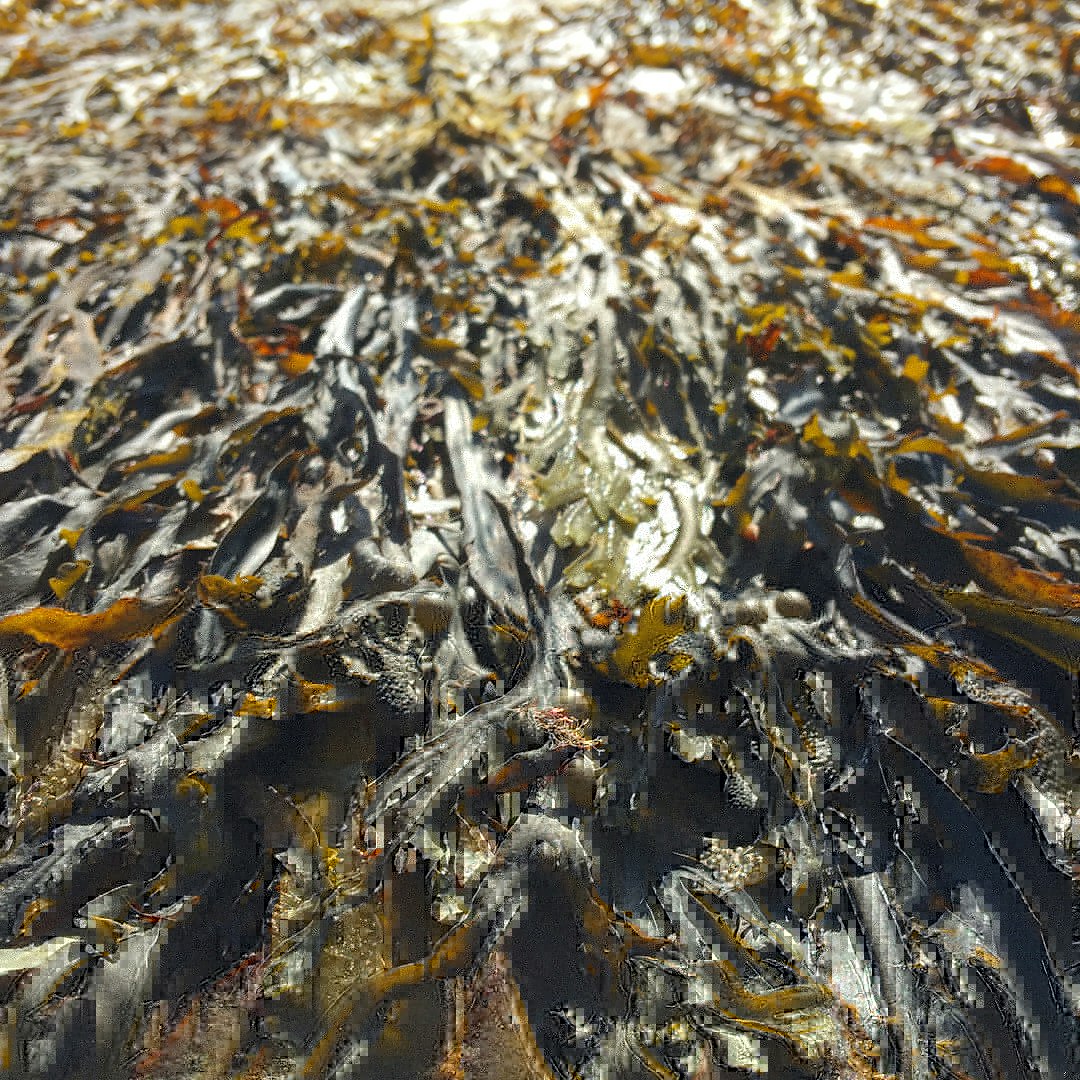
The intertidal zone is no gentle neighborhood. It’s a place where only the hardiest survive, battered by crashing waves, salt spray, and wild fluctuations in temperature. One moment, the tide covers everything in cold seawater; the next, the sun bakes exposed rocks, sometimes to the point that only the strongest can withstand the heat. Pyropia has evolved to not only endure these extremes but to thrive in them. Many plants and animals would shrivel or freeze under such stress, but this seaweed’s tissues have built-in defenses that act like armor against nature’s toughest tests.
The Secret Behind Pyropia’s Heat Resistance
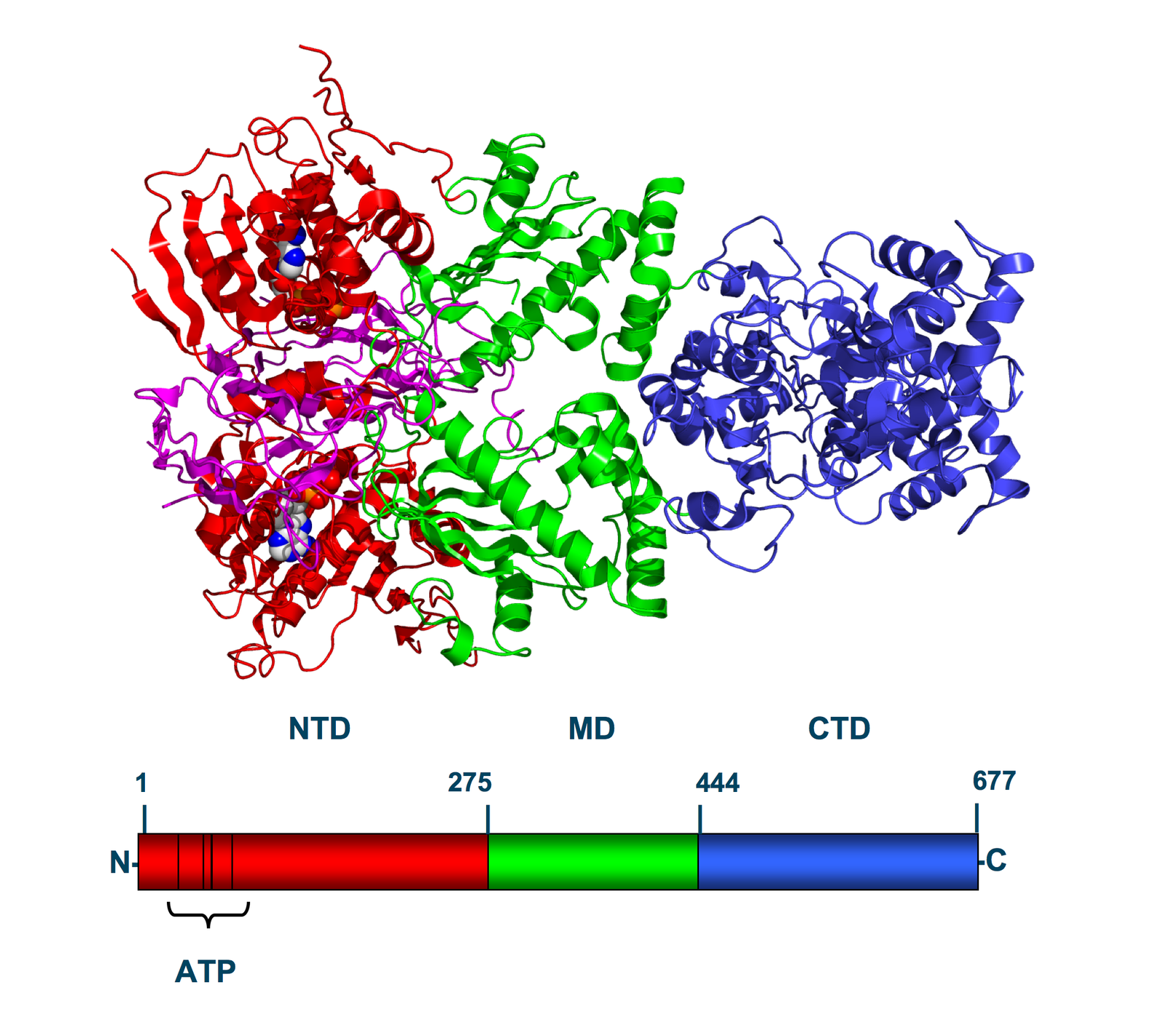
How does Pyropia survive when temperatures soar close to boiling? Scientists have found that its cells are packed with special proteins called heat shock proteins. These molecular bodyguards leap into action when things get hot, stabilizing other proteins and preventing them from unfolding or sticking together. It’s like having a team of emergency repair workers on standby, ready to patch up any heat damage instantly. The presence of sugars like sucrose and certain amino acids also helps protect the seaweed’s cells, preventing them from drying out and keeping everything running smoothly even under extreme heat.
Defying the Deep Freeze: Surviving Subzero Temperatures
When the tide recedes and winter’s chill sets in, Pyropia faces another challenge: freezing cold. Unlike most plants, which suffer cell damage when water turns to ice, Pyropia’s tissues contain antifreeze compounds. These molecules, including certain sugars and proteins, lower the freezing point inside the seaweed’s cells, stopping dangerous ice crystals from forming. Even when exposed to icy winds and frost, this seaweed can bounce back with the next high tide, showing almost no signs of injury. This ability is so remarkable that researchers are studying it for clues to help improve the cold resistance of crops and medicines.
Molecular Adaptations: Nature’s Ingenious Toolkit
Pyropia’s resilience is rooted in its unique genetic makeup. Scientists have discovered that this seaweed can rapidly switch on and off hundreds of genes in response to temperature changes. Some of these genes control the production of protective proteins and antioxidants, which shield the cells from damage. Others help the seaweed repair itself quickly after being exposed to harsh conditions. It’s as if Pyropia carries a Swiss army knife of survival tools, with each blade ready to tackle a different threat. This molecular flexibility is a key reason why it can survive where so many others fail.
Lessons from the Sea: What Pyropia Teaches Us
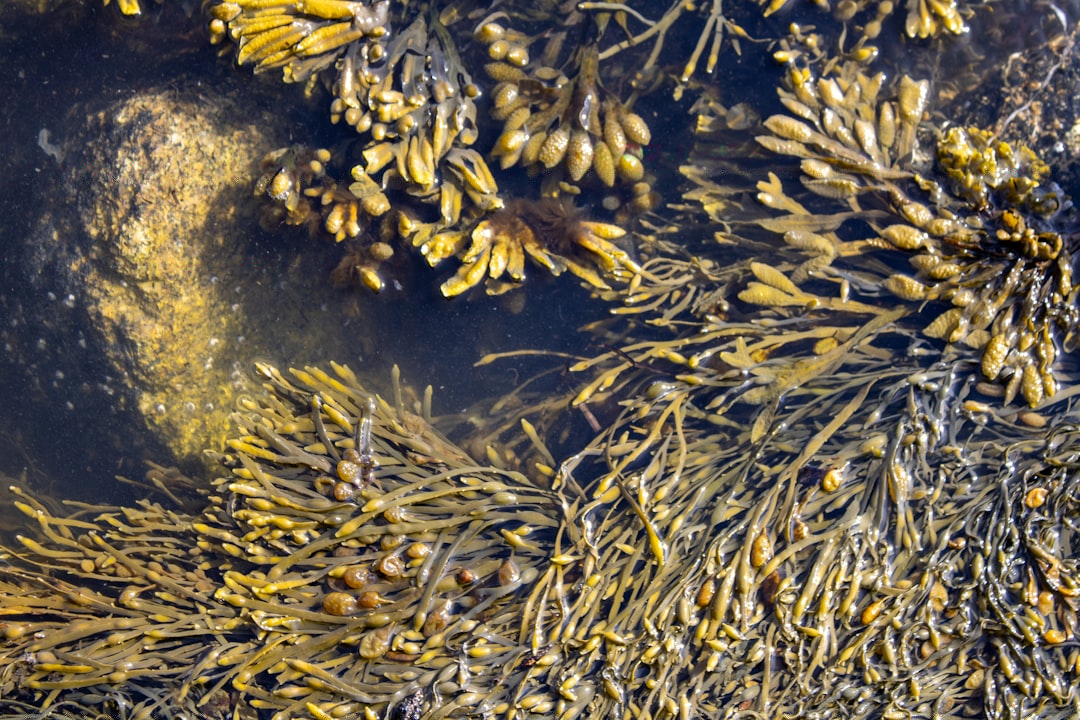
The secrets locked within Pyropia’s cells are more than just a curiosity—they hold valuable lessons for humanity. Understanding how this seaweed copes with temperature extremes could inspire new ways to protect crops from heatwaves, help preserve vaccines that need to stay cold, or even create more durable materials. Pyropia’s story is a vivid reminder that nature often holds answers to problems we face, if only we know where to look. Its resilience sparks hope that we, too, can adapt and innovate in the face of changing environments.
Edible Endurance: From the Ocean to Your Plate
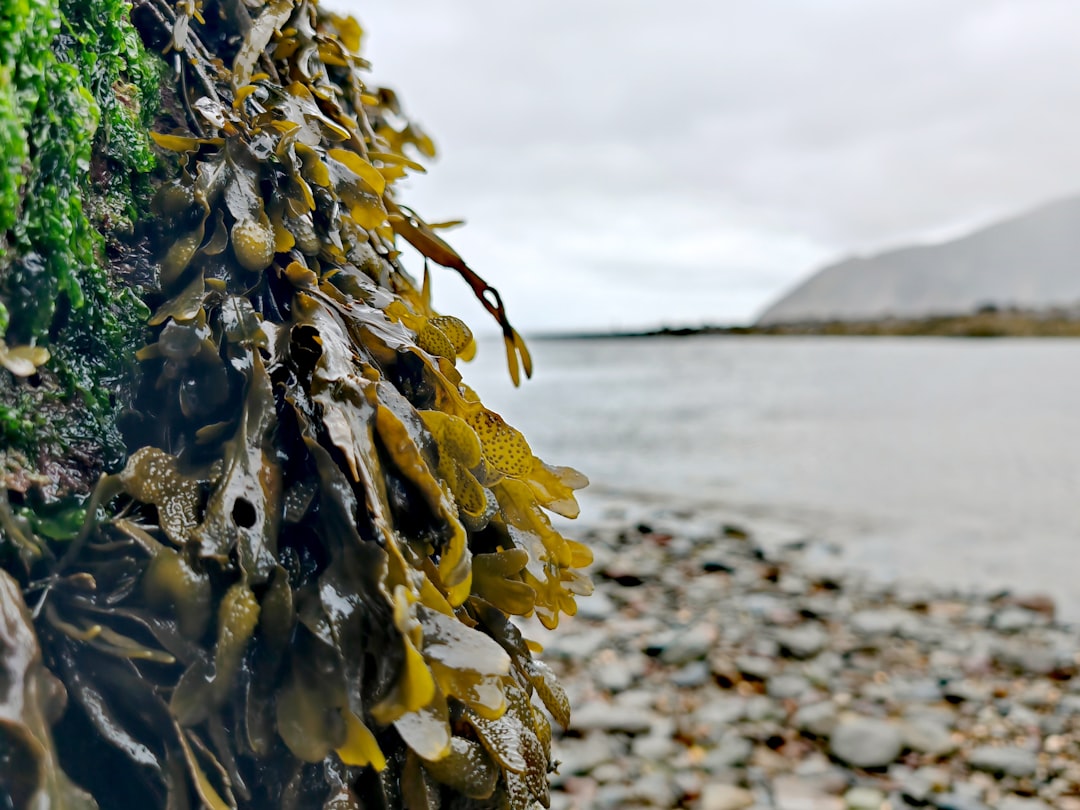
If you’ve ever enjoyed sushi, you’ve tasted the strength of Pyropia. The nori wraps that hold your favorite rolls together are made from this very seaweed. Its ability to survive tough conditions not only makes it abundant but also ensures it’s packed with nutrients, including vitamins, minerals, and protein. For centuries, coastal communities have relied on seaweeds like Pyropia as a vital food source. Its journey from rugged shorelines to elegant dining tables is a testament to the power and versatility of this remarkable organism.
Inspiring Innovation: Seaweed in Science and Industry
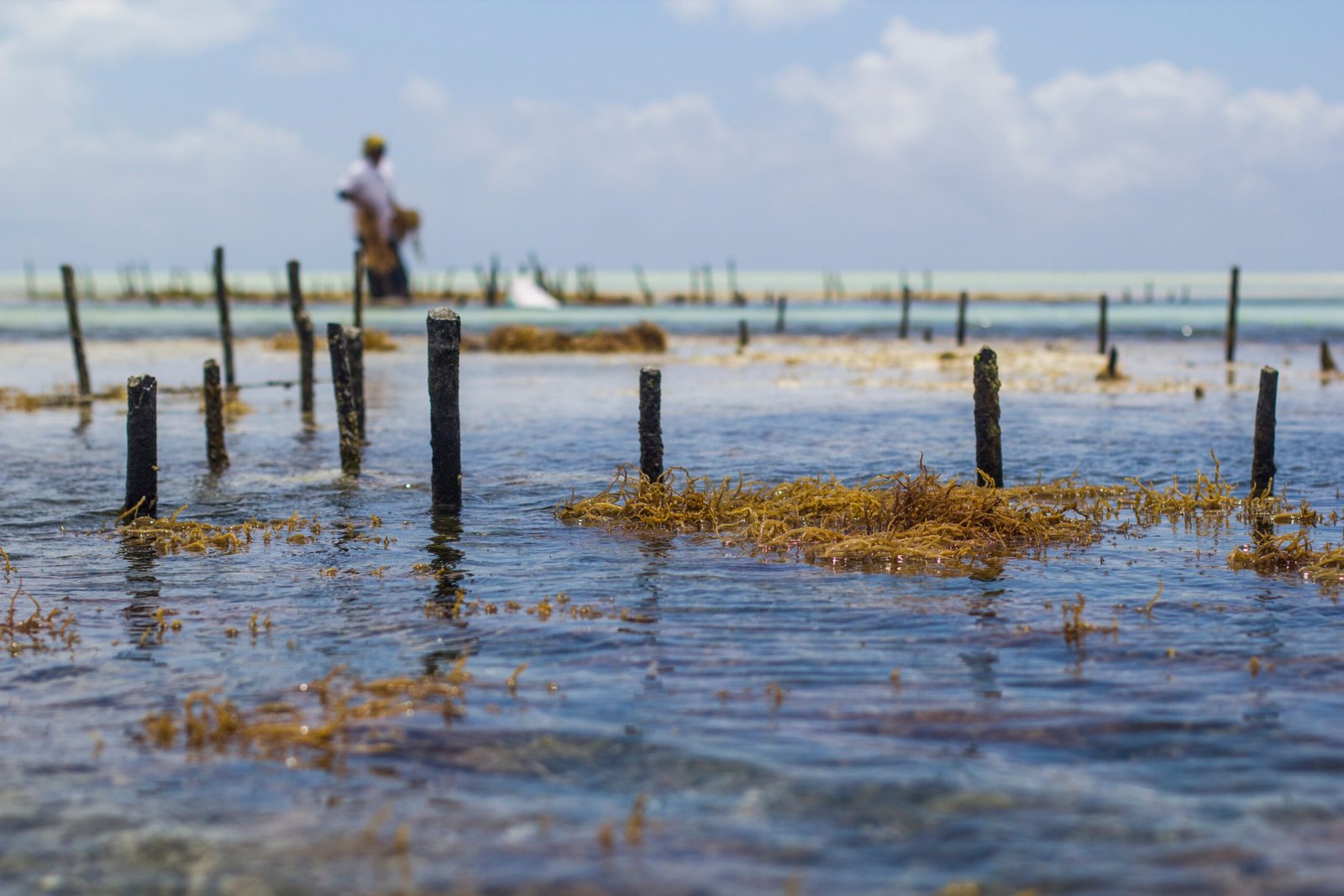
Pyropia’s extreme resilience is sparking innovation beyond the kitchen. Scientists are exploring its unique properties for use in biotechnology and industry. Imagine using seaweed-derived compounds to make natural sunscreens, biodegradable plastics, or even medicines that can withstand harsh storage conditions. The possibilities seem endless when you consider how biology’s solutions can be transformed into everyday products. Pyropia stands as a bridge between ancient traditions and futuristic technologies.
Climate Change Warriors: Seaweed and the Future
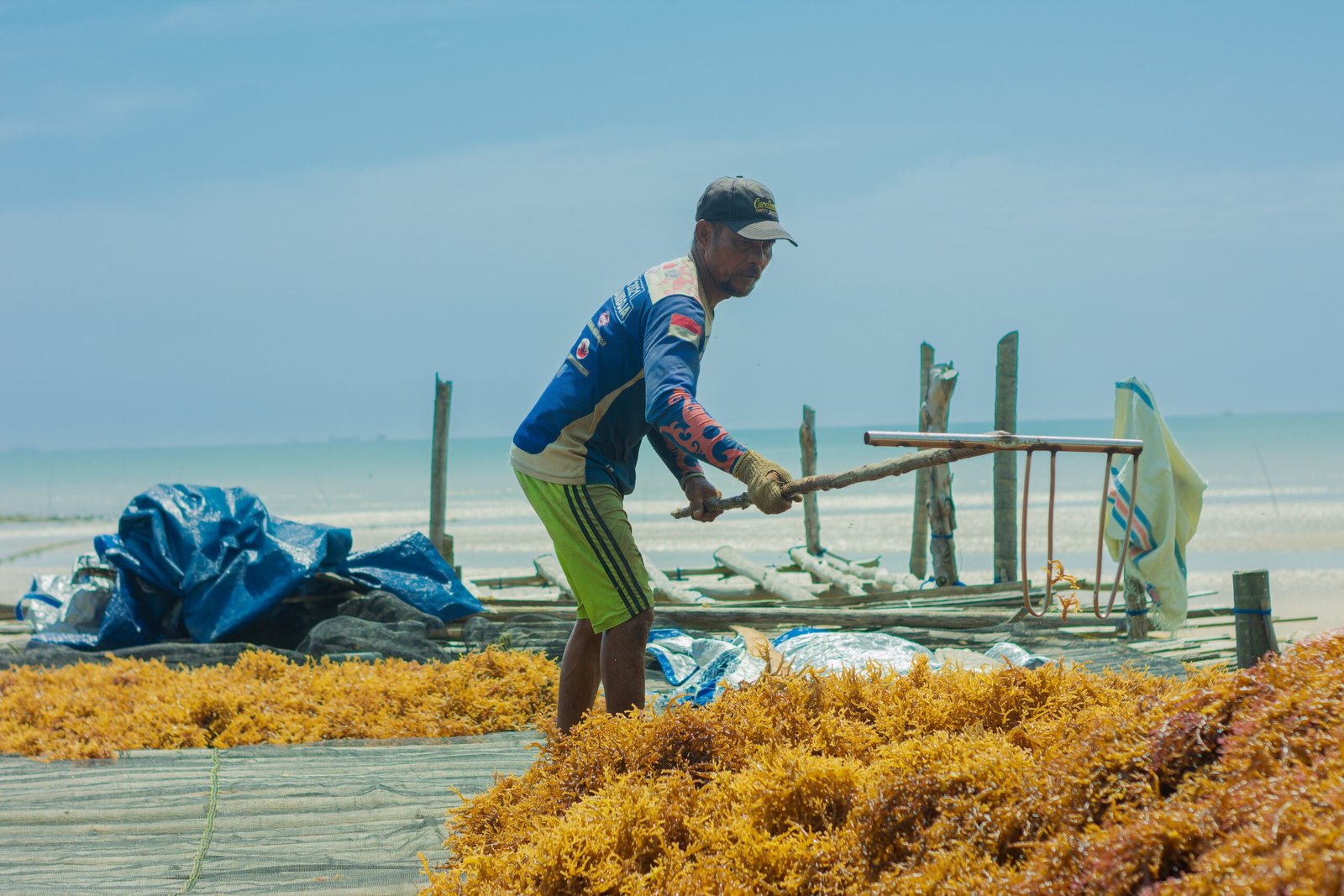
As climate change brings more frequent heatwaves and cold snaps, organisms like Pyropia could play a crucial role in helping ecosystems adapt. Seaweeds are already important for absorbing carbon dioxide, providing habitat, and stabilizing coastlines. The traits that allow Pyropia to survive extremes may help it thrive even as oceans warm and weather becomes less predictable. Its story offers a glimmer of hope that resilient species can help buffer the impacts of a rapidly changing world.
Why This Matters: A Call to Wonder and Action
The tale of Pyropia is much more than a scientific curiosity—it’s a powerful reminder of nature’s ingenuity and the wonders still waiting to be discovered. In a world full of challenges, the humble seaweed that survives both boiling and freezing is a symbol of hope, adaptability, and hidden potential. Will we learn from these unlikely champions and harness their secrets for a better future?