
There is a question so enormous, so quietly terrifying and thrilling at the same time, that most of us try not to think about it too hard. Are we alone in the universe? For most of human history, that question lived in the realm of philosophy and science fiction. Now, in 2026, it is being answered, piece by painstaking piece, by real scientists with real telescopes, real rovers, and real data pouring in from across the cosmos.
What is remarkable is not just how much you have learned, but how rapidly the pace of discovery is accelerating. New worlds are being spotted almost faster than researchers can study them. Ancient Martian rocks are whispering secrets. Distant exoplanet atmospheres may be holding the most astonishing clue of all. Something is out there. You can feel it in the science. Let’s dive in.
A Universe Bursting With Worlds You Never Imagined
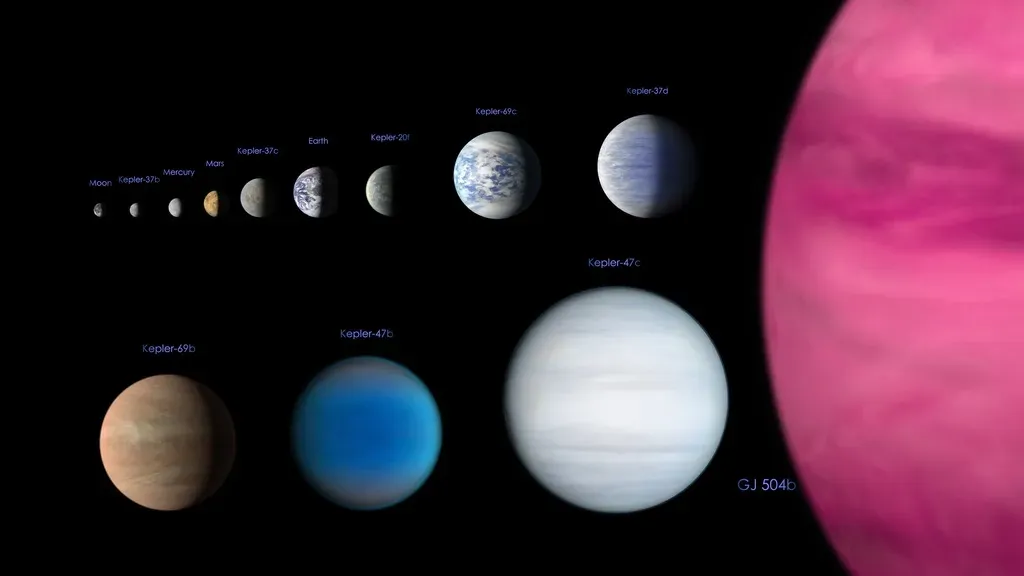
Let’s be real. When most people think about the search for extraterrestrial life, they picture a lonely scientist pointing a radio dish at the night sky and hoping for the best. The reality in 2026 is far more exciting than that. As of early 2026, astronomers have confirmed more than 6,100 planets orbiting other stars in our galaxy alone, and discoveries about the chemistry of other worlds, the sheer number of planets in the galaxy, and the resilience of life on Earth have shifted the fundamental question from “could life exist out there?” to “how would you even recognize it when you find it?”
That number, more than 6,100 confirmed exoplanets, represents only what current technology can detect. That is just a tiny fraction of what is actually out there. Statistical models based on data from the Kepler space telescope suggest there could be billions of rocky, Earth-sized planets sitting in the habitable zones of their stars, where temperatures allow liquid water on the surface. Think about that for a second. Billions. Not hundreds. Billions.
The Super-Earth Next Door That Has Scientists Buzzing
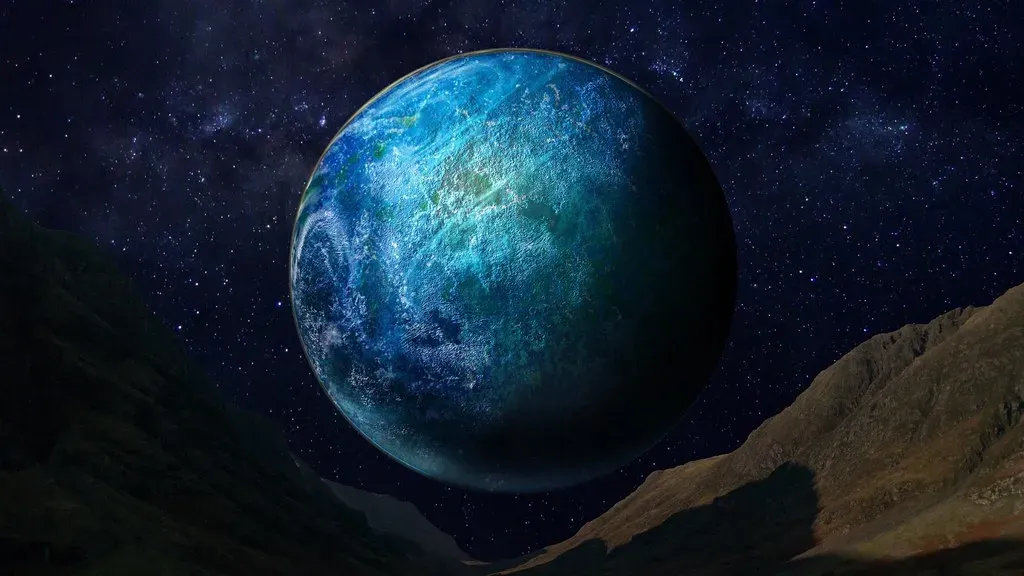
In late 2025, a discovery made waves across the scientific community, and honestly, it deserves far more attention than it received. A newly detected super-Earth just 20 light-years away is giving scientists one of the most promising chances yet to search for life beyond our solar system, and the discovery of the exoplanet orbiting in the habitable zone of its star was made possible by advanced spectrographs designed at Penn State and by decades of observations from telescopes around the world.
An international team of scientists, including researchers at Penn State, dubbed the exoplanet GJ 251 c a “super-Earth,” as data suggests it has a rocky composition similar to Earth and is almost four times as massive. What makes this especially remarkable is proximity. The exoplanet was identified using data from the Habitable Zone Planet Finder, a high-precision near-infrared spectrograph that functions as a sophisticated prism to separate starlight into its components, installed on the Hobby-Eberly Telescope at the McDonald Observatory in Texas. In cosmic terms, you are practically looking at a neighbor across the street.
Mars Is Telling You Something You Need to Hear
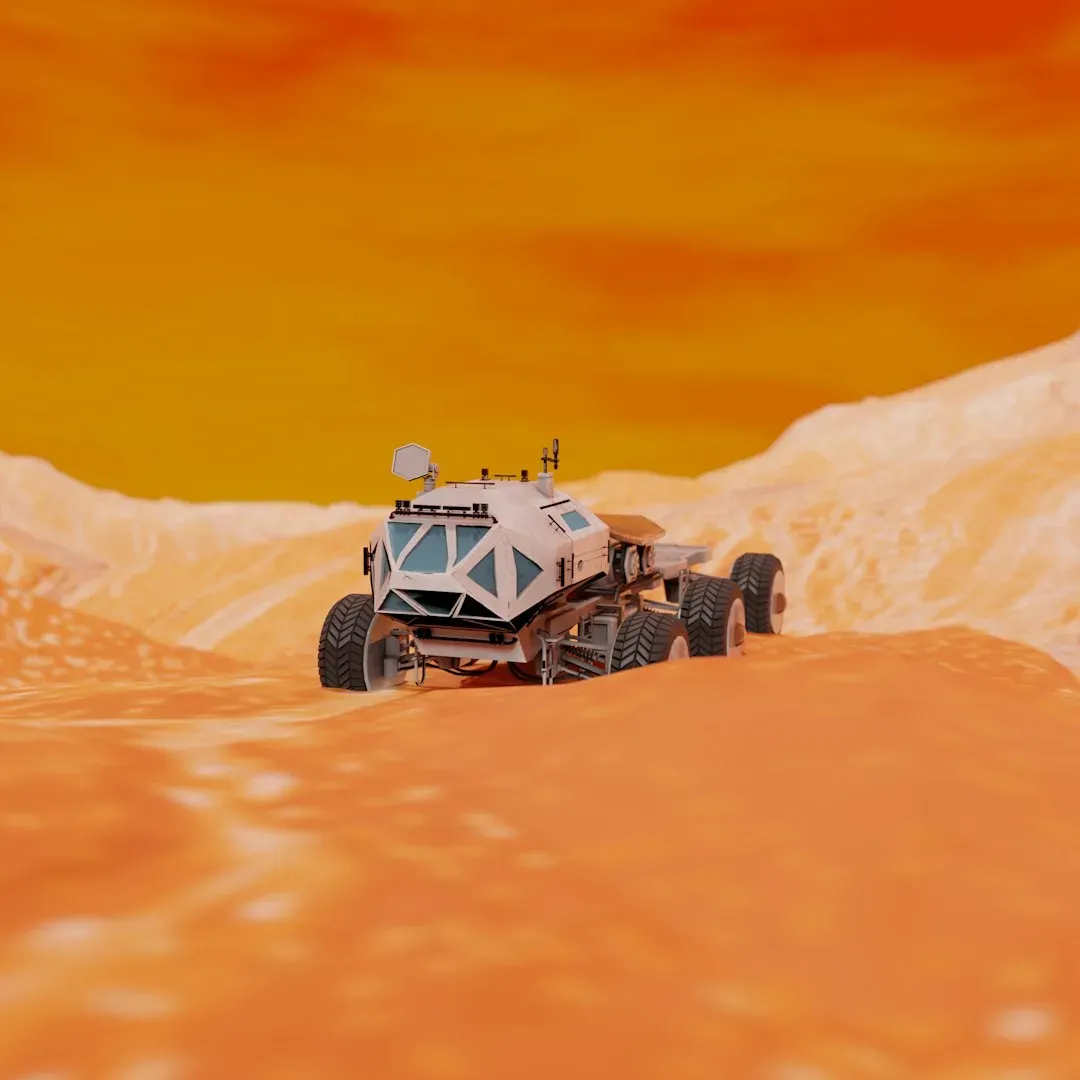
You might think Mars has been studied to death. Rovers crawling over red dust, grainy photographs of craters, the occasional press release. Boring, right? Wrong. In September 2025, something happened on the surface of Mars that stopped the scientific world cold. In September 2025, NASA announced it had found the strongest indications yet that microbes may have inhabited Mars in the past, with Perseverance detecting what was described by acting NASA Administrator Sean Duffy as “the closest we have ever come to discovering life on Mars.”
The findings focus on a region of Jezero Crater known as the Bright Angel formation, and this area in Mars’ Neretva Vallis channel contains fine-grained mudstones rich in oxidized iron, phosphorus, sulfur, and, most notably, organic carbon. Among the most striking features are tiny nodules and “reaction fronts” nicknamed “poppy seeds” and “leopard spots” by the rover team, which are enriched in ferrous iron phosphate and iron sulfide, minerals that commonly form in low-temperature, water-rich environments and are often associated with microbial metabolisms. The parallels to biology on Earth are hard to ignore.
K2-18b and the Molecule That Could Change Everything
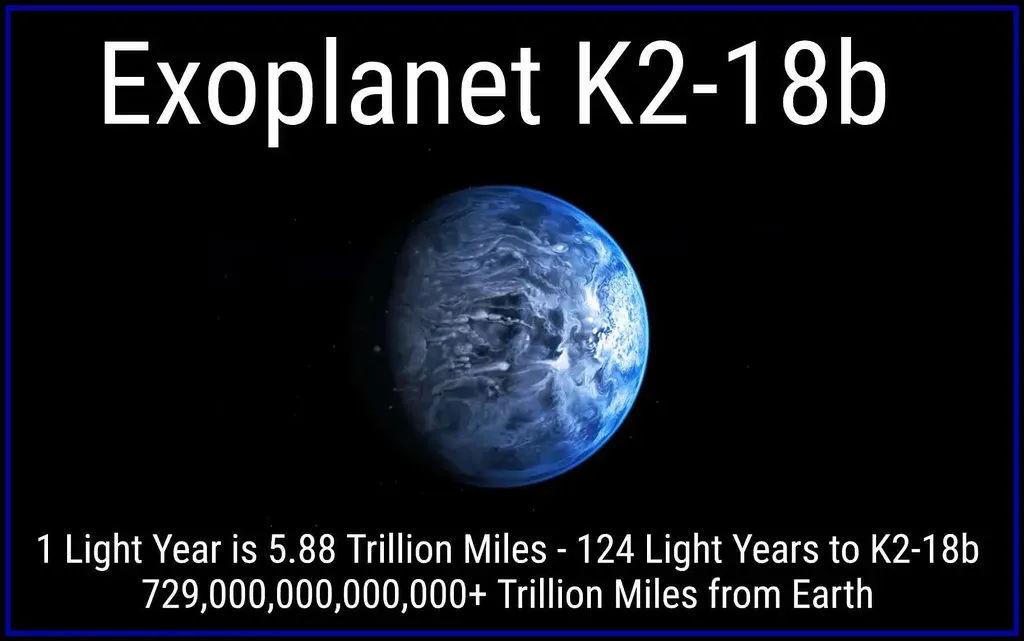
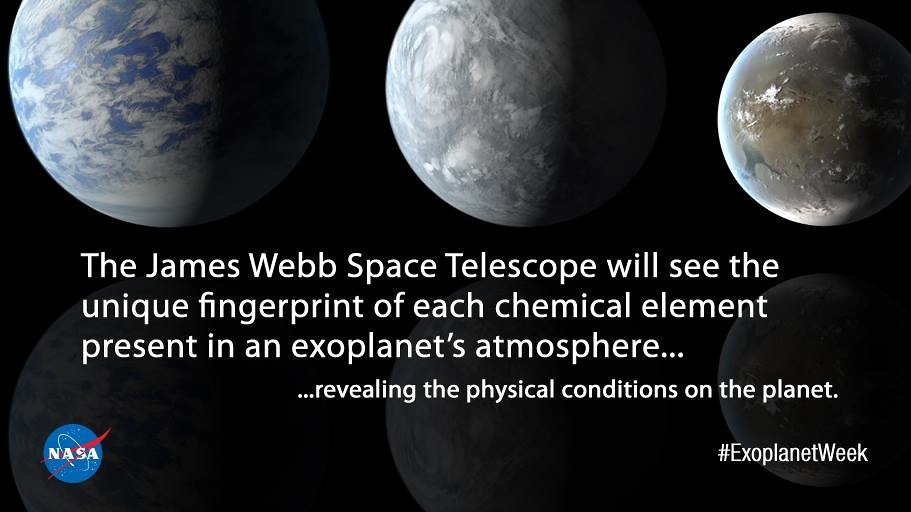
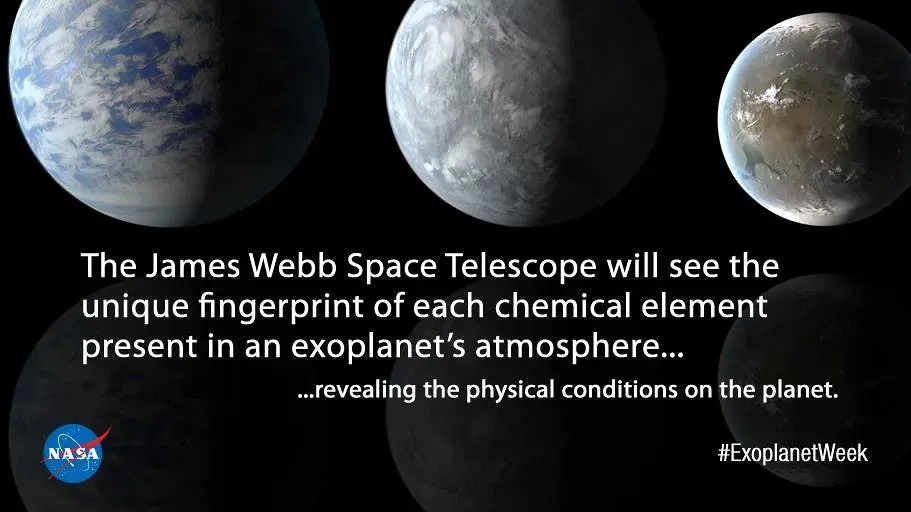
Here is the thing. The most jaw-dropping development in the search for life beyond Earth in recent years might be a molecule you have probably never heard of. Dimethyl sulfide. It is the stuff that makes the ocean smell like the ocean. On Earth, it is produced almost exclusively by living organisms, primarily marine phytoplankton. So when scientists pointed the James Webb Space Telescope at a distant exoplanet and found traces of it, you can imagine the reaction. Using data from the James Webb Space Telescope, astronomers led by the University of Cambridge detected the chemical fingerprints of dimethyl sulfide and dimethyl disulfide in the atmosphere of the exoplanet K2-18b, which orbits its star in the habitable zone, and on Earth, DMS and DMDS are only produced by life, primarily microbial life such as marine phytoplankton, making these results the strongest evidence yet that life may exist on a planet outside our solar system.
Now, scientists are appropriately cautious. The observations reached the “three-sigma” level of statistical significance, meaning there is roughly a 0.3% probability that they occurred by chance. That is compelling but not yet conclusive. The findings remain well below the “five sigma” threshold of statistical significance scientists seek for such discoveries, and even if the results are confirmed, it would not necessarily mean that the planet is home to life. Still, it is the kind of clue that keeps you up at night, staring at the ceiling and wondering.
TRAPPIST-1 and the Seven Worlds That Keep Scientists Dreaming
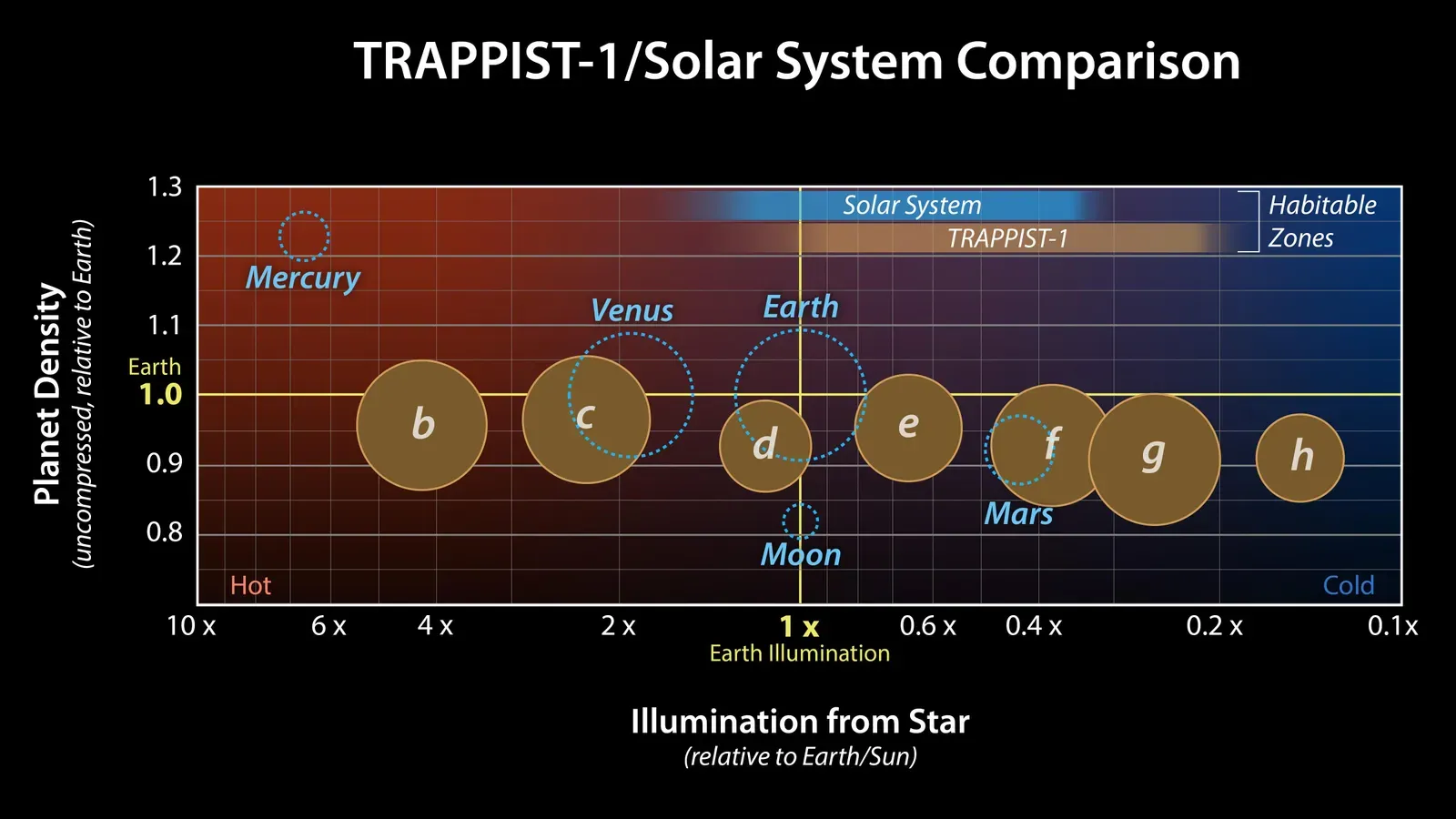
If you have not heard of the TRAPPIST-1 system by now, you need to get acquainted immediately. The TRAPPIST-1 system features a nearby star with seven Earth-sized planets orbiting it, two of which were originally discovered in 2016 by TRAPPIST, the Transiting Planets and Planetesimals Small Telescope, in Chile. Think about that. Seven. Earth-sized. Worlds. Around a single star.
One of those worlds in particular, TRAPPIST-1e, has become a scientific obsession. TRAPPIST-1e, an Earth-sized world in the system’s habitable zone, is drawing scientific attention as researchers hunt for signs of an atmosphere and potentially life-supporting conditions. Initial James Webb Space Telescope observations of TRAPPIST-1e show tentative signs of methane, but current data cannot confirm the presence of an atmosphere, and stellar activity from the host star complicates interpretation, requiring further observations and improved techniques. It is genuinely like trying to listen to a whisper through a thunderstorm. Tantalizing, frustrating, and irresistible.
The Hidden Oceans of Our Own Solar System
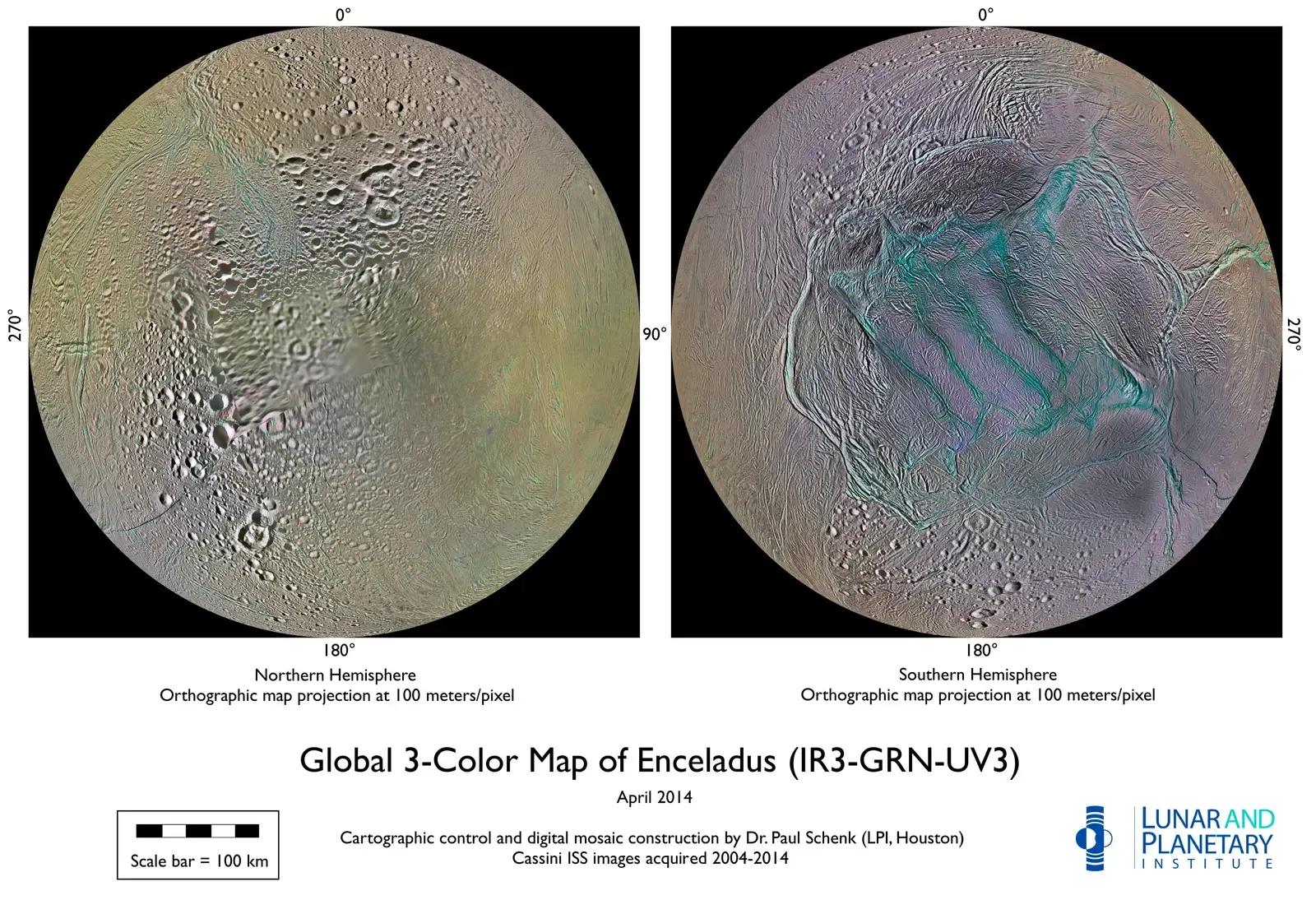
You do not have to travel light-years to find one of the most promising environments for life in the known universe. It turns out your own cosmic backyard contains some extraordinary candidates that have been quietly building a scientific case for decades. Saturn’s moon Enceladus is one of the most exciting targets: a tiny, ice-covered world that shoots plumes of water vapor into space from a global ocean beneath its surface, and NASA’s Cassini spacecraft flew through those plumes and detected organic molecules, salts, and silica particles consistent with hydrothermal vents on the ocean floor.
Hydrothermal vents, importantly, are home to thriving ecosystems of life right here on Earth, deep in the ocean where no sunlight reaches. The chemical recipe on Enceladus looks eerily familiar. In 2023, researchers analyzing Cassini data confirmed that Enceladus’s ocean contains phosphorus in the form of phosphates at concentrations at least 100 times higher than Earth’s oceans, and phosphorus had been considered a potential bottleneck for life on icy moons because earlier models predicted it would be scarce. Instead, all six chemical elements considered essential for life, which are carbon, hydrogen, nitrogen, oxygen, phosphorus, and sulfur, are now confirmed present in that hidden ocean. Honestly, if that does not raise your eyebrows, nothing will.
The Next Generation of Telescopes Will Rewrite the Story
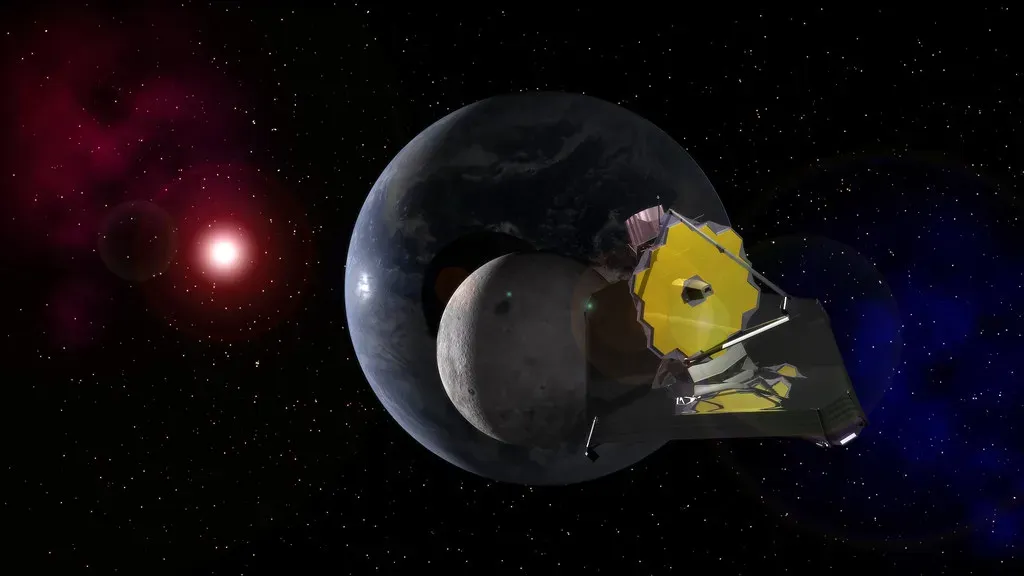
Everything described above is just the beginning. The technology driving these discoveries is advancing at a pace that would have seemed absurd even ten years ago, and what is coming next is genuinely staggering. NASA’s upcoming Habitable Worlds Observatory will be the first space telescope designed specifically to search for signs of habitability and life on planets orbiting other stars, and it will directly image Earth-sized planets around Sun-like stars to study their atmospheres in detail. Direct imaging. Of Earth-like planets. Around Sun-like stars. Let that sink in.
Newly confirmed candidate planets like HD 20794 d will provide invaluable test cases for upcoming space projects, including the Extremely Large Telescope, the Habitable Worlds Observatory, and the Large Interferometer for Exoplanets, instruments designed to observe the atmospheres of nearby Earth-like planets in the habitable zone for “biosignatures” indicative of life. Meanwhile, researchers say that more detections of biosignature hints are inevitable as scientists learn more about the universe, identify more exoplanets, and build more powerful instruments to study them. You are living through one of the most extraordinary scientific eras in human history, and the best chapters are still being written.
Conclusion: The Answer May Be Closer Than You Think
It would be easy to get swept up in the excitement and declare that alien life has already been found. Scientists themselves are urging patience. The biosignatures on K2-18b need confirmation. The Martian mudstones need to be returned to Earth for deeper analysis. The atmospheres of TRAPPIST worlds are still being pieced together. The realization is likely to be gradual, built on a plethora of evidence suggesting that life exists beyond Earth, rather than a single dramatic announcement in the morning newspapers.
Think of it less like flipping a light switch and more like watching the sun rise. It happens slowly, then all at once. The science is converging from multiple directions simultaneously. Mars is speaking. Ocean moons are chemically rich. Distant exoplanet atmospheres are carrying molecules associated with life. New telescopes are being designed specifically to answer this question. The search for life beyond Earth is entering a transformative era, combining exoplanet atmospheric analysis, solar system ocean world exploration, and interstellar technosignature monitoring. You are, whether you realize it or not, living through the moment when humanity begins to find the answer to its oldest and most profound question.
So here is something worth sitting with: if life does exist beyond Earth, the discovery will not just change science. It will change everything about how you understand your place in the cosmos. What do you think – are you ready for that answer? Share your thoughts in the comments below.