The quest for eternal youth and immortality has been a part of human history for thousands of years. From ancient legends of the Fountain of Youth to modern scientific research, the desire to halt the aging process and extend life has captivated our imaginations. But how close are we really to making this dream a reality? In this article, we will explore the current state of anti-aging research and examine the various scientific approaches being pursued to stop aging in its tracks.
The Biological Clock: Understanding Aging

Aging is a complex biological process that affects every living organism. At its core, aging is the gradual decline in physiological function and the increased vulnerability to diseases that occur over time. Scientists believe that aging is driven by various factors, including genetic, environmental, and lifestyle influences. The biological clock, also known as cellular senescence, is a key area of study in understanding aging. Cellular senescence refers to the process by which cells lose their ability to divide and function properly. These senescent cells accumulate in tissues and can contribute to age-related diseases. By studying the mechanisms behind cellular senescence, researchers hope to develop strategies to slow or even reverse the aging process.
Telomeres: The Protective Caps
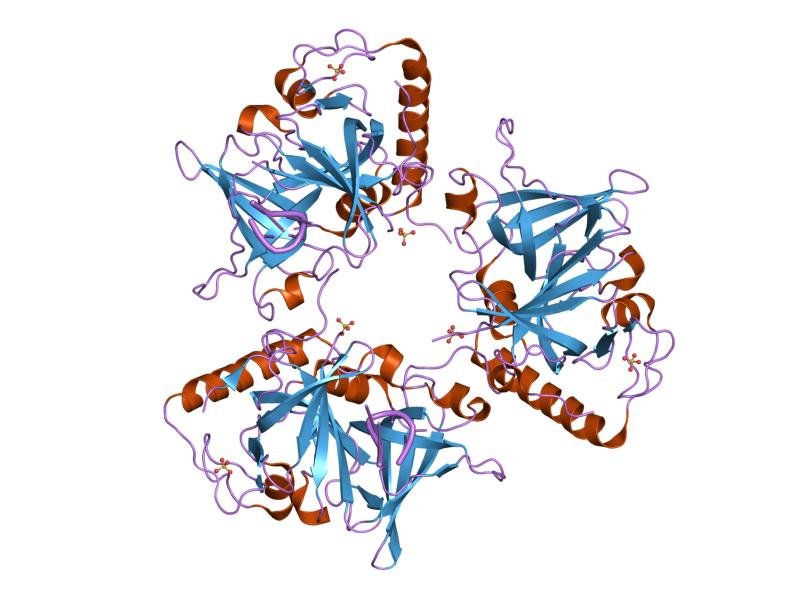
Telomeres are structures found at the ends of chromosomes that protect our DNA from damage. They are often compared to the plastic tips at the end of shoelaces, preventing them from fraying. As cells divide, telomeres gradually shorten, leading to the eventual loss of cellular function and contributing to aging. Scientists are investigating ways to preserve telomere length as a potential strategy to delay aging. One approach involves activating an enzyme called telomerase, which can rebuild and extend telomeres. While promising, this area of research is still in its early stages, and more work is needed to determine its safety and effectiveness in humans.
Caloric Restriction and Longevity

Caloric restriction, or reducing calorie intake without malnutrition, has been shown to extend lifespan in various organisms, from yeast to mice. This phenomenon has intrigued scientists, leading to studies on its potential effects on human aging. The underlying mechanism is believed to involve reduced metabolic activity and decreased production of harmful byproducts that contribute to cellular damage. While caloric restriction has shown promising results in animal studies, its long-term effects on humans remain unclear. Researchers are exploring ways to mimic the benefits of caloric restriction without the need for drastic dietary changes, such as developing drugs that target specific metabolic pathways.
The Role of Genetics in Aging

Genetics plays a significant role in determining an individual’s lifespan and susceptibility to age-related diseases. Certain genes have been identified that are associated with longevity, such as those involved in DNA repair, stress response, and cellular maintenance. Genetic studies have provided valuable insights into the biological mechanisms of aging and have opened up new avenues for research. By understanding the genetic factors that influence aging, scientists hope to develop targeted therapies that can enhance longevity and reduce the risk of age-related diseases.
Stem Cells: The Promise of Regeneration

Stem cells have the unique ability to develop into various cell types and have the potential to regenerate damaged tissues. In recent years, stem cell research has gained attention for its potential to combat aging and promote tissue repair. Scientists are exploring ways to harness the regenerative properties of stem cells to replace damaged or senescent cells and rejuvenate aging tissues. While there have been some promising results in animal studies, the translation of these findings to human therapies is still in progress. Stem cell-based treatments hold great promise, but challenges remain in ensuring their safety and effectiveness.
Anti-Aging Drugs: A New Frontier

The development of anti-aging drugs is a rapidly growing area of research, with several compounds showing potential in preclinical and clinical studies. These drugs aim to target specific pathways involved in aging and cellular damage. One such compound, rapamycin, has been shown to extend lifespan in mice by inhibiting a protein called mTOR, which plays a role in cellular growth and metabolism. Another promising candidate is metformin, a drug commonly used to treat diabetes, which has been linked to increased lifespan in some studies. While these drugs hold potential, further research is needed to assess their long-term safety and efficacy in humans.
The Ethical Considerations of Anti-Aging Research

As we make strides in anti-aging research, ethical considerations come to the forefront. The prospect of extending human lifespan raises questions about the social, economic, and environmental implications. There are concerns about overpopulation, resource allocation, and the potential for increased inequality. Additionally, the pursuit of immortality raises philosophical and moral dilemmas about the nature of life and death. As we continue to explore the possibilities of anti-aging therapies, it is essential to engage in open and thoughtful discussions about the ethical implications and ensure that advancements are made responsibly.
The Role of Lifestyle in Aging

While scientific research is crucial in the quest for immortality, lifestyle choices also play a significant role in the aging process. Factors such as diet, exercise, stress management, and sleep quality can influence how we age and our overall health. Adopting a healthy lifestyle can help mitigate the effects of aging and reduce the risk of age-related diseases. Simple changes, such as incorporating regular physical activity, maintaining a balanced diet rich in fruits and vegetables, and managing stress through mindfulness practices, can have a profound impact on longevity and well-being.
The Future of Anti-Aging Research
The search for immortality is a complex and multifaceted endeavor that requires interdisciplinary collaboration and innovative approaches. As technology advances and our understanding of the aging process deepens, new possibilities for intervention and treatment emerge. The future of anti-aging research holds promise, with potential breakthroughs on the horizon. From gene editing technologies to personalized medicine, the possibilities are vast and exciting. While the dream of stopping aging entirely may still be out of reach, the progress made in recent years brings us closer to enhancing the quality and length of human life.
Conclusion

In conclusion, the journey to stop aging and achieve immortality is a challenging yet fascinating pursuit. Through advancements in scientific research and technology, we are gaining a deeper understanding of the biological mechanisms of aging and exploring innovative strategies to extend lifespan. While the goal of halting aging entirely remains elusive, the progress made in anti-aging research offers hope for improving the quality of life and promoting healthy aging. As we continue to explore the possibilities, it is essential to approach this field with ethical considerations and a commitment to responsible advancement.