
Imagine standing on a moonless beach, the world silent except for the hush of waves—and then, as you dip your toes into the water, the ocean shimmers with an otherworldly blue light. It feels like a scene from a fantasy novel, yet these glowing seas are a real and breathtaking phenomenon. For centuries, sailors spoke in hushed tones about magical waters that sparkled under their boats, and modern travelers still flock to distant shores for a glimpse of this natural wonder. But what causes the sea to come alive with light? The answer is as enchanting as the sight itself, blending science, mystery, and the delicate beauty of nature.
The Marvel of Bioluminescence
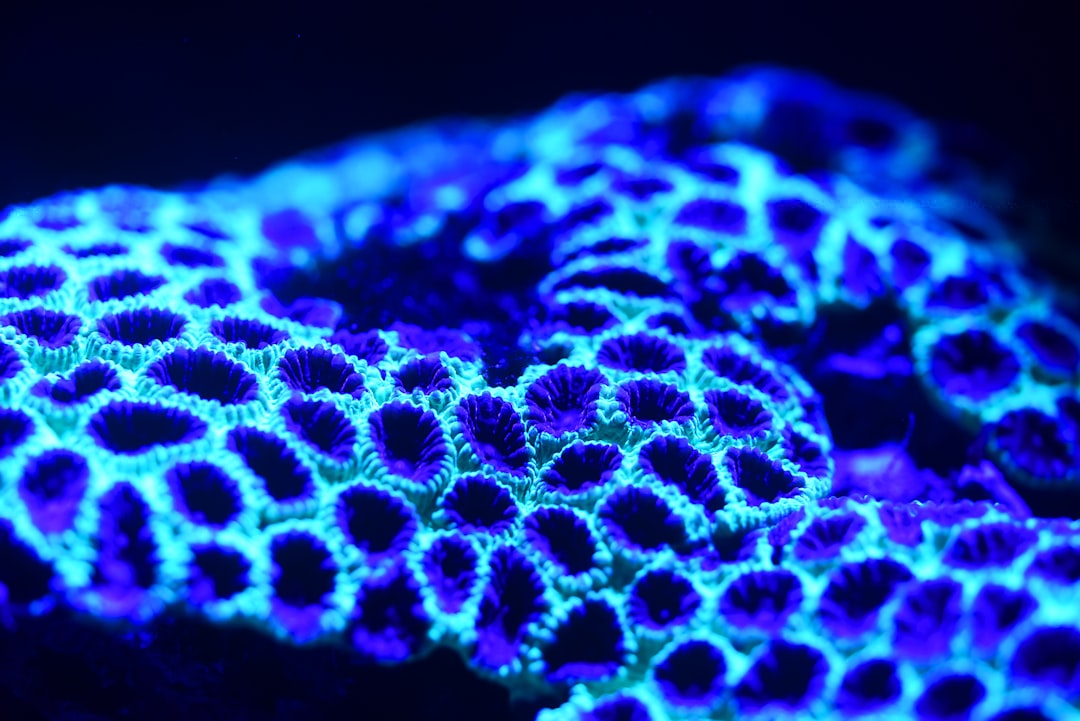
At the heart of these glowing seas is bioluminescence—a natural light show created by living organisms. Bioluminescence is the production and emission of light by a living thing, and it’s found in a surprising number of ocean creatures. Some fish, jellyfish, and even squid can light up, but it’s often microscopic plankton, like dinoflagellates, that turn entire stretches of water into glowing canvases. These tiny organisms produce light through chemical reactions inside their bodies, often as a defense mechanism to startle predators or attract mates. The result is a sea that glows with every wave or movement, transforming the shoreline into a living, breathing painting.
Dinoflagellates: The Ocean’s Tiny Fireflies
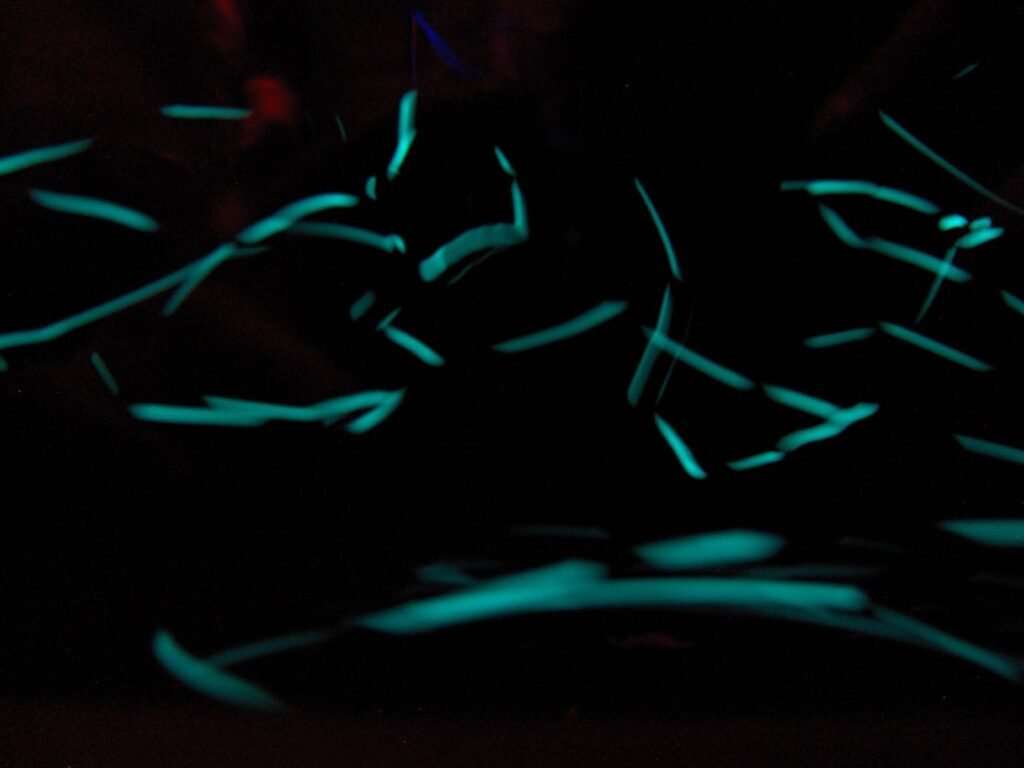
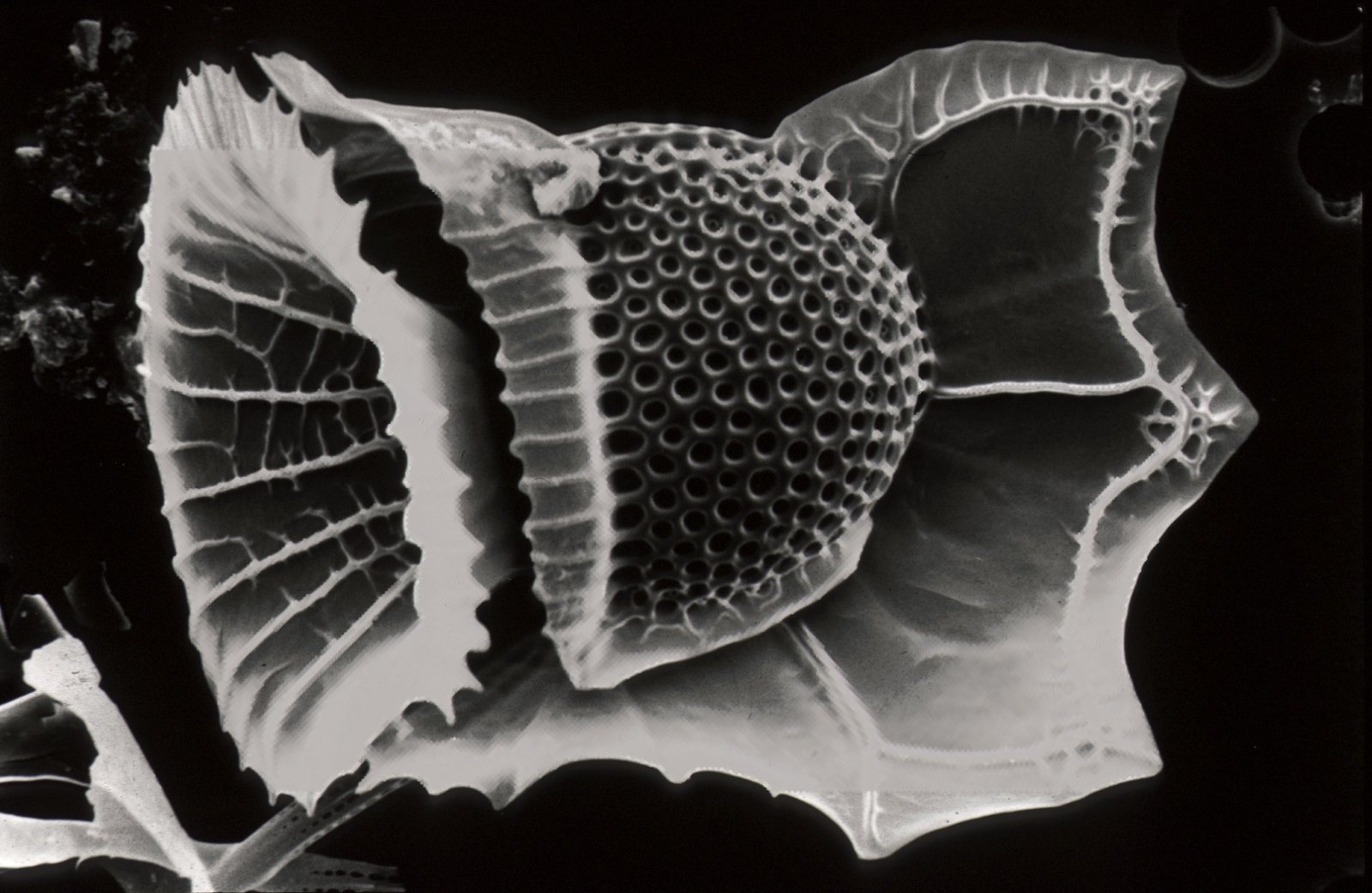
Dinoflagellates are a type of single-celled plankton that are responsible for much of the world’s glowing seas. When disturbed by waves, boats, or even a swimmer’s hand, they emit a soft blue or green light. The glow, often compared to the twinkle of fireflies, is actually a survival strategy. When a predator approaches, the sudden flash of light may scare it away or attract an even bigger predator, offering the dinoflagellate a chance to escape. Some of the most famous glowing bays, like those in Puerto Rico and the Maldives, owe their radiant beauty to dense blooms of these creatures.
The Chemistry Behind the Glow
The science of bioluminescence is as dazzling as its visual effect. The glow is produced by a chemical reaction involving a molecule called luciferin, an enzyme called luciferase, oxygen, and sometimes other cofactors. When luciferin reacts with oxygen in the presence of luciferase, it releases energy in the form of visible light. This reaction is incredibly efficient, producing almost no heat—so the sea glows but never burns. This cool light is what makes bioluminescent bays so surreal; the water can be touched and swirled, and it will light up without feeling any warmer.
Where Can You See Glowing Seas?
While bioluminescence can be seen in oceans across the planet, there are a few places where it becomes truly spectacular. Mosquito Bay in Vieques, Puerto Rico, is often called the brightest bioluminescent bay in the world, where a kayak paddle leaves trails of sparkling blue. In the Maldives, the beaches of Vaadhoo Island come alive with “sea of stars” displays under the right conditions. Other hotspots include Toyama Bay in Japan, where firefly squid create neon blue waves, and the Indian Sundarbans, where tidal rivers sometimes shimmer with light. Each location offers a different kind of magic, depending on the local species and conditions.
Nighttime Wonders: Best Conditions for the Glow
Not every night is right for bioluminescence. The brightness and visibility of the glow depend on several factors, including water temperature, salinity, and the density of plankton. Warm, calm, and nutrient-rich waters are most likely to host large blooms of dinoflagellates. Moonless nights are best—the darker the sky, the more striking the effect. Even human-made lights can dampen the glow, so remote beaches are often the most enchanting. Timing is everything; after storms or during certain seasons, the right combination of factors can turn an ordinary shoreline into a luminous spectacle.
Other Glowing Ocean Creatures
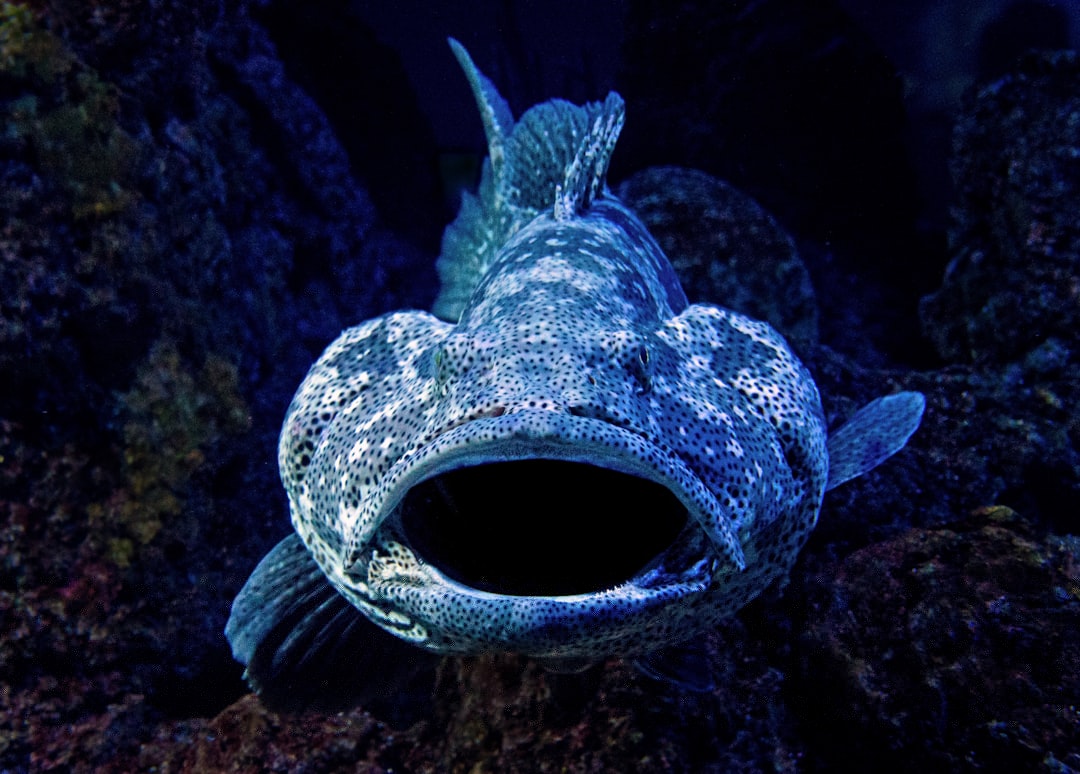
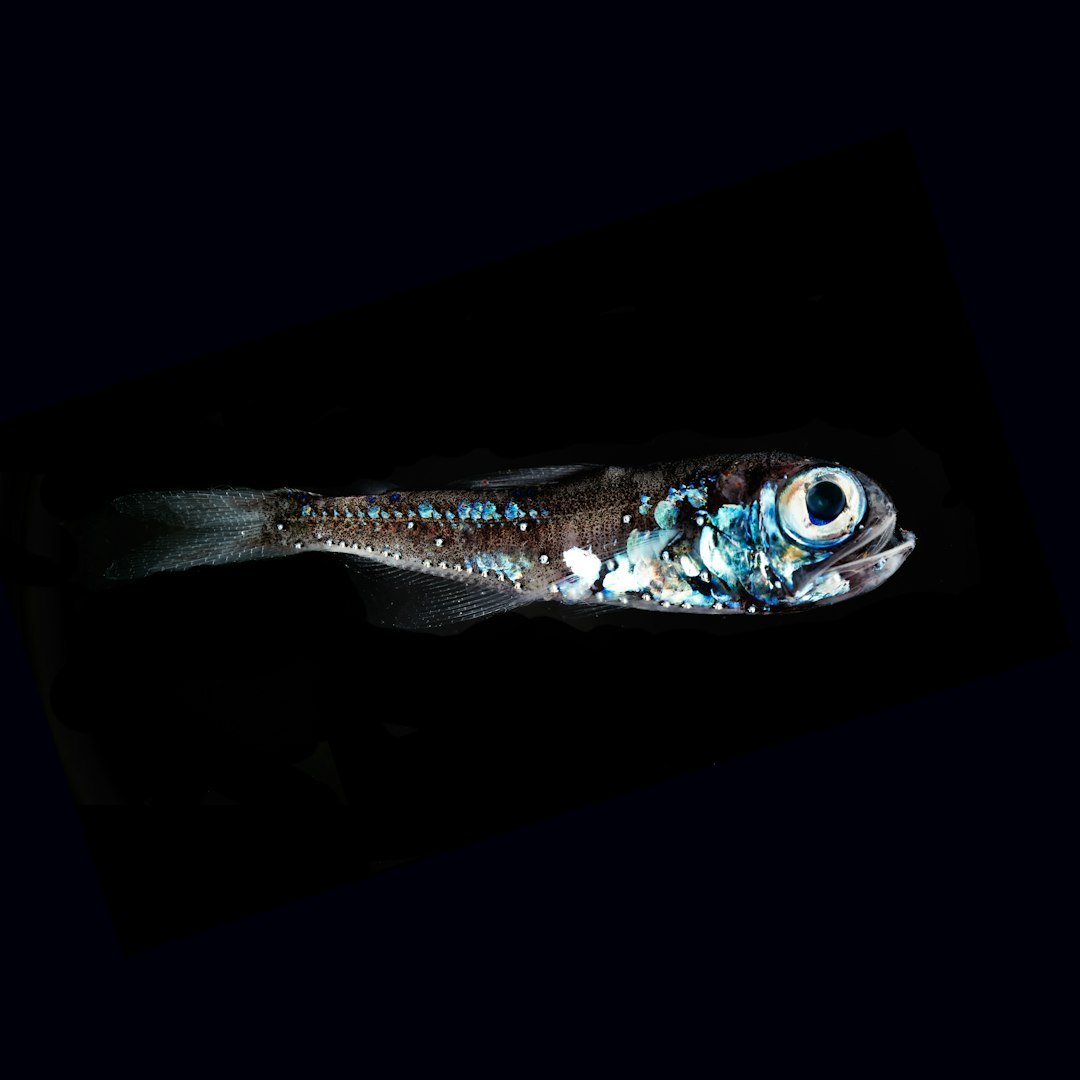
It’s not just plankton that light up the sea. Many deep-sea creatures use bioluminescence to navigate, hunt, or hide. The anglerfish, with its famous glowing lure, attracts prey in the inky blackness of the ocean’s depths. Lanternfish have rows of glowing organs along their sides, making them look like swimming strings of pearls. Even some jellyfish, like the crystal jelly, produce a bright green light when touched. These creatures remind us that the deep sea, often thought of as dark and lifeless, is actually a realm of living light.
Why Do These Creatures Glow?
Bioluminescence serves many purposes in the ocean. For some, it’s a form of camouflage; by matching the faint light from above, creatures can become invisible to predators below. Others use it as a lure, drawing prey closer with the promise of an easy meal. Some, like the dinoflagellates, use sudden flashes to startle or confuse attackers. The diversity of uses is staggering, showing just how creative evolution can be. In a world without sunlight, light becomes a language—a way to communicate, survive, and thrive.
Human Encounters: Awe, Wonder, and Responsibility
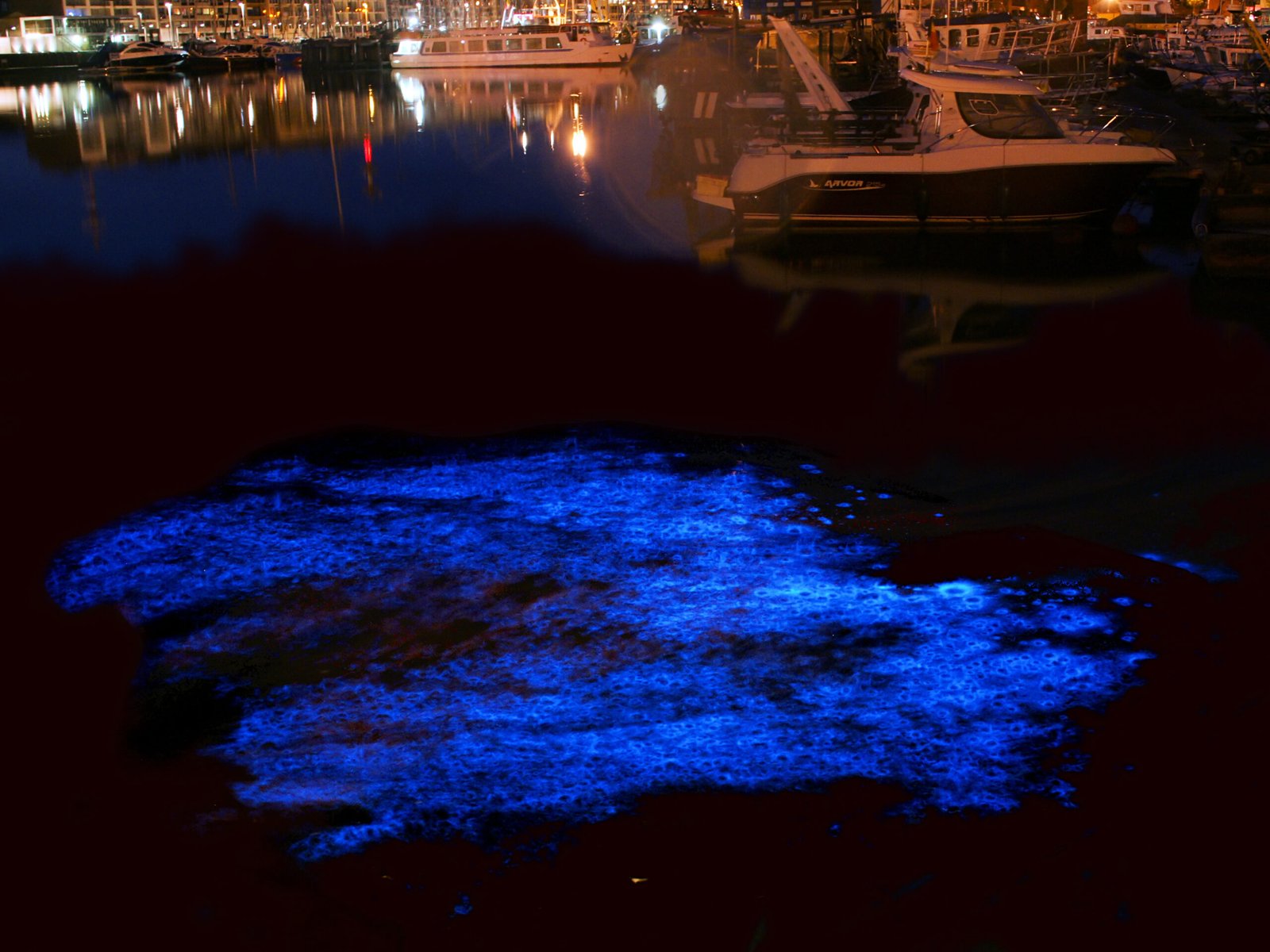
People who witness a glowing sea often describe it as life-changing. The experience can spark awe, curiosity, and respect for the fragile beauty of the natural world. But increased tourism and pollution threaten some of these delicate ecosystems. Sunscreens, boat engines, and even footsteps can disturb the balance, reducing the brightness or harming the plankton. Conservation efforts are needed to ensure that future generations can experience this magic. Simple steps, like using eco-friendly products and respecting local guidelines, make a real difference.
Bioluminescence in Science and Technology
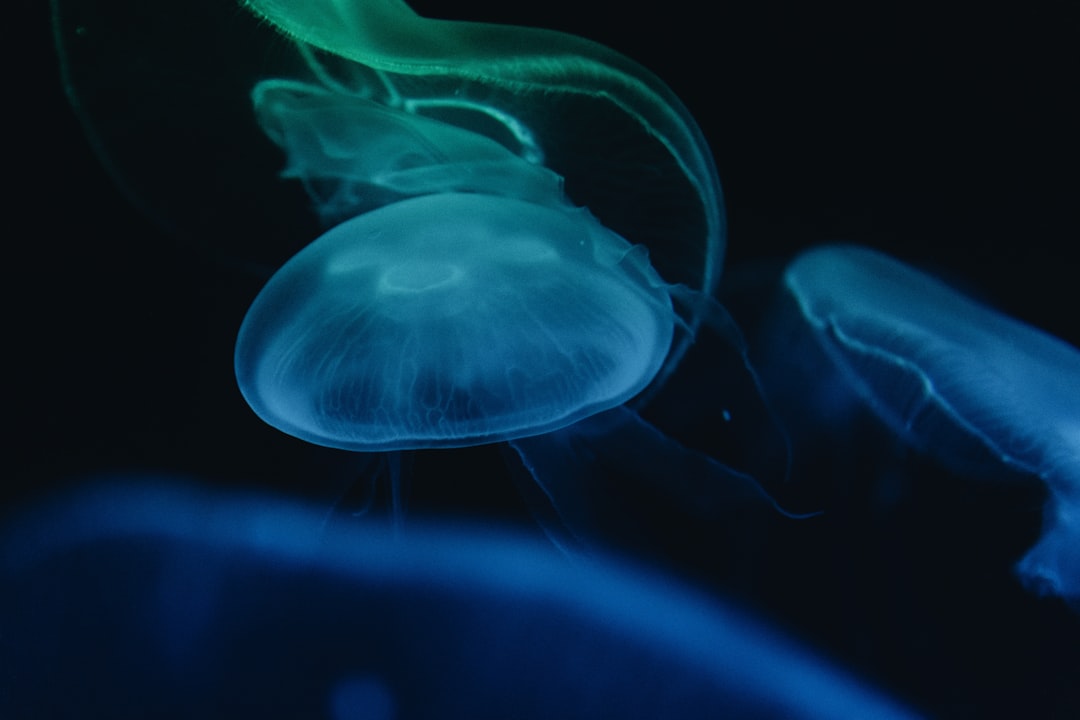
Bioluminescent organisms have inspired breakthroughs in science and medicine. The green fluorescent protein, originally found in jellyfish, is now a powerful tool for researchers, allowing them to track cells and genes in living organisms. Scientists are exploring ways to use bioluminescence for everything from pollution detection to medical imaging. The natural efficiency of these glowing systems could even inspire sustainable lighting solutions in the future. It’s a spectacular example of how nature’s wonders can lead to human innovation.
The Mystery and Magic of the Glowing Sea
The glowing sea captures imaginations because it sits at the intersection of science and wonder. It’s a reminder that even in a world mapped by satellites and studied by scientists, there are still moments of pure magic waiting to be discovered. The sight of a beach sparkling under your footsteps, or waves glowing in the darkness, invites us to look closer—to ask questions, to respect nature, and to marvel at the complexity of life on Earth. Would you ever have guessed that something so small could light up the vastness of the sea?